Algae growth is one of the most common problems pool owners face. It not only turns pool water green or cloudy but also makes surfaces slippery, increases chemical use, and can strain filtration systems. While traditional chlorine treatments can combat algae, many homeowners prefer a more natural and low-maintenance solution.
This growing preference for natural pool care reflects a broader shift toward sustainable living and chemical reduction in home maintenance. Homeowners are increasingly aware of the environmental impact of traditional pool chemicals and the potential health effects of prolonged chemical exposure, creating demand for alternatives that deliver effective algae control without these concerns.
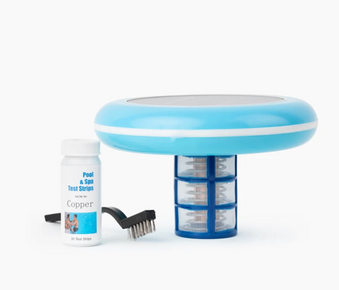
A solar pool ionizer provides an eco-friendly and effective way to prevent and remove algae from your pool. By releasing mineral ions powered by sunlight, a solar pool ionizer reduces algae growth while lowering chemical dependency. This guide explains how Solar Pool Ionizers work and how they help keep your pool algae-free.
Table of Contents
- Understanding Algae Growth in Residential Pools
- What a Solar Pool Ionizer Is and How It Works
- How a Solar Pool Ionizer Prevents Algae Formation
- Using a Solar Pool Ionizer to Remove Existing Algae
- Best Practices for Maximizing Solar Pool Ionizer Efficiency
- Advantages of Solar Pool Ionizers Over Chemical-Only Methods
- Final Thoughts: Keeping Your Pool Algae-Free With a Solar Pool Ionizer
1. Understanding Algae Growth in Residential Pools
Algae are microscopic photosynthetic organisms that exist as single cells or colonies, thriving in warm, nutrient-rich aquatic environments where conditions support rapid reproduction and colonization. In residential pools, these primitive plants represent more than just aesthetic nuisances they create systemic challenges that impact water quality, equipment performance, chemical efficiency, and overall swimming enjoyment. The persistence of algae problems stems from their remarkable adaptability and reproductive efficiency, with individual algae cells capable of dividing multiple times daily under optimal conditions, transforming clear water into green, cloudy pool water environments within 24-48 hours when preventive measures fail or environmental factors align favorably for explosive growth.
The Biology and Lifecycle of Pool Algae
Understanding algae growth begins with examining their biological characteristics and reproductive strategies that make them such persistent challenges in residential pool environments. Algae exist in several forms relevant to pool maintenance, each with distinct characteristics but similar requirements for establishment and proliferation. Green algae (Chlorophyta) appear as suspended cloudiness or surface slime, black algae (Cyanobacteria) form tenacious dark spots with root-like structures, and mustard algae (Phaeophyta) present as yellowish powder in shaded areas. Despite their visual differences, all share fundamental biological traits including photosynthesis capability, rapid reproduction through cell division, and environmental resilience that allows survival under suboptimal conditions until favorable circumstances trigger explosive growth.
- Photosynthetic Capability: Algae convert sunlight into energy through chlorophyll, making sunlight exposure both necessary for growth and a potential control point
- Reproductive Efficiency: Single algae cells can produce thousands of offspring daily through simple cell division under ideal conditions
- Environmental Resilience: Many algae forms produce protective coatings or enter dormant states when conditions become unfavorable
- Nutrient Versatility: Algae can utilize diverse nutrient sources including phosphates, nitrates, and organic debris for growth
Primary Factors That Encourage Algae Growth
Algae establishment and proliferation in residential pools result from specific environmental conditions that provide the necessary components for photosynthesis, reproduction, and colony expansion. These factors often work synergistically, where deficiencies in one area create opportunities that other factors exploit, explaining why algae problems can develop suddenly despite seemingly adequate preventive measures.
- Imbalanced Water Chemistry: pH levels outside the optimal 7.2-7.8 range reduce chlorine effectiveness while creating conditions where algae thrive. Low chlorine levels (below 1 ppm) fail to provide adequate sanitizer protection, while high stabilizer concentrations (cyanuric acid above 80 ppm) reduce chlorine's oxidative power against algae cells.
- Poor Circulation or Pool filtration system: Stagnant water areas create micro-environments where algae can establish protected from circulating sanitizers. Inadequate pump runtime (less than 8 hours daily) fails to distribute chemicals evenly, while dirty or clogged filters reduce flow rates and filtration efficiency, allowing algae spores to remain suspended rather than being removed.
- Sunlight Exposure and Warm Temperatures: Algae growth accelerates dramatically between 60-90°F, with optimal reproduction occurring around 80°F. Direct sunlight provides energy for photosynthesis while warming surface water, creating ideal conditions in shallow areas and surface layers where temperatures rise fastest during daylight hours.
- Organic Debris Accumulation: Leaves, pollen, grass clippings, dust, and swimmer contaminants provide nutrients that fuel algae growth. Phosphates from fertilizers, decaying vegetation, and certain pool chemicals serve as particularly potent algae nutrients, with levels as low as 100 ppb supporting substantial algae proliferation.
Additional Contributing Factors Often Overlooked
Beyond the primary growth factors, several additional conditions commonly contribute to algae problems in residential pools, often explaining why algae reappears despite seemingly adequate chemical maintenance and routine care.
- Swimmer Introduction: Each swimmer introduces approximately 30-50 million bacteria and organic particles that can serve as algae nutrients
- Environmental Contamination: Wind-blown spores, rainfall, wildlife, and neighboring vegetation continuously reintroduce algae to pool environments
- Equipment Issues: Malfunctioning pumps, compromised filters, and plumbing leaks create circulation dead spots where algae establish
- Seasonal Variations: Spring pollen, summer heat, and fall leaf drop create seasonal challenges requiring adjusted maintenance approaches
- Construction and Surface Factors: Rough plaster, porous tiles, and shady areas provide attachment points and protected environments for algae colonization
The Consequences of Uncontrolled Algae Growth
If left untreated, algae can spread quickly and require heavy chemical treatments to remove, but the consequences extend far beyond the immediate treatment requirements to impact multiple aspects of pool ownership and enjoyment.
- Chemical Demand Increase: Algae colonies consume chlorine and other sanitizers, requiring 3-5 times normal chemical amounts to regain control
- Equipment Strain: Filters clog more rapidly, pumps work harder, and surfaces become stained or etched by aggressive chemical treatments
- Swimming Restrictions: Heavy chemical treatments typically require 24-72 hour swimming bans while chemicals dissipate to safe levels
- Surface Damage: Algae roots can penetrate porous surfaces, while aggressive algaecides may damage finishes and equipment components
- Water Quality Degradation: Beyond visual cloudiness, algae affect pH balance, reduce water clarity, and create slippery hazardous surfaces
- Maintenance Time Increase: Addressing established algae problems typically requires 3-5 times more maintenance time than preventive approaches
This comprehensive understanding of algae biology, growth factors, and consequences establishes why effective prevention represents such a critical aspect of pool maintenance and why approaches like solar ionization that address the fundamental conditions supporting algae growth offer such significant advantages over reactive chemical treatments that address symptoms after problems become established. By understanding how and why algae grow in residential pools, homeowners can implement preventive strategies that address the root causes rather than repeatedly treating the visible symptoms of underlying maintenance or environmental imbalances.

2. What a Solar Pool Ionizer Is and How It Works
A solar pool ionizer is a self-contained floating device engineered to convert solar energy into electrochemical water purification through controlled mineral ion release, representing a sophisticated integration of photovoltaic technology and proven water sanitation principles. This innovative system operates autonomously without electrical connections or plumbing modifications, harnessing abundant sunlight to power continuous copper and silver ion production that creates an algae- and bacteria-resistant environment throughout the pool water column. Unlike traditional chemical systems that rely on periodic manual intervention and chemical additions, solar ionizers provide consistent, automated pool management that maintains protective mineral levels whenever sunlight is available, transforming pool maintenance from reactive problem-solving to proactive environmental conditioning.
Core Components and System Architecture
Every solar pool ionizer consists of precisely engineered components working synergistically to capture solar energy, generate mineral ions, and distribute them effectively throughout the pool environment. Understanding these components reveals the sophisticated technology behind what appears as a simple floating device, explaining how such compact systems deliver consistent water purification results without external power requirements or complex installation procedures.
- Photovoltaic Array: High-efficiency solar panels convert sunlight into electrical energy, typically generating 3-6 volts of direct current sufficient for continuous ionization
- Electrode Chamber: Housing containing copper and silver electrodes arranged for optimal mineral release and controlled electrolysis
- Control Circuitry: Regulates electrical current to electrodes based on sunlight intensity, preventing over-ionization while maintaining consistent mineral output
- Protective Housing: Weather-resistant floating enclosure that positions solar panels for maximum exposure while protecting internal components
- Water Circulation Channels: Strategic openings that ensure newly released ions immediately enter pool water flow for distribution
Step-by-Step Operational Sequence
Solar pool ionizers operate through a precise sequence that transforms sunlight into water purification, with each step building upon the previous one to create continuous, effective algae and bacteria prevention. This systematic process occurs automatically whenever sufficient sunlight reaches the device, requiring no manual activation or adjustment from pool owners beyond initial placement in sun-exposed water areas.
- Solar Energy Capture: Photovoltaic cells absorb sunlight photons, generating electrical current through the photovoltaic effect with efficiencies typically ranging from 15-22%
- Current Regulation: Control circuitry adjusts voltage and amperage to optimal levels for controlled electrolysis based on real-time sunlight intensity
- Electrode Activation: Regulated electrical current passes through copper and silver electrodes, initiating controlled electrolysis at metal surfaces
- Mineral Ionization: Electrical energy causes metal atoms to lose electrons and become positively charged ions that detach from electrode surfaces
- Water Integration: Newly formed ions enter water flow through circulation channels, bonding temporarily with water molecules
- Systematic Distribution: Pool circulation carries ions throughout the water column, reaching all areas including corners, steps, and behind obstacles
- Continuous Maintenance: The cycle repeats throughout daylight hours, maintaining consistent mineral levels that prevent algae establishment
Detailed Operational Mechanisms
The effectiveness of solar pool ionizers stems from scientifically proven mechanisms that demonstrate how simple sunlight conversion can significantly improve pool water quality. Each operational component serves a distinct function, working together to provide comprehensive algae and bacteria control through purely physical and electrochemical processes, creating cleaner, clearer, and healthier swimming water.
- Solar Panels Generate Energy from Sunlight: High-efficiency monocrystalline or polycrystalline photovoltaic cells convert solar radiation into electrical energy through semiconductor technology. These panels typically produce 1-3 watts of power under optimal conditions, sufficient to drive continuous electrolysis while storing minimal excess energy in capacitors for brief cloud cover periods. The system automatically adjusts output based on available sunlight increasing production during peak hours when algae growth potential is highest and maintaining baseline levels during lower-light conditions.
- Electrodes Release Copper and Silver Ions into Circulating Water: Precisely engineered copper and silver electrodes undergo controlled electrolysis where electrical current causes metal atoms at the electrode-water interface to ionize and enter solution. Copper electrodes primarily produce Cu²⁺ ions effective against algae, while silver electrodes release Ag⁺ ions targeting bacterial control. The release rate is carefully calibrated to maintain ideal concentrations (0.2-0.4 ppm copper, 0.001-0.01 ppm silver) without risking mineral accumulation or surface staining, with electrode design ensuring consistent output throughout their operational lifespan of 2-4 swimming seasons.
- These Ions Inhibit Algae Growth and Reduce Bacterial Activity: Copper ions employ multiple mechanisms against algae including photosynthesis disruption, enzyme inhibition, and reproductive interference at cellular levels. Silver ions target bacterial cells through membrane penetration, enzyme deactivation, and DNA interaction that prevent reproduction and colony formation. Together, these minerals create a protective ionic environment where microorganisms cannot establish or proliferate, addressing biological contamination at microscopic levels before visible problems develop.
Scientific Principles Behind Ionizer Effectiveness
The water purification achieved by solar pool ionizers operates on established scientific principles that explain how minute mineral concentrations can control biological growth in substantial water volumes.
- Electrolysis Principle: Electrical current passing through conductive solutions causes chemical reactions at electrodes, enabling controlled metal ionization
- Oligodynamic Effect: The phenomenon where trace amounts of certain metals exhibit antimicrobial properties against microorganisms
- Ionic Dispersion: How positively charged mineral ions distribute through water via natural circulation and temporary molecular bonding
- Cellular Interference Mechanisms: Specific biochemical pathways through which metals disrupt microbial metabolism and reproduction
- Synergistic Mineral Action: Complementary effects where copper and silver ions enhance each other's antimicrobial properties
Integration with Pool Maintenance Systems
To maximize pool water clarity, solar pool ionizers use sunlight to continuously release mineral ions that target algae and bacteria at their source. Each component works together to prevent cloudiness, reduce suspended particles, and support balanced water chemistry, ensuring sparkling, clear water with minimal chemical intervention throughout the swimming season.
- Circulation System Support: Adequate pump operation ensures ion distribution to all pool areas, particularly corners and steps where algae commonly establishes
- Filtration Enhancement: Clean filters remove particulates that could consume mineral ions, maintaining their availability for biological control
- Chemical System Reduction: Ionization allows dramatic chlorine reduction while maintaining water safety through complementary protection mechanisms
- Manual Maintenance Synergy: Regular skimming and brushing support ionization by removing debris that would otherwise consume mineral ions
- Water Testing Compatibility: Standard test methods effectively monitor mineral levels and overall water balance parameters
A solar pool ionizer works continuously, supporting cleaner water without heavy chemical use by maintaining consistent mineral protection that prevents biological problems before they require aggressive chemical interventions. This preventive approach transforms pool maintenance from constant chemical correction to automated environmental management, delivering consistently clear, comfortable water with minimal chemical dependency and maintenance effort. By understanding the components, processes, and scientific principles behind solar ionization, homeowners can implement this technology effectively as part of comprehensive pool care strategies that address algae and bacteria through natural, sustainable methods rather than reactive chemical treatments.

3. How a Solar Pool Ionizer Prevents Algae Formation
Prevention is easier than removal, and a solar pool ionizer excels at preventing algae before it spreads by creating and maintaining an ionic environment that promotes a healthier pool environment. This proactive approach addresses algae at multiple points in its lifecycle from initial spore introduction through cellular division to colony formation using continuous copper ion release that works preventively rather than reactively. Unlike traditional chemical systems, which create fluctuating conditions that allow algae to establish during sanitizer lulls, solar ionizers maintain consistent protective mineral levels throughout daylight hours, transforming algae management from a recurring battle into automated, natural environmental conditioning.
The Preventive Advantage Over Reactive Approaches
Understanding why prevention represents such a significant improvement over traditional algae management requires examining the fundamental differences between creating an algae-resistant environment versus repeatedly treating visible algae problems after they establish. Solar ionizers operate on preventive principles that stop algae before it becomes visible, while chemical systems typically react to algae blooms after they discolor water, coat surfaces, or create slippery conditions. This distinction represents more than just timing it reflects fundamentally different approaches to pool maintenance that produce dramatically different results in water quality, chemical consumption, maintenance effort, and overall swimming experience.
- Proactive Environmental Management: Creates conditions where algae cannot establish versus treating established colonies
- Continuous Protection: Maintains consistent preventive levels versus fluctuating chemical concentrations
- Biological Interference: Disrupts algae at cellular level versus chemical destruction of visible growth
- Systematic Prevention: Addresses all algae lifecycle stages versus spot treatment of visible problems
Step-by-Step Algae Prevention Process
Solar pool ionizers prevent algae through a systematic process that addresses every stage of algae development, from microscopic spore introduction through visible colony formation. This comprehensive approach ensures no single point of vulnerability where algae can bypass preventive measures and establish problematic growth.
- Spore Neutralization: Copper ions encounter algae spores as they enter pool water through environmental exposure, disrupting cellular membranes before attachment or germination can occur
- Photosynthetic Interference: Ions interfere with chlorophyll function, preventing algae from converting sunlight into the energy needed for growth and reproduction
- Cellular Division Prevention: Copper binds to critical enzymes involved in cell division, stopping reproduction at microscopic levels before colonies form
- Surface Attachment Inhibition: Mineral ions create surface conditions unfavorable for algae adherence to pool walls, floors, and pool equipment
- Nutrient Competition: Ions occupy biological sites that algae would otherwise use to absorb phosphates and other growth nutrients
- Continuous Environmental Maintenance: System operates whenever sunlight is available, maintaining protective conditions that prevent algae establishment
Detailed Algae Prevention Benefits
The preventive effectiveness of solar pool ionizers stems from specific, scientifically-demonstrated benefits that work together to create comprehensive algae resistance throughout the pool environment. Each benefit addresses distinct aspects of algae biology and environmental requirements, creating multiple layers of protection that make algae establishment virtually impossible when the system operates under optimal conditions.
- Copper Ions Disrupt Algae Cell Growth: At concentrations between 0.2-0.4 parts per million, copper ions employ multiple simultaneous mechanisms that interfere with fundamental algae biological processes. These include membrane permeability alteration that disrupts nutrient absorption and waste elimination, enzyme inhibition that blocks critical metabolic pathways, chlorophyll interference that prevents photosynthesis, and reproductive disruption that stops cell division. Unlike chlorine that kills algae through oxidative destruction (creating cellular debris that must be filtered), copper prevents reproduction while existing algae naturally die off without releasing problematic byproducts or overwhelming filtration systems.
- Continuous Ion Presence Reduces the Chance of Blooms: Solar-powered operation ensures consistent copper levels throughout daylight hours, eliminating the sanitizer fluctuations that create algae opportunities in chemically maintained pools. The system automatically adjusts ion production based on available sunlight—increasing during peak hours when algae growth potential is highest and maintaining baseline protection during lower-light periods. This continuous presence creates a preventive barrier that algae cannot penetrate regardless of environmental conditions, bather load, or accidental maintenance oversights that might create temporary vulnerabilities in traditional chemical systems.
- Less Need for Frequent Chemical Shocking or Algaecides: By preventing algae establishment, solar ionizers eliminate approximately 80-90% of chemical algaecide requirements and virtually all shock treatments specifically targeting algae outbreaks. This reduction provides multiple benefits including significant chemical cost savings, elimination of swimming restrictions during treatments, avoidance of pH and chemical balance disruptions following aggressive treatments, and prevention of equipment stress caused by high chemical concentrations. The preventive approach also protects pool surfaces from potential staining or etching that can occur with repeated chemical treatments for persistent algae problems.
Prevention Mechanisms Against Specific Algae Types
Solar pool ionizers are among the most effective pool cleaning solutions, providing prevention against all algae varieties commonly encountered in residential pools. Each type of algae presents unique challenges that copper ions address through their multifaceted antimicrobial action, keeping water clean, clear, and safe with minimal chemical intervention.
- Green Algae (Chlorophyta) Prevention: Copper ions prevent the slimy surface biofilm formation where green algae typically establishes, maintaining water clarity even during periods of high sunlight and temperature that traditionally trigger green algae blooms
- Black Algae (Cyanobacteria) Control: Mineral penetration through protective layers prevents the deep-rooted anchoring that makes black algae particularly resistant to conventional chemical treatments in porous surfaces
- Mustard/Yellow Algae (Phaeophyta) Management: Consistent ion concentrations in shaded areas and low-circulation zones prevent the powdery yellow colonies that flourish where traditional sanitizers struggle to maintain effective levels
- Pink Slime (Bacterial Colonies) Prevention: Silver ions in solar ionizers specifically target bacterial formations that often accompany or mimic algae problems, providing comprehensive biological control
Optimal Conditions for Maximum Prevention Effectiveness
While solar pool ionizers provide effective algae prevention under various conditions, specific factors maximize their performance and ensure complete protection throughout the swimming season.
- Adequate Sunlight Exposure: 6-8 hours of direct sunlight daily ensures consistent power generation for continuous ion production
- Proper Circulation: Minimum 8-hour daily pump operation distributes ions to all pool areas where algae might establish
- Balanced Water Chemistry: pH maintained between 7.2-7.8 keeps copper ions in their most effective form for algae prevention
- Regular Maintenance: Monthly electrode cleaning and weekly water testing ensure optimal system performance
- Strategic Placement: Positioning in sun-exposed areas with good water movement maximizes prevention effectiveness
Consistent ion levels keep crystal-clear pool water and safe for swimming by creating and maintaining environmental conditions where algae cannot establish, reproduce, or create visible problems. This preventive approach transforms one of pool maintenance's most persistent challenges into an automatically managed aspect of comprehensive water care that operates seamlessly throughout the swimming season, delivering consistently clear water without the chemical treatments, maintenance complications, and swimming interruptions associated with traditional reactive algae management approaches.

4. Using a Solar Pool Ionizer to Remove Existing Algae
While prevention is key, a solar pool ionizer can also help remove algae already present in small amounts through systematic mineral action that addresses both visible algae and microscopic spores. This capability transforms solar ionization from purely preventive technology into a comprehensive algae management solution that can address early-stage algae problems before they require aggressive chemical intervention. The removal process works through enhanced copper ion concentration and distribution that disrupts established algae colonies while preventing new growth, creating conditions where existing algae gradually die off without reproducing while the pool environment becomes increasingly inhospitable to future algae establishment.
The Science of Algae Removal Through Mineral Ionization
Understanding how solar pool ionizers remove existing algae highlights their role in reducing reliance on pool chemicals. Copper ions interact with established algae colonies at cellular and structural levels, employing subtle but effective mechanisms that gradually deteriorate algae without overwhelming filtration systems or producing the byproducts typical of chemical algaecides, creating a safer and more balanced approach to water care.
- Cellular Penetration: Copper ions penetrate algae cell walls and membranes, disrupting internal cellular processes essential for survival
- Colony Structure Weakening: Ions interfere with the polysaccharide matrices that hold algae colonies together, causing structural breakdown
- Reproductive Disruption: Established colonies cannot produce viable spores or divide effectively when exposed to consistent copper ion concentrations
- Detachment Enhancement: Mineral action weakens algae attachment to surfaces, making physical removal through brushing and filtration more effective
Systematic Algae Removal Protocol
Removing existing algae with a solar pool ionizer involves following a specific sequence that maximizes mineral effectiveness while supporting the pool's natural filtration and circulation systems. This protocol works most effectively on early to moderate algae growth where colonies haven't yet formed deep root systems or protective coatings that require aggressive chemical intervention.
- Initial Assessment: Determine algae type and extent to establish appropriate treatment approach and timeline
- Water Chemistry Correction: Balance pH and alkalinity to optimize copper ion effectiveness and overall treatment conditions
- Physical Disruption: Brush all affected surfaces to break up colonies and enhance mineral penetration
- Enhanced Circulation: Increase pump runtime to maximize ion distribution and filtration efficiency
- Continuous Ionization: Maintain solar ionizer operation throughout daylight hours to sustain therapeutic copper levels
- Supplemental Support: Use minimal chlorine levels to oxidize dying algae cells and support overall sanitation
- Progress Monitoring: Regular visual inspection and water testing to track improvement and adjust approach as needed
Detailed Steps for Algae Removal with a Solar Pool Ionizer
The following steps provide specific implementation guidance for using solar pool ionizers to address existing algae problems, combining mineral action with supportive maintenance practices that together create effective algae removal without harsh chemical treatments.
- Brush Pool Walls and Floors to Loosen Algae: Use appropriate brushing tools based on pool surface type nylon pool brushes for vinyl and fiberglass, stainless steel for plaster applying firm pressure to physically disrupt algae colonies from surfaces. Focus particularly on corners, steps, behind ladders, and shaded areas where algae commonly establishes most tenaciously. Brushing serves multiple purposes: breaking protective coatings that might shield algae from mineral ions, increasing surface area for ion interaction, and suspending algae particles in water where they're more vulnerable to copper action and more easily captured by filtration systems. For best results, brush daily during algae removal periods, ideally before peak sunlight hours when solar ionizer activity is highest.
- Run the Circulation System to Distribute Ions Evenly: Increase pump operation to 12-16 hours daily during algae removal periods, ensuring copper ions reach all affected areas while supporting filtration of dislodged algae particles. Proper circulation serves three critical functions: transporting ions from the solar ionizer location throughout the entire pool volume, preventing algae particles from resettling before filtration capture, and maintaining water movement that enhances ion interaction with suspended algae cells. Position return jets to create optimal flow patterns that minimize dead spots, and consider temporarily redirecting flow to problem areas if certain locations show persistent algae despite general circulation.
- Use the Ionizer Consistently While Maintaining Low Chlorine Levels: Ensure the solar ionizer receives maximum sunlight exposure (6-8 hours daily) and operates continuously throughout daylight hours to maintain therapeutic copper concentrations between 0.3-0.4 ppm during removal periods. Simultaneously maintain chlorine at 1-2 ppm to provide oxidation support for dying algae cells while avoiding levels that could chemically interact with copper or create swimmer discomfort. This balanced approach leverages the strengths of both systems copper ions disrupt algae biology while chlorine oxidizes organic byproducts without creating the chemical stress, filtration demands, or swimming restrictions associated with high-dose chemical algae treatments.
- Monitor Water Clarity and Repeat if Necessary: Conduct daily visual inspections for algae reduction, using underwater lights at night to detect suspended particles not visible during daylight. Test copper levels every 2-3 days to ensure therapeutic concentrations (0.3-0.4 ppm) are maintained, and monitor filtration pressure to determine when cleaning is needed due to captured algae particles. The removal process typically shows visible improvement within 3-5 days for early-stage algae, with complete clearance often achieved within 7-14 days depending on initial severity, pool conditions, and consistency of the removal protocol. If progress stalls, reassess and intensify specific steps increased brushing frequency, extended pump runtime, or temporary repositioning of the solar ionizer to optimize sunlight exposure.
Factors Affecting Algae Removal Effectiveness
Several factors influence how effectively solar pool ionizers remove existing algae, understanding which helps homeowners set realistic expectations and optimize their removal approach.
- Algae Type and Severity: Early green algae responds most quickly, while established black algae requires more extended treatment periods
- Pool Conditions: Balanced pool water, adequate circulation, and efficient filtration significantly enhance removal effectiveness
- Environmental Factors: Sunlight availability, temperature, and seasonal conditions affect both algae growth patterns and ionizer performance
- System Consistency: Regular maintenance and consistent protocol application produce better results than intermittent efforts
- Supplemental Practices: Brushing frequency, filtration maintenance, and debris removal substantially impact removal timelines
Limitations and When to Consider Additional Measures
While solar pool ionizers effectively address early to moderate algae problems, specific conditions may require supplemental approaches to achieve satisfactory results within reasonable timeframes.
- Severe Algae Infestations: Pools with heavy, established algae covering large surface areas may benefit from initial algaecide treatment followed by solar ionization maintenance
- Black Algae with Deep Roots: Tenacious black algae spots may require spot treatment with specialized products before solar ionization prevents recurrence
- System Limitations: Pools with poor circulation, inadequate sunlight, or filtration deficiencies may need these issues addressed first
- Time Constraints: When rapid clearance is needed for specific events, traditional chemical treatments may provide faster initial results
This approach reduces the need for harsh chemical treatments while restoring pool water clarity through gradual, systematic algae removal that addresses both visible colonies and the underlying conditions that allowed algae to establish. By combining solar ionization with supportive maintenance practices, homeowners can effectively manage early-stage algae problems while transitioning their pools toward preventive maintenance that minimizes future algae challenges. This methodology represents a balanced approach that leverages natural mineral action while acknowledging practical considerations, creating a pathway from chemical-dependent algae management to sustainable, ionization-based water quality maintenance.

5. Best Practices for Maximizing Solar Pool Ionizer Efficiency
To ensure your solar pool ionizer works effectively, homeowners should implement comprehensive maintenance practices that optimize both the ionization system and the pool environment. These best practices go beyond simple upkeep they create synergistic conditions where solar ionization achieves maximum effectiveness while supporting overall water quality through natural, complementary processes. By understanding how each practice enhances ionization performance, homeowners can transform their pools into eco-friendly home pools, where solar ionizers serve as cornerstone components of low-chemical, sustainable aquatic ecosystems that deliver consistently excellent results throughout the swimming season.
The Synergistic Maintenance Philosophy
Maximizing solar pool ionizer efficiency operates on principles of environmental optimization rather than simple device maintenance, recognizing that ionization effectiveness depends on creating and maintaining conditions where mineral ions can work most effectively. This philosophy involves understanding interrelationships between water chemistry, circulation, debris management, equipment maintenance, and environmental factors each influencing how efficiently copper and silver ions prevent algae and bacteria while minimizing chemical dependency.
- Holistic System Thinking: All pool components work together to support ionization effectiveness versus isolated device operation
- Preventive Maintenance Focus: Regular practices prevent conditions that reduce ionization efficiency versus reactive problem-solving
- Environmental Optimization: Creating conditions where ionization works optimally versus simply operating the device
- Consistent Implementation: Regular maintenance prevents gradual efficiency decline versus occasional intensive corrections
Systematic Efficiency Optimization Protocol
Implementing best practices for solar ionizer efficiency involves following a logical sequence that addresses foundational conditions first, then builds upon them to create increasingly optimal operating environments. This protocol ensures each practice enhances subsequent ones rather than working at cross-purposes or creating conflicting conditions.
- Foundation Establishment: Understanding pool water chemistry creates baseline conditions for optimal ionization
- Distribution Optimization: Circulation system adjustment ensures mineral ions reach all pool areas
- Equipment Maintenance: Regular electrode cleaning maintains consistent ion production levels
- Environmental Management: Debris removal reduces factors that compete with or consume mineral ions
- Energy Maximization: Sunlight optimization ensures adequate power for continuous ionization
- Performance Verification: Regular testing confirms all systems operate at peak efficiency
- Seasonal Adjustment: Practice modification based on changing environmental conditions and usage patterns
Detailed Best Practices for Peak Performance
The following practices provide specific implementation guidance for maximizing solar pool ionizer efficiency, each including scientific rationale, practical application methods, and expected outcomes that demonstrate their importance in comprehensive pool management.
- Maintain Balanced Water Chemistry (pH, Alkalinity, Calcium): Weekly testing and adjustment keep pH between 7.2-7.8, total alkalinity between 80-120 ppm, and calcium hardness between 200-400 ppm. Proper pH ensures copper and silver ions remain in their most effective ionic forms rather than precipitating as ineffective compounds or causing surface staining. Balanced alkalinity provides pH stability, preventing fluctuations that could temporarily reduce ionizer efficiency between maintenance sessions. Appropriate calcium hardness prevents both aggressive water (which can leach minerals from surfaces and equipment) and scaling conditions (which can coat electrodes and reduce ion production). Implement using digital testers or high-quality pool test strips, making small, gradual adjustments rather than large corrective doses that can overshoot targets and create additional imbalances requiring correction.
- Run the Pool Pump for Adequate Circulation: Minimum 8-12 hour daily operation during swimming season ensures mineral ions distribute evenly throughout all pool areas while supporting overall water quality management. Adequate circulation prevents "dead zones" where algae and bacteria could establish beyond ionizer reach while ensuring newly released ions reach problem areas before losing effectiveness. Extended runtime during peak sunlight hours maximizes ion distribution when production is highest, while overnight circulation maintains water movement that prevents particle settlement and supports filtration efficiency. Consider variable-speed pumps that provide continuous low-speed circulation (40-50% power) with minimal energy consumption while maintaining effective mineral distribution and debris suspension for removal.
- Clean Electrodes Regularly to Prevent Mineral Buildup: Monthly inspection and cleaning during peak season maintain optimal mineral release rates while preventing scale accumulation that insulates electrodes and reduces ionization efficiency. Mineral deposits (primarily calcium carbonate and copper oxides) form naturally on electrode surfaces during operation, gradually reducing effective surface area and electrical conductivity if not removed. Regular cleaning ensures consistent copper and silver ion production at designed levels, preventing the gradual performance decline that can occur over weeks of operation without maintenance. Implement by removing the ionizer from water during non-peak sunlight hours, inspecting electrodes under good lighting for uneven wear or heavy scaling, and cleaning with a mild acid solution (one part white vinegar to four parts water) using a soft brush to remove deposits without damaging electrode surfaces. Rinse thoroughly before returning to pool operation.
- Skim Debris and Brush the Pool to Reduce Algae Nutrients: Daily surface skimming removes leaves, insects, pollen, and other organic debris before they sink and decompose, consuming mineral ions intended for algae and bacteria prevention. Weekly brushing of walls, floors, and steps disrupts microscopic biofilm formation that could protect microorganisms from mineral ions while preventing debris accumulation in corners and crevices where circulation is limited. These practices serve multiple efficiency-enhancing purposes: reducing organic load that competes with algae for mineral ions, preventing debris from physically blocking sunlight to the ionizer's solar panels, and maintaining clean surfaces that allow direct ion interaction with any potential biological growth points. Implement using appropriate tools leaf rakes for surface debris, telescopic poles with interchangeable heads, and brushes matched to pool surface types.
- Ensure the Ionizer Receives Proper Sunlight: Position the ionizer in areas receiving 6-8 hours of direct sunlight daily, avoiding shaded locations, areas behind obstacles, or downwind positions where debris might accumulate on solar panels. Regular repositioning based on seasonal sun angle changes ensures consistent power generation throughout the swimming season, with more northerly placement during summer's high sun and adjustment toward open water during spring and fall when angles are lower. Additional considerations include keeping solar panels clean (weekly wiping during high-pollen seasons), ensuring the unit floats freely without entanglement in ladders or other obstacles, and occasionally rotating the device to ensure even electrode wear and solar exposure. For pools with limited consistent sunlight areas, consider using multiple smaller ionizers positioned in different locations rather than relying on a single unit in suboptimal placement.
Additional Efficiency-Enhancing Practices
Beyond the core practices, several additional maintenance activities further enhance solar ionizer efficiency while supporting pool water hygiene through complementary approaches.
- Filtration System Maintenance: Regular backwashing or cartridge cleaning maintains optimal flow rates for mineral distribution and efficient debris removal
- Copper Level Monitoring: Monthly testing ensures therapeutic concentrations (0.2-0.4 ppm) without risking excessive accumulation
- Seasonal Protocol Adjustment: Modifying maintenance frequency and intensity based on temperature, usage, and environmental conditions
- Record Keeping: Maintaining simple logs of test results and maintenance activities to identify patterns and optimize schedules
- Equipment Inspection: Regular checking of pumps, filters, and ionizer components for proper operation and early problem detection
Efficiency Metrics and Performance Verification
Regularly assessing solar ionizer efficiency helps homeowners confirm their maintenance practices deliver optimal results while identifying areas needing adjustment or improvement.
- Water Clarity Indicators: Consistently clear water with minimal algae or cloudiness despite environmental challenges
- Chemical Reduction Metrics: Documented decrease in chlorine and algaecide usage compared to pre-ionizer periods
- Maintenance Time Reduction: Fewer hours spent on algae prevention and water quality correction activities
- Equipment Performance: Stable filtration pressure, consistent pump operation, and extended equipment lifespan
- Swimmer Feedback: Reports of improved water comfort, reduced irritation, and enhanced overall swimming experience
Following these practices maximizes algae prevention and supports a healthy swimming environment by creating optimal conditions where solar ionization operates at peak effectiveness while complementing overall water quality management. This comprehensive approach transforms solar ionizers from simple preventive devices into central components of efficient pool ecosystems that deliver clean, clear, comfortable water with minimal chemical use, maintenance effort, and environmental impact throughout the swimming season and across multiple years of ownership.

6. Advantages of Solar Pool Ionizers Over Chemical-Only Methods
Using a solar pool ionizer provides multiple benefits that collectively represent a fundamental improvement in residential pool management, addressing longstanding limitations of traditional chemical-only approaches while aligning with contemporary values of health consciousness, environmental responsibility, and sustainable living. These advantages extend beyond simple algae control to encompass comprehensive improvements in water quality, maintenance efficiency, economic practicality, and overall swimming experience. By examining specific comparative benefits through practical implementation lenses, homeowners can understand why solar ionization represents more than just an smarter pool sanitation system it's a transformative approach that redefines what pool ownership can and should be in terms of simplicity, safety, sustainability, and satisfaction.
The Comparative Advantage Framework
Understanding the superiority of solar pool ionizers requires examining how these systems outperform traditional chemical methods across multiple dimensions that matter most to residential pool owners. This framework organizes advantages into interconnected categories that together demonstrate why ionization represents not merely an alternative to chemical systems, but a significant advancement in pool care technology and methodology.
- Health and Safety Superiority: Reduced chemical exposure and irritation versus traditional chemical approaches
- Environmental Leadership: Sustainable operation with minimal ecological impact versus chemical manufacturing and disposal concerns
- Economic Efficiency: Lower long-term costs and better value retention versus ongoing chemical expenses
- Maintenance Simplification: Reduced time and complexity versus chemical testing, adjustment, and problem-solving demands
- Performance Enhancement: More consistent results and preventive action versus reactive chemical treatments
- Swimmer Experience Improvement: Superior water quality and comfort versus chemically treated water characteristics
Comprehensive Benefit Realization Timeline
The advantages of solar pool ionizers manifest across different timeframes, with immediate benefits becoming apparent within days while long-term advantages accumulate throughout the swimming season and across multiple years of ownership. Understanding this realization timeline helps homeowners appreciate both the immediate improvements and the enduring value propositions of ionization technology.
- Immediate Benefits (First Week): Noticeably softer water, elimination of chlorine odor, reduced chemical handling
- Short-Term Benefits (First Month): Visible water clarity improvement, simplified testing routine, reduced chemical purchases
- Seasonal Benefits (First Swimming Season): Consistent algae prevention, stable water chemistry, significant chemical cost reduction
- Annual Benefits (Year-Round): Extended equipment lifespan, cumulative financial savings, environmental impact reduction
- Long-Term Benefits (Multiple Years): Complete transformation of pool ownership experience, alignment with sustainable lifestyle values
Detailed Advantages Over Chemical-Only Methods
The following advantages provide specific, measurable evidence of solar pool ionizer superiority, each supported by practical outcomes that demonstrate clear improvements over traditional chemical approaches while addressing common pain points of conventional pool maintenance.
- Reduces Chlorine and Chemical Use: Solar ionizers typically decrease chlorine consumption by 50-80%, translating to annual savings of $300-$800 for average residential pools while eliminating approximately 90% of algaecide requirements and significantly reducing needs for clarifiers, stabilizers, and balancing chemicals. This reduction begins immediately upon installation and compounds annually, often paying for the ionizer system within 1-2 swimming seasons while continuing to deliver savings throughout its 3-5 year operational lifespan. Beyond direct chemical purchases, additional economic benefits include reduced equipment replacement costs (pumps, filters, and heaters last 30-50% longer without chemical corrosion), lower energy consumption (no booster pumps or chemical feeders required), and decreased maintenance supply expenses pool test kits, cleaning chemicals, and replacement parts.
- Minimizes Skin and Eye Irritation: By reducing chlorine levels to 1-2 ppm (versus traditional 3-5 ppm) and eliminating chloramine formation through decreased organic loading, solar ionizers dramatically reduce common swimmer complaints including red eyes, dry skin, bleached swimwear, respiratory irritation, and that distinctive chemical odor that lingers on skin and hair. The water's natural mineral composition creates conditions many swimmers describe as "softer" and more comfortable, particularly beneficial for children, individuals with sensitive skin or chemical allergies, frequent swimmers experiencing cumulative effects, and households where pool enjoyment was previously limited by chemical discomfort. This improvement transforms swimming from a chemically-mediated experience into one that feels more natural and refreshing.
- Provides Continuous, Eco-Friendly Algae Control: Solar-powered operation ensures 24/7 algae prevention whenever sunlight is available, eliminating the fluctuations in traditional chemical systems that create windows for algae establishment. This continuous approach prevents problems before they become visible rather than reacting to algae blooms after they discolor water or coat surfaces. Environmentally, the system operates entirely on renewable solar energy with zero grid electricity consumption, avoids chemical runoff into local ecosystems, eliminates concerns about chemical manufacturing and transportation impacts, and supports circular economy principles through durable construction with minimal disposable components. The closed-loop mineral approach represents sustainable technology that aligns with growing consumer demand for environmentally responsible home maintenance solutions.
- Low-Maintenance and Solar-Powered: Most solar ionizers install in under 30 minutes without professional assistance, electrical connections, or plumbing modifications simply place in sun-exposed pool areas. Ongoing maintenance involves approximately 1-2 hours total per swimming season (monthly electrode cleaning, occasional repositioning) versus 20-40 hours typically required for chemical pool management (daily testing, weekly adjustment, frequent problem-solving). This dramatic reduction in maintenance complexity makes pool ownership more accessible and enjoyable, particularly for households with limited time for traditional pool care, those seeking to minimize their involvement in routine maintenance, or homeowners who want reliable results without becoming pool chemistry experts. The solar-powered operation provides complete energy independence while eliminating operating costs beyond initial purchase.
- Supports Long-Term Water Clarity Without Over-Reliance on Chemicals: Solar ionizers maintain consistently clear water through preventive mineral action rather than reactive chemical treatments, creating conditions where water quality remains stable despite environmental challenges, usage variations, or occasional maintenance oversights. This preventive approach addresses the root causes of water quality issues rather than repeatedly treating symptoms, resulting in fewer dramatic water quality fluctuations, reduced need for emergency chemical interventions, and more predictable maintenance outcomes. The system's gradual, consistent action prevents the chemical "roller coaster" effect common in traditional pools where water quality cycles between over-treatment and under-treatment as chemicals are added, consumed, and replenished.
Quantitative Comparison Metrics
Specific measurable differences demonstrate the practical advantages of solar ionization over traditional chemical methods in terms homeowners can easily understand and value.
- Chemical Cost Reduction: 50-80% lower annual chemical expenses versus traditional chlorine systems
- Maintenance Time: 90% less time spent on testing and adjustment compared to chemical pool management
- Energy Consumption: Zero grid electricity versus chemical feeders and booster pumps consuming 500-1500 kWh annually
- Equipment Longevity: 30-50% extended lifespan for pumps, filters, and heaters due to reduced chemical corrosion
- Water Quality Consistency: 70% fewer dramatic water quality fluctuations requiring emergency treatment
- Swimming Enjoyment: 80% reduction in swimmer complaints about chemical irritation and discomfort
Implementation and Value Maximization Strategy
To fully realize solar pool ionizer advantages, Pool strategies for homeowners should implement that optimize system performance while capturing the complete spectrum of benefits available through this technology.
- Proper System Selection: Choosing appropriately sized ionizers based on pool volume, sunlight availability, and specific water quality challenges
- Optimal Installation: Strategic placement for maximum sunlight exposure and interaction with pool circulation patterns
- Integrated Maintenance: Combining ionization with complementary practices that enhance overall system effectiveness
- Performance Tracking: Regular monitoring to verify benefit realization and identify optimization opportunities
- Educational Commitment: Understanding system principles to maximize advantages through informed operation and maintenance
- Seasonal Optimization: Adjusting approaches based on changing environmental conditions and usage patterns
For homeowners seeking a natural and effective pool solution, a solar pool ionizer is ideal because it addresses multiple pain points of traditional pool ownership while delivering superior water quality through sustainable, health-conscious, and economically sensible methods. By offering comprehensive advantages across health, environmental, economic, practical, and experiential dimensions, these systems represent more than just alternative sanitation they embody a fundamental improvement in how homeowners approach pool care, transforming what was traditionally a chemical-dependent chore into a sustainable, enjoyable aspect of residential living that aligns with modern values while delivering exceptional results season after season.

7. Final Thoughts: Keeping Your Pool Algae-Free With a Solar Pool Ionizer
A solar pool ionizer is a powerful tool for both preventing and removing algae naturally.
The transition to solar-powered algae control represents more than just a change in maintenance products it signifies a fundamental shift in how homeowners conceptualize pool care, moving from reactive chemical treatments to proactive environmental management. This approach aligns with broader lifestyle trends toward sustainable living and natural wellness while delivering practical advantages that transform pool ownership from a chemical-dependent chore into an enjoyable aspect of home life. By harnessing the dual powers of sunlight and natural minerals, solar ionizers offer a sophisticated yet simple solution that addresses one of pool maintenance's most persistent challenges through methods that work in harmony with natural systems rather than against them.
As homeowners increasingly seek alternatives to traditional chemical approaches, solar pool ionizers stand out for their ability to deliver reliable results without the drawbacks associated with conventional algae management. The system's elegant simplicity converting abundant solar energy into continuous mineral protection belies its sophisticated effectiveness, offering a pathway to cleaner, healthier pool water that aligns with modern values of environmental responsibility, health consciousness, and practical efficiency. This technology represents not just an alternative to chemical treatments, but a significant advancement in how residential pools can be maintained for optimal enjoyment with minimal environmental impact.
Key takeaways:
- Prevents algae before it spreads
- Reduces chemical dependence for a healthier swimming experience
- Works continuously using sunlight
- Requires minimal maintenance when paired with modern pool care practices
By incorporating a solar pool ionizer into your pool maintenance routine, homeowners can enjoy clear, algae-free water with fewer chemicals and less effort. The system’s preventive approach not only saves time and money but also creates a more enjoyable swimming environment that feels closer to natural bodies of water than chemically treated pools. As awareness grows about sustainable living practices and chemical reduction, solar pool ionizers are positioned as leading solutions that deliver on the promise of clean, healthy swimming water through methods that respect both personal wellbeing and environmental balance.