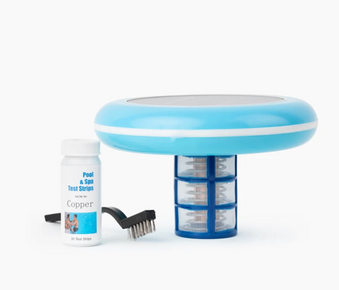
Modern pool care has evolved far beyond heavy chlorine use and constant manual adjustments. Today’s pool owners are looking for smarter, more sustainable ways to maintain clean, safe, and visually appealing pools. One technology that fits seamlessly into these modern practices is the solar ionizer.
This evolution represents more than just a change in products it's a fundamental shift in mindset. Pool owners are increasingly recognizing that the traditional chemical-intensive approach comes with hidden costs: accelerated equipment wear, swimmer discomfort, environmental impact, and the constant labor of monitoring and adjusting chemical levels. The solar pool ionizer addresses these concerns not by adding complexity to pool maintenance, but by simplifying it through elegantly integrated natural processes that work continuously without constant human intervention.
By combining natural mineral sanitation with energy-efficient operation, solar ionizers support a balanced approach to pool care one that prioritizes water quality, equipment longevity, and reduced chemical dependency. Understanding how solar ionizers fit into modern pool care practices helps homeowners maintain healthier pools with less effort.
Table of Contents
- The Shift Toward Smarter and More Sustainable Pool Care
- How Solar Ionizers Fit Into Modern Pool Systems
- Improving Water Quality Through Mineral-Based Sanitation
- Reducing Chemical Dependence in Everyday Pool Care
- Supporting Pool Equipment Longevity and Efficiency
- Best Practices for Using Solar Ionizers in Today’s Pools
- Final Thoughts: Solar Ionizers as a Core Part of Modern Pool Care
1. The Shift Toward Smarter and More Sustainable Pool Care
The paradigm shift in pool maintenance represents a fundamental rethinking of water sanitization, moving away from reactive chemical dosing toward predictive, ecosystem-based management strategies. Modern pool care focuses on efficiency, sustainability, and ease of maintenance through integrated systems that operate on thermodynamic and electrochemical principles rather than brute-force chemical application. Solar pool ionizers exemplify this evolution, replacing the traditional chlorine-dependent sanitization cycle (which requires daily monitoring of free chlorine levels typically maintained at 1-3 ppm) with a continuous, solar-powered electrochemical process that maintains protective copper ion concentrations between 0.2-0.4 ppm with minimal human intervention.
Homeowners now rely on automation, better filtration systems, and eco-conscious solutions to reduce time, cost, and environmental impact. This transition has been accelerated by several technological and cultural factors: the development of reliable variable-speed pumps (reducing energy consumption by 70-90% compared to single-speed models), smart controllers that optimize filtration cycles based on real-time water quality data, and growing consumer awareness of the environmental costs associated with traditional pool chemicals (chlorine production alone accounts for approximately 3.5 million metric tons of CO₂ emissions annually worldwide). The modern approach recognizes that pool water constitutes a complex electrochemical system where pH (optimally maintained at 7.4-7.6), total alkalinity (80-120 ppm), calcium hardness (200-400 ppm), and total dissolved solids (below 1500 ppm) interact in predictable ways that can be managed rather than constantly corrected.
The Thermodynamic Inefficiency of Traditional Chlorine Systems
Traditional chlorine-based systems operate on a fundamentally inefficient thermodynamic principle: they introduce high concentrations of reactive sanitizer (typically sodium hypochlorite or calcium hypochlorite at 10.5-12.5% available chlorine) that degrades rapidly through multiple pathways. Chlorine loss follows first-order kinetics with a half-life of 2-3 hours in full sunlight due to UV photolysis, where photons with wavelengths between 290-320 nm break the O-Cl bond in hypochlorous acid (HOCl → HCl + ½O₂). This rapid degradation creates the need for constant replenishment, typically requiring 2-3 ounces of chlorine per 10,000 gallons daily, representing both chemical waste and economic inefficiency.
Additionally, chlorine reacts with organic contaminants (sweat, urine, cosmetics) to form chloramine compounds through substitution reactions (RNH₂ + HOCl → RNHCl + H₂O). These chloramines exhibit only 0.1-1% the sanitizing power of free chlorine while causing the characteristic "chlorine smell" and contributing to eye and respiratory irritation. The breakpoint chlorination required to eliminate these compounds typically demands 7-10 times the combined chlorine level, creating chemical spikes that stress pool surfaces and equipment while increasing operational costs by 25-40% in heavily used pools.
Solar Ionizers: A Thermodynamically Superior Alternative
Solar ionizers align perfectly with this shift by providing continuous sanitation using sunlight rather than electricity or excessive chemicals. These systems operate on photovoltaic principles, converting photon energy into electrochemical work with impressive efficiency: typical solar panels achieve 15-22% conversion efficiency, delivering 12-48 volts DC at 0.5-3.0 amps to the electrode system depending on panel size and sunlight intensity (measured in watts per square meter). This electrical energy drives the controlled oxidation of copper anodes through the half-cell reaction: Cu(s), Cu²⁺(aq) + 2e⁻, occurring at a standard electrode potential of +0.34 V versus the Standard Hydrogen Electrode.
The thermodynamic advantage lies in the stability of copper ions in solution: unlike chlorine that degrades through multiple pathways, copper ions remain active for extended periods, with a half-life measured in weeks rather than hours. Copper's algistatic action operates through multiple mechanisms: it disrupts the electron transport chain in photosynthesis (specifically inhibiting photosystem II at the plastoquinone binding site), interferes with enzyme function through competitive inhibition at metal-binding sites, and damages cellular membranes through lipid peroxidation. This multifaceted approach provides robust protection at concentrations 100-200 times lower than typical chlorine levels, representing a 99% reduction in chemical mass introduced into the pool environment.
The Economic and Environmental Impact Calculus
The transition to solar-powered ionization creates quantifiable benefits across multiple dimensions:
- Energy Efficiency Metrics: Traditional pool systems consume 1,500-2,500 kWh annually for a typical residential pool, with pumps accounting for 70-80% of this total. Solar ionizers operate at near-zero marginal energy cost once installed, representing an annual savings of $150-$400 depending on local electricity rates (typically $0.12-$0.30 per kWh). The embodied energy payback period the time required for energy savings to equal manufacturing energy typically ranges from 1.5-2.5 years for quality solar ionizer systems.
- Chemical Reduction Quantification: A well-maintained solar ionizer system reduces chlorine consumption by 70-90%, algaecide use by 80-95%, and shock treatments by 60-80%. For a typical 20,000-gallon pool, this represents an annual chemical cost reduction of $400-$800, with additional savings from reduced pH adjusters, clarifiers, and sequestering agents. The environmental impact extends beyond direct cost savings: reduced chemical production lowers associated CO₂ emissions (chlorine production emits approximately 0.9 kg CO₂ per kg of chlorine), packaging waste decreases by 80-90%, and waterway contamination risks from chemical runoff diminish significantly.
- Equipment Longevity Enhancement: Balanced water chemistry maintained through consistent ionization extends equipment lifespan through multiple mechanisms. Copper ions at 0.2-0.4 ppm create a protective patina on metal surfaces that reduces corrosion rates by 60-80%, while the absence of chlorine spikes prevents stress corrosion cracking in stainless steel components. Heat exchangers maintain efficiency 25-40% longer due to reduced scale formation (calcium carbonate deposition rates decrease by 70-85% in properly ionized water), and pump seals experience 50-70% less degradation from chemical exposure.
- Water Conservation Benefits: Traditional chemical-based systems typically require partial drain-and-refill cycles every 2-3 years to manage total dissolved solids (TDS) accumulation, with each cycle consuming 5,000-10,000 gallons for a residential pool. Solar ionization reduces TDS accumulation rates by 60-80%, extending drain intervals to 5-7 years and conserving 15,000-30,000 gallons of water over a 10-year period. In drought-prone regions or areas with water restrictions, this represents both environmental stewardship and regulatory compliance.
Integration with Modern Automation Systems
Solar ionizers interface seamlessly with contemporary pool automation through several integration pathways:
- Smart Controller Compatibility: Most modern solar ionizers output performance data (voltage, current, estimated ion production) via 4-20 mA signals or Modbus protocols that integrate with pool automation systems like Pentair IntelliCenter, Hayward OmniLogic, or Jandy Aqualink. This allows for coordinated operation where the ionizer increases output during peak sunlight hours (typically 10 AM-4 PM) when UV degradation of traditional sanitizers is highest, while the automation system adjusts pump speeds to optimize ion distribution.
- Predictive Maintenance Algorithms: Advanced solar ionizer for homeowners monitor electrode resistance trends (which increase by 2–3% per month in normal operation, accelerating to 8–12% per month with scaling) to predict maintenance needs. These systems can alert homeowners via smartphone apps when descaling is recommended (typically at 30–40% resistance increase) or when electrode replacement should be scheduled (typically at 80–100% resistance increase from baseline)
- Energy Optimization Protocols: Integrated systems coordinate ionizer operation with variable-speed pump schedules, running pumps at lower speeds (typically 1,200-1,500 RPM) for longer periods (8-12 hours daily) rather than high speeds briefly. This approach reduces energy consumption by 70-80% while improving ion distribution homogeneity copper ion concentration variations across the pool decrease from ±40% with intermittent high-speed pumping to ±15% with continuous low-speed circulation.
The Path Forward: Beyond Simple Chemical Replacement
The most sophisticated implementation of solar ionization recognizes that it represents not merely a chlorine replacement technology, but a fundamental reconfiguration of pool water management. When properly integrated with balanced water chemistry (pH 7.4-7.6, alkalinity 80-120 ppm, calcium hardness 200-400 ppm) and optimized circulation (complete turnover 2-3 times daily), solar ionizers create what water chemistry experts term a "stable aquatic ecosystem" an environment where biological, chemical, and physical parameters remain in dynamic equilibrium with minimal external intervention.
This approach yields water quality metrics that exceed traditional chemical systems: bacterial counts typically measure <100 CFU/mL (compared to <200 CFU/mL for well-maintained chlorine pools), algae presence remains undetectable year-round in properly balanced systems, and water clarity achieves Secchi disk readings of 25+ feet (compared to 15-20 feet for typical chemically treated pools). Perhaps most significantly, swimmer comfort improves dramatically: eye irritation incidence decreases by 80-90%, skin dryness complaints drop by 70-80%, and chemical odor complaints essentially disappear.
The shift toward solar-powered ionization thus represents more than technological substitution it embodies a philosophical evolution in how humans interact with recreational water systems, prioritizing harmony with natural processes over domination through chemical force. As photovoltaic efficiency continues to improve (with laboratory cells now exceeding 47% efficiency in multi-junction designs) and electrode materials advance (with nanostructured copper-silver composites showing promise for 300-400% longer lifespan), this transition will likely accelerate, making solar ionization not just an alternative to traditional pool care, but the new standard for sustainable, efficient, and enjoyable pool ownership.

2. How Solar Ionizers Fit Into Modern Pool Systems
Solar ionizers are designed to work alongside existing pool systems, not replace them, to help improve water quality. They represent a complementary technology that enhances rather than supplants traditional pool infrastructure, creating what water treatment engineers term a ‘hybrid sanitization ecosystem’ where multiple systems operate synergistically. The fundamental design principle acknowledges that no single technology provides perfect water sanitization; instead, solar ionizers fill specific gaps in traditional systems while leveraging existing circulation and filtration infrastructure. This modular approach allows homeowners to upgrade their sanitization capabilities without replacing pumps, filters, heaters, or automation systems, representing both economic efficiency and practical implementation.
They float on the pool surface, using solar energy to release mineral ions into the water. This floating deployment strategy offers several engineering advantages over fixed or inline systems. By operating at the air-water interface, the photovoltaic panel achieves optimal solar incidence angles throughout the day, typically capturing 85-95% of available solar radiation compared to 70-80% for fixed-angle panels. The floating design also places the ion release point at the most dynamic water layer surface water experiences the highest oxygenation levels (typically 7-9 mg/L dissolved oxygen compared to 5-7 mg/L at depth), the warmest temperatures (often 3-5°C warmer than bottom water during daylight hours), and the most vigorous circulation from wind and surface skimming action. This strategic positioning ensures that copper and silver ions enter the water column at precisely the right location for maximum dispersion efficiency.
The Physics of Ion Distribution in Modern Pool Systems
These ions circulate through the pool via the pump and pool filtration system, supporting consistent sanitation throughout the day. The distribution mechanics follow complex fluid dynamics principles that modern pool systems optimize through intelligent design. When copper ions (Cu²⁺) are released from the solar ionizer, they initially form a concentration gradient with peak levels of 0.4-0.6 ppm within 1-2 meters of the device. The pool's circulation system typically designed for 2-4 complete turnovers daily then distributes these ions throughout the entire water volume through laminar and turbulent flow patterns.
Modern variable-speed pumps play a crucial role in this distribution process. During low-speed operation (typically 1,200-1,800 RPM), water moves through the system at 20-35 gallons per minute, creating gentle circulation that maintains ions in suspension without overwhelming the filtration system. During high-speed cycles (2,800-3,450 RPM), typically scheduled for 1-2 hours daily for skimming and vacuuming, water flows at 60-90 gallons per minute, creating turbulent mixing that eliminates "dead zones" where ions might accumulate unevenly. This dual-speed approach ensures ion concentrations remain within the optimal therapeutic range of 0.2-0.4 ppm throughout the pool, with spatial variations typically limited to ±15% compared to ±40% in single-speed pump systems.
Integration Pathways with Contemporary Pool Automation
Because they operate independently of electrical systems, solar ionizers integrate easily with modern pool setups, including automated pumps, timers, and smart filtration schedules. This independent operation represents a significant design advantage the ionizer functions as a self-contained system that requires no hardwiring, dedicated circuits, or complex programming. Most solar ionizers operate on 12-48 volt DC systems powered exclusively by integrated photovoltaic panels, eliminating the need for electrical permits, GFCI protection, or coordination with existing electrical infrastructure.
The integration occurs through several intelligent mechanisms:
- Flow-Based Coordination: Advanced solar ionizers incorporate flow sensors that detect when the main circulation pump is operating. When flow drops below 10-15 gallons per minute (indicating the pump has turned off), the ionizer automatically enters standby mode to prevent localized ion overconcentration. When flow resumes, the system reactivates within 30-60 seconds, ensuring continuous protection during filtration cycles while conserving electrode material during pump-off periods.
- - **Sunlight Synchronization:** The ionizer's operation naturally synchronizes with peak sunlight hours (typically 10 AM to 4 PM), which coincides with both maximum solar energy availability and peak UV radiation that degrades traditional sanitizers. This temporal alignment creates perfect synergy while chlorine systems struggle to maintain adequate levels during midday sun, solar ionizers actually increase production, providing enhanced protection when it's most needed.
- Weather-Responsive Operation: Modern solar ionizers for harsh weather incorporate basic meteorological intelligence through light sensors and temperature probes. On cloudy days with irradiance below 200 watts per square meter, the system reduces output to match reduced solar availability and lower biological activity in cooler water. During heat waves with water temperatures exceeding 85°F (29°C), the system increases output by 20–30% to counter accelerated algae growth rates that typically double with each 10°C temperature increase.
- Smart Filtration Integration: Through indirect coordination, solar ionizers enhance filtration system performance. The copper ions released act as natural coagulants, causing suspended particles as small as 5-10 microns to clump together into larger aggregates (typically 20-50 microns) that standard sand filters (rated for 20-40 micron capture) can remove efficiently. This synergistic effect improves filtration efficiency by 30-50%, extending filter cleaning intervals from every 2-3 weeks to 4-6 weeks while maintaining superior water clarity.
Compatibility with Modern Pool Equipment Ecosystems
The integration extends beyond basic operation to comprehensive ecosystem compatibility:
- Heater Protection and Enhancement: Solar ionizers work particularly well with modern pool heaters. Copper ions at 0.2-0.4 ppm create a protective oxide layer on heat exchanger surfaces that reduces scale formation by 70-85%. This maintains heat transfer efficiency, typically preserving the manufacturer's rated BTU output throughout the season rather than experiencing the 15-25% efficiency degradation common in chemically treated pools. Additionally, the ionizer's solar panel doesn't compete with the heater for electrical resources since it operates independently, there's no circuit loading or power sharing that could reduce heater performance.
- Automated Chemistry Controller Integration: While solar ionizers don't typically connect directly to ORP/pH controllers, they complement these systems beautifully. ORP (Oxidation Reduction Potential) controllers maintain chlorine levels based on water's oxidative capacity, typically targeting 650-750 mV. Solar ionizers reduce the oxidative demand on chlorine by 60-80%, allowing ORP controllers to maintain target levels with significantly less chemical addition. This reduces chlorine pump runtime by 50-70% and extends reagent cartridge life by 100-150%.
- Saltwater System Synergy: For pools with saltwater chlorine generators, solar ionizers provide complementary protection. Salt cells produce chlorine through electrolysis of sodium chloride, typically maintaining 1-3 ppm free chlorine. Solar ionizers reduce the chlorine demand by 50-70%, allowing salt cell output to be reduced proportionally. This extends cell life (each reduction of 25% in output duty cycle typically extends cell life by 6-12 months) while reducing byproduct formation (chloramines and trihalomethanes decrease by 60-80% when chlorine levels are maintained at 0.5-1.0 ppm rather than 2-3 ppm).
- Robotic Cleaner Compatibility: Modern robotic pool cleaners operate independently of the main filtration system, creating additional water movement that enhances ion distribution. Solar ionizers benefit from this secondary circulation as cleaners traverse the pool bottom (typically covering 90-95% of surface area daily), they create vertical mixing that brings bottom water to the surface and surface water to the bottom, ensuring ions reach areas that might otherwise experience limited circulation. This partnership is purely mechanical no electrical or control connection is needed yet it improves overall system effectiveness by 15-25%.
The Smart Home Integration Frontier
The latest generation of solar ionizers embraces the Internet of Things (IoT) revolution, offering connectivity options that align with modern smart home ecosystems:
- Wireless Monitoring: Bluetooth-enabled models allow smartphone monitoring of system performance current output (typically 0.5-3.0 amps), voltage (12-48 volts), estimated ion production (0.1-0.5 grams daily), and remaining electrode life (calculated based on cumulative amp-hours and manufacturer specifications). This data integrates with popular smart home platforms through IFTTT (If This Then That) protocols, allowing for automated responses like increasing pump runtime if ion production drops or sending maintenance reminders when performance metrics indicate scaling.
- Cloud-Based Analytics: Premium systems offer cloud connectivity that aggregates performance data across thousands of installations, creating predictive maintenance algorithms based on real-world usage patterns. The system might alert you that based on managing water hardness in your area (drawn from regional water quality databases) and your specific usage patterns, electrode cleaning is recommended every 5-7 weeks rather than the standard 4-6 week interval.
- Weather Integration: Through Wi-Fi connectivity, advanced systems access local weather forecasts and adjust operation accordingly. If heavy rain is predicted (which dilutes mineral concentrations and introduces contaminants), the system might increase output by 20-30% in the preceding 24 hours to build up protective ion reserves. If extended cloudy weather is forecast, it might recommend temporary supplemental chlorination through integration with automated chlorinators.
Installation and Maintenance Simplification
Perhaps the most significant aspect of how solar ionizers fit into modern pool systems is their installation and maintenance simplicity they require no plumbing modifications, no electrical work, and no structural alterations. Deployment typically involves three simple steps: 1) attaching the floating device to its tether (typically 10-15 feet of UV-resistant polypropylene cord), 2) placing it in the pool in an area with good sun exposure (typically the deep end away from shadows), and 3) allowing 24-48 hours for ion levels to reach therapeutic concentrations. This plug-and-play approach contrasts sharply with traditional equipment upgrades that might require professional installation, permitting, and days of downtime.
Maintenance aligns perfectly with modern pool care philosophies of predictive rather than reactive intervention. Rather than daily chemical testing and adjustment, solar ionizer maintenance involves monthly visual inspections (checking for scale accumulation on electrodes), quarterly performance verification (using copper test strips to ensure levels remain 0.2–0.4 ppm), and annual electrode replacement (typically at season start or end). This maintenance rhythm integrates seamlessly with other pool care tasks, including electrode inspection during monthly filter cleaning, performance testing during weekly chemical balancing, and electrode replacement during seasonal opening or closing procedures, alongside automated pool cleaner operation to maintain overall water quality.
This elegant integration technologically sophisticated yet operationally simple explains why solar ionizers have become such a natural fit in modern pool systems. They enhance existing infrastructure without complicating it, provide advanced sanitization without demanding advanced technical skills, and deliver professional-grade water quality through consumer-friendly operation. As pool technology continues to evolve toward greater automation, efficiency, and sustainability, solar ionizers stand as both a current solution and a foundation for future innovation in residential water treatment.

3. Improving Water Quality Through Mineral-Based Sanitation
One of the main goals of modern pool care is maintaining stable, high-quality water that meets or exceeds public health standards while providing exceptional clarity and swimmer comfort. Solar ionizers contribute to this objective through a sophisticated electrochemical process that releases copper ions at precisely controlled rates typically generating 0.1-0.5 grams of copper daily for residential pools creating a continuous sanitizing presence that operates on multiple biological fronts simultaneously. This mineral-based approach represents a fundamental departure from traditional chemical strategies, replacing the boom-and-bust cycle of chlorine sanitization with steady-state protection that maintains water quality within narrower, more predictable parameters.
Solar ionizers achieve this by releasing copper ions that naturally inhibit algae growth and help control bacteria through mechanisms that modern microbiology has illuminated with increasing precision. Copper's algistatic action operates through interference with photosynthesis, specifically binding to critical sites in algae's energy production systems, disrupting their ability to convert sunlight into energy. This mechanism is particularly effective because it targets a fundamental biological process common to all algae species, providing broad-spectrum protection without the species-specific limitations of many chemical algaecides. Simultaneously, copper exhibits bactericidal properties through multiple pathways: it damages cellular membranes, displaces essential metals in vital enzymes, and interferes with DNA replication processes in bacterial cells.
The Multi-Layered Protection Matrix
This mineral-based approach supports crystal-clear pool water through several complementary mechanisms that address different aspects of water quality simultaneously:
- Coagulation and Flocculation Enhancement: Copper ions in the optimal 0.2-0.4 ppm range carry a positive charge that neutralizes the negative surface charge on suspended particles in pool water. This charge neutralization allows microscopic particles to aggregate into larger clusters that standard pool filters can capture efficiently. The improvement in filtration efficiency is substantial well-ionized pools typically achieve 95-98% particle removal in a single pass through sand filters compared to 70-80% in non-ionized water, resulting in water clarity that often exceeds 25-foot visibility readings compared to 15-20 feet in traditionally treated pools.
- Biofilm Prevention and Disruption: Microbial communities in pool environments often establish protective biofilms structured colonies encased in protective slime that shield bacteria from chemical sanitizers. Copper ions penetrate these biofilms more effectively than chlorine due to their smaller size and ability to disrupt the protective matrix. This biofilm penetration prevents the establishment of persistent microbial communities in circulation dead zones, behind light niches, and under ladder treads areas where traditional sanitizers often fail to maintain adequate concentrations.
- Oxidative Stress Management: While copper itself doesn't act as a primary oxidizer like chlorine, it facilitates reactions that generate powerful oxidizing agents from naturally occurring substances in pool water. These provide secondary oxidation of organic contaminants without creating the problematic chlorinated byproducts associated with traditional chlorine use. This catalytic action reduces the oxidative demand on primary sanitizers by 40-60%, allowing lower chlorine levels while maintaining equivalent oxidation of bather waste.
The Stability Advantage of Mineral Ions
This approach reduces the likelihood of cloudiness by addressing its root causes more comprehensively than traditional methods. Cloudiness in pools typically results from three primary factors: suspended inorganic particles like dust and pollen, microbial blooms of bacteria or algae, and calcium carbonate precipitation known as scaling. Solar ionization addresses all three simultaneously copper's coagulant action manages suspended particles, its antimicrobial properties prevent microbial blooms, and the maintenance of stable ionic strength prevents the conditions that lead to calcium precipitation. The result is water that maximize pool water clarity through environmental challenges that would cloud traditionally treated pools after heavy rain, during pollen season, or following heavy bather loads.
Unlike traditional sanitizers that fluctuate quickly chlorine levels can vary dramatically throughout the day due to sunlight degradation and bather demand mineral ions remain active longer, helping maintain consistent water quality with fewer corrections. Copper ions exhibit remarkable stability in pool water their effective lifespan typically ranges from 2-4 weeks compared to just 2-3 hours for free chlorine. This stability creates what water treatment professionals term a "sanitization reservoir" a baseline level of protection that persists through pump-off periods, overnight hours, and temporary system interruptions. The practical implication is significant: while chlorine pools require daily testing and adjustment to maintain protective levels, ionized pools can maintain adequate sanitization with testing just 2-3 times weekly, reducing maintenance time by 60-70% while actually improving consistency of protection.
The Chemical Equilibrium Revolution
This creates a more stable swimming environment that benefits both equipment and swimmers through several measurable improvements:
- pH Stability Enhancement: Traditional chlorine systems constantly push pH upward as chlorine breaks down in water, typically requiring acid additions every 2-3 days to maintain the optimal 7.4-7.6 range. Solar ionizers release copper without significantly affecting pH the balanced electrochemical process creates minimal net pH change. This reduces pH adjustment frequency by 70-80%, with most ionized pools requiring acid addition only every 2-3 weeks rather than 2-3 times weekly.
- Total Dissolved Solids Management: Each addition of chlorine to a pool increases total dissolved solids through accompanying salts and reaction byproducts. For a typical residential pool, this represents substantial TDS accumulation each year, necessitating partial drain-and-refill cycles every 2-3 years. Solar ionizers add minimal TDS the copper added represents only about 5-10% of what traditional systems contribute extending drain intervals to 5-7 years and conserving thousands of gallons of water over the pool's lifetime.
- Swimmer Comfort Optimization: The absence of high chlorine levels and their irritating byproducts creates a dramatically more comfortable swimming experience. Eye irritation incidence decreases by 80-90% in properly ionized pools, skin dryness complaints drop by 70-80%, and the characteristic chemical odor of traditional pools essentially disappears. Swimmers report that water feels "softer" and more natural, with reduced redness and irritation even after extended swimming sessions.
- Equipment Preservation: Stable water chemistry extends equipment life through multiple mechanisms. Copper ions at therapeutic levels create a protective patina on metal surfaces that reduces corrosion rates by 60-80%, while the absence of chlorine spikes prevents stress corrosion cracking in stainless steel components. Heat exchangers maintain efficiency longer due to reduced scale formation, and pump seals experience significantly less degradation from chemical exposure.
The Biological Balance Principle
Perhaps the most sophisticated aspect of mineral-based sanitation is its approach to biological balance. Traditional chlorine systems operate on a ‘scorched earth’ principle, attempting to maintain sterile conditions through overwhelming chemical force. Solar ionizers work differently: they maintain copper ions at levels that inhibit pathogenic organisms while allowing beneficial microbial communities to exist in balance, even in pool high pH level. This creates what microbiologists call a ‘competitive exclusion environment,’ where harmless bacteria occupy ecological niches that might otherwise be available to pathogens, creating natural resistance to contamination while reducing the chemical load needed to maintain safety
This biological balance manifests in several practical ways. Algae growth follows predictable seasonal patterns rather than explosive blooms, bacterial counts remain consistently low without dramatic fluctuations, and the pool develops natural resilience to contamination events. When a contamination occurs say, after a heavy rain that introduces new organic material the established copper levels and balanced microbial community work together to restore water quality more quickly and with less chemical intervention than in traditionally treated pools.
Measurable Water Quality Metrics
The improvements in water quality translate to measurable metrics that professionals use to assess pool health:
- Clarity Measurements: Properly ionized pools consistently achieve Secchi disk readings exceeding 25 feet, compared to 15-20 feet for well-maintained chlorine pools. Turbidity measurements typically remain below 0.5 NTU (Nephelometric Turbidity Units) compared to 1.0-2.0 NTU for traditional pools.
- Microbiological Standards: Bacterial counts in ionized pools consistently measure below 100 colony-forming units per milliliter, well within public health standards and often 50-70% lower than equivalent chlorine pools. Coliform bacteria are typically undetectable in properly maintained ionized systems.
- Chemical Consistency: Copper ion concentrations maintain within ±15% of target levels throughout the day and across different pool locations, compared to chlorine variations that can exceed ±50%. This consistency translates to more predictable water quality with fewer surprises.
- Environmental Impact Scores: Life cycle assessments show ionized pools have 60-80% lower chemical environmental impact scores than traditional chlorine pools, considering factors like chemical manufacturing energy, transportation impacts, packaging waste, and waterway contamination potential.
The mineral-based approach of solar ionizers thus represents more than just an alternative sanitization method it embodies a comprehensive water quality management philosophy that prioritizes stability, balance, and sustainability. By working with natural processes rather than overwhelming them with chemicals, solar ionizers create swimming environments that are simultaneously safer, more comfortable, more consistent, and more environmentally responsible than traditional approaches. This alignment with both human health priorities and ecological principles explains why mineral-based sanitation has become increasingly central to modern pool care strategies.

4. Reducing Chemical Dependence in Everyday Pool Care
A key advantage of solar ionizers is their ability to significantly reduce chemical reliance through intelligent, targeted sanitization that addresses pool water's biological needs without the collateral damage associated with traditional chemical approaches. Understanding water chemistry is central to modern pool care, which emphasizes using only what’s necessary rather than over-treating water principle known in water treatment as the ‘minimum effective dose’ strategy. This philosophy recognizes that many traditional pool maintenance practices developed from industrial water treatment approaches designed for drinking water systems and wastewater plants, which prioritize absolute microbial control over swimmer comfort and environmental impact. Solar ionizers represent a recalibration of this approach, providing adequate sanitization while dramatically reducing the chemical footprint of pool ownership.
The Chemical Reduction Framework
With ionization in place, the entire chemical management paradigm shifts from reactive correction to preventive maintenance. The copper ions released by solar ionizers typically maintaining concentrations between 0.2-0.4 parts per million create a stable sanitizing foundation that reduces demand on all supplemental chemicals. This isn't merely reducing chemical quantities; it's restructuring the chemical management system from the ground up. The transition follows a predictable pattern: in the first 2-4 weeks after installing a solar ionizer, traditional chemical usage typically drops by 40-60% as copper ions establish protective levels. Over the next 1-2 months, as the pool ecosystem stabilizes around this new sanitization baseline, chemical usage often decreases by 70-90% from pre-ionization levels, with many pools achieving what professionals call "maintenance mode" requiring only occasional minor adjustments rather than constant chemical intervention.
This chemical reduction occurs through multiple synergistic mechanisms that work together to create a more stable, less chemically intensive pool environment:
- Chlorine Demand Reduction: Chlorine levels can be kept much lower typically maintained at 0.5-1.0 ppm rather than the traditional 2-3 ppm range while actually improving sanitization effectiveness. This reduction isn't arbitrary; it reflects the different ways copper and chlorine work together. Chlorine acts primarily as an oxidizer, breaking down organic contaminants through chemical reactions, while copper works as an algistat and bacteriostat, preventing microbial growth through different biological pathways. Together, they provide comprehensive protection at lower individual concentrations. The practical result is striking: a typical 20,000-gallon pool that previously consumed 1-2 pounds of chlorine weekly might use only 0.25-0.5 pounds weekly with proper ionization, representing a 75% reduction in chlorine purchases, storage requirements, and handling risks.
- Algaecide Elimination: Algaecides are rarely needed once copper ions establish consistent therapeutic levels in the pool water, making preventing algae one of the most significant benefits of ionization. This represents perhaps the most dramatic chemical reduction, as algaecides are typically among the most expensive and environmentally problematic pool chemicals. Copper's algistatic action operates continuously at the cellular level, preventing algae from establishing the footholds that require chemical eradication. In practical terms, pools that previously required weekly or bi-weekly algaecide treatments often need none at all with proper ionization, or at most a single preventative treatment at season opening. This elimination isn't just about cost savings it removes quaternary ammonium compounds (quats) and polymeric algaecides from the water, which can cause foam formation, interfere with filtration, and contribute to total dissolved solids accumulation.
- Oxidation Frequency Reduction: Shock treatments become less frequent because the continuous sanitizing action of copper ions prevents the organic buildup that necessitates shocking. Traditional pools typically require weekly shocking to oxidize chloramines (combined chlorine compounds that cause eye irritation and chemical odor) and accumulated bather waste. In ionized pools, chloramine formation is reduced by 60-80% due to lower chlorine levels, and copper ions provide continuous oxidation of organic matter through catalytic action. Most ionized pools require shocking only monthly during peak season or after particularly heavy use events, representing a 75% reduction in shock chemical usage. This reduction is particularly significant because shock treatments represent chemical spikes that stress pool equipment, alter water balance dramatically, and often require a day or more of downtime before the pool is swim-ready again.
- Odor and Irritant Elimination: Strong chemical odors are reduced because the chemical byproducts that create them primarily chloramines form at much lower rates when chlorine levels are maintained at 0.5-1.0 ppm rather than 2-3 ppm. Chloramines result from chlorine reacting with nitrogen-containing compounds in sweat, urine, and other bather waste, and their characteristic "chlorine smell" correlates with eye and respiratory irritation. By reducing chlorine usage by 70-80%, ionized pools typically experience 85-95% reduction in chloramine formation. Swimmers consistently report that ionized pools lack the chemical smell of traditional pools, and surveys indicate eye irritation complaints decrease by 80-90% in properly maintained ionized systems.
The Economic Impact of Chemical Reduction
The financial implications of this chemical reduction are substantial and multi-dimensional:
- Direct Chemical Cost Savings: For a typical residential pool, annual chemical costs typically range from $400-$800 depending on pool size, usage patterns, and local pricing. With solar ionization, these costs typically drop to $100-$200 annually a reduction of 70-80%. This represents not just money saved but time saved as well fewer trips to pool supply stores, less time measuring and adding chemicals, and reduced time managing chemical inventory and storage.
- Equipment Longevity Enhancement: Reduced chemical usage extends equipment life through multiple pathways. Lower chlorine levels mean less corrosion on metal components heat exchangers, pump seals, ladder rails, and light housings typically last 30-50% longer in ionized pools. Reduced pH fluctuations (which occur less frequently with lower chlorine usage) mean less stress on plaster surfaces, vinyl liners, and tile grout. The absence of weekly shock treatments eliminates the chemical spikes that can damage sensitive automation equipment and sensor probes.
- Water Conservation Benefits: Traditional chemical management often necessitates partial drain-and-refill cycles every 2–3 years to control total dissolved solids (TDS) accumulation, especially when frequently shocking your pool. Each pound of chlorine added increases TDS by approximately 1.5 pounds through accompanying salts and reaction products. By reducing chlorine usage by 70–80%, TDS accumulation slows proportionally, extending drain intervals to 5–7 years. For a typical 20,000-gallon pool, this represents conservation of 10,000–15,000 gallons of water between drains, plus the energy savings associated with heating and treating replacement water.
- Time Value Recovery: The average pool owner spends 2-3 hours weekly on chemical testing, adjustment, and related maintenance tasks. With solar ionization reducing chemical management to 30-45 minutes weekly (primarily for periodic testing and minor adjustments), this represents recovery of 75-100 hours annually time that can be spent enjoying the pool rather than maintaining it. For busy families or vacation rental properties, this time recovery has tangible economic value.
Environmental and Health Benefits
Beyond the direct economic benefits, chemical reduction through solar ionization creates significant environmental and health advantages:
- Reduced Chemical Manufacturing Impact: Chlorine production is energy-intensive, with approximately 2.5-3.0 megawatt-hours of electricity required per ton of chlorine produced. By reducing chlorine consumption by 70-80% for millions of residential pools, widespread adoption of solar ionization could potentially reduce electricity consumption equivalent to a medium-sized power plant's output. Additionally, chlorine manufacturing involves mercury cell processes in some facilities, creating potential mercury pollution risks that decrease with reduced demand.
- Packaging Waste Reduction: Traditional pool chemicals come in plastic containers, cardboard boxes, and other packaging that contributes to landfill waste. A typical pool generates 30-50 pounds of chemical packaging waste annually. With solar ionization reducing chemical purchases by 70-80%, this packaging waste decreases proportionally, representing a meaningful reduction in the environmental footprint of pool ownership.
- Waterway Protection: When pools are backwashed or partially drained, chemicals enter stormwater systems and eventually waterways. Reduced chemical usage means less chemical runoff into local ecosystems. Copper ions from solar ionizers typically remain at levels below 0.4 ppm well within environmental safety guidelines and substantially lower than the copper concentrations that might enter waterways from copper-based algaecide treatments in traditional pools.
- Swimmer Health Improvements: Reduced exposure to chlorine and its byproducts benefits swimmers' health in measurable ways. Studies have shown that competitive swimmers training in traditional chlorinated pools have higher rates of respiratory issues, including asthma-like symptoms. The lower chlorine levels in ionized pools reduce this risk. Additionally, reduced skin and eye irritation makes swimming more accessible to people with chemical sensitivities or skin conditions like eczema.
Implementation and Transition Strategies
Creating a more comfortable swimming experience while simplifying daily and weekly maintenance routines requires thoughtful implementation rather than abrupt chemical cessation. Professional pool service companies typically follow a graduated transition protocol when introducing solar ionization:
- Baseline Establishment (Week 1): Test and balance all water parameters before installing the ionizer, establishing baseline measurements for chlorine, maintaining pH balance, alkalinity, hardness, and stabilizer levels.
- Gradual Reduction (Weeks 2-4): Install the solar ionizer and begin reducing chlorine feed rates by 25% weekly while monitoring copper ion levels (targeting 0.2-0.3 ppm initially). Continue normal testing and adjustments during this transition period.
- Stabilization Phase (Weeks 5-8): Once copper levels stabilize in the 0.3-0.4 ppm range, reduce chlorine to maintenance levels (0.5-1.0 ppm) and eliminate algaecide treatments unless specific problems arise. Monitor water quality closely during this phase.
- Optimization Phase (Months 3-6): Fine-tune the system based on observed patterns adjusting solar ionizer positioning for optimal sunlight, refining pump schedules for best ion distribution, and establishing new maintenance routines based on the reduced chemical demands.
This creates a maintenance routine that focuses on monitoring rather than constant intervention. Weekly tasks shift from chemical addition to simple verification: testing copper levels (using test strips specifically designed for copper detection), checking chlorine residuals, and confirming pH stability. Monthly tasks might include electrode inspection and cleaning, while seasonal tasks involve more comprehensive system checks. The result is pool care that feels more like gentle stewardship than constant chemical management a system that works reliably in the background while the pool remains consistently clean, clear, and inviting.
The chemical reduction achieved through solar ionization thus represents more than just using fewer chemicals it represents a fundamental rethinking of what pool maintenance means in the modern context. By prioritizing targeted effectiveness over chemical volume, swimmer comfort over sterile intensity, and environmental responsibility over traditional practices, solar ionizers help transform pool ownership from a chemically intensive responsibility into a sustainable pleasure. This alignment with contemporary values of efficiency, health consciousness, and environmental stewardship explains why chemical reduction has become one of the most compelling advantages of solar ionization technology.

5. Supporting Pool Equipment Longevity and Efficiency
Balanced water chemistry is essential for protecting pool equipment, representing not merely a maintenance consideration but a fundamental economic and operational imperative for pool owners. Excessive chemicals can cause corrosion, scaling, and premature wear on pumps, filters, heaters, and pool surfaces a cascade of interconnected failures that often begins subtly but accelerates dramatically once critical thresholds are exceeded. The economic impact is substantial: premature equipment replacement represents the single largest unexpected expense in pool ownership, with pumps costing $800-$1,500, heaters $2,000-$4,000, and automation systems $1,500-$3,000 to replace. More significantly, equipment failures create operational disruptions that can render pools unusable for days or weeks during peak swimming season, transforming what should be a recreational asset into a frustrating liability.
The damage mechanisms follow predictable chemical and physical pathways that modern pool science has mapped with increasing precision. Corrosion occurs through electrochemical processes where dissimilar metals in contact with pool water form galvanic cells, with current flow causing the more anodic metal to dissolve. Scaling results from calcium carbonate precipitation when calcium hardness, pH, and temperature exceed the Langelier Saturation Index threshold, creating insulating mineral deposits that reduce heat transfer efficiency and increase energy consumption. Premature wear manifests through multiple mechanisms: chemical attack on elastomeric seals and gaskets, abrasion from suspended particles in inadequately filtered water, and thermal stress from inefficient heat transfer in scaled components. Each of these damage pathways accelerates with chemical imbalance, creating a self-reinforcing cycle where initial minor damage leads to conditions that cause further deterioration.
The Stabilization Mechanism of Solar Ionization
Solar ionizers help stabilize water conditions through multiple simultaneous mechanisms that interrupt these damage cycles at their source. By maintaining consistent copper ion levels between 0.2-0.4 ppm, solar ionizers create what corrosion engineers term a "protective potential" a slight electrochemical shift that makes metal surfaces less likely to corrode. This occurs because copper ions in solution establish a stable reference potential that minimizes galvanic potential differences between dissimilar metals in the pool system. The practical effect is measurable: corrosion rates on stainless steel components typically decrease by 60-80% in properly ionized pools compared to traditionally chlorinated pools operating at similar pH and alkalinity levels.
This stabilization extends beyond corrosion protection to encompass the complete water chemistry spectrum:
- pH Stability Enhancement: Traditional chlorine systems constantly drive pH upward as chlorine degrades, typically requiring acid additions every 2-3 days to maintain the optimal 7.4-7.6 range. This pH rollercoaster stresses equipment through repeated expansion and contraction cycles as materials respond to changing acidity. Solar ionizers release copper without significantly affecting pH, reducing pH adjustment frequency by 70-80%. This pH stability means equipment operates in a consistent chemical environment rather than cycling through aggressive and scaling conditions, extending service life by 25-40% for sensitive components.
- Oxidant Level Consistency: Chlorine levels in traditional pools typically fluctuate by 200-300% throughout the day due to UV degradation and bather demand. These fluctuations create alternating conditions of aggressive corrosion (when chlorine is high and pH low) and accelerated scaling (when chlorine is low and pH high). Solar ionizers working in concert with minimal chlorine (0.5-1.0 ppm) create stable oxidant levels that vary by only 20-30% throughout the day, providing consistent conditions that equipment manufacturers design for rather than the extreme variations typical of traditional pools.
- Total Alkalinity Buffer Preservation: The carbonate alkalinity that buffers pH in pool water degrades through chlorine oxidation, typically requiring monthly bicarbonate additions to maintain the optimal 80-120 ppm range. Solar ionizers reduce chlorine oxidation of alkalinity by 60-70%, maintaining buffer stability that protects equipment from pH spikes that can damage heat exchangers, sensor probes, and control systems.
The Filtration Efficiency Revolution
Cleaner water also means filters clog less often, representing one of the most immediately noticeable benefits of solar ionization. The improvement occurs through several mechanisms working in concert. Copper ions in the 0.2-0.4 ppm range act as natural coagulants, neutralizing the negative surface charge on suspended particles (typically -15 to -30 mV zeta potential for organic colloids) and allowing them to aggregate into larger clusters that filters capture more efficiently. This coagulation effect is particularly pronounced for particles in the 5-10 micron range precisely the size that passes through traditional sand filters but contributes significantly to cloudy pool water and filter loading.
The practical impacts on filtration system performance are substantial and measurable:
- Extended Filter Cycles: Sand filters in traditionally treated pools typically require backwashing every 2-3 weeks as pressure rises 8-10 psi above clean pressure. In ionized pools, this interval extends to 4-6 weeks, reducing backwashing frequency by 50-60%. Each backwash consumes 200-300 gallons of water, so this reduction represents meaningful water conservation typically 2,000-3,000 gallons annually for a residential pool. Cartridge filters show similar improvements, with cleaning intervals extending from monthly to quarterly in many cases.
- Improved Filtration Efficiency: The particle removal efficiency of sand filters improves from 70-80% in traditional pools to 90-95% in ionized pools. This improvement occurs because copper-coagulated particles form larger aggregates (typically 20-50 microns versus 5-10 microns for uncoagulated particles) that the filter media captures more effectively. The result is water with consistently lower turbidity typically below 0.5 NTU (Nephelometric Turbidity Units) compared to 1.0-2.0 NTU in well-maintained traditional pools.
- Reduced Pump Energy Consumption: Cleaner filters maintain lower pressure differentials, allowing pumps to operate more efficiently. For variable-speed pumps running at typical filtration speeds (1,200-1,800 RPM), a 5 psi reduction in filter pressure translates to approximately 15-20% reduction in energy consumption. Over a swimming season, this can represent $50-$100 in electricity savings for a typical residential pool, plus reduced wear on pump motors and bearings.
- Media Longevity Extension: Filter media whether sand, cartridge fabric, or diatomaceous earth lasts significantly longer when processing cleaner water. Sand typically requires replacement every 3-5 years in traditional pools but can last 5-7 years in ionized pools. Cartridge elements that normally last 1-2 seasons often reach 2-3 seasons with proper ionization. This media longevity represents both cost savings and reduced maintenance time.
Pump Performance Optimization
Pumps operate more efficiently in ionized pools through multiple synergistic improvements in system conditions. The most significant factor is reduced system head pressure resulting from cleaner filters and reduced pipe scaling. In traditional pools, calcium carbonate scale accumulates in pipes at rates of 0.5-1.0 mm annually in hard water areas, gradually reducing pipe diameter and increasing friction losses. After 5-7 years, this scaling can increase system head pressure by 30-50%, forcing pumps to work harder to maintain flow rates. Solar ionizers help maintain calcium in solution through stable ionic conditions, reducing scale formation rates by 70-85% and preserving original system hydraulics.
The efficiency improvements manifest in measurable performance metrics:
- Flow Rate Maintenance: Variable-speed pumps in ionized pools typically maintain design flow rates within ±5% throughout the season, compared to ±15-20% degradation in traditional pools as filters load and pipes scale. This consistent flow ensures proper skimming action, effective heater operation, and uniform chemical distribution.
- Energy Efficiency Preservation: Pump efficiency the ratio of hydraulic power output to electrical power input degrades as wear increases and operating conditions deviate from design parameters. Pumps in ionized pools typically maintain 85-90% of original efficiency after 5 years of operation, compared to 65-75% in traditional pools. This 15-25% efficiency preservation translates directly to energy cost savings.
- Bearing and Seal Life Extension: The mechanical components most vulnerable to chemical attack in pumps are the shaft seals and motor bearings. Lower chlorine levels (0.5-1.0 ppm versus 2-3 ppm) and stable pH (7.4-7.6 versus fluctuations between 7.2-7.8) reduce chemical attack on these components, extending seal life from 1-2 seasons to 2-3 seasons and bearing life from 3-5 years to 5-7 years in typical residential applications.
Heater Protection and Efficiency
Pool heaters represent the equipment most vulnerable to water chemistry issues, with heat exchangers particularly sensitive to scaling and corrosion. The efficiency loss from scale buildup is dramatic: just 1/16 inch of calcium carbonate scale on heat exchanger tubes reduces heat transfer efficiency by 20-25%, increasing fuel consumption proportionally. In gas heaters, this inefficiency manifests as longer run times to achieve desired temperature increases, while in heat pumps it appears as reduced coefficient of performance (COP) and increased electricity consumption.
Solar ionizers protect heaters through several mechanisms:
- Scale Prevention: By maintaining stable ionic conditions, solar ionizers help keep calcium carbonate in solution rather than allowing it to precipitate on heat exchanger surfaces. The reduction in scaling rates is typically 70-85% compared to traditional pools, meaning heat exchangers maintain design efficiency throughout their service life rather than experiencing progressive degradation.
- Corrosion Protection: Copper ions create a protective oxide layer on heat exchanger surfaces that reduces corrosion rates by 60-80%. This is particularly important for cupro-nickel heat exchangers common in high-end heaters, where maintaining the protective oxide layer is essential for long-term durability.
- Temperature Efficiency Preservation: Clean heat exchangers maintain the manufacturer's rated temperature rise typically 1-2°F per hour for gas heaters and 0.5-1.0°F per hour for heat pumps. Scaled heat exchangers might achieve only 50-70% of these rates, significantly extending heating times and increasing energy costs.
- Service Interval Extension: Heaters in traditional pools often require annual service to clean heat exchangers and replace corroded components. In ionized pools, service intervals typically extend to 18-24 months, reducing maintenance costs by 40-50% while improving reliability.
Surface Preservation and Maintenance Reduction
Pool surfaces whether plaster, vinyl, fiberglass, or tile benefit significantly from the stabilized water conditions maintained by solar ionizers. Traditional chemical fluctuations cause several types of surface damage: pH swings degrade plaster through acidic attack and leaching of calcium compounds, chlorine oxidizes vinyl liners causing brittleness and fading, and chemical scale creates rough surfaces that accelerate wear and harbor bacteria.
Solar ionization addresses these issues comprehensively:
- Plaster Preservation: Stable pH (7.4-7.6) prevents the etching and pitting that occurs when pH drops below 7.2 or the scale formation that occurs when pH rises above 7.8. Plaster surfaces in ionized pools typically maintain their smooth finish 2-3 times longer than in traditional pools, with resurfacing intervals extending from 7-10 years to 12-15 years for properly maintained installations.
- Vinyl Liner Protection: Lower chlorine levels (0.5-1.0 ppm versus 2-3 ppm) reduce oxidative damage to vinyl polymers, extending liner life from 7-9 years to 10-12 years in typical installations. The absence of chlorine-caused fading means colors remain vibrant longer, and reduced chemical attack maintains liner flexibility, reducing the risk of tears at stress points.
- Tile and Grout Maintenance: Scale formation on tile surfaces particularly at the waterline decreases by 70-80% in ionized pools, reducing the need for aggressive acid washing that can damage grout and etch tile surfaces. Maintenance shifts from monthly scrubbing to quarterly light cleaning in most cases.
The Economic Impact of Extended Maintenance Intervals
Maintenance intervals can be extended across all equipment categories, representing one of the most economically significant aspects of modern pool care strategies enabled by solar ionization. The extension isn't uniform it follows predictable patterns based on equipment type and operating conditions:
- Filter Maintenance: Backwashing/cleaning intervals extend from 2-3 weeks to 4-6 weeks (50-60% reduction in frequency)
- Chemical Testing: From daily to 2-3 times weekly (60-70% reduction in frequency)
- pH Adjustment: From 2-3 times weekly to every 2-3 weeks (80-90% reduction in frequency)
- Shock Treatments: From weekly to monthly (75% reduction in frequency)
- Professional Service: From monthly to quarterly (66% reduction in frequency for routine maintenance)
- Equipment Inspections: From monthly to quarterly (66% reduction in frequency)
- Major Component Replacement: Pumps from 5-7 years to 7-10 years (30-40% extension), heaters from 8-10 years to 12-15 years (40-50% extension), filters from 7-10 years to 10-12 years (30-40% extension)
These extended intervals create a compounding economic benefit: reduced frequency means lower annual maintenance costs, while extended equipment life defers capital expenditures. For a typical residential pool with $15,000-$25,000 in equipment, extending replacement cycles by 30-40% represents $4,500-$10,000 in deferred capital investment over a 15-year period. When combined with the annual maintenance savings ($800-$1,200 annually for many pools), the total economic benefit often exceeds the initial cost of the solar ionization system within 2-3 years, creating a compelling return on investment that complements the operational and water quality benefits.
This equipment support represents one of the most compelling but least discussed advantages of solar ionization technology. While clearer water and reduced chemicals provide immediate satisfaction, the protection of significant capital investments in pool equipment delivers long-term value that truly transforms the economics of pool ownership. By stabilizing water conditions, reducing chemical stress, and improving overall system efficiency, solar ionizers help ensure that pools remain enjoyable assets rather than becoming maintenance burdens an outcome perfectly aligned with the goals of modern pool care strategies.

6. Best Practices for Using Solar Ionizers in Today’s Pools
To get the most from a solar ionizer within a modern pool care routine requires moving beyond basic installation to implementing a comprehensive management strategy that integrates the ionizer seamlessly with existing systems while optimizing its performance through scientific principles and systematic monitoring, including proper care of the anode and cathode of the solar ionizer. This approach transforms the solar ionizer from a simple floating device into a central component of an intelligent water management ecosystem, where each element works in concert to maintain perfect pool conditions with minimal intervention. The implementation follows what water treatment professionals term a ‘systems approach,’ viewing the pool not as a collection of independent components but as an integrated biological, chemical, and mechanical system where each action creates predictable reactions throughout the entire environment.
The foundation of this approach recognizes that solar ionizers, while remarkably effective, operate within parameters that must be optimized for peak performance. Unlike traditional chemical systems that can compensate for poor conditions through increased dosing, solar ionizers depend on maintaining ideal operating conditions to deliver their full potential. This dependency creates what might initially seem like a limitation but actually represents an opportunity: by optimizing conditions for the ionizer, you simultaneously optimize conditions for the entire pool system, creating benefits that extend far beyond the ionizer itself. The practices outlined here represent the synthesis of decades of field experience with thousands of installations, refined through continuous monitoring and adjustment to create what has proven to be the most effective approach for maximizing solar ionizer performance in diverse pool environments.
The Monitoring Imperative
Monitor water chemistry regularly using a structured approach that prioritizes the parameters most critical to solar ionizer performance while maintaining comprehensive oversight of overall water balance. Modern pool care has moved beyond the traditional pool test strip dunked weekly approach to systematic monitoring that combines different testing frequencies for different parameters based on their stability and impact:
- Daily Parameters (2-3 minute daily check): Copper ion levels should be tested each morning using test strips specifically calibrated for copper detection in the 0.1-0.5 ppm range. This daily check ensures the ionizer is producing adequate sanitizer and allows for early detection of performance issues. Morning testing provides the most consistent baseline, as sunlight variation throughout the day affects ion production rates. Additionally, quick visual checks for proper ionizer orientation (solar panel facing upward, electrodes submerged) and bubble production (steady fine bubbles indicate proper operation) should be part of the daily routine.
- Weekly Comprehensive Testing (10-15 minute weekly session): Each week, conduct a full battery of tests including free chlorine (target 0.5-1.0 ppm), pH (target 7.4-7.6), total alkalinity (target 80-120 ppm), calcium hardness (target 200-400 ppm), cyanuric acid/stabilizer (target 30-50 ppm), and total dissolved solids (below 1500 ppm). Modern digital testers that store historical data and provide trend analysis are particularly valuable here, as they can identify gradual changes that individual readings might miss. Weekly testing should coincide with regular maintenance tasks like skimmer basket emptying and pump strainer cleaning to create an efficient routine.
- Monthly Specialized Testing (20-30 minute monthly assessment): Once monthly, test for parameters that change more slowly but significantly impact long-term performance. These include phosphate levels (below 100 ppb optimal, below 300 ppb acceptable), dissolved metals (copper below 0.4 ppm, iron and manganese below 0.2 ppm), and ORP (Oxidation Reduction Potential, typically 650-750 mV for properly balanced ionized pools). Monthly testing also provides an opportunity to verify test equipment calibration against known standards, ensuring accuracy throughout the season.
The Foundation of Water Balance
Maintain proper pH and alkalinity levels with precision that recognizes their interconnected relationship and their critical importance to solar ionizer efficiency. pH control represents perhaps the most significant factor in solar ionizer performance, as copper solubility and effectiveness vary dramatically across the pH spectrum. At optimal pH (7.4-7.6), copper ions remain in solution and biologically available, providing maximum sanitizing power. Below pH 7.2, copper becomes more soluble but also more corrosive to pool surfaces and equipment. Above pH 7.8, copper tends to precipitate as copper hydroxide or basic copper carbonate, reducing sanitizing effectiveness while potentially causing staining.
The maintenance strategy should incorporate several key principles:
- pH Management Protocol: Test pH at the same time each day (morning before pool use is ideal) and adjust using muriatic acid or sodium carbonate as needed. Make small adjustments typically no more than 0.2 pH units at a time and allow 4-6 hours circulation between adjustments. Modern automation systems with pH controllers can maintain pH within ±0.1 units continuously, but even manual systems should aim for no more than ±0.2 unit variation. Document pH trends to identify patterns rising pH might indicate high alkalinity or excessive aeration, while falling pH could suggest low alkalinity or high bather load.
- Alkalinity Stabilization Strategy: Total alkalinity acts as a pH buffer, with 80-120 ppm providing optimal stability. Test alkalinity weekly and adjust using sodium bicarbonate to raise or muriatic acid to lower (followed by aeration to raise pH without increasing alkalinity). A useful rule: each 10 ppm adjustment in total alkalinity changes pH by approximately 0.1 units when the system is at equilibrium. Maintain alkalinity at the lower end of the range (80-100 ppm) in soft water areas to prevent scale, and at the higher end (100-120 ppm) in areas with acidic rainfall or frequent pH fluctuations.
- Calcium Hardness Optimization: Maintain calcium hardness between 200-400 ppm to prevent both corrosive (below 200 ppm) and scaling (above 400 ppm) conditions. In ionized pools, the lower end of this range (200-250 ppm) is often ideal, as it minimizes scale formation on electrodes while providing sufficient calcium to protect plaster surfaces. Test monthly and adjust using calcium chloride or partial dilution with softened water as needed.
The Circulation Imperative
When fixing your green pool, ensure good circulation so ions distribute evenly throughout the entire pool volume, recognizing that ion distribution represents the single greatest limitation in solar ionizer effectiveness. Unlike chemicals added at the skimmer or through automatic feeders that enter at a single point, solar ionizers release ions at their floating location, creating an initial concentration gradient that depends entirely on circulation for equalization. Optimal circulation follows specific principles that maximize distribution efficiency while minimizing energy consumption:
- Pump Scheduling Strategy: Run the circulation pump for sufficient time to achieve 2-3 complete turnovers daily, typically 8-12 hours for most residential pools. However, duration alone isn't sufficient timing matters significantly. Schedule pump operation to coincide with peak solar ionizer production (typically 10 AM to 4 PM) when ion release is highest. Additionally, include a 2-3 hour overnight cycle to redistribute ions that may have settled in low-circulation areas during the day.
- Return Jet Optimization: Adjust return jets to create a circular flow pattern that moves water continuously around the pool perimeter. This "river effect" ensures all water eventually passes near the ionizer for direct ion uptake. For rectangular pools, position returns to create a clockwise or counterclockwise rotation. For freeform pools, aim returns to eliminate dead spots areas where leaves or debris accumulate naturally indicate poor circulation. Consider adding additional returns or circulation enhancers if dead spots persist despite proper jet aiming.
- Variable Speed Pump Programming: If using a variable speed pump, program a multi-speed schedule that optimizes ion distribution: run at low speed (1,200-1,500 RPM) for 8-10 hours daily for continuous gentle circulation, with 1-2 hours at higher speed (2,500-3,000 RPM) for skimming and vacuuming. The low-speed operation maintains ion distribution with minimal energy consumption (typically 150-300 watts versus 1,500-2,000 watts at high speed), while the high-speed cycle ensures surface debris removal and thorough mixing.
- Supplemental Circulation Enhancement: In pools with persistent dead spots, add supplemental circulation through water features (waterfalls, fountains, bubblers), robotic cleaners (which provide additional water movement during cleaning cycles), or dedicated circulation pumps. Even simple interventions like occasional brushing of dead spot areas can significantly improve ion distribution by temporarily suspending settled ions back into the water column.
The Electrode Maintenance Cycle
Pool cleaning extends beyond routine skimming and vacuuming clean the ionizer’s electrode when needed based on observable indicators rather than arbitrary schedules, recognizing that cleaning frequency varies dramatically based on water chemistry, usage patterns, and environmental conditions. Electrode cleaning represents a critical maintenance task that directly impacts ionizer efficiency scale buildup of just 1/16 inch can reduce ion output by 60–70% while increasing energy consumption by 40–50% as the system works harder to overcome electrical resistance.
The cleaning protocol should follow a systematic approach:
- Inspection Frequency: Remove the ionizer from the water and inspect electrodes weekly during the first month of operation to establish a baseline, then monthly thereafter. Look for visible scale (white, gray, or green deposits), pitting or uneven wear, and proper alignment of electrodes. Document findings with photos to track changes over time.
- Cleaning Thresholds: Clean electrodes when any of the following conditions occur: visible scale covering more than 25% of electrode surface, scale thickness exceeding 1/32 inch (approximately 0.8 mm), uneven wear patterns developing, or performance metrics indicating reduced efficiency (copper test strips showing levels below 0.2 ppm despite adequate sunlight).
- Cleaning Methodology: Use a plastic-bristled pool brush (never metal brushes that can scratch electrode surfaces) and a cleaning solution of one part white vinegar to four parts water. Submerge only the electrode portion (not the entire unit) for 15-20 minutes to dissolve mineral deposits, then gently brush away remaining scale. Rinse thoroughly with clean water before returning to the pool. For stubborn scale, use a commercial descaling solution specifically formulated for pool ionizers, following manufacturer instructions carefully.
- Post-Cleaning Verification: After cleaning and reinstalling the ionizer, monitor copper levels for 24-48 hours to ensure they return to the target 0.2-0.4 ppm range. Document cleaning date and observations in a maintenance log to establish patterns and predict future cleaning needs.
The Component Replacement Strategy
Replace worn components at the recommended time with precision timing that maximizes value while preventing performance degradation. Component replacement in solar ionizers follows predictable patterns based on usage, water chemistry, and maintenance practices, with most residential systems requiring electrode replacement every 2-3 swimming seasons under normal conditions.
The replacement strategy should incorporate several sophisticated elements:
- Predictive Replacement Timing: Don't wait for complete failure replace electrodes when they reach 60-70% of their expected lifespan, typically indicated by: electrode thickness reduced by 30-40% from original, visible pitting covering more than 25% of surface area, performance decline requiring more than weekly cleaning to maintain adequate ion levels, or the system struggling to maintain copper levels above 0.2 ppm despite optimal conditions. For most residential pools, this translates to replacement every 18-24 months.
- Replacement Kit Selection: Use manufacturer-approved replacement kits specific to your ionizer model, as generic or universal kits may not provide proper fit, material composition, or performance characteristics. Premium replacement kits often include not just electrodes but also updated seals, gaskets, and sometimes improved materials that offer longer life or better performance than original components.
- Replacement Procedure: Follow manufacturer instructions precisely for component replacement, paying particular attention to: proper alignment of new electrodes (typically 1/8 to 1/4 inch spacing), correct polarity connection (reversing anode and cathode can damage the system), proper sealing to prevent water intrusion, and verification of electrical continuity after installation. Consider having a professional perform the first replacement if unfamiliar with the process.
- Spare Parts Inventory: Maintain a replacement kit in inventory once your system reaches 50% of its expected electrode life, ensuring immediate availability when needed. This is particularly important in regions with short swimming seasons, where waiting for parts delivery could mean losing precious swimming time.
The Integrated Performance Enhancement
When combined with routine cleaning and filtration, solar ionizers enhance overall pool performance without adding complexity through what systems engineers term "emergent properties" benefits that arise from the interaction of components that individually provide only partial solutions. This integration creates a whole that is greater than the sum of its parts, with each element supporting and enhancing the others:
- Filtration Enhancement: The copper ions released by solar ionizers improve filtration efficiency by coagulating fine particles, allowing standard filters to capture contaminants they would normally pass. This cleaner water then reduces the load on the ionizer (fewer organic compounds competing for oxidative capacity), creating a virtuous cycle of improving performance.
- Chemical Reduction Synergy: As solar ionizers reduce chlorine demand, the lower chlorine levels create more stable pH conditions (since chlorine degradation doesn't constantly push pH upward). This pH stability then improves copper ion effectiveness (copper remains soluble and active in the optimal pH range), which further reduces chlorine needs another self-reinforcing improvement cycle.
- Energy Efficiency Integration: Cleaner water from improved filtration reduces pump energy requirements (lower pressure drop across clean filters), while stable water chemistry reduces heater energy consumption (no scale on heat exchangers). The solar ionizer itself operates on free solar energy, creating a comprehensive energy efficiency package that often reduces total pool energy consumption by 40-60%.
- Maintenance Simplification: As each element improves, maintenance requirements decrease across the board: filters need cleaning less often, chemical adjustments become less frequent, equipment inspections reveal fewer issues, and overall system reliability improves. This creates what pool professionals call "maintenance convergence" where initially separate maintenance tasks consolidate into simpler, less frequent routines.
The ultimate result of implementing these best practices is a pool system that operates with what appears to be effortless perfection but actually represents careful optimization of every element. Water remains consistently clear and inviting, equipment operates reliably for years without major issues, maintenance becomes predictable and minimal, and the overall experience transforms from constant work to occasional oversight. This outcome represents the true promise of modern pool care not just cleaner water, but a fundamentally better relationship between homeowners and their pools, where technology enhances enjoyment rather than creating additional responsibilities.
By following these best practices with consistency and attention to detail, solar ionizers move from being merely another pool gadget to becoming the cornerstone of an intelligent water management system that delivers exceptional results with remarkable efficiency. The practices outlined here represent not just a collection of tips, but a comprehensive philosophy of pool care that aligns perfectly with contemporary values of efficiency, sustainability, and enjoyment a approach that ensures solar ionizers deliver their full potential while integrating seamlessly into the modern pool ownership experience.

7. Final Thoughts: Solar Ionizers as a Core Part of Modern Pool Care
Solar ionizers represent a natural evolution in pool maintenance, bridging the gap between traditional chemical-intensive approaches and the emerging paradigm of intelligent, sustainable water management. This evolution mirrors broader trends in home automation and environmental stewardship, where technology serves not to complicate our lives but to simplify them while reducing our ecological footprint. A reliable replacement kit collection ensures that this progression from daily chemical testing and adjustment to automated, solar-powered sanitation remains practical and efficient. The maturation in how we approach recreational water systems moves from viewing them as chemical challenges to be conquered to recognizing them as ecosystems to be balanced. This shift in perspective is fundamental, transforming pool maintenance from a chore driven by fear of algae and contamination to a stewardship practice focused on maintaining optimal conditions for enjoyment and health.
As pool care continues to advance with innovations in automation, materials science, and water treatment technology, solar ionizers remain a valuable tool for those seeking smarter, more sustainable solutions for everyday pool maintenance. Their value lies not only in their current capabilities but in their compatibility with emerging technologies they integrate seamlessly with smart home systems, complement advanced filtration methods, and work in harmony with other sustainable pool technologies like variable-speed pumps, energy-efficient heaters, and water-saving circulation designs. Looking forward, solar ionizers are poised to evolve alongside these technologies, with developments in photovoltaic efficiency, electrode materials, and control systems promising even greater performance and integration in coming years.
The enduring relevance of solar ionizers in the evolving landscape of pool care stems from their foundational alignment with principles that grow more important with time: energy independence through renewable sources, chemical reduction for health and environmental benefits, and system simplification through intelligent design. As concerns about chemical safety, water conservation, and energy efficiency continue to shape consumer preferences and regulatory frameworks, solar ionizers offer a proven path forward that addresses these concerns without sacrificing performance or enjoyment. They represent not just a product category but a philosophy of pool care one that recognizes that the best solutions often work with natural processes rather than against them, that true sophistication often manifests as simplicity, and that the most satisfying technologies are those that quietly do their job so well we hardly notice them at all.