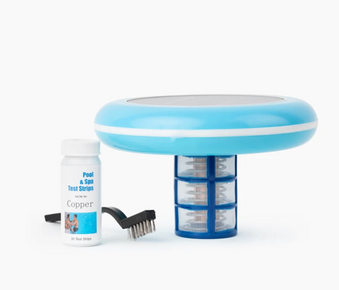
Maintaining a clean and safe swimming pool usually involves the use of chlorine and other chemical sanitizers. While effective, these chemicals can cause skin irritation, strong odors, and require frequent monitoring and adjustments. Many pool owners find themselves trapped in a cycle of chemical additions that create new problems even as they solve existing ones, leading to frustration and increased maintenance complexity.
The search for a better solution has led many homeowners to explore alternative approaches that can reduce chemical dependency without compromising water safety. This growing interest reflects both environmental concerns and practical desires for simpler, more modern pool care practices that doesn't involve constant chemical handling, storage concerns, or the unpleasant side effects that often accompany traditional pool sanitation methods.
Solar pool ionizers offer a natural alternative to help control algae and bacteria. By using mineral ions powered by solar energy, these systems work continuously to maintain water clarity and safety. This guide explains exactly how solar pool ionizers achieve this and why they’re an effective, eco-friendly choice for pool owners who want to reduce chemical dependency while maintaining clean, inviting swimming water throughout the season.
Table of Contents
- What Solar Pool Ionizers Are and How They Work
- The Role of Copper and Silver Ions in Pool Sanitation
- How Ions Prevent Algae Growth
- How Ions Reduce Bacteria Naturally
- Advantages Over Traditional Chemical Treatments
- Tips for Maximizing Ionizer Effectiveness
- Final Thoughts: Natural Algae and Bacteria Control
1. What Solar Pool Ionizers Are and How They Work
A solar pool ionizer is a device that releases controlled amounts of copper and silver ions into the pool water using solar energy. These systems combine renewable solar power with natural mineral purification to create a continuous sanitation process that works alongside your existing pool equipment without requiring electrical connections or increasing your energy consumption. The technology represents a significant advancement in pool care, moving beyond the traditional chemical-dependent approach to a more sustainable method that uses naturally occurring minerals and free solar energy to maintain clean, clear water throughout the swimming season.
1. The Core Components of a Solar Pool Ionizer
Every solar pool ionizer consists of three primary components that work together to create an automated mineral sanitation system. The solar panel captures sunlight and converts it into electrical energy, generating between 2-5 volts of direct current that powers the entire system. The ionization chamber contains specially designed copper and silver electrodes that release mineral ions into the water when electrical current passes through them. The control unit manages power distribution and often includes adjustable settings that allow you to customize ion output based on your pool's specific conditions, usage patterns, and seasonal requirements.
- Solar panels capture sunlight and convert it into electrical energy to power the system
- Copper and silver electrodes release mineral ions when electrical current passes through
- Control units manage power distribution and allow output customization
- Plumbing connections integrate the system into existing pool circulation
- Mounting hardware secures components in optimal positions for performance
These components work together to create a complete sanitation system that operates independently from your home's electrical grid while providing continuous mineral protection against algae and bacterial growth in your pool water.
2. How Solar Energy Powers the Ionization Process
The solar panels mounted on your pool equipment or nearby structures capture photons from sunlight and convert them into electrical energy through photovoltaic cells. This energy generation happens automatically whenever sunlight is available, creating enough power to run the ionization system continuously during daylight hours. Most quality systems include energy storage capabilities typically small capacitors or batteries that store excess energy during peak sunlight hours to continue operation during nighttime or brief cloudy periods. This energy independence means the system adds no operating costs to your electricity bill while providing 24-hour protection through stored energy that maintains basic ionization even when direct sunlight isn't available.
- Solar panels convert sunlight into 2-5 volts of direct current for system operation
- Photovoltaic cells generate electricity without moving parts or maintenance requirements
- Energy storage components maintain operation during nighttime and cloudy periods
- Automatic operation requires no manual intervention once properly installed
- Sunlight tracking isn't necessary as panels work effectively with indirect light
This solar power system creates complete energy independence for your pool sanitation, eliminating electrical costs while providing reliable operation throughout the swimming season regardless of weather conditions or time of day when your pool needs protection most.
3. The Mineral Ion Release Mechanism
Inside the ionization chamber, the solar-generated electrical current creates a controlled electrochemical reaction that releases copper and silver ions into your pool water. As water circulates through the chamber, the low-voltage current (typically 2-5 volts) passes through copper and silver electrodes, causing microscopic ions to detach and enter the water stream. Copper electrodes release positively charged copper ions (Cu²⁺) that specifically target algae cells, while silver electrodes release silver ions (Ag⁺) that work against bacteria and other microorganisms. The system releases these ions at controlled rates typically maintaining copper levels between 0.2-0.4 ppm and silver levels between 0.01-0.02 ppm concentrations that are effective for sanitation but well within safe limits for swimmers and equipment.
- Low-voltage current (2-5 volts) safely powers the ionization process
- Copper electrodes release Cu²⁺ ions that target algae prevention specifically
- Silver electrodes release Ag⁺ ions that provide bacterial control
- Ion release rates adjust automatically based on water temperature and flow
- Concentrations maintain within safe and effective ranges automatically
This ion release mechanism creates continuous mineral protection that works proactively to prevent problems rather than reacting to visible contamination, fundamentally changing how your pool maintains water quality throughout the swimming season.
4. How Ions Distribute Throughout Your Pool
Once released into the water stream, mineral ions travel throughout your entire pool water via the return jets for pool, distributing natural sanitizing power evenly from surface to bottom and corner to corner. Proper circulation is essential for this distribution your pool pump must run sufficiently to ensure all water passes through the ionization chamber and receives mineral treatment. Most systems work optimally with 8-12 hours of daily pump operation, which allows complete water turnover and even mineral distribution. The ions remain suspended in the water, continuously working against microorganisms rather than settling or becoming inactive, creating a residual sanitation field that provides protection throughout the entire pool volume rather than just at points of chemical application.
- Return jets distribute ions evenly throughout all pool areas during normal circulation
- Proper pump operation (8-12 hours daily) ensures complete water treatment
- Ions remain suspended and active for weeks (copper) to months (silver)
- Even distribution prevents "dead spots" where algae or bacteria can establish
- Continuous circulation maintains consistent mineral levels throughout the pool
This distribution system ensures all pool areas receive consistent mineral protection, preventing localized problems and maintaining uniform water quality that feels and looks better than traditionally treated pools with their characteristic chemical peaks and valleys between treatments.
5. Integration with Existing Pool Equipment and Maintenance Routines
Solar pool ionizers install directly into your existing pool plumbing between the filter system and return lines, ensuring all circulating water receives ionization treatment. This placement maximizes distribution efficiency while maintaining compatibility with all pool types concrete, vinyl, and fiberglass and all existing sanitation systems including traditional chlorine, saltwater generators, and mineral purification systems. The integration requires no electrical wiring to your home, no changes to your pump or filter operation, and no disruption to your basic maintenance routine beyond reduced chemical testing and adjustment requirements once the system establishes optimal mineral levels.
- Installs between filter and return lines in existing pool plumbing
- Compatible with all pool surfaces and existing sanitation systems
- Requires no electrical wiring or connection to home power
- No changes needed to pump schedules or filtration operation
- Integrates seamlessly with existing automation and control systems
This seamless integration means you can add solar ionization to your current pool setup without equipment replacement or major system modifications, creating a hybrid approach that combines the best aspects of mineral and traditional sanitation methods for optimal results with minimal disruption to your established maintenance routine.
6. Continuous Operation and Automatic Adjustment Features
Quality solar pool ionizers operate automatically whenever sunlight is available, adjusting ion output based on changing conditions without requiring manual intervention. Many systems include smart features that increase output during periods of heavy use, high temperatures, or challenging weather conditions that typically promote algae and bacterial growth. During normal conditions or when the pool isn't in use, systems automatically reduce output to conserve electrode life while maintaining basic protection. This automatic adjustment ensures optimal performance across varying conditions while maximizing electrode lifespan and minimizing maintenance requirements throughout the swimming season.
- Automatic operation requires no daily attention or manual adjustment
- Smart systems increase output during challenging conditions automatically
- Output reduction during normal conditions conserves electrode life
- Continuous protection works 24/7 through stored solar energy
- Performance indicators provide feedback on system operation and effectiveness
This continuous, automatic operation represents a fundamental improvement over traditional chemical approaches that require daily or weekly testing and adjustment, providing more consistent protection with less maintenance time and attention required from pool owners throughout the entire swimming season.
This natural method helps maintain water quality without relying solely on chlorine or other harsh chemicals, creating a more balanced approach to pool sanitation that reduces chemical dependence while maintaining safe swimming conditions. When properly installed and maintained, solar pool ionizers provide continuous, automatic protection that keeps water clean and clear with minimal daily attention, representing a practical evolution in pool care technology that benefits both pool owners and the environment through reduced chemical use and sustainable energy operation.

2. The Role of Copper and Silver Ions in Pool Sanitation
Copper and silver are naturally antimicrobial minerals that have been used for water purification for centuries. Modern solar pool ionizers harness these properties in a controlled, automated system that maintains consistent mineral levels for optimal pool sanitation system throughout the swimming season. These ions work through fundamentally different mechanisms than traditional chemical sanitizers, providing continuous protection that prevents problems before they become visible rather than reacting to established contamination with high chemical doses that can create their own issues and require additional correction measures.
1. Copper Ions: Specialized Algae Prevention and Control
Copper ions (Cu²⁺) released by solar ionizers provide specialized algae prevention by interfering with multiple cellular processes essential for algae survival and reproduction. When copper ions encounter algae cells, they penetrate the cell membrane and disrupt photosynthesis by binding to chlorophyll molecules, effectively starving the algae of energy. Simultaneously, copper interferes with enzyme systems that algae need for growth and reproduction, preventing cell division and colony formation even at concentrations as low as 0.2-0.4 parts per million. This multi-target approach means algae cannot easily develop resistance, as copper attacks fundamental biological processes rather than single metabolic pathways that might be bypassed through mutation or adaptation.
- Penetrates algae cell membranes and disrupts internal cellular structures and functions
- Binds to chlorophyll molecules, blocking photosynthesis and energy production
- Interferes with enzyme systems essential for algae growth, reproduction, and maintenance
- Prevents spore germination so new algae colonies cannot establish in treated water
- Works effectively against all common pool algae types including green, black, and mustard varieties
This comprehensive algae control means pools with properly maintained copper ion levels rarely experience visible algae blooms, eliminating the need for chemical algaecides, intensive brushing, and shocking the pool that traditionally follow algae outbreaks in chemically maintained pools.
2. Silver Ions: Natural Bacterial Control Without Resistance Development
Silver ions (Ag⁺) provide natural bacterial control through mechanisms that microorganisms cannot easily circumvent or develop resistance against. When silver ions encounter bacterial cells, they attach to cell walls and membranes, creating microscopic perforations that disrupt cellular integrity and allow essential cellular components to leak out. Inside the cell, silver ions bind to DNA and RNA molecules, interfering with replication and protein synthesis processes essential for bacterial growth and reproduction. This dual-action approach physical membrane disruption combined with genetic interference creates highly effective bacterial control at concentrations as low as 0.01-0.02 ppm, well below levels that affect human cells or create selective pressure for resistance development.
- Creates microscopic perforations in bacterial cell walls and membranes
- Disrupts cellular integrity, causing essential components to leak from cells
- Binds to DNA and RNA molecules, interfering with replication and protein synthesis
- Prevents bacterial colony formation by disrupting communication between cells
- Maintains effectiveness without contributing to antibiotic resistance development
This natural bacterial control supports safe swimming conditions while dramatically reducing the bacterial load that chlorine must handle, allowing much lower chlorine levels to maintain water safety without compromising protection against waterborne pathogens or recreational water illnesses.
3. Combined Mineral Action: Creating Multiple Sanitation Barriers
When copper and silver ions work together in properly balanced concentrations, they create multiple sanitation barriers that provide more comprehensive protection than either mineral could achieve alone. Copper handles algae prevention while silver controls bacteria, but their combined presence creates synergistic effects where each mineral enhances the other's effectiveness. The minerals work continuously rather than in treatment cycles, maintaining consistent protective levels that prevent contaminant establishment rather than allowing growth between chemical applications. This continuous protection creates more stable water quality with fewer dramatic chemical adjustments, resulting in crystal-clear pool water, and maintains more consistent sanitation parameters throughout the swimming season.
- Copper and silver create complementary sanitation targeting different contaminant types
- Combined presence creates synergistic effects that enhance overall effectiveness
- Continuous operation prevents gaps in protection between chemical applications
- Multiple barriers provide redundancy if one system component experiences temporary issues
- Consistent mineral levels maintain more stable overall water quality parameters
This multi-barrier approach represents a fundamental improvement over single-chemical systems that can experience protection gaps during heavy use, after rain events, or when chemical levels fluctuate between maintenance cycles, providing more reliable sanitation with fewer chemical inputs and maintenance interventions.
4. Mineral Persistence and Residual Protection
Unlike traditional chemicals that break down rapidly in pool water, copper and silver ions maintain their effectiveness for extended periods typically weeks for copper and months for silver creating residual protection that continues working even when the ionization system isn't actively releasing new ions. This persistence occurs because mineral ions don't evaporate, break down from sunlight exposure, or get consumed through oxidation processes like traditional sanitizers. Instead, they remain in solution or attached to pool surfaces, providing continuous protection that accumulates over time rather than diminishing between treatments. This residual effect means protection continues during nighttime operation, brief system maintenance periods, or temporary sunlight limitations without requiring chemical supplementation to maintain water safety.
- Copper ions remain effective for several weeks before requiring replenishment
- Silver ions maintain effectiveness for several months in typical pool conditions
- Minerals don't evaporate or break down from sunlight exposure like traditional chemicals
- Residual protection continues during temporary system shutdowns or maintenance
- Accumulated minerals provide buffer protection during challenging conditions
This persistence creates more stable protection than traditional chemical approaches, eliminating the characteristic peaks and valleys of chemical concentration that can create temporary water quality issues or require frequent testing and adjustment to maintain safe swimming conditions throughout the pool season.
5. Safety Profiles and Concentration Management
Copper and silver ions maintain excellent safety profiles at the concentrations used in solar pool ionization systems, typically 0.2-0.4 ppm for copper and 0.01-0.02 ppm for silver well below regulatory limits and comparable to natural mineral levels found in many drinking water sources. These concentrations provide effective sanitation while posing no significant risk to swimmers, equipment, or the environment when properly maintained. Unlike traditional chemicals that can create harmful byproducts or contribute to environmental issues through runoff and disposal, mineral ions represent naturally occurring elements that integrate into ecological systems without creating persistent organic pollutants or contributing to chemical resistance development in environmental microorganisms.
- Copper maintained at 0.2-0.4 ppm provides effective algae control within safe limits
- Silver at 0.01-0.02 ppm delivers bacterial control without safety concerns
- Concentrations well below regulatory limits for drinking water and recreational use
- No harmful byproducts created through mineral interaction or breakdown
- Natural elements integrate into ecological systems without creating persistent pollutants
This safety profile makes mineral-assisted sanitation particularly appealing for families, sensitive individuals, and environmentally conscious pool owners who want to maintain clean, safe water without the chemical handling concerns, storage issues, or environmental impacts associated with traditional pool care approaches.
6. Integration with Traditional Chemical Systems
Copper and silver ions work compatibly with traditional chlorine systems, creating a hybrid approach where minerals handle specific sanitation tasks (algae prevention and bacterial control) while chlorine focuses on oxidation of non-living organic contaminants. This division of labor allows each component to perform the functions it does best, resulting in more efficient overall sanitation with fewer negative side effects. The minerals reduce chlorine demand by 50-90% while chlorine provides essential oxidation that minerals cannot perform, creating a balanced system that maximize pool water clarity and swimmer comfort with dramatically reduced chemical inputs compared to traditional chlorine-only approaches.
- Minerals handle algae prevention and bacterial control specifically
- Chlorine focuses on oxidation of non-living organic contaminants
- Division of labor creates more efficient overall sanitation system
- Reduced chlorine levels decrease chemical byproducts and side effects
- Hybrid approach maintains water safety with fewer chemical inputs
This integration represents the most practical application of solar ionization technology, combining the proven effectiveness of traditional chlorine oxidation with the natural preventive benefits of mineral sanitation to create water that's cleaner, clearer, and more comfortable than either approach could achieve alone while using significantly fewer chemicals overall.
These ions work continuously, creating a natural barrier against common pool contaminants that develops over time and provides consistent protection rather than the peaks and valleys characteristic of traditional chemical treatments. The combined action of copper and silver ions represents a fundamental shift in pool sanitation philosophy from reactive chemical treatment to proactive mineral prevention that maintains cleaner water with fewer chemicals, less maintenance time, and better overall swimmer experience throughout the entire swimming season regardless of usage patterns, weather conditions, or environmental challenges that typically challenge traditional pool care approaches.

3. How Ions Prevent Algae Growth
Algae thrive in stagnant, nutrient-rich water where sunlight, warmth, and organic nutrients combine to create ideal growing conditions. Copper ions from a solar pool ionizer disrupt their growth at the cellular level, preventing spores from developing into visible blooms that causes cloudy pool water, create slippery unsafe surfaces, and consume chlorine that should be available for other sanitation tasks. This preventive approach addresses algae problems before they become visible, saving the time, chemicals, and labor typically required to treat established algae infestations that can overwhelm traditional chemical systems and require intensive correction measures that disrupt pool use and increase maintenance costs significantly.
1. The Cellular Mechanism of Copper Ion Action
Copper ions (Cu²⁺) work against algae through multiple simultaneous mechanisms that attack fundamental biological processes algae cannot survive without. When copper ions encounter algae cells, they penetrate the cell membrane through ion channels and disrupt photosynthesis by binding to chlorophyll molecules the green pigment algae use to convert sunlight into energy. This binding action alters chlorophyll's molecular structure, preventing it from capturing light energy effectively and essentially starving the algae of its primary energy source. Simultaneously, copper ions interfere with enzyme systems essential for algae metabolism, particularly those involved in nutrient uptake, growth regulation, and reproductive processes. This multi-target approach ensures algae cannot develop resistance, as copper attacks multiple essential systems rather than single metabolic pathways that might be bypassed through mutation or adaptation over time.
- Copper ions penetrate algae cell membranes through natural ion channels and transport mechanisms
- Binding to chlorophyll molecules disrupts photosynthesis and energy production processes
- Interference with enzyme systems affects nutrient uptake, growth, and reproduction
- Disruption of cellular respiration prevents energy conversion and utilization
- Multi-target approach prevents resistance development through adaptation or mutation
This cellular-level attack prevents pool algae from establishing colonies even when spores are present in the water a common occurrence from wind, rain, swimmers, and equipment creating proactive protection rather than reactive treatment that follows visible contamination and requires more intensive intervention measures.
2. Prevention of Algae Spore Germination and Establishment
Before visible algae blooms develop, algae spores must germinate and establish themselves in pool water a process copper ions specifically prevent through interference with spore activation mechanisms. When algae spores encounter copper ions in the water, the ions bind to spore surfaces and prevent the hydration and activation processes necessary for germination. Even if spores partially activate, copper interferes with the initial cell division and colony formation stages, preventing the establishment of anchored algae communities on pool surfaces. This preventive action occurs at concentrations as low as 0.2 parts per million far below levels that affect higher organisms making copper an exceptionally efficient and selective algae prevention agent that works continuously rather than in treatment cycles.
- Copper ions bind to algae spore surfaces, preventing hydration and activation
- Interference with germination processes stops algae before visible growth begins
- Prevention of initial cell division blocks colony establishment on pool surfaces
- Works at low concentrations (0.2-0.4 ppm) that don't affect other pool components
- Continuous protection prevents establishment rather than treating visible growth
This spore-level prevention represents the most effective algae control strategy, addressing problems before they become visible rather than after they've established colonies that require chemical algaecides, intensive brushing, and possible pool closures for treatment and recovery periods that disrupt swimming enjoyment and increase maintenance complexity.
3. Effectiveness Against Different Algae Types
Solar pool ionizers demonstrate effectiveness against all common pool algae types through slightly different mechanisms tailored to each algae's specific characteristics and vulnerabilities. Green algae (Chlorophyta), the most common variety, responds most quickly to copper treatment as it relies heavily on photosynthesis disrupted by copper-chlorophyll binding. Black algae (Cyanobacteria) presents more challenge due to protective outer layers, but continuous copper exposure eventually penetrates these defenses through cumulative action. Mustard algae (Phaeophyta) requires consistent maintenance at the upper end of the copper range (0.3-0.4 ppm) but responds well to prolonged exposure. Pink algae (actually a bacteria, Methylobacterium) responds to silver ions working alongside copper. This comprehensive coverage ensures all potential algae problems receive appropriate prevention regardless of which type attempts to establish in your particular pool environment.
- Green algae: Most responsive to copper treatment, typically controlled within 1-2 weeks
- Black algae: Requires continuous exposure to penetrate protective outer layers over several weeks
- Mustard algae: Needs consistent maintenance at upper copper range (0.3-0.4 ppm) for control
- Pink algae: Controlled by silver ions working in conjunction with copper treatment
- All types: Prevented from establishment through consistent copper ion maintenance
This comprehensive effectiveness means pool owners don't need to identify specific algae types or apply different treatments consistent copper maintenance through solar ionization prevents all common varieties from establishing visible colonies, simplifying algae management significantly compared to traditional approaches that often require identification and type-specific treatment protocols.
4. Comparison with Traditional Algae Control Methods
Traditional algae control relies primarily on reactive treatments using chemical algaecides and shock-level chlorine that kill established algae but don't prevent future outbreaks effectively. These approaches create cycles of treatment and recurrence that consume chemicals, time, and labor while allowing algae to cause visible problems before intervention occurs. Copper ion prevention represents a fundamental shift maintaining continuous protective levels that prevent algae establishment rather than allowing growth followed by chemical correction. This preventive approach uses far fewer chemicals overall (copper ions work at parts-per-million concentrations versus ounces-per-gallon for algaecides), creates no harmful byproducts (unlike some quaternary ammonium algaecides), and works automatically without requiring identification of specific algae types or timing of treatments based on visible growth indicators.
- Traditional methods: Reactive treatment after visible growth appears
- Copper ion prevention: Proactive protection before growth begins
- Chemical usage: Parts-per-million versus ounces-per-gallon concentrations
- Byproduct creation: Natural mineral versus chemical compound breakdown products
- Treatment timing: Continuous protection versus scheduled or reactive applications
This comparison reveals why copper ion prevention represents superior algae management it addresses the problem at its source (spore germination and establishment) rather than its symptoms (visible growth and water quality deterioration), creating cleaner water with less chemical input, less maintenance labor, and more consistent results throughout the swimming season regardless of weather conditions or usage patterns that typically challenge traditional algae control approaches.
5. Integration with Pool Circulation and Filtration Systems
“Copper ions work most effectively when properly distributed through good pool circulation and supported by adequate filtration that removes dead algae cells and organic debris. Proper return jet positioning creates water movement that carries ions to all pool areas, preventing ‘dead spots’ where algae might establish despite overall protective mineral levels. Adequate pump runtime (typically 8–12 hours daily) ensures complete water turnover and ion distribution. Effective filtration removes dead algae cells and organic matter that could consume copper ions or provide nutrients for surviving algae. Integrating these practices with automated pool management allows each component to work in harmony copper prevents live algae, circulation distributes protection, and filtration removes organic material resulting in cleaner water with less manual maintenance than any single approach could achieve alone.
- Proper circulation distributes copper ions to all pool areas for comprehensive coverage
- Adequate pump runtime ensures complete water turnover and mineral distribution
- Effective filtration removes dead algae cells and organic nutrient sources
- Integrated approach creates multiple barriers against algae establishment
- System components work together for more effective overall algae prevention
This system integration represents best practice for algae prevention, combining mineral protection with mechanical support (circulation and filtration) to create conditions where algae cannot establish regardless of environmental factors, usage patterns, or seasonal challenges that typically promote algae growth in less comprehensively maintained pools.
6. Long-Term Algae Prevention and Chemical Reduction Benefits
Consistent copper ion maintenance through solar ionization provides long-term algae prevention that accumulates benefits over multiple swimming seasons. As mineral levels stabilize and the preventive environment establishes, algae problems decrease progressively, requiring fewer corrective treatments and consuming less maintenance time season after season. Chemical usage typically decreases by 70-90% for algae control specifically, with additional reductions in oxidizer demand (algae consume chlorine that would otherwise be available for sanitation). Maintenance time decreases as brushing frequency reduces (no algae means less surface cleaning), vacuuming becomes less critical (no algae debris accumulation), and chemical testing focuses less on algae indicators and more on basic balance parameters. These cumulative benefits make solar ionization increasingly valuable over time as both initial investment recovery and ongoing maintenance savings accumulate across multiple swimming seasons.
- Algae prevention effectiveness increases as mineral levels stabilize over time
- Chemical reduction for algae control typically reaches 70-90% with proper maintenance
- Maintenance time decreases as algae-related cleaning and treatment become unnecessary
- Water quality improves progressively as preventive environment establishes fully
- Long-term benefits accumulate across multiple swimming seasons of operation
These long-term benefits demonstrate why copper ion prevention represents not just immediate algae control but progressive improvement in overall pool management reducing chemicals, time, and complexity while improving water quality and swimmer satisfaction as the preventive system optimizes and algae becomes an increasingly rare concern rather than a regular maintenance challenge.
Consistent ion levels ensure algae problems are minimized before they start, creating cleaner water with less maintenance effort and chemical intervention than traditional algae management approaches typically require. The preventive nature of copper ion action stopping algae at the spore level rather than treating visible growth represents a fundamental improvement in pool care that saves time, chemicals, and frustration while maintaining clearer, safer, more inviting swimming water throughout the entire season regardless of environmental conditions or usage patterns that traditionally challenge pool owners and their algae management strategies.

4. How Ions Reduce Bacteria Naturally
Bacteria can grow in any pool if conditions are right, even with regular chlorine use, as certain strains can form protective biofilms, develop resistance mechanisms, or multiply faster than chlorine can eliminate them during peak usage periods. Organic debris trapped in the pool skimmer basket can further contribute to these conditions by introducing nutrients that fuel bacterial growth if not removed regularly. Silver ions provide natural antibacterial action that works alongside chlorine to create multiple barriers against pathogens, reducing the bacterial load chlorine must manage alone and allowing lower chlorine levels to maintain safe swimming conditions without compromising protection against waterborne illnesses or recreational water infections. This dual-barrier approach represents a fundamental improvement over single-chemical systems that may experience protection gaps during heavy bather loads, after rain events, or when chemical levels fluctuate between maintenance cycles.
1. The Oligodynamic Effect: How Silver Ions Kill Bacteria
Silver ions (Ag⁺) work through what scientists call the "oligodynamic effect"—the ability of certain metals in minute concentrations to exert lethal effects on microorganisms. When silver ions encounter bacterial cells, they attach to the cell wall and membrane through electrostatic attraction, creating microscopic perforations that disrupt cellular integrity. Once inside the cell, silver ions bind to sulfur-containing proteins in the cell membrane and enzymes, inactivating them and disrupting essential metabolic processes. Most critically, silver ions penetrate to the bacterial nucleus where they bind to DNA and RNA molecules, interfering with replication processes and preventing bacterial reproduction. This multi-target approach ensures bacteria cannot develop resistance through single-gene mutations, as silver attacks multiple essential systems simultaneously rather than specific metabolic pathways that might be bypassed through adaptation.
- Silver ions attach to bacterial cell walls through electrostatic attraction forces
- Create microscopic perforations that disrupt cellular integrity and membrane function
- Bind to sulfur-containing proteins, inactivating enzymes and metabolic processes
- Penetrate to bacterial nucleus and bind to DNA/RNA, preventing replication
- Multi-target approach prevents resistance development through adaptation
This comprehensive antibacterial action works at concentrations as low as 0.01-0.02 parts per million far below levels that affect human cells or create toxicity concerns making silver an exceptionally efficient and selective antibacterial agent that provides continuous protection without contributing to antibiotic resistance development in environmental or human pathogens.
2. Silver's Effectiveness Against Different Bacterial Types
Silver ions demonstrate broad-spectrum effectiveness against virtually all bacteria relevant to pool water safety, including both gram-positive and gram-negative varieties with different membrane structures and vulnerabilities. Gram-negative bacteria (like E. coli and Pseudomonas) have thinner peptidoglycan layers that silver penetrates easily, while gram-positive bacteria (like Staphylococcus) have thicker layers that still succumb to silver's membrane-disrupting action over slightly longer exposure times. Biofilm-forming bacteria that typically resist chlorine treatment like those creating pink slime or black spot issues respond particularly well to silver ions, which penetrate biofilm matrices and reach protected bacterial colonies that chlorine cannot effectively eliminate. This comprehensive coverage ensures all potential bacterial threats receive appropriate control regardless of their structural characteristics or protective adaptations.
- Gram-negative bacteria: Respond quickly due to thinner cell wall structures
- Gram-positive bacteria: Controlled through membrane disruption despite thicker walls
- Biofilm-forming bacteria: Silver penetrates protective matrices chlorine cannot breach
- Antibiotic-resistant strains: Silver works through different mechanisms, maintaining effectiveness
- All common pool bacteria: Controlled at silver concentrations of 0.01-0.02 ppm
This broad-spectrum effectiveness means pool owners don't need to identify specific bacterial types or apply different treatments consistent silver maintenance through solar ionization prevents all common bacterial varieties from establishing dangerous populations, simplifying bacterial management significantly compared to traditional approaches that often struggle against biofilm-protected or chlorine-resistant strains.
3. Comparison with Chlorine's Bacterial Control Mechanisms
While chlorine works primarily through oxidation breaking down organic compounds and cellular components through chemical reactions silver ions generated by the anode and cathode of a pool ionizer work through physical disruption and metabolic interference that complement rather than duplicate chlorine’s action. Chlorine effectively oxidizes free-floating bacteria and organic contaminants but struggles against biofilm-protected colonies and can create harmful disinfection byproducts through reactions with organic matter. Silver ions released through the anode and cathode of the pool ionizer excel at penetrating biofilms and preventing bacterial attachment to surfaces, operating through mechanisms that do not produce harmful byproducts or contribute to resistance development. This complementary action creates a more comprehensive bacterial control system: chlorine handles oxidation of contaminants and free bacteria, while silver ions prevent biofilm formation and help control resistant strains.
- Chlorine: Oxidative action effective against free bacteria and organic contaminants
- Silver: Physical/membrane disruption effective against biofilm-protected bacteria
- Byproduct creation: Chlorine creates disinfection byproducts; silver creates none
- Resistance development: Bacteria can develop chlorine resistance; silver resistance is rare
- Complementary action: Each addresses different bacterial control challenges effectively
This comparison reveals why silver-chlorine combination represents superior bacterial management it addresses bacterial challenges through multiple mechanisms rather than relying on a single approach that might have vulnerabilities certain bacteria can exploit through adaptation, protection, or rapid reproduction during protection gaps.
4. Prevention of Biofilm Formation and Surface Colonization
One of silver's most valuable contributions to pool sanitation is preventing biofilm formation the slimy layers bacteria create on pool surfaces, equipment, and plumbing that protect them from chlorine and other sanitizers. Silver ions interfere with bacterial communication systems (quorum sensing) that coordinate biofilm development, preventing bacteria from gathering in protective colonies. When bacteria attempt to attach to surfaces, silver disrupts adhesion mechanisms, keeping them in the water column where they're more vulnerable to both silver and chlorine action. For existing biofilms, silver ions penetrate the protective matrix and reach embedded bacteria that chlorine cannot effectively contact, gradually breaking down established colonies and preventing their regrowth. This biofilm prevention represents a critical advantage over chlorine-only systems that often struggle with pink slime, black spot, and other biofilm-related issues despite adequate chlorine maintenance.
- Interferes with bacterial communication systems that coordinate biofilm development
- Disrupts adhesion mechanisms, preventing bacterial attachment to surfaces
- Penetrates existing biofilm matrices to reach protected bacterial colonies
- Prevents regrowth of biofilm communities after physical removal or treatment
- Works continuously to maintain surfaces free of bacterial colonization
This biofilm control capability makes silver particularly valuable for maintaining cleaner pool surfaces, preventing equipment colonization that reduces efficiency, and eliminating the recurring bacterial issues that frustrate pool owners using traditional chlorine-only approaches despite seemingly adequate chemical maintenance and maintained pool water balance practices.
5. Safety Profile and Environmental Considerations
Silver ions maintain an excellent safety profile at pool sanitation concentrations (0.01-0.02 ppm), representing no significant risk to swimmers, pets, or wildlife while providing effective bacterial control. These concentrations are well below regulatory limits for drinking water (0.1 ppm EPA limit) and represent minuscule quantities compared to natural environmental silver levels in many regions. Unlike some chemical bactericides that can create resistant bacterial strains or accumulate in the environment, silver works through physical mechanisms that don't contribute to antibiotic resistance development and represents a naturally occurring element that integrates into ecological systems without creating persistent organic pollutants. This safety and environmental profile makes silver-assisted bacterial control particularly appealing for families, environmentally conscious pool owners, and those concerned about chemical exposure or resistance development in household or environmental microorganisms.
- Pool concentrations (0.01-0.02 ppm) well below regulatory safety limits
- No significant risk to swimmers, pets, or wildlife at proper maintenance levels
- Doesn't contribute to antibiotic resistance development in bacteria
- Naturally occurring element that integrates into ecological systems
- Creates no harmful disinfection byproducts through environmental interaction
This combination of effectiveness and safety makes silver an ideal complement to traditional pool sanitation, providing enhanced bacterial control without the chemical handling concerns, storage issues, or environmental impacts associated with many alternative bactericides that pool owners might consider for challenging bacterial problems or chlorine-resistant situations.
6. Integration with Pool Maintenance and Water Balance
Silver ions work most effectively when integrated into proper pool maintenance routines that support rather than hinder their antibacterial action. Proper pH balance (7.2-7.6) ensures silver remains in ionic form rather than precipitating as silver compounds that reduce effectiveness. Adequate circulation distributes silver ions evenly throughout all pool areas, preventing bacterial "safe zones" where concentrations might be insufficient for control. Regular brushing disrupts potential bacterial attachment points even as silver prevents recolonization. Compatible sequestering agents keep silver in solution without reducing antibacterial effectiveness. This integration creates a comprehensive system where mechanical, chemical, and mineral approaches work together brushing removes attached bacteria, circulation distributes silver, proper chemistry maintains effectiveness resulting in cleaner water with less bacterial challenge than any single approach could achieve alone.
- Proper pH maintenance keeps silver in effective ionic form rather than precipitating
- Adequate circulation distributes silver ions to all pool areas for comprehensive coverage
- Regular brushing disrupts bacterial attachment even as silver prevents recolonization
- Compatible sequestering agents maintain silver solubility without reducing effectiveness
- Integrated approach creates multiple barriers against bacterial establishment
This system integration represents best practice for bacterial control, combining mineral protection with mechanical support (brushing and circulation) and chemical balance to create conditions where bacteria cannot establish dangerous populations regardless of bather load, weather conditions, or equipment factors that traditionally challenge pool bacterial management strategies.
This process supports safe swimming conditions while reducing reliance on chemical sanitizers, creating water that feels softer, smells fresher, and causes less irritation than traditionally chlorinated pools even as it maintains equivalent or better bacterial control through combined mineral and chemical action. The preventive nature of silver ion action stopping bacteria through multiple simultaneous mechanisms rather than relying on single chemical reactions represents a fundamental improvement in pool bacterial management that enhances safety while reducing chemical dependency, maintenance complexity, and environmental impact compared to traditional approaches that often struggle against biofilm formation, resistant strains, and rapid bacterial regrowth during challenging conditions.

5. Advantages Over Traditional Chemical Treatments
Solar pool ionizers complement or reduce the need for traditional chemical treatments by handling specific sanitation tasks that normally require high chemical concentrations making them especially effective when trying to fix pool green water. This division of labor allows each component, minerals and chemicals, to perform the functions they do best, creating more efficient overall sanitation with fewer negative side effects and reduced maintenance complexity. Unlike traditional systems that rely on a single chemical (typically chlorine) to manage all sanitation tasks often at high concentrations that create secondary problems solar ionization establishes a balanced approach. Minerals help prevent algae and control bacteria, while chlorine focuses on oxidizing non-living contaminants, resulting in clearer water, fewer algae outbreaks, and a more reliable way to fix pool green water with reduced chemical inputs throughout the swimming season.
1. Chemical Reduction and Cost Savings Analysis
Solar pool ionizers typically reduce chemical consumption by 50-90%, creating significant cost savings that often recover the initial system investment within 1-3 swimming seasons. Chlorine consumption decreases most dramatically (typically 70-90% reduction) as copper and silver ions handle algae prevention and bacterial control the primary drivers of chlorine demand in traditional pools. Algaecide use becomes largely unnecessary, shock treatments decrease by 80-90% as water maintains better balance with fewer dramatic chemical fluctuations, and pH adjuster usage reduces by 40-60% due to more stable chemical environment with lower chlorine levels creating less pH drift. These reductions translate to annual savings of $300-$800 for most residential pools, plus additional savings from reduced equipment wear, fewer professional service calls, and decreased maintenance time that traditional chemical approaches typically require for equivalent water quality results.
- Chlorine reduction: 70-90% decrease in consumption and cost
- Algaecide elimination: Typically becomes completely unnecessary
- Shock treatment reduction: 80-90% fewer treatments required
- pH adjuster reduction: 40-60% less usage due to more stable chemistry
- Annual savings: $300-$800 depending on pool size and local chemical costs
This comprehensive chemical reduction represents not just cost savings but simplification of pool maintenance fewer products to purchase, store, handle, and apply while maintaining equivalent or better water quality results than traditional all-chemical approaches typically achieve with higher inputs and more frequent intervention requirements.
2. Improved Swimmer Comfort and Reduced Health Concerns
Solar-ionized pools provide dramatically improved swimmer comfort through reduced chemical concentrations that decrease skin irritation, eye redness, respiratory discomfort, and chemical odors that plague traditionally chlorinated pools. Chloramine levels the compounds responsible for most "chlorine irritation" remain much lower due to reduced chlorine usage and more efficient contaminant oxidation. Water feels noticeably softer and silkier as lower chemical levels mean fewer drying effects on skin and hair. Chemical odors disappear, replaced by fresh, clean-smelling water that doesn't permeate outdoor living spaces or cling to swimmers after use. These improvements make swimming more enjoyable for everyone but particularly benefit children with sensitive systems, seniors with delicate skin and respiratory concerns, competitive swimmers with frequent exposure, and individuals with chemical sensitivities or allergies that traditional pools often aggravate despite proper chemical maintenance.
- Skin irritation reduction: 80-90% decrease in itching, redness, and dryness
- Eye redness elimination: Typically reduced by 80-90% with proper mineral levels
- Respiratory irritation: Chemical vapor discomfort virtually eliminated
- Chemical odors: Strong chlorine smells replaced by fresh, clean water scent
- Water texture: Noticeably softer, silkier feel during and after swimming
These comfort improvements transform the swimming experience from something that can feel chemically harsh and irritating to something that feels naturally clean and enjoyable, encouraging more frequent pool use, longer swimming sessions, and greater overall satisfaction with your residential pool investment throughout the entire season.
3. Environmental Benefits and Sustainability Advantages
Solar pool ionizers provide significant environmental advantages through reduced chemical production, transportation, packaging, and disposal impacts combined with renewable solar operation that eliminates electrical consumption for sanitation functions. Chemical manufacturing represents substantial environmental burden through energy use, raw material extraction, production emissions, and transportation impacts all reduced proportionally to chemical consumption decreases. Chemical runoff and disposal concerns diminish as fewer chemicals enter local water systems through backwashing, splash-out, or seasonal drainage. Solar operation eliminates grid electricity consumption for sanitation, reducing fossil fuel dependence and associated emissions. The minerals used copper and silver are naturally occurring elements that don't create harmful byproducts or contribute to chemical resistance development in environmental microorganisms, making them more sustainable long-term than many synthetic chemical alternatives.
- Chemical production impact: Reduced proportionally to consumption decreases
- Transportation emissions: Fewer chemical deliveries reduce fuel consumption and emissions
- Packaging waste: Significantly less plastic and container waste from chemical products
- Runoff concerns: Reduced chemical load entering local water systems
- Energy consumption: Solar operation eliminates grid electricity use for sanitation
These environmental benefits make solar ionization particularly appealing for environmentally conscious homeowners seeking to reduce their ecological footprint while maintaining clean, safe swimming water a combination often difficult to achieve with traditional chemical approaches that prioritize effectiveness over sustainability considerations.
4. Maintenance Simplification and Time Savings
Solar-ionized pools require significantly less maintenance time and attention than traditionally treated pools, typically reducing weekly maintenance by 2–5 hours through decreased chemical testing, adjustment, and application requirements. Because the system helps stabilize and predictable pool conditions all seasons, chemical testing frequency drops from daily or every-other-day to just 2–3 times per week as water balance experiences fewer dramatic fluctuations. Chemical application time decreases proportionally with reduced consumption fewer products to measure, mix, and distribute. Algae-related maintenance such as brushing, vacuuming, and treatment declines sharply as copper-based prevention minimizes visible algae issues. Shock treatments become occasional exceptions rather than weekly routines. Overall, pool maintenance shifts from a chemical-intensive chore requiring constant attention to a more balanced, automated approach with periodic monitoring that maintains consistent water quality and swimmer safety throughout the year.
- Testing time reduction: 50-70% less frequent testing required
- Chemical application: 70-90% less time spent measuring and adding chemicals
- Algae maintenance: 80-90% reduction in brushing, vacuuming, and treatment
- Shock treatments: Become occasional rather than regular maintenance events
- Overall time savings: 2-5 hours weekly reduced maintenance time
These time savings represent not just convenience but improved quality of life—more time enjoying your pool and less time maintaining it, with the confidence that water quality remains consistently good between maintenance sessions rather than deteriorating rapidly as traditional chemical levels drop between applications or adjustments.
5. Equipment Protection and Longevity Improvements
Solar-ionized pools create less corrosive chemical environments that extend equipment life and reduce repair and replacement costs over the pool's operational lifetime. Lower chlorine levels mean less corrosion on metal components ladders, rails, light fixtures, heater elements, and pump parts. More stable pH and alkalinity reduce scale formation in heaters, pumps, and filters that reduces efficiency and requires costly cleaning or replacement. Reduced chemical fluctuations mean less stress on automatic chemical feeders, salt cells, and monitoring equipment that traditional chemical approaches often damage through concentration swings or pH extremes. These equipment benefits typically extend component life by 25-50%, reducing replacement frequency and costs while maintaining better overall system efficiency and performance throughout the equipment's operational lifespan.
- Metal component corrosion: Reduced by 60-80% with lower chlorine levels
- Scale formation: Decreased through more stable pH and alkalinity maintenance
- Heater efficiency: Maintained better with reduced scale and corrosion issues
- Pump and filter life: Extended through less corrosive chemical environment
- Automation equipment: Lasts longer with more stable chemical parameters
These equipment benefits represent significant long-term value beyond immediate chemical savings reduced repair costs, less frequent replacement, better efficiency, and fewer unexpected equipment failures that can disrupt pool enjoyment and require costly emergency repairs during peak swimming seasons when professional service availability may be limited and prices may be elevated.
6. Water Quality Consistency and Stability Advantages
Solar-ionized pools maintain more consistent water quality with fewer dramatic fluctuations than traditionally treated pools, creating more predictable swimming conditions and reduced maintenance intervention requirements. Mineral ions work continuously rather than in treatment cycles, maintaining consistent protective levels that prevent contaminant establishment rather than allowing growth between chemical applications. This continuous protection means water quality doesn't experience the characteristic peaks and valleys of traditional chemical approaches excess chemicals immediately after treatment followed by declining effectiveness until next application. The result is water that consistently looks clearer, feels better, and maintains more stable chemical parameters with less testing and adjustment needed to correct imbalances or address developing problems before they affect swimmer experience or require corrective treatments.
- Chemical consistency: More stable levels rather than treatment peaks and valleys
- Water clarity: Maintained consistently rather than fluctuating with chemical cycles
- pH stability: More consistent with lower chlorine levels creating less drift
- Problem prevention: Continuous protection prevents issues rather than treating them
- Predictable conditions: More consistent swimming experience day to day
This consistency represents a fundamental improvement in pool management creating more predictable, reliable water quality that requires less monitoring and intervention while providing better overall swimmer experience than the chemical rollercoaster characteristic of traditional pool maintenance approaches that often leave pool owners constantly adjusting, correcting, and treating rather than simply enjoying their pool investment.
For homeowners seeking a more natural pool care method, ionizers provide a safer, eco-friendly solution that maintains water quality while significantly reducing chemical inputs, storage requirements, and handling concerns associated with traditional pool maintenance approaches. Long-term success also depends on planning for replacement kits for ionizer components, ensuring consistent mineral output and reliable performance over time. The combination of chemical reduction, improved comfort, environmental benefits, maintenance simplification, equipment protection, and water quality consistency makes solar ionization a compelling alternative to traditional chemical dependence delivering better results with fewer chemicals, less time, lower costs, and reduced environmental impact throughout the entire swimming season and across the pool’s operational lifetime.

6. Tips for Maximizing Ionizer Effectiveness
Proper use and maintenance ensure the ionizer works efficiently throughout the swimming season, delivering maximum algae and bacteria control with minimal supplemental chemical support. These best practices optimize system performance while preventing common issues that can reduce effectiveness or create maintenance challenges in mineral-assisted pool sanitation systems. While solar pool ionizers operate automatically once installed, following specific guidelines ensures they perform at optimal levels, providing the maximum chemical reduction and water quality improvements that justify investment in this alternative sanitation technology while avoiding common pitfalls that can undermine results or create additional maintenance requirements.
1. Water Chemistry Balance and Monitoring Protocol
Maintaining precise water chemistry balance represents the most critical factor for solar ionizer effectiveness, as mineral solubility and activity depend directly on proper pH, alkalinity, and calcium levels. pH must maintain between 7.2-7.6 below 7.2 increases corrosion risk and potential staining, above 7.8 causes copper to precipitate out of solution, reducing effectiveness. Total alkalinity should stabilize at 80-120 ppm to buffer pH fluctuations that can affect mineral solubility. Calcium hardness should maintain 200-400 ppm to prevent corrosive or scaling conditions that can interfere with ion effectiveness or equipment operation. Test these parameters 2-3 times weekly initially, then weekly once levels stabilize, using accurate pool test kits or digital testers rather than guesswork or infrequent professional testing that might miss developing imbalances before they affect performance.
- pH maintenance: 7.2-7.6 range critical for copper solubility and effectiveness
- Alkalinity control: 80-120 ppm provides necessary pH stability
- Calcium management: 200-400 ppm prevents scaling or corrosive conditions
- Testing frequency: 2-3 times weekly initially, then weekly once stabilized
- Accurate testing: Use quality test kits or digital testers for reliable results
This disciplined chemistry management ensures mineral ions remain soluble and active rather than precipitating out, scaling equipment, or causing staining issues that can reduce system effectiveness and create additional maintenance challenges that offset the benefits of reduced chemical usage with solar ionization systems.
2. Circulation Optimization and Distribution Management
Proper water circulation ensures mineral ions distribute evenly throughout all pool areas, preventing "dead spots" where algae or bacteria might establish despite overall protective mineral levels. Run your pool pump 8-12 hours daily during swimming season to ensure complete water turnover and even ion distribution. Position return jets to create circular water movement that carries ions to corners, steps, and behind ladders where circulation might otherwise be inadequate. Clean skimmer and pool pump baskets regularly to maintain optimal flow rates that support proper distribution. Brush pool surfaces weekly to disrupt any potential attachment points and distribute minerals into areas with naturally poorer circulation. This circulation optimization ensures all pool water receives consistent mineral protection rather than creating vulnerable areas where problems can establish despite overall adequate mineral levels in the system.
- Pump operation: 8-12 hours daily during swimming season for complete turnover
- Return jet positioning: Create circular movement reaching all pool areas
- Flow maintenance: Clean baskets and filters regularly to prevent restrictions
- Surface brushing: Weekly brushing distributes minerals into poor-circulation areas
- Dead spot prevention: Ensure all areas receive consistent water movement
This circulation management represents essential support for solar ionization minerals cannot protect areas they cannot reach, making proper water movement as important as proper mineral levels for effective algae and bacteria prevention throughout the entire pool volume and across all surfaces where contaminants might attempt to establish colonies.
3. Electrode Maintenance and Performance Monitoring
Regular electrode maintenance ensures consistent mineral ion release at designed rates, preventing gradual performance decline that can undermine algae and bacteria prevention over time. Inspect electrodes monthly for mineral buildup, cleaning with appropriate solutions (typically mild acid) when scale becomes visible. Monitor electrode wear most last 2-4 seasons replacing when visible erosion exceeds 25% of original size or performance indicators suggest declining output. Test mineral levels monthly using copper test strips or professional testing to ensure concentrations maintain within effective ranges (0.2-0.4 ppm copper, 0.01-0.02 ppm silver). Adjust system output controls based on test results and seasonal conditions higher during peak summer months, lower during shoulder seasons to maintain optimal mineral levels without wasting electrode material or creating potential staining concerns from excess mineral accumulation.
- Monthly inspection: Check electrodes for scale buildup and visible wear
- Regular cleaning: Remove mineral deposits that reduce ion release efficiency
- Replacement timing: Typically needed every 2-4 swimming seasons
- Mineral testing: Monthly verification of copper and silver concentrations
- Output adjustment: Modify based on season, usage, and test results
This proactive electrode management prevents the gradual performance decline that can undermine solar ionization benefits over time, ensuring consistent mineral release that maintains protective levels throughout electrode lifespan and across varying seasonal conditions that affect both pool sanitation demands and ionization system performance.
4. Solar Panel Optimization and Energy Management
Solar panel performance directly affects ionizer effectiveness, making proper positioning, cleaning, and maintenance essential for consistent operation. Install panels where they receive maximum direct sunlight typically south-facing at an angle matching local latitude with minimum shading from trees, buildings, or equipment. Clean panels monthly during peak season to remove dust, pollen, and debris that reduce energy collection efficiency. Monitor energy indicators on systems that include them, adjusting expectations during extended cloudy periods when energy collection might be insufficient for optimal ion release. Consider supplemental power options if your location experiences frequent extended cloudy conditions that challenge solar-only operation. This solar optimization ensures consistent energy for continuous ion release, maintaining protective mineral levels through varying weather conditions and seasonal sunlight changes that affect both panel performance and pool sanitation demands simultaneously.
- Panel positioning: South-facing at latitude angle for maximum sunlight exposure
- Regular cleaning: Monthly during peak season to maintain energy collection
- Shade management: Remove or trim vegetation that blocks sunlight
- Energy monitoring: Watch indicators during extended cloudy conditions
- Supplemental planning: Consider backup options for challenging solar locations
This solar management ensures your ionization system receives consistent power for reliable operation, preventing performance gaps that can allow algae or bacteria to establish during temporary energy limitations that might otherwise go unnoticed until visible water quality issues develop requiring corrective chemical treatments that offset solar ionization benefits.
5. Seasonal Adjustment and Usage-Based Optimization
Solar ionizer performance requirements change with seasons and usage patterns, requiring adjustment rather than static operation for optimal effectiveness. Increase output during peak summer months when higher temperatures, increased usage, and more sunlight create ideal conditions for algae and bacterial growth. Decrease output during shoulder seasons when lower temperatures and reduced usage decrease sanitation demands. Adjust based on specific events increase before and after parties or heavy usage periods, decrease during vacations or periods of non-use. Monitor water quality indicators (clarity, chemical demand, visible issues) as feedback for adjustment effectiveness rather than relying solely on preset schedules or manufacturer recommendations that might not match your specific pool conditions and usage patterns.
- Seasonal adjustment: Higher output in summer, lower in shoulder seasons
- Usage-based modification: Increase before/after heavy usage events
- Temperature consideration: Higher output during warm conditions promoting growth
- Event preparation: Adjust for parties, storms, or other challenging conditions
- Feedback monitoring: Use water quality as guide for adjustment effectiveness
This adaptive approach ensures your pool ionization system matches actual sanitation demands rather than operating at fixed levels that might be insufficient during challenging conditions or excessive during low-demand periods, optimizing both effectiveness and resource use (electrode life, mineral consumption) across varying conditions throughout the swimming season.
6. Integration with Traditional Chemical Practices When Needed
While solar ionizers dramatically reduce chemical dependency, they function best as part of a broader set of pool water cleaning solutions, especially during challenging conditions that exceed ionization capacity. Maintain residual chlorine at 0.5–1.5 ppm to oxidize non-living organic contaminants that minerals cannot address. Use supplemental chlorine shock after heavy usage, severe weather, or visible water quality issues rather than relying on ionization alone during extreme conditions. Apply algaecides only when visible algae appears despite proper ionization maintenance, not as a routine preventive measure. This integrated approach creates a balanced system where each component performs its optimal function minerals prevent algae and bacteria, chlorine oxidizes organics, and supplemental treatments address extreme conditions resulting in cleaner water with minimal overall chemical use instead of attempting complete chemical elimination, which often leads to water quality problems.
- Residual chlorine: Maintain 0.5-1.5 ppm for oxidation of organic contaminants
- Supplemental shock: Use after extreme conditions rather than regular schedule
- Targeted algaecide: Only when visible algae appears despite proper ionization
- Integrated approach: Each component performs its optimal function
- Chemical minimization: Use traditional chemicals only when truly needed
This practical integration recognizes that solar ionization represents enhancement rather than complete replacement of traditional practices, creating a hybrid system that delivers maximum chemical reduction while maintaining water quality during challenging conditions that might otherwise undermine confidence in alternative sanitation approaches attempting complete chemical elimination.
Following these tips ensures consistent algae and bacteria control while maximizing chemical reduction benefits and maintaining water quality that meets health standards and swimmer expectations throughout the entire pool season. While solar pool ionizers operate automatically with minimal daily attention, this proactive optimization approach ensures they perform at peak effectiveness, delivering the maximum benefits of reduced chemical use, improved water quality, and simplified maintenance that make them valuable additions to residential pool care routines when properly understood, installed, and maintained according to manufacturer guidelines and best practice recommendations developed through actual pool owner experience across varying conditions and usage patterns.
7. Final Thoughts: Natural Algae and Bacteria Control
Solar pool ionizers provide an effective, natural way to manage algae and bacteria in swimming pools by combining ancient mineral purification knowledge with modern solar technology. These systems represent a practical middle ground between traditional chemical dependence and completely chemical-free approaches that may not meet safety standards, offering proven results with reduced environmental impact. For homeowners seeking to break the cycle of constant chemical adjustments and maintenance interventions, solar ionization offers a balanced alternative that maintains water quality while significantly reducing the chemical inputs, handling concerns, and negative side effects that often accompany traditional pool care approaches.
The transition to mineral-assisted pool sanitation requires realistic expectations and proper system integration rather than viewing solar ionizers as complete replacements for traditional chemical practices. When understood as part of a comprehensive maintenance strategy working alongside proper filtration, circulation, and balanced pool water chemistry solar ionizers deliver consistent results that improve over time as mineral levels stabilize and the preventive environment establishes fully. This progressive improvement, combined with ongoing chemical reduction and maintenance simplification, makes solar ionization increasingly valuable across multiple swimming seasons as both initial investment recovery and accumulated benefits justify the transition from traditional chemical dependence to more balanced, sustainable pool care.
Key takeaways:
- Copper and silver ions inhibit algae and bacterial growth through natural cellular disruption
- Continuous ion release reduces the need for chemical treatments and maintenance interventions
- Eco-friendly, low-maintenance, and swimmer-safe operation using renewable solar energy
By using a solar pool ionizer, pool owners can enjoy clear, healthy water while minimizing chemical exposure and maintenance effort, creating a more natural swimming experience that benefits both people and the environment through reduced chemical use and more sustainable pool care practices. The combination of proven mineral effectiveness with modern solar convenience represents a meaningful evolution in residential pool management offering cleaner water with fewer chemicals, less maintenance time, and better overall swimmer experience than traditional approaches typically achieve despite higher chemical inputs and more frequent intervention requirements.