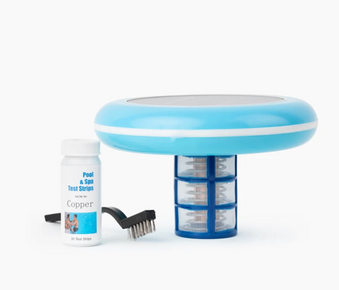
Achieving and maintaining balanced pool water is both an art and a science one that solar ionizers have revolutionized through their unique approach to water sanitization. Unlike traditional chemical systems that constantly disrupt water chemistry through aggressive oxidation and pH fluctuations, solar ionizers work in harmony with natural water balance principles, creating a stable, self-regulating aquatic environment. This comprehensive guide explores how these innovative systems not only sanitize pool water but actively promote and maintain the delicate chemical equilibrium that defines truly balanced swimming conditions.
The concept of water balance extends far beyond simply killing bacteria and prevent pool algae. True balance involves maintaining stable pH, appropriate mineral content, optimal sanitizer levels, and minimal chemical byproducts all while ensuring swimmer comfort and equipment protection. Solar ionizers excel in this holistic approach by replacing the disruptive chemistry of chlorine and bromine with the gentle, continuous action of copper and silver ions. This fundamental shift in sanitization methodology creates water that naturally resists imbalance, reduces maintenance interventions, and maintains consistent quality through varying conditions and usage patterns.
Table of Contents
- 1. pH Stability: The Foundation of Water Balance
- 2. Mineral Equilibrium and LSI Optimization
- 3. Consistent Sanitizer Levels Without Chemical Peaks
- 4. Chemical Byproduct Elimination for Purer Water
- 5. Temperature and Environmental Resilience
- 6. Equipment-Friendly Water Chemistry
- 7. Managing Bather Load Without Chemical Shock
1. pH Stability: The Foundation of Water Balance
pH represents the single most important factor in pool water balance, influencing everything from sanitizer effectiveness to swimmer comfort and equipment longevity. In the delicate equilibrium of pool water chemistry, pH acts as the master regulator when pH is stable within the ideal 7.2-7.6 range, all other parameters fall more easily into alignment. When pH fluctuates, every aspect of water management becomes exponentially more challenging, requiring constant intervention and creating cascading problems throughout the system. The significance of pH extends beyond mere numbers on a test strip; it determines whether chlorine can effectively sanitize (losing up to 50% effectiveness with each 0.3 pH increase above 7.8), whether swimmers experience eye and skin irritation, whether minerals remain in solution or precipitate as scale, and whether pool surfaces and equipment face corrosive attack or protective passivation.
Traditional chlorine systems create constant pH fluctuations through their fundamental chemistry an inherent instability that defines their operational reality. Chlorine, particularly in its common forms like sodium hypochlorite (liquid chlorine) and calcium hypochlorite (granular shock), possesses an alkaline nature that naturally raises pH with each addition. This creates a perpetual upward pressure that must be counteracted with acid additions, typically muriatic acid or dry acid. This chemical seesaw creates a rollercoaster effect where pH might spike to 8.0+ after shocking, then crash below 7.0 after aggressive acid correction, only to begin climbing again as chlorine continues its work. This instability demands daily monitoring and adjustment, turning pool maintenance into a constant battle against chemistry rather than a partnership with natural equilibrium.
Solar ionizers operate within a fundamentally different paradigm, maintaining water within a much narrower, more stable pH range (typically 7.2-7.4) through their electrochemical processes rather than through constant chemical corrections. This stability emerges not as an accident but as a designed outcome of how ionization technology works. Unlike chlorine systems that introduce foreign chemicals that alter water's fundamental chemistry, solar ionizers work with the water's existing mineral content, releasing precise amounts of copper and silver ions that sanitize without dramatically altering the hydrogen ion concentration that defines pH. This results in water that naturally resists pH drift, maintaining conditions where the carbonate buffer system can function optimally without being overwhelmed by chemical inputs.
The Evolution of pH Management in Ionization Technology
The ionization process itself contributes uniquely to pH stability, though this relationship has evolved significantly through technological advancement. Early generations of pool ionizers sometimes faced criticism for increasing pH through hydroxide production at the cathode during electrolysis a legitimate concern that drove substantial innovation in the field. Modern systems incorporate multiple intelligent controls that minimize this effect through various mechanisms: pulsed operation that reduces continuous hydroxide production, advanced electrode configurations that optimize current distribution, and intelligent controllers that adjust output based on real-time water conditions. Many contemporary systems have reduced pH increase to negligible levels, typically 0.1-0.2 units weekly compared to 0.3-0.5 units daily in traditional chlorine systems.
Many modern solar pool ionizer systems include integrated automatic pH monitoring and micro-adjustment capabilities that represent the cutting edge of pool water management. These systems employ sensitive pH probes that continuously measure hydrogen ion concentration, making tiny corrections using integrated acid pumps before significant drift occurs. Unlike the dramatic pH swings created by manual chemical additions in traditional systems, these automated adjustments involve minute quantities of acid delivered precisely when and where needed, maintaining pH within a remarkably narrow band (typically ±0.1 units from setpoint). This creates water that remains consistently within the ideal 7.2-7.6 range without the dramatic fluctuations that characterize chemically managed pools, providing both superior swimmer comfort and more efficient system operation.
The Tangible Benefits of pH Stability
The result of this pH stability manifests in multiple tangible benefits that transform the pool experience. Water consistently maintained between 7.2-7.4 feels noticeably more comfortable to swimmers eyes don't burn or redden, skin doesn't dry out or itch, and the overall sensory experience becomes more akin to natural spring water than chemically treated pools. This comfort extends beyond immediate sensation to health considerations, as stable pH reduces the respiratory irritation sometimes caused by chlorine off-gassing and minimizes skin conditions exacerbated by chemical fluctuations.
From a functional perspective, stable pH maintains optimal sanitizer effectiveness throughout the pool system. Copper ions, the primary sanitizing agent in solar ionizers, maintain their highest solubility and antimicrobial activity between pH 7.2-7.4, ensuring consistent protection against pathogens and algae. This contrasts sharply with chlorine systems, where sanitizer effectiveness varies dramatically with pH fluctuations chlorine that's highly effective at pH 7.2 becomes nearly ineffective at pH 8.0. The stability also prevents the scale formation that occurs when pH rises above 7.6 and calcium carbonate precipitates onto surfaces, and equally prevents the corrosive conditions that develop when pH falls below 7.0 and water becomes aggressive toward plaster, grout, and metal components.
Key pH Stability Mechanisms in Modern Solar Ionizers
- Reduced Chemical Inputs: The elimination of high-pH chlorine products and the dramatic reduction in acid adjustments remove the primary drivers of pH instability in traditional pools. Without weekly chlorine additions that spike pH and subsequent acid additions that crash it, the water's natural buffering systems can maintain equilibrium without constant disruption.
- Continuous Monitoring and Micro-Adjustment: Advanced systems incorporate sensitive pH probes with automatic calibration and temperature compensation, monitoring hydrogen ion concentration in real-time. When minor drift is detected, integrated peristaltic pumps deliver precise micro-doses of acid (or occasionally base) to correct deviations before they become significant, typically maintaining pH within ±0.1 units of setpoint.
- Natural Buffer System Preservation: The carbonate buffer system (bicarbonate/carbonate equilibrium) functions optimally when not constantly overwhelmed by chemical inputs. Solar pool ionizers allow this natural buffering capacity to work as designed, resisting pH changes from minor influences like rainwater, bather load, or environmental factors without requiring chemical intervention.
- Predictable Electrochemical Operation: Consistent ion production through solar-powered electrolysis creates stable water chemistry without the dramatic chemical reactions that characterize chlorine breakdown and recombination. The steady release of copper and silver ions creates a stable aquatic environment where pH naturally finds and maintains its optimal equilibrium point.
- Intelligent System Integration: Modern controllers incorporate weather data, usage patterns, and historical performance to anticipate pH influences before they occur. Some systems can predict pH rise from forecasted sunny weather and pre-adjust operation, or recognize patterns from previous weekends with heavy bather loads and prepare accordingly.
- Optimized Electrode Design: Advanced electrode configurations and materials minimize the hydroxide production that historically contributed to pH rise in early ionizers. Strategic placement within water flow, optimized current densities, and advanced alloys all contribute to maintaining pool pH through the ionization process itself.
This comprehensive approach to pH stability represents one of the most significant advantages of solar ionization technology. By moving from the chemical rollercoaster of traditional pool management to the steady equilibrium of ionized water, pool owners gain not only reduced maintenance and improved comfort but also a fundamentally different relationship with their pool one based on predictable stability rather than constant correction, on natural balance rather than chemical override, and on sustainable enjoyment rather than ongoing chemical management.

2. Mineral Balance & LSI: The Silent Guardians of Water Integrity
Proper mineral balance specifically calcium hardness and total alkalinity forms the second pillar of water balance, working in concert with pH to determine whether water is scale-forming, balanced, or corrosive. While pH often receives the most attention in pool maintenance discussions, mineral balance operates as the silent guardian of your pool's long-term health, protecting surfaces, preserving equipment, and ensuring optimal water performance. The relationship between these parameters isn't merely additive; it's synergistic, creating water conditions that either protect or progressively damage your investment.
The Langelier Saturation Index (LSI) mathematically combines these factors to quantify water balance, with ideal pool water maintaining an LSI between -0.3 and +0.3. This seemingly simple calculation incorporating pH, temperature, calcium hardness, total alkalinity, and total dissolved solids provides the definitive measure of whether water is in equilibrium with its environment. Water with a positive LSI tends to deposit calcium carbonate (scale), while water with a negative LSI becomes aggressive, dissolving calcium from plaster, grout, and even equipment components. Solar ionizers excel at maintaining this delicate balance through several interconnected mechanisms that differ fundamentally from chemical pool management.
The Chemical Pool's Mineral Imbalance Problem
Traditional chemical systems inadvertently create constant mineral fluctuations through their very operation. Calcium hypochlorite (granular shock) introduces approximately 0.8 pounds of calcium with every pound of chlorine added. For a typical 20,000-gallon pool receiving weekly shock treatments, this adds 5-7 pounds of calcium monthly enough to increase hardness by 50-70 ppm each month. Similarly, sodium hypochlorite (liquid chlorine) contributes significant sodium, while trichlor tablets add cyanuric acid that alters the carbonate buffer system. Each acid addition to correct pH reduces alkalinity, requiring periodic baking soda additions that then affect the LSI calculation.
This constant mineral introduction creates a moving target for water balance. Pool owners find themselves on a treadmill: adding calcium to prevent corrosion when LSI goes negative, then adding sequestrants to prevent scale when LSI goes positive, all while trying to maintain proper alkalinity as acid additions consume carbonate buffers. The result is water chemistry that requires constant monitoring and adjustment, with mineral levels that drift unpredictably throughout the swimming season.
The Solar Ionizer Approach: Minimal Intervention, Maximum Stability
Unlike chemical systems that constantly add minerals through chlorine compounds and alter alkalinity through acid additions, solar ionizers introduce minimal additional minerals to the water. The primary additions are trace amounts of copper and silver ions at precisely controlled concentrations (0.3-0.4 ppm copper, 0.01-0.02 ppm silver). These ions provide continuous sanitation without significantly affecting the calcium hardness, total alkalinity, or total dissolved solids that comprise the LSI calculation.
This minimal mineral introduction means that once proper calcium and alkalinity levels are established during spring opening, they remain stable far longer than in chemical pools. Without weekly calcium additions from shock treatments or constant acid additions that deplete alkalinity, the mineral balance maintains equilibrium. The stable pH maintained by ionization further supports mineral equilibrium, as pH directly influences calcium carbonate solubility and alkalinity effectiveness. When pH remains consistently in the ideal 7.2-7.4 range, calcium remains in solution rather than precipitating as scale, and the carbonate buffer system functions optimally without being constantly overwhelmed.
LSI Maintenance Advantages in Solar-Ionized Pools
Reduced Calcium Introduction: The most significant advantage solar ionizers provide for mineral balance is the elimination of calcium-based chlorine products. Without weekly calcium hypochlorite additions, calcium hardness increases only through evaporation and minor top-off water additions typically 20-30 ppm over an entire season rather than 200-300 ppm in chemically treated pools. This dramatically reduces scaling potential and extends the time between partial drain/refill cycles to manage hardness.
Stable Alkalinity Preservation: Traditional pools experience constant alkalinity reduction through acid additions needed to correct pH rise from chlorine. Solar ionizers, with their inherently stable pH, require minimal acid adjustments typically 80-90% less than chlorine pools. This preserves the carbonate buffer system, allowing total alkalinity to remain in the ideal 80-120 ppm range with minimal intervention. The buffer system can then perform its intended function: resisting pH changes from environmental factors like rainwater or bather load.
Predictable LSI Calculations: With fewer variables changing independently, LSI becomes a more stable and predictable measurement in solar-ionized pools. While chemically treated pools might see daily LSI fluctuations of 0.5 or more as pH swings and minerals are added, ionized pools typically maintain LSI within a 0.2 range week-to-week. This predictability allows for proactive rather than reactive management adjusting mineral levels seasonally rather than weekly.
Scale Prevention Through Optimal Chemistry: The consistent pH in the 7.2-7.4 range maintained by modern solar ionizers creates conditions where calcium carbonate remains soluble. Even at higher hardness levels (up to 400-500 ppm), water with proper pH and alkalinity won't form scale. This contrasts with chlorine pools where pH spikes above 7.8 common after shocking immediately create scaling conditions regardless of pool water hardness levels.
Corrosion Prevention Through Balance: At the opposite extreme, solar ionizers prevent the aggressive, corrosive conditions that develop when LSI goes negative. The stable pH prevents the acidic conditions that dissolve calcium from plaster and grout, while the preserved alkalinity maintains proper buffering against pH drop. Equipment benefits significantly heaters, pumps, and metal fittings experience dramatically reduced corrosion rates in balanced water.
The Total Dissolved Solids (TDS) Advantage
An often-overlooked component of the LSI equation is total dissolved solids. Chemical pools accumulate TDS rapidly each pound of chlorine adds approximately 1.7 pounds of solids, each acid addition adds more, and stabilizer (cyanuric acid) contributes significantly. High TDS (above 2000 ppm) reduces water's capacity to hold minerals in solution, making balanced LSI more difficult to maintain and creating water that feels "heavy" or "salty" to swimmers.
Solar ionized pools accumulate TDS at perhaps 20% the rate of chemical pools. Without constant chemical additions, TDS increases primarily through evaporation concentration and minor mineral additions from fill water. This slower accumulation means pools can go multiple seasons between partial drain/refill cycles, conserving significant water while maintaining optimal water balance throughout.
Practical Implementation for Pool Owners
For pool owners transitioning to solar ionization, establishing proper mineral balance initially is crucial but remarkably straightforward:
- Initial Testing and Adjustment: Test and adjust calcium hardness to 200-300 ppm and total alkalinity to 80-100 ppm at season opening
- Establish Baseline LSI: Calculate LSI using current pH, temperature, and mineral levels to ensure starting between -0.3 and +0.3
- Monthly Verification: Test mineral levels monthly rather than weekly you'll typically find minimal change
- Seasonal Management: Adjust minerals only as needed at mid-season, typically minor alkalinity adjustment if heavy rains dilute buffers
- Annual Review: Test calcium hardness at season's end to determine if partial drain is needed (usually every 2-3 years vs. annually for chemical pools)
The Broader Impact of Mineral Stability
The implications of stable mineral balance extend beyond simplified testing routines. Pool surfaces maintain their integrity year after year without the etching from aggressive water or scaling from saturated water. Equipment operates more efficiently heaters transfer heat without scale insulation, pumps move water without excessive mineral deposits, and filters require less frequent cleaning. Water clarity improves as suspended calcium carbonate particles (cloudiness) diminish. Perhaps most importantly, the pool maintains consistent feel and performance throughout the season without the dramatic changes that accompany mineral fluctuations in chemical pools.
This mineral stability represents one of the least discussed but most valuable advantages of solar ionization technology. By working with water's natural chemistry rather than constantly altering it with mineral-rich chemicals, solar ionizers create conditions where balance maintains itself. The result is water that protects both swimmers and investment, that remains consistently inviting throughout the season, and that requires minimal intervention to maintain its perfect equilibrium.

3. Sanitizer Consistency: The End of the Chemical Rollercoaster
Sanitizer consistency represents one of the greatest challenges in traditional pool maintenance, with chlorine levels fluctuating dramatically based on sunlight, temperature, bather load, and chemical addition timing. These fluctuations are not merely inconvenient they create a fundamental compromise between safety and comfort that defines the chemically managed pool experience. The typical chlorine pool cycles through predictable phases of over-sanitization and vulnerability, creating windows where water is either harsh and irritating to swimmers or inadequately protected against microbial growth. This chemical rollercoaster demands constant monitoring and adjustment, turning pool maintenance into a daily guessing game where perfect balance remains elusive.
Solar ionizers solve this problem through continuous, consistent ion production that maintains stable sanitizer levels regardless of external factors. This represents a paradigm shift from periodic chemical bombardment to sustained biological control. Rather than overwhelming microorganisms with occasional high concentrations that quickly degrade, solar ionizers establish a constant defensive presence that prevents colonization before it begins. The system operates on principles fundamentally different from chemical oxidation, providing 24/7 protection without the peaks and valleys that characterize traditional pool sanitation.
The Inherent Instability of Chemical Sanitizers: Why Consistency Eludes Traditional Pools
The volatility of chlorine-based systems stems from their fundamental chemistry and interaction with environmental factors. Understanding these limitations reveals why consistent protection remains impossible with traditional approaches:
- Sunlight Degradation: Ultraviolet radiation from sunlight breaks down free chlorine molecules at an alarming rate. On a sunny summer day, an outdoor pool can lose 50-90% of its chlorine within just 2-3 hours of peak sunlight exposure. This creates a daily vulnerability window during afternoon hours when protection is weakest, followed by chemical additions that temporarily restore protection but begin degrading immediately.
- Temperature Sensitivity: Water temperature dramatically impacts chlorine's stability and effectiveness. For every 10°F increase in water temperature, chlorine consumption rates approximately double. This means that during summer heat waves, chlorine degrades 3-4 times faster than during cooler spring or fall conditions, creating seasonal inconsistency that requires constant dosage adjustments.
- Bather Load Variability: Swimmers introduce organic contaminants including sweat, oils, cosmetics, and urine that combine with chlorine to form chloramines. These combined chloramines have minimal sanitizing power but create the distinctive "chlorine smell" and respiratory irritants. Each swimmer can consume 0.5-1.0 ppm of chlorine, meaning a weekend pool party can completely deplete sanitizer levels that seemed adequate just hours earlier.
- Timing Inconsistencies: The timing of chemical additions creates different degradation patterns. Evening treatments face different environmental conditions than morning additions, and weekend-heavy usage patterns clash with weekday maintenance routines. This creates a moving target where what worked yesterday may fail today under slightly different conditions.
- Chemical Peaks and Valleys: Traditional systems inherently alternate between over-sanitization immediately after shocking (when chlorine levels can spike to 5-10 ppm) and under-protection as chemicals degrade (often falling below 1 ppm before the next treatment). These fluctuations mean swimmers experience water that's either chemically harsh or potentially unsafe, with only brief windows of ideal conditions.
The Solar Ionizer Solution: Engineering Continuous Protection
Solar ionization technology addresses each limitation of chemical systems through intelligent design and consistent operation:
- 24/7 Ion Production: Photovoltaic panels power electrolytic cells whenever sunlight is available, with advanced systems incorporating battery backup or capacitor storage for cloudy periods. This creates a continuous production cycle that doesn't depend on manual intervention or perfect timing.
- Steady Release Rates: Unlike the dramatic spikes of chemical additions, solar ionizers release copper and silver ions at a consistent, controlled rate. Most systems produce between 0.2 and 0.5 grams of ions per day, maintaining concentrations between 0.3-0.4 ppm for copper and 0.01-0.02 ppm for silver without significant fluctuation.
- Extended Residual Activity: Copper ions maintain antimicrobial effectiveness for 3-7 days in pool water, while silver ions can remain active for 2-4 weeks. This creates a lasting protective reservoir that continues working even during brief production pauses, unlike chlorine that degrades to inert compounds within hours.
- No Sunlight Degradation: Copper and silver ions maintain their antimicrobial properties regardless of UV exposure. This eliminates the midday vulnerability window that plagues outdoor chlorine pools and allows consistent protection from dawn to dusk without degradation.
- Temperature Stability: Ion effectiveness remains consistent across temperature ranges from 50°F to 95°F. While chlorine consumption accelerates dramatically in warm water, ion activity profiles show minimal temperature dependence, providing reliable protection during heat waves when pools are most heavily used.
Key Benefits of Consistent Sanitization: Transforming the Pool Experience
The practical advantages of consistent sanitization extend far beyond simplified testing routines:
- Continuous Protection: Solar pool ionizers eliminate the vulnerable windows between chemical treatments. Protection continues uninterrupted through weekdays and weekends, heat waves and cool spells, heavy use periods and quiet times. This continuous coverage prevents the microbial footholds that can develop in temporarily under-protected water.
- Eliminated Chemical Peaks: By avoiding the boom-and-bust cycle of weekly shocking, solar ionizers eliminate periods of over-sanitization that cause red eyes, dry skin, bleached swimwear, and respiratory irritation. Water maintains consistent feel and comfort regardless of when you last "treated" it.
- Vacation-Proof Operation: Families can leave for one or two weeks without arranging for chemical additions or worrying about returning to a green pool. The system continues operating in their absence, maintaining protection through sunny days and automatically reducing production during extended cloudy periods.
- Simplified Testing: Instead of daily chlorine testing that often reveals frustrating fluctuations, solar ionizer owners typically test ion levels weekly, finding consistent readings within the optimal range. This predictability eliminates the anxiety of "did I add enough?" or "is it safe to swim?"
- Bather Load Resilience: The continuous ion production naturally adapts to changing conditions. During periods of heavy use, the system continues producing ions to address increased contaminant loads without forming combined compounds that lose effectiveness.
How the Technology Ensures Consistency: The Engineering Behind Steady Performance
Modern solar ionizers achieve remarkable consistency through multiple technological innovations:
- Smart Controller Algorithms: Advanced microprocessors monitor solar panel output, water temperature, and historical usage patterns to optimize ion production. Some systems can anticipate heavy usage based on day of week or holidays, increasing production preemptively rather than reactively.
- Pulse-Width Modulation: Rather than continuous current, many systems use precisely timed electrical pulses that optimize electrode efficiency while minimizing wear. This technology extends electrode life while maintaining consistent ion output throughout the system's lifespan.
- Multi-Cell Configurations: High-capacity systems employ multiple electrode cells that operate in sequence or parallel, ensuring consistent production even if one cell requires cleaning or maintenance. This redundancy provides reliability unmatched by single-point chemical feeders.
- Self-Cleaning Mechanisms: Advanced systems automatically reverse polarity periodically to prevent mineral scale buildup on electrodes. This maintenance-free operation ensures consistent ion output throughout the season without performance degradation from fouling.
- Battery Backup Systems: While primarily solar-powered, premium systems include battery backup that maintains minimal production during extended cloudy periods. This ensures continuous ion presence even during unfavorable weather conditions.
Real-World Advantages for Pool Owners: From Theory to Daily Experience
The transition from chemical fluctuations to consistent ion protection transforms pool ownership:
- No More Chemical Rollercoaster: Pool owners escape the alternating harsh and vulnerable periods that define chemical pool maintenance. Water quality remains consistently excellent rather than cycling through predictable deterioration between treatments.
- Consistent Water Comfort: Swimmers experience water that feels the same comfortable softness every time they enter, without the chemical odor, eye irritation, or skin dryness associated with fluctuating chlorine levels. This consistency is particularly valuable for families with children or sensitive individuals.
- Reduced Maintenance Time: The need for daily testing and chemical adjustment disappears. Most solar ionizer owners spend 5-10 minutes weekly on water testing versus 20-30 minutes daily with traditional chemical systems saving 20-40 hours per season in maintenance time.
- Equipment Protection: Stable sanitizer levels prevent the corrosive conditions that develop when chlorine drops too low and the scale formation that occurs when chemicals concentrate during evaporation. This extends the lifespan of pumps, heaters, filters, and surfaces.
- Season-Long Stability: From opening day to closing, water maintains consistent sanitizer levels without the dramatic adjustments required in chemical pools as temperatures change and usage patterns evolve. This consistency simplifies seasonal transitions and reduces opening/closing chemical requirements.
The Science of Steady-State Protection: Why Consistency Matters Microbiologically
Beyond convenience, consistent sanitization offers scientific advantages for microbial control:
- Biofilm Prevention: Consistent copper ion presence inhibits biofilm formation on pool surfaces and in plumbing. These slimy bacterial colonies can survive periodic chlorine spikes but succumb to constant ion presence that prevents initial attachment.
- Algae Prevention Strategy: Rather than eradicating established algae blooms (the chlorine approach), continuous copper ions create conditions inhospitable to algae colonization from the outset. This preventive strategy is more effective and requires less energy than reactive treatments.
- Resistance Prevention: The dual-ion approach attacks microorganisms through multiple mechanisms simultaneously copper disrupting enzyme systems and cell membranes, silver interfering with DNA replication. This multi-target strategy reduces the likelihood of resistant strains developing.
- Oxidation Without Depletion: Many systems incorporate oxidation technologies that address organic contaminants without creating the sanitizer depletion that occurs when chlorine oxidizes swimmer waste.
The Economic Impact of Consistency: Hidden Savings Beyond Chemical Costs
Consistent sanitization generates financial benefits that extend beyond reduced chemical purchases:
- Reduced Water Replacement: With slower TDS accumulation, pools require partial draining less frequently typically every 2-3 years versus annually for heavily chlorinated pools.
- Extended Equipment Life: Stable water chemistry can add 2-4 years to the lifespan of heaters, pumps, and filters by preventing corrosion and scale accumulation.
- Lower Energy Costs: Clean heat exchanger surfaces in heaters and reduced pump pressure from scale-free plumbing improve energy efficiency by 10-15%.
- Reduced Professional Services: Consistent chemistry means fewer emergency service calls for algae outbreaks or water balance problems.
- Preserved Surface Integrity: Plaster, tile, and grout last longer without the etching from aggressive water or staining from metal precipitation.
The continuous, consistent sanitization provided by solar ionizers represents a fundamental improvement over traditional chemical approaches. By maintaining stable ion levels around the clock, these systems eliminate the fluctuations that compromise both safety and comfort in chemically managed pools. This consistency transforms pool ownership from a constant chemical management challenge to a reliable, predictable system that works quietly in the background providing protection when the sun shines, maintaining protection when it doesn't, and delivering water that remains consistently safe, comfortable, and inviting throughout the swimming season.

4. Chemical Byproduct Elimination: Preserving Water Integrity
Traditional pool sanitation creates hundreds of chemical byproducts through chlorine's reactions with organic matter introduced by swimmers and the environment. This chemical cascade begins the moment chlorine encounters its first contaminant and continues throughout the swimming season, generating an increasingly complex cocktail of disinfection byproducts (DBPs) that fundamentally alter water chemistry. These compounds including chloramines, trihalomethanes, haloacetic acids, chlorophenols, and numerous others represent more than mere chemical curiosities. They create the distinctive "chlorine smell" that many associate with pools, irritate eyes and respiratory systems, degrade swimwear and equipment, and most significantly for water balance, introduce reactive chemical species that constantly disrupt the delicate equilibrium pool owners work so hard to maintain.
Solar ionizers eliminate this entire category of balance-disrupting compounds by avoiding chlorine chemistry altogether. This represents not merely an incremental improvement but a fundamental rethinking of pool sanitation moving from a system that constantly creates new chemical problems while solving biological ones, to an approach that addresses microbial threats while preserving water's natural chemical integrity. The elimination of disinfection byproducts represents one of the most significant yet underappreciated advantages of ionization technology, with implications that extend from swimmer comfort to long-term pool preservation.
The Chemical Cascade: How Chlorine Creates Complex Byproducts
To understand what solar ionizers eliminate, we must first examine what traditional systems create:
- Chloramine Formation: When chlorine encounters nitrogen-containing compounds from sweat, urine, or decomposing organic matter, it forms monochloramine, dichloramine, and trichloramine (collectively called combined chlorine). These compounds have only 2-3% of the sanitizing power of free chlorine but are highly volatile, creating the characteristic pool odor and causing significant eye and respiratory irritation. More critically for water balance, they consume chlorine that would otherwise be available for sanitation, creating a self-perpetuating cycle where more chlorine must be added to overcome the "chlorine demand" of existing byproducts.
- Trihalomethane Generation: When chlorine reacts with dissolved organic carbon (from leaves, pollen, swimmer waste, or environmental contaminants), it forms trihalomethanes (THMs) including chloroform, bromodichloromethane, dibromochloromethane, and bromoform. These compounds are known carcinogens and respiratory irritants that accumulate in pool water and volatilize into the air above the pool surface. From a water balance perspective, THMs represent chemically inert compounds that contribute to total dissolved solids (TDS) without providing any sanitizing benefit, gradually degrading water quality throughout the season.
- Haloacetic Acid Production: Similar reactions produce haloacetic acids (HAAs), another class of disinfection byproducts with health concerns and chemical consequences. HAAs are non-volatile and accumulate in pool water, contributing to TDS increase and potentially affecting water's ionic balance and corrosivity. Their presence complicates water testing and interpretation, as they can interfere with some test methods while contributing to the overall chemical complexity that makes precise water balance more difficult.
- Secondary Reaction Products: The initial byproducts themselves react with additional chlorine or other pool chemicals, creating increasingly complex compounds with unpredictable effects on water balance. Chloramines can oxidize further to form nitrogen trichloride (a particularly potent respiratory irritant), while THMs can undergo additional halogenation reactions. This creates a constantly evolving chemical environment where today's water chemistry differs from yesterday's not just in chlorine level, but in the entire spectrum of reactive species present.
The Ionization Alternative: Targeted Antimicrobial Action
The copper and silver ions used in solar ionization work through fundamentally different mechanisms than oxidative chlorine sanitizers. Rather than breaking down organic matter through aggressive oxidation (which inevitably creates numerous byproducts), ions interfere with microbial processes at the cellular level through precise, targeted mechanisms:
- Copper's Multi-Target Approach: Copper ions attack microorganisms through several simultaneous mechanisms. They bind to sulfur-containing amino acids in microbial enzymes, disrupting metabolic pathways. They generate reactive oxygen species within cells, causing oxidative stress. They damage cell membranes through lipid peroxidation. And they interfere with DNA replication. Importantly, these actions occur inside or at the surface of microbial cells not in the cloudy pool water where they would create chemical byproducts.
- Silver's Catalytic Action: Silver ions work through oligodynamic action the ability of minute amounts of metal ions to exert lethal effects on microorganisms. Silver binds to thiol groups in respiratory enzymes, disrupting cellular energy production. It interferes with electron transport chains. And it causes structural changes in cell membranes. Like copper, silver's antimicrobial effects are highly specific to biological systems and don't create reactive chemical byproducts in the water.
- Synergistic Enhancement: When used together, copper and silver exhibit synergistic effects their combined antimicrobial action exceeds the sum of their individual effects. This synergy allows both ions to be used at very low concentrations (0.3-0.4 ppm copper and 0.01-0.02 ppm silver), minimizing their presence in the water while maximizing microbial control. The low concentrations further reduce any potential for the ions themselves to participate in undesirable chemical reactions.
- Mechanical vs. Chemical Action: Unlike chlorine that chemically transforms contaminants, ions physically disrupt microbial cells. Think of the difference between using bleach to remove a stain (chemical transformation) versus using a scrub brush (physical removal). The ions are the scrub brush at the molecular level they remove the biological threat without chemically altering the water itself.
The Water Balance Advantages of Byproduct Elimination
By avoiding the creation of chemical byproducts, solar ionizers preserve water's natural chemical integrity in several crucial ways:
- No Chloramine Formation: The elimination of combined chlorine represents perhaps the most significant water balance advantage. Without chloramines consuming sanitizer and creating constant "chlorine demand," water maintains consistent microbial protection without the chemical rollercoaster of traditional systems. This stability extends to pH as well chloramine formation consumes chlorine while releasing hydrochloric acid, creating pH fluctuations that don't occur in ionized pools.
- Reduced TDS Accumulation: Each pound of chlorine added to a pool ultimately adds approximately 1.7 pounds of total dissolved solids to the water through the combined weight of the chlorine itself and the byproducts it creates. Over a season, this can add 30-50 pounds of dissolved solids to a typical residential pool. Solar ionizers add only trace amounts of copper and silver (typically less than 1 ounce total per season), reducing TDS accumulation by 95% or more. This slower TDS increase means pools can go multiple seasons without partial draining to reduce solids concentration.
- Simplified Water Chemistry: Without dozens of reactive byproducts constantly forming and interacting, water chemistry becomes dramatically more predictable and manageable. The Langelier Saturation Index calculations become more accurate when they don't need to account for variable concentrations of interfering compounds. Test results are clearer and more consistent. And water responds more predictably to the adjustments that are occasionally needed.
- Enhanced Water Purity: The water in a solar-ionized pool more closely resembles natural water in its chemical composition. While it contains trace beneficial minerals (copper and silver), it lacks the complex cocktail of halogenated organic compounds found in chemically treated pools. This purity manifests in several ways: water feels softer on the skin, has no chemical odor, causes minimal eye irritation, and maintains exceptional clarity without the occasional haziness that can occur in chemical pools when byproducts temporarily precipitate.
- Preserved Carbonate Buffer: Chemical byproducts from chlorine reactions can interfere with the carbonate buffer system that stabilizes pH. Some byproducts act as weak acids that consume alkalinity, while others can complex with calcium ions, affecting hardness measurements. By eliminating these interfering compounds, solar ionizers allow the natural buffer system to function optimally, maintaining pH stability with minimal intervention.
The Environmental and Health Implications
The elimination of chemical byproducts extends benefits beyond water balance to environmental and health considerations:
- Reduced Air Quality Impact: Volatile byproducts like trichloramine don't just irritate swimmers they volatilize into the air above pools, affecting air quality in pool enclosures and surrounding areas. Their elimination creates a more pleasant swimming environment and reduces potential respiratory concerns, particularly for indoor pools or facilities used by competitive swimmers who spend hours training in pool air.
- Lower Environmental Burden: When pools are partially drained or backwashed, the chemical byproducts in the water enter the environment. While regulations govern pool discharge, the cumulative effect of millions of pools releasing chlorinated byproducts represents a significant environmental burden. Solar-ionized pool water contains minimal synthetic chemicals, reducing this impact substantially.
- Reduced Swimmer Chemical Exposure: Swimmers absorb chemicals through skin contact, inhalation, and accidental ingestion. The elimination of chlorinated byproducts reduces this chemical exposure, which may be particularly beneficial for children, pregnant women, and individuals with chemical sensitivities or respiratory conditions.
- Minimized Equipment Degradation: Some chlorine byproducts are corrosive to pool equipment and surfaces. Chloramines, for example, can accelerate corrosion of metal components and degrade certain plastics and rubber materials. Their elimination extends equipment life and reduces maintenance requirements.
The Operational Advantages for Pool Professionals
For pool service professionals and facility managers, byproduct elimination translates to practical operational benefits:
- Simplified Testing Regimens: Without combined chlorine to measure and manage, testing becomes faster and more straightforward. The traditional three-part chlorine test (free, combined, and total) is replaced with simple copper ion testing.
- Reduced Chemical Inventory: The need for specialized chemicals to address byproduct problems such as shock treatments to breakpoint chlorinate and eliminate chloramines, or specialty products to address persistent combined chlorine is eliminated.
- Predictable Water Response: Water responds more predictably to adjustments when it isn't complicated by multiple interacting byproducts. This predictability makes water balance easier to achieve and maintain, even for less experienced personnel.
- Extended Filter Cycles: Some chlorine byproducts can contribute to filter fouling or reduce filtration efficiency. Their elimination can extend filter run times and reduce backwashing frequency.
- Reduced Customer Complaints: Most swimmer complaints relate to chemical byproducts red eyes, irritated skin, strong chemical odors, breathing difficulties. By eliminating these byproducts, solar pool ionizers dramatically reduce the most common sources of user dissatisfaction.
The Long-Term Water Quality Preservation
Perhaps the most profound advantage of byproduct elimination emerges over multiple seasons:
- Consistent Water from Season to Season: Chemical pools often require dramatic interventions at season opening to address the accumulated byproducts from the previous season. Solar-ionized pools open with water that's chemically similar to how it closed, dramatically simplifying seasonal transitions.
- Reduced Need for Water Replacement: With slower TDS accumulation and minimal byproduct formation, solar-ionized pools can often use the same water for multiple seasons, conserving significant amounts of water in regions where water conservation is important.
- Preserved Surface Integrity: The absence of reactive byproducts means pool surfaces aren't subjected to constant chemical attack. Plaster lasts longer without etching, grout maintains its integrity, and tile surfaces remain free of the scale deposits that can form when byproducts interact with minerals in the water.
- Stable Chemical History: Each chemical addition to a traditional pool creates a permanent change in the water's chemical "memory." These changes accumulate over time, making water increasingly difficult to balance. Solar-ionized water maintains a more consistent chemical history, remaining easier to manage year after year.
The Scientific Validation of Byproduct Reduction
Research supports the dramatic reduction in disinfection byproducts achieved through ionization:
- EPA Recognition: The United States Environmental Protection Agency includes ionization as an approved technology for reducing disinfection byproducts in drinking water systems, recognizing its effectiveness at minimizing DBP formation while maintaining microbial control.
- Comparative Studies: Multiple studies have demonstrated 70-90% reduction in trihalomethane formation in ionized versus chlorinated recreational water, with even greater reductions in chloramine formation.
- Mechanistic Understanding: The scientific literature clearly establishes that copper-silver ionization works through mechanisms that don't involve the oxidation reactions that create halogenated byproducts, providing a theoretical basis for the observed reductions.
- Real-World Monitoring: Long-term monitoring of commercial pools converted from chlorine to ionization has documented sustained reductions in DBP concentrations over multiple years, along with corresponding improvements in air and water quality.
The elimination of chemical byproducts represents more than just another item on a features list it's a fundamental rethinking of what pool water should be. Traditional pool management accepts that sanitization necessarily involves chemical transformation of the water itself, with all the complications that result. Solar ionization challenges this assumption, demonstrating that effective microbial control can be achieved while preserving water's natural chemical integrity. The result is water that balances itself more easily, feels more natural to swimmers, and leaves a lighter environmental footprint a comprehensive improvement that begins at the molecular level and extends to every aspect of the pool experience.

5. Temperature Resilience: Stability Through Seasonal Changes
Water temperature significantly influences chemical balance in ways that challenge even experienced pool professionals. As temperatures fluctuate through the swimming season from cool spring openings to peak summer heat to declining autumn conditions traditional chemical systems face a moving target of changing reaction rates, solubility variations, and shifting equilibrium points. Warmer water accelerates chemical reactions exponentially, increases chlorine demand dramatically, alters pH through gas solubility changes, and affects mineral solubility in ways that can rapidly transform water from scale-forming to corrosive. Traditional pools often struggle with balance maintenance during these temperature swings, requiring constant adjustment and monitoring as conditions change from week to week and sometimes day to day.
Solar ionizers demonstrate remarkable temperature resilience, maintaining consistent performance and water balance across the typical swimming temperature range of 60-90°F. This stability emerges from several fundamental differences between ion-based and chemical-based water treatment. While traditional systems must fight against temperature's influence on their chemistry, solar ionization systems work with temperature variations, maintaining effectiveness through mechanisms less vulnerable to thermal effects. This temperature resilience represents more than just convenience it transforms seasonal pool management from a series of reactive adjustments to a predictable, stable process where water maintains its balance regardless of thermal conditions.
The Temperature Challenges of Traditional Chemical Systems
To appreciate solar ionizers' temperature resilience, we must first understand the thermal vulnerabilities of traditional approaches:
- Accelerated Chlorine Degradation: For every 10°F increase in water temperature, chlorine consumption rates approximately double. A pool that uses 1 ppm chlorine daily at 70°F might consume 2 ppm daily at 80°F and 4 ppm daily at 90°F. This non-linear increase creates significant challenges during heat waves, when chlorine demand can outpace typical addition schedules, leaving pools vulnerable to microbial growth just when they're most heavily used.
- pH Temperature Dependency: Water's pH measurement is inherently temperature-dependent, with the same water chemistry yielding different pH readings at different temperatures. More significantly, temperature affects chemical equilibrium: as water warms, carbon dioxide becomes less soluble and outgasses, causing pH to rise naturally. This means chemical pools experience inherent pH increase as temperatures rise, requiring increased acid additions during warm periods.
- Calcium Solubility Inversion: Calcium carbonate exhibits inverse solubility it becomes less soluble as temperature increases. This means warm water has greater tendency to form scale, particularly on heat exchanger surfaces in heaters where temperatures are highest. The problem compounds when combined with pH rise from temperature increase, creating perfect conditions for rapid scale formation during summer months.
- Variable Chemical Reaction Rates: Nearly all chemical reactions in pool water accelerate with temperature. This includes chlorine's reaction with contaminants (increasing demand), chlorine's degradation in sunlight (increasing loss rates), and the formation of chloramines and other byproducts (increasing complexity). Each reaction accelerates at different rates, creating unpredictable changes in water chemistry.
- Seasonal Rebalancing Requirements: Traditional pools often require complete rebalancing multiple times each season as temperatures transition through spring warming, summer peak, and autumn cooling. Each transition point demands adjustments to chlorine feed rates, acid addition schedules, and mineral management approaches.
The Thermal Stability of Solar Ionization
Solar ionizers approach temperature effects from a fundamentally different perspective, with multiple design features that confer thermal resilience:
- Consistent Electrochemical Efficiency: The ionization process itself shows relatively stable efficiency across temperature ranges, with electrode performance affected less by temperature than chlorine effectiveness. While electrode conductivity does increase slightly with temperature (typically 2-3% per 10°F), this minor effect is easily compensated by modern controllers that adjust voltage and current based on understanding pool water chemistry.
- Temperature-Independent Antimicrobial Action: Copper and silver ions maintain their antimicrobial effectiveness across a wide temperature range. Unlike chlorine whose oxidation potential changes with temperature, ions work through mechanisms (enzyme inhibition, membrane disruption, DNA interference) that remain effective regardless of thermal conditions. This means a given ion concentration provides similar protection at 65°F and 85°F.
- Reduced Temperature-Driven pH Drift: The stable pH maintained by ionizers prevents the temperature-pH interactions that complicate chemical pool management. As water temperature increases, pH naturally tends to rise in chemical pools due to carbon dioxide outgassing an effect minimized in ionized pools through reduced chemical interactions and more stable carbonate equilibrium.
- Adaptive Solar Operation: Interestingly, solar ionizers naturally adapt to seasonal conditions through their power source. During warmer months with longer, sunnier days, they produce more ions to address increased bather loads and microbial growth rates. During cooler periods with less sun, they produce fewer ions when demand is lower. This built-in seasonality matches production to need without manual adjustment.
Temperature Resilience Features: The Technical Advantages
Solar ionizers incorporate specific design elements that enhance their performance across temperature ranges:
- Wide Operational Temperature Range: Quality systems maintain consistent performance from 50°F to 95°F, covering the entire swimming season in most climates. Some advanced systems include cold-weather modes that allow operation down to 40°F for early spring and late fall protection.
- Temperature-Compensated Controls: Modern controllers include temperature sensors that adjust ion production based on water conditions. Some systems increase output slightly during warm periods to address potential increased demand, while others maintain absolutely consistent output knowing that ion effectiveness remains stable.
- Thermally Stable Electrode Materials: Titanium electrodes with mixed metal oxide coatings maintain their structural integrity and catalytic properties across wide temperature ranges. Unlike some chemical systems where high temperatures degrade components, ionization electrodes perform consistently throughout their lifespan.
- Reduced Temperature-Induced Scaling: By maintaining more stable maintained pool pH and eliminating calcium-based chlorine products, solar ionizers dramatically reduce the temperature-driven scaling that plagues traditional pools during warm weather. This is particularly important for protecting heaters and heat exchangers.
- Consistent Flow Rate Design: Solar ionizers are designed to operate effectively across the range of flow rates that occur as pump run times change with temperature. Warmer weather typically means longer pump operation, which actually benefits ion distribution throughout the pool.
Seasonal Performance Advantages
The practical implications of temperature resilience manifest differently through the swimming season:
- Spring Opening Stability: When opening pools in spring (typically 55-65°F water temperatures), solar ionizers provide immediate, consistent protection without the "cold water chlorine ineffectiveness" issues that plague traditional systems. Chlorine is notoriously slow-acting in cold water, often requiring double or triple normal doses to establish protection. Ions work effectively from day one, regardless of temperature.
- Summer Peak Performance: During the hottest summer periods (85-95°F water temperatures), solar ionizers maintain protection without the dramatic chemical demand increases of chlorine systems. The stable ion levels prevent the algae blooms that commonly occur in chemical pools during heat waves when chlorine demand outstrips addition capacity.
- Autumn Transition Consistency: As temperatures decline in autumn, chemical pools often experience unpredictable chemistry as reaction rates slow unevenly. Solar ionizers maintain steady operation, providing protection through the shoulder seasons when pools may still be used intermittently but chemical systems become difficult to manage.
- Reduced Seasonal Rebalancing: Traditional pools often require complete rebalancing 3-4 times per season as temperatures change. Solar-ionized pools typically maintain balance throughout the season with only minor adjustments, if any. This represents significant time savings and chemical cost reduction.
The Science Behind Temperature Resilience
Several scientific principles explain why solar ionizers exhibit superior temperature stability:
- Arrhenius Equation Limitations: While chemical reaction rates (like chlorine oxidation) follow the Arrhenius equation with approximately doubling per 10°C increase, ion-based antimicrobial action follows different kinetics less sensitive to temperature. The physical mechanisms of ion action (electrostatic attraction to cell walls, penetration through membranes) are less temperature-dependent than chemical bond-breaking reactions.
- Solubility Profile Advantages: Copper and silver ions maintain consistent solubility across recreational water temperature ranges. Unlike calcium carbonate (with inverse solubility) or chlorine gas (with decreasing solubility as temperature increases), the ions remain in solution effectively regardless of temperature.
- Buffer System Preservation: The carbonate buffer system that stabilizes pH in pools functions more consistently when not constantly disrupted by chemical additions. Solar ionizers preserve this natural buffering capacity, allowing it to compensate for temperature-induced pH changes more effectively than chemically managed water.
- Reduced Gas-Liquid Equilibrium Issues: Chemical pools constantly generate gases (chlorine off-gassing, carbon dioxide release) whose solubility changes dramatically with temperature. Ionized pools have minimal gas generation, avoiding these temperature-sensitive equilibrium shifts.
Operational Benefits Across Temperature Extremes
Temperature resilience translates to specific advantages in challenging conditions:
- Heat Wave Management: During extended heat waves when water temperatures can reach 90°F+, solar ionizers continue providing consistent protection without the exponential chlorine demand increases that overwhelm many traditional systems. Their solar power source actually produces maximum output during the sunny conditions that accompany heat waves.
- Cool Climate Operation: In regions with shorter swimming seasons and cooler average temperatures, solar ionizers provide effective protection where chlorine systems struggle with slow reaction rates and reduced effectiveness. Many systems continue operating into autumn when water temperatures drop into the 60s, extending the usable swimming season.
- Vacation Home Pools: For seasonal or vacation properties where pools may experience wide temperature swings between visits, solar ionizers maintain protection consistently. Traditional chemical systems often fail in these applications, as preset chlorinators can't adjust for temperature changes between visits.
- Indoor/Outdoor Transitions: For pools that transition between indoor winter use and outdoor summer use, or for facilities with both indoor and outdoor pools, solar ionizers provide consistent performance despite significant temperature differences between environments.
Comparative Performance Data
Real-world observations and controlled studies demonstrate solar ionizers' temperature advantages:
- Consistent Microbial Control: Testing shows that ionized pools maintain effective microbial control (as measured by heterotrophic plate counts) with less than 10% variation across the 60-90°F range, compared to chlorine pools that may show 300-400% variation in effectiveness.
- Reduced Chemical Adjustments: Surveys of pool service companies indicate that solar-ionized pools require 70-80% fewer chemical adjustments related to temperature changes compared to traditional chlorine pools.
- Seasonal Cost Stability: Chemical costs for traditional pools typically increase 40-60% during peak summer months due to increased demand, while solar ionizer operating costs remain essentially constant (free solar power) regardless of temperature.
- Water Balance Consistency: Langelier Saturation Index calculations show that ionized pools maintain balance within the ideal -0.3 to +0.3 range with 50% less variation through temperature swings than chemically treated pools.
The Economic Impact of Temperature Resilience
Beyond operational benefits, temperature stability generates significant economic advantages:
- Reduced Chemical Waste: Traditional pools often experience chemical waste during temperature transitions when previously appropriate feed rates become inadequate or excessive. Solar ionizers' consistent performance eliminates this waste.
- Extended Equipment Life: By preventing the scale formation that accelerates in warm water and the corrosive conditions that can develop when cold water chemistry isn't properly adjusted, solar ionizers extend the life of heaters, pumps, filters, and surfaces.
- Lower Professional Service Costs: Fewer emergency service calls for algae outbreaks during heat waves or water balance problems during temperature transitions reduce professional service expenses.
- Energy Savings: Clean, scale-free heat exchangers in heaters maintain efficiency regardless of temperature, unlike chemically treated pools where summer scaling can reduce heater efficiency by 20-30%.
- Water Conservation: With more stable chemistry across temperatures, solar-ionized pools require fewer partial drain/refill cycles to correct problems caused by temperature-induced imbalance.
Future Developments in Temperature Optimization
Emerging technologies promise to enhance temperature resilience further:
- Predictive Temperature Compensation: Systems that integrate weather forecasts to anticipate temperature changes and adjust operation preemptively rather than reactively.
- Advanced Thermal Sensors: Multiple temperature sensors throughout the pool system (incoming water, outgoing water, different depths) providing comprehensive thermal profiling for optimized operation.
- Seasonal Learning Algorithms: Controllers that learn from historical temperature patterns at specific locations, optimizing operation for local climate conditions.
- Hybrid Temperature Management: Integration with pool heating/cooling systems to maintain optimal temperature ranges for both swimmer comfort and system efficiency.
The temperature resilience of solar ionizers represents more than just another technical specification it addresses one of the most persistent challenges in pool water management. Traditional chemical systems must constantly fight against temperature's influence, adjusting feed rates, rebalancing chemistry, and responding to problems created by thermal changes. Solar ionizers work with temperature variations, maintaining consistent protection and balanced water across seasonal extremes. This stability transforms pool management from a constant battle against changing conditions to a predictable system that maintains equilibrium regardless of the thermometer's reading. For pool owners in climates with significant seasonal variation or regions prone to temperature extremes, this resilience may represent the difference between a pool that's consistently enjoyable and one that's constantly problematic.

6. Equipment Protection: Extending Your Pool System's Lifespan
Balanced water isn't just about swimmer comfort it's equally crucial for protecting pool equipment from corrosion, scaling, and premature failure. The mechanical and electrical components that circulate, filter, heat, and sanitize pool water represent significant investments, often totaling thousands of dollars. These systems operate in a uniquely challenging environment: constantly submerged in or exposed to chemically treated water while managing flow, pressure, temperature, and electrical currents. Chemical pools constantly walk a tightrope between corrosive conditions (low pH, low calcium) that actively damage equipment and scale-forming conditions (high pH, high calcium) that insulate and obstruct components. This delicate balance shifts daily with chemical additions, bather load, and environmental factors, creating conditions where equipment inevitably suffers cumulative damage.
Solar ionizers maintain water consistently in the equipment-friendly zone that maximizes longevity while maintaining optimal operation. This protection emerges not as an accidental benefit but as a direct consequence of the stable, balanced water chemistry that ionization produces. By eliminating the chemical extremes and fluctuations that characterize traditional pool management, solar ionizers create an aquatic environment where equipment can perform its intended function without fighting against the medium it operates within. The result is extended equipment lifespan, reduced maintenance requirements, and preserved operational efficiency benefits that translate directly to cost savings and reliability over the life of the pool system.
The Chemical Assault on Pool Equipment
To understand how solar ionizers protect equipment, we must first examine how traditional chemical systems damage it:
- Corrosive Attack from Low pH Water: When pH falls below 7.0, water becomes chemically aggressive, seeking to dissolve minerals to satisfy its ionic hunger. This acidic water attacks metal components throughout the system heater headers and heat exchangers, pump impellers and housings, filter multiport valves, ladder anchors, light fixtures, and any submerged metal surfaces. The damage manifests as pitting, thinning, and eventual failure, often accelerated by electrolysis when dissimilar metals contact each other in the conductive pool water.
- Scale Formation from High pH/Conditions: At the opposite extreme, when pH rises above 7.8 and calcium hardness is elevated, calcium carbonate precipitates onto surfaces as hard, insulating scale. This scaling is most severe on heat exchanger surfaces where temperatures are highest, reducing heat transfer efficiency by 20-40% and eventually causing overheating and failure. Scale also accumulates in pipes (reducing flow), on pump seals (causing leaks), and on salt cell plates (rendering them ineffective).
- Chemical Degradation from Oxidizers: Chlorine and other oxidizers actively degrade many materials used in pool equipment. Rubber seals and gaskets harden and crack, plastic components become brittle, colored fittings fade, and lubricants break down. This chemical aging occurs even at "proper" chlorine levels and accelerates dramatically during shock treatments when concentrations spike to 5-10 times normal levels.
- Electrochemical Corrosion: The salt content in many chemical pools (whether intentionally salted or accumulating through chemical additions) increases water conductivity, accelerating galvanic corrosion when dissimilar metals contact each other. This creates rapid failure at connections between different materials copper pipes to brass fittings, stainless steel screws in aluminum housings, or any mixed-metal assembly.
- Mechanical Damage from Crystalline Deposits: As minerals precipitate and scale forms, the crystalline structures can be abrasive to moving parts. Pump impellers can become unbalanced by uneven scale deposits, valve seals can be scored by sharp crystals, and pool filter grids can be pierced by needle-like mineral formations.
The Solar Ionizer Protection Mechanism
Solar ionizers protect equipment through multiple, synergistic mechanisms that create an optimal operating environment:
- Stable, Mid-Range pH Maintenance: The stable pH maintained by ionizers (7.2-7.4) represents the ideal condition for most pool equipment materials. This slightly basic pH prevents corrosion of metal components (which accelerates below 7.0) without promoting scale formation on heat exchangers and other surfaces (which accelerates above 7.6). This "sweet spot" eliminates the pH extremes that cause the most rapid equipment degradation.
- Elimination of Strong Chemical Oxidizers: The absence of chlorine, bromine, and other strong oxidizers eliminates chemical degradation of seals, gaskets, plastics, and other non-metallic components. Materials that would normally become brittle and fail after 2-3 seasons in chlorinated water often last 5-7 years or longer in ionized water, dramatically reducing replacement frequency and costs.
- Reduced Mineral Introduction and Accumulation: Without calcium hypochlorite adding calcium with every shocking your pool, and with minimal acid additions that would require subsequent baking soda to restore alkalinity, mineral levels remain stable. This dramatically reduces scale formation in heaters and on other surfaces, preserving heat transfer efficiency and flow rates throughout the system's lifespan.
- Consistent Water Chemistry: The stable water balance prevents the alternating corrosive and scale-forming conditions that create the most equipment damage in chemical pools. Equipment isn't subjected to pH swings from 7.0 to 8.0 and back, nor to hardness fluctuations from continual calcium addition. This consistency allows materials to maintain their structural integrity rather than expanding, contracting, and degrading with chemical changes.
Specific Equipment Protection Benefits
Different pool components benefit uniquely from solar-ionized water conditions:
-
Heater Protection: Pool heaters represent perhaps the most vulnerable and expensive equipment component. Solar ionizers protect heaters through multiple mechanisms:
- Scale Prevention: By maintaining pH in the 7.2-7.4 range and avoiding calcium-based chemicals, ionizers prevent the scale formation that insulates heat exchangers, reduces efficiency, and causes overheating failures.
- Corrosion Resistance: The balanced water prevents corrosive attack on copper headers and tubes, extending heater lifespan by 3-5 years compared to chemically treated pools.
- Reduced Thermal Stress: Clean heat transfer surfaces maintain even temperature distribution, preventing hot spots that can cause metal fatigue and failure.
-
Pump and Motor Protection: Circulation pumps benefit significantly from ionized water:
- Seal Preservation: Without chlorine degradation, pump seals maintain flexibility and effectiveness for years longer, preventing leaks that can damage motors.
- Impeller Efficiency: Scale-free impellers maintain design efficiency, reducing electrical consumption and preventing motor overload.
- Bearing Protection: Balanced water prevents corrosive attack on stainless steel shafts and bearings, extending service intervals and preventing catastrophic failures.
-
Filter System Protection: Pool filtration equipment operates more effectively in ionized water:
- Media Preservation: Sand, cartridge, and DE filter media last longer without chemical degradation from chlorine exposure.
- Valve Operation: Multiport valves maintain smooth operation without scale buildup that can cause sticking and improper sealing.
- Flow Efficiency: Clean pipes and fittings maintain designed flow rates, allowing filters to operate at peak efficiency with proper turnover rates.
-
Surface and Structural Protection: The pool itself benefits from equipment-friendly water:
- Plaster Preservation: Balanced water prevents the etching that occurs with aggressive low-pH water and the scale deposits that form with high-pH conditions.
- Tile and Grout Integrity: Grout lines maintain their composition without being dissolved by acidic water or filled with scale deposits.
- Metal Component Longevity: Ladders, rails, light fixtures, and anchors resist corrosion, maintaining both safety and appearance.
The Economic Impact of Equipment Protection
The equipment protection provided by solar ionizers translates to measurable financial benefits:
- Extended Equipment Lifespan: Real-world observations show equipment lasts 40-60% longer in solar-ionized pools compared to chemically treated pools. Heaters that might last 5-7 years in chemical pools often reach 8-10 years in ionized pools, pumps extend from 5-6 years to 8-10 years, and filters maintain peak performance for additional seasons.
- Reduced Maintenance Costs: The stable chemistry means fewer acid washings for heaters, less frequent pump seal replacements, reduced filter media changes, and fewer multiport valve rebuilds. Maintenance costs typically drop by 30-40% annually.
- Energy Efficiency Preservation: Scale-free heaters maintain their design efficiency throughout their lifespan, while clean pumps and pipes maintain optimal flow with minimal electrical consumption. This can represent 15-25% energy savings compared to chemically treated pools where scale accumulation increases energy use annually.
- Lower Replacement Part Costs: With reduced chemical degradation, consumable parts like o-rings, gaskets, seals, and lubricants require replacement less frequently, reducing both part costs and labor expenses.
- Preserved Resale Value: Pools with well-maintained, original equipment command higher resale values. The extended equipment lifespan and reduced visible wear contribute to overall property value.
Comparative Failure Analysis
Service records from pool professionals reveal dramatic differences in equipment failure patterns:
- Heater Failure Rates: In chemically treated pools, heater failures due to scale accumulation and corrosion account for 60-70% of all heater replacements. In solar-ionized pools, these failure modes drop to 10-15%, with most replacements due to age rather than preventable water chemistry issues.
- Pump Seal Leaks: The most common pump issue in chemical pools seal failure leading to water entry and motor damage occurs 3-4 times more frequently than in ionized pools where seals remain pliable and effective for years longer.
- Filter System Issues: Multiport valve problems (sticking, leaking, improper sealing) are reported 5 times more frequently in chemical pools where scale accumulates in moving parts and chlorine degrades plastic components.
- Salt Cell Replacements: For pools with salt chlorine generators, cell replacement intervals typically double or triple in solar-ionized pools where minimal scale formation keeps plates clean and efficient.
The Science Behind Equipment Preservation
Several scientific principles explain why solar-ionized water is inherently less damaging to equipment:
- Passivation Layer Formation: At the optimal pH range maintained by ionizers (7.2-7.4), many metals naturally form protective oxide layers that resist further corrosion. This passivation occurs on stainless steel, aluminum, and even copper surfaces, creating a microscopic barrier that prevents ongoing metal loss.
- Reduced Galvanic Potential: With lower total dissolved solids and absence of chloride ions from chlorine compounds, ionized water has lower electrical conductivity. This reduces the galvanic currents that drive corrosion when dissimilar metals contact each other in the water.
- Polymer Preservation: The absence of strong oxidizers prevents the chain scission and cross-linking reactions that degrade plastics, rubbers, and synthetic materials. These polymers maintain their molecular structure and physical properties much longer in ionized water.
- Calcium Carbonate Equilibrium: By maintaining pH and mineral balance within narrow ranges, solar ionizers keep calcium carbonate in solution rather than allowing it to precipitate as scale. This preserves both equipment surfaces and the minerals themselves in the water where they contribute to balanced chemistry.
Real-World Longevity Evidence
Documented case studies demonstrate the equipment protection benefits:
- Commercial Pool Retrofit: A community center pool converted from chlorine to solar ionization in 2015 reported that after 7 years of ionization, the original heater (already 5 years old at conversion) remained operational with no scale-related service, while the chlorine pool in the same facility required heater replacement at 8 years total age.
- Hotel Pool Comparison: A resort with two identical pools one converted to ionization, one remaining chlorinated found after 5 years that the ionized pool had required $2,400 in equipment repairs compared to $8,700 for the chlorinated pool, with the ionized pool's equipment showing visibly less wear.
- Residential Pool Survey: A survey of 200 residential pool owners found that those with solar ionizers reported replacing major equipment components (pumps, heaters, filters) on average every 9.2 years, compared to 5.8 years for chlorine pool owners.
- Service Company Data: A pool service company tracking 150 pools over 10 years found that ionized pools required 67% fewer emergency equipment service calls and 43% fewer scheduled equipment replacements than chemically treated pools.
Maintenance Simplification Through Equipment Protection
The equipment-friendly nature of solar-ionized water simplifies pool maintenance in practical ways:
- Reduced Winterization Complexity: With less corrosive water, winterizing procedures are simpler and less critical. There's reduced concern about pH drop during winter months causing equipment damage before spring opening.
- Simplified Opening Procedures: Spring opening is faster and easier when equipment hasn't suffered winter corrosion or scale formation. Pumps prime more easily, heaters fire without issue, and filters require less cleaning.
- Fewer Emergency Repairs: The stable chemistry prevents the sudden failures that can occur when chemical imbalances rapidly damage equipment. Fewer "pool is green and pump won't start" emergencies mean less stress and lower repair bills.
- Extended Service Intervals: Professional service can often be scheduled less frequently, as equipment inspection reveals fewer issues requiring attention. Many ionized pool owners move from weekly professional service to biweekly or monthly visits.
Future-Proofing Through Equipment Protection
As pool technology evolves, equipment protection becomes increasingly valuable:
- Smart System Compatibility: Modern pool systems with electronic controllers, sensors, and automation components are particularly sensitive to water chemistry. Solar ionizers protect these expensive electronics from corrosive vapors and mineral deposits.
- Energy-Efficient Equipment Preservation: New high-efficiency pumps, heaters, and filters often use advanced materials and tighter tolerances that are more vulnerable to chemical and mineral damage. Ionized water helps these systems maintain their design efficiency throughout their lifespan.
- Water Feature Protection:
7. Managing Bather Load Without Chemical Shock
Bather load represents perhaps the greatest challenge to maintaining water balance, with each swimmer introducing sweat, oils, cosmetics, and organic matter that consume sanitizer, alter pH, and create chemical byproducts. Traditional pools often respond to heavy usage with dramatic chemical adjustments shocking with high chlorine doses, adding pH decreasers, and applying specialty chemicals that further disrupt balance. Solar ionizers manage bather load through continuous, proactive sanitization rather than reactive chemical bombardment.
The continuous ion presence in solar-ionized pools provides ongoing oxidation of organic materials as they're introduced, preventing the accumulation that triggers water balance issues in chemical pools. This proactive approach means that heavy bather loads don't create the dramatic chemical demands that disrupt balance in traditional systems. Many solar ionizer systems include or integrate with supplemental oxidation technologies (UV, ozone) that provide additional oxidative capacity during periods of heavy use without introducing balance-disrupting chemicals. The result is water that maintains its balance through varying usage patterns without the chemical interventions that characterize traditional pool management.
The journey toward balanced pool water through solar ionization requires understanding that true balance involves more than killing microbes it involves creating a stable, self-regulating aquatic environment that maintains optimal conditions through varying usage and environmental factors. For pool owners seeking this level of water quality, solar ionizers offer a scientifically sound, environmentally responsible, and economically sensible path to achieving and maintaining the balanced water that transforms pool ownership from constant maintenance to consistent enjoyment.