One of the most frustrating aspects of pool ownership is inconsistency. One week the water is clear and balanced, the next it's cloudy, irritating, or difficult to manage. These fluctuations not only increase maintenance time but also make it harder to enjoy the pool with confidence.
Creating predictable pool conditions throughout the season requires a shift away from reactive maintenance toward a stable, preventive approach. By focusing on balanced water chemistry, consistent sanitation, and reliable circulation, pool owners can maintain clean, comfortable water that stays ready for use from opening day to closing.
This transition from variable to reliable pool performance transforms the entire swimming experience changing pool ownership from a series of chemical guesses and weekend emergencies to a smooth, predictable process where water quality remains consistently inviting. Instead of constantly battling against changing conditions with reactive treatments, pool owners can establish systems and routines that maintain equilibrium even as environmental factors shift, creating water that feels reliably refreshing every time swimmers enter, and that maintains its sparkling clarity through varying usage patterns and weather conditions.
Table of Contents
- Why Pool Water Becomes Unpredictable
- Stability as the Foundation of Pool Care
- Maintaining Consistent Water Chemistry Levels
- Preventing Seasonal Algae and Cloudy Water
- Reliable Circulation and Filtration Strategies
- Maintenance Routines That Reduce Surprises
- Final Thoughts: Confidence in Pool Performance
1. Why Pool Water Becomes Unpredictable
The challenge of maintaining predictable pool water stems from its inherent nature as a dynamic, open system constantly interacting with environmental forces, biological inputs, and chemical processes that rarely operate in perfect synchronization. Pool water conditions often change due to environmental factors such as temperature shifts that accelerate chemical reactions and microbial growth, rainfall that dilutes carefully balanced pool chemistry and introduces contaminants, sunlight exposure that degrades traditional sanitizers through photolysis, and swimmer load that introduces organic compounds, oils, and biological material at unpredictable rates. Each of these variables operates on different timelines and magnitudes temperature may change gradually over days, rain arrives suddenly, sunlight intensity varies with cloud cover, and swimmer loads fluctuate with weekends, holidays, and weather patterns. Traditional sanitation methods can struggle to keep up with these variables because they typically operate on fixed dosing schedules or reactive testing cycles that cannot anticipate or respond rapidly enough to the complex interplay of environmental inputs and biological demands. This mismatch between static treatment approaches and dynamic environmental conditions creates what pool professionals term "chemical lag" the gap between when conditions change and when corrective measures take effect leading to sudden imbalances that can cascade into visible water quality issues before they can be corrected.
The Environmental Variable Matrix
Pool water exists at the intersection of multiple environmental variables that rarely remain constant for extended periods, creating what meteorologists would call a "microclimate" with its own unique set of challenges. Temperature shifts represent more than mere comfort factors each 10°F increase can double chemical reaction rates while also accelerating algal metabolism, creating a compounding effect where warmer water both demands more sanitation and provides better conditions for contamination. Rainfall doesn't simply add water volume; it introduces airborne pollutants, acidic components that alter pH, and organic matter that consumes oxidizers, while simultaneously diluting carefully maintained chemical concentrations. Sunlight exposure operates on multiple levels: UV radiation breaks down chlorine molecules, infrared energy warms surface layers creating thermal stratification, and visible light fuels photosynthetic organisms. Swimmer load introduces a complex mixture of nitrogen compounds, organic carbon, phosphates from personal care products, and biological material that varies not just in quantity but in composition based on factors like age of swimmers, time of day, and activities in the pool. Understanding this environmental variable matrix reveals why pools are inherently dynamic systems rather than static bodies of water, and why predictability requires addressing these factors systematically rather than reacting to their individual effects.
- Temperature Dynamics: Warmer water accelerates both chemical degradation and biological activity
- Rainfall Impact: Precipitation introduces contaminants while diluting chemical concentrations
- Sunlight Effects: UV degradation of sanitizers combined with thermal and photosynthetic influences
- Swimmer Variability: Inconsistent organic loading with complex chemical composition
The Traditional Sanitation Limitation
Traditional sanitation approaches often create their own patterns of unpredictability through what chemical engineers term "batch processing" methodologies that contrast sharply with the continuous nature of environmental inputs. Chlorine-based systems typically operate through periodic additions either manual dosing or automatic feeder cycles that create peaks and valleys of sanitizer concentration. During peak periods immediately after addition, chlorine levels may exceed ideal ranges, potentially causing swimmer discomfort or equipment stress. During valley periods before the next addition, levels may drop below effective concentrations, creating windows of vulnerability when contaminants can establish themselves. This cyclical pattern becomes particularly problematic when environmental variables shift unexpectedly: a sudden temperature increase accelerates chlorine consumption during a valley period, a rainstorm dilutes chlorine during its peak, or an unexpected swimmer load arrives when levels are already declining. Furthermore, traditional systems often treat symptoms rather than causes adding more chlorine when algae appears rather than maintaining conditions where algae cannot establish. This reactive approach, combined with the inherent lag time between problem recognition and chemical action, creates conditions where pool water quality becomes a series of reactions rather than a state of maintenance, leading to the frustrating unpredictability that characterizes many pool ownership experiences.
- Cyclical Concentration: Peaks and valleys of sanitizer effectiveness create vulnerable periods
- Environmental Mismatch: Static dosing schedules cannot adapt to dynamic conditions
- Reactive Treatment: Addressing visible problems rather than maintaining preventive conditions
- Action Lag Time: Delay between problem recognition and chemical effectiveness
The Chemical Fluctuation Cascade
When chemical levels fluctuate too quickly, maximize pool water clarity and comfort are affected through what pool chemists describe as the "instability cascade" a series of interconnected chemical shifts that compound rather than correct each other. Rapid pH fluctuations stress the carbonate buffer system, leading to alkalinity depletion that then causes even wider pH swings. Sanitizer concentration changes affect oxidation-reduction potential (ORP), creating conditions where some contaminants are oxidized while others accumulate. Mineral imbalances can lead to scaling or corrosion that alters surface characteristics and creates new sites for biological attachment. These chemical fluctuations don't occur in isolation each affects the others, creating feedback loops where one imbalance creates conditions for another. For swimmers, this cascade manifests as inconsistent experiences: water that feels comfortable one day but irritating the next, clarity that varies independently of maintenance efforts, and chemical odors that appear and disappear without apparent cause. Understanding this cascade reveals why small, frequent adjustments based on testing and conditions prove more effective than large, infrequent corrections the former maintains equilibrium while the latter creates the oscillations that lead to unpredictable water quality.
- Buffer System Stress: Rapid pH changes deplete alkalinity reserves
- ORP Variability: Fluctuating sanitizer levels create inconsistent oxidation capacity
- Mineral Imbalance Consequences: Scaling or corrosion that changes pool surface dynamics
- Feedback Loop Creation: Chemical changes that trigger further imbalances
The Predictive Understanding Advantage
Understanding these causes helps pool owners take steps to minimize unpredictable changes by shifting from reactive response to predictive management. Rather than waiting for visible problems to indicate that conditions have changed, predictive understanding allows for anticipatory adjustments based on known patterns and environmental forecasts. For example, knowing that heavy rainfall typically lowers pH and alkalinity allows for pre-storm water testing and slight adjustments before the rain arrives. Understanding that temperature increases accelerate chlorine consumption enables proactive sanitizer level management during forecasted warm spells. Recognizing that certain types of pool use (children's parties, swimming lessons, exercise sessions) introduce specific contamination profiles allows for tailored preventive measures. This predictive approach transforms pool maintenance from a series of surprises to a pattern of planned responses, creating what systems engineers term "feedforward control"—anticipating disturbances before they affect the system rather than responding to their effects after they occur. By developing this understanding of why pool water becomes unpredictable, owners gain the knowledge needed to implement the preventive strategies that transform frustrating variability into reliable consistency.
- Anticipatory Adjustments: Making changes based on forecasted conditions rather than measured problems
- Pattern Recognition: Identifying recurring conditions that lead to water quality changes
- Event-Specific Preparation: Tailoring maintenance to expected usage patterns and environmental events
- Feedforward Control: Preventing problems by anticipating disturbances rather than reacting to outcomes
This comprehensive understanding of pool water unpredictability reveals that the challenge lies not in any single factor but in the complex interaction of multiple variables operating on different timelines and magnitudes. Environmental factors create constantly changing conditions, traditional sanitation methods often exacerbate rather than mitigate variability, chemical fluctuations create cascading effects, and reactive approaches ensure that problems are addressed only after they become visible. By recognizing these interconnected causes, pool owners can move beyond frustration with inconsistent water quality to implementation of strategies that address the root causes of unpredictability. This foundational understanding sets the stage for the preventive approaches that transform pool maintenance from a series of chemical guesses and weekend emergencies into a predictable, manageable process where water quality remains consistently inviting regardless of changing conditions, usage patterns, or environmental factors creating the reliable swimming experience that makes pool ownership truly enjoyable rather than perpetually challenging.

2. Stability as the Foundation of Pool Care
The pursuit of predictable pool performance represents a fundamental reorientation in pool maintenance philosophy, shifting focus from the constant correction of visible problems to the consistent maintenance of invisible equilibrium. Predictable pool conditions depend on stability rather than constant correction because stability creates conditions where water quality becomes self-reinforcing rather than perpetually precarious. Stable water chemistry operates on what systems engineers term "negative feedback loops" where deviations from ideal conditions automatically trigger responses that return the system to equilibrium, rather than the "positive feedback loops" of traditional maintenance where small problems escalate into major issues requiring dramatic intervention. This stability-based approach recognizes that the most efective and modern pool care doesn't involve solving constant problems, but rather creating conditions where problems cannot develop to the point of requiring correction. When water chemistry, circulation, and sanitation operate in steady harmony, they create what pool professionals describe as "inherent clarity" water that remains clear not because problems are constantly being addressed, but because the conditions for problems are consistently prevented.
The Chemistry of Steady-State Operation
Stable water chemistry allows sanitizers to work efficiently and prevents the rapid swings that cause common issues like irritation or algae growth by creating what aquatic chemists term "chemical equilibrium conditions." When pH remains steady between 7.4 and 7.6, chlorine exists predominantly as hypochlorous acid its most effective sanitizing form rather than cycling between various ionization states that occur with pH fluctuations. Consistent alkalinity (80-120 ppm) provides buffering capacity that resists sudden pH changes when acidic contaminants enter the water, preventing the chemical stress that can trigger scaling or corrosion. Balanced calcium hardness (200-400 ppm) maintains the Langelier Saturation Index within optimal range, preventing conditions that either leach minerals from surfaces or deposit scale that creates textures where algae can anchor. This chemical stability doesn't merely prevent problems; it optimizes performance: sanitizers work at peak efficiency, minerals remain in solution where they can perform protective functions, and water feels consistently comfortable to swimmers because its chemical composition matches physiological expectations rather than constantly challenging them.
- Optimal Sanitizer Form: Stable pH maintains chlorine as effective hypochlorous acid
- Chemical Stress Prevention: Consistent alkalinity prevents rapid pH fluctuations
- Surface Compatibility: Balanced calcium prevents both corrosion and scaling
- Physiological Alignment: Steady chemistry creates water that feels naturally comfortable
The Biological Consequences of Chemical Stability
Chemical stability creates environmental conditions that inherently suppress biological problems before they become visible, transforming algae and bacteria management from active battle to passive prevention. When sanitizer levels remain steady rather than cycling between peaks and valleys, microorganisms never encounter the vulnerable periods they need to establish colonies they face continuous pressure that prevents population explosions. Maintained pool water pH level and mineral levels create water conditions that are physiologically challenging to algae while remaining comfortable for humans. Consistent oxidation-reduction potential (ORP) ensures continuous disinfection capacity rather than alternating between effective and vulnerable states. This biological stability extends beyond mere algae prevention: it creates conditions where the entire microbial ecosystem remains in balance, with beneficial oxidation processes efficiently breaking down contaminants before they can provide nutrients for problematic organisms. The result is water that remains clear and safe not through constant chemical warfare, but through consistent environmental conditions that naturally suppress undesirable biological activity while supporting efficient contaminant breakdown.
- Continuous Pressure: Steady sanitizer levels prevent microbial establishment windows
- Environmental Selectivity: Conditions favorable to humans but challenging to algae
- Consistent Disinfection: Stable ORP maintains continuous oxidation capacity
- Microbial Balance: Conditions that suppress problematic organisms while supporting beneficial processes
The Mechanical Reliability of Stable Systems
Chemical stability directly supports mechanical reliability by creating water conditions that minimize equipment stress and maximize operational efficiency. When water chemistry remains stable, pool equipment operates under predictable conditions: pumps face consistent hydraulic loads, filters encounter steady particulate loading, heaters work with uniform water characteristics, and automated systems function with reliable sensor readings. This predictability extends pool equipment lifespan by preventing the stress cycles that occur when equipment must adapt to constantly changing water conditions. Stable water also prevents the scaling and corrosion that can damage surfaces, clog components, and reduce efficiency over time. Furthermore, consistent water quality means that maintenance schedules become predictable rather than emergency-driven filter cleaning based on pressure readings rather than water clarity, pump operation based on turnover calculations rather than visible problems, and chemical additions based on testing schedules rather than algal outbreaks. This mechanical reliability transforms pool equipment from sources of unexpected problems to components of a predictable system.
- Equipment Stress Reduction: Consistent conditions prevent adaptation stress cycles
- Scale and Corrosion Prevention: Balanced water protects equipment from mineral damage
- Predictable Maintenance: Schedules based on system parameters rather than visible problems
- Operational Efficiency: Equipment functions at designed capacity under known conditions
The Psychological Shift to Predictive Maintenance
By maintaining steady levels instead of reacting to problems, pool care becomes simpler and more reliable through what behavioral psychologists term "predictive control"—the confidence that comes from knowing system responses rather than guessing at causes. This shift transforms the pool owner's experience from constant vigilance and anxiety to routine maintenance and confidence. Instead of wondering whether today will bring green water or eye irritation, owners know that consistent practices yield consistent results. Instead of emergency chemical purchases and weekend treatments, maintenance involves scheduled testing and preventive adjustments. This predictability extends beyond mere convenience: it creates psychological space to enjoy the pool rather than constantly manage it, transforming pool ownership from source of stress to source of relaxation. The reliability of stable systems also makes pool care more accessible—new owners can learn predictable routines rather than trying to master complex problem-solving, and experienced owners can refine efficiency rather than constantly troubleshooting new issues.
- Predictive Control: Confidence in system responses rather than problem guessing
- Anxiety Reduction: Knowing that consistent practices yield consistent results
- Routine Establishment: Scheduled maintenance rather than emergency interventions
- Accessibility Improvement: Predictable systems are easier to learn and maintain
The Systemic Integration of Stability Principles
True stability in pool care emerges not from any single factor but from the integrated application of stability principles across all aspects of pool operation what systems theorists describe as "holistic equilibrium." Chemical stability supports biological stability by creating conditions unfavorable to microbial problems. Biological stability supports mechanical reliability by preventing conditions that stress equipment. Mechanical reliability supports chemical stability by ensuring consistent circulation and filtration. This integration creates what pool professionals term the "stability cascade" where stability in one area reinforces stability in others, creating increasingly reliable performance over time. For example, stable chemistry prevents algae, which reduces filter loading, which maintains flow rates, which ensures chemical distribution, which maintains chemistry stability. This systemic integration means that efforts to create stability yield compounding returns: each stable element makes other elements more stable, creating water quality that becomes increasingly predictable and maintenance that becomes progressively simpler as the system matures.
- Holistic Equilibrium: Stability across chemical, biological, and mechanical domains
- Reinforcement Cycles: Stability in one area supports stability in others
- Stability Cascade: Compounding benefits as stable systems mature
- Systemic Integration: Interconnected stability creating overall reliability
This comprehensive understanding of stability as the foundation of pool care reveals that predictable water quality emerges not from heroic chemical interventions or expensive equipment upgrades, but from the consistent application of fundamental principles that maintain equilibrium across all aspects of pool operation. Chemical stability optimizes sanitizer performance while preventing the swings that cause common problems. Biological stability suppresses microbial issues before they become visible. Mechanical reliability ensures systems operate predictably. Psychological predictability transforms maintenance from stressful guessing to confident routine. Systemic integration creates reinforcing cycles that make stability increasingly self-sustaining over time. By embracing stability as the foundational principle rather than treating it as an occasional achievement, pool owners can transform their experience from constant correction of unpredictable problems to consistent enjoyment of reliably clear, comfortable water creating pools that enhance lifestyle rather than consuming it, and maintenance that supports relaxation rather than creating stress.

3. Maintaining Consistent Water Chemistry Levels
The art and science of predictable and automated pool management centers on the deliberate cultivation of chemical consistency a disciplined approach that transforms water chemistry from a variable to be controlled into a constant to be maintained. Balanced pH, alkalinity, and sanitizer levels are essential for consistent pool performance because they form the fundamental triad that determines virtually every aspect of water quality, from microbial control to swimmer comfort to equipment longevity. This chemical triad operates as an interdependent system where each parameter influences and is influenced by the others, creating what chemists term a "buffered matrix" that either resists change gracefully or amplifies fluctuations chaotically. Regular testing and small, controlled adjustments represent the practical methodology for maintaining this delicate balance, operating on what control system engineers call "proportional-integral control" making frequent, minor corrections based on measured deviations rather than waiting for problems to demand dramatic interventions. This systematic approach prevents sudden changes that disrupt water quality by addressing chemical drift at its earliest detectable stages, maintaining conditions where water remains not merely acceptable, but optimally balanced for all its intended functions throughout the swimming season.
The Chemical Triad Dynamics
The relationship between pH, alkalinity, and sanitizer levels creates what aquatic chemists describe as a "self-regulating chemical ecosystem" when properly balanced, or a "cascading failure system" when allowed to fluctuate. pH serves as the master variable that determines sanitizer effectiveness at optimal pH (7.4-7.6), chlorine exists predominantly as hypochlorous acid, its most effective microbial-killing form, while outside this range its efficiency declines dramatically. Alkalinity functions as the chemical shock absorber, resisting pH changes when acidic contaminants (sweat, rain, carbon dioxide) or basic substances enter the water, with 80-120 ppm providing optimal buffering capacity. Sanitizer levels provide the continuous protective barrier against microbial establishment, with consistent concentrations (1-3 ppm for chlorine in mineral-supported systems) preventing the vulnerable periods that allow algae and bacteria to establish colonies. These three parameters don't operate independently: pH affects sanitizer ionization, alkalinity influences pH stability, and sanitizer consumption can affect both pH and alkalinity. Understanding this interdependence reveals why comprehensive chemical management rather than parameter-specific adjustment forms the foundation of predictable water quality.
- pH-Sanitizer Relationship: Optimal pH maximizes chlorine effectiveness as hypochlorous acid
- Alkalinity-PH Buffer: Proper alkalinity prevents rapid pH fluctuations from contaminant inputs
- Sanitizer Consistency: Steady levels prevent microbial establishment windows
- Interdependent System: Each parameter influences and is influenced by the others
The Testing-Adjustment Methodology
Regular testing and small, controlled adjustments implement what quality control specialists term "statistical process control" for pool water, using frequent measurement to identify trends before they exceed control limits. Weekly testing preferably at consistent times (morning before swimming) and conditions establishes baseline data that reveals patterns: perhaps pH drifts upward during periods of heavy use, or alkalinity decreases after rain events, or sanitizer consumption increases with temperature rises. Small adjustments based on this data follow the "ounce of prevention" principle: adding four ounces of acid when pH reaches 7.8 rather than waiting until it hits 8.2 and requiring a pound; supplementing two quarts of chlorine when levels dip to 0.5 ppm rather than waiting for algae to appear and requiring Shocking the pool. This methodology recognizes that chemical parameters don't change instantaneously but follow gradual trajectories, and that intercepting these trajectories early requires less intervention and creates less disruption than correcting major deviations later. The consistency of this approach same testing schedule, same adjustment philosophy, same recording practices creates chemical management that becomes increasingly predictable as patterns are recognized and responses are refined.
- Statistical Process Control: Using data to identify trends before problems develop
- Preventive Principle: Small interventions prevent large corrections
- Trajectory Interception: Addressing chemical drift at earliest detectable stages
- Methodological Consistency: Same approach creates predictable results
The Clarity Enhancement Mechanism
Consistent chemistry dramatically improves water clarity through multiple interconnected mechanisms that prevent the physical and biological conditions that cause cloudiness. When pH remains stable, calcium carbonate remains in solution rather than precipitating as microscopic crystals that scatter light. When alkalinity provides proper buffering, pH doesn't swing into ranges where minerals come out of solution. When sanitizer levels remain consistent, microbial populations (including algae) cannot establish to densities that create biological cloudiness. Additionally, balanced water supports optimal filtration efficiency by maintaining particle charges that facilitate capture rather than repulsion. This clarity enhancement represents more than mere aesthetics: it provides visual confirmation of chemical balance, allows safer swimming by making the pool bottom visible, enhances the psychological appeal of the pool environment, and serves as an immediate indicator when something disrupts the chemical equilibrium. The result is water that maintains its sparkling transparency not through constant clarifier treatments, but through chemical conditions that inherently resist cloudiness.
- Mineral Solubility: Stable pH keeps calcium carbonate dissolved rather than forming clouding crystals
- Biological Control: Consistent sanitizer levels prevent microbial cloudiness
- Filtration Support: Balanced water chemistry enhances particle capture efficiency
- Visual Confirmation: Clarity serves as immediate indicator of chemical balance
The Swimmer Comfort Optimization
Balanced water chemistry significantly enhances swimmer comfort by creating conditions that align with human physiology rather than challenging it. When pH remains in the optimal 7.4-7.6 range, it matches the natural pH of human tears and mucous membranes, preventing the stinging eyes and nasal irritation that occur when water becomes too acidic or alkaline. Stable alkalinity prevents the rapid pH shifts that can cause skin dryness and irritation even when average pH appears acceptable. Consistent sanitizer levels prevent the chloramine formation that causes respiratory discomfort and chemical odors, particularly important for swimmers with asthma or sensitivities. Furthermore, balanced mineral content creates water that feels "softer" and more natural against the skin, encouraging longer swimming sessions and more frequent use. This comfort optimization extends beyond mere absence of irritation to positive enhancement of the swimming experience water that feels refreshing rather than harsh, that smells clean rather than chemical, and that leaves skin feeling normal rather than requiring extensive post-swim moisturizing.
- Physiological Alignment: Optimal pH matches human tear and mucous membrane pH
- Irritation Prevention: Stable conditions prevent eye, skin, and respiratory discomfort
- Chloramine Control: Consistent sanitation minimizes irritating disinfection byproducts
- Sensory Enhancement: Balanced water feels and smells more natural and inviting
The Surface and Equipment Protection
Maintaining consistent water chemistry actively protects pool surfaces and equipment by preventing the corrosive or scaling conditions that cause gradual degradation. When pH and alkalinity remain stable, the Langelier Saturation Index stays within the ideal -0.3 to +0.3 range, creating water that is neither aggressive (seeking to dissolve minerals from surfaces) nor scale-forming (depositing minerals on surfaces). This balance prevents etching of plaster finishes, pitting of natural stone, corrosion of metal components, and scaling of heat exchange surfaces. For equipment, consistent chemistry means predictable operating conditions: pumps face steady hydraulic characteristics, filters encounter consistent particulate loading, heaters work with uniform water chemistry, and automated systems receive reliable sensor inputs. This protection extends equipment lifespan, reduces maintenance requirements, prevents unexpected failures, and maintains energy efficiency all while preserving the visual appeal and structural integrity of pool surfaces. The financial implications are significant: proper chemical balance can extend equipment life by years and prevent costly surface repairs or replacements.
- Langelier Balance: Prevents both corrosive and scale-forming conditions
- Surface Preservation: Protects plaster, tile, stone, and metal components
- Equipment Longevity: Consistent conditions prevent stress and corrosion damage
- Efficiency Maintenance: Prevents scaling that reduces heat transfer and flow rates
The Seasonal Predictability Outcome
This comprehensive approach ensures water remains predictable throughout the season by creating what systems engineers term "robust equilibrium" chemical conditions that maintain stability despite changing environmental inputs and usage patterns. Seasonal predictability emerges not from fighting against change, but from establishing chemical foundations resilient enough to accommodate normal variations. During spring opening, balanced chemistry prevents the shock of transitioning from winter conditions to swimming readiness. Through summer peak usage, consistent testing and adjustment manage increased bather load and temperature effects. Into autumn cooling, maintained balance prevents the chemical shifts that can occur with decreasing temperatures and changing weather patterns. This seasonal predictability transforms pool ownership from a series of seasonal challenges to a continuum of reliable performance, where water quality remains consistently inviting regardless of calendar date or weather conditions. The result is a pool that's always ready when owners are no pre-swim testing anxiety, no post-storm correction emergencies, no seasonal transition dramas just consistently crystal-clear pool water from opening day to closing.
- Robust Equilibrium: Chemical stability that persists through changing conditions
- Seasonal Continuity: Consistent performance from opening through closing
- Usage Resilience: Maintains balance despite varying bather loads and temperatures
- Always-Ready Status: Water quality that remains consistently inviting
This detailed exploration of maintaining consistent water chemistry levels reveals that predictable pool performance emerges from disciplined attention to fundamental chemical principles rather than sophisticated technology or complex procedures. The chemical triad of pH, alkalinity, and sanitizer levels forms the essential foundation, with each parameter playing specific roles while influencing the others. Regular testing and small adjustments provide the methodology for maintaining balance, preventing problems by addressing chemical drift early rather than correcting major deviations later. The benefits extend across all aspects of pool experience: clarity that enhances both safety and aesthetics, comfort that makes swimming genuinely enjoyable, protection that preserves significant investments in surfaces and equipment, and seasonal predictability that transforms pool ownership from constant management to reliable enjoyment. By embracing this approach to chemical consistency, pool owners can achieve what many consider the holy grail of pool ownership: water that remains predictably perfect throughout the season, requiring maintenance that feels like simple stewardship rather than constant correction, and providing swimming experiences that consistently delight rather than occasionally disappoint.

4. Preventing Seasonal Algae and Cloudy Water
The battle against seasonal algae blooms and persistent cloudy pool water represents one of the most visible challenges in pool ownership, but it's fundamentally a battle that can be won through prevention rather than treatment. Algae and cloudiness often appear when sanitation weakens or water balance shifts, creating windows of opportunity for microscopic organisms to establish colonies and for suspended particles to accumulate beyond the filtration system's capacity. These seasonal challenges typically follow predictable patterns: spring brings warming temperatures that accelerate algal metabolism while pollen creates organic loading; summer intensifies sunlight exposure that fuels photosynthesis while increasing bather load introduces nutrients; autumn brings temperature fluctuations and leaf debris that can disrupt chemical balance. Preventive measures, including steady sanitation and proper circulation, reduce the risk of these issues developing by addressing not the visible symptoms of water quality problems, but the underlying conditions that allow those symptoms to manifest. This proactive approach recognizes that clear water is not merely the absence of algae and cloudiness, but the presence of environmental conditions that inherently suppress their development throughout the changing seasons.
The Seasonal Vulnerability Patterns
Understanding why algae and cloudiness emerge at specific times requires recognizing the seasonal convergence of favorable conditions that pool professionals term "environmental perfect storms." In spring, warming water temperatures accelerate algal metabolism while still-cool nights may reduce pump run times, creating temperature fluctuations that stress chemical balance. Pollen introduces both organic nutrients and fine particulates that can fuel algal growth and create cloudiness simultaneously. Summer intensifies these challenges: maximum sunlight provides photosynthetic energy for algae, peak temperatures accelerate chemical reactions and microbial growth, and increased swimmer load introduces organic compounds that consume sanitizers. Autumn brings its own complexities: cooling water slows chemical reactions while remaining warm enough for algal activity, falling leaves introduce massive organic loading, and temperature fluctuations can cause chemical imbalances. Winter, even in covered pools, can see conditions develop that manifest as problems at spring opening. Each season presents specific vulnerabilities that, when understood, can be addressed through seasonally tailored preventive strategies rather than uniform maintenance approaches.
- Spring Convergence: Warming temperatures, pollen loading, and chemical rebalancing challenges
- Summer Intensity: Maximum sunlight, peak temperatures, and highest bather loads
- Autumn Transition: Cooling water, leaf debris, and temperature fluctuation effects
- Winter Preparation: Conditions that develop during dormancy affecting spring opening
The Sanitation Consistency Principle
Steady sanitation represents the most critical preventive measure against seasonal algae and cloudiness because it eliminates the vulnerable periods when microorganisms can establish themselves and organic particles can accumulate beyond filtration capacity. Traditional chlorine-based systems often create what microbiologists term "selective pressure windows" periods between chemical additions when sanitizer levels drop low enough to allow microbial establishment but not so low that all microorganisms are eliminated. These windows become particularly problematic during seasonal transitions when environmental conditions are changing rapidly. Consistent sanitation, whether through properly maintained traditional systems or through mineral-supported approaches, maintains continuous protective pressure that prevents establishment windows. This consistency is particularly important for algae prevention because algae spores are constantly entering pools from the environment through wind, rain, contaminated equipment, or swimmers and only need a brief opportunity to establish colonies that then become difficult to eliminate. By maintaining sanitizer levels consistently within effective ranges (1-3 ppm for chlorine in balanced systems), pool owners create conditions where these ever-present spores never encounter the opportunity they need to trigger visible blooms.
- Selective Pressure Elimination: Continuous pool sanitation prevents microbial establishment windows
- Environmental Spore Management: Addresses constant introduction of algae spores from surroundings
- Seasonal Adaptation: Maintaining effectiveness through changing environmental conditions
- Preventive Barrier: Continuous protection rather than periodic treatment
The Hydraulic Prevention Strategy
Proper circulation complements consistent sanitation by creating environmental conditions unfavorable to algal establishment and particle accumulation, implementing what hydraulic engineers term "disturbance ecology" principles in pool environments. Stagnant water areas become micro-habitats where conditions diverge from the main pool body: warmer temperatures accelerate biological activity, lower flow reduces sanitizer delivery, and reduced surface agitation decreases gas exchange. These stagnant zones serve as "algae incubators" where spores can establish protected from the main pool's sanitation and circulation. Proper circulation addresses this by ensuring uniform conditions throughout the pool: consistent temperature distribution prevents warm pockets where algae thrive, even chemical distribution leaves no unprotected areas, continuous water movement prevents particle settling that leads to cloudiness, and surface agitation enhances gas exchange that supports oxidation processes. Strategic return jet placement, adequate pump run times (typically 8-12 hours daily during swimming season), and proper skimming action work together to eliminate the hydraulic conditions that favor both algal growth and particulate accumulation.
- Stagnation Elimination: Prevents micro-habitats where conditions favor algae
- Uniform Distribution: Ensures even temperature and chemical conditions throughout pool
- Particle Suspension: Continuous movement prevents settling that leads to cloudiness
- Gas Exchange Enhancement: Surface agitation supports oxidation and chemical balance
The Chemical Balance Support System
Maintaining pool water balance stability provides essential support to sanitation and circulation systems by creating chemical conditions that inherently resist algal establishment and particle problems. When pH remains stable (7.4-7.6), sanitizers work at maximum efficiency while mineral solubility prevents precipitation that can cause cloudiness. Proper alkalinity (80-120 ppm) buffers against pH fluctuations from environmental inputs like rain or heavy usage. Balanced calcium hardness (200-400 ppm) prevents both corrosive conditions that can create surface irregularities where algae anchor and scaling conditions that create particles and reduce equipment efficiency. This chemical stability creates what aquatic chemists term an "unfavorable growth matrix" for algae conditions where even if spores evade sanitation and find stagnant areas, the chemical environment prevents successful establishment and proliferation. For cloudiness prevention, balanced chemistry ensures that fine particles either remain in solution or carry charges that facilitate filtration rather than remaining suspended indefinitely. This chemical foundation transforms prevention from a series of actions into a maintained state.
- Sanitizer Optimization: Stable pH ensures maximum microbial-killing efficiency
- Buffer Protection: Proper alkalinity prevents pH swings from environmental inputs
- Surface Condition Control: Balanced calcium prevents irregularities where algae anchor
- Particle Management: Chemical conditions that support filtration rather than suspension
The Seasonal Adaptation Protocol
Maintaining consistent protection throughout the season requires not rigid adherence to fixed procedures, but intelligent adaptation to changing conditions through what ecologists term "phenological responsiveness" adjusting preventive measures based on seasonal indicators. Spring prevention focuses on managing the transition from winter dormancy: gradually increasing sanitizer levels as temperatures rise, addressing pollen accumulation through frequent skimming, and rebalancing chemistry that may have shifted during colder months. Summer strategy intensifies protection: increasing pump run times to handle higher temperatures and bather loads, monitoring sanitizer consumption more frequently, and managing organic inputs from increased usage. Autumn preparation involves anticipating changing conditions: adjusting chemical levels as temperatures drop, increasing debris management as leaves fall, and preparing systems for reduced usage. Even winter, in climates where pools remain open or are professionally closed, requires specific preventive measures to ensure spring success. This seasonal adaptation ensures that protection remains effective as conditions change, preventing the vulnerabilities that occur when maintenance routines fail to evolve with environmental shifts.
- Phenological Responsiveness: Adjusting prevention based on seasonal indicators
- Spring Transition Management: Addressing warming, pollen, and rebalancing needs
- Summer Intensity Adaptation: Increased monitoring and management for peak conditions
- Autumn Preparation: Adjusting for cooling, debris, and changing usage patterns
The Emergency Treatment Avoidance Outcome
This comprehensive preventive approach helps keep water clear without the need for emergency treatments by addressing problems before they reach the threshold where dramatic intervention becomes necessary. Emergency treatments shocking to eliminate algae blooms, adding clarifiers to address cloudiness, using algaecides as rescue measures represent not solutions but admissions of preventive failure. They're costly in terms of both chemicals and time, often require pool closure during treatment and recovery, can create swimmer discomfort through high chemical concentrations, and typically address symptoms rather than underlying causes. Preventive measures, supported by an efficient pool filtration system, avoid this cycle entirely by maintaining conditions where algae cannot establish visible colonies and particles cannot accumulate to clouding concentrations. The result is not merely the absence of emergency treatments, but the presence of consistently clear water maintained through gentle, continuous processes rather than dramatic, episodic interventions. This transforms pool maintenance from a series of chemical crises to a pattern of consistent care, with water quality that remains reliably inviting rather than alternating between perfect and problematic.
- Cost Avoidance: Eliminates expense of emergency chemicals and professional services
- Swimmer Continuity: Prevents pool closures for treatment and recovery periods
- Comfort Preservation: Avoids high chemical concentrations that cause discomfort
- Cause Addressing: Focuses on underlying conditions rather than visible symptoms
This detailed exploration of preventing seasonal algae and cloudy water reveals that effective prevention is fundamentally about understanding and managing the convergence of conditions that allow these problems to develop. Seasonal vulnerabilities create specific challenges that require tailored responses rather than uniform approaches. Consistent sanitation eliminates the establishment windows that algae spores need to trigger blooms. Proper circulation creates hydraulic conditions unfavorable to both algal growth and particle accumulation. Chemical balance stability supports these systems by creating an environment inherently resistant to problems. Seasonal adaptation ensures that preventive measures remain effective as conditions change throughout the year. The cumulative result is prevention that avoids the need for emergency treatments while maintaining water that remains consistently clear and inviting regardless of seasonal challenges. By embracing this preventive philosophy, pool owners can transform what is often the most frustrating aspect of pool ownership constantly battling visible water quality problems into a predictable process of maintaining conditions where those problems simply cannot develop, creating pools that provide reliable enjoyment rather than constant management challenges.

5. Reliable Circulation and Filtration Strategies
The hydraulic and mechanical systems of a pool represent the circulatory and renal systems of the aquatic environment essential infrastructure that determines whether chemical treatments succeed in creating uniformly safe, clear water or fail through uneven distribution and inadequate processing. Even distribution of sanitized water is critical for predictable conditions because water chemistry, no matter how perfectly balanced at the point of addition, only creates protection where it actually reaches. Proper circulation ensures all areas of the pool receive consistent treatment and prevents stagnant zones that become biological incubators and particulate accumulation points, implementing what hydraulic engineers term "complete mixing kinetics" to transform chemical additions from localized events into comprehensive protection. This mechanical reliability extends beyond mere water movement to encompass the entire process of water renovation: from skimming that removes surface contaminants, through circulation that distributes chemicals and suspends particles, to filtration that captures debris and microorganisms, and finally to return that reintroduces processed water uniformly throughout the pool. Understanding and optimizing these systems transforms pool maintenance from chemical guesswork to engineered reliability, creating conditions where water quality emerges predictably from properly designed and maintained mechanical processes rather than unpredictably from chemical reactions alone.
The Hydraulic Distribution Imperative
Achieving even distribution of sanitized water requires more than merely moving water it demands strategic hydraulic design that addresses what fluid dynamicists term "dead volume minimization" and "contact time optimization." Traditional pool designs often create hydraulic short circuits where water follows paths of least resistance from returns to skimmers, bypassing significant volumes of the pool entirely. These bypassed areas become what pool professionals call "treatment shadows" zones where chemical concentrations differ significantly from main circulation paths, creating conditions favorable to algal establishment and particulate accumulation.
- Dead Volume Minimization: Eliminating areas where water circulates poorly or not at all
- Contact Time Optimization: Ensuring adequate exposure to sanitizers and filtration
- Treatment Shadow Elimination: Addressing zones with reduced chemical exposure
- Complete Contact Objective: Every water molecule receives adequate treatment
The Stagnation Prevention Mechanism
Preventing stagnant zones requires understanding and addressing the hydraulic conditions that create them what engineers term "low-velocity accumulation areas" that occur in specific pool geometries and under certain flow conditions. Stagnation typically develops in corners, behind ladders, under steps, in alcoves, and in areas opposite return jets for pools where flow velocities decrease below levels needed to suspend particles and distribute chemicals. These zones create multiple problems: reduced sanitizer delivery allows microbial establishment, decreased flow permits particulate settling that leads to cloudiness, limited surface agitation reduces gas exchange important for chemical balance, and temperature stratification can create microclimates favorable to biological activity. Proper circulation combats these conditions through return jet angling that creates circular currents reaching all areas, strategic placement of multiple returns in complex pool shapes, use of venturi effects to draw water from dead zones, and variable-speed pump operation that periodically increases flow to disrupt developing stagnation. This prevention mechanism recognizes that stagnation isn't merely an inconvenience it's the breeding ground for the very problems that make pool water unpredictable, and that eliminating stagnation zones eliminates the protected spaces where water quality issues can develop away from the main pool's treatment systems.
- Low-Velocity Area Identification: Recognizing where stagnation naturally develops
- Circular Current Creation: Return jet angling that ensures comprehensive coverage
- Multiple Return Strategy: Addressing complex geometries with additional flow points
- Variable Flow Disruption: Periodic increased flow to prevent settling and stratification
The Filtration Maintenance Protocol
Regular filter cleaning maintains not only filtration efficiency but also hydraulic capacity and chemical effectiveness what maintenance professionals term the "triple function" of proper filter care. Different filter types require specific maintenance approaches: cartridge filters need regular rinsing (weekly during peak season) and occasional deep cleaning with appropriate solutions to remove oils and fine particles; sand filters require periodic backwashing when pressure rises 8-10 psi above clean pressure and eventual media replacement every 5-7 years; diatomaceous earth (DE) filters demand careful grid cleaning and proper pre-coating to maintain their superior particle capture capabilities. Proper cleaning technique matters profoundly: aggressive cleaning that damages media reduces filtration efficiency, while inadequate cleaning allows channeling where water bypasses loaded areas. The timing of cleaning also affects overall system performance: cleaning during early morning when chemical levels are stable and algal activity is minimal prevents disruption of biological filtration in systems that incorporate beneficial bacterial action. This maintenance protocol recognizes that filters serve as the pool's primary defense against particulate cloudiness and as secondary treatment systems for certain contaminants, and that their proper function is essential for maintaining predictable water clarity.
- Triple Function Maintenance: Preserving filtration, hydraulic, and chemical effectiveness
- Type-Specific Protocols: Different filters require different cleaning approaches
- Proper Technique Importance: Methods that preserve media integrity and function
- Strategic Timing: Cleaning when it minimizes system disruption
The Pump Operation Optimization
Appropriate pump run times balance energy efficiency with water quality requirements through what systems engineers call "duty cycle optimization" determining the minimum operation needed to achieve desired turnover rates without compromising protection. Traditional rules of thumb (8 hours daily) often prove inefficient for modern pools with variable-speed pumps and optimized plumbing. Proper run time calculation considers multiple factors: pool volume determines basic turnover requirements (typically once every 6-8 hours during swimming season); bather load increases organic loading requiring more frequent turnover; temperature affects chemical consumption rates and biological activity; sanitation system type influences how quickly chemicals distribute. Variable-speed pumps allow sophisticated scheduling: higher speeds during daylight hours when photosynthetic activity and evaporation peak, lower speeds overnight for energy-efficient filtration, and periodic high-speed cycles to ensure thorough mixing. This optimization recognizes that circulation serves multiple purposes beyond mere turnover it distributes chemicals, supports skimming action, prevents stratification, and suspends particles for filtration and that intelligent scheduling addresses all these functions efficiently rather than treating circulation as a single-speed, all-day operation.
- Duty Cycle Optimization: Balancing operation time with water quality needs
- Multi-Factor Calculation: Considering volume, usage, temperature, and system type
- Variable-Speed Advantages: Different speeds for different functions and times
- Purpose-Aware Scheduling: Addressing chemical distribution, skimming, and filtration needs
The Return Jet Strategic Placement
Proper jet placement transforms simple water return into intelligent flow management through what hydraulic designers term "vector control engineering" using directional water flow to create specific circulation patterns that address pool-specific challenges. Basic placement principles include: positioning returns to create circular currents that ensure all water eventually reaches the skimmer; angling jets slightly downward to prevent surface-only circulation and encourage vertical mixing; directing flow across the pool's longest dimension to maximize travel distance; creating intersecting patterns in irregularly shaped pools to eliminate dead zones.
- Vector Control Engineering: Using directional flow to create specific circulation patterns
- Basic Placement Principles: Circular currents, downward angling, maximum travel distance
- Feature-Specific Adjustments: Addressing unique pool geometries and elements
- Adaptive Optimization: Adjusting flow patterns as conditions and needs change
The System Integration Outcome
These reliable circulation and filtration strategies work together to support stable water quality and reduce unexpected problems through what systems engineers term "synergistic reliability" where properly functioning components enhance each other's effectiveness rather than merely operating independently. Clean filters maintain flow rates that support effective circulation. Proper circulation ensures filters receive adequate particulate loading for efficient operation. Appropriate pump run times provide both circulation and filtration without energy waste. Strategic jet placement maximizes the effectiveness of circulated and filtered water.
- Synergistic Reliability: Components enhancing each other's effectiveness
- Water Renovation Cycle: Continuous collection, treatment, and return process
- Symptom Prevention: Addressing causes rather than effects of poor circulation
- Uniform Quality Achievement: Consistent conditions throughout entire pool volume
This comprehensive exploration of reliable circulation and filtration strategies reveals that predictable pool water quality depends as much on mechanical engineering as on chemical science. Even distribution of sanitized water requires hydraulic design that eliminates treatment shadows and ensures complete contact. Stagnation prevention demands understanding of flow dynamics and strategic intervention in low-velocity areas. Filter maintenance preserves the triple function of particulate removal, hydraulic capacity, and chemical support. Pump operation optimization balances water quality needs with energy efficiency through intelligent scheduling. Return jet placement transforms simple water return into sophisticated flow management. System integration creates synergistic reliability where all components enhance each other's performance. By mastering these mechanical fundamentals, pool owners can create conditions where water quality emerges predictably from properly functioning systems rather than unpredictably from chemical reactions alone transforming pool maintenance from constant correction of distribution-related problems to consistent enjoyment of uniformly clear, safely treated water that remains reliably inviting throughout the entire pool volume, season after season.

6. Maintenance Routines That Reduce Surprises
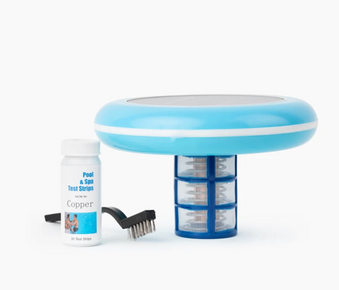
The transformation from unpredictable pool ownership to reliable aquatic enjoyment hinges on establishing and maintaining what operations managers term "preventive maintenance rhythms" structured routines that address potential problems at regular intervals before they can escalate into visible issues. Simple, routine tasks prevent most pool issues before they occur by creating multiple layers of preventive intervention that operate on different time scales, addressing everything from daily contaminant inputs to weekly chemical drift to monthly equipment needs. These routines function not as isolated chores but as interconnected components of a comprehensive maintenance system, where each task supports the effectiveness of others, creating what reliability engineers describe as "failure mode prevention" rather than "failure response." Weekly water testing provides the data needed for informed chemical adjustments; regular skimming removes organic material before it decomposes into nutrients; brushing disrupts biofilm formation before it protects algae; monitoring ensures systems operate as designed; inspections catch small equipment issues before they become major failures; and a solar pool ionizer continuously reduces harmful microorganisms and algae, supplementing chemical controls and lightening the load on routine interventions. This systematic approach recognizes that pool problems rarely appear suddenly they develop gradually through unattended minor issues that compound over time and that consistent, scheduled intervention interrupts these development pathways long before problems become visible or disruptive.
The Predictive Testing Protocol
Weekly water testing implements what quality control specialists term "statistical process control" for pool chemistry, using regular measurement to identify trends and make small adjustments before parameters drift beyond acceptable ranges. Testing should follow consistent methodology: same time of day (typically mornings before swimming), same locations (multiple points if pool has distinct circulation patterns), same equipment (reliable test kits or digital testers), and same recording practices (maintenance log for historical data). The testing protocol should measure all parameters affecting water quality: pH (target 7.4-7.6), total alkalinity (80-120 ppm), sanitizer levels (1-3 ppm for chlorine in balanced systems), calcium hardness (200-400 ppm), and for mineral systems, copper ion concentration (0.2-0.4 ppm). This data-driven approach allows for what engineers call "feedforward control" making adjustments based on measured trends rather than waiting for visible problems. For example, if pH consistently rises 0.1 weekly, adding small amounts of acid each week prevents the large correction needed if pH reaches 8.0. This predictive approach transforms chemical management from reactive guesswork to preventive science, ensuring water chemistry remains stable rather than oscillating between acceptable and problematic states.
- Statistical Process Control: Using data to identify trends before problems develop
- Consistent Methodology: Same time, locations, equipment, and recording practices
- Comprehensive Parameter Measurement: Testing all factors affecting water quality
- Feedforward Control: Making adjustments based on trends rather than problems
The Surface Management System
Regular skimming and brushing implement what environmental engineers term "source control" and "surface conditioning"—preventive measures that address contaminants at entry points and maintain surfaces to prevent problems rather than clean up after them. Daily or every-other-day skimming (depending on environmental conditions) removes organic debris before it can sink and begin decomposing into algal nutrients. Proper skimming technique includes: thorough coverage of entire surface including edges and behind ladders, morning timing to capture overnight accumulation before sunlight accelerates decomposition, and immediate removal of collected material from pool area to prevent nutrient recycling. Weekly brushing serves multiple preventive functions: it physically removes developing biofilm before it can protect algae from sanitizers, disrupts algae attachment at microscopic stages before visible growth, prevents scale formation by keeping surfaces clean, and improves chemical effectiveness by exposing surfaces directly to sanitizers. Maintaining a high pool pH balance further enhances these efforts, as proper pH levels optimize sanitizer activity and reduce the likelihood of scale and algae formation. Special attention should focus on problem areas: corners, behind ladders, under steps, and along the waterline tile where contaminants accumulate. This surface management recognizes that clean surfaces, minimal organic loading, and correctly balanced pH create conditions inherently resistant to water quality problems.
- Source Control: Removing contaminants at entry points before they cause problems
- Surface Conditioning: Maintaining clean surfaces that resist algal attachment and scale formation
- Proper Technique: Thorough coverage, strategic timing, and complete removal
- Problem Area Focus: Additional attention to areas where contaminants naturally accumulate
The System Performance Monitoring
Monitoring sanitation systems involves regular verification that all components are operating as designed, implementing what reliability engineers call "condition-based maintenance" rather than waiting for visible failures. For traditional chlorine systems, this means checking feeders for proper operation, verifying tablet or liquid levels, and ensuring proper dissolution or distribution. For saltwater systems, it involves inspecting salt cells for scale, verifying chlorine generation rates, and checking salt concentrations. For mineral systems like solar ionizers, monitoring includes checking electrode condition, verifying solar panel operation, confirming proper flotation and movement, and testing copper ion levels. This monitoring should occur weekly during swimming season and include both visual inspection and performance verification through water testing. The approach recognizes that sanitation systems can fail gradually reduced output rather than complete cessation and that early detection of declining performance allows correction before water quality suffers. This proactive monitoring transforms system maintenance from reactive repair to preventive optimization, ensuring consistent protection rather than intermittent effectiveness.
- Condition-Based Maintenance: Monitoring performance rather than waiting for failure
- System-Specific Protocols: Different sanitation systems require different monitoring approaches
- Gradual Failure Detection: Identifying declining performance before complete cessation
- Proactive Optimization: Adjusting systems based on performance monitoring
The Equipment Inspection Regimen
Timely equipment inspections prevent minor issues from becoming major failures through what maintenance professionals term "failure mode effects analysis"—systematically checking components for signs of impending problems. Weekly inspections should include: pump operation verification (unusual noises, vibration, leaks), filter pressure checking (indicating need for cleaning), skimmer and pump basket examination (for debris accumulation and proper sealing), return jet inspection (for proper flow and direction), and visual examination of all visible plumbing (for leaks or corrosion). Monthly more thorough inspections should include: heater operation verification (for proper function and no error codes), automatic pool cleaner examination (for worn parts and proper operation), timer and control system checking (for proper programming and function), and overall system performance assessment. Seasonal inspections address: opening procedures that verify all systems survived winter properly, mid-season checks that address wear from continuous operation, and closing procedures that prepare systems for dormancy. This inspection regimen recognizes that equipment problems often give warning signs before catastrophic failure, and that regular inspection catches these signs when correction is simple and inexpensive.
- Failure Mode Effects Analysis: Systematically checking for signs of impending problems
- Weekly Basic Inspection: Pump, filter, baskets, returns, and visible plumbing
- Monthly Thorough Check: Heater, cleaner, controls, and overall system performance
- Seasonal Comprehensive Review: Opening, mid-season, and closing procedures
The Consistency Benefit Realization
Consistency in maintenance eliminates guesswork and keeps pool conditions stable by creating what behavioral psychologists term "habit-based reliability" where proper practices become automatic rather than requiring conscious decision-making. When maintenance follows regular schedules rather than sporadic intervals, pool owners develop intuitive understanding of their pool's normal patterns: how quickly pH drifts under typical conditions, how much debris accumulates after certain weather events, how equipment should sound and perform during normal operation. This familiarity allows early recognition of abnormalities the pH that's rising faster than usual indicating a developing problem, the pump that sounds slightly different suggesting impending failure, the skimmer that's filling more quickly pointing to increased environmental loading. This consistency also creates maintenance efficiency: tools remain organized, chemicals stay properly stored and rotated, records maintain continuity, and tasks require less mental effort as they become routine. The result is pool care that feels manageable rather than overwhelming, predictable rather than surprising, and integrated into normal household routines rather than constantly disrupting them.
- Habit-Based Reliability: Proper practices becoming automatic rather than deliberate
- Pattern Recognition Development: Understanding normal pool behavior for early problem detection
- Maintenance Efficiency: Organized tools, proper storage, continuous records, reduced mental effort
- Household Integration: Maintenance becoming part of normal routine rather than constant disruption
The Surprise Reduction Outcome
These maintenance routines collectively reduce surprises by addressing potential problems at multiple points in their development, creating what risk management professionals term "layered defense" against water quality and equipment issues. Weekly testing prevents chemical surprises by identifying drift before it causes visible problems. Regular skimming prevents organic loading surprises by removing contaminants before they decompose. Consistent brushing prevents surface condition surprises by maintaining clean, scale-free surfaces. System monitoring prevents sanitation surprises by ensuring consistent protection. Equipment inspection prevents mechanical surprises by catching issues early. This layered approach recognizes that single preventive measures can occasionally fail a missed testing week, a vacation period without skimming, a gradual equipment decline but that multiple layers of defense ensure temporary lapses don't lead to major problems. The cumulative effect is pool ownership characterized by predictability rather than surprises: water that remains consistently clear, equipment that operates reliably, maintenance that follows established patterns, and enjoyment that isn't interrupted by unexpected issues. This transforms the pool experience from source of weekend emergencies to reliable source of recreation and relaxation.
- Layered Defense: Multiple preventive measures providing backup for occasional lapses
- Development Pathway Interruption: Addressing problems at multiple points before they become visible
- Cumulative Protection: Combined routines creating comprehensive prevention
- Predictability Achievement: Consistent conditions rather than unexpected problems
This comprehensive examination of maintenance routines reveals that reducing surprises in pool ownership doesn't require complex technology or professional services, but rather disciplined application of simple, regular tasks that address potential problems before they develop. Weekly testing provides the data foundation for informed chemical management. Regular skimming and brushing implement source control and surface conditioning that prevent organic and biological issues. System monitoring ensures sanitation remains consistently effective. Equipment inspection catches mechanical issues early. Consistency transforms these tasks from chores to habits that provide reliable protection. The layered defense of multiple routines ensures temporary lapses don't lead to major problems. The result is pool ownership characterized by predictability and reliability rather than surprises and emergencies: water that remains consistently clear and inviting, equipment that operates dependably, maintenance that fits smoothly into household routines, and swimming experiences that enhance lifestyle rather than creating stress. By embracing these maintenance routines, pool owners create a healthy pool environment transforming what is often described as the most frustrating aspect of pool ownership, constant unexpected problems, into the most satisfying aspect: reliable enjoyment of beautiful, trouble-free water throughout the swimming season.

7. Final Thoughts: Confidence in Pool Performance
Creating predictable pool conditions all season is about control, balance, and prevention. With steady water chemistry, reliable sanitation, and consistent maintenance habits, pool owners can enjoy clear, comfortable water without constant adjustments.
This journey toward predictable pool performance represents more than just improved maintenance it's a fundamental reimagining of the pool owner's relationship with their aquatic environment. When control replaces chaos, balance supplants fluctuation, and prevention overtakes reaction, the pool transforms from a source of seasonal anxiety to a reliable sanctuary of refreshment and recreation. The confidence that comes from knowing your pool will perform consistently that the water will remain clear through weekend gatherings, that equipment will function reliably during heat waves, that chemistry will stay balanced despite rain events liberates owners to fully enjoy their investment rather than constantly managing it. By embracing sustainable practices and technologies, this approach also supports eco-friendly home pools, reducing chemical use, conserving water, and minimizing environmental impact while maintaining optimal performance. This confidence extends beyond mere water quality to encompass the entire pool experience: spontaneous swims become possible without preliminary testing, hosting becomes enjoyable rather than stressful, and the pool integrates seamlessly into daily life rather than demanding constant attention. Ultimately, this transformation creates what every pool owner seeks: not just a body of water to maintain, but a living space to enjoy a place where memories are made in reliably clear, comfortably balanced water that invites rather than challenges, refreshes rather than irritates, and consistently delivers the aquatic enjoyment that justified the investment in the first place.
A predictable pool is easier to maintain, more enjoyable to use, and far less stressful allowing you to focus on swimming, not troubleshooting.