There is nothing quite like diving into a pool of crystal clear, refreshing water on a hot summer day. But keeping that water clean and sparkling all season long can be a constant struggle, especially when battling algae blooms, cloudy water, and fluctuating chlorine levels. These common pool problems can transform your backyard oasis into a maintenance nightmare, consuming valuable time and resources that could be better spent actually enjoying your pool.
For decades, pool owners have relied heavily on chemicals to sanitize and maintain their pools. While effective to some degree, chlorine based maintenance comes with significant costs that extend beyond financial expenses. The harsh chemical odors, irritated skin and eyes, respiratory issues for sensitive individuals, and environmental impact of chemical runoff represent serious drawbacks to traditional pool maintenance methods. Additionally, the constant need to monitor and adjust chemical levels creates an ongoing burden for pool owners.
That is why more and more homeowners are turning to solar ionization systems, an eco friendly and cost effective way to maintain pristine pool water. Using sunlight and natural minerals, solar pool ionizers drastically reduce chemical usage while keeping your pool beautifully clear. This innovative approach represents a fundamental shift in pool maintenance philosophy, moving away from reactive chemical treatments toward proactive, natural water purification that works continuously to prevent problems before they begin.
This comprehensive guide will explain exactly how solar ionization works, why it represents the best year round solution for modern pool care, and provide detailed instructions on how you can maintain crystal clear pool water throughout the entire swimming season with minimal effort. Whether you are a new pool owner considering your maintenance options or an experienced pool enthusiast looking to reduce chemical dependency, this guide will provide the knowledge you need to make an informed decision about solar ionization technology.
Table Of Contents
- What Is Solar Ionization and How Does It Work?
- Why Pool Water Becomes Cloudy or Green
- The Role of Copper Ions in Water Purification
- Step by Step: How to Use a Solar Pool Ionizer
- Maintaining Crystal Clear Water Throughout the Season
- Benefits of Using Solar Ionizers Over Traditional Chlorine
- Final Thoughts: Enjoying a Sparkling Pool the Smart Way
1. What Is Solar Ionization and How Does It Work?
Solar ionization represents a revolutionary advancement in pool maintenance technology that combines ancient water purification knowledge with modern solar innovation. This natural process provides an effective, sustainable alternative to traditional chemical based pool care systems, offering homeowners an environmentally responsible solution for maintaining perfectly balanced, crystal clear swimming pool water throughout the entire swimming season.
Understanding Solar Pool Ionization
Solar ionization is an advanced natural water purification process that utilizes sunlight and metallic ions, typically copper or silver, to effectively sanitize pool water without relying on harsh chemicals. Rather than depending exclusively on chlorine and other potentially irritating substances, solar ionizers generate a continuous, steady stream of mineral ions that systematically inhibit algae growth and eliminate harmful bacteria and viruses. This sophisticated process mimics natural water purification methods found in pristine mountain streams and natural water bodies while providing the consistent, reliable results demanded by modern pool owners.
The technology behind solar ionization has evolved significantly over the past two decades, with contemporary systems offering unprecedented efficiency, reliability, and user friendly operation. These advanced systems work in perfect harmony with your existing pool circulation and pool filtration systems, providing continuous, automated protection without the need for constant monitoring, manual adjustment, or complex programming. The result is a simplified maintenance routine that requires significantly less time, effort, and expertise while consistently delivering superior water quality that feels better, looks clearer, and smells fresher than chemically treated alternatives.
Components of a Solar Pool Ionizer
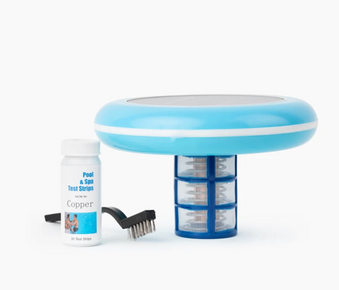
A complete solar pool ionizer system consists of several precisely engineered components working in perfect synchronization to create an exceptionally efficient water purification system. The solar panel serves as the primary power source, capturing sunlight and converting it into electrical energy through advanced photovoltaic technology. This panel is typically constructed from durable, weather resistant materials designed to withstand constant exposure to pool water and direct sunlight while maintaining optimal energy conversion efficiency throughout the system's operational life.
The heart of the ionization system consists of two critical electrodes, the anode and cathode, which remain submerged in your pool water during operation. The anode, typically manufactured from high purity copper or specialized copper alloys, serves as the active component that releases sanitizing ions into the water. The cathode, usually constructed from corrosion resistant stainless steel or titanium, completes the electrical circuit and enables continuous current flow. These electrodes are housed within a protective chamber that allows water contact while preventing physical damage or accidental contact with swimmers.
Connecting these components is an internal electrical circuit specifically designed for low voltage, high efficiency operation in aquatic environments. This sophisticated circuitry includes voltage regulation systems that ensure consistent ion production regardless of varying sunlight conditions, safety features that prevent electrical hazards, and optimization technology that maximizes electrode lifespan while maintaining effective sanitization levels. The entire system is encapsulated within a buoyant, waterproof housing that keeps the solar panel above water while maintaining proper electrode submersion.
The Ionization Process Explained
When direct or indirect sunlight strikes the ionizer's solar panel, the photovoltaic cells immediately begin generating low voltage direct current electricity, typically between 1.5 and 3 volts depending on the specific model and sunlight intensity. This electrical current flows through the internal circuitry to the submerged electrodes, creating a controlled electrochemical reaction precisely where the electrodes contact the pool water. This reaction causes the copper anode to release positively charged copper ions (Cu²⁺) into the water through a process called oxidation.
These newly released copper ions quickly disperse throughout your entire pool, carried by the natural circulation patterns and enhanced by your pool's filtration system. As these ions encounter algae cells, bacteria, viruses, and other microorganisms, they penetrate the cellular structures and disrupt essential biological processes. The copper ions specifically interfere with enzyme systems, damage cell membranes, and inhibit reproductive capabilities, effectively neutralizing these contaminants without creating harmful byproducts or altering pool water chemistry.
Meanwhile, the cathode completes the electrical circuit by attracting negatively charged ions and facilitating the continuous flow of electricity. This balanced electrochemical process ensures consistent ion production whenever sunlight is available, creating a self regulating system that automatically adjusts output based on environmental conditions. During periods of intense sunlight and higher temperatures when algae growth potential increases, the system naturally produces more ions to meet the increased demand. Conversely, during cloudy weather or lower temperatures, ion production decreases accordingly, preventing over treatment and conserving electrode material.
The Remarkable Results
The final result of this sophisticated natural process is pool water that remains consistently crystal clear, remarkably soft, and completely safe for swimmers of all ages. Unlike traditional chlorine based systems that create harsh, irritating water conditions, ionized water maintains a neutral pH balance and contains no chemical additives that can cause skin irritation, eye redness, respiratory issues, or damage to swimwear and pool equipment. The water feels noticeably softer and more natural, closely resembling the refreshing quality of clean natural spring water.
This purified water maintains its clarity and sanitation for extended periods, often requiring only minimal supplemental maintenance between regular cleaning cycles. Even during periods of intense summer heat, heavy usage, or extreme weather conditions, the continuous ion presence provides reliable protection against algae blooms, bacterial growth, and pool water cloudiness. The system operates completely automatically whenever sunlight is present, requiring no manual intervention, timer programming, or complex adjustments beyond basic seasonal maintenance.

2. Why Pool Water Becomes Cloudy or Green
Understanding the underlying causes of common pool water problems is essential for effective prevention and treatment. Cloudy or green water represents more than just an aesthetic issue, it indicates fundamental imbalances in your pool's ecosystem that can affect water safety, equipment performance, and overall swimming enjoyment. By comprehending these root causes, you can implement targeted solutions that address problems proactively rather than reactively.
Primary Causes of Water Quality Issues
Algae growth represents one of the most common and frustrating challenges faced by pool owners. These primitive photosynthetic organisms thrive in warm, sun exposed water, particularly when nutrient levels are elevated. Algae spores constantly enter pools through wind, rain, contaminated swimwear, or pool equipment, waiting for ideal conditions to begin rapid reproduction. Warm temperatures combined with ample sunlight create the perfect environment for explosive algae growth, which can transform a clear pool into a green, murky mess within hours under the right conditions.
Imbalanced water chemistry constitutes another major contributor to pool water problems. Incorrect pH levels, whether too high or too low, can render sanitizers ineffective, cause scaling or corrosion, and create uncomfortable swimming conditions. Too much or too little chlorine creates either harsh, irritating water or inadequate sanitation that allows microorganisms to flourish. High calcium hardness leads to cloudy water and scale formation on pool surfaces and equipment, while low calcium can cause corrosive water that damages pool components. Total alkalinity imbalances prevent pH stabilization, creating a constant battle to maintain proper chemical balance.
Poor water circulation and inadequate filtration represent mechanical factors that significantly impact water quality. Debris buildup in stagnant areas creates breeding grounds for bacteria and algae, while weak pump cycles fail to distribute sanitizers evenly throughout the pool. Clogged or dirty filters cannot effectively remove contaminants, allowing them to recirculate and multiply. Insufficient filtration runtime fails to process the entire pool volume adequately, leaving some water improperly treated. These circulation issues often create localized problem areas where algae and bacteria can establish footholds before spreading throughout the entire pool.
Environmental Factors Affecting Pool Water
Excessive sun exposure presents a particular challenge for traditional chlorine based pool systems. Ultraviolet radiation from direct sunlight rapidly breaks down free chlorine molecules, reducing sanitizer effectiveness and requiring constant chemical replenishment. This degradation occurs most rapidly during peak sunlight hours when swimming activity and contamination potential are highest, creating a frustrating cycle of chemical addition and testing. The result is either periods of inadequate sanitation or consistently elevated chlorine levels that cause swimmer discomfort and equipment damage.
Environmental contaminants continuously introduce challenges to pool maintenance. Wind blown debris including dust, pollen, and organic matter adds nutrients that feed algae and bacteria. Rainwater can alter chemical balance while introducing additional contaminants and microorganisms. Swimmers themselves represent a significant source of contamination, introducing body oils, sweat, cosmetics, and bacteria with each use. Nearby vegetation, wildlife activity, and atmospheric pollution all contribute to the constant battle to maintain water clarity and sanitation.
How Solar Ionization Addresses These Challenges
Solar ionizers comprehensively address these common pool problems through multiple simultaneous mechanisms. Copper ions prevent algae spores from developing into visible blooms by disrupting cellular processes at the molecular level. Unlike chlorine that must contact and oxidize each individual algae cell, copper ions create an environment fundamentally hostile to algae development, preventing problems before they become visible. This proactive approach eliminates the reactive treatment cycle that characterizes traditional pool maintenance.
The continuous nature of solar ionization provides consistent protection unaffected by sunlight exposure. While UV radiation rapidly degrades chlorine, it actually powers the ionization process, creating perfect synchronization between sanitation needs and system operation. During periods of intense sunlight when algae growth potential is highest, the ionizer produces maximum output to meet increased demand. This natural self regulation ensures optimal protection precisely when it is needed most, without requiring manual adjustment or intervention.
Solar ionization operates independently of most chemical balance factors that affect traditional sanitizers. While extremely pH levels can slightly impact efficiency, copper ions remain effective across a much broader pH range than chlorine-based alternatives. The ions are not consumed in the sanitation process like chlorine, maintaining active protection for extended periods without constant replenishment. This stability creates a more forgiving system that maintains effectiveness even when other water parameters experience temporary fluctuations.

3. The Role of Copper Ions in Water Purification
Copper stands as one of nature's most effective and versatile antimicrobial agents, with a documented history of water purification dating back thousands of years. Ancient civilizations including the Egyptians, Greeks, and Romans utilized copper vessels to store and transport water safely, recognizing its unique ability to prevent spoilage and contamination. Modern science has confirmed and explained these observed benefits, identifying the specific mechanisms through which copper eliminates harmful microorganisms while remaining safe for human contact.
The Science Behind Copper's Purification Power
Copper ions exert their antimicrobial effects through multiple simultaneous mechanisms that make resistance development extremely unlikely. When copper ions encounter microbial cells, they first attack the cell membrane, causing structural damage that compromises cellular integrity. This membrane disruption allows additional copper ions to penetrate the cell interior, where they interact with various essential cellular components. The ions generate reactive oxygen species that oxidize and damage proteins, lipids, and nucleic acids, effectively disabling critical cellular functions.
Inside the cell, copper ions specifically target enzyme systems, binding to active sites and disrupting metabolic pathways essential for energy production and cellular maintenance. They interfere with respiratory chain enzymes in the cell membrane, preventing energy generation and leading to metabolic collapse. The ions also catalyze the production of hydroxyl radicals, highly reactive molecules that cause additional oxidative damage to cellular structures. This multi-target approach ensures comprehensive microbial neutralization while minimizing the potential for resistance development that plagues single-mechanism antimicrobial agents.
For algae cells, copper presents particular challenges to photosynthetic processes. The ions disrupt chlorophyll function and interfere with electron transport in chloroplasts, effectively starving the cells of energy derived from sunlight. They also inhibit key enzymes involved in carbon fixation and nutrient assimilation, preventing growth and reproduction. This comprehensive attack on multiple essential systems ensures effective control of all common pool algae types, including stubborn varieties that often resist chemical algaecides.
Copper Ion Longevity and Stability
Unlike chlorine that rapidly dissipates through oxidation, degradation, and off-gassing, copper ions remain active in pool water for extended periods, providing continuous protection between system operation cycles. While some copper gradually precipitates out of solution or becomes bound to organic matter, a significant portion remains available for antimicrobial activity throughout the water column. This persistence creates a residual sanitizing effect that maintains water quality even during periods of reduced sunlight or temporary system inactivity.
The stability of copper ions in pool environments depends on several factors including pH, temperature, and the presence of other chemicals. In properly balanced pool water with pH maintained between 7.2 and 7.6, copper ions remain soluble and biologically available for optimal effectiveness. Extreme pH levels can reduce efficiency by promoting precipitation or complex formation, though this effect is less pronounced than with traditional sanitizers. Temperature variations have minimal impact on copper ion stability, ensuring consistent performance throughout seasonal changes.
Optimal Copper Ion Concentration
Maintaining proper copper ion concentration represents the most critical aspect of solar ionization system management. The ideal range of 0.2 to 0.5 parts per million (ppm) provides maximum antimicrobial effectiveness while ensuring complete safety for swimmers, pool equipment, and the environment. At these concentrations, copper effectively controls algae, bacteria, and viruses without creating potential for staining, swimmer discomfort, or environmental impact.
Regular testing using reliable copper pool test strips or digital testers ensures maintenance of this optimal range. Testing should occur weekly during normal operation and more frequently during system startup, after heavy rainfall, or following periods of heavy pool usage. Documenting test results helps establish patterns and predict maintenance needs, creating a proactive approach to water quality management. If levels fall below 0.2 ppm, increased sunlight exposure or electrode cleaning may restore proper concentration, while levels above 0.5 ppm typically indicate the need for reduced operation time or partial water replacement.
At the recommended concentrations, copper poses no health risks to swimmers of any age. The United States Environmental Protection Agency has established a maximum contaminant level goal of 1.3 ppm for copper in drinking water, significantly higher than the concentrations used in pool ionization systems. This safety margin ensures that even occasional slight exceedances of the ideal range do not create health concerns, though maintaining the target range optimizes system performance and efficiency.
4. Step by Step: How to Use a Solar Pool Ionizer
Proper installation and operation of your solar pool ionizer ensures optimal performance from the first day of use. While specific procedures may vary slightly between manufacturers and models, these fundamental steps apply to most residential solar ionization systems. Following this comprehensive guide will help you maximize the benefits of your investment while avoiding common mistakes that can reduce efficiency or shorten equipment lifespan.
Initial Setup and Placement
Begin by carefully unpacking your solar ionizer and inspecting all components for shipping damage or manufacturing defects. Review the manufacturer's instructions thoroughly, noting any specific recommendations or warnings regarding your particular model. Identify each component and understand its function within the system, paying special attention to connection points, safety features, and operational indicators.
Place the ionizer in your pool by simply floating it on the surface in an area receiving maximum sunlight exposure throughout the day. Ideal placement avoids shading from trees, buildings, or pool equipment that could reduce solar panel efficiency. Position the unit away from water features, skimmers, or return jets that might create excessive turbulence or draw the ionizer into areas with poor circulation. Most models include attachment points for securing the unit in position if necessary, though free floating operation typically provides adequate movement for even ion distribution.
The system begins functioning immediately upon exposure to sunlight, with no startup procedure, priming, or programming required. Within minutes of placement, you may notice tiny bubbles forming around the electrodes, indicating active ionization. The solar panel should face directly upward toward the sky, avoiding angles that reduce sunlight capture efficiency. During initial operation, monitor the unit for proper flotation and orientation, making minor adjustments as needed to maintain optimal positioning.
System Operation and Monitoring
Once positioned, the ionizer operates completely automatically whenever sufficient sunlight is available. The integrated solar panel converts sunlight to electrical energy, powering the ionization process without external electricity, batteries, or manual intervention. During daylight hours, the system continuously produces copper ions that disperse throughout your pool via natural circulation and your existing filtration system.
Regular monitoring ensures proper operation and identifies potential issues before they affect water quality. Visually inspect the ionizer daily during other pool maintenance activities, checking for proper flotation, orientation, and visible signs of operation like electrode bubbling. Note any accumulation of debris on the solar panel that might reduce efficiency, and gently clean the surface as needed using a soft cloth and clean water. Avoid abrasive cleaners or tools that could scratch the protective panel coating.
Maintain your regular pool circulation schedule to ensure even distribution of ions throughout the entire pool volume. While ionization occurs continuously during sunlight exposure, proper circulation is essential for transporting these ions to all areas, particularly corners, steps, and other low-flow regions where problems often begin. Combining ionization with adequate filtration creates a comprehensive water treatment system that addresses both biological contamination and physical debris.
Water Balance Maintenance
While solar ionization significantly reduces chemical dependency, proper water balance remains essential for optimal system performance and swimmer comfort. Test your pool water weekly using reliable test kits or strips, focusing on three critical parameters, pH, copper ion concentration, and residual chlorine levels. Maintaining these factors within their ideal ranges ensures maximum ionization efficiency while preventing potential issues like scaling, corrosion, or water discomfort.
pH levels should remain between 7.2 and 7.6 for optimal copper ion solubility and effectiveness. Values outside this range can reduce ionization efficiency and potentially lead to electrode scaling or copper precipitation. Test pH weekly and adjust using approved increasers or decreasers as needed, making gradual changes and retesting to avoid overshooting the target range. Proper pH maintenance also enhances swimmer comfort and protects pool equipment from corrosion or scale damage.
Copper ion concentration represents the most specific measurement for ionization system performance. Test weekly using copper-specific test strips or digital testers, aiming for the ideal range of 0.2 to 0.5 ppm. Document results to identify trends and correlate with system operation, weather conditions, and pool usage patterns. Consistent low readings may indicate needed electrode maintenance or increased sunlight exposure, while high readings might suggest reducing operation time or performing partial water replacement.
Residual chlorine levels should measure less than 0.5 ppm when using ionization as the primary sanitizer. Higher chlorine concentrations can oxidize copper ions, reducing their effectiveness and potentially causing staining or water discoloration. If supplemental chlorine is necessary following heavy usage or contamination events, allow levels to return to the target range before resuming normal ionization operation. The significantly reduced chlorine requirement represents one of the primary benefits of solar ionization systems.
Electrode Maintenance and Cleaning
Regular electrode maintenance ensures consistent ion production and extends the operational life of your system. Every two to four weeks, depending on usage and water conditions, remove the ionizer from your pool for inspection and cleaning. Begin by turning off your pool pump at the circuit breaker for safety, then carefully retrieve the unit from the water. Place it on a soft, clean surface to prevent damage to the solar panel or housing.
Disassemble the electrode compartment according to manufacturer instructions, typically involving unscrewing a protective chamber to access the anode and cathode. Inspect both electrodes for scale accumulation, unusual wear patterns, or physical damage. Gently clean using a soft brush or non-abrasive pad, removing any visible scale or deposits that could reduce ionization efficiency. For stubborn accumulation, soak electrodes in a vinegar solution (one part white vinegar to three parts water) for 15-30 minutes before brushing.
After cleaning, rinse all components thoroughly with clean water, ensuring complete removal of cleaning solutions and dislodged debris. Distilled water provides the ideal final rinse, preventing new mineral deposits from forming during drying. Reassemble the unit carefully, ensuring proper alignment of all components and tight sealing of connections. Check O-rings and gaskets for damage or wear, replacing if necessary to maintain watertight integrity. Return the ionizer to your pool and restore pump operation, observing briefly to confirm proper function.

5. Maintaining Crystal Clear Water Throughout the Season
Consistent, crystal clear pool water results from combining solar ionization with proper general pool maintenance practices. While ionization handles biological contamination, other factors including circulation, filtration, and physical cleaning contribute significantly to overall water quality. Implementing these comprehensive maintenance strategies ensures optimal results throughout the entire swimming season, regardless of weather conditions or usage patterns.
Essential Routine Maintenance Practices
Regular brushing represents one of the most important yet often overlooked aspects of pool maintenance. Brush all pool surfaces weekly using an appropriate brush for your pool finish, paying special attention to corners, steps, behind ladders, and other areas with limited circulation. Brushing removes microscopic algae spores and bacteria before they can establish colonies, disturbs scale formation, and suspends debris for removal by the filtration system. This simple practice significantly enhances ionization effectiveness by exposing microorganisms to the purified water rather than allowing them to hide in protected areas.
Vacuuming completes the cleaning process by removing settled debris that brushing suspends. Whether using manual, automatic, or robotic vacuum systems, thorough weekly cleaning prevents organic accumulation that can consume sanitizer and provide breeding grounds for microorganisms. Pay particular attention to main drain areas, corners, and other low-circulation zones where debris tends to accumulate. Consistent vacuuming maintains not only water clarity but also reduces filter loading and chemical demand.
Filter maintenance ensures optimal water circulation and physical contaminant removal. Clean or backwash filters according to manufacturer recommendations and observed pressure readings, typically every two to four weeks during peak season. Properly functioning filters remove particulates that can cloud water and harbor microorganisms, while also ensuring even distribution of copper ions throughout the pool. Consider the specific needs of your filter type, sand, cartridge, or diatomaceous earth, and maintain appropriate replacement schedules for optimal performance.
Water Testing and Chemical Balance
Comprehensive weekly water testing provides the foundation for proper pool maintenance beyond basic ionization parameters. Test for total alkalinity, which should maintain between 80 and 120 ppm to provide pH stability and prevent rapid chemical fluctuations. Calcium hardness levels between 200 and 400 ppm prevent both scaling and corrosive pool water hardness. Total dissolved solids should remain below 1500 ppm to ensure chemical effectiveness and water clarity.
Maintain these parameters through careful chemical adjustment when needed, always making gradual changes and retesting to confirm results. Address alkalinity first when multiple adjustments are necessary, as proper alkalinity stabilizes pH and makes other chemical management more predictable. Use only high-quality chemicals specifically designed for pool use, and always follow manufacturer instructions regarding application methods, safety precautions, and dosage calculations.
While solar ionization significantly reduces chlorine requirements, maintain a residual level below 0.5 ppm to handle immediate oxidation needs and provide backup sanitation during periods of heavy contamination. Use stabilized chlorine products sparingly, as cyanuric acid can accumulate over time and reduce all sanitizer effectiveness. Consider non-stabilized chlorine for occasional supplemental treatment when needed, particularly if cyanuric acid levels approach 50 ppm.
Seasonal Maintenance Adjustments
During peak summer months with intense sunlight and higher temperatures, increase your maintenance vigilance to match elevated demand. Test copper levels twice weekly rather than once, as higher water temperatures and increased usage can accelerate ion consumption. Clean electrodes every two weeks instead of four, since scale formation typically accelerates in warmer water. Ensure maximum sunlight exposure for your ionizer by periodically adjusting position to account for changing sun angles throughout the season.
In extreme heat conditions, consider increasing pool circulation time to enhance ion distribution and improve overall water quality. Run your filtration system for at least 10-12 hours daily during hot weather, dividing operation between daylight and nighttime hours if energy costs are a concern. More frequent brushing and vacuuming may be necessary during periods of heavy usage or frequent storms that introduce additional contaminants.
During cooler seasons or in partially shaded pools, adjust maintenance practices to match reduced demand. While ionization continues whenever sunlight is available, lower temperatures naturally inhibit algae growth, potentially extending cleaning intervals. Use a solar pool cover to retain heat, reduce evaporation, and minimize debris introduction when the pool is not in use. Maintain regular circulation schedules to prevent stagnant areas, and continue weekly testing to identify any gradual changes in water balance.
For pools receiving limited direct sunlight, position the ionizer in the brightest available area and consider occasional relocation throughout the day to maximize exposure. While reduced sunlight decreases ion production, the corresponding reduction in pool algae growth potential typically maintains adequate protection. In heavily shaded situations, slightly more frequent electrode cleaning may be necessary to maximize efficiency during limited operation periods.
6. Benefits of Using Solar Ionizers Over Traditional Chlorine
The advantages of solar pool ionization extend far beyond simple water sanitation, encompassing environmental, economic, health, and practical benefits that collectively represent a superior approach to modern pool maintenance. Understanding these comprehensive advantages helps pool owners make informed decisions about their maintenance strategies and appreciate the full value of their investment in solar ionization technology.
Environmental and Sustainability Advantages
Solar ionizers operate exclusively on renewable solar energy, completely eliminating electricity consumption from traditional power sources. This renewable operation creates zero carbon emissions during use and reduces dependence on fossil fuel generated electricity. The significant reduction in chemical usage, up to 90% for most pool owners, further decreases environmental impact by reducing manufacturing demands, transportation emissions, and chemical runoff into local watersheds.
The materials used in solar ionization systems typically include recyclable components, with many manufacturers implementing take-back programs for end-of-life units. Copper electrodes can be fully recycled, creating a closed-loop material cycle that minimizes resource extraction and waste generation. Unlike single-use chemical containers that create ongoing waste streams, ionization systems represent a durable investment that provides years of service with minimal consumable requirements.
From a broader ecological perspective, reduced chemical usage means fewer byproducts entering the environment through pool drainage, backwashing, or overflow. Traditional pool chemicals can create significant ecological disturbances when introduced to natural water systems, while copper ions at the concentrations used in pool ionization pose minimal environmental risk and quickly become neutralized through natural processes.
Health and Swimmer Comfort Benefits
Ionized pool water feels noticeably softer and more natural than chemically treated alternatives, closely resembling the refreshing quality of clean spring water. Swimmers experience none of the harsh drying effects, eye irritation, or skin sensitivity commonly associated with chlorine-based systems. This improved comfort allows for longer, more enjoyable swimming sessions without the post-swim shower urgency to remove chemical residues.
The absence of strong chemical odors represents another significant comfort advantage. Traditional pool environments often feature the distinctive smell of chloramines, irritating compounds formed when chlorine reacts with swimmer contaminants. These chemicals can cause respiratory irritation, particularly for individuals with asthma or chemical sensitivities. Ionized pools maintain a fresh, neutral scent that enhances the overall swimming experience and makes pool areas more pleasant for social gatherings.
For families with children, ionization provides particular benefits. Children's sensitive skin and developing respiratory systems respond much better to ionized water than harsh chemical alternatives. Reduced chemical exposure during formative years may provide long-term health advantages, while the comfortable water conditions encourage physical activity and swimming skill development. Many parents report that their children swim longer and more frequently after switching to ionization systems.
Economic Advantages and Cost Savings
While the initial investment in a solar ionization system varies by model and pool size, the long-term economic benefits typically outweigh the upfront costs within one to two swimming seasons. The most significant savings comes from reduced chemical purchases, with most users reporting 80-90% decreases in chlorine, algaecides, and shock treatments. These ongoing savings continue year after year, making ionization increasingly economical over time.
Additional economic benefits include reduced equipment maintenance and replacement costs. The gentle, non-corrosive nature of ionized water extends the lifespan of pumps, filters, heaters, and liners by eliminating exposure to harsh oxidizing chemicals. Many users report significantly reduced staining, scaling, and deterioration of pool surfaces and equipment following the switch to ionization-based maintenance.
Operational costs remain minimal since solar ionization requires no electricity beyond existing pool circulation systems. The completely passive operation means no additional utility expenses, unlike alternative sanitation systems that may require pumps, controllers, or additional circulation time. With proper maintenance, the systems themselves provide years of reliable service before requiring component replacement, typically limited to inexpensive anodes every one to two seasons.
Convenience and Operational Benefits
Solar ionization systems operate completely automatically whenever sunlight is available, requiring no programming, timer settings, or manual adjustments. This hands-free operation eliminates the daily maintenance chores associated with traditional chemical management, freeing up time for actual pool enjoyment rather than pool work. The self-regulating nature of the technology automatically adjusts output based on environmental conditions, providing increased protection during hot, sunny periods when needed most.
The simplified maintenance routine reduces the knowledge and experience required for proper pool care. While traditional chemical management demands understanding complex interactions between multiple parameters, ionization focuses primarily on maintaining proper copper levels within a straightforward target range. This accessibility makes proper pool maintenance achievable for new pool owners and those with limited chemical management experience.
For vacation homes or properties with irregular usage patterns, ionization provides particular advantages. The continuous protection maintains water quality during absence periods without requiring neighborly assistance with chemical additions or complex programming adjustments. Upon return, the pool typically requires minimal preparation beyond basic cleaning, unlike chemically maintained pools that often demand significant rebalancing after extended inactivity.
Performance and Reliability Advantages
Copper ions provide more consistent algae prevention than chlorine-based alternatives, particularly in challenging conditions. While chlorine effectiveness fluctuates with pH, temperature, and sunlight exposure, copper ions maintain reliable performance across a broader range of conditions. This consistency prevents the surprise algae blooms that often frustrate traditional pool owners following weather changes, heavy usage, or minor maintenance lapses.
The continuous nature of ionization creates a proactive rather than reactive maintenance approach. Rather than waiting for problems to develop before treatment, the system constantly maintains a protective ion level that prevents issues from beginning. This fundamental difference in approach eliminates the cycle of algae treatment, shock applications, and recovery periods that characterize traditional pool maintenance during peak season.
For pools in high-temperature climates or those receiving intense sunlight, ionization provides particular performance advantages. While UV radiation rapidly degrades chlorine, it powers the ionization process, creating perfect synchronization between sanitation needs and system operation. This natural alignment ensures optimal protection during the most challenging conditions, precisely when traditional systems often struggle to maintain effectiveness.

7. Final Thoughts: Enjoying a Sparkling Pool the Smart Way
Maintaining crystal clear pool water throughout the entire swimming season no longer requires complicated, expensive, or chemical intensive approaches. Solar pool ionization represents a fundamental advancement in pool care technology that harnesses natural processes to provide superior results with minimal effort. This innovative approach transforms pool maintenance from a constant chore into a simple, automated process that protects your investment while enhancing your swimming experience.
The journey to trouble free pool ownership begins with understanding how solar ionization works and implementing the proper maintenance habits that maximize system effectiveness. Regular testing of copper levels, consistent brushing and vacuuming, appropriate filter maintenance, and seasonal adjustments create a comprehensive care routine that ensures optimal performance year after year. These simple practices, combined with the automated operation of your ionizer, deliver sparkling clean water with dramatically reduced chemical usage and maintenance time.
Beyond the practical benefits, solar ionization represents a smarter, cleaner, and more environmentally responsible approach to pool ownership. The significant reduction in chemical usage minimizes your environmental footprint while creating a healthier swimming environment for your family and friends. The renewable solar operation eliminates electricity consumption, and the durable construction provides years of reliable service with minimal resource consumption. These ecological advantages combine with economic benefits to create a truly sustainable pool maintenance solution.
Perhaps most importantly, solar ionization gives you more time to actually enjoy your pool rather than working to maintain it. The automated, hands off operation means you can spend summer days swimming and relaxing rather than testing, adjusting, and adding chemicals. The comfortable, silky smooth water enhances every swimming experience, while the consistent clarity provides visual enjoyment even when the pool is not in use. This combination of practical benefits and enhanced enjoyment represents the true value of modern solar ionization technology.
As you implement solar ionization in your pool maintenance routine, remember that this technology represents more than just an alternative sanitization method. It embodies a completely different philosophy of pool care that works with natural processes rather than against them. By embracing this approach, you join a growing community of pool owners who have discovered the freedom of chemical minimal pool maintenance and the satisfaction of enjoying perfectly balanced, crystal clear water all season long.