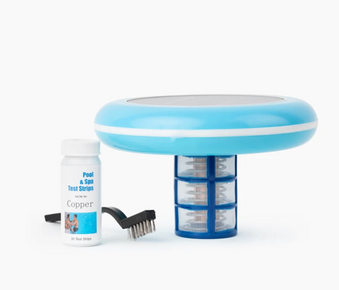
Modern pool sanitation is no longer about constant chemical dosing and reactive maintenance. Pool owners today are turning toward smarter, more efficient solutions that deliver consistent cleanliness with less effort and fewer harsh chemicals. A solar pool ionizer represents this shift by offering continuous, mineral-based sanitation powered by sunlight.
By working alongside traditional filtration and low-level chlorine, solar ionizers create a balanced sanitation system that improves water quality, simplifies maintenance, and supports a healthier swimming environment. This integrated approach moves beyond the traditional chemical warfare model of pool care, where problems are constantly battled with escalating chemical treatments, toward a preventive model where stable conditions naturally resist contamination. The solar ionizer acts as the cornerstone of this smarter approach, providing continuous background protection that reduces the burden on other sanitation methods while creating water that feels more natural and comfortable. This represents not just an equipment upgrade but a fundamental rethinking of what pool sanitation can achieve transforming it from a chore to be managed into a system that manages itself.
Table of Contents
- Redefining Pool Sanitation Through Solar Ionization
- How a Solar Pool Ionizer Delivers Smarter, Continuous Protection
- The Science Behind Solar Pool Ionizer Water Chemistry
- Smarter Algae Control Using Mineral-Based Sanitation
- Reducing Chemical Dependency While Improving Water Comfort
- Optimizing Solar Pool Ionizer Performance for Daily Sanitation
- Final Thoughts: Smarter Pool Sanitation Starts with Solar Ionization
1. Redefining Pool Sanitation Through Solar Ionization
Traditional sanitation methods depend heavily on chemicals that degrade quickly and require constant attention. Chlorine, the workhorse of conventional pool systems, suffers from inherent limitations that demand continuous human intervention: it breaks down rapidly under ultraviolet sunlight (losing 50-90% of its effectiveness within hours on sunny days), it forms irritating chloramine byproducts when reacting with swimmer waste, and it creates chemical fluctuations that necessitate daily testing and adjustment. This reactive model of pool care transforms maintenance into a constant battle against declining conditions, where problems are addressed only after they become visible or measurable. The traditional approach creates what industry professionals call "the chlorine rollercoaster" a cycle of depletion, shocking the pool, and rebalancing that consumes time, chemicals, and money while providing inconsistent protection and comfort. Homeowners become trapped in this reactive loop, constantly chasing water quality rather than maintaining it, with each chemical addition potentially creating secondary issues that require further correction.
Solar ionization redefines this process by introducing a natural, long-lasting form of sanitation that works continuously throughout the day. This represents a paradigm shift from reactive chemical management to proactive mineral protection, where the focus moves from killing contaminants after they appear to preventing them from establishing themselves in the first place. The technology leverages principles that have been understood for millennia copper and silver's antimicrobial properties were utilized by ancient civilizations for water storage and medical applications but combines them with modern photovoltaic science to create a system that is both ancient in concept and cutting-edge in execution. Unlike chlorine that attacks contaminants through oxidation, mineral ions create an environment inhospitable to microbial life, disrupting cellular processes at concentrations so low they're measured in parts per million. This preventive mechanism represents a fundamentally different approach: rather than waiting for problems to develop and then attacking them with escalating chemical force, solar ionization maintains conditions where problems cannot gain a foothold. This shift from corrective to preventive care transforms pool maintenance from a constant struggle into a stable system that maintains itself with minimal intervention.
The Limitations of Traditional Chemical-Based Sanitation:
- Rapid Chemical Degradation: Chlorine breaks down through multiple pathways including photolysis from UV exposure (losing 1-3 ppm daily under summer sun), oxidation of organic contaminants (consumed by swimmer waste, leaves, and environmental debris), and natural off-gassing. This rapid depletion creates daily demand that must be met through constant addition, either manually or via automated feeders, creating chemical fluctuations that compromise both effectiveness and swimmer comfort.
- Byproduct Formation and Accumulation: When chlorine reacts with nitrogen-based contaminants (urea from sweat, ammonia from decomposition), it forms chloramines compounds that provide minimal sanitation while causing eye and skin irritation, producing distinctive chemical odors, and requiring additional chlorine to break them apart through shock treatments. This creates a cycle of contamination, chloramine formation, and corrective shocking that increases chemical usage while decreasing water quality.
- Chemical Sensitivity and Comfort Issues: Traditional sanitizers affect swimmers directly through multiple mechanisms: chlorine can dry skin and hair, irritate eyes and mucous membranes, trigger respiratory issues in sensitive individuals, and create water that feels harsh or chemically treated. These comfort issues often lead pool owners to reduce chlorine levels below recommended ranges, compromising sanitation in pursuit of swimmer comfort.
- Environmental and Safety Concerns: Chemical storage, handling, and disposal create multiple concerns: risk of accidental mixing, potential for chemical burns, environmental impact of production and transportation, and introduction of chemical byproducts into local watersheds through backwashing or overflow. These concerns have grown alongside increasing environmental awareness and regulatory scrutiny.
Instead of reacting to water problems, solar ionizers help maintain stable conditions that prevent issues before they develop making pool care smarter and more predictable. This preventive approach addresses the fundamental weakness of traditional chlorine-based systems: their cyclical nature of depletion and replenishment that creates windows of vulnerability. During these windows when chlorine levels drop below effective concentrations but before testing reveals the deficiency algae spores can germinate, bacteria can multiply, and water can begin clouding. Solar ionization fills these gaps with continuous mineral protection, creating a more resilient sanitation system that maintains effectiveness regardless of sunlight intensity, bather load, or weather conditions. The copper ions generated by solar pool ionizers remain active for days or weeks, providing a protective background level that persists through varying conditions. This creates what sanitation experts call "protection overlap" multiple systems working together to ensure no gaps in defense. When chlorine levels momentarily dip, mineral ions maintain protection. When sunlight reduces mineral production slightly (on cloudy days), chlorine handles the primary sanitation. This redundancy creates a safety net that prevents minor fluctuations from becoming major problems, transforming pool maintenance from crisis management to fine-tuning.
The Solar Ionization Advantage: Continuous, Self-Regulating Protection
- Sunlight-Correlated Production: Solar ionizers automatically increase mineral output during periods of intense sunlight precisely when algae growth potential is highest and traditional chlorine degrades most rapidly. This intelligent correlation between production and need creates a self-regulating system that requires no manual adjustment based on weather conditions.
- Extended Residual Effectiveness: Unlike chlorine that can degrade completely within hours, copper ions maintain their algaecidal properties for extended periods, creating a protective background level that persists through overnight hours, cloudy periods, and between chlorine additions. This extended residual transforms sanitation from intermittent coverage to continuous protection.
- Multi-Mechanism Microbial Control: Mineral ions work through several complementary mechanisms: copper interferes with algae photosynthesis and enzyme systems while silver disrupts bacterial cellular processes. This multi-target approach prevents resistance development and provides broader protection than single-mechanism sanitizers.
- Reduced Chemical Interactions: By decreasing chlorine demand by 50-80%, solar ionization dramatically reduces chloramine formation, pH fluctuations from chlorine additions, and the chemical imbalances that typically require corrective treatments. This creates more stable water chemistry with fewer secondary issues.
The result is water quality that remains consistently high with fewer dramatic fluctuations, fewer emergency chemical treatments, and a more enjoyable swimming experience that feels closer to natural water than chemically treated pools. This consistency represents perhaps the most significant benefit of solar ionization the transformation of pool water from a constantly changing chemical soup into a stable, predictable environment. Swimmers notice the difference immediately: water feels softer and silkier, lacks chemical odors and eye irritation, and maintains crystal clarity without the occasional cloudiness that plagues traditionally maintained pools. Pool owners experience the difference in reduced maintenance time, lower chemical costs, and decreased stress about water quality when away from home or during busy periods. The environmental impact decreases through reduced chemical production, transportation, and disposal, while equipment benefits from more stable water chemistry that reduces corrosion and scaling. This comprehensive improvement demonstrates how redefining pool sanitation through solar ionization creates benefits that extend far beyond mere algae control it transforms the entire pool ownership experience, making it more enjoyable, more sustainable, and more aligned with modern values of health, convenience, and environmental responsibility.

2. How a Solar Pool Ionizer Delivers Smarter, Continuous Protection
A solar pool ionizer floats on the pool surface and uses sunlight to generate a pool low-voltage system. This seemingly simple mechanism belies a sophisticated engineering system that operates on multiple levels of intelligence. The device's photovoltaic panel converts sunlight into electrical energy through the photoelectric effect, typically generating 4-12 volts depending on sunlight intensity. This electrical charge is then channeled to specially engineered electrodes usually made of copper or a copper-silver alloy suspended in the water. As current flows between these electrodes, it causes controlled electrolysis that releases positively charged copper ions (Cu²⁺) into the water. This process is meticulously calibrated: too little current produces insufficient ions for effective protection, while too much can cause rapid electrode erosion or create concentrations that might cause staining. Modern ionizers incorporate microprocessors that monitor and adjust output based on real-time conditions, ensuring optimal production regardless of varying sunlight intensity or water conductivity. This intelligent regulation represents the first layer of smart protection a system that self-adjusts to deliver precisely what's needed rather than operating at fixed, potentially wasteful levels.
This charge releases copper ions into the water, which circulate throughout the pool and inhibit algae growth. The mechanism of action operates at the cellular level: copper ions penetrate algal cell walls and disrupt critical biological processes. They interfere with photosynthesis by binding to chlorophyll molecules, inhibit key enzymatic systems essential for cellular respiration, and prevent reproduction by disrupting DNA replication. Unlike chlorine that oxidizes organic matter through brute chemical force, copper ions work through subtle biochemical interference that algae cannot easily develop resistance against. The ions' positive charge creates another advantage they're attracted to the negatively charged surfaces where algae typically attaches and grows, providing targeted protection exactly where it's most needed. This intelligent targeting represents a fundamental improvement over traditional sanitizers that must achieve high concentrations throughout the water column to be effective near surfaces. The result is protection that's both more efficient and more effective, using less material to achieve better results through intelligent biological targeting rather than chemical saturation.
Intelligent Floating Design and Strategic Distribution:
- Dynamic Surface Movement Technology: The floating design is more than just convenient it's strategically intelligent, allowing the device to move freely across the water surface, distributing ions to different areas and preventing localized concentration that could occur with a fixed installation. This movement isn't random; it's engineered through hydrodynamic principles that maximize distribution efficiency. The ionizer's shape creates water resistance patterns that encourage rotation and translation across the surface, while its weight distribution ensures it responds to even gentle breezes and surface currents. Some advanced models incorporate passive guidance systems that use water flow from return jets to direct movement, ensuring coverage of typically problematic areas like corners, behind ladders, and near steps where algae often establishes first. This intelligent mobility creates what engineers call "stochastic distribution" random but comprehensive coverage that ensures all pool areas receive direct ion release over time, eliminating dead zones that fixed systems might create.
- Multi-Layer Distribution Synergy: The ionizer's distribution system operates on three complementary levels: primary release from the moving device itself, secondary distribution through natural water movement (convection currents, wind-driven surface flow, and thermal mixing), and tertiary distribution through the pool's mechanical circulation system. As water passes the ionizer, it captures newly released ions and carries them through skimmers to the pool filtration system, where they're then pumped back into the pool through return jets. This creates a continuous distribution loop that operates independently of the ionizer's position. The most advanced systems coordinate with pool automation to optimize this process when the ionizer's internal sensors detect optimal sunlight conditions for maximum production, they can signal the pool controller to increase circulation, ensuring newly generated ions are immediately distributed rather than accumulating near the device. This integration represents smart protection at its finest: multiple systems working together intelligently to maximize effectiveness with minimal energy consumption.
- Self-Cleaning and Maintenance Intelligence: Modern solar ionizers incorporate self-maintenance features that ensure consistent performance without regular manual intervention. Electrodes are designed with specific surface geometries that minimize mineral buildup while maximizing ion release. Some systems include automatic polarity reversal that prevents excessive deposition on one electrode, while others use pulsed current technology that achieves more efficient ionization with less electrode wear. When maintenance is required, advanced models provide clear indicators reduced output, visual inspection prompts, or even electronic alerts through connected systems. This self-awareness transforms maintenance from a guessing game into a predictable schedule, ensuring the system operates at peak efficiency throughout its lifespan rather than gradually declining until problems become apparent through water quality issues.
Because these ions remain active longer than traditional sanitizers, they provide steady protection without frequent adjustments, reducing the need for constant chemical intervention. Copper ions maintain their algaecidal properties for days or weeks, unlike chlorine that can degrade in hours under strong sunlight. This extended effectiveness isn't merely a matter of persistence it's a fundamental difference in how the sanitizers work. Chlorine actively oxidizes contaminants, being consumed in the process and converting into less effective compounds. Copper ions, in contrast, create an environment where microbial life cannot thrive, without being consumed in the process. They maintain what chemists call "residual activity" continuing to work effectively long after introduction. This persistence creates what sanitation engineers describe as "protection momentum": once optimal ion levels are established, they tend to remain effective through normal use, requiring only occasional minor adjustments rather than constant replenishment. This transforms pool maintenance from a daily chore to a weekly check, freeing owners from the chemical treadmill that characterizes traditional pool care.
Extended Protection Mechanisms and Self-Regulating Intelligence:
- Photochemical Stability Advantage: Unlike chlorine that undergoes rapid photochemical degradation when exposed to UV light (a process called photolysis that can destroy 90% of free chlorine within 2-3 hours of midday summer sun), copper ions are remarkably stable under sunlight. Their atomic structure lacks the photolabile bonds that make chlorine vulnerable to UV breakdown. This stability means solar ionizers produce protection that lasts precisely when it's most needed during long, sunny days when algae growth is fastest and traditional sanitizers fail most rapidly. This represents a perfect alignment between problem and solution: the system provides maximum protection exactly when conditions are most challenging, without requiring manual adjustment or increased chemical dosing.
- Adaptive Production Algorithms: The solar-powered operation adds another layer of intelligence the system automatically increases production during sunny periods when algae growth potential is highest and decreases during cloudy conditions when the risk is lower. This isn't a simple linear relationship; advanced ionizers use microprocessors that analyze multiple factors: current sunlight intensity, historical sunlight patterns for that time of day and season, water temperature (which affects both algae growth rates and ion solubility), and even pool usage patterns if integrated with smart systems. Some models can predict production needs based on weather forecasts accessed through wireless connections, preparing for sunny days by building ion reserves during morning hours. This predictive capability represents the cutting edge of smart seasonal planning for pool that just respond to current conditions but anticipate future needs based on multiple data streams.
- Concentration Maintenance Technology: Beyond simple production, sophisticated ionizers incorporate concentration management systems that monitor ion levels and adjust output accordingly. Using either indirect measurement through water conductivity or direct measurement through specialized sensors, these systems maintain copper concentrations within the optimal 0.3-0.4 ppm range. If levels drop due to heavy rainfall, backwashing, or increased swimmer load, production increases. If levels approach the upper limit of the optimal range, production decreases. This closed-loop control creates remarkably stable conditions that traditional chemical systems cannot match where chlorine levels might swing from 3 ppm to 0.5 ppm and back daily, copper levels in a properly managed ionized pool might vary by only 0.1 ppm over weeks. This stability is the foundation of smarter protection: consistent conditions that microorganisms cannot adapt to or exploit.
This self-regulating capability makes solar ionizers particularly effective partners in a balanced sanitation system, providing consistent protection that complements rather than replaces other methods. The intelligence extends to how ionizers interact with traditional chlorine systems: they don't attempt to eliminate chlorine but optimize its use. By maintaining background mineral protection, they allow chlorine levels to be reduced to 0.5-1.0 ppm rather than the traditional 1-3 ppm, decreasing chloramine formation, swimmer irritation, and chemical costs while maintaining or improving sanitation effectiveness. The systems work synergistically: chlorine handles the rapid oxidation of organic contaminants introduced by swimmers, while copper ions provide continuous protection against algae and bacteria. This partnership represents smart protection at the system level recognizing that different challenges require different solutions, and combining them in ways that maximize strengths while minimizing weaknesses. The result is what sanitation professionals call "integrated water management": a holistic approach that delivers better results with fewer resources through intelligent combination rather than reliance on any single method. This represents the future of pool care not searching for a single perfect solution, but creating intelligent systems where multiple approaches work together seamlessly to deliver protection that's greater than the sum of its parts.

3. The Science Behind Solar Pool Ionizer Water Chemistry
Smarter sanitation depends on balanced pool water chemistry. While ionizers reduce chemical reliance, maintaining proper pH, alkalinity, and mineral levels ensures maximum effectiveness. The interaction between mineral ions and traditional water balance parameters creates a sophisticated chemistry where each element supports the others, creating stability that far exceeds what any single approach can achieve alone. This chemical synergy operates on principles of aquatic chemistry that govern how different ions interact, how they remain in solution, and how they exert their biological effects. Understanding this science transforms pool maintenance from a series of unrelated tasks into a coordinated system where each adjustment supports multiple objectives simultaneously. The chemistry of ionized pools represents a delicate equilibrium not the harsh chemical warfare of traditional chlorination, but a precise balance that creates conditions inhospitable to microorganisms while remaining gentle on swimmers, equipment, and the environment.
The fundamental principle governing solar ionizer effectiveness is speciation the specific chemical form that copper ions take in water under different conditions. Copper doesn't simply exist as Cu²⁺ ions floating independently; it forms complexes with carbonate, hydroxide, chloride, and other ions present in pool water. These different forms, or species, have dramatically different properties: some are highly effective algaecides, some are ineffective, and some can actually cause staining or scaling. The distribution among these species is controlled primarily by pH, with secondary influences from alkalinity, hardness, and total dissolved solids. At the optimal pH range of 7.4-7.6, copper exists primarily as soluble cupric hydroxide complexes that are both biologically active and resistant to precipitation. Below pH 7.2, copper becomes more soluble but can corrode metal fittings and cause staining. Above pH 7.8, copper begins precipitating as insoluble copper carbonate, reducing effectiveness and potentially causing blue-green staining on pool surfaces. This pH dependence creates the first critical parameter in ionizer chemistry maintaining the narrow range where copper remains in its ideal form for both effectiveness and safety.
The Chemistry of Balanced Water Parameters:
- pH Equilibrium and Copper Speciation: The hydrogen ion concentration (pH) represents the single most important factor in solar ionizer chemistry. At optimal pH levels (7.4-7.6), approximately 85-90% of copper exists as soluble hydroxychloride complexes that are readily absorbed by algal cells while remaining in solution. Outside this range, the chemical equilibrium shifts dramatically: below pH 7.2, copper becomes more soluble but transforms into forms that are less biologically active and more likely to cause metal staining; above pH 7.8, copper begins precipitating as basic copper carbonate, a blue-green solid that can stain pool surfaces while removing copper from the active sanitation system. Maintaining this narrow pH range requires understanding its natural drivers: carbon dioxide outgassing high pool pH level, acid addition lowers it, and alkalinity buffers against rapid changes. Smart pool owners monitor pH not as an isolated number but as the master variable controlling the entire chemical system, making small adjustments before drift moves outside the optimal range.
- Alkalinity as Chemical Shock Absorption: Total alkalinity (80-120 ppm) functions as the pool's chemical shock absorber, preventing rapid pH fluctuations that could compromise ion effectiveness. Alkalinity represents the water's capacity to resist pH change through the carbonate buffer system a chemical equilibrium between carbonic acid, bicarbonate, and carbonate ions. When acid is added (lowering pH), bicarbonate converts to carbonic acid. When base is added (raising pH), carbonic acid converts to bicarbonate. This buffering action creates chemical inertia that prevents the pH swings that plague poorly buffered pools. For solar ionization, stable alkalinity is particularly crucial because pH fluctuations affect copper speciation. A pool with low alkalinity might see pH swing from 7.4 to 8.0 after a sunny afternoon, causing copper precipitation and reduced effectiveness. Proper alkalinity maintains pH within the narrow optimal range, ensuring consistent ion performance regardless of environmental conditions or chemical additions.
- Calcium Hardness and Scale Prevention: Calcium hardness (200-400 ppm) influences solar ionizer chemistry through its effect on scale formation and water aggressiveness. In soft water (below 200 ppm), water becomes aggressive it seeks to dissolve calcium from pool surfaces and equipment, potentially damaging plaster and corroding metal fittings. This aggressive water also affects copper chemistry by increasing its solubility to potentially problematic levels. In hard water (above 400 ppm), calcium carbonate becomes oversaturated and precipitates as scale on pool surfaces, equipment, and crucially on ionizer electrodes. Scale-coated electrodes produce fewer ions while consuming more electrical energy, reducing system efficiency. The optimal range represents a balance: enough calcium to protect surfaces without promoting excessive scaling. When hardness is properly maintained, copper ions remain in solution without promoting scale formation on electrodes or pool surfaces, ensuring both effective sanitation and equipment longevity.
Balanced water chemistry:
- Supports even ion distribution: Properly balanced pool water ensures mineral ions remain in solution and distribute evenly throughout the pool. When pH is too high, copper precipitates near the ionizer, creating localized high concentrations that can cause staining while leaving other areas unprotected. When alkalinity is too low, pH fluctuations create inconsistent conditions where ions are effective in some areas but not others. Balanced chemistry creates homogeneous conditions where ions distribute predictably and work consistently in all pool areas.
- Prevents staining and scaling: Copper staining occurs when copper precipitates as insoluble compounds on pool surfaces. This precipitation is controlled by multiple factors: pH (as discussed), total alkalinity (which affects carbonate concentration), cyanuric acid levels (which can complex with copper), and phosphate levels (which form insoluble copper phosphate). Balanced chemistry maintains conditions where copper remains soluble yet biologically active the ideal state for sanitation without side effects.
- Improves clarity and stability: Crystal clear water requires more than just the absence of algae it demands that microscopic particles remain in suspension until filtered out, rather than clumping together and causing cloudiness. Balanced chemistry affects how particles interact: at proper pH and hardness levels, particles remain separated by electrostatic repulsion, allowing filters to remove them efficiently. Unbalanced water causes particles to coagulate into larger clumps that either cause cloudy pool water or settle as sediment, requiring additional chemicals or manual intervention to correct.
Routine testing allows the ionizer to function efficiently as part of a complete sanitation system. The science behind this integration is precise: at optimal pH levels (7.4-7.6), copper ions remain in their most biologically active form, maximizing their algaecidal effectiveness. Proper alkalinity (80-120 ppm) prevents pH swings that could reduce ion effectiveness or cause precipitation. Calcium hardness within recommended ranges (200-400 ppm) prevents scale formation that could interfere with ion distribution. When these parameters are maintained within their ideal ranges, the solar ionizer operates at peak efficiency, requiring minimal supplemental chemicals while providing maximum protection. This scientific approach to water balance transforms pool maintenance from guesswork to precision management, where small, regular adjustments maintain perfect conditions with minimal effort. The testing regimen for ionized pools differs slightly from traditional pools: while chlorine testing frequency decreases (often from daily to weekly), copper testing becomes important (typically using test strips for pools specific to copper ions). pH and alkalinity testing remains crucial, perhaps even more so than in traditional pools, since these parameters directly control ion effectiveness. This shift in testing priorities reflects the different chemical priorities of ionized systems less concern about rapid sanitizer depletion, more concern about maintaining conditions that maximize mineral effectiveness.
Advanced Chemical Interactions and Optimization:
- Cyanuric Acid and Copper Complexation: Cyanuric acid (stabilizer) presents a unique consideration in ionized pools. While essential for protecting chlorine from UV degradation (typically maintained at 30-50 ppm), cyanuric acid can also complex with copper ions, reducing their biological availability. This interaction follows specific stoichiometry: at normal pool concentrations, cyanuric acid has minimal effect on copper effectiveness, but at very high levels (above 80 ppm), it can significantly reduce copper's algaecidal properties. Smart management involves monitoring both parameters and understanding their interaction maintaining sufficient cyanuric acid to protect chlorine while not excessively complexing copper ions.
- Phosphate Management in Ionized Systems: Phosphates serve as essential nutrients for algae, and their control is important in all pool systems. In ionized pools, phosphates present an additional consideration: they form insoluble copper phosphate, removing copper from the active sanitation system while potentially causing precipitation. Regular phosphate testing and occasional treatment with phosphate removers helps maintain both water clarity and copper effectiveness. Interestingly, the presence of copper ions actually reduces phosphate availability to algae through precipitation, creating a natural phosphate control mechanism that doesn't exist in traditional pools.
- Total Dissolved Solids and Ionic Strength: As total dissolved solids (TDS) increase through evaporation and chemical addition, water's ionic strength increases, affecting how ions interact. Higher ionic strength can reduce copper effectiveness slightly by changing activity coefficients a measure of how "available" ions are for chemical reactions. While TDS management is important in all pools, ionized systems benefit particularly from occasional partial water replacement to maintain optimal ionic conditions. This represents another example of the sophisticated chemistry involved not just the concentration of specific ions, but the overall ionic environment that affects their behavior.
This scientific approach to water chemistry transforms solar ionization from a simple alternative sanitizer into a sophisticated water management system. Each parameter interacts with others in predictable ways governed by chemical principles: pH controls copper speciation, alkalinity buffers pH, pool water hardness affects scaling potential, and all parameters together determine water's overall aggressiveness or scaling tendency. Mastering these interactions allows pool owners to create conditions where the solar ionizer operates at peak efficiency producing just enough copper ions to maintain protection without excess that could cause problems, keeping those ions in their most effective chemical form, and ensuring they distribute evenly throughout the pool. This represents the true science behind solar pool ionizer chemistry: not merely adding minerals to water, but creating and maintaining a precise chemical environment where those minerals work optimally as part of an integrated sanitation system. The result is water that's not merely sanitized but scientifically optimized clear, comfortable, stable, and protected through intelligent chemistry rather than chemical force.

4. Smarter Algae Control Using Mineral-Based Sanitation
Algae thrives when sanitation is inconsistent, finding opportunity in the brief windows when traditional chemical levels dip below effective concentrations. These vulnerable periods occur daily in chlorine pools during peak sunlight hours when UV degradation accelerates, after heavy swimmer loads that consume sanitizer, or overnight when no chemical is being added but biological processes continue. Solar pool ionizers provide continuous mineral-based protection that disrupts algae at the cellular level, creating an environment that's consistently inhospitable rather than intermittently hostile. This represents a fundamental shift from crisis management to prevention, addressing algae not as an enemy to be repeatedly defeated but as an opportunist to be consistently denied opportunity. The prevention-focused approach recognizes that algae control or pool algae prevention isn't about killing established blooms it's about creating conditions where blooms cannot establish in the first place, transforming pool maintenance from reactive battle to proactive stewardship.
Unlike chlorine that must come into direct contact with algae cells to be effective, copper ions create an environment where algae cannot establish colonies in the first place, working preventively rather than reactively. Chlorine operates through oxidative attack it literally burns through organic material, including algae cell walls, in a process that consumes the chlorine while damaging the algae. This approach requires chlorine molecules to physically encounter algae cells, which occurs randomly through water movement. Copper ions work differently: they create what microbiologists call a "biostatic environment" where cellular processes are disrupted at multiple levels, preventing growth and reproduction even before visible colonies form. This difference in mechanism creates a difference in effectiveness: chlorine can eliminate visible algae but must be constantly replenished as it's consumed, while copper prevents algae from becoming visible by maintaining continuous background protection. This preventive mechanism represents smarter algae control addressing the problem before it becomes visible rather than after it requires emergency treatment.
The Multi-Level Mechanism of Copper Ion Algae Control:
- Photosynthetic Disruption: Copper ions interfere with photosynthesis at multiple points in the light-dependent reactions that convert sunlight into chemical energy. They bind to chlorophyll molecules, altering their structure and reducing their ability to capture light energy. They inhibit electron transport in Photosystem II, blocking the conversion of light energy to chemical energy. They interfere with the enzyme RuBisCO that's essential for carbon fixation in the Calvin cycle. This multi-point attack on photosynthesis starves algae of the energy needed for growth and reproduction, effectively putting them on an energy diet that prevents population expansion.
- Enzyme System Inhibition: Beyond photosynthesis, copper ions disrupt numerous enzymatic systems essential for algal metabolism. They bind to sulfhydryl groups in enzymes, altering their three-dimensional structure and rendering them inactive. They compete with essential metal cofactors like magnesium and zinc in metalloenzymes, displacing these necessary elements and disrupting enzyme function. They generate reactive oxygen species through Fenton-like reactions, causing oxidative damage to cellular components. This widespread enzymatic disruption affects everything from nutrient uptake to waste elimination to reproduction, creating systemic dysfunction throughout algal cells.
- Cellular Membrane Integrity: Copper ions compromise the integrity of algal cell membranes through multiple mechanisms. They bind to phospholipid head groups, increasing membrane permeability and allowing essential cellular components to leak out. They generate lipid peroxidation through oxidative stress, damaging the fatty acid chains that form membrane bilayers. They disrupt membrane potential by interfering with ion pumps and channels. This membrane damage makes cells vulnerable to osmotic stress and prevents proper compartmentalization of cellular processes, further weakening algal viability.
- Reproductive Interference: At the genetic level, copper ions interfere with algal reproduction through several pathways. They bind to DNA molecules, causing cross-linking that prevents proper replication and transcription. They generate reactive oxygen species that cause oxidative damage to genetic material. They disrupt microtubule formation during cell division, preventing proper chromosome separation. This reproductive interference prevents algal populations from expanding even when individual cells survive, controlling growth at the population level rather than just the cellular level.
This smarter approach to algae control delivers multiple benefits through its preventive mechanism:
Comprehensive Benefits of Mineral-Based Algae Prevention:
- Reduces the need for algaecides: Traditional algaecides work through chemical warfare quaternary ammonium compounds that disrupt cell membranes, polyquats that interfere with photosynthesis, or metallic compounds that poison cellular processes. These chemicals are typically added reactively after algae appears, often in high concentrations that can cause foaming, water imbalance, or filter clogging. Solar ionizers eliminate or dramatically reduce this need by preventing algae establishment rather than treating established blooms. The continuous background protection means that supplemental algaecides become unnecessary for routine maintenance, required only in extreme circumstances rather than as regular preventive measures. This reduction represents both economic savings (algaecides can be expensive) and environmental benefit (fewer chemicals introduced into the water and eventually into watersheds).
- Helps prevent green or cloudy water: Pool green water occurs when free-floating algae populations explode, turning pools pea-soup green within days under ideal conditions. Cloudy water often precedes or accompanies algae blooms as increased organic material and cellular debris scatter light. Solar ionizers prevent both conditions through continuous protection that maintains algae populations below visible thresholds. The prevention mechanism works on multiple fronts: reducing the algal population that would cause green water, decreasing the organic debris that causes cloudiness, and maintaining water chemistry that supports particle removal through filtration rather than chemical treatment. This preventive approach means pool owners rarely see green or cloudy water except in extraordinary circumstances, transforming pool maintenance from constant color correction to simple clarity maintenance.
- Keeps pool surfaces cleaner: Algae doesn't just float in water it attaches to surfaces, forming slippery biofilms on walls, discolored patches on floors, and stubborn colonies in corners and behind ladders. This attached algae requires aggressive brushing and often specialized treatments to remove. Solar ionizers prevent surface algae through multiple mechanisms: the continuous presence of copper ions inhibits attachment in the first place, the prevention of large floating populations reduces seeding of surfaces, and the maintenance of balanced water chemistry makes surfaces less hospitable to colonization. The result is pool surfaces that stay cleaner with less effort, requiring less frequent brushing and none of the aggressive scrubbing needed to remove established algae colonies. This surface cleanliness extends beyond aesthetics to safety slippery algae coatings on steps and ladders create fall hazards that preventive control eliminates.
Consistent ion output creates an environment where algae struggles to survive. The mechanism is elegantly simple yet scientifically sophisticated: copper ions interfere with algae photosynthesis, disrupt cellular enzyme systems, and prevent reproduction. Because these ions remain active in the water for extended periods, they provide continuous protection rather than the intermittent coverage of shock treatments or algaecide applications. This constant background protection operates like an invisible barrier that algae cannot penetrate not through killing force but through environmental control. The consistency is key: algae adapts to fluctuating conditions but cannot thrive in consistently unfavorable environments. By maintaining copper ion concentrations within the optimal 0.3-0.4 ppm range continuously, solar ionizers create exactly this type of consistently unfavorable environment where algae metabolism remains suppressed regardless of external conditions like temperature, sunlight, or nutrient availability.
Targeted Effectiveness Against Problematic Algae Types:
- Green Algae (Chlorophyta): The most common pool contaminant, green algae turns water various shades of green while forming slippery surface films. It reproduces rapidly under ideal conditions, with populations potentially doubling every few hours. Solar ionizers are particularly effective against green algae because copper ions specifically target the photosynthetic apparatus that green algae relies on heavily. The preventive approach stops green algae before visible blooms form, eliminating the dramatic green water episodes that characterize traditional pool maintenance failures.
- Mustard/Yellow Algae (Phaeophyta): This chlorine-resistant algae resembles sand or pollen, often appearing as yellow-brown patches in shaded areas or on pool bottoms. Its resistance comes from protective pigments and cell wall structures that make it less vulnerable to oxidation. Copper ions bypass these defenses by working through different mechanisms enzymatic disruption and reproductive interference rather than oxidative attack. This makes solar ionization particularly valuable for mustard algae control, providing effectiveness where chlorine often fails.
- Black Algae (Cyanobacteria): The most stubborn pool algae, black algae forms dark spots with deep roots into pool surfaces. Its protective layers and rooting behavior make it resistant to both chlorine and brushing. Copper ions penetrate these protections through multiple pathways: they're absorbed through the protective sheath, they disrupt the photosynthetic machinery unique to cyanobacteria, and they prevent reproduction by interfering with hormogonia formation. While established black algae may require physical removal, solar ionization prevents new colonies from establishing and contains existing ones from spreading.
- Pink Slime (Bacterial Biofilm): Often mistaken for algae, pink slime is actually bacterial colonies that form slippery, pinkish films on pool surfaces. Copper ions are particularly effective against these bacteria through mechanisms similar to their antibacterial uses in medical and industrial applications membrane disruption, enzyme inhibition, and DNA damage. The preventive approach stops biofilm formation before it becomes established, keeping surfaces clean without specialized antibacterial treatments.
By maintaining a consistent mineral level, solar ionizers eliminate the windows of opportunity that algae need to establish themselves, creating water that naturally resists contamination rather than constantly battling it. This consistent protection represents the ultimate in smart algae control not reacting to problems but preventing them through environmental management. The approach aligns with principles of integrated pest management used in agriculture and public health: creating conditions unfavorable to the pest (algae) through multiple complementary mechanisms, monitoring for early signs of trouble, and using targeted interventions only when prevention needs reinforcement. This sophisticated approach transforms algae control from chemical warfare to environmental stewardship, delivering better results with fewer chemicals, less effort, and greater consistency. For pool owners, this means summers free from algae emergencies, weekends uninterrupted by green water crises, needing of pool equipment, and maintenance focused on enjoyment rather than emergency response. This is smarter algae control preventive, consistent, effective, and aligned with both practical needs and environmental values.

5. Reducing Chemical Dependency While Improving Water Comfort
One of the most noticeable benefits of smarter pool sanitation is reduced chemical stress. With solar ionization, chlorine levels can remain low while still maintaining safe, clean water. This reduction represents more than just convenience it's a fundamental improvement in water quality that affects every aspect of the swimming experience, from comfort to safety to enjoyment. Traditional pool maintenance creates what chemists call "chemical loading" the cumulative impact of repeated chemical additions that gradually alter water's physical and chemical properties. This loading manifests in multiple ways: increased total dissolved solids that make water feel harsh, chemical byproducts that irritate sensitive tissues, and pool chemicals interactions that create secondary issues requiring further treatment. Solar ionization breaks this cycle by reducing the primary chemical input (chlorine) by 50-80%, fundamentally changing the water's chemical character from aggressively sanitized to gently protected. This shift creates water that's not merely sanitized but truly comfortable water that invites rather than tolerates swimming.
The chemistry behind this transformation involves understanding chlorine's dual role: as a sanitizer that kills microorganisms, and as an oxidizer that breaks down organic contaminants. Solar ionization doesn't eliminate chlorine's role but optimizes it allowing it to focus on what it does best (rapid oxidation of swimmer waste) while handling what chlorine does poorly (continuous background protection against algae and bacteria). This division of labor represents smarter chemical management: using each method for its strengths rather than relying on one method for everything. The typical ionized pool maintains chlorine at 0.5-1.0 ppm rather than the traditional 1-3 ppm, achieving the same or better sanitation through intelligent combination rather than chemical brute force. This reduction isn't merely subtracting chemicals it's rethinking chemical strategy to achieve better results with less input, transforming pool chemistry from quantity-based to quality-based management.
The Multi-Faceted Impact of Reduced Chemical Dependency:
- Physiological Comfort Enhancement: Lower chemical concentrations directly translate to improved swimmer comfort through multiple physiological mechanisms. Reduced chlorine means less conversion to hypochlorous acid that can irritate mucous membranes, less formation of chloramines that cause respiratory irritation, and lower overall chemical load that can dry skin and hair. The water's osmotic pressure decreases with lower dissolved solids, creating a gentler environment for skin cells. Maintained pool pH level improves with fewer chemical additions, maintaining the natural slightly basic conditions that match human physiological pH. This comprehensive comfort improvement makes swimming more enjoyable and accessible, particularly for those who previously avoided pools due to chemical sensitivity.
- Sensory Experience Transformation: Beyond physiological effects, reduced chemicals transform the sensory experience of swimming. Water treated primarily with minerals feels noticeably different softer, silkier, and more buoyant with a texture often described as "velvet water" by regular swimmers. The absence of strong chemical odors creates a more natural poolside atmosphere, while improved water clarity (achieved through better particle control rather than clarifier chemicals) enhances visual appeal. Swimmers report that ionized water rinses off more easily, leaves skin feeling less dry, and doesn't cause that distinctive "pool smell" in hair and swimwear. These sensory improvements might seem subjective but have measurable impacts on swim frequency and duration, particularly for families with children or frequent swimmers.
- Safety Profile Improvement: Reduced chemical storage and handling decreases multiple safety risks: fewer containers of hazardous chemicals in storage areas, reduced potential for accidental mixing, lower inhalation exposure during chemical addition, and decreased risk of chemical spills or leaks. For households with children or pets, this represents significant risk reduction. The water itself becomes safer for accidental ingestion. Though no pool water should be consumed with lower concentrations of chlorine byproducts that have raised health concerns at high levels. This improved safety profile extends beyond immediate users to include maintenance personnel and the environment receiving backwash water.
Lower chemical use results in specific, measurable improvements that swimmers notice immediately and appreciate continuously:
Detailed Benefits of Reduced Chemical Environments:
- Less skin and eye irritation: Chlorine and its byproducts disrupt the protective lipid layer of skin and the tear film of eyes, causing dryness, redness, and irritation. Reduced chlorine concentrations decrease this disruption, while the mineral ions from solar ionization don't interact with biological tissues in the same irritating manner. Regular swimmers in ionized pools report significant reductions in conditions like "swimmer's itch," chlorine rash, and red eyes particularly noticeable for those who swim daily or have sensitive skin. Children, whose skin is more permeable and sensitive, benefit especially from these reductions.
- Reduced chemical odors: The distinctive "chlorine smell" of pools isn't actually chlorine it's chloramines, compounds formed when chlorine reacts with nitrogen from sweat, urine, and other organic contaminants. By reducing chlorine levels, solar ionization dramatically decreases chloramine formation. Some chloramines still form from the reduced chlorine present, but at much lower concentrations that rarely become noticeable. The result is pool water quality that smells clean and fresh rather than chemically treated, creating a more pleasant environment for swimmers and poolside relaxation alike.
- Improved swimmer comfort: Beyond specific irritations, overall comfort improves through multiple factors: water that feels softer against skin, temperature that feels more consistent (mineral ions don't affect heat transfer like high dissolved solids can), and swimming that feels more natural without chemical sensations. Swimmers report being able to stay in ionized water longer without discomfort, opening eyes underwater without irritation, and emerging from the pool feeling refreshed rather than needing immediate rinsing. This comfort improvement has practical benefits more enjoyable swimming, longer swim sessions, and greater likelihood of regular pool use.
- Enhanced swimwear and equipment longevity: Chlorine accelerates degradation of synthetic fibers in swimwear, causing fading, loss of elasticity, and eventual disintegration. Reduced chlorine exposure extends swimwear lifespan significantly. Similarly, goggles, caps, and other swimming equipment last longer when not constantly exposed to high chlorine concentrations. This represents both economic savings and convenience less frequent replacement of swimming gear that typically suffers under traditional chemical conditions.
- Reduced respiratory concerns: Chloramines and other chlorine byproducts can exacerbate respiratory conditions like asthma, particularly in enclosed pool areas. Lower chemical levels decrease these airborne irritants, creating a healthier breathing environment around the pool. This benefit extends to indoor pools where ventilation may be limited, but even outdoor pools can create localized chemical atmospheres that sensitive individuals notice and avoid.
At the same time, pool surfaces and equipment experience less wear from harsh chemicals. The typical chlorine reduction of 50-80% has multiple beneficial effects beyond swimmer comfort: it decreases the formation of chloramines (the compounds responsible for "chlorine smell" and eye irritation), reduces chemical storage requirements and handling risks, and minimizes the environmental impact of chemical production and disposal. Each aspect represents a significant improvement over modern pool care. Chloramine reduction alone transforms the swimming experience these compounds not only smell unpleasant but also reduce chlorine's effectiveness, requiring additional chlorine to break them apart in shock treatments. This creates a vicious cycle that solar ionization breaks: less chlorine means fewer chloramines, which means less need for shock treatments, which means even less chlorine overall. The environmental benefits extend throughout the chemical lifecycle: reduced manufacturing energy and emissions, decreased transportation impacts, lower disposal concerns, and minimized introduction of chemical byproducts into local watersheds through backwashing or overflow.
Infrastructure Protection and Longevity Benefits:
- Metal Component Preservation: Chlorine is inherently corrosive to metals, particularly in the presence of water and electricity (common around pools). Ladders, handrails, light fixtures, and pump components all suffer accelerated corrosion in traditional pools. Reduced chlorine levels dramatically slow this corrosion, extending metal component lifespans by years while maintaining appearance and structural integrity. Copper ions from the ionizer actually form protective films on some metals, further reducing corrosion rates.
- Surface Material Protection: Pool surfaces whether plaster, vinyl, fiberglass, or tile degrade under constant chemical exposure. Chlorine bleaches colors, weakens vinyl fibers, etches plaster, and degrades grout. Reduced chemical exposure preserves surface appearance and integrity, maintaining brighter colors, smoother textures, and longer service life. This protection represents significant financial savings, as resurfacing represents one of the most expensive pool maintenance procedures.
- Equipment Efficiency Maintenance: Heaters, pumps, and filters all operate more efficiently and last longer in lower-chemical environments. Scale formation (particularly from calcium hypochlorite) reduces heat transfer efficiency in heaters, increases pumping resistance in filters, and causes premature wear on moving parts. Reduced chemical use means less scale formation, maintaining equipment efficiency throughout its lifespan while decreasing energy consumption and repair frequency.
- Plumbing System Integrity: PVC and other plumbing materials gradually degrade under chemical exposure, particularly at joints and connections. Reduced chemical concentrations slow this degradation, preventing leaks and maintaining flow rates. This becomes particularly important for pools with complex plumbing or features like waterfalls and spas that have more potential failure points.
Water treated with solar ionization feels noticeably different softer, silkier, and more natural with none of the chemical dryness or eye sting associated with traditional pools. This improved comfort extends the enjoyment of swimming, particularly for children, sensitive individuals, and those who swim frequently. The reduced chemical load also benefits pool infrastructure: less corrosion on metal components, reduced degradation of vinyl liners or plaster surfaces, and extended lifespan for all equipment that comes into contact with the water. This comprehensive improvement represents the true value of smarter chemical management: not just subtracting chemicals, but creating better outcomes across every dimension of pool ownership. Swimmers enjoy better experiences, owners enjoy simpler maintenance, equipment lasts longer, and the environment experiences less impact. This holistic improvement demonstrates that reducing chemical dependency isn't about sacrifice or compromise it's about intelligent optimization that delivers superior results through smarter approaches rather than more chemicals. For modern pool owners seeking both enjoyment and responsibility, this represents the perfect balance: it is simultaneously crystal-clear pool water, safer, more comfortable, and more sustainable.

6. Optimizing Solar Pool Ionizer Performance for Daily Sanitation
To maintain smarter sanitation, basic care of the solar pool ionizer is essential. This includes a systematic approach to maintenance that optimizes both immediate performance and long-term reliability. Unlike traditional chemical systems where effectiveness depends on frequent additions and adjustments, solar ionizer performance depends on consistent equipment operation and proper environmental conditions. This maintenance philosophy shifts from chemical management to system optimization ensuring the physical device operates at peak efficiency so it can provide continuous protection without interruption. The relatively simple maintenance requirements represent one of solar ionization's key advantages: minimal ongoing effort delivers maximum continuous protection, creating a system that works reliably in the background with occasional rather than constant attention. This maintenance approach aligns with smarter pool ownership: investing small amounts of time in prevention to avoid larger investments of time, money, and chemicals in correction.
The maintenance protocol for solar ionizers follows a logical progression from daily considerations to seasonal actions, each building on the others to maintain optimal performance. Daily considerations focus on environmental factors that affect ionizer operation: sunlight availability, water circulation, and general pool conditions. Weekly or bi-weekly actions address performance monitoring and minor adjustments. Monthly tasks involve physical maintenance and system verification. Pool adjustments for seasonal activities focus on preparation, optimization, and component replacement. This structured approach ensures nothing is overlooked while preventing maintenance from becoming overwhelming or time-consuming. The simplicity of the maintenance routine belies its importance each element contributes directly to the system's ability to provide continuous, effective protection. By understanding and executing this routine, pool owners transform their ionizer from a simple device into a reliable partner in smarter sanitation.
Comprehensive Solar Ionizer Maintenance Protocol:
- Cleaning the electrode periodically: Electrode maintenance represents the most critical physical maintenance task for solar ionizers. Over time, minerals naturally deposit on electrode surfaces through a process called electroplating the reverse of the ionization process intended. These deposits create electrical resistance that reduces ion output while increasing energy consumption. Regular cleaning removes these deposits, restoring optimal performance. The cleaning process varies by model but typically involves removing the electrode assembly, soaking it in a mild acid solution (often vinegar or manufacturer-recommended cleaner), gently brushing away remaining deposits, rinsing thoroughly, and reinstalling. The frequency depends on water chemistry pools with high calcium hardness or total dissolved solids may require monthly cleaning, while balanced pools might need only seasonal attention. Advanced ionizers include visual indicators or electronic alerts when cleaning is needed, eliminating guesswork. Proper pool cleaning solutions is essential: too aggressive cleaning can damage electrode coatings, while insufficient cleaning leaves performance-reducing deposits. This maintenance task, requiring perhaps 15-20 minutes every 1-3 months, delivers significant returns in consistent ion production and energy efficiency.
- Ensuring proper water circulation: Solar ionizers depend on water movement to distribute newly generated ions throughout the pool. Without adequate circulation, ions concentrate near the ionizer, creating localized high concentrations that could cause staining while leaving distant areas unprotected. Circulation optimization involves both equipment operation and strategic positioning. Pump run times should ensure at least one complete water turnover daily, with additional circulation during peak sunlight hours when ion production is highest. Return jets should be angled to create circular currents that move water past the ionizer's typical floating patterns. The ionizer itself should move freely not becoming trapped in corners, behind ladders, or against pool edges where its distribution is limited. Periodic observation of the ionizer's movement patterns helps identify circulation issues: if it consistently avoids certain areas, adjusting return jets or adding supplemental circulation might be needed. For pools with variable-speed pumps, programming increased circulation during peak sunlight hours maximizes distribution efficiency. This circulation optimization represents smart maintenance ensuring the delivery system matches the production system for maximum effectiveness.
- Monitoring mineral levels: While solar ionizers automatically produce minerals based on sunlight availability, external factors affect actual concentrations in the water: rainfall dilutes minerals, backwashing removes them, heavy swimmer loads can increase demand, and water replacement changes overall chemistry. Regular monitoring ensures concentrations remain in the optimal range of 0.3-0.4 ppm for copper. Testing should occur weekly during initial system setup and monthly thereafter under stable conditions, increasing to weekly during periods of heavy rain, high usage, or chemical adjustments. Test methods vary from simple test strips to more accurate digital testers, with professional testing recommended periodically for verification. Monitoring goes beyond simple concentration measurement to include observation of water clarity, surface cleanliness, and algae presence all indicators of whether mineral levels are adequate. Keeping a simple log of test results, weather conditions, and pool usage helps identify patterns and optimize maintenance schedules. This monitoring represents the feedback loop in smarter sanitation: measuring results to guide adjustments rather than relying on fixed schedules or assumptions.
- Replacing worn components with appropriate replacement kits: Like all mechanical devices, It has components that wear over time and require solar ionizer replacement kits. Electrodes gradually erode through the ionization process, typically requiring replacement every 2-3 swimming seasons depending on usage and water chemistry. Solar panels can degrade from UV exposure and weather, though their lifespan usually exceeds electrode life. Flotation components may deteriorate from chemical exposure and sun damage. Using manufacturer-designed replacement kits ensures compatibility, maintains original performance specifications, and typically includes all necessary components with proper instructions. Replacement timing should follow manufacturer recommendations but also consider performance indicators: decreasing ion production despite clean electrodes, visible electrode erosion, or consistent difficulty maintaining mineral levels. Proactive replacement before complete failure maintains continuous protection without interruption. This component management represents wise investment in consistent performance replacing worn parts before they compromise the entire system's effectiveness.
These simple practices keep sanitation consistent and reliable throughout the season. Electrode maintenance is particularly important mineral buildup can reduce ion output efficiency, while wear over time gradually decreases production. Regular cleaning with appropriate solutions maintains optimal performance, while monitoring copper levels ensures the system is providing adequate protection. Circulation optimization ensures ions distribute evenly throughout the pool rather than concentrating near the ionizer, maximizing their effectiveness. When replacement becomes necessary typically every 2-3 seasons depending on usage and water chemistry using manufacturer-designed replacement kits ensures compatibility and maintains the system's original performance specifications. This basic maintenance requires minimal time and effort but delivers maximum returns in consistent performance, creating a sanitation system that works reliably day after day, season after season, with predictable results and minimal surprises. The maintenance investment is modest perhaps 2-3 hours per season plus occasional component replacement costs while the returns are substantial: continuous protection, reduced chemical costs, simplified overall pool maintenance, and reliable performance regardless of conditions.
Advanced Optimization Strategies for Peak Performance:
- Seasonal Adjustment Protocols: Solar ionizer performance naturally varies with seasonal changes in sunlight intensity, day length, and water temperature. Smart optimization involves adjusting expectations and supporting systems accordingly. During peak summer months with intense sunlight and warm water (ideal algae conditions), ensure maximum circulation during daylight hours and consider slightly more frequent electrode cleaning. During shoulder seasons with reduced sunlight, focus on maintaining circulation patterns that distribute limited ion production effectively. In winter (for year-round pools), understand that reduced production may require supplemental sanitation methods during extended cloudy periods. These seasonal adjustments represent intelligent adaptation rather than system modification working with natural variations rather than against them.
- Water Chemistry Synergy Management: Solar ionizer effectiveness depends on proper water chemistry beyond just mineral levels. Maintaining pH within the optimal 7.4-7.6 range ensures copper remains in its most effective form. Proper alkalinity (80-120 ppm) prevents pH swings that could reduce ion effectiveness. Appropriate calcium hardness (200-400 ppm) prevents scale formation on electrodes. Regular testing and adjustment of these parameters supports ionizer performance while preventing issues like staining or scaling. This chemistry management represents system thinking understanding how all water parameters interact to support or hinder the ionizer's operation.
- Environmental Factor Consideration: External factors beyond pool chemistry affect ionizer performance. Heavy rainfall dilutes minerals and may introduce contaminants. Extreme heat increases evaporation, concentrating minerals but also increasing demand. High bather loads introduce organic material that consumes minerals. Wind patterns affect ionizer movement and distribution. Smart optimization involves observing these factors and making minor adjustments: testing after heavy rain, increasing circulation during hot periods, monitoring mineral levels during high usage, and occasionally repositioning the ionizer if wind patterns limit its movement. This environmental awareness represents holistic management considering the pool as part of a larger system and healthier pool environment rather than an isolated container.
- Performance Documentation and Trend Analysis: Keeping simple records of test results, maintenance activities, and observed conditions creates valuable data for optimization. Noting when algae first appears (if ever), when electrodes need cleaning, when mineral levels fluctuate, and how weather affects performance reveals patterns that guide smarter maintenance. This documentation needn't be elaborate a simple notebook or digital note with monthly entries suffices. Over time, these records help fine-tune maintenance schedules, anticipate needs before problems develop, and demonstrate the system's effectiveness and value. This data-driven approach represents evolution from reactive to predictive maintenance.
This basic maintenance requires minimal time and effort but delivers maximum returns in consistent performance, creating a sanitation system that works reliably day after day, season after season, with predictable results and minimal surprises. The optimization process transforms solar ionization from a simple alternative to traditional chemicals into a sophisticated, reliable system that provides continuous protection with minimal intervention. Each maintenance task supports the others: clean electrodes produce ions efficiently, proper circulation distributes them effectively, monitored levels confirm adequate protection, and timely replacement maintains system integrity. This integrated approach creates what reliability engineers call "preventive maintenance" addressing small issues before they become big problems, maintaining peak performance throughout the system's lifespan, and ensuring consistent results regardless of external conditions. For pool owners, this means confidence in their water quality, freedom from constant chemical management, and enjoyment of their pool rather than constant work on it. This is the essence of smarter sanitation: systems that work reliably with minimal effort, delivering consistent results through intelligent design and simple maintenance rather than chemical force and constant attention.

7. Final Thoughts: Smarter Pool Sanitation Starts with Solar Ionization
Smarter pool sanitation is about working with water not constantly fighting it. A solar pool ionizer provides a natural, efficient solution that stabilizes water quality, reduces chemical dependency, and simplifies pool maintenance. This approach represents the evolution of pool care from a chemical-intensive chore to an intelligently managed system where technology enhances natural processes rather than overriding them. The journey from traditional chlorine dependence to mineral-based protection reflects a broader societal shift toward sustainable technologies that solve problems through harmony with natural systems rather than dominance over them. Solar ionization embodies this principle perfectly: it doesn't attempt to sterilize water through chemical force but creates conditions where harmful organisms cannot thrive, using trace minerals and sunlight elements that have purified water naturally for eons. This alignment with natural processes creates results that feel fundamentally different: water that's clean not because it's been chemically assaulted, but because it's been intelligently balanced to resist contamination while remaining gentle and inviting for eco-friendly home pools.
The transformation extends beyond the water itself to redefine the entire pool ownership experience. Maintenance shifts from daily chemical testing and adjustment to periodic system checks and simple component care. The anxiety of returning from vacation to a green pool diminishes as continuous protection maintains water quality regardless of absence. The financial burden of constant chemical purchases lightens as mineral systems operate on sunlight rather than purchased chemicals. The environmental impact decreases through reduced chemical production, transportation, and disposal. Perhaps most importantly, the swimming experience improves dramatically water feels softer, smells fresher, and causes none of the irritation that makes traditional pools uncomfortable for many swimmers. This comprehensive improvement demonstrates that smarter solutions don't require compromise. They deliver better results through more intelligent approaches.
For pool owners seeking a modern, eco-conscious approach to sanitation, solar ionization offers a reliable path to cleaner, healthier water with less effort. The benefits extend beyond mere convenience to encompass environmental responsibility, improved swimmer experience, and long-term equipment preservation. As pool technology continues to advance, solar ionization stands out as a solution that delivers on the promise of smarter sanitation: effective protection with minimal intervention, natural water feel with maximum safety, and simple operation with sophisticated results. Whether used alone or as part of a comprehensive water management system, the solar pool ionizer represents a fundamental shift toward more intelligent, sustainable pool ownership one that recognizes that the best solutions work with nature's wisdom rather than against it. This alignment represents the future of pool care: systems that are simultaneously more effective and more natural, more reliable and simpler, more protective and gentler. For today's pool owners, embracing solar ionization means joining this evolution transforming pool maintenance from a constant chemical battle into a harmonious partnership with natural systems that delivers better water, better experiences, and better stewardship of both personal enjoyment and planetary resources.