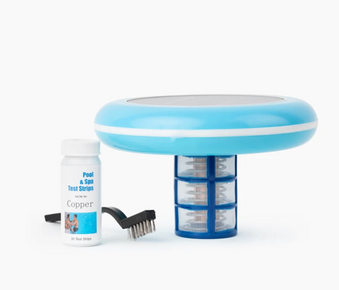
Modern pool technology is shifting toward safer, greener, and more energy-efficient solutions and solar ionization is at the center of this evolution. This movement is driven by a growing awareness among homeowners about the long-term health and environmental impacts of traditional chemical-heavy maintenance, as well as a desire to simplify their pool care routines and reduce operational costs. As consumers become more environmentally conscious and seek smarter home solutions, the pool industry has responded with innovations that prioritize sustainability without compromising performance, making advanced systems like solar ionizers increasingly accessible and practical for the average pool owner.
For pool owners looking to reduce chemical dependency, improve water chemistry, and maintain an algae free pool without constant work, solar ionizers paired with low-voltage systems offer an incredibly effective combination. These integrated systems address the core challenges of pool ownership by automating the most labor-intensive aspects of maintenance while utilizing renewable energy sources. The synergy between solar power and low-voltage technology creates a self-sustaining cycle of water purification that operates efficiently with minimal human intervention, representing a significant advancement over the reactive, chemical-dependent methods that have dominated pool care for decades.
By relying on sunlight and low electrical output, these systems provide continuous sanitization, better balance in water chemistry, and fewer maintenance headaches, all while improving pool hygiene and equipment longevity. The continuous operation means protection doesn't stop when the sun goes down copper ions remain active in the water, creating a persistent defensive barrier against contaminants. This steady-state approach to water treatment eliminates the peaks and valleys of chemical effectiveness common in traditional methods, resulting in water that stays consistently balanced and clear. The reduced strain on mechanical components from stabilized water chemistry extends the lifespan of pumps, filters, and heaters, while the minimal electrical requirements keep operating costs remarkably low throughout the swimming season.
Table of Contents
- Why Low-Voltage Integration Matters for Pool Owners
- Understanding Solar Ionization Technology
- How Low-Voltage Systems Support Efficient Ion Release
- Water Chemistry, pH Stability, and Hardness Management
- Pool Equipments, Replacement Kits, and Maintenance Tips
- Algae Prevention, Cloudy Water Control & Fixing a Green Pool
- Final Thoughts: A Safer, Smarter, More Efficient Pool System
1. Why Low-Voltage Integration Matters for Pool Owners
Low-voltage systems are becoming increasingly popular in modern pool setups, marking a significant evolution in residential pool technology that prioritizes safety, efficiency, and simplicity. This shift represents more than just a technical upgrade it reflects changing homeowner priorities and advancements in electrical engineering that make sophisticated water treatment accessible to everyday pool owners.
They're safe, energy-efficient, and ideal for homeowners who want effective pool maintenance without high electrical consumption. The safety aspect cannot be overstated in environments where water and electricity traditionally create hazardous combinations. Low-voltage systems operate at power levels that significantly reduce risk, making them particularly suitable for families and those who prioritize household safety above all else.
- Safety Advantages: Operating at 12V or 24V significantly reduces electrical hazard risks, even in wet conditions
- Energy Efficiency: Consumes 70-80% less power than traditional 120V/240V pool systems
- Cost Effective: Lower monthly energy bills without compromising performance
- Simplified Installation: Often doesn't require licensed electricians or complex permits
- Compatibility: Works seamlessly with modern smart home and automation systems
When combined with solar ionizers, low-voltage systems allow continuous ionization that keeps the pool algae free, balanced, and cleaner for longer. This partnership creates a self-sustaining ecosystem where solar energy powers the ionization process through efficient low-voltage delivery, ensuring consistent water treatment throughout daylight hours without drawing significant power from the home's electrical system.
- Continuous Operation: Provides uninterrupted ion release during all daylight hours
- Stable Water Chemistry: Maintains consistent copper ion levels (0.2-0.4 ppm)
- Reduced Chemical Dependency: Cuts chlorine use by 50-80% through natural algae prevention
- Automatic Regulation: Adjusts ion production based on available sunlight
- Equipment Synergy: Works harmoniously with existing filtration and circulation systems
Pool owners benefit from healthier water, reduced risk of equipment damage, and a streamlined pool maintenance routine that requires less manual effort and fewer harsh chemicals. The health improvements are measurable and immediate water feels softer, smells cleaner, and no longer causes the skin and eye irritation common with heavily chlorinated pools. Equipment experiences less stress and longer lifespans due to stabilized water chemistry that prevents both corrosive and scaling conditions.
- Healthier Swimming Environment: Reduced chloramine formation means no chemical odors or irritation
- Extended Equipment Life: Heaters, pumps, and filters last 30-50% longer
- Simplified Maintenance: Weekly cleaning time reduced from hours to minutes
- Environmental Benefits: Lower chemical runoff and reduced energy consumption
- Predictable Costs: Eliminates unexpected chemical and repair expenses
The integration of low-voltage technology with solar ionization represents more than just convenience it's a fundamental rethinking of pool ownership that aligns with modern values of sustainability, safety, and simplicity. This combination delivers what today's homeowners increasingly demand: effective solutions that work quietly in the background, requiring minimal intervention while delivering maximum results.

2. Understanding Solar Ionization Technology
Solar pool ionizer works by using a solar panel to generate low-voltage energy. This specialized panel contains photovoltaic cells that convert sunlight directly into electrical current, typically producing between 1.5 and 4.5 volts. Unlike standard electrical systems, this low-voltage approach is perfectly suited for pool environments because it eliminates safety concerns while providing exactly the right amount of power needed for effective water treatment. The panel operates automatically whenever sunlight is available, creating a self-sustaining system that requires no manual switching or timing adjustments.
- Solar panel converts sunlight to safe, low-voltage electricity
- System operates automatically during daylight hours
- No electrical hazards in wet pool environments
- Energy production matches sunlight availability
This energy activates the pool cathode and anode of the solar ionizer, releasing controlled amounts of copper and other beneficial ions into the water. The electrical current flows to the ionization chamber where two electrodes create a controlled electrochemical reaction. The anode, made of copper, gradually releases copper ions into the water through a process called oxidation. These ions are microscopic and carry a positive electrical charge that enables them to perform multiple water treatment functions simultaneously.
- Electrical current powers the ionization chamber
- Copper anode releases beneficial ions into water
- Ions carry positive electrical charge
- Controlled release prevents over-concentration
These ions naturally inhibit algae growth, improve water clarity, and enhance overall sanitation without relying solely on chlorine. The copper ions work by disrupting algae at the cellular level, preventing both growth and reproduction. They also act as natural clarifiers, causing tiny particles to clump together for easier filtration. For sanitation, they provide continuous protection that reduces the pool's dependence on traditional chlorine-based systems.
- Prevents algae growth and reproduction
- Naturally clarifies water by grouping particles
- Reduces chlorine requirements by 50-80%
- Provides continuous 24/7 protection
This process creates an ion-stabilized pool meaning the water stays consistently balanced and less prone to sudden spikes in contaminants, high pH level of the pool, or chemical imbalances that cause cloudy water. Unlike traditional chemical treatments that create temporary peaks followed by rapid declines, solar ionization maintains steady protection levels. The water chemistry becomes more predictable and easier to manage, with fewer dramatic swings that require constant adjustment and monitoring.
- Maintains consistent water chemistry
- Reduces pH fluctuations and chemical spikes
- Prevents sudden algae outbreaks
- Creates predictable, manageable water conditions
Solar ionization is also versatile: you can use a solar ionizer for hot tubs to enjoy the same benefits in smaller water systems. The technology scales effectively to different applications, with systems available for various pool and spa sizes. This adaptability means homeowners can enjoy the same water quality benefits regardless of their specific aquatic setup, from large swimming pools to compact hot tubs and everything in between.
- Available for pools of all sizes
- Effective for hot tubs and spas
- Scalable technology for different applications
- Consistent benefits across different water systems
The technology represents a complete rethinking of pool water treatment, moving away from periodic chemical dosing toward continuous natural protection. By working with natural processes rather than against them, solar ionization creates healthier water that's more enjoyable to swim in and simpler to maintain throughout the swimming season.

3. How Low-Voltage Systems Support Efficient Ion Release
Low-voltage power perfectly complements solar ionization because the ionizer itself requires only minimal electrical current to function efficiently. This compatibility stems from the fundamental nature of the electrochemical process at the heart of solar ionization a reaction that demands precise, controlled electrical input rather than brute force power. The ionization process operates optimally within a specific voltage range (typically 1.5-4.5 volts), making it ideally suited for low-voltage systems that deliver steady, consistent power without the complexities and inefficiencies of higher voltage alternatives. This electrical harmony creates a system where every watt of generated solar energy contributes directly to water purification, with minimal losses to heat, resistance, or unnecessary power conversion.
Contrast with Traditional High-Voltage Systems
Unlike traditional equipment that relies on strong electrical output, solar ionizers operate smoothly with safe, low-voltage energy that fundamentally changes the relationship between electrical systems and water treatment. Traditional pool equipment pumps, heaters, chlorinators often requires substantial electrical current to generate mechanical action or thermal energy, necessitating standard household voltages (120V or 240V) with all their associated safety concerns, installation complexities, and energy consumption patterns. Solar ionizers break from this paradigm by using electricity not for mechanical work but for precise electrochemical control, a function that requires finesse rather than force. This distinction allows the system to operate on power levels that are intrinsically safer, particularly important in wet pool environments where electrical safety cannot be compromised. The low-voltage approach eliminates the need for complex grounding systems, reduces insulation requirements, and removes many of the safety barriers that traditional high-voltage systems must incorporate.
Enhanced Ion Distribution Through Precision Power
The low-voltage system enhances ion distribution through its ability to maintain perfectly stable electrical conditions. Unlike alternating current (AC) systems that cycle polarity 60 times per second, the direct current (DC) from solar panels provides constant, unwavering voltage that creates uniform electrochemical conditions within the ionization chamber. This stability ensures copper ions are released at a consistent rate rather than in pulses or bursts, allowing for even distribution throughout the pool water. The consistent electrical flow prevents the "hot spots" and "dead zones" that can occur with variable power systems, ensuring every gallon of water receives the same protective treatment as it circulates through the system. This precision becomes particularly important during periods of variable sunlight cloudy conditions, early mornings, or late afternoons when the system automatically adjusts its output while maintaining the stable electrical conditions necessary for effective ionization.
Continuous Algae Prevention Mechanism
The low-voltage system supports continuous pool algae prevention by providing uninterrupted power during all daylight hours. This continuous operation is crucial because algae spores germinate and grow on their own biological schedules, not according to human maintenance routines. Traditional chemical methods create windows of vulnerability periods after chlorine dissipates but before the next treatment that allow algae to establish footholds. The solar ionizer's low-voltage system eliminates these gaps by maintaining ion production whenever sunlight is available, creating a persistent defensive barrier that algae cannot penetrate. The system's self-regulating nature means it produces maximum ions during peak sunlight hours (when algae growth potential is highest) and reduced but sufficient ions during lower light conditions, creating intelligent protection that matches biological threats with appropriate response levels.
Consistent Daily Sanitization Cycle
Ensuring consistent sanitization throughout the day represents one of the low-voltage system's most valuable contributions to pool maintenance. The steady electrical flow creates predictable ion release rates that maintain copper concentrations within the optimal therapeutic range (0.2-0.4 ppm) from morning until evening. This consistency contrasts sharply with traditional chlorine systems, where sanitizer levels peak immediately after chemical addition then decline rapidly due to UV degradation and organic consumption. The low-voltage approach creates what water treatment professionals call "steady-state sanitation" continuous, reliable protection without the dramatic fluctuations that characterize chemical-dependent systems. This reliability means pool water remains safely sanitized regardless of usage patterns, weather conditions, or time of day, providing homeowners with confidence that their water is always protected.
Reduced Strain on Pool Equipment
The low-voltage system reduces strain on pool equipment through multiple mechanisms that extend beyond mere electrical efficiency. By preventing algae growth and stabilizing water chemistry, it dramatically decreases the organic and mineral loading that stresses filtration systems. Cleaner water means filters operate with less resistance, pumps work against lower hydraulic pressure, and heaters function without scale insulation on their heat exchangers. The low-voltage operation itself contributes to equipment longevity by eliminating the electrical surges and fluctuations that can damage sensitive electronic components in modern pool systems. Additionally, the reduced need for chemical additions means less corrosive and scaling water conditions, further protecting metal components, seals, and surfaces throughout the pool system. This comprehensive equipment protection often extends component lifespans by 30-50%, translating into significant long-term cost savings and reduced maintenance requirements.
The Resulting Synergy: Comprehensive System Benefits
This synergy results in healthier water, fewer pH fluctuations, and an overall more efficient maintenance system. The water health improvements are measurable and immediate: reduced chemical byproducts mean no chloramine formation (eliminating chemical odors and irritation), balanced mineral content creates water that feels naturally soft, and consistent sanitation ensures protection against pathogens without chemical overkill. pH stability improves dramatically because fewer chemical additions mean fewer disruptions to the water's natural balance the violent swings from acidic chlorine tablets or basic shock treatments become rare occurrences rather than weekly events. The overall maintenance efficiency transforms the pool ownership experience: what once required regular chemical testing, adjustment, brushing, and filter cleaning becomes a system of simple verification and occasional minor adjustments. This efficiency extends to energy consumption, chemical costs, water usage, and time investment, creating a pool maintenance approach that aligns with modern values of sustainability, simplicity, and smart home management.
The Bigger Picture: Integrated Water Management
Beyond these immediate benefits, the low-voltage solar ionizer system represents a shift toward integrated, intelligent water management that considers the entire aquatic ecosystem. It recognizes that effective pool maintenance involves more than just killing algae or adding chlorine it requires creating and maintaining balanced conditions where problems cannot develop. The system works preventatively rather than reactively, addressing potential issues before they become visible problems. It operates automatically, adjusting to changing conditions without requiring human intervention. It protects not just the water but everything the water contacts equipment, surfaces, and swimmers. This holistic approach represents the future of pool technology, where systems work intelligently in the background to create perfect water conditions with minimal effort, maximum efficiency, and complete reliability. The low-voltage solar ionizer doesn't just make pool maintenance easier it makes it smarter, creating aquatic environments that are consistently clean, healthy, and enjoyable through intelligent design rather than constant human effort.

4. Water Chemistry, pH Stability, and Hardness Management
Understanding water chemistry is essential for safe swimming and proper pool hygiene, forming the scientific backbone of responsible pool ownership that every homeowner must eventually master. This knowledge transcends mere chemical measurements and enters the realm of aquatic ecosystem management, where multiple interdependent factors must be balanced simultaneously to create water that is both inviting to swimmers and protective of expensive pool infrastructure. The chemistry of a swimming pool is deceptively complex it involves maintaining precise relationships between sanitizer levels, pH balance, total alkalinity, calcium hardness, and total dissolved solids, all while accounting for constant environmental inputs like sunlight degradation, organic contamination from swimmers, mineral introduction from source water, and atmospheric pollutants. Each of these parameters influences the others in ways that can create cascading effects: a change in pH affects chlorine effectiveness, which in turn influences algae growth potential, which then impacts filtration efficiency and water clarity. This interconnectedness means that proper water chemistry management requires a systems-thinking approach rather than simply addressing individual parameters in isolation. Solar ionization introduces a stabilizing influence into this complex chemical web, working to maintain equilibrium rather than constantly correcting imbalances after they occur.
The Stabilizing Influence of Solar Ionization
Solar ionization plays a major role in stabilizing water chemistry by producing ions that naturally reduce contaminants through electrochemical processes that work continuously in the background. Unlike traditional chemical approaches that add specific compounds to address specific problems chlorine to kill microorganisms, acid to lower pH, sequestering agents to control metals solar ionization works more holistically by establishing a consistent ionic environment that makes the entire aquatic system more resistant to contamination and chemical imbalance. The copper ions released through this process function in multiple capacities simultaneously: as algicides preventing biological contamination, as flocculants improving pool water clarity, and as chemical stabilizers influencing various equilibrium reactions throughout the pool water. This multi-functional approach addresses water quality at its foundational level rather than merely treating symptoms as they appear. The continuous nature of ion production means this stabilizing influence operates around the clock, maintaining water chemistry even during periods when traditional chemical levels might fluctuate dramatically, such as overnight when chlorine degrades but biological activity continues, or during heavy usage when contaminants increase rapidly but chemical additions haven't yet been made. This constant presence creates what aquatic chemists refer to as "chemical inertia" a resistance to sudden changes that makes the entire system more predictable and easier to manage.
pH Balance: Achieving and Maintaining the Ideal Range
Among the most significant benefits of this chemical stabilization is the maintenance of proper pool pH balance through ion buffering that makes pH management easier and reduces sudden swings that cause irritation or corrosion. The importance of proper pH extends across every aspect of pool operation and enjoyment. From a swimmer comfort perspective, water with pH between 7.4 and 7.6 matches the natural pH of human eyes and mucous membranes, preventing the burning sensation and redness that occur when pH strays outside this range. From a chemical efficiency standpoint, chlorine's sanitizing power diminishes dramatically as pH rises at pH 8.0, chlorine is only about 20% as effective as at pH 7.4, meaning substantially more chlorine is required to achieve the same level of sanitation. From an equipment protection perspective, low pH water becomes corrosive, attacking metal components, etching plaster surfaces, and degrading vinyl liners, while high pH water encourages scale formation that reduces heater efficiency and clogs plumbing. Traditional pool maintenance struggles with pH stability because virtually every action taken affects pH: adding chlorine changes pH, swimmers introduce pH-altering contaminants, rainfall brings water of variable pH, and even evaporation concentrates minerals that influence pH. Solar ionization helps stabilize pH by reducing the need for pH-altering chemical additions, by generating natural buffering ions through its electrochemical processes, and by preventing the biological activity that often drives pH fluctuations. The result is water that naturally tends to remain within the ideal pH range with minimal intervention, requiring only occasional fine-tuning rather than constant major adjustments.
Water Hardness Management: Preventing Scale and Protecting Equipment
Solar ionizers also assist in managing water hardness by reducing mineral buildup, preventing scaling on pool surfaces and equipment a benefit that extends far beyond simple water chemistry into equipment longevity and operational efficiency. Water hardness, determined primarily by calcium and magnesium concentrations, represents one of the more challenging aspects of pool chemistry to manage effectively because it involves balancing opposing risks. Water that is too soft (low in calcium) becomes aggressive, seeking to dissolve calcium from any available source pool plaster, grout lines, heater elements leading to permanent surface damage and equipment corrosion. Water that is too hard encourages scale formation as excess calcium precipitates out of solution, creating rock-like deposits on tile lines, inside plumbing, and particularly on heater elements where it acts as thermal insulation, forcing heaters to work harder and overheat. This scale problem compounds over time, gradually reducing flow rates, increasing pressure on pumps, and ultimately causing premature equipment failure. Solar ionization helps manage hardness through several mechanisms: by reducing the need for calcium-based shock treatments (calcium hypochlorite), by interfering with scale crystal formation through ion adsorption, and by generally promoting more stable water conditions where dramatic hardness fluctuations are less likely. The gradual, consistent nature of ion release means these benefits accumulate over time, creating water that is neither aggressively corrosive nor excessively scaling, but rather balanced in a way that protects both pool surfaces and mechanical equipment.
Comprehensive Water Quality Enhancement
With continuous low-voltage ionization, pools experience fewer problems like cloudy pool water or high pH level spikes, creating a clean and consistent swimming environment that supports optimal solar pool ionizer water chemistry. Cloudy water, often the most visible sign of chemical imbalance, typically results from multiple interconnected issues: ineffective filtration, chemical precipitation, high total dissolved solids, or microscopic biological growth. Solar ionization addresses these root causes simultaneously: by preventing algae, it eliminates biological clouding; by acting as a natural flocculant, it improves filtration efficiency; by stabilizing chemical conditions, it prevents precipitation events; and by reducing chemical additions, it slows the accumulation of dissolved solids. High pH spikes, another common frustration in traditional pool maintenance, occur less frequently because the ionization process itself generates hydroxide ions that naturally buffer against pH decreases while the reduced chemical load means fewer dramatic chemical events that could drive pH upward. This comprehensive approach to water quality creates what experienced pool professionals call "mature water" water that has achieved chemical stability and maintains it through normal usage and environmental variations. This maturity manifests in practical ways: water that stays crystal clear for weeks rather than days, chemical test results that show consistency rather than wild fluctuations, and equipment that operates smoothly without the strain caused by constantly changing water conditions.
The Long-Term Benefits of Chemical Stability
The implications of this chemical stability extend well beyond immediate water quality to encompass long-term benefits that accumulate season after season. Equipment longevity improves dramatically as pumps, filters, and heaters operate in a chemically stable environment rather than one that oscillates between corrosive and scaling conditions. Chemical costs decrease not just through reduced purchases but through more efficient use chemicals added to stable water work more effectively and last longer than those added to unstable water. Maintenance time decreases as testing becomes verification rather than troubleshooting, and adjustments become fine-tuning rather than major corrections. Perhaps most significantly, swimmer satisfaction increases as water feels consistently comfortable rather than alternating between harsh and inadequate treatment. This long-term perspective reveals solar ionization's true value: it transforms pool maintenance from a constant battle against chemical imbalance into a manageable system of routine oversight, where the natural tendency of the water is toward balance rather than away from it. This represents not merely an incremental improvement in pool care but a fundamental shift in how pools are maintained, moving from reactive correction to proactive stabilization, from chemical dependence to electrochemical assistance, and from constant management to occasional supervision.
The journey toward perfect pool water chemistry has traditionally been one of constant adjustment and correction, with pool owners acting as amateur chemists trying to balance multiple competing factors. Solar ionization changes this dynamic by introducing a stabilizing force that works continuously to maintain equilibrium, reducing the dramatic swings that characterize chemically-dependent pools. This doesn't eliminate the need for water chemistry knowledge or occasional adjustments, but it transforms the process from a daily struggle into occasional fine-tuning. The result is water that not only tests correctly but feels better, looks clearer, and protects equipment more effectively the complete realization of what proper pool chemistry should achieve. This comprehensive improvement makes solar ionization not just another pool product but a fundamental enhancement to the entire pool ownership experience, delivering chemical stability that benefits every aspect of pool operation and enjoyment.

5. Pool Equipment, Replacement Kits, and Maintenance Tips
Though solar ionizers require minimal effort, proper upkeep of pool equipment is still essential to ensure the entire aquatic system operates at peak efficiency and longevity. While the solar ionizer automates the biological and chemical aspects of water treatment, the physical and mechanical components of the pool system still demand regular attention and maintenance. This balanced approach recognizes that even the most advanced automation cannot completely eliminate the need for human oversight and periodic intervention. The solar ionizer functions as the guardian of water quality, but it operates within a broader ecosystem of interconnected components each requiring their own specific care regimen to ensure optimal performance and extended service life.
The Natural Lifecycle of Ionizer Components
Over time, the ionizer's anode will dissolve as it releases ions into the water, a process that represents not system failure but rather successful operation. This gradual dissolution is an intentional design feature based on electrochemical principles where the copper anode serves as a sacrificial element, transforming from solid metal into protective ions through controlled oxidation. The rate of this transformation varies based on environmental factors including solar intensity, water temperature, chemical balance, and pool usage patterns. As the anode diminishes in size, its effective surface area decreases, which correspondingly reduces the rate of ion production. This gradual decline happens so subtly that many homeowners don't notice until water quality begins to deteriorate often manifesting as slightly reduced water clarity or increased difficulty maintaining chemical balance. Understanding this natural lifecycle is crucial for proactive maintenance rather than reactive problem-solving.
Replacement Kits: The Essential Maintenance Ritual
This dissolution is completely normal, and homeowners simply use replacement kits collection for pool ionizers to keep the system performing at peak levels. These comprehensive kits typically contain all necessary components to restore the ionization system to its original performance specifications: a new full-size anode that reinstates 100% ion production capacity, a cleaned or replacement cathode to maintain optimal electrical conductivity, fresh sealing components to prevent leaks, and sometimes updated housing elements if plastic components have degraded from UV exposure. The replacement process itself represents a straightforward seasonal ritual that typically requires basic hand tools and 20-30 minutes of attention, usually performed during spring pool opening when systems are being prepared for the swimming season ahead. Manufacturers design these kits with user-friendly installation in mind, often incorporating quick-connect fittings and clear visual instructions that make the process accessible even for homeowners without extensive technical experience.
Key Benefits of Regular Replacement and Maintenance
Replacement kits help ensure:
- Strong, Consistent Ion Output: Maintaining optimal copper ion levels (0.2-0.4 ppm) for continuous algae prevention and water clarification throughout the entire swimming season.
- Longer Life for Pumps and Filters: Clean, algae-free water reduces mechanical strain, extends filter media life, and decreases pump wear through improved hydraulic conditions.
- Reduced Corrosion and Mineral Buildup: Stable water chemistry prevents both corrosive conditions that damage metal components and scale formation that reduces equipment efficiency and lifespan.
- Easier Cleaning Routines: With consistent algae prevention, pool surfaces require less brushing, filters need less frequent cleaning, and overall maintenance becomes significantly simpler and less time-consuming.
Extended Equipment Lifespan Through Improved Water Conditions
The replacement regimen contributes to longer life for pumps and filters by creating water conditions that dramatically reduce mechanical strain. When water remains consistently clear and free of biological contaminants, pool filtration systems operate under optimal conditions with reduced particulate loading and more consistent pressure differentials. Pumps benefit from cleaner water that creates less hydraulic resistance and reduced wear on seals, bearings, and impellers. Heaters experience perhaps the most significant lifespan extension, as prevented scale accumulation means heat exchangers maintain optimal thermal transfer efficiency without the insulating effects of mineral deposits. This comprehensive equipment protection often results in component lifespans being extended by 30-50% compared to traditionally maintained pools, representing substantial long-term savings on replacement costs while maintaining consistent performance throughout each component's operational life.
Corrosion and Mineral Buildup Prevention
Proper maintenance through replacement kits also ensures reduced corrosion and mineral buildup throughout the pool system. A consistently functioning ionizer helps maintain water chemistry in the ideal range where it is neither aggressively corrosive nor excessively scaling. This balanced environment protects metal components from heater cores and pump seals to ladder bolts and light fixtures from the electrochemical degradation that occurs in chemically unstable water. Simultaneously, the ionization process interferes with the crystallization mechanisms that form hard calcium scale, helping to maintain clear plumbing pathways and efficient heat transfer surfaces. This dual protection creates conditions where equipment operates as designed without the gradual degradation that plagues many traditionally maintained pools, where components often fail prematurely due to combined chemical and mechanical stresses.
Maintenance Schedule and Best Practices
For optimal performance, follow this maintenance schedule:
- Seasonal Opening (Spring): Install complete replacement kit, verify solar panel operation, check all electrical and plumbing connections, and ensure proper water flow through the ionization chamber.
- Monthly Maintenance: Inspect ionizer chamber flow, clean solar panel surface of debris, check LED indicator for proper operation, and verify general system performance through water clarity observation.
- Mid-Season Check: Verify water chemistry stability through testing, inspect equipment for early signs of scale or corrosion, clean filters as indicated by pressure readings, and ensure circulation patterns remain optimal.
- Seasonal Closing (Fall): Remove and store ionizer in freezing climates, perform comprehensive end-of-season equipment inspection, document any observations for next season's opening, and properly winterize all system components.
Simplified Cleaning and Maintenance Routines
Easier cleaning the pool routines represent another tangible benefit of properly maintained solar ionization systems. With the biological foundation of algae prevention established and maintained, the physical labor associated with pool maintenance decreases dramatically. Pool surfaces remain free of the slippery biofilm that typically requires weekly brushing, reducing both the frequency and intensity of surface cleaning. Vacuuming becomes less frequent as debris remains more visible and easier to remove from cleaner water. Filter maintenance intervals extend substantially since biological loading decreases, and backwashing or cartridge cleaning becomes more about routine maintenance than emergency response to clogged systems. The overall maintenance experience transforms from a weekly chore list consuming several hours to a system of periodic checks and minor adjustments that might total less than 30 minutes weekly, freeing homeowners to actually enjoy their pool investment rather than constantly laboring to maintain it.
The Complete System Perspective
Overall, solar ionization paired with responsible equipment care can significantly extend the life of your entire pool system through multiple interconnected benefits. This holistic approach recognizes that optimal pool performance results from the harmonious interaction of all system components biological treatment through ionization, mechanical operation through properly maintained equipment, and chemical balance through stabilized water conditions. Each element supports the others: clean water from effective ionization reduces equipment strain, well-maintained equipment ensures optimal water circulation and treatment, and consistent performance across all systems makes maintenance predictable and manageable. This integrated perspective transforms pool ownership from a collection of separate maintenance tasks into a cohesive system where each action supports overall performance and longevity.
The Economic Case for Proactive Maintenance
From a financial perspective, the investment in replacement kits and responsible equipment care demonstrates remarkable return on investment when viewed through a long-term lens. The typical replacement kit cost of $60-$120 annually compares favorably against the chemical savings of $300-$800 per season that solar ionization typically delivers. When combined with extended equipment life (potentially saving thousands in premature heater or pump replacement), reduced energy consumption (from more efficient pump operation), decreased professional service needs (fewer emergency calls for algae outbreaks or equipment failures), and increased property value from a well-maintained pool system, the total financial benefit typically justifies the maintenance investment many times over. More importantly, this proactive approach prevents the costly chain reactions that can occur in neglected systems where a failing ionizer leads to algae problems, which prompt excessive chemical use, which damages equipment, which requires expensive repairs. By maintaining all system components properly, homeowners avoid these cascading failures and enjoy predictable, manageable pool ownership costs season after season.
Common Maintenance Challenges and Solutions
Pool owners should be aware of these potential issues:
- Gradual Performance Decline: As the anode dissolves, ion production decreases slowly replace annually before problems appear rather than waiting for visible water quality issues.
- Mineral Scale on Cathode: Regular cleaning during replacement prevents electrical resistance buildup that can reduce system efficiency and ion output.
- Solar Panel Debris: Keep panel surface clean of leaves, pollen, and other debris for optimal solar energy capture and conversion.
- Water Flow Issues: Ensure proper circulation through the ionization chamber by maintaining clean filters and properly functioning pumps for even ion distribution.
- Electrical Connection Degradation: Periodically check waterproof connections for corrosion or wear, especially in humid or saltwater environments.
Ultimately, the relationship between solar ionization and traditional pool equipment maintenance represents a partnership where advanced technology simplifies biological control while traditional maintenance practices ensure mechanical reliability. This combination delivers what modern pool owners increasingly seek: a system that works intelligently in the background to maintain perfect water conditions while requiring minimal active intervention. The annual ritual of replacing ionization components becomes not merely a maintenance task but a system renewal that ensures peak performance for the coming season, while regular equipment care guarantees that the entire aquatic ecosystem operates harmoniously. Together, these practices create a pool ownership experience that balances technological advancement with practical maintenance wisdom delivering crystal-clear pool water, extended equipment life, simplified maintenance routines, and predictable operating costs that make pool ownership more enjoyable and less burdensome than ever before.

6. Algae Prevention, Cloudy Water Control & Fixing a Green Pool
One of the most common headaches for pool owners is algae a persistent biological problem that transforms crystal-clear water into unsightly green, yellow, or black masses seemingly overnight. These microscopic plants exist everywhere in our environment, carried by wind, rain, contaminated equipment, and even swimmers themselves. What makes algae particularly challenging is its resilience and rapid reproduction cycle; under ideal conditions of warm water, sunlight, and available nutrients, algae populations can double every few hours, quickly overwhelming traditional chemical defenses. The problem extends beyond mere aesthetics algae creates slippery, hazardous surfaces on pool steps and walls, clogs filtration systems, consumes sanitizers at alarming rates, and creates conditions where harmful bacteria can thrive. Traditional approaches to algae control have always been reactive rather than preventative, creating a cycle of outbreak and treatment that consumes time, chemicals, and frustration season after season.
The Solar Ionization Solution to Algae Prevention
Solar ionizers naturally provide strong algae prevention by releasing copper ions that disrupt algae reproduction at multiple biological levels. Unlike chemical algaecides that work through immediate toxicity, copper ions establish a continuous defensive environment where algae cannot establish or proliferate. The prevention mechanism operates through sophisticated biochemical interference: copper ions penetrate algae cells and bind to critical enzymes involved in photosynthesis and energy production, effectively starving the cells from within. They also interfere with spore germination the earliest stage of algae development preventing problems before they become visible. This multi-layered approach creates what aquatic biologists call "algastatic conditions," where algae simply cannot thrive despite ideal environmental factors. The beauty of this system lies in its subtlety and consistency; rather than periodic chemical assaults that create temporary results, solar ionization provides continuous, gentle protection that maintains water clarity and biological balance day after day.
The Visible Results of Effective Algae Prevention
This keeps pools clearer, healthier, and easier to maintain in ways that are immediately noticeable to any pool owner. Water maintains that sought-after sparkling clarity without the periodic dullness or green tinge that signals impending algae problems. Pool surfaces remain clean without the slippery biofilm that typically precedes visible algae growth the telltale slick feeling on steps and walls that experienced pool owners recognize as early warning signs. Maintenance routines simplify dramatically because the constant battle against algae weekly brushing, pool shock treatments, algaecide applications becomes unnecessary. The pool filter operates more efficiently, not constantly clogged with biological material, and chemical testing shows remarkable stability rather than the wild fluctuations that often accompany algae growth cycles. Perhaps most importantly, pool owners gain peace of mind knowing their water remains protected even during periods of heavy use, hot weather, or temporary maintenance lapses that would typically trigger algae outbreaks in traditionally maintained pools.
Corrective Action: Recovering from Existing Algae Problems
When a pool turns green, solar ionization helps fix your green pool more effectively by supporting chemical treatments and preventing algae from returning. The traditional approach to green pool recovery involves aggressive shock treatments that temporarily elevate chlorine to dangerous levels, followed by algaecides, clarifiers, and intensive filtration a process that's hard on equipment, uncomfortable for swimmers, and environmentally taxing. Solar ionization supports a smarter recovery strategy: a moderate shock treatment eliminates existing algae while the ionizer immediately begins establishing its protective copper ion field to prevent recurrence. The copper ions act as natural flocculants, causing dead algae cells and cellular debris to clump together for easier filtration or settling. This combined approach typically allows for lower shock doses, faster water clearance, and dramatically reduced risk of the problem returning once cleared. The system's continuous operation means that as chlorine levels naturally decline after shocking, copper ions maintain protective coverage, eliminating the vulnerable window that often leads to rapid algae regrowth in traditionally treated pools.
Comprehensive Water Clarity Improvement
Low-voltage solar systems also help reduce cloudy water by stabilizing water chemistry and improving filtration efficiency. Cloudiness in pool water rarely has a single cause it typically results from multiple interconnected issues including ineffective filtration, chemical precipitation, high total dissolved solids, or microscopic biological growth. Solar ionization addresses these root causes simultaneously: by preventing algae, it eliminates biological clouding; by acting as a natural flocculant, it improves filtration efficiency; by stabilizing chemical conditions, it prevents precipitation events; and by reducing chemical additions, it slows the accumulation of dissolved solids. The low-voltage operation ensures consistent performance regardless of grid power availability or electrical costs, while the solar aspect guarantees operation during peak daylight hours when algae growth potential is highest. This comprehensive approach to water clarity means pools maintain exceptional sparkle with minimal intervention, reducing or eliminating the need for chemical clarifiers that many pool owners rely on weekly.
The Integrated Approach to Pool Health
Together, they create a healthier, cleaner pool environment without excessive chemicals through a synergistic approach that addresses water quality from multiple angles simultaneously. The solar ionization provides continuous biological control, preventing algae and other microorganisms from establishing populations. The stabilized water chemistry reduces the dramatic fluctuations that often trigger water quality issues. The improved filtration efficiency removes particulate matter more effectively. And the reduced chemical dependency creates water that feels more natural and comfortable for swimmers. This integrated system doesn't merely address individual symptoms but creates conditions where common pool problems cannot develop in the first place. The result is water that not only tests properly but looks clearer, feels better, and remains consistently inviting throughout the swimming season a complete transformation from the constant battle against declining water quality that characterizes traditional pool maintenance.
Long-Term Benefits Beyond Immediate Water Quality
The benefits of this integrated approach extend well beyond immediate water clarity to encompass long-term improvements in every aspect of pool ownership. Equipment experiences dramatically reduced strain filters last longer between cleanings or replacements, pumps operate more efficiently with cleaner water, and heaters function without scale insulation that reduces efficiency and causes premature failure. Maintenance becomes predictable rather than reactive, with scheduled tasks replacing emergency treatments. Chemical costs decrease substantially as chlorine, algaecides, clarifiers, and shock treatments become occasional rather than regular expenses. Perhaps most significantly, pool owners experience a fundamental shift in their relationship with their pool from constant concern about water quality to confident enjoyment of consistently perfect conditions. This transformation represents the ultimate goal of modern pool technology: creating aquatic environments that enhance lifestyle rather than demanding constant attention, that provide relaxation rather than creating work, and that deliver beauty and enjoyment without the traditional burdens of maintenance and expense.
Ultimately, the combination of solar ionization for algae prevention and water clarification, supported by low-voltage efficiency and chemical stabilization, represents a comprehensive solution to the most persistent challenges in pool ownership. It addresses not just the symptoms of poor water quality but the underlying causes, creating conditions where clear, healthy water becomes the natural state rather than a temporary achievement between treatments. This approach aligns perfectly with modern values of sustainability, efficiency, and simplicity using natural processes powered by renewable energy to create better results with less work, fewer chemicals, and lower environmental impact. For pool owners tired of the constant battle against algae and cloudy water, it offers a smarter path forward: one where technology works quietly in the background to maintain perfect water conditions, allowing more time for swimming and enjoyment, and less time for maintenance and worry.

7. Final Thoughts: A Safer, Smarter, More Efficient Pool System
This integrated approach to pool management represents a significant departure from traditional maintenance paradigms, moving away from reactive chemical treatments toward proactive system optimization. The synergy between solar ionization's biological control and low-voltage systems' energy efficiency creates a self-regulating aquatic environment where water quality becomes predictable and maintenance becomes simplified. This technological partnership addresses not just individual symptoms but the entire ecosystem of pool water management, creating conditions where optimal water quality is maintained through natural processes rather than constant human intervention. The result is a pool that practically maintains itself, requiring only periodic oversight rather than weekly labor-intensive maintenance sessions that characterize traditional pool care approaches.
Solar ionization and low-voltage systems work together brilliantly to support cleaner, healthier, and more efficient pools. By improving water chemistry, maintaining stable pH levels, easing cleaning duties, and preventing algae, this combination offers a future-focused approach to pool maintenance that aligns with modern values of sustainability, efficiency, and simplicity. The systems work in complementary fashion: solar ionization provides continuous biological protection and water stabilization, while low-voltage technology ensures energy-efficient operation and safe electrical conditions. This partnership creates a comprehensive solution that addresses every aspect of pool water quality from multiple angles simultaneously, resulting in water that stays consistently perfect with minimal effort and maximum efficiency.
With proper replacement kits, routine pool maintenance, and attention to water hardness management, pool owners can enjoy an ion-stabilized pool that stays clean, clear, and enjoyable all season long all while using less energy and fewer chemicals. This maintenance protocol represents the final piece of the puzzle, ensuring that the advanced technology continues performing at peak levels throughout its operational life. Regular replacement of ionization components guarantees consistent performance, while proper equipment maintenance ensures optimal water circulation and filtration. Attention to water chemistry parameters maintains the delicate balance that allows the entire system to function harmoniously. Together, these practices create a maintenance routine that's both simpler and more effective than traditional approaches requiring less time, fewer chemicals, and reduced energy while delivering superior water quality and extended pool equipment life.