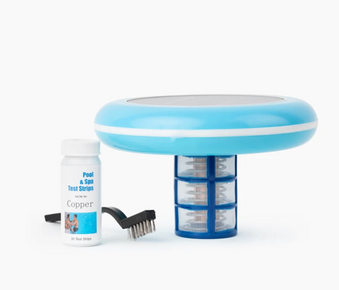
Maintaining optimal daily pool water quality represents a complex interplay between multiple dynamic systems including filtration efficiency, hydraulic circulation patterns, precise chemical balance, and consistent equipment performance. While conscientious pool owners typically adhere to regular maintenance routines encompassing skimming, vacuuming, and basic chemical testing, many overlook a crucial determinant that profoundly influences day-to-day water clarity and hygienic conditions: the operational condition of their solar pool ionizer's internal components.
Comprehensive replacement kits serve a vital function in sustaining consistent water quality by systematically refreshing the essential components responsible for controlled ion emission, filtration system support, and mineral equilibrium management. When critical elements including anodes, protective baskets, or cathodes experience material degradation, mineral encrustation, or electrochemical fatigue, the entire ionization system cannot maintain its designed performance parameters. This progressive performance decline manifests through deteriorating water clarity, emerging algal colonization, chemical instability, and irregular sanitization distribution throughout the pool environment.
This exhaustive guide provides detailed technical explanations regarding how precision replacement kits enhance daily pool water quality, explores the underlying reasons for their critical importance, and demonstrates how implementing high-quality component replacement can fundamentally transform your pool's optical clarity and chemical stability on a daily basis.
Table of Contents
- Understanding the Role of Replacement Kits in Pool Maintenance
- Why Worn Ionizer Components Affect Daily Water Quality
- How Fresh Anodes Enhance Daily Copper Ion Levels
- The Importance of Clean Baskets for Water Flow and Clarity
- How New Cathodes and Hardware Improve System Efficiency
- Benefits of Regular Replacement for Daily Pool Health
- Final Thoughts: Maintaining Clear and Balanced Water with Consistent Replacements
1. Understanding the Role of Replacement Kits in Pool Maintenance
Solar pool ionizers significantly enhance water quality through controlled electrochemical release of copper or specialized copper-silver ions, which establish an aquatic environment fundamentally hostile to algal proliferation while substantially reducing dependence on traditional harsh chemical sanitizers. As these systems operate continuously throughout the swimming season, the components responsible for ion generation and distribution inevitably experience progressive material degradation, mineral accumulation, and performance diminishment through normal electrochemical processes.
Comprehensive Component Restoration Through Replacement Kits
Professional replacement kits for ionizer provide systematic restoration of the precise components that directly govern ionization system performance, typically encompassing multiple critical elements:
Primary Electrochemical Components:
- Copper Anode Assembly: High-purity copper (typically 99.9%+) or copper-silver alloy electrode responsible for controlled ion release through sacrificial electrochemical erosion
- Cathode Configuration: Complementary electrode typically constructed from corrosion-resistant titanium or 316L stainless steel that completes the electrical circuit essential for ionization
- Electrode Mounting System: Precision hardware ensuring proper spatial relationship and electrical isolation between anode and cathode elements
Mechanical Protection and Flow Management Systems:
- Protective Basket Assembly: UV-stabilized polymer enclosure with optimized mesh geometry that excludes debris while maintaining hydrodynamic flow characteristics
- Flow Enhancement Components: Specialized shields, deflectors, or flow directors that ensure optimal water movement across electrode surfaces
- Connection Hardware: Corrosion-resistant screws, nuts, washers, and specialized fasteners that maintain structural integrity and proper component alignment
Supplementary Restoration Elements:
- Sealing Systems: Replacement O-rings, gaskets, and waterproofing elements that maintain chamber integrity
- Installation Tools: Specialized wrenches, alignment fixtures, or torque-limiting devices that ensure proper installation
- Performance Verification Materials: Pool test strips, documentation, or calibration references that confirm proper system operation post-installation
The Performance Restoration Mechanism
When these components are restored to their original condition through systematic replacement, the ionization system regains its capacity to operate at designed performance levels, directly enhancing daily water clarity while reducing maintenance demands through multiple mechanisms:
Electrochemical Performance Restoration:
- Optimal Ion Release Rates: Fresh anodes with specified surface areas and material composition deliver consistent copper ion emission according to Faraday's laws of electrolysis
- Stable Electrical Characteristics: New cathodes and connection systems maintain low-resistance pathways that ensure efficient current flow
- Predictable Erosion Patterns: Precision-manufactured components exhibit controlled, uniform degradation rather than irregular failure modes
Hydraulic Efficiency Recovery:
- Unrestricted Flow Paths: Clean baskets and protection systems maintain designed water movement across active surfaces
- Optimal Ion Distribution: Proper hydrodynamic characteristics ensure even dispersion of ions throughout the pool volume
- Debris Exclusion: Intact protection systems prevent particulate matter from interfering with electrochemical processes

2. Why Worn Ionizer Components Affect Daily Water Quality
The progressive deterioration of ionization system components initiates a cascade of performance deficiencies that directly impact daily water quality through multiple interconnected pathways. Understanding these degradation mechanisms and their water quality implications enables proactive maintenance that prevents noticeable decline.
Material Degradation Pathways and Their Consequences
Ionizer components experience several simultaneous degradation processes that gradually diminish their functional effectiveness:
Electrochemical Erosion Mechanisms:
- Anode Sacrificial Dissolution: Controlled oxidative erosion gradually reduces electrode diameter, decreasing active surface area and ion production capacity
- Cathode Surface Modification: Hydrogen evolution and mineral deposition alter cathode surface characteristics, increasing electrical resistance
- Connection Corrosion: Galvanic interactions between dissimilar metals create high-resistance junctions that reduce current flow
- Performance Impact: Ion production decreases 30-60% before visible wear becomes apparent, significantly reducing daily pool algae prevention
Mineral Accumulation and Scaling:
- Calcium Carbonate Deposition: Hard water conditions precipitate scale on electrode surfaces, creating insulating barriers
- Metallic Oxide Formation: Secondary metals in the water deposit on components, altering electrochemical characteristics
- Organic Film Development: Biological materials create surface films that interfere with ion transfer processes
- Performance Impact: Mineral deposits can reduce ion production by 40-70% while increasing system resistance and energy consumption
Direct Water Quality Implications of Component Degradation
As ionization system performance declines, multiple water quality parameters demonstrate measurable deterioration that affects the daily swimming experience:
Algistatic Protection Compromise:
- Reduced Copper Ion Concentration: Declining ion production allows copper levels to fall below the 0.2-0.5 ppm therapeutic range
- Algal Establishment: Sub-therapeutic ion concentrations permit algal spores to germinate and colonize pool surfaces
- Visible Blooms: Green, yellow, or black algae become established, creating cloudiness and surface slipperiness
- Chemical Demand Increase: Emerging algal populations consume chlorine, necessitating increased sanitizer additions
Optical Clarity Deterioration:
- Suspended Particle Accumulation: Inadequate algistatic action allows microscopic organisms to multiply, scattering light
- Filter System Overload: Increased biological load challenges filtration capacity, allowing fine particles to circulate
- Surface Film Development: Organic materials create surface films that reduce water sparkle and clarity
- Progressive Cloudiness: Water transitions from crystal clear to hazy, then persistently cloudy as degradation advances
3. How Fresh Anodes Enhance Daily Copper Ion Levels
The anode represents the electrochemical heart of the solar ionization system, functioning as the primary component responsible for generating the copper ions that provide continuous algistatic protection. Understanding the performance characteristics of fresh versus degraded anodes illuminates their critical role in maintaining daily water quality.
Electrochemical Performance Characteristics of Fresh Anodes
Newly installed anodes demonstrate optimal electrochemical behavior that ensures consistent daily ion production:
Precision Surface Area and Geometry:
- Manufacturing Tolerances: Fresh anodes maintain precise dimensional specifications with surface areas calibrated to specific pool volumes
- Current Density Optimization: Designed surface area ensures ideal current density for controlled erosion rather than pitting
- Flow Dynamics: Specific geometries promote uniform water contact across the entire electrode surface
- Performance Impact: Precision manufacturing ensures ion release rates within 5% of design specifications
Material Purity and Structural Integrity:
- High-Purity Composition: 99.9%+ copper or specified alloy composition ensures predictable electrochemical behavior
- Uniform Grain Structure: Controlled manufacturing processes create consistent material properties throughout the electrode
- Surface Characteristics: Specific surface treatments promote even erosion and resist passivation layer formation
- Performance Impact: Material consistency ensures daily ion production remains stable within narrow parameters
Comparative Performance: Fresh vs. Degraded Anodes
The performance differential between new and worn anodes manifests through multiple measurable parameters that directly influence daily water quality:
Ion Production Capability:
- Fresh Anode Performance: Releases 2-4 mg of copper per amp-hour according to Faraday's constant (1.185 g/Ah)
- Moderately Worn Anode: 30-50% reduced ion production due to decreased surface area and current density changes
- Severely Degraded Anode: 60-80% reduction in ion release with irregular emission patterns
- Water Quality Impact: Copper levels may fluctuate between 0.1-0.8 ppm with worn anodes versus consistent 0.2-0.5 ppm with fresh components
Electrochemical Efficiency:
- Current Efficiency: Fresh anodes demonstrate 90-95% current efficiency with minimal parasitic reactions
- Degradation Impact: Worn anodes may drop to 60-75% efficiency due to scale formation and surface irregularities
- Energy Consumption: System requires increased solar panel output to maintain equivalent ion production
- Operational Stability: Fresh anodes provide consistent performance regardless of minor pool water chemistry fluctuations
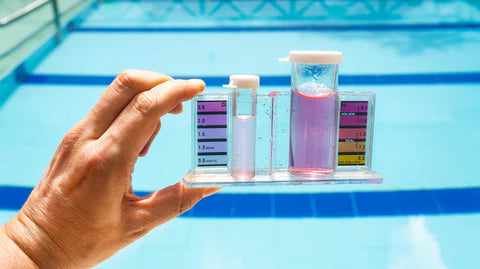
4. The Importance of Clean Baskets for Water Flow and Clarity
The protective basket represents a critically important yet frequently underestimated component that governs hydraulic efficiency, debris exclusion, and ion distribution patterns. Understanding its multifaceted role reveals why basket condition directly influences daily water clarity.
Hydraulic Function and Flow Dynamics
Protective baskets serve multiple simultaneous functions that collectively determine ionization effectiveness and water quality:
Flow Management and Optimization:
- Controlled Flow Velocity: Specific mesh geometry maintains ideal water velocity across electrode surfaces for efficient ion transfer
- Uniform Contact Distribution: Engineered flow patterns ensure all anode surfaces receive equal water exposure
- Boundary Layer Management: Prevents stagnant boundary layer formation that would impede ion migration into the bulk water
- Performance Impact: Optimal flow characteristics increase ion transfer efficiency by 25-40% compared to restricted conditions
Debris Exclusion and Filtration Support:
- Particulate Interception: Prevents leaves, insects, and other debris from contacting and damaging electrode surfaces
- Pre-Filtration Function: Reduces the particulate load reaching the main pool filtration system
- Biological Fouling Prevention: Limits algal and bacterial attachment to critical components
- Performance Impact: Effective debris exclusion can extend filter cleaning intervals by 30-50% while maintaining clarity
Performance Degradation Through Basket Compromise
As baskets accumulate deposits or experience physical damage, multiple performance parameters deteriorate with direct consequences for daily water quality:
Flow Restriction and Its Consequences:
- Mineral Accumulation: Calcium carbonate and other minerals gradually reduce open area, restricting water movement
- Biological Fouling: Algal and bacterial films further constrict flow passages and create oxygen-depleted zones
- Physical Deformation: Impact damage or UV degradation alters mesh geometry, creating flow imbalances
- Performance Impact: Severely restricted baskets can reduce ion distribution efficiency by 60-80%, creating treatment dead zones
Ion Distribution Compromise:
- Localized Concentration: Restricted flow causes ion accumulation near the ionizer with inadequate distribution to distant areas
- Treatment Inconsistency: Some pool areas receive therapeutic ion levels while others experience algal colonization
- Circulation Pattern Alteration: Modified flow characteristics disrupt established circulation, creating stagnation zones
- Water Quality Impact: Uneven treatment manifests as localized cloudy pool water, variable algae presence, and inconsistent chemical demand

5. How New Cathodes and Hardware Improve System Efficiency
The cathode and associated connection hardware represent the complementary half of the electrochemical system, providing the essential electrical circuit completion that enables controlled ionization. Their condition directly influences system efficiency, stability, and consistent daily performance.
Cathode Function and Performance Characteristics
Properly functioning cathodes maintain several critical electrical and electrochemical parameters that ensure system stability:
Electrical Circuit Completion:
- Electron Transfer Facilitation: Provides the reduction reaction site where electrons complete the electrical circuit
- Current Distribution: Specific cathode geometry ensures even current distribution across the anode surface
- Voltage Stability: Maintains consistent electrical potential between electrodes despite varying solar input
- Performance Impact: Optimal cathode function ensures 90-95% of electrical energy produces useful ionization versus parasitic reactions
Surface Characteristics and Maintenance:
- Catalytic Activity: Specific surface properties promote desired reduction reactions while minimizing competing processes
- Scale Resistance: Material selection and surface treatments reduce mineral adhesion that would increase resistance
- Corrosion Resistance: Withstands the basic conditions generated at the cathode surface during operation
- Performance Impact: Proper surface conditions maintain consistent electrical characteristics throughout the operating season
Connection System Integrity and Its Importance
The hardware connecting system components plays a surprisingly significant role in overall performance and daily consistency:
Electrical Connection Efficiency:
- Low-Resistance Pathways: Clean, tight connections minimize voltage drop and power loss
- Corrosion Prevention: Proper material selection and installation prevent galvanic corrosion at junctions
- Stable Contact Pressure: Maintains consistent electrical characteristics despite temperature fluctuations and vibration
- Performance Impact: Compromised connections can increase system resistance by 200-500%, dramatically reducing ion production
Mechanical Stability and Alignment:
- Precise Component Positioning: Maintains optimal electrode spacing for efficient electrochemical operation
- Vibration Resistance: Prevents movement that could alter electrical characteristics or cause physical damage
- Environmental Protection: Seals and gaskets prevent water intrusion that could cause short circuits or corrosion
- Performance Impact: Proper mechanical integrity ensures consistent operation despite pool use, cleaning, and environmental exposure
6. Benefits of Regular Replacement for Daily Pool Health
Implementing a systematic component replacement schedule delivers multiple interconnected benefits that collectively enhance daily pool water quality while reducing maintenance demands and operational costs.
Water Quality Enhancement Through Consistent Performance
Regular component replacement maintains multiple water quality parameters at optimal levels through predictable system operation:
Optical Clarity Maintenance:
- Consistent Algistatic Action: Maintains copper ion levels within the 0.2-0.5 ppm therapeutic range that prevents algal cloudiness
- Reduced Particulate Load: Effective algae prevention minimizes biological particles that scatter light
- Surface Quality Preservation: Prevents algal films that create hazy surface appearances and reduce water sparkle
- Daily Impact: Pool maintains brilliant optical clarity with visibility to the deepest areas regardless of weather or usage
Chemical Stability and Balance:
- Predictable Sanitizer Demand: Consistent algal prevention eliminates chlorine consumption spikes from emerging blooms
- pH Stability: Reduced chemical additions minimize pH fluctuations that can cause cloudiness or scaling
- Oxidation Balance: Maintains appropriate ORP levels without dramatic chemical adjustments
- Daily Impact: Water chemistry remains stable with minimal daily adjustment, maintaining swimmer comfort and equipment protection
Operational Efficiency and Economic Benefits
Beyond immediate water quality improvements, regular replacement delivers significant operational advantages:
Maintenance Efficiency:
- Reduced Cleaning Frequency: Effective algae prevention decreases brushing requirements and surface cleaning
- Filter System Preservation: Lower particulate load extends filter service intervals and media lifespan
- Chemical Application Reduction: Decreased need for algaecides, clarifiers, and shock treatments
- Time Savings: Overall maintenance time typically reduced by 30-50% with properly functioning ionization
Economic Advantages:
- Chemical Cost Reduction: Chlorine consumption typically decreases by 60-80%, saving $150-$400 annually
- Equipment Longevity: Proper water balance and reduced chemical exposure extends pump, filter, and heater lifespan
- Energy Efficiency: Clean components operate with lower resistance, maximizing solar energy utilization
- Avoided Costs: Prevents expensive treatments for severe algae outbreaks or pool equipment damage from chemical imbalances

7. Final Thoughts: Maintaining Clear and Balanced Water with Consistent Replacements
Comprehensive replacement kits represent an essential maintenance strategy for preserving daily pool water quality by systematically renewing the critical components responsible for controlled ionization, optimized hydraulic flow, and consistent electrochemical performance. When anodes, protective baskets, cathodes, and connection hardware maintain their designed specifications and functional integrity, solar ionization systems can deliver stable therapeutic ion levels, reliable algal prevention, and consistently brilliant water clarity throughout the swimming season.
Implementing a proactive replacement schedule based on documented performance history and manufacturer recommendations effectively minimizes cloudiness development, reduces chemical dependency, and ensures the pool environment remains visually appealing and hygienically sound on a daily basis. The synergistic combination of consistent maintenance practices and high-quality replacement components creates an aquatic environment that maintains clarity with minimal intervention while maximizing both equipment performance and swimming enjoyment.
Ultimately, viewing component replacement as an integral element of comprehensive pool care rather than an occasional necessity transforms the maintenance paradigm from reactive problem-solving to proactive quality preservation. This approach ensures that the significant investment in solar ionization technology delivers its full potential benefits daily, providing the consistently sparkling, algae-free water that represents the ultimate goal of responsible pool ownership.