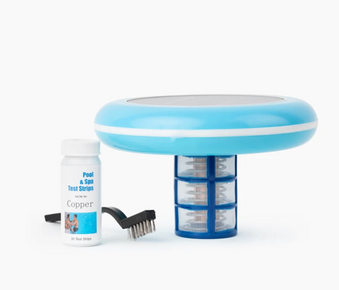
Pools are meant to be refreshing, relaxing, and enjoyable. However, keeping them clean and safe requires consistent maintenance. Traditional pool care often relies heavily on chlorine and other chemical sanitizers, which can be harsh on skin, eyes, and swimwear. Solar pool ionizers offer a modern, eco-friendly alternative that enhances pool hygiene naturally while reducing chemical dependence.
Solar ionizers are devices that use solar energy to release beneficial metal ions, such as copper and sometimes silver, into the pool water. These ions inhibit algae, bacteria, and other microorganisms, creating a healthier swimming environment. Beyond just reducing algae, they contribute to clearer, cleaner water and a more balanced pool ecosystem.
In this article, we will explore how solar ionizers improve overall pool hygiene, how they work, and the long-term benefits of integrating them into your pool maintenance routine.
Table of Contents
- Understanding Pool Hygiene Challenges
- How Solar Ionizers Work
- The Role of Copper and Silver Ions in Sanitation
- Reducing Dependence on Chlorine
- Preventing Algae Growth and Bacterial Contamination
- Enhancing Water Clarity and Overall Cleanliness
- Final Thoughts on How to Maximize Pool Hygiene with Solar Ionizers
1. Understanding Pool Hygiene Challenges
Pool hygiene transcends the simple visual metric of clear pool water. It represents a comprehensive, multi-faceted discipline focused on creating and maintaining a safe, healthy, and pleasant aquatic environment. True hygiene is an ongoing battle against invisible threats and unstable chemistry, where failure manifests not only as a green pool but as a host of problems affecting equipment longevity, swimmer comfort, and health. It is the science of balancing a dynamic ecosystem under constant assault from both nature and human use.
The primary objective is the prevention of microbial colonization. A pool is an ideal incubator: it is warm, nutrient-rich, and exposed to sunlight. Within this environment, three main classes of biological contaminants vie for dominance:
- Algae: These are photosynthetic microorganisms that can flourish with astonishing speed. They are categorized by their visual characteristics: green algae (suspended cloudiness or slimy walls), mustard/yellow algae (powdery patches in shaded areas resistant to normal chlorine levels), and black algae (deep-rooted black or blue-green spots in plaster). Algae spores are ubiquitous, entering pools via wind, rain, contaminated swimwear, or cleaning equipment. Their growth is not merely an aesthetic issue; algae create slippery biofilms that are a safety hazard, clog filters, consume sanitizers, and produce acidic byproducts that can etch pool surfaces.
- Bacteria: A more insidious threat, bacteria are introduced primarily by swimmers themselves. Each person can introduce millions of bacteria from skin, hair, sweat, saliva, and traces of fecal matter. Common pool pathogens include Pseudomonas aeruginosa (causing "hot tub rash" and ear infections), E. coli (indicative of fecal contamination), Legionella (which can cause Legionnaires' disease, particularly in warm, aerated water), and Staphylococcus. Bacteria can multiply rapidly in warm water, forming protective colonies called biofilms on pipes, ladder rails, and behind light fixtures, where they become resistant to standard sanitizer levels.
- Viruses and Protozoa: While less common, viruses like Norovirus and Adenovirus, and protozoa like Cryptosporidium ("Crypto") and Giardia, can cause severe gastrointestinal illness. Crypto, in particular, has an extremely chlorine-resistant outer shell, allowing it to survive for days in a properly chlorinated pool, highlighting the need for a multi-barrier defense strategy.
The second pillar of hygiene is the mastery of chemical equilibrium. Pool water chemistry is a delicate, interconnected web. Key parameters must be maintained within narrow bands:
- Sanitizer Level (Free Available Chlorine - FAC): This is the frontline defense. The level must be high enough to provide a "residual" that can instantly neutralize new contaminants but not so high as to cause irritation. The recommended 1-3 ppm range is a constant moving target, as FAC is consumed by sunlight (UV degradation), organic waste (oxidant demand), and ammonia/urea from swimmers.
- pH Balance: Arguably the most critical factor, pH (a measure of acidity/alkalinity on a scale of 0-14) controls nearly everything. The ideal range for pools is 7.4 to 7.6, slightly basic to match human eyes and mucous membranes. If pH drifts too low (below 7.2), water becomes corrosive, etching plaster, corroding metal fixtures (heaters, ladders, screws), and causing skin and eye irritation. If pH drifts too high (above 7.8), it severely cripples chlorine's effectiveness, promotes scale formation, and causes water to become cloudy.
- Total Alkalinity (TA): TA acts as the pH buffer, a chemical shock absorber that prevents wild pH swings. Low TA leads to pH "bounce" where adding acid causes a crash and adding base causes a spike. High TA makes pH stubbornly resistant to adjustment, often locking it in the high range and contributing to cloudiness and scaling.
- Calcium Hardness (CH): This measures the amount of dissolved calcium in the water. Too low, and the water becomes "aggressive," seeking to dissolve calcium from pool plaster, causing permanent etching. Too high, and the water becomes "scaling," depositing hard, white calcium carbonate crust on tile lines, inside heaters, and on pool surfaces, which can harbor bacteria and reduce equipment efficiency.
- Cyanuric Acid (CYA) / Stabilizer: This is a double-edged sword. It protects chlorine from UV degradation, but at high levels (>80-100 ppm), it binds chlorine so tightly it cannot effectively sanitize, a condition called "chlorine lock." Managing CYA is a crucial balancing act in outdoor pools.
The third critical challenge is managing the visible and invisible organic load. This is what causes water to lose its sparkle and become dull or cloudy. This load includes:
- Bather Waste: The primary source. This encompasses sweat, body oils, cosmetics, sunscreen, deodorant, urine, and saliva. Sunscreen, in particular, is a major offender, forming an oily film on the water's surface and creating a nutrient-rich layer that microbes thrive on.
- Environmental Debris: Pollen, dust, leaves, grass clippings, and bird droppings. These not only add particles but also introduce phosphates and nitrates powerful fertilizers for algae.
- Dissolved Organics: As all the above break down, they create a cocktail of microscopic carbon-based compounds that consume oxidizers, increase Total Dissolved Solids (TDS), and scatter light, resulting in a persistent, non-algae haze that makes water look tired and unclean.
Traditional chemical methods, primarily centered on chlorine and shocking your pool, attempt to address these challenges through brute force. While effective at killing pathogens and oxidizing waste, this approach has significant drawbacks. It demands relentless vigilance daily testing and adjustment as the chemicals are constantly being consumed. The resulting water chemistry is often a rollercoaster of highs and lows. High chlorine levels, necessary to overcome the daily loss, are directly responsible for red, burning eyes, dry, itchy skin and scalp, bleached and degraded swimwear, and that distinctive, unpleasant "chlorine smell" (which is actually the odor of chloramines, irritants formed when chlorine binds to nitrogen from sweat and urine). The constant addition of acids to control pH and the use of algaecides and clarifiers further complicate the chemical soup, raising TDS and creating water that feels harsh and unnatural.
This is precisely where solar ionizers emerge as a transformative complement, not a replacement, to standard practices. They address the root causes of poor hygiene in a fundamentally different way. Instead of relying solely on reactive, high-concentration chemicals that degrade quickly, ionizers provide a proactive, low-level, and persistent antimicrobial presence. By releasing copper and silver ions agents that are unaffected by sunlight and remain active in the water for extended periods they create a continuous, background sanitizing field. This field works 24/7 to suppress algae germination and inhibit bacterial replication, thereby lowering the overall microbial load that the chlorine must combat. This synergistic relationship allows the chlorine to work more efficiently and at lower, safer concentrations. The ionizer handles the persistent, preventative duty, while chlorine focuses on the immediate oxidation of newly introduced organic waste. This partnership leads to unprecedented stability: fewer pH swings, less frequent shocking, dramatically reduced algae outbreaks, and water that is not just sanitized, but genuinely hygienic, clear, and comfortable free from the chemical side effects that have long been accepted as an unavoidable part of pool ownership.

2. How Solar Ionizers Work
Solar pool ionizers operate on an elegantly simple principle that turns a pool's greatest challenge intense sunlight into its most reliable ally for cleanliness. At its heart, the system is a self-contained, solar-powered mini-factory that produces natural sanitizer directly in your pool water. Understanding how it works demystifies the process and reveals why it's such an effective tool for pool owners.
The device is typically a compact unit installed in your pool's plumbing, usually on the return line after the filter and heater. This placement is strategic: it ensures that all water pushed back into the pool must pass through the ionizer, where it gets treated. The unit has two main external parts: a small, dark solar panel that faces the sun, and a cylindrical chamber where the water treatment happens.
Inside that treatment chamber are the two key components: the electrodes. Think of them as the "engine" of the ionizer.
- The Anode: This is a metal rod, usually made of high-purity copper or a mix of copper and silver. It's the part that slowly dissolves over time. It's like a sanitizer cartridge that refills itself using sunlight.
- The Cathode: This is another metal rod, typically made of stainless steel or another durable metal. Its job is to complete the electrical circuit. It doesn't dissolve but needs to stay clean to work properly.
Here's the beautiful simplicity of how it all comes together, step by step:
-
Step 1: Sunlight Becomes Power
The solar panel acts like a tiny, dedicated power plant for your pool. When sunlight hits it, the panel converts that light energy directly into a small amount of electrical current. No batteries, no plugs into your house, no wiring needed. The stronger the sunlight, the more electrical power it generates. -
Step 2: Power Activates the Process
This solar-generated electricity flows to the two electrodes submerged in the water inside the chamber. One electrode (the anode) becomes positively charged, and the other (the cathode) becomes negatively charged. This creates a gentle electrical circuit through the pool water flowing between them. -
Step 3: Ions Are Released
This electrical current causes a controlled reaction at the positively charged anode (the copper/silver rod). Microscopic particles of copper (and sometimes silver) break away from the rod and enter the water as positively charged ions. These ions are incredibly small billions would fit on the head of a pin and they carry the natural sanitizing power of the metals with them. -
Step 4: Distribution Throughout the Pool
The treated water, now carrying these beneficial ions, flows out of the ionizer chamber and back into your pool through the return jets. Your pool's normal circulation system the pump and filter you already run then does the rest of the work. It pushes this ion-rich water throughout the entire pool, distributing the natural sanitizer evenly to every corner, step, and crevice.
The system has several brilliant features that make it perfectly suited for pool care:
- It's Completely Solar-Powered and Automatic: Once installed, it requires no electricity from your home. It turns itself on at dawn, ramps up production as the sun gets stronger, and turns off at dusk. There are no timers to set or switches to flip. It operates entirely on nature's schedule.
- Production Matches Need: This is perhaps its smartest feature. On a hot, blazingly sunny day exactly when algae grows fastest and chlorine burns off quickest the solar panel generates maximum power. This means the ionizer releases its highest dose of protective ions precisely when your pool needs them most. On cloudy or rainy days, when the threat is lower, it produces less. It automatically adjusts to conditions.
- Works in Harmony With Your Existing System: The ionizer doesn't replace your filter, pump, or chlorine. It works alongside them, making each component more effective. Your circulation system distributes the ions. Your filter catches particles clumped together by the ions. And because the ions handle much of the algae prevention, your chlorine can be used at lower, gentler levels focused on cleaning up swimmer waste.
- Creates a Constant Protective Presence: Unlike a dose of chlorine that peaks and then fades, the ionizer provides a steady, 24/7 background level of protection. The copper ions remain active in the water for weeks, creating an environment that's consistently hostile to algae spores and bacteria. Even at night or during a rainstorm, the protection is still there.
- The Anode is a Consumable Part: The copper rod (anode) that releases the ions gradually gets smaller as it does its job this is by design. It typically needs replacement once per season, much like changing an air filter in your home. This is the only regular maintenance required and ensures the device continues to work at full strength.
By continuously generating this gentle stream of natural mineral ions, solar ionizers maintain what's often called a "residual sanitizing field" in the water. This field acts as a persistent, first line of defense that prevents problems from taking hold in the first place. It's a preventative approach rather than a reactive one. Instead of waiting for algae to appear and then attacking it with heavy chemicals, the ionizer creates conditions where algae struggles to establish itself at all. This results in water that stays clearer longer, requires less daily chemical adjustment, and feels more natural and comfortable to swim in all achieved by simply harnessing the abundant, free energy of the sun to power a simple, elegant cleaning process.

3. The Role of Copper and Silver Ions in Sanitation
Copper and silver ions are the active, powerhouse ingredients that make solar ionizers so effective. Think of them as nature's own microscopic security team, each with a specialized role in keeping your pool clean, clear, and safe. They work continuously and on a fundamental level to disrupt the life cycles of the organisms that cause pool problems. Unlike chlorine, which attacks contaminants through forceful oxidation (essentially burning them up), these metal ions use more subtle but equally powerful methods that leave the water feeling more natural and comfortable.
Copper Ions: The Algae Prevention Specialist
Copper's role is primarily as an algaecide it's exceptionally good at preventing and stopping algae growth. Here's how it works in detail:
Algae are simple, plant-like organisms that need to perform photosynthesis to grow, just like grass or trees. Copper ions interfere with this process at multiple points. When copper ions come into contact with an algae cell, they are absorbed through the cell wall. Once inside, they act like a saboteur in a factory:
- They Disrupt Energy Production: Copper binds to and disables specific enzymes that algae need to convert sunlight into energy. It's like cutting the power lines to the algae's energy plant. Without these enzymes functioning, the algae cell cannot produce the fuel it needs to grow, reproduce, or even maintain itself.
- They Damage Cellular Machinery: The ions cause oxidative stress inside the cell, damaging internal structures like chloroplasts (the parts that handle photosynthesis) and mitochondria (the parts that handle respiration). This damage is cumulative and fatal to the cell.
- They Prevent Reproduction: Even at very low concentrations as little as 0.2 parts per million (ppm), which is barely detectable copper ions create an environment where algae spores cannot successfully "germinate" or hatch. A spore that can't germinate can never grow into a visible algae bloom. This is preventative medicine for your pool.
- They Attack Biofilm: Algae don't just float; they attach to pool walls and floors in a slimy layer called biofilm. Copper ions help break down this biofilm matrix, making it harder for algae to anchor itself and easier for your brushing and filtration to remove it.
The result is comprehensive algae control. Green water, slippery walls, and stained steps become problems of the past. Because copper ions stay in the water for a long time (they aren't burned off by sunlight like chlorine), they provide constant, background protection against all common types of pool algae: green algae, mustard algae, and even stubborn black algae.
Silver Ions: The Bacteria and Virus Control Agent
Silver's role is that of a powerful, broad-spectrum antimicrobial agent. Its history of use stretches back centuries, from ancient civilizations using silver containers to keep water fresh to its use in modern burn dressings and water purification systems. In your pool, silver ions work with remarkable efficiency:
- They Disable Critical Cell Functions: Silver ions have a unique ability to bind to and cripple key parts of bacterial cells. They attach to the cell wall and membrane, causing them to develop tiny leaks. More importantly, they penetrate the cell and bind to the microbe's DNA and vital enzymes. This binding prevents the bacteria from replicating it can't reproduce or spread. A bacterium that can't multiply is a bacterium that quickly becomes irrelevant.
- They Target a Wide Range of Pathogens: Silver is effective against many of the bacteria commonly found in pools that can cause health issues. This includes E. coli (associated with gastrointestinal illness), Pseudomonas aeruginosa (which causes "swimmer's ear" and skin rashes), and Legionella (which can cause a serious type of pneumonia). It is also effective against many fungi and some viruses.
- They Work Synergistically with Chlorine: This is a crucial point. Silver doesn't replace chlorine; it makes chlorine's job easier. By weakening bacterial cell structures, silver ions make it much easier for chlorine to deliver the final blow. Think of it like a one-two punch: silver softens up the target, and chlorine knocks it out. This means you can use less chlorine to achieve the same or better level of disinfection.
- They Help Control "Chlorine-Resistant" Organisms: Some pathogens, like the parasite Cryptosporidium ("Crypto"), have tough outer shells that make them highly resistant to chlorine alone. The multi-faceted attack from silver ions provides an additional layer of defense against these tougher organisms.
The Powerful Combination: A Multi-Layered Defense System
When copper and silver ions work together in the concentrations maintained by a solar pool ionizer (typically 0.2-0.4 ppm copper and a trace amount of silver), they create a sophisticated, multi-layered defense system for your pool:
- Layer 1: Prevention: Copper ions create an environment that is fundamentally hostile to algae establishment from the very first spore.
- Layer 2: Microbial Control: Silver ions actively suppress bacterial populations, keeping them from reaching levels that could pose a health risk.
- Layer 3: Surface Cleanliness: Together, they reduce biofilm on pool surfaces, leading to walls and floors that feel clean, not slick, and look stain-free.
- Layer 4: Water Clarity: By controlling the microscopic life in the water, they prevent the cloudiness caused by exploding populations of algae or bacteria.
- Layer 5: Chlorine Support: This entire ion field lightens the load on your chlorine. Chlorine is then freed up to focus on its strength: rapidly oxidizing the non-living organic waste introduced by swimmers (sweat, oils, sunscreen) instead of being consumed in a constant war against living organisms.
This collaborative approach yields tangible benefits for any pool owner. You experience fewer pathogens in the water, meaning a lower risk of ear infections, skin rashes, or stomach illnesses. You get a visibly cleaner pool surface free from slime, stains, and scale that can harbor germs. Most importantly, you achieve a more stable and healthier swimming environment. The water is sanitized not by a single, harsh chemical that comes and goes, but by a persistent, gentle, and natural mineral presence that works in concert with your existing chemistry to provide superior, worry-free protection.

4. Reducing Dependence on Chlorine
Chlorine has been the cornerstone of pool sanitation, and for good reason: it's a powerful, fast-acting oxidizer that effectively kills pathogens and breaks down organic waste. However, achieving and maintaining perfect pool hygiene with chlorine alone is like trying to heat a house by constantly stoking a bonfire in the living room it works, but it's extreme, inefficient, and creates unpleasant side effects. The over-reliance on chlorine leads to a cycle of chemical discomfort and constant adjustment. Solar ionizers break this cycle by allowing you to transform chlorine from the sole, overworked workhorse into a focused, efficient partner in a balanced system.
The High Cost of Chlorine-Only Dependence
Managing a pool solely with chlorine requires maintaining a high enough residual (typically 2-4 ppm) to survive the daily UV onslaught and still have enough left to sanitize. This approach creates several persistent problems:
- Skin and Eye Irritation: The cause isn't usually chlorine itself at proper levels, but the pool chemical compounds it creates. When chlorine oxidizes swimmer waste like sweat, urine, and body oils, it forms compounds called chloramines. These chloramines are powerful irritants. They are responsible for the red, burning eyes, dry, itchy skin, and bleached, brittle hair that many swimmers experience. The higher the chlorine level used to combat organics, the more chloramines are produced.
- The "Chlorine Smell": That strong, pungent odor associated with pools is not the smell of clean chlorine. It's the distinct smell of chloramines. A well-balanced pool with minimal chloramines should have little to no chemical odor. The stronger the smell, the more chloramines are present, indicating either high swimmer load or insufficient chlorine to fully break them down a sign the chemistry is out of balance.
- Damage to Equipment and Surfaces: High, fluctuating chlorine levels, especially when combined with imbalanced pH, are corrosive. They accelerate the fading and degradation of vinyl liners, cause etching and weakening of plaster, promote corrosion of metal ladders, light fixtures, and heater components, and rapidly break down the elastic in swimsuits.
- The Chemical Rollercoaster: Because UV light destroys chlorine so quickly, levels can swing dramatically from morning to afternoon. This instability makes other water parameters like pH and alkalinity harder to control, leading to a constant game of chemical catch-up.
How Solar Ionizers Enable the "Low-Chlorine Lifestyle"
Solar ionizers don't eliminate the need for chlorine, but they dramatically reduce the amount of heavy lifting it has to do. They accomplish this through three key mechanisms that allow you to safely and effectively lower your chlorine usage.
-
Providing Continuous, Low-Level Sanitation with Ions
This is the foundational shift. The copper and silver ions from the solar ionizer provide a constant, background level of sanitation that is completely unaffected by sunlight. While chlorine is being vaporized by UV rays during the day, these ions remain fully active in the water. They are specifically tasked with the long-term, preventative work: suppressing algae spores and keeping bacterial populations in check. This means chlorine is no longer responsible for preventing every single algae cell from blooming. Its job description narrows and becomes more manageable. You can now maintain a lower chlorine residual (1-2 ppm is often sufficient) because it's being supported by this other, persistent sanitizer. This lower chlorine level immediately reduces the production of irritating chloramines, leading to more comfortable swimming. -
Stabilizing Water Conditions So Chlorine Lasts Longer
A huge amount of chlorine is consumed not in killing germs, but in "oxidizing" or breaking down non-living organic waste sunscreen, body oils, sweat, and pollen. This is called the pool's "oxidant demand." Algae, even before it's visible, is a massive consumer of chlorine. By preventing algae outright, the solar ionizer dramatically lowers the oxidant demand in your pool. The chlorine you add isn't being eaten up in a silent war against algae; it remains available in the water longer to handle swimmer-introduced waste. Furthermore, with less algae and bacteria, there are fewer living organisms producing waste and consuming chlorine. This creates a virtuous cycle of stability: crystal clear water requires less chlorine, and lower chlorine creates fewer irritating byproducts, which makes the water cleaner still. -
Minimizing the Need for Frequent Shocking
"Shocking" a pool adding a massive dose of oxidizer is necessary to burn off accumulated chloramines and organic waste that regular chlorine can't handle. In a chlorine-only pool, this is often a weekly chore. Solar ionizers reduce the need for this in two ways. First, by lowering chlorine use, they reduce the creation of chloramines in the first place. Second, the constant presence of metal ions helps keep the overall organic load lower. There's less "fuel" for the shock treatment to burn. Many pool owners with well-maintained ionizers find they can switch to a non-chlorine shock (potassium monopersulfate) every 2-4 weeks, or use a much smaller dose of chlorine shock. This eliminates the weekly cycle of chemical spikes that force swimmers out of the pool and re-disrupt water balance.
The Result: A Balanced, Pleasant Swimming Experience
This balanced, hybrid approach yields a transformed pool environment. The water is still thoroughly sanitized, but it achieves this through a smarter division of labor. The solar ionizer handles the persistent, preventative tasks 24/7 using gentle minerals. Chlorine, at a lower, safer level, focuses on its strength: providing a powerful, rapid-response oxidation of new contaminants.
The difference is immediately noticeable:
- The Water Feels Different: It feels soft and silky, not harsh. Swimmers emerge without red eyes, without that pervasive chlorine smell on their skin and hair, and without the tight, dry feeling.
- Swimwear Lasts Longer: Bathing suits and pool toys don't fade and degrade as quickly.
- Maintenance is Simplified: The pool chemical seesaw stabilizes. You spend less money on chlorine and shock, less time testing and adjusting, and less effort battling recurring algae outbreaks.
- The Pool is Safer: With a multi-barrier defense (ions + chlorine), the water is protected even if one system has a temporary dip. This redundancy provides peace of mind, especially for families with children.
In essence, solar pool ionizers allow you to step off the chemical treadmill. You move from a regime of constant, high-dose correction to one of gentle, continuous prevention. This balanced approach doesn't just reduce chemical use it redefines the pool experience, making it safer, more pleasant, and more aligned with the original goal of a refreshing, natural escape.

5. Preventing Algae Growth and Bacterial Contamination
Preventing pool algae is arguably the single most visible and impactful benefit of using a solar ionizer. For many pool owners, the battle against green water, slimy walls, and stubborn stains feels never-ending. Algae is not just an eyesore; it's a symptom of an unbalanced pool environment and a catalyst for further problems. Solar ionizers address algae not as a problem to be treated, but as a condition to be prevented, stopping it before it ever has a chance to take hold.
Why Pools Are Perfect Algae Factories
To understand why ionizers are so effective, it helps to know why pools are so vulnerable. Algae are primitive, plant-like organisms that need just three things to explode in growth: sunlight, warmth, and nutrients. A swimming pool provides all three in abundance.
- Sunlight: Provides the energy for photosynthesis.
- Warmth: Water temperature above 70°F dramatically accelerates algae reproduction.
- Nutrients: These come from countless sources: leaves and pollen blowing in, dust, rain runoff, and most significantly, swimmers themselves (sweat, skin cells, cosmetics, and sunscreen residue).
A traditional chlorine-only defense is reactive and has a critical weak point: sunlight destroys chlorine. On a hot day, chlorine levels can plummet to ineffective levels by mid-afternoon, creating a window of several hours where algae spores can germinate and multiply unchecked. By the time you test and add more chlorine in the evening, the algae may have already established a foothold.
How Solar Ionizers Break the Algae Life Cycle
Solar ionizers attack the algae problem proactively and continuously with copper ions. Here’s a detailed look at how this cellular-level defense works:
- Spore Neutralization: Algae begins as microscopic spores that are constantly entering your pool. At the low, safe concentration maintained by an ionizer (0.2-0.4 ppm), copper ions create an environment toxic to these spores. They prevent the spore from successfully "hatching" and beginning its growth cycle. This is the ultimate form of prevention stopping the problem before it even starts.
- Disruption of Photosynthesis: If a spore does begin to grow, copper ions are absorbed into the algae cell. Once inside, they act like a wrench thrown into the cellular machinery. They bind to and disable the specific enzymes the algae needs to convert sunlight into energy (photosynthesis). Without this energy, the cell cannot grow, repair itself, or reproduce.
- Damage to Cell Structure: The ions cause oxidative stress within the cell, damaging its internal organelles. The cell walls and membranes become weakened and start to leak, leading to the cell's death.
- Prevention of Colonization: Algae doesn't want to float freely; it wants to attach to pool surfaces and form a slimy colony called a biofilm. Copper ions interfere with the sticky substances algae use to anchor themselves, making it harder for them to cling to walls, floors, and steps.
The Tangible Results of Algae Prevention
This constant, cellular-level warfare translates into direct, noticeable benefits for your pool:
- Consistently Clear, Sparkling Water: You will no longer see the faint green tint that often precedes a full bloom, or the sudden cloudy haze that appears overnight. The water maintains a brilliant, blue clarity because there is no bloom of suspended algae cells to scatter light.
- Elimination of Slippery, Hazardous Surfaces: The slimy feel on pool steps, ladders, and vinyl liners is caused by algae biofilm. By preventing algae from colonizing, ionizers keep these surfaces clean and grippy, significantly improving safety, especially for children and elderly swimmers.
- An End to Staining: Algae, particularly mustard and black algae, can create permanent stains on plaster and vinyl. More commonly, the constant dying-off of algae cells releases pigments that can discolor the water and surfaces. By preventing live algae, you prevent these stains from ever forming.
- Freedom from Chemical "Firefighting": Without algae outbreaks, you stop the cycle of buying and applying expensive algaecides, extra shock treatments, and stain removers. Maintenance becomes predictable and preventative rather than reactive and emergency-based.
The Critical Second Front: Bacterial Control with Silver Ions
While copper handles the algae, the silver ions released by many solar pool ionizers open a second, crucial front in the hygiene battle: combating harmful bacteria.
Bacteria enter the pool from swimmers, pets, wildlife, and the environment. Some common pool bacteria can cause:
- Skin Infections: Such as "hot tub rash" (Pseudomonas folliculitis), causing itchy red bumps.
- Ear Infections: "Swimmer's ear" (otitis externa), a painful infection of the outer ear canal.
- Gastrointestinal Illness: From bacteria like E. coli, often introduced by accidental fecal contamination.
- Respiratory Issues: From inhaling aerosols contaminated with bacteria like Legionella.
Silver ions combat these pathogens through a potent antimicrobial action. They penetrate bacterial cells and bind to their DNA and critical enzymes, preventing the bacteria from reproducing and effectively neutering them. This reduces the overall pathogen load in the water, providing an extra layer of health protection for swimmers.
The Synergy: This dual action copper for algae, silver for bacteria creates a comprehensive hygienic shield. The pool becomes an environment that is inherently resistant to biological contamination. The water isn't just clear; it's genuinely cleaner and safer on a microscopic level. This combined approach ensures that your pool is protected not only from the visible nuisance of algae but also from the invisible health threats posed by bacteria, resulting in a swimming environment that is as healthy as it is beautiful.

6. Enhancing Water Clarity and Overall Cleanliness
The benefits of a solar ionizer extend far beyond the invisible war against microbes. While preventing algae and bacteria is their primary mission, the continuous, gentle process of ionization has several secondary effects that dramatically enhance the pool's physical appearance and overall "feel." These effects transform the water from merely sanitized to genuinely pristine, creating a sensory experience of cleanliness that is both seen and felt.
1. The Clarification Effect: Banishing Cloudiness and Haze
Persistent cloudiness or a dull, lackluster sparkle is one of the most common frustrations for pool owners. This haze is rarely caused by live algae once chlorine is present. Instead, it's typically caused by an accumulation of microscopic particles suspended in the water. These include:
- Dead organic matter (decaying leaves, insects, skin cells)
- Non-living bather waste (micro-droplets of sunscreen, body oils, cosmetics)
- Fine dust, pollen, and silt from the environment
- Precipitated minerals (in hard water areas)
These particles are often too small for the filter to catch individually; they remain suspended, scattering light and giving the water a milky or hazy appearance. This is where the "flocculation" property of copper ions comes into play.
How Ionization Clears the Water: Copper ions carry a positive electrical charge. Many of the tiny particles causing cloudiness carry a slight negative charge. When these oppositely charged particles meet, they are attracted to each other. The copper ions act like a magnet, pulling the tiny particles together to form larger clumps. This process is called coagulation or flocculation.
Once these microscopic particles clump together, they become large enough for your pool filter to efficiently trap and remove. Alternatively, the heavier clumps may settle to the bottom of the pool, where they can be easily vacuumed away. The result is water that is not just free of germs, but also free of the tiny debris that robs it of its brilliance. The water takes on a noticeably sharper, more crystalline clarity with a deep, reflective sparkle often described as "gin clear."
2. Scale and Deposit Minimization: Protecting Surfaces and Equipment
In areas with hard water (high calcium and magnesium content), pools are constantly fighting scale. Scale is the hard, white, chalky deposit of calcium carbonate that forms on tile lines, inside pipes, and most damagingly on the delicate heat exchanger coils of your pool heater. Scale doesn't just look bad; it acts as an insulator, causing heaters to overwork, overheat, and fail prematurely.
How Ionization Interferes with Scale: The introduction of copper ions into the water can subtly interfere with the crystallization process of scale. Under normal conditions, calcium and carbonate ions in the water spontaneously bond in a very organized, repeating pattern to form hard scale. The presence of other ions, like copper, can disrupt this orderly formation. The copper ions can get incorporated into the growing crystal lattice in a way that distorts its structure, making the resulting scale softer, less adherent, and more easily removed. While not a replacement for dedicated sequestrants in extremely hard water, it provides a helpful, continuous line of defense that reduces the rate and severity of scale buildup on tiles, plumbing, and equipment.
Furthermore, by controlling algae (which can create acidic micro-environments that accelerate corrosion) and allowing for lower, more stable chlorine levels, ionization reduces the chemical aggressiveness that can contribute to surface etching and metal corrosion.
3. The "Feel" of the Water: From Harsh to Silky
This is the most subjective yet profoundly noticeable benefit. Water maintained with high levels of chlorine and other corrective chemicals often feels "hard," "sharp," or "tingly" on the skin. Swimmers emerge with that familiar chlorine smell, dry skin, and hair that feels like straw.
How Ionization Improves Water Feel: By enabling the use of significantly less chlorine and reducing the need for algaecides and shock treatments, the solar pool ionizer lowers the total chemical load in the water. The reduction in chloramines (the irritants formed when chlorine binds to swimmer waste) is the key. With fewer of these harsh compounds, the water loses its chemical edge. It feels softer, more silky, and more natural. Swimmers, especially those with sensitive skin or children, experience no red eyes, no itchy skin, and their swimwear and hair aren't subjected to the same degrading chemical assault.
The Holistic Result: A Visibly and Sensually Cleaner Pool
The cumulative impact of these effects is a pool environment that feels fundamentally different. Hygiene is no longer just a chemical test result; it's a full sensory experience.
- For the Eyes: You see proof of cleanliness in the exceptional, consistent clarity of the water and the spotless condition of the tiles and walls. The pool looks inviting and well-cared-for.
- For the Body: You feel proof of cleanliness in the soft, comfortable water that doesn't irritate your skin or leave a chemical film. You emerge from the pool feeling refreshed, not dried out.
- For the Nose: You smell proof of cleanliness in the absence of that strong chemical odor. A properly ionized pool should have little to no chemical smell, just clean, fresh air.
In this way, solar ionizers elevate pool maintenance. They move the goal from simply achieving a sterile environment (which chlorine alone can do, albeit harshly) to creating a hygienic and pleasant environment. They contribute to a pool that is not only safe for your health but also a genuine pleasure for your senses, making the dream of a perfect, natural-looking swimming oasis an everyday reality.
7. Final Thoughts on How to Maximize Pool Hygiene with Solar Ionizers
A solar pool ionizer is a remarkably effective tool for maintaining pool hygiene, but its performance is entirely dependent on regular, attentive care. The device itself has simple consumable parts primarily the sacrificial anode that releases ions which must be checked and replaced according to a schedule. Ignoring this basic maintenance leads to a gradual, invisible decline in sanitizing power, where the unit appears functional (its solar light may still glow) but outputs only a fraction of the ions needed to protect your pool, rendering it little more than a placebo on your pool wall.
Effective maintenance hinges on a consistent routine. This includes a monthly visual inspection of the anode and cathode for wear and scale, bi-weekly testing of copper ion levels with a simple test strip, and ensuring the protective basket is free of debris that could block water flow. It also means remembering that the ionizer works best as part of a team. It should be complemented by continued, though significantly reduced, chlorine use (aim for 1-2 ppm) to handle immediate oxidation of swimmer waste, while the ions provide continuous background protection against algae and bacteria. Your pool’s circulation system is equally important, as it distributes the ions; ensure the pump runs adequately to prevent stagnant zones.
By dedicating just a few minutes each month to these practices, you secure the ionizer’s role as a reliable cornerstone of your pool care. This small investment in maintenance pays substantial dividends: it reduces overall chemical use and costs, minimizes the labor of battling algae outbreaks, and delivers the promised result of consistently clear, comfortable, and hygienic water. A well-maintained solar ionizer transforms pool upkeep from a reactive chore into a proactive, streamlined system for year-round enjoyment.