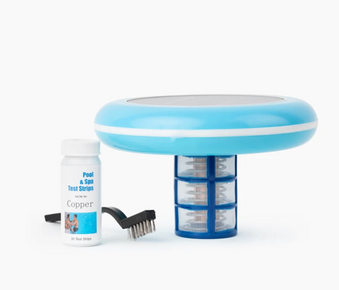
Keeping a swimming pool sparkling clean, crystal clear, and algae free is every pool owner's goal. But achieving that without relying on harsh chemicals can be a challenge. Over time, excessive chlorine damages pool liners, irritates skin and eyes, and increases long term maintenance costs.
That is where solar pool ionizers revolutionize pool care. These ecofriendly devices harness the power of sunlight and electrochemistry to purify water naturally. They represent a fundamental shift in pool maintenance philosophy, moving away from chemical dependent solutions toward sustainable, natural water purification methods.
At the heart of every solar pool ionizer lie two key components: the anode and the cathode. These two simple metals create the ionization process that keeps your pool water healthy, clear, and low in chemicals. Understanding these components is essential for maximizing your ionizer's performance and ensuring years of trouble free operation.
In this article, we will break down everything you need to know about them, from how they work and what they are made of, to cleaning, maintenance, and replacement tips. This comprehensive guide will transform you from a casual user to an informed expert in solar pool ionization technology.
Table Of Contents
- What Are the Anode and Cathode in a Solar Pool Ionizer?
- How Do the Anode and Cathode Work Together?
- The Role of Copper and Other Metals in the Ionization Process
- How Ionization Purifies Pool Water Naturally
- Signs That Your Anode or Cathode Needs Maintenance or Replacement
- How to Properly Clean and Maintain the Anode and Cathode
- Final Thoughts: Ensuring Longevity and Peak Performance
1. What Are the Anode and Cathode in a Solar Pool Ionizer?
Understanding the fundamental components of your solar pool ionizer is the first step toward effective maintenance and optimal performance. The anode and cathode represent the core technology that transforms solar energy into water purification power.
Understanding the Basics
The anode and cathode are the two electrodes responsible for generating ions that purify your pool water. Together, they form the electrical circuit that makes the ionization process possible. These electrodes work in concert to create a continuous, self regulating sanitation system that operates whenever sunlight is available.
When your solar ionizer floats in your pool, these electrodes remain submerged in the water while the solar panel captures sunlight above the surface. The entire system is elegantly simple yet incredibly effective, using basic principles of electrochemistry to maintain perfect water quality with minimal intervention.
Anode (Positive Electrode)
The anode is typically made of high purity copper, silver, or an alloy. It is the active component that releases positively charged ions (Cu²⁺) into the pool water. These copper ions prevent algae and bacteria from thriving. The anode is designed to erode gradually over time as it releases these beneficial ions, which means it will eventually need replacement after months of continuous service.
The quality of the anode material is crucial for consistent performance. High purity copper anodes provide the most reliable ion release, while alloy anodes may offer extended lifespan at the cost of slightly reduced ionization efficiency. The specific composition is engineered to provide optimal sanitation without rapid depletion.
Cathode (Negative Electrode)
The cathode, on the other hand, is made of stainless steel or another conductive material. It completes the electrical circuit and allows current to flow, enabling the anode to release ions efficiently. While the cathode does not actively release sanitizing ions, its role in maintaining the electrical circuit is absolutely essential for the ionization process to occur.
The cathode is typically constructed from corrosion resistant materials since it does not erode like the anode. High quality stainless steel or titanium cathodes can last for many years without replacement, providing reliable service throughout the life of your ionizer system.
Why They Matter
Without the anode and cathode, your solar pool ionizer would simply be a floating solar panel. These electrodes are the engine of your ionizer, transforming sunlight into natural pool sanitization. They are the components that actually perform the work of water purification, converting electrical energy into chemical action that keeps your pool clean and clear.
The relationship between anode and cathode is a perfect example of electrochemical partnership. The anode sacrifices itself to release protective ions, while the cathode enables this process to continue efficiently. This symbiotic relationship is what makes solar ionization such an effective and sustainable pool maintenance solution.

2. How Do the Anode and Cathode Work Together?
The collaboration between anode and cathode represents one of the most elegant applications of electrochemistry in residential water treatment. Understanding this process helps you appreciate the sophistication behind your seemingly simple solar ionizer.
The Science Behind Ionization
When sunlight hits the solar panel on top of the ionizer, it generates low voltage direct current (DC) electricity. This current flows between the anode and the cathode submerged in your pool water. The photovoltaic cells in the solar panel convert photon energy from sunlight into electrical energy, typically producing between 1.5 and 12 volts DC depending on the specific ionizer model and sunlight conditions.
As electricity passes through the system, several simultaneous processes occur. The anode releases copper ions (Cu²⁺) into the water through a process called oxidation. These ions are distributed evenly across the pool by your existing circulation system. The cathode attracts negative ions, balancing the circuit and ensuring steady current flow. This continuous cycle maintains optimal ion concentrations throughout your pool water.
This controlled ionization process effectively kills algae spores, bacteria, and fungi, keeping your pool clean without heavy chlorine use. The ions work at the cellular level, disrupting biological processes that allow microorganisms to thrive. This approach is fundamentally different from chemical oxidation, making it both more effective and more gentle on swimmers and pool equipment.
Electrolysis in Action
The process is called electrolysis, and it is 100 percent safe for your pool. It operates at a low voltage (around 1.5 to 2 volts), so there is no risk of shock. What is amazing is how this simple principle has been used for decades in water purification systems worldwide, from municipal water treatment to industrial applications and now residential pool care.
During electrolysis, water molecules are split into hydrogen and oxygen at the cathode, while metal atoms at the anode lose electrons and become positively charged ions. These ions then disperse throughout the pool water, creating a protective environment that is hostile to microorganisms but completely safe for swimmers. The entire process is automatic, continuous, and self regulating based on available sunlight.
The beauty of this system lies in its simplicity and reliability. There are no complex electronic controls, no timers to set, and no chemical levels to constantly monitor. The ionizer produces ions proportionally to the amount of sunlight available, which generally corresponds to periods of higher swimming activity and increased contamination risk.
3. The Role of Copper and Other Metals in the Ionization Process
The specific metals used in your ionizer's electrodes determine its effectiveness against different types of contaminants. Each metal brings unique properties that contribute to comprehensive water purification. Understanding these metals and their specific roles helps you appreciate why certain ionizer models perform better than others and what to look for when selecting or upgrading your system.
Copper: The Natural Algaecide
Copper is the star metal in most solar pool ionizers. When copper ions are released into your pool water, they perform several critical functions simultaneously. They disrupt the enzyme systems of algae and bacteria, interfering with essential metabolic processes that these microorganisms need to survive and reproduce.
This prevents these microorganisms from reproducing and forming green or yellow algae layers. Copper ions specifically target the photosynthetic pathways in algae cells, essentially starving them of energy while simultaneously damaging their cellular structures. This multi pronged approach makes copper exceptionally effective against all common types of pool algae, including green algae, mustard algae, and even the stubborn black algae that can be resistant to conventional chlorine treatments.
As a result, your pool stays clear, even under direct sunlight. Copper's algistatic properties create an environment where algae cannot establish footholds or develop resistance. The continuous presence of copper ions provides ongoing protection that prevents algae problems before they can begin, rather than reacting to existing blooms like traditional algaecides.
Beyond algae control, copper also exhibits moderate antibacterial properties, making it effective against common waterborne bacteria. The dual-action nature of copper working against both algae and bacteria makes it the foundational metal in virtually all pool ionization systems. Its proven track record in water purification dates back centuries, with historical evidence showing ancient civilizations used copper vessels to store and transport water safely.
Silver and Zinc Add Ons
Some high end solar pool ionizers use silver and zinc alongside copper for enhanced purification. These additional metals provide complementary benefits that create a comprehensive water treatment system capable of addressing multiple water quality challenges simultaneously.
Silver ions (Ag⁺) are known for strong antibacterial and antiviral properties. Silver works through multiple mechanisms, including binding to bacterial cell membranes and disrupting electron transport systems. It also interferes with DNA replication in microorganisms, preventing them from multiplying. Silver's broad spectrum antimicrobial action provides protection against waterborne pathogens that copper alone may not effectively address.
What makes silver particularly valuable is its effectiveness at extremely low concentrations often measured in parts per billion. This means even minimal silver ion release can provide significant sanitizing power without affecting water chemistry or safety. Silver is especially effective against bacteria like E. coli and Legionella, as well as many viruses that might be introduced by swimmers or environmental factors.
Zinc ions (Zn²⁺) help prevent scale buildup and metallic staining on pool walls. Zinc acts as a natural scale inhibitor by interfering with crystal formation processes. This is particularly valuable in areas with hard water, where calcium scale can be a persistent problem. Zinc also helps keep other metals in solution, preventing them from precipitating onto pool surfaces and causing stains.
The inclusion of zinc creates a self-regulating system that minimizes maintenance requirements. By preventing scale formation on the electrodes themselves, zinc helps maintain consistent ionization performance throughout the swimming season. Additionally, zinc contributes to water clarity by helping to remove existing scale and preventing new scale from forming on pool surfaces and equipment.
Advanced Metal Combinations
Some premium ionizers incorporate even more sophisticated metal combinations, including titanium substrates with precious metal coatings. These advanced systems offer extended electrode life and more precise control over ion release rates. Titanium provides exceptional corrosion resistance while serving as an excellent conductor, making it ideal for the cathode or as a base material for coated anodes.
The strategic blending of metals allows manufacturers to create electrodes with specific performance characteristics. Some are optimized for maximum ion output in the first few months, while others are engineered for consistent, long-term release. Understanding these differences helps you select the right replacement electrodes when maintenance time comes and ensures you get the performance characteristics that best match your pool's needs.
This combination makes the ionizer even more powerful, targeting bacteria, algae, viruses, and calcium scale all at once. The strategic use of multiple metals creates a synergistic effect where the whole system is more effective than the sum of its individual parts. This comprehensive approach means you can maintain perfect pool water chemistry with minimal additional chemical treatment while enjoying the benefits of truly balanced, naturally purified pool water.

4. How Ionization Purifies Pool Water Naturally
Understanding how ionization purifies water helps you appreciate why this method is superior to traditional chemical treatments for many pool maintenance applications.
No Harsh Chemicals
Traditional chlorine sanitation relies on oxidation, which kills bacteria but produces chloramines, leading to strong odors and irritation. Chloramines are responsible for the classic chlorine smell associated with pools and can cause eye redness, skin irritation, and respiratory discomfort for sensitive individuals.
In contrast, ionization destroys microbes without chemical reactions. It is purely a physical and biological disruption process. The metal ions work by interfering with cellular processes in microorganisms, causing them to die without creating irritating chemical byproducts. This results in water that feels softer, smells fresher, and is more comfortable for swimmers of all ages.
The Continuous Purification Cycle
Once the copper ions are released into your pool water, they begin an ongoing purification process that continues as long as your ionizer receives sunlight. These ions circulate throughout the pool, carried by your existing water circulation system. They attach to negatively charged microorganisms through electrostatic attraction.
They disrupt the cell structure, preventing growth. The ions penetrate cell walls and interfere with essential biological processes, including enzyme function, energy production, and reproduction. This multi faceted approach makes it difficult for microorganisms to develop resistance, ensuring consistent performance season after season.
Over time, the water becomes naturally balanced and stays clear for weeks. The continuous ion release maintains a protective concentration that prevents new contamination while gradually reducing existing microbial populations. This creates a stable, healthy aquatic environment that requires minimal additional chemical treatment.
Key Benefits of Ionization
Reduces chlorine use by up to 90 percent, significantly lowering chemical costs and environmental impact. This reduction translates to substantial savings over the swimming season while minimizing your pool's chemical footprint.
Prevents algae growth even in warm climates where algae problems are most challenging. The continuous ion presence creates an environment where algae cannot establish themselves, regardless of temperature or sunlight conditions.
Makes water softer and gentler on skin and eyes. Without high chlorine levels and chloramine byproducts, swimmers experience less irritation and enjoy a more natural swimming experience.
Environmentally friendly and energy efficient. Solar powered operation means zero energy costs, while reduced chemical usage minimizes environmental impact from manufacturing, transportation, and pool drainage.
5. Signs That Your Anode or Cathode Needs Maintenance or Replacement
Recognizing the early warning signs of electrode issues can prevent pool water hardness problems and extend your ionizer's operational life. Regular monitoring helps you address problems before they affect your swimming experience.
Visual Signs
The anode looks thin or pitted after extended use. A healthy anode should show gradual, even wear. If you notice significant reduction in diameter, particularly at the tips where ionization is most active, or deep pitting and irregular erosion patterns, these indicate that replacement is needed soon.
White calcium or mineral buildup appears on the rods. While some minor scaling is normal, heavy white deposits indicate that cleaning is needed. Scale formation creates a barrier between the electrode and water, reducing ionization efficiency and potentially leading to uneven wear.
The water starts turning slightly cloudy, indicating reduced ion output. Cloudy pool water often appears before visible algae growth, serving as an early warning that ion concentrations have dropped below optimal levels. This is typically one of the first signs that maintenance is needed.
Performance Signs
Algae start forming despite consistent sunlight. If you notice green, yellow, or black spots developing in your pool, particularly in corners, steps, or other areas with reduced circulation, this indicates that ion levels are insufficient to prevent algae growth.
You notice reduced electrical activity (check using an ion test strip). Regular testing of copper ion levels provides quantitative data about your system's performance. Levels consistently below 0.2 ppm indicate that electrode efficiency has declined and maintenance or replacement is needed.
The device stops maintaining the same clarity levels as before. If your water loses its sparkle or develops a persistent haze despite normal chemical balance and filtration, this suggests that ionization is no longer providing adequate supplemental sanitation.
Pro Tip
Most copper anodes last 6 to 12 months, depending on pool size and usage. Always check your manufacturer's replacement guide. Factors that affect anode life include pool volume, swimmer load, water chemistry, and sunlight exposure. Keeping a maintenance log helps you predict when replacement will be needed based on your specific conditions.

6. How to Properly Clean and Maintain the Anode and Cathode
Proper maintenance ensures optimal performance and extends your ionizer's operational life. Following these detailed procedures will keep your system functioning at peak efficiency throughout the swimming season. Regular maintenance not only preserves your investment but also guarantees consistent pool water hardness and reduces your reliance on supplemental chemicals. A well-maintained ionizer operates more efficiently, uses less solar energy to achieve the same purification results, and provides more reliable protection against algae and bacteria.
Routine Cleaning Steps
Turn Off and Remove the Ionizer. Always remove the unit from the pool before cleaning. Begin by turning off your pool pump at the circuit breaker for safety. This crucial step prevents water flow from interfering with the removal process and eliminates any electrical risks. Carefully unscrew the ionizer from the return jet fitting, being gentle with the connection points to avoid damage to the threads or housing. Place the unit on a soft, clean surface like a towel or foam pad to prevent scratching the solar panel or damaging delicate components. Take this opportunity to inspect the exterior housing for any cracks or damage that might compromise water resistance.
Detach the Electrode Assembly. Most units have a simple twist-off design, though some premium models may feature quick-release mechanisms or threaded compartments. Follow your manufacturer's specific instructions for accessing the electrodes, as improper disassembly can void warranties or damage sensitive components. Typically, this involves unscrewing the ionization chamber counterclockwise to expose the anode and cathode. Take note of how components fit together, considering taking photos during disassembly to ensure proper reassembly. Pay attention to the orientation of electrodes and any alignment marks that indicate correct positioning.
Brush the Electrodes. Use a wire brush or non-abrasive scouring pad to remove scale buildup. Avoid steel wool or harsh abrasive cleaners that can scratch the metal surfaces and create areas for future scale accumulation. For stubborn deposits that resist brushing, use a plastic pick or wooden toothpick rather than metal tools that could damage electrode surfaces. A soft bristle pool brush is ideal for routine cleaning, while more stubborn scale may require soaking in a vinegar solution (one part white vinegar to three parts water) for 15-30 minutes before brushing. For particularly resistant mineral deposits, some manufacturers recommend using a commercial descaling solution specifically formulated for pool ionization systems.
Rinse Thoroughly. Use clean, running water to rinse off any debris or calcium flakes, ensuring all visible residue is removed from both electrodes and the ionization chamber. Distilled water is ideal for the final rinse as it prevents new mineral deposits from forming and leaves no residue. Ensure all cleaning solution residues are completely removed, as these could affect water chemistry or electrode performance. Pay special attention to crevices and connection points where cleaning solutions might accumulate. Allow the components to air dry completely or gently pat dry with a soft, lint-free cloth before reassembly.
Reassemble and Refloat. Once clean and dry, reattach all components according to your earlier notes or photographs. Ensure all connections are hand-tight but not over-tightened, as excessive force can damage threads or crack housings. Check that O-rings and gaskets are properly positioned, undamaged, and lightly lubricated with silicone grease if recommended by the manufacturer. Restore power to your pool pump and observe operation for several minutes to confirm proper function. Watch for bubbles around the electrodes, which indicate active ionization, and ensure the unit floats properly without taking on water.
Replacing the Anode
When the anode wears down to less than 50 percent of its original size, it's time to replace it. Significant reduction in diameter, deep pitting, or irregular wear patterns also indicate that replacement is needed. Continuing to use a severely worn anode can lead to inadequate sanitation and potential water quality issues, including algae growth and bacterial growth. Some advanced ionizers feature visual indicators or wear lines that make replacement timing obvious, while others require periodic measurement and comparison to new electrode specifications.
Most manufacturers offer replacement copper anodes that can be easily installed using the same assembly procedures. When selecting replacement electrodes, choose the same metal composition as your original anode unless you're specifically changing your sanitation approach. Ensure the replacement matches your specific ionizer model and meets the same quality standards as the original component. Consider upgrading to higher purity metals or advanced alloys if available, as these often provide longer service life and more consistent ion release. Always replace O-rings and gaskets during anode replacement to maintain proper sealing and prevent water intrusion.
Advanced Maintenance Considerations
For optimal performance, consider implementing a maintenance log to track cleaning schedules, replacement dates, and performance observations. This documentation helps identify patterns and predict future maintenance needs. Additionally, periodically inspect the solar panel surface for dirt, debris, or mineral deposits that could reduce energy conversion efficiency. Clean the panel with a soft cloth and mild detergent if necessary, taking care not to scratch the protective surface coating.
If you notice inconsistent performance between cleanings, test your pool water's total dissolved solids (TDS) and calcium hardness levels. High mineral content can accelerate scale formation and reduce ionization efficiency. In areas with very hardness of water, consider using a supplemental scale inhibitor or installing a whole-house water softener to extend time between cleanings and improve overall system performance.
Maintenance Tips
Clean the electrodes every 2 to 4 weeks during heavy pool use. Regular cleaning prevents scale buildup from becoming severe and maintains optimal ionization efficiency. The frequency may vary based on your water hardness, usage patterns, and environmental conditions. Pools in hard water areas or those experiencing heavy use may require bi-weekly cleaning, while softer water or lighter usage might extend intervals to monthly maintenance.
Store the ionizer indoors during off-season to prevent unnecessary wear. Proper storage protects against freezing damage, UV degradation, and accidental damage. Clean and dry the unit thoroughly before storage, paying special attention to ensuring no moisture remains in the electrode chamber. Keep it in its original packaging if possible, or store in a clean, dry container away from temperature extremes and direct sunlight.
Test copper levels weekly (ideal range: 0.2 to 0.5 ppm). Regular testing provides early warning of declining performance and helps you maintain optimal ion concentrations. Document your test results to identify trends and predict maintenance needs. Consider using digital ion testers for more accurate readings than traditional test strips, especially when fine-tuning your maintenance schedule or troubleshooting performance issues.
Establish a seasonal maintenance routine that includes comprehensive inspection of all components, verification of floatation integrity, and testing of electrical connections. This proactive approach identifies potential issues before they affect performance and ensures your ionizer provides reliable service throughout the swimming season.

7. Final Thoughts: Ensuring Longevity and Peak Performance
Your anode and cathode are the heart of your solar pool ionizer. When properly maintained, they ensure that your pool water remains clean, safe, and naturally balanced, without relying heavily on chlorine or other chemicals. These simple yet sophisticated components represent the convergence of ancient water purification knowledge and modern solar technology.
By following a simple cleaning schedule, replacing worn parts on time, and keeping your device in direct sunlight, you can extend its lifespan significantly. The minimal time investment in proper maintenance pays substantial dividends in water quality, equipment longevity, and overall swimming enjoyment. Consistent care ensures that your ionizer continues to provide reliable performance season after season.
Why It Matters
A well cared for ionizer can last for several years with consistent performance. High quality solar ionizers, when properly maintained, can provide 3 to 5 years of reliable service before needing significant component replacement. This longevity makes them an excellent investment in sustainable pool care.
Save you hundreds of dollars annually on chemicals. The reduction in chlorine, algaecides, and other pool chemicals typically pays for the ionizer within the first two swimming seasons. Ongoing savings continue year after year, making solar ionization one of the most cost effective pool maintenance solutions available.
Reduce your environmental impact while keeping your pool healthy. By minimizing chemical usage and operating entirely on solar power, you are contributing to a cleaner environment while maintaining a healthier swimming environment for your family and friends.
Ultimately, understanding and caring for the anode and cathode is not just about maintenance, it is about embracing a smarter, greener way to enjoy your pool. This knowledge transforms you from a passive consumer of pool chemicals to an active manager of a sustainable water treatment system. The satisfaction of maintaining crystal clear water through natural processes is both rewarding and empowering, representing the future of responsible pool ownership.