Keeping a pool in perfect condition shouldn’t require constant testing, tweaking, and rebalancing. For many pool owners, the most frustrating part of pool ownership is the feeling that water chemistry and equipment settings need attention every few days. Minimizing pool adjustments throughout the season is not only possible it’s achievable with the right planning, tools, and habits.
A proactive approach to pool care helps stabilize water conditions, reduce chemical fluctuations, and limit the need for emergency fixes. By focusing on consistency rather than reaction, pool owners can enjoy clearer water, better equipment performance, and a more relaxing swimming experience from early spring through late fall.
This guide will walk you through the essential strategies to create a self-regulating pool system. From mastering your initial water balance to utilizing modern maintenance technologies, you will learn how to establish routines that prevent problems before they start, dramatically reducing the time and effort required for seasonal upkeep.
Table of Contents
- Why Pools Require Frequent Adjustments
- Establishing Stable Water Chemistry Early
- Optimizing Circulation and Filtration for Consistency
- Reducing Chemical Fluctuations Over Time
- Preventing Algae and Cloudy Water Before They Start
- Using Smart Tools to Maintain Seasonal Balance
- Final Thoughts: A Smarter, Low-Adjustment Pool Season
Why Pools Require Frequent Adjustments
Pools are complex aquatic systems that exist in a constant state of interaction with their environment and the people who use them. This dynamic nature means conditions are never truly static, creating a natural need for regular monitoring and maintenance. The challenge for pool owners is not the existence of change itself, but managing it in a way that prevents small fluctuations from escalating into significant problems that demand immediate, disruptive corrections. A pool is not a static bathtub of water; it is a living, breathing ecosystem that responds to sunlight, wind, rain, and human activity. Each of these inputs alters the delicate equilibrium of the water, demanding a corresponding response to maintain safety, clarity, and comfort.
The primary factors driving frequent adjustments include environmental influences, usage patterns, and mechanical system performance. Weather events like rainfall or intense sunlight alter water chemistry by diluting sanitizer levels or accelerating their breakdown. Each swimmer introduces organic contaminants such as sweat, oils, and lotions, which consume sanitizer and can cause cloudy pool water. The equipment itself, including pumps and filters, requires consistent operation and maintenance to perform its essential role of circulating and cleaning the water. When any of these elements falls out of a delicate balance, the result is often a cycle of testing and corrective chemical additions that feels never-ending to the pool owner. This cycle is frustrating precisely because it feels unpredictable, but in reality, the forces at play are predictable and manageable with the right knowledge.
The Domino Effect of Imbalance
Understanding how pool systems are interconnected reveals why small, unchecked changes can quickly spiral. A problem in one area rarely stays contained; it triggers a cascade of secondary issues that compromise water quality, equipment efficiency, and swimmer comfort. This systemic vulnerability means that addressing only the visible symptom, like cloudy water, without diagnosing the root cause, like poor circulation, guarantees the problem will return. The feeling of constantly playing catch-up stems from this reactive approach to a fundamentally interconnected system. Consider the pool as a network where the chemical balance, hydraulic efficiency, and environmental load are all in constant communication. A failure in one node of this network sends stress signals throughout the entire system, manifesting as problems in seemingly unrelated areas. Only by viewing the pool holistically can an owner move from fighting symptoms to managing the root causes of instability.
-
The Impact of Sunlight and Temperature: Ultraviolet rays from the sun act as a powerful, continuous oxidizer, breaking down free chlorine molecules at a rapid pace. During peak summer conditions, a pool can lose over half of its active sanitizer reserve in just a few hours of direct exposure. This creates a daily cycle of depletion that must be actively managed. Simultaneously, rising water temperatures accelerate all chemical processes within the pool. This increased kinetic energy causes sanitizers to work faster but also deplete more quickly. It influences the solubility of minerals like calcium, making scaling more likely as water becomes warmer and evaporates. The combined effect of UV degradation and thermal acceleration means the chemical demand of a pool is not a constant but a variable that peaks dramatically on hot, sunny days, demanding precise and timely intervention to prevent a sanitizer deficit that opens the door to microbial growth.
Beyond simple depletion, sunlight and heat alter the very nature of chemical relationships in the water. Warmer water holds less dissolved gas, causing carbon dioxide to outgas more readily. This outgassing is a primary driver of pH increase, as the water becomes more basic. A high pool pH level, in turn, reduces the effectiveness of the remaining chlorine, making it less potent at killing bacteria and oxidizing contaminants. So, the sun is not just burning off chlorine; it is also creating conditions where the chlorine that remains becomes less capable. Furthermore, evaporation concentrates everything left in the water calcium, cyanuric acid, salts, and other dissolved solids. This concentration can push the water balance toward scaling, where minerals precipitate out and form rough deposits on surfaces and inside equipment. Therefore, a sunny, hot week doesn't just require more chlorine; it may also require acid additions to control pH, monitoring of calcium hardness, and potentially even partial water dilution to manage total dissolved solids. This multidimensional impact is why a single weather pattern can necessitate adjustments across multiple chemical parameters.
-
The Introduction of Organic Contaminants: Every element introduced from outside the pool's controlled environment represents an organic load that the water treatment system must process. Swimmers are the primary source, bringing in sweat, body oils, cosmetics, and residues that consume sanitizer. Environmental debris like leaves, grass clippings, pollen, and dust decompose in the water, releasing nutrients that feed algae and bacteria. A single windstorm or a weekend pool party can introduce a surge of organic material that overwhelms the standard sanitizer level. When the sanitizer is occupied oxidizing this sudden influx, its concentration drops, and its protective capacity diminishes. This creates a critical window where algae spores, always present in the air and water, can attach to pool surfaces and begin to colonize without opposition. By the time the water shows a green tint, the biological imbalance is already advanced, requiring a intensive, multi-step remediation process that involves shock treatment, brushing, and filtration over several days.
The chemistry of this process is a relentless demand on the sanitizer. When chlorine reacts with swimmer waste like urea or ammonia, it forms combined chloramines. These compounds are poor sanitizers, cause eye and skin irritation, and produce that distinctive "chlorine smell" many associate with public pools. The presence of chloramines signals that the free, active chlorine has been used up in fighting contaminants and is now tied up in an ineffective form. To break these chloramines apart and restore sanitizing power, a large dose of oxidizer—a shock treatment is required. This cycle of contamination, chlorine consumption, chloramine formation, and shocking is a core reason for frequent chemical adjustments. The load is not constant. A pool with no swimmers for three days has a low, predictable demand. That same pool with ten swimmers for an afternoon has a demand that spikes exponentially. Failure to anticipate and meet this spike is what leads to the water feeling "off," causing red eyes, and creating the conditions for cloudiness and algae to follow. Managing the organic load is therefore not just about cleaning visible debris; it is about understanding the invisible biochemical demand placed on the water by its users and environment.
-
Inadequate Circulation and Filtration: Water movement is the delivery system for everything in pool care. Without it, chemicals sit in one place, heat stratifies, and debris settles. Dead zones, areas with little to no flow, become havens for problems. In these spots, chlorine is not replenished, allowing algae to gain a foothold on the walls or floor. Debris that settles is not carried to the skimmer, where it instead decomposes and clouds the water. A pool filtration system is the pool's kidney, designed to remove suspended particles. A filter clogged with debris or one that is too small for the pool's volume cannot perform this cleansing function. The water becomes turbid, and the sanitizer must work double duty to try to oxidize contaminants that should have been physically removed. This strain leads to faster chemical consumption. Often, persistent issues with water clarity or recurring algae in the same spot are not chemical failures at all but symptoms of a hydraulic shortcoming where the water simply is not moving enough or being cleaned effectively.
The consequences of poor circulation are both immediate and cumulative. In the short term, you get localized problems: a patch of algae in a corner, a film on the water surface near the steps, or dirt that always settles in the same spot on the floor. The owner's response is typically to pour more chemicals into the water, but if the water isn't moving, those chemicals never reach the problem area in sufficient concentration. This leads to the frustrating experience of "treating" the pool without seeing improvement. Cumulatively, poor filtration allows the gradual buildup of dissolved solids and microscopic particles. These particles scatter light, making the water look perpetually hazy or dull, even if chemical tests appear normal. This haze can shield bacteria and algae from UV light and sanitizer, making them harder to kill. Furthermore, a pump struggling against a clogged filter works harder, drawing more electricity and wearing out its seals and bearings more quickly, leading to premature mechanical failure. Thus, a neglected filter doesn't just make the water look bad; it increases chemical costs, energy bills, and the likelihood of expensive equipment repairs, creating a feedback loop of maintenance issues.
-
The Human Factor of Chemical Management: Pool maintenance has a steep learning curve, and common errors perpetuate the cycle of adjustment. The most frequent mistake is over-correction: adding a full dose of acid to lower a slightly high pH, only to find the level has plunged too low, now requiring an alkalinity increaser to stabilize it. This seesaw effect creates more work and wastes chemicals. Inaccurate testing, whether from faded reagent bottles, improper sample techniques, or misread color charts, leads to decisions based on faulty data. Without a consistent schedule, maintenance becomes reactive. An owner might ignore the pool for a week, then be forced to perform a major chemical overhaul to fix problems that developed slowly but surely during that time. This pattern of neglect followed by aggressive treatment is the antithesis of stability. It trains the pool owner to believe that drastic measures are normal, when in fact, they are usually the result of a missed opportunity for a small, preventative adjustment days earlier.
This human factor extends to a fundamental misunderstanding of how pool chemicals interact. Many owners view each parameter pH, alkalinity, chlorine, hardness in isolation. They do not realize that adjusting one invariably affects the others. For instance, adding large amounts of calcium hypochlorite shock (a common product) not only raises chlorine but also increases calcium hardness and can raise pH. Adding sodium bicarbonate to raise alkalinity will also nudge the pH upward. Failing to account for these secondary effects is like trying to tune one string on a guitar without checking how it affects the tension on the others; the result is an instrument that is never truly in tune. Compounding this is the natural desire for a quick fix. Cloudy water prompts a shock treatment and a clarifier. But if the cloudiness was caused by a dirty filter, the clarifier will just load the filter faster, and the underlying issue remains. This cycle of treating symptoms with products, rather than diagnosing causes with process, is expensive and exhausting. It creates the very "constant tweaking" that pool owners seek to avoid, all while the root causes perhaps a simple need for longer pump run time or more frequent brushing go unaddressed.
Each of these factors does not operate in a vacuum. They are threads in a single tapestry. A period of hot, sunny weather (environmental) evaporates water and concentrates chemicals. A family barbecue (organic) adds a bather load that consumes the already-stressed sanitizer. If the pump's timer was set for a shorter, cooler-weather schedule (mechanical), the added chemicals never fully circulate. The owner, testing the next day, sees zero chlorine and adds a large amount of shock (human factor), potentially overshooting and causing other parameters to swing. This interconnectedness is the core reason why pool care can feel like a constant, confusing battle. The path to a simpler season lies in understanding these connections and implementing a plan that manages them proactively, breaking the chain of reaction before it can begin. It requires shifting from a product-focused mindset to a process-focused one, where the goal is not to have the perfect chemical in the cabinet, but to establish the perfect routine that maintains equilibrium despite the constant forces trying to disturb it.

2. Establishing Stable Water Chemistry Early
The foundation for a low-maintenance pool season is poured during the opening process. Starting with water that is perfectly balanced and clean sets a predictable trajectory for the entire summer. Think of it like tuning a musical instrument before a performance; if it starts in tune, only minor adjustments are needed to keep it sounding perfect, even during a long concert. This principle is paramount for anyone seeking to reduce the time spent adjusting their pool. The initial effort you invest in achieving precise chemical harmony pays exponential dividends in stability, creating a system that resists dramatic fluctuations and responds predictably to routine maintenance. A pool opened with haphazard or "close enough" chemistry is like a building erected on a shaky foundation it may stand, but it will require constant, stressful shoring up as the seasons apply their pressures.
Stable beginning chemistry does more than just look good on a pool test strip. It creates a protective environment for the pool's surfaces and equipment. Water that is balanced according to the Langelier Saturation Index is neither corrosive (which can etch plaster and damage metal components) nor scale-forming (which can clog pipes and reduce heater efficiency). It also allows your chosen sanitizer, whether chlorine, a mineral system, or salt, to work at its maximum effectiveness. When these core parameters are locked in from day one, the pool becomes far more resilient to the inevitable environmental changes it will face, requiring smaller, less frequent corrections. This initial stability acts as a chemical buffer, absorbing the impact of a rainstorm, a spike in swimmers, or a heat wave without immediately crashing into a state of imbalance. The water develops a kind of "memory" for balance, a tendency to return to its set points because the foundational buffers are correctly established, making your weekly maintenance a matter of gentle guidance rather than forceful correction.
The Pillars of Opening Day Balance
A systematic approach to spring opening ensures no critical step is missed in establishing this crucial stability. Rushing this process or altering the sequence is the most common reason new seasons begin with immediate problems like cloudiness, algae, or surface damage. Each step prepares the water for the next, building a stable platform layer by layer. Skipping the physical cleaning means your chemicals will be wasted fighting visible debris. Balancing alkalinity after pH will cause the pH to bounce uncontrollably. This methodology is not arbitrary; it is based on the chemical precedence of water balance, where certain parameters provide the stable platform upon which others can be effectively adjusted. Following this protocol transforms opening from a daunting chore into a logical, successful series of actions with a guaranteed outcome: a pool ready for enjoyment, not emergency treatment.
-
Complete System Cleaning and Inspection: Before adding a single chemical, the physical pool must be prepared. This means removing all winter debris, thoroughly brushing all surfaces to dislodge any biofilm or algae spores, and vacuuming to waste to eliminate that debris from the system entirely. The filter should be opened, cleaned, or provided with fresh media. Pump baskets should be emptied, and return jets should be checked for proper orientation. This step removes the organic and physical load that would otherwise consume chemicals from the very start, giving you a clean slate.
This is the most physically demanding but critical phase. The water under the winter cover is not just dirty; it's a biochemical soup. Leaves have decomposed, releasing tannins that stain and phosphates that feed algae. A slick biofilm, a precursor to algae colonies, coats the walls. If you simply remove the cover and start adding chlorine, that chlorine will be instantly consumed in a furious, losing battle against this massive organic load. You would use gallons of shock with little improvement. Instead, you must physically remove as much of this material as possible. Brushing is non-negotiable; it scrubs the biofilm from the plaster, vinyl, or fiberglass, suspending it in the water where it can be captured. Vacuuming to "waste" bypasses the filter and sends the stirred-up debris out of the pool entirely, preventing it from clogging your clean filter media. Meanwhile, inspecting and servicing the equipment lubricating pump seals, ensuring filter grids are intact, confirming valves move freely ensures the mechanical system is ready to perform its vital role of distributing and filtering the balanced water you are about to create. This step is about resetting the pool to a neutral, inert state, ready to receive and hold chemistry.
-
The Critical Balancing Sequence: Chemicals must be added in a specific order to prevent them from interfering with each other. First, address Total Alkalinity. This acts as a buffer for pH, helping to prevent wild swings. Raising or lowering it to the ideal range of 80-120 ppm is the first priority. Once alkalinity is stable, adjust the pH to the ideal range of 7.4 to 7.6. With pH and alkalinity set, then address Calcium Hardness, aiming for 200-400 ppm depending on your pool surface type. Finally, establish your sanitizer level. For chlorine pools, this means shocking the pool to a high level initially to oxidize any remaining contaminants, then letting it settle to a normal 1-3 ppm maintenance range.
This sequence is the golden rule of understanding pool water chemistry for a profound reason. Total Alkalinity (TA) is the measure of dissolved bicarbonate and carbonate in the water. Think of it as the water's chemical shock absorber. If TA is too low, any acid or base you add will cause the pH to swing violently. If you adjust pH first with a low TA, the moment you then add alkalinity increaser, the pH will jump again, undoing your work. By setting TA first, you create a stable platform. Once TA is correct, adjusting pH becomes a precise, one-time event that will hold. With pH and TA locked in, you can accurately assess Calcium Hardness. The solubility and scaling potential of calcium is directly influenced by pH and TA. Adjusting hardness with unstable pH/TA is pointless, as the reading will change once those are corrected. Finally, with all the balancing parameters set, you introduce the sanitizer. Chlorine's effectiveness is heavily dependent on pH; at a pH of 7.5, chlorine is about 50% effective, but at a pH of 8.0, it's only about 20% effective. Adding chlorine before correcting pH means you'll need far more of it to achieve the same sanitizing power, wasting money and potentially creating chloramine byproducts. This ordered approach is efficient, saves chemicals, and ensures each parameter supports the next, resulting in a truly integrated, stable balance.
-
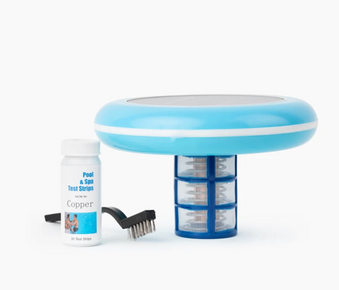
Introducing Stabilizer and Specialty Chemicals: Cyanuric Acid, or stabilizer, is essential for outdoor chlorine pools as it protects chlorine from rapid UV degradation. Its level should be brought to 30-50 ppm at opening. For pools using alternative systems, such as a solar pool ionizer, the opening procedure includes verifying the system's output, cleaning the electrodes, and establishing the correct mineral ion level (typically 0.3-0.4 ppm copper) to provide a background level of algae prevention. This integration from day one ensures a multi-faceted defense.
This step moves beyond basic balance to implementing a long-term stabilization and protection strategy. Cyanuric Acid (CYA) acts like sunscreen for chlorine. Without it, the sun's UV rays would destroy free chlorine in a matter of hours, making it impossible to maintain a protective residual. However, like all things in pool chemistry, it requires balance. Too little CYA and chlorine burns off too fast; too much (over 80 ppm) and it "locks up" the chlorine, making it sluggish and ineffective a condition known as "chlorine lock." Establishing the correct 30-50 ppm range at opening is crucial because CYA is persistent; it does not evaporate or get used up. It can only be lowered by draining water. For pools employing supplemental or alternative systems, this is the stage for integration. A solar ionizer, for example, should be reinstalled, its solar panel cleaned for maximum efficiency, and its electrodes inspected for wear or scaling. The system is then activated and run to establish its baseline mineral output. The goal is to achieve a measurable, trace level of copper ions (0.3-0.4 ppm) that provides continuous, low-level algaestatic action. This creates a powerful one-two punch: the chlorine (stabilized by CYA) handles bacteria and oxidation, while the copper ions specifically inhibit algae growth, reducing the frequency of needed shock treatments and algaecides. Starting the season with both systems operational and calibrated means they work synergistically from the outset.
-
Verification and System Run-Time: After all chemicals have been added and allowed to circulate for at least 24 hours, perform a complete set of tests again. Verify all levels are within their ideal ranges. This confirmation step is crucial. Simultaneously, establish the pump's daily run schedule. In spring, with cooler water and lower bather loads, you may start with 8-10 hours of circulation per day. This consistent water movement is what distributes the balanced chemistry you've worked to establish, ensuring every gallon of water passes through the filter and is treated.
The opening process is not complete with the last chemical pour. It is complete only after verification. A 24-hour circulation period allows every additive to fully dissolve, disperse, and interact. The water temperature equalizes, and gases equilibrate. Testing at this point provides the true baseline the "opening day signature" of your pool's chemistry. This verified data point is what you will strive to maintain. Any deviation in the coming weeks can be measured against this known-good starting point, making diagnosis far easier. Concurrently, you must establish the hydraulic heartbeat of the pool: the pump schedule. Circulation is the delivery mechanism for your perfect chemistry. A good starting rule is to run the pump long enough to achieve at least one complete turnover of the entire pool volume per day. For many pools, this translates to 8-12 hours in the spring. This run time should be split into two cycles (e.g., 4 hours morning, 4 hours evening) to prevent long periods of stagnation. This consistent movement ensures that the sanitizer from the feeder, the minerals from the ionizer, and the heat from the heater are evenly distributed to every corner, preventing the dead zones where problems begin. It also ensures the filter is processing the entire volume of water daily, capturing the fine particles that brushing stirred up. Setting this routine from day one institutionalizes stability, making crystal-clear pool water and simple maintenance the default state, not an occasional achievement.
Mastering the opening process is the single most impactful action a pool owner can take to ensure a low-maintenance season. It is an investment of time and focus that pre-pays months of weekend leisure. By methodically cleaning, balancing in the correct sequence, integrating stabilization systems, and verifying the results with proper circulation, you construct a pool environment that possesses intrinsic stability. This foundation does not eliminate the need for maintenance, but it radically transforms its nature. Instead of frantic corrections to green water or cloudy haze, your maintenance becomes a gentle, weekly process of small additions and checks a subtle steering of a ship already on a calm, steady course. The confidence that comes from knowing your pool began the season perfectly in tune is the first and greatest step toward a summer defined by enjoyment, not adjustment.

3. Optimizing Circulation and Filtration for Consistency
Circulation is the unsung hero of pool maintenance. It is the cardiovascular system of your pool, responsible for delivering life-giving sanitizer and heat to every corner while carrying away waste products to the filter. Without excellent circulation, even perfect chemistry becomes ineffective because it cannot reach all areas of the pool. Optimizing this system is a non-negotiable step in creating a stable, low-adjustment aquatic environment. The water in your pool is not a homogenous entity; it is a collection of micro-environments that can differ dramatically in chemical composition, temperature, and biological activity. Proper circulation acts as the great equalizer, constantly homogenizing these disparate zones into a single, manageable body of water. It transforms the pool from a collection of potential problem spots into a unified system that responds predictably to treatment.
Filtration works hand-in-hand with circulation. As water is pumped through the filter, physical debris and microscopic contaminants are trapped and removed. A clean, efficient filter is essential for maintaining water clarity and reducing the burden on chemical sanitizers. When circulation and filtration are optimized, they create a powerful mechanical cleaning force that works continuously in the background. This dramatically reduces the frequency of major chemical interventions needed to combat problems caused by stagnation and poor water quality. Filtration is the silent partner to circulation's active motion. While circulation stirs the pot, filtration cleans it. A filter does more than just catch leaves; it removes the tiny particles that scatter light and cause cloudiness, the microscopic algae spores before they can bloom, and the fine silt that provides a foothold for biofilm. This mechanical removal is pure efficiency it eliminates contaminants permanently from the water column, whereas chemicals merely change their form. Together, a well-designed circulation pattern and a meticulously maintained filter constitute the physical backbone of pool health, doing the heavy lifting so your chemicals can perform their specialized roles with precision and economy.
Strategies for Peak Hydraulic Efficiency:
- Calculating and Implementing Dynamic Run-Time Schedules: The old rule of running the pump for 8 hours a day is a generic starting point. A more scientific approach involves calculating your pool's turnover rate and using a variable-speed pump to run longer at lower speeds for 1.5 to 2 full turnovers daily. This creates constant water movement, prevents thermal and chemical stratification, improves fine particle filtration, and ensures steady sanitizer delivery. Run times must be adjusted seasonally, with longer cycles in summer and shorter in spring and fall.
- Strategic Flow Management and Precision Jet Positioning: Volume without direction is wasted energy. Return jets for pools should be angled downward at 45 degrees and pointed in a uniform direction to create a gentle, continuous circular current around the pool perimeter. This engineered flow pushes surface debris toward skimmers, eliminates stagnant dead zones behind ladders or in coves, and encourages bottom-to-top mixing for uniform temperature and chemistry.
- Proactive and Regimen-Based Filter Maintenance: A filter's efficiency declines as it loads. Operating a clogged filter is a hidden cause of poor circulation and water problems. Establish a proactive cleaning schedule: deep clean cartridges every 4-6 weeks, backwash sand/D.E. filters based on pressure rise and time, and perform a chemical clean of media annually. A pristine filter polishes water clarity, reduces chemical demand, and protects pump health.
- Integrating Circulation with Advanced Sanitation Systems: For systems like salt chlorine generators or solar ionizers, circulation is critical for distribution. Pump run time must be synchronized with sanitizer production. For a solar ionizer, the pump should run during peak sunlight hours to capture and distribute newly generated mineral ions throughout the pool via the return jets, preventing localized concentration and ensuring comprehensive protection.
The pool's existing circulation system works in perfect partnership with all sanitation methods to distribute chemicals and heat evenly throughout the entire water volume. As water moves through the filtration system, it captures and transports sanitizer from its point of introduction whether from a floating dispenser, an in-line feeder, or a solar pool ionizer to every corner of the pool. The return jets then create directional flows that establish a continuous mixing process, maintaining consistent chemical concentrations from surface to floor and wall to wall. This sophisticated partnership between mechanical circulation and chemical introduction creates a comprehensive distribution network that ensures every milliliter of pool water receives adequate treatment and protection. The system is designed to work with all common circulation patterns and is fundamental to achieving a stable, low-maintenance aquatic environment.
Integrated Hydraulic System Components:
- Variable-Speed Pump Intelligence: Modern pumps that can be programmed for different speeds and durations, allowing for energy-efficient, extended filtration cycles that provide constant water movement and superior chemical distribution compared to single-speed pumps.
- Return Jet Optimization: Strategic angling and positioning of water return inlets to create optimal flow patterns that eliminate dead zones, direct debris toward skimmers, and ensure full-volume mixing without creating uncomfortable currents for swimmers.
- Skimmer and Main Drain Balance: Proper adjustment of suction valves to balance pull between surface skimmers and the main floor drain, ensuring efficient surface debris removal while maintaining adequate flow for the pump and preventing vortex-induced air entrapment.
- Filtration System Synergy: The coordinated operation of the pump, filter, and plumbing to maintain optimal flow rates and pressure, ensuring maximum particle removal and preventing channeling or bypass that reduces filtration effectiveness.
- Automation System Integration: Timers, controllers, and sensors that manage pump schedules, filter cleaning cycles, and can synchronize operation with other systems like heaters or sanitizer generators for fully automated pool management.
Beyond the primary mechanical systems, several secondary natural processes contribute significantly to water movement and mixing within the pool. Thermal convection currents caused by temperature differences between sun-warmed surface water and cooler deep water create continuous vertical mixing that prevents stratification of chemicals and heat. Swimmer activity generates turbulent eddies and currents that enhance distribution far beyond what mechanical systems alone achieve. Even wind moving across the pool surface creates currents that aid in horizontal mixing. These natural forces work in concert with the engineered hydraulic system to create a dynamically mixed environment where conditions remain consistent throughout.
Comprehensive Circulation Mechanisms:
- Forced Mechanical Circulation: The primary driver, using a pool pump to push water through a filtration system and return it via strategically positioned jets according to a planned hydraulic design.
- Thermal Convection Currents: Natural temperature-driven water movements where warmer, lighter water rises and cooler, denser water sinks, creating vertical mixing cells that prevent stratification of chemicals and temperature.
- Swimmer-Induced Mixing: Human activity that creates additional turbulence, currents, and water displacement, significantly enhancing the distribution of chemicals and heat throughout the pool volume.
- Wind-Driven Surface Currents: Air movement across the pool surface that creates horizontal water circulation patterns, aiding in surface debris movement and general mixing.
- Diffusion and Brownian Motion: The natural molecular-level movement of particles in fluid that ensures continuous microscopic distribution of chemicals from areas of higher concentration to areas of lower concentration.
Proper hydraulic management directly impacts chemical longevity and effectiveness in the pool water. While chlorine can degrade rapidly under sunlight, its distribution and persistence are heavily influenced by circulation. Inadequate flow allows chlorine to be consumed locally without replenishment, creating vulnerable zones. Excellent circulation ensures that fresh sanitizer is constantly delivered to all areas, maintaining a more consistent residual. For systems like ionization, good circulation is even more critical as it distributes the mineral ions that provide longer-lasting, UV-stable protection. The synergy between hydraulic efficiency and chemical systems creates a stable environment where sanitizers work optimally and predictably.
Hydraulic Impact on Chemical Stability:
- Consistent Sanitizer Distribution: Prevents localized depletion and ensures all pool areas maintain protective chemical levels, reducing the risk of algae or bacterial outbreaks in dead zones.
- Reduced Chemical Demand: Efficient filtration removes organic contaminants that would otherwise consume sanitizer, allowing chemicals to work more effectively and last longer in the water.
- Prevention of Stratification: Eliminates layers of water with different chemical concentrations or temperatures that can cause localized corrosion, scaling, or discomfort for swimmers.
- Optimized pH Stability: Proper mixing prevents areas of high or low pH from developing, which can affect sanitizer effectiveness and swimmer comfort while protecting equipment from corrosive or scale-forming conditions.
- Enhanced Heat Distribution: Ensures uniform water temperature throughout the pool, improving swimmer comfort and preventing thermal stress on equipment and surfaces.
The combination of sophisticated mechanical systems and natural mixing processes creates a remarkably stable aquatic environment. Unlike pools with poor circulation that require constant chemical correction, a hydraulically optimized pool maintains consistent pool water quality with minimal intervention. This stability translates to more predictable maintenance, reduced testing requirements, lower chemical costs, and ultimately a more enjoyable swimming experience. The system represents intelligent pool management harnessing both engineering and natural processes to create and maintain perfect pool conditions with minimal ongoing effort. By mastering circulation and filtration, you build the physical foundation that makes all other aspects of pool maintenance simpler, more effective, and far less frequent.

4. Reducing Chemical Fluctuations Over Time
The goal of expert pool care is not to eliminate chemical use, but to master its application to maintain a steady state. Large, infrequent chemical doses are a primary cause of the frustrating rollercoaster of high and low readings. By shifting to a philosophy of smaller, more frequent adjustments based on precise testing, you can flatten those peaks and valleys, creating a healthier pool environment that is consistently healthy and comfortable. Chemical stability represents the pinnacle of pool management a state where water parameters remain within ideal ranges for extended periods without dramatic intervention. This stability is not achieved through aggressive correction but through gentle, anticipatory management that respects the pool's natural rhythms and responds to its changing needs with precision rather than force.
This approach requires understanding the concept of chemical demand. A pool's demand for sanitizer and its tendency for pH to rise are not constants; they change with temperature, swimmer load, and weather. By anticipating these changes, you can add chemicals preemptively in small amounts. For example, adding a cup of chlorine in the evening after a hot, busy day addresses the demand before it results in a zero reading the next morning. This prevents the need for a large "shock" dose to recover from a problem. It is a more nuanced, but far more effective, path to stability. Chemical demand follows predictable patterns that correlate with environmental conditions and usage understanding these patterns transforms maintenance from a guessing game into a science. When you learn to read the signals your pool gives you, you can provide what it needs before it becomes desperate, creating a harmonious relationship rather than a constant battle.
Principles of Precision Chemical Management:
- The Rule of Small Increments: When a test indicates a parameter is out of range, calculate the exact amount of chemical needed to correct it, then add only half or three-quarters of that amount. After allowing for full circulation, test again. This prevents overshooting the target, which then requires adding another chemical to correct the overcorrection. It is always easier and faster to add a little more later than to try to bring a drastically high level back down.
- Strategic Timing of Chemical Additions: Certain chemicals work best when added at specific times. Liquid chlorine or shocking the pool should be done in the evening or at night. This allows it to work without being immediately broken down by sunlight. Muriatic acid to lower pH is also best added at night, as it gives the chemical time to fully integrate before swimmers return. Algaecides and clarifiers should always be added in the evening for maximum contact time.
- Leveraging Automation for Consistency: Automated chemical feeders are the single most effective tool for reducing fluctuations. A chlorine feeder dispenses sanitizer in tiny amounts continuously throughout the day, matching the pool's constant demand and eliminating the daily spike-and-drop cycle. Similarly, an automatic acid feeder can maintain a rock-steady pH by making micro-adjustments as needed.
- Understanding and Managing Total Dissolved Solids (TDS): Over a season, dissolved chemicals that do not get used up accumulate in the water. As TDS rises, the water becomes "stale." Chemicals become less effective, water can feel harsh, and balancing becomes difficult. Partial water replacement (10-20%) resets TDS and makes water more responsive to chemical adjustments.
Chemical management operates most effectively when it works in partnership with other systems, particularly circulation. When water moves efficiently through the pool, chemicals distribute evenly, preventing localized hotspots of concentration or depletion. This even distribution is especially crucial when using specialized systems like a solar pool ionizer, where consistent mineral levels must be maintained throughout the water column to provide continuous protection. The ionizer's mineral output combines with your careful chemical management to create a multi-layered defense that requires less dramatic intervention than traditional chlorine-only approaches. This synergy between mechanical distribution and chemical precision creates water that maintains its balance with remarkable consistency.
Advanced Chemical Stabilization Techniques:
- Predictive Dosing Based on Environmental Factors: Developing a schedule that anticipates chemical needs before they become critical adding extra chlorine before forecasted hot, sunny days; increasing circulation before heavy swimmer loads; maintaining pool pH level after heavy rainfall that introduces fresh water with different mineral content.
- Buffer System Optimization: Properly managing total alkalinity and cyanuric acid levels to create chemical "shock absorbers" that prevent rapid pH swings and protect sanitizers from rapid degradation, allowing for more stable, longer-lasting chemical residuals.
- Sequestering Agent Utilization: Employing metal sequestrants and scale inhibitors to prevent mineral precipitation and maintain dissolved chemicals in their active form longer, particularly important in hard water areas or pools using mineral-based systems.
- Chemical Compatibility Management: Understanding which chemicals can be added together and which must be separated, preventing interactions that reduce effectiveness or create unwanted byproducts that compromise water quality and increase demand for corrective treatments.
- Testing Methodology Refinement: Using accurate testing methods at consistent times of day, taking samples from appropriate depth and location, and maintaining testing equipment to ensure data reliability that informs precise rather than reactive chemical adjustments.
Beyond deliberate chemical management, several natural and mechanical factors contribute to reducing chemical fluctuations in well-maintained pools. Excellent filtration removes organic contaminants before they can consume sanitizers, while proper pool cover use reduces evaporation that concentrates chemicals and prevents UV degradation of chlorine. Temperature management through shading or heating systems can moderate the kinetic activity that accelerates chemical reactions. Even the materials used in pool construction plaster, tile, coping can influence chemical stability through their interactions with water chemistry. A comprehensive approach addresses all these factors simultaneously.
Chemical Stability Support Systems:
- Filtration Efficiency: A clean, properly sized filter removes organic matter that would otherwise consume sanitizers, allowing chemicals to maintain their protective function longer without dramatic depletion.
- Cover Utilization: Regular use of a solar or thermal cover reduces evaporation (preventing chemical concentration), minimizes UV degradation of chlorine, and limits debris introduction all factors that contribute to chemical stability.
- Circulation Consistency: Continuous, effective water movement prevents chemical stratification and ensures even distribution, eliminating localized depletion that requires larger corrective doses.
- Temperature Modulation: Managing water temperature through shading, heating, or cooling systems moderates chemical reaction rates, preventing the accelerated consumption that occurs in very warm water.
- Surface and Material Compatibility: Choosing pool finishes and equipment materials that are chemically inert or compatible with your water treatment approach minimizes interactions that can alter chemistry unpredictably.
Understanding the lifespan and behavior of different sanitizers in pool water provides critical insight for managing fluctuations. Traditional chlorine experiences rapid degradation under UV light and high consumption from organic contaminants, creating dramatic daily swings that demand constant monitoring and adjustment. Mineral-based systems like ionization offer a different profile copper ions maintain their sanitizing power under sunlight and provide longer-lasting residual protection. However, even these systems benefit from precise management, as mineral levels must be maintained within optimal ranges (typically 0.3-0.4 ppm copper) to be effective without causing other issues. The interaction between different chemical systems, whether used alone or in combination, creates unique stability profiles that informed pool owners can leverage for minimal adjustment requirements.
Sanitizer Persistence and Management:
- Chlorine Degradation Patterns: Understanding how UV exposure, temperature, and organic load affect chlorine consumption rates allows for predictive dosing that maintains consistent residuals rather than reactive correction of depleted levels.
- Mineral Ion Stability: Copper and silver ions from ionization systems maintain effectiveness longer than chlorine under sunlight and provide continuous background protection, but still require monitoring and occasional adjustment as they gradually complex or filter out.
- Combination System Synergy: Using multiple sanitization methods (like chlorine with ionization) creates overlapping protection that reduces the load on any single system, allowing for lower chemical concentrations and more stable residuals.
- Oxidizer Demand Management: Recognizing when shock treatments are truly needed versus when routine sanitizer maintenance suffices prevents the chemical rollercoaster of aggressive oxidation followed by sanitizer depletion.
- Seasonal Adjustment Protocols: Modifying chemical management strategies as temperatures, sunlight intensity, and usage patterns change throughout the year, recognizing that a pools chemical needs in spring differ significantly from peak summer demands.
The combination of precise chemical management techniques, supportive mechanical systems, and an understanding of sanitizer behavior creates a remarkably stable aquatic environment. This stability manifests as water that remains consistently clear, comfortable, and safe with minimal daily intervention. The reduced chemical fluctuations translate directly to lower maintenance time, decreased chemical costs, extended equipment life, and superior swimming experiences. Most importantly, it transforms pool ownership from a constant chemical balancing act into a predictable, manageable routine where small, regular actions maintain perfect conditions. This approach represents the evolution of pool maintenance from reactive problem-solving to proactive system management a shift that benefits both the pool owner and the aquatic environment they've created.

5. Preventing Algae and Cloudy Water Before They Start
In pool maintenance, an ounce of prevention is worth far more than a pound of cure. Algae remediation and clearing severely cloudy water are among the most time-intensive, chemically demanding, and frustrating tasks a pool owner can face. The secret to avoiding them is not better treatment methods, but a robust prevention strategy that makes the pool environment inherently hostile to these problems from the beginning. This proactive stance is the cornerstone of a low-maintenance season. Preventing pool algae problems requires understanding that algae and cloudiness don't appear spontaneously they develop gradually when conditions favor their growth. By recognizing and eliminating those favorable conditions before problems manifest, you create a pool that naturally resists the issues that plague reactive pool owners, transforming maintenance from emergency response to systematic prevention.
Prevention revolves around denying algae and cloudiness the three things they need to thrive: a food source, a place to grow, and an opportunity. The food source is phosphate, which enters from fertilizers, soil, and swimmers. The place to grow is the pool surface, especially in areas with poor circulation. The opportunity arises when sanitizer levels drop too low, even for a short period. A comprehensive prevention plan systematically addresses all three of these factors through consistent routines and supportive water chemistry, making emergency "algae attacks" a thing of the past. This triad of prevention starving potential problems of nutrients, eliminating their attachment points, and maintaining constant protective chemistry creates a defensive system so effective that problems simply don't have the conditions to develop, regardless of weather, usage, or other external factors.
The Multi-Layered Defense Strategy:
- Consistent Physical Removal and Disturbance: Algae must attach to a surface to grow. Weekly brushing of the entire pool walls, floor, steps, and behind ladders physically scrubs away microscopic spores before they can form a colony. Daily skimming removes leaves and organic debris before they sink and decompose, releasing phosphates. Vacuuming pool weekly removes fine silt and dirt that can cloud water and provide footholds for organisms.
- Maintaining a Protective Sanitizer Residual: Sanitizer is your standing army, always on guard. Using an automatic feeder or disciplined testing ensures there is always active sanitizer present to destroy contaminants and algae spores. For chlorine pools, maintain Free Chlorine at 1-3 ppm. For pools using a solar ionizer, ensure copper ion levels remain at 0.3-0.4 ppm for continuous algaestatic action.
- Proactive Water Balancing and Phosphate Control: Balanced water ensures sanitizers work at maximum efficiency. Using phosphate remover when levels rise above 500 ppb strips the water of this primary algae nutrient. Regular use of clarifiers helps filters trap ultra-fine particles that cause cloudiness.
- Strategic Use of Preventative Algaecides: Incorporating a long-lasting, polymer-based algaecide into weekly maintenance adds an extra layer of insurance. These products create a protective barrier that inhibits algae cell walls and works synergistically with primary sanitizers.
Prevention operates most effectively as an integrated system where each component supports the others. Physical cleaning removes the attachment surfaces and organic material that would otherwise consume sanitizer and cloud the water. Proper sanitizer levels then eliminate microscopic threats that brushing might miss. Phosphate control starves any surviving organisms of essential nutrients, while balanced water chemistry ensures all systems function optimally. This integrated approach is particularly effective when combined with specialized equipment like a solar pool ionizer, which provides continuous mineral-based protection that works in harmony with other preventive measures. The ionizer's copper ions create an environment where algae simply cannot establish colonies, while the system's solar-powered operation ensures constant protection without daily chemical intervention.
Advanced Preventive Engineering Systems:
- Automated Cleaning Systems: Robotic cleaners and pressure-side systems that provide consistent, thorough cleaning of pool surfaces and floors, removing debris and biofilm before they can develop into problems, operating on regular schedules without manual intervention.
- Intelligent Circulation Design: Strategic placement of return jets and careful balancing of suction systems to eliminate dead zones where algae typically start, creating flow patterns that naturally keep surfaces clean and prevent debris accumulation.
- Phosphate Monitoring and Removal Technology: Digital phosphate testers and automated phosphate removal systems that detect and eliminate nutrients before they reach levels that support algae growth, often integrating with other water management systems for seamless operation.
- Advanced Filtration Systems: High-efficiency filters with smaller micron ratings that remove finer particles, including algae spores and the organic material that feeds them, before they can multiply and cause visible problems.
- Protective Pool Covers: Solar and safety covers that prevent debris entry, reduce chemical evaporation and UV degradation, and maintain more stable water temperatures all factors that contribute to algae prevention and maximizing pool water clarity.
Beyond deliberate preventive measures, several environmental and operational factors naturally contribute to algae and cloudiness prevention in well-maintained pools. Proper sunlight exposure balanced with adequate shading can inhibit certain algae types while preventing excessive UV degradation of sanitizers. Strategic landscaping that minimizes windborne debris and fertilizer runoff reduces organic loading. Even swimmer education encouraging pre-swim showers and proper pool entry significantly reduces the introduction of contaminants that fuel problems. These peripheral factors, when managed thoughtfully, create an ecosystem that naturally resists the conditions that lead to algae blooms and cloudy water.
Environmental and Operational Prevention Factors:
- Sunlight and Shade Management: Strategic use of natural shading and understanding how different algae species respond to light conditions, creating an environment that discourages algae growth while maintaining adequate sunlight for solar-powered systems and swimmer comfort.
- Landscape Design Considerations: Planning plant placement, windbreaks, and grading to minimize organic debris entry and fertilizer runoff, reducing the nutrient load that enters the pool and feeds algae growth.
- Swimmer Hygiene Protocols: Encouraging pre-swim rinsing, providing foot baths, and establishing rules about lotions and oils to dramatically reduce the organic contaminants introduced by swimmers that fuel algae and cloudiness.
- Seasonal Adaptation Strategies: Adjusting preventive measures based on seasonal conditions increasing brushing frequency during pollen season, modifying chemical levels as temperatures change, and adapting to different usage patterns throughout the year.
- Equipment Maintenance Schedules: Regular inspection and maintenance of all pool equipment to ensure optimal performance, as malfunctioning pumps, clogged filters, or failing sanitization systems create vulnerabilities that algae exploit.
Understanding the specific types of algae and their unique characteristics provides valuable insights for targeted prevention. Green pool water, the most common variety, thrives in sunlight and warm water with adequate nutrients. Black algae forms protective roots into pool surfaces and requires aggressive physical removal. Mustard algae resembles sand or pollen and is particularly chlorine-resistant. Pink algae (actually a bacteria) favors shady areas and PVC surfaces. Each type has slightly different optimal conditions, but all respond to the same fundamental preventive approach: consistent sanitation, thorough cleaning, and nutrient control. Cloudiness, while often related to algae, can also stem from imbalanced chemistry, inadequate filtration, or suspended particles from environmental sources. Understanding these distinctions allows for more precise, effective prevention rather than generic treatments.
Algae and Cloudiness Specific Prevention Protocols:
- Green Algae Prevention: Focus on phosphate control, consistent sunlight exposure management, and maintaining steady sanitizer levels, as this common algae thrives on nutrients and light but is vulnerable to consistent chemical treatment.
- Black Algae Defense: Emphasize aggressive weekly brushing with stiff brushes to disrupt the protective crust and root systems, combined with maintained high sanitizer levels and possibly targeted algaecides designed for black algae penetration.
- Mustard Algae Strategy: Increase sanitizer levels slightly above normal ranges, ensure exceptional circulation in corners and behind ladders where it often starts, and use specialty algaecides formulated for chlorine-resistant algae varieties.
- Pink Slime (Bacteria) Prevention: Focus on areas with limited circulation and sunlight, increase brushing frequency on PVC fittings and ladder surfaces, and consider periodic non-chlorine shock treatments that are particularly effective against bacterial growth.
- Cloudiness Prevention: Maintain optimal filter performance through regular cleaning, use clarifiers to help capture fine particles, ensure balanced water chemistry to prevent scale or calcium clouding, and manage environmental debris through covers and landscaping.
The cumulative effect of a comprehensive preventive strategy transforms pool ownership from a cycle of problem-solving to a state of predictable excellence. This approach requires initial investment in systems and routines but delivers extraordinary returns in reduced chemical usage, lower maintenance time, extended equipment life, and consistently perfect water conditions. Most importantly, it creates peace of mind the confidence that your pool will remain clear and inviting regardless of weather, usage, or season. This preventive mindset, supported by the right systems and consistent habits, represents the ultimate evolution in pool maintenance, where problems are designed out of the system rather than constantly battled. The result is a pool that enhances your lifestyle without dominating your time, providing endless summer enjoyment with minimal effort.

6. Using Smart Tools to Maintain Seasonal Balance
Modern technology has revolutionized pool care, moving it from a manual, guesswork-heavy chore to a precise, manageable, and often automated science. Smart tools are designed to do more than just replace a task; they are engineered to provide stability, data, and foresight. By leveraging these technologies, pool owners can create a system that actively maintains balance, alerting them to small deviations before they become big problems and automatically compensating for changing seasonal conditions. This technological evolution transforms the very nature of pool maintenance from a reactive series of corrections to a proactive system of predictive management, where potential issues are identified and addressed before they ever impact water quality or swimmer experience.
The true power of smart tools lies in their integration and data collection. A standalone timer is helpful, but a timer connected to a variable-speed pump that adjusts its schedule based on the season is smarter. A test kit for pool tells you the current chemistry, but a digital monitor that logs trends and sends alerts to your phone provides actionable intelligence. For systems like solar ionization, smart technology can monitor solar panel output and adjust mineral production accordingly, ensuring consistent performance even on partly cloudy days. This holistic approach transforms pool ownership from reactive maintenance to proactive system management. The interconnected nature of these technologies creates a network effect each component makes the others more effective, resulting in a system that's greater than the sum of its parts, capable of maintaining perfect conditions with minimal human intervention.
Essential Technologies for a Stable Pool:
- Digital Water Monitoring Systems: These systems use durable, submerged sensors to continuously measure key parameters like pH and sanitizer levels (ORP for chlorine). They transmit data to a controller or smartphone app, providing real-time readings and historical graphs. Advanced models connect to automatic chemical feeders, making micro-adjustments to maintain perfect levels 24/7. For ionizer users, some systems can monitor copper ion levels for complete water intelligence.
- Variable-Speed Pumps and Smart Timers: A variable-speed pump is the heart of an efficient, balanced pool water. It allows programming different speeds for different tasks and can be controlled by smart timers that adjust run times based on water temperature or season. This technology delivers optimal, consistent circulation the backbone of chemical stability.
- Automated Cleaning Robots: While not a chemical tool, a robotic cleaner is critical to a low-maintenance strategy. It independently scrubs pool surfaces, removing biofilm and debris that would otherwise consume chemicals and provide footholds for algae, reducing chemical demand and manual cleaning requirements.
- Integrated Control Systems and Solar Optimization: Central control systems integrate pump schedules, heater control, lighting, and water chemistry monitoring. For pools with a solar pool ionizer, these systems ensure circulation during peak sunlight hours to distribute ions, monitor system voltage, and provide maintenance reminders for optimal performance.
Smart tools operate most effectively when they work together as an integrated ecosystem. A digital monitor detecting a pH drift can trigger an automatic acid feeder to make a correction. A variable-speed pump can increase circulation when a robotic cleaner is operating to enhance its effectiveness. A smart control system can coordinate all these activities based on weather forecasts, usage patterns, and seasonal trends. This integration is particularly powerful when managing specialized systems like a solar pool ionizer, where solar intensity, water temperature, and circulation patterns must work in harmony to maintain consistent mineral levels. The ionizer becomes part of an intelligent network that adjusts its operation based on real-time conditions, ensuring optimal performance regardless of changing environmental factors.
Advanced Smart Technology Integration:
- Predictive Analytics Platforms: Cloud-based systems that analyze historical data, weather patterns, and usage trends to predict chemical needs and equipment requirements, automatically adjusting settings before problems develop and providing maintenance recommendations based on actual conditions rather than fixed schedules.
- Weather-Responsive Automation: Systems that connect to local weather services to anticipate changes increasing circulation before rainstorms, adjusting chemical feeders before heat waves, or activating covers when high winds are forecasted maintaining stability despite changing environmental conditions.
- Remote Management Ecosystems: Complete mobile control platforms that allow monitoring and adjustment of every pool system from anywhere, providing alerts for critical conditions, enabling remote troubleshooting, and allowing service professionals to diagnose issues without physical visits.
- Energy Optimization Systems: Intelligent controllers that analyze electricity rates, solar production (for solar-powered homes), and pool requirements to schedule high-energy tasks during off-peak hours or when renewable energy is available, significantly reducing operating costs.
- Multi-Sensor Fusion Networks: Arrays of complementary sensors that measure not just water chemistry but also equipment performance, environmental conditions, and water quality indicators, creating a comprehensive picture of pool health that enables precise, multi-variable optimization.
Beyond the core pool management systems, several peripheral smart technologies contribute significantly to maintaining seasonal balance. Smart covers that automatically deploy based on weather or schedule prevent debris entry and heat loss. Intelligent lighting systems that adjust based on time of day and usage patterns enhance safety while optimizing energy use. Even landscaping technology smart irrigation systems that prevent runoff into the pool or soil moisture sensors that alert before erosion plays a role in maintaining pool stability. These supporting technologies create an environment where the pool exists as part of a larger, intelligently managed eco-system, reducing external factors that could disrupt water balance.
Supportive Smart Technology Systems:
- Automated Pool Covers: Motorized covers with scheduling capabilities, weather sensors, and safety features that protect the pool when not in use, maintaining temperature, preventing evaporation and chemical loss, and keeping out debris that would otherwise complicate maintenance.
- Intelligent Lighting Control: LED lighting systems for pools with programmable colors, schedules, and brightness levels that enhance safety and ambiance while integrating with overall pool automation for coordinated operation with other systems.
- Smart Heating and Cooling Systems: Heat pumps, solar heaters, and chillers with precise temperature control, efficiency optimization, and integration with weather forecasts to maintain ideal water temperatures with minimal energy consumption.
- Environmental Monitoring Networks: External sensors that track factors affecting pool water soil moisture to prevent deck runoff, wind direction to anticipate debris patterns, air quality sensors that might indicate increased pollen or pollution affecting water quality.
- Safety and Security Integration: Systems that connect pool monitoring with home security, providing alerts for unauthorized access, monitoring water disturbance when the pool should be vacant, and integrating with cameras for visual verification of pool conditions.
The integration of specialized sanitization systems like solar ionization with smart control technology represents the pinnacle of automated pool care. Modern solar ionizers can include smart features like production rate adjustment based on water temperature and sunlight intensity, self-cleaning mechanisms activated when mineral buildup is detected, and integration with pool automation systems that coordinate ion production with circulation schedules. These systems can monitor their own efficiency, predict electrode replacement needs based on actual usage rather than time, and even adjust mineral output based on historical algae resistance patterns. This level of intelligence transforms a simple sanitation device into an active participant in a comprehensive water management system that learns and adapts to specific pool conditions.
Intelligent Sanitization System Features:
- Adaptive Production Control: Systems that automatically adjust mineral output based on real-time conditions increasing production during algae-prone conditions, decreasing during cooler periods, and optimizing for current sunlight intensity and water temperature.
- Predictive Maintenance Alerts: Technology that monitors electrode wear, solar panel efficiency, and system performance to provide advance notice of maintenance needs, preventing unexpected failures and ensuring continuous protection.
- Integration with Chemical Management: Smart systems that communicate with chemical controllers to adjust traditional sanitizer levels based on mineral ion concentrations, creating optimal blended protection with minimal chemical usage.
- Performance Analytics and Reporting: Detailed data collection on system operation, mineral production rates, and effectiveness metrics that help optimize settings and demonstrate the system's contribution to water quality and chemical reduction.
- Remote Diagnostics and Support: Connectivity that allows manufacturers or service providers to monitor system health remotely, perform software updates, and troubleshoot issues without physical access to the equipment.
The cumulative effect of implementing smart pool technologies is a transformation in both the experience and economics of pool ownership. These systems reduce daily maintenance time by up to 90%, cut chemical costs by 30-50%, decrease energy consumption by 40-70%, and extend pool equipment life through optimized operation. More importantly, they provide peace of mind the confidence that water quality remains perfect even when you're away, that problems will be detected and addressed before they become serious, and that your pool will be ready for enjoyment whenever you are. This represents the future of pool maintenance: intelligent, connected, and automated systems that handle the complexity while you enjoy the simplicity of perfect water, season after season.

7. Final Thoughts: A Smarter, Low-Adjustment Pool Season
Achieving a pool season with minimal adjustments is not about luck or having "easy" water; it is the direct result of deliberate strategy and informed habits. It requires a shift in mindset from being a firefighter who reacts to emergencies to being an engineer who designs a stable system. This approach acknowledges that pools are dynamic but manageable environments where consistency, not perfection, is the ultimate goal. The reward for this shift is profound: more time enjoying the water, less money spent on corrective chemicals, and the confidence that comes from being in control.
For the modern pool owner, this smarter approach is more accessible than ever. With resources ranging from advanced test kits to fully automated systems and supportive technologies like Solar ionizer system, the tools exist to create a truly resilient aquatic environment. By investing time in planning at the season's start and adopting consistent, proactive habits, you can break the cycle of constant adjustment. The result is a season defined by clear water, reliable performance, and the simple pleasure of a pool that enhances your lifestyle without dominating your time.