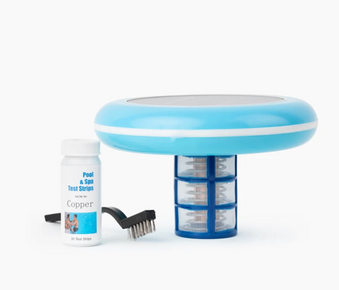
Maintaining a pool with crystal-clear, healthy water is the top priority for every pool owner. While solar pool ionizers are highly effective at preventing algae and bacterial growth, their performance relies heavily on the condition of critical internal components. Over time, the anode, cathode, and protective basket naturally degrade due to electrochemical activity, environmental exposure, mineral deposits, and normal wear and tear.
Replacement kits provide a comprehensive solution to restore your solar pool ionizer’s efficiency. Containing all essential components including anodes, cathodes, baskets, and installation hardware these kits help maintain optimal ionization, prevent algae buildup, and maximize water clarity. This extensive guide provides in-depth explanations of how these kits work, their individual components, step-by-step replacement instructions, and best practices for ensuring your pool stays sparkling throughout the swimming season.
Table of Contents
- How Pool Ionizers Maintain Water Clarity
- Why Replacement Kits Are Crucial for Optimal Performance
- Key Components Included in Replacement Kits
- Step-by-Step Anode Replacement
- Cathode and Basket Replacement Guide
- Advanced Tips for Maintaining Pool Water Between Replacements
- Final Thoughts: Ensuring Long-Term Pool Health
1. How Pool Ionizers Maintain Water Clarity
Solar pool ionizers are advanced electrochemical devices designed to maintain clean, healthy, and crystal-clear pool water with minimal chemical intervention. At their core, they work by releasing controlled trace amounts of copper (Cu²⁺) and/or silver (Ag⁺) ions into the pool water. These ions act as natural algaecides and bactericides, disrupting the growth and reproduction of algae, bacteria, and other microorganisms. This process reduces reliance on traditional chemical sanitizers, such as chlorine or bromine, protecting swimmers’ skin and eyes while preserving pool surfaces and equipment.
The principle behind solar pool ionizers is elegantly simple yet scientifically sophisticated. When sunlight hits the solar panel integrated into the ionizer, it generates electrical current via the photovoltaic effect. This current flows through the anode and cathode electrodes immersed in the water, initiating electrolysis. As a result, metal ions are released from the anode into the surrounding water in controlled quantities. Copper ions, in particular, inhibit algae by interfering with their enzymatic and photosynthetic processes, while silver ions target bacteria by binding to cellular proteins and disrupting DNA replication. Together, these ions create a chemically stable and biologically hostile environment for harmful microorganisms.
However, the efficacy of solar pool ionizers depends heavily on the condition and proper functioning of three core components:
Anode: The Primary Ion Source
The anode serves as the sacrificial ion-releasing element. Constructed from high-purity copper or a copper-silver alloy, it gradually corrodes during operation. As the solar panel generates current, metal atoms on the surface of the anode oxidize and enter the water as positively charged ions (Cu²⁺ or Ag⁺). The rate of ion release is influenced by factors such as:
- Water chemistry: pH, alkalinity, and hardness can accelerate or slow down erosion.
- Water temperature: Higher temperatures increase the rate of electrochemical reactions.
- Pool size and circulation: Larger pools or uneven water flow can affect ion distribution.
- Sunlight exposure: Reduced sunlight reduces current generation and slows ion release.
Regular inspection of the anode is crucial. A worn, thinned, or pitted anode reduces ion output, diminishing algae and bacteria control. High-quality replacement anodes are engineered for uniform erosion and precise compatibility with various pool sizes, ensuring consistent performance.
Cathode: Completing the Electrical Circuit
The cathode works in tandem with the anode to complete the electrical circuit required for ionization. Typically constructed from corrosion-resistant metals such as stainless steel, titanium, or specialized alloys, the cathode acts as the electron receptor in the electrochemical cell. Although it does not actively corrode like the anode, the cathode is subject to:
- Mineral buildup: Calcium carbonate and magnesium hydroxide can deposit on the cathode, increasing electrical resistance.
- Biofilm accumulation: Microbial growth can interfere with ion flow and reduce efficiency.
- Oxidation or surface corrosion: Even corrosion-resistant materials can degrade in aggressive water conditions.
If the cathode becomes compromised, current flow decreases, leading to uneven or insufficient ion release. Routine cleaning or timely replacement of the cathode ensures that the ionizer maintains its designed electrochemical efficiency, providing consistent algae and bacteria control.
Protective Basket: Shielding and Flow Management
The protective basket is a physical barrier that surrounds the anode, preventing leaves, dirt, debris, and other contaminants from interfering with ionization. Proper water circulation through the basket ensures that ions disperse evenly throughout the pool. Over time, baskets can suffer from:
- UV degradation: Prolonged sunlight exposure can make pool plastic baskets brittle and prone to cracking.
- Chemical wear: Continuous exposure to chlorine or bromine can erode the material.
- Debris accumulation: A clogged basket restricts water flow, reducing ion distribution and efficiency.
Maintaining or replacing the basket ensures that the anode is consistently exposed to circulating water, maximizing ion dispersion and preventing localized algae growth or “hot spots” of bacterial contamination.
Integrated System Function and Maintenance Implications
When all three components the anode, cathode, and basket are functioning properly, solar pool ionizers provide a self-sustaining, environmentally friendly method for maintaining water clarity. Any degradation in these components disrupts ion production, leading to algae blooms, cloudy water, and increased reliance on chemical sanitizers. Replacement kits restore the system to peak performance by providing all necessary components, including hardware for secure installation, ensuring uninterrupted ionization and long-term pool health.
In addition to replacing worn parts, regular monitoring of water chemistry, inspection of ionizer components, and cleaning of the electrodes and basket are critical for maximizing the effectiveness of ionization. By combining these practices with timely replacement kits, pool owners can enjoy clear, healthy water with reduced chemical use, extended equipment lifespan, and a safer swimming environment.

2. Why Replacement Kits Are Crucial for Optimal Performance
Regularly replacing worn components of a solar pool ionizer using a dedicated replacement kit provides a range of critical benefits that directly influence water quality, operational efficiency, and the longevity of the ionization system. Solar pool ionizers rely on precise electrochemical reactions to release copper and silver ions into the water, and any degradation of the anode, cathode, or protective basket disrupts this delicate balance. Replacement kits for ionizer restore full functionality, ensuring that the pool remains clean, clear, and safe while reducing the need for chemical interventions.
Consistent Ionization for Optimal Water Clarity
One of the primary advantages of using a replacement kit is the restoration of consistent ionization. As the anode corrodes over time, the release of copper or silver ions decreases, reducing the pool’s natural defense against algae and bacteria. A fresh anode restores the designed ion release rate, while a properly maintained cathode ensures uninterrupted electrical flow. Together, these components enable uniform ion distribution throughout the pool, maintaining crystal-clear water with minimal variability. Regular replacement prevents “dead zones” where ion concentration drops, which can lead to localized algae growth or microbial proliferation.
Effective Algae and Bacteria Prevention
Algae blooms and bacterial contamination are the most visible and problematic consequences of degraded ionizer components. Copper and silver ions interfere with microorganisms at the cellular level, inhibiting enzymatic processes, photosynthesis, and DNA replication. When ion production declines due to worn parts, algae can multiply rapidly, resulting in green or cloudy water and potential health risks for swimmers. By replacing all critical components simultaneously, replacement kits ensure that the ionizer operates at peak efficiency, maintaining the pool in a biologically hostile environment for algae and bacteria, reducing outbreaks, and maintaining the aesthetic appeal of the water.
Reduced Chemical Dependency and Safer Swimming Conditions
Maintaining a fully functional ionizer directly reduces the need for pool chemical sanitizers such as chlorine, bromine, or algaecides. Chlorine, while effective, can cause irritation to eyes, skin, and hair, and prolonged exposure can degrade pool surfaces and equipment. By relying on ionization as the primary disinfectant mechanism, pool owners can achieve the same level of microbial control with minimal chemical usage. Replacement kits play a key role in this process by ensuring that the anode, cathode, and basket are capable of sustaining consistent ion release, reducing chemical interventions and creating a safer, more enjoyable swimming environment.
Extended Equipment Lifespan and Prevention of Cascading Failures
Solar pool ionizers are interconnected systems, and failure of one component can accelerate wear or damage in others. For example, a corroded cathode can increase electrical resistance, placing additional strain on the anode and solar circuitry. A damaged basket can allow debris to contact the anode directly, accelerating erosion or causing short circuits. Replacement kits mitigate these risks by providing all essential components in a single, coordinated upgrade, preventing cascading failures and ensuring that the entire system operates within its design parameters. This proactive approach extends the operational lifespan of the ionizer and reduces the risk of costly repairs or premature equipment replacement.
Ease of Maintenance Through Comprehensive Kits
Replacement kits are designed to simplify maintenance for pool owners. Most kits include pre-sized anodes, cathodes, protective baskets, installation hardware, and detailed instructions, providing everything necessary for a smooth replacement process. This eliminates guesswork, reduces installation errors, and minimizes downtime, allowing pool owners to maintain optimal water clarity with minimal effort. By consolidating all required components, replacement kits streamline maintenance procedures, encourage timely part replacement, and ensure the ionizer performs consistently across the entire swimming season.
Consequences of Neglecting Timely Replacement
Failure to replace worn components can have cascading negative effects on pool health and maintenance workload. Reduced ion production allows algae and bacteria to proliferate, resulting in cloudy, discolored, or foul-smelling water. To compensate, pool owners may need to increase chemical dosing, which can irritate swimmers and accelerate equipment wear. Moreover, prolonged operation with degraded components increases the likelihood of electrical or mechanical failures, potentially damaging the ionizer and necessitating expensive repairs. Timely replacement with a comprehensive kit prevents these issues, maintains consistent water quality, and ensures the longevity and reliability of the ionization system.
In summary, using replacement kits is not merely a convenience but a critical component of responsible pool ownership. They restore the ionizer’s peak performance, maintain water clarity, prevent microbial growth, reduce chemical dependence, extend equipment life, and simplify maintenance. For pool owners committed to crystal-clear water, these kits represent a proactive investment in long-term performance, safety, and operational efficiency.
3. Key Components Included in Replacement Kits
Anode: The Core Ion Source
The anode represents the heart of the solar pool ionizer, functioning as the primary source of copper (Cu²⁺) or silver (Ag⁺) ions that maintain pool water clarity and inhibit microbial growth. In copper-based systems, the anode gradually corrodes during electrolysis, releasing copper ions that prevent algae proliferation, disrupt bacterial metabolic processes, and maintain a chemically balanced pool environment. Silver-enhanced models incorporate Ag⁺ ions, which are particularly effective against bacteria and certain viruses, complementing the algaecidal properties of copper. The controlled erosion of the anode ensures consistent ion output over time, directly correlating with water clarity and safety.
Without timely replacement, the anode’s diameter diminishes to a point where ion release becomes insufficient. This reduction can result in cloudy water, increased algae growth, and higher dependence on chemical sanitizers such as chlorine or bromine. Observing early warning signs of anode depletion such as uneven erosion, visible thinning at the ends, or reduced copper ion readings is critical for maintaining the health of the pool.
Premium replacement anodes are designed with several advanced considerations: they are often pre-sized to match different pool volumes, constructed from high-purity copper or copper-silver alloys for predictable and uniform electrochemical erosion, and engineered to resist localized pitting or passivation that could disrupt ion distribution. High-quality anodes may also feature surface treatments or alloy modifications that optimize erosion rate, maximize lifespan, and maintain consistent ion concentrations throughout the pool.
Cathode: Completing the Electrochemical Circuit
The cathode is the complementary electrode that completes the electrical circuit required for the ionization process. While it is not sacrificial like the anode, the cathode plays a crucial role in ensuring efficient electron flow through the water, allowing ions to be consistently released. The proper function of the cathode is essential for maintaining electrochemical efficiency and maximizing ionization throughout the pool.
Over time, cathodes can experience several degradation mechanisms that reduce performance. Mineral scale, primarily calcium carbonate and magnesium hydroxide, can accumulate on the cathode surface, increasing electrical resistance and lowering current flow. Biofilm formation and microbial colonization can create insulating layers that disrupt electron transfer. Surface oxidation, pitting, or crevice corrosion may also occur, particularly at connection points or in pools with imbalanced chemistry. Any of these factors can diminish ion output, allowing algae or bacteria to proliferate.
Regular replacement or professional cleaning of the cathode restores optimal conductivity and ensures that the ionizer operates at peak efficiency. Premium replacement cathodes are often manufactured from corrosion-resistant metals such as titanium, 316L stainless steel, or nickel alloys, specifically selected for long-term electrochemical stability and compatibility with various pool chemistries.
Protective Basket: Debris Management and Flow Optimization
The protective basket, sometimes called a debris screen or mesh guard, surrounds the anode to prevent leaves, twigs, dirt, and other particles from coming into direct contact with the electrode. By maintaining clean electrode surfaces, the basket ensures consistent ionization while minimizing physical damage to the anode.
Baskets are typically made from corrosion-resistant plastics (ABS, polypropylene, UV-stabilized polyethylene) or coated metals. Despite their durability, baskets degrade over time due to UV exposure, chemical oxidation from chlorine or bromine, and mechanical stress during cleaning or handling. Accumulated mineral deposits or organic matter can clog the basket, restricting water flow and reducing the uniform distribution of ions throughout the pool. A compromised basket can lead to localized pool algae growth or uneven water treatment.
Replacing worn or clogged baskets as part of a comprehensive kit ensures that water circulation remains unobstructed, ions are evenly dispersed, and the overall effectiveness of the ionizer is maintained. Proper basket installation also protects sensitive internal components, extending the overall lifespan of the system.
Installation Hardware and Accessories
Most replacement kits include all necessary hardware required for a secure and effective installation, such as screws, clamps, connectors, and sometimes cleaning tools or alignment guides. These components ensure that the anode and cathode are properly seated, the basket is correctly positioned, and all electrical connections are secure. Proper installation is crucial not only for consistent ionization but also for electrical safety, structural stability, and long-term reliability of the ionizer.
High-quality kits may also provide additional accessories such as anti-corrosion compounds for threaded connections, specialized wrenches, or instructional guides detailing step-by-step replacement procedures. By including all required components in a single package, replacement kits streamline the maintenance process, minimize the risk of installation errors, and restore the system to its designed performance levels.
In summary, the anode, cathode, protective basket, and installation hardware each serve vital, interdependent roles in the ionization process. Timely replacement of these components using a comprehensive kit ensures consistent ion release, protects pool water quality, reduces chemical dependency, and extends the operational lifespan of the solar pool ionizer. Neglecting any of these elements can compromise water clarity, increase maintenance needs, and shorten equipment life.

4. Step-by-Step Anode Replacement
Replacing the anode is a critical maintenance task that ensures your solar pool ionizer continues to release ions at optimal levels. Proper replacement not only restores consistent ionization but also prolongs the lifespan of the device and protects your pool water from algae and bacterial growth. Follow this detailed procedure for safe, effective, and efficient anode replacement.
Step 1: Remove the Ionizer from the Pool
Carefully lift the solar pool ionizer from the water and place it on a clean, stable surface. This could be a workbench, table, or flat area near the pool where the device will remain dry and accessible. Avoid placing it on uneven or soft surfaces to prevent tipping or damage to sensitive components. Before handling, consider wearing gloves to protect your hands from residual copper, silver, or other deposits that may have accumulated on the electrodes.
Additionally, inspect the surrounding area for any tools or obstacles that could cause accidental drops or scratches during the replacement process. A dry towel or soft mat underneath the ionizer helps prevent surface damage and keeps small screws or connectors from rolling away.
Step 2: Remove the Protective Basket
Detach the protective basket that surrounds the anode. This basket prevents leaves, sediment, and other debris from contacting the electrode and interfering with ionization. Carefully examine the basket for cracks, holes, or excessive buildup. If the basket is still structurally sound, clean it using a soft brush or mild detergent to remove algae, mineral deposits, or debris. Avoid abrasive materials that could scratch or weaken the basket surface.
Proper basket inspection ensures that water flow around the new anode will remain unrestricted. A damaged or clogged basket should always be replaced to maintain optimal ion distribution and prevent localized algae growth.
Step 3: Detach the Old Anode
Unscrew, unclip, or disconnect the worn anode from the ionizer, depending on your model’s design. Take note of the orientation and position of the old anode relative to the cathode and any connectors. Inspect the surrounding components for mineral buildup, corrosion, or debris that may have accumulated over time. Mineral deposits such as calcium carbonate can interfere with electrical conductivity and reduce ion output if left unaddressed.
Gently clean the contact points or threaded sections with a soft brush or non-abrasive cloth. This step ensures that the new anode will make proper electrical contact and operate efficiently. Take care not to damage wiring, seals, or the cathode while removing the old anode.
Step 4: Install the New Anode
Insert the replacement anode, aligning it carefully with the cathode to ensure proper electrical circuit completion. Use the screws, clamps, or connectors provided in your replacement kit to secure the anode in place. Verify that the anode is straight and fully seated, with no gaps or misalignment that could cause uneven ion distribution or accelerated wear.
High-quality replacement anodes are typically designed for uniform erosion, and precise installation ensures the device continues to release ions consistently throughout the pool. Double-check that any wiring connections are secure and protected from potential corrosion or moisture exposure.
Step 5: Reattach the Protective Basket
Reinstall the protective basket, ensuring that it surrounds the new anode without obstructing water flow. The basket should sit snugly in place, preventing debris from contacting the anode while allowing sufficient circulation. Verify that there are no twists, gaps, or loose sections that could interfere with the device’s performance. Proper basket placement ensures uniform ion dispersion and protects the anode from mechanical damage or debris accumulation.
Step 6: Test Ion Levels
Return the ionizer to the pool, ensuring it floats correctly or is securely mounted according to your system’s design. Allow several hours for the new anode to release ions into the water and stabilize. Test copper (Cu²⁺) or silver (Ag⁺) ion concentrations using a reliable test kit or digital meter. This step confirms that the ionizer is functioning properly and that the new anode is releasing ions at the intended rate.
Regular monitoring after replacement helps identify any installation issues, such as misalignment or insufficient electrical contact, and ensures that water remains crystal-clear and free from algae or bacterial contamination.
Following this detailed procedure ensures that your solar pool ionizer continues to operate at peak performance, maintains optimal water clarity, and reduces the need for chemical sanitizers. Proper anode replacement, combined with routine inspections and maintenance of the cathode and basket, extends the life of your device and keeps your pool safe, healthy, and sparkling all season long.

5. Cathode and Basket Replacement Guide
Replacing the cathode and protective basket is a critical aspect of maintaining your solar pool ionizer’s efficiency. While the anode is the primary consumable component, the cathode and basket play essential roles in ensuring consistent ion flow and protecting the device from debris, mineral buildup, and mechanical damage. Proper pool maintenance and replacement of these components help preserve water clarity, reduce chemical dependency, and extend the overall lifespan of your ionizer.
Cathode Replacement
The cathode serves as the complementary electrode, completing the electrical circuit and allowing electrons to flow through the system. Although it is not sacrificial like the anode, the cathode can gradually accumulate mineral deposits, oxidation, or biofilm that increase electrical resistance and reduce ionization efficiency. Regular inspection, cleaning, or replacement is necessary to maintain consistent performance.
Step 1: Remove the Old Cathode
Carefully detach the existing cathode from the ionizer, taking note of its orientation and connection points. Handle the cathode gently to avoid bending, scratching, or damaging the conductive surface. Before proceeding, inspect the surrounding area for mineral buildup, corrosion, or sediment that could interfere with electrical contact or impede ion flow.
Use a soft brush or non-abrasive cloth to remove light deposits, and consider a mild descaling solution if the buildup is significant. Ensure that any loose debris is removed from the housing or mounting area before installing the new cathode.
Step 2: Install the New Cathode
Position the replacement cathode according to the manufacturer’s specifications, aligning it correctly with the anode and electrical connectors. Secure all screws, clamps, or fasteners to ensure a stable, reliable connection. Proper orientation is crucial for optimal electron flow and uniform ion release. Loose or misaligned connections can create uneven ion distribution, reduce efficiency, and accelerate wear on the anode.
After installation, inspect the connection points for tightness and corrosion protection. In some models, applying a small amount of anti-corrosion grease or protective coating may help prolong cathode life, especially in harsh water conditions or pools with high mineral content.
Step 3: Test Electrical Continuity
Before returning the ionizer to the pool, verify that the cathode is electrically connected and that the circuit is complete. Use a multimeter to measure resistance across the cathode and ensure it is within the expected range. Low or inconsistent readings may indicate improper installation or residual deposits that need cleaning. Ensuring proper electrical conductivity at this stage prevents future ionization issues and maintains peak device performance.
Basket Replacement
The protective basket surrounds the anode, preventing leaves, debris, and sediment from directly contacting the electrode. It also maintains proper water flow, ensuring uniform ion distribution throughout the pool. Over time, baskets can degrade due to UV exposure, chemical oxidation, or mechanical stress, or they may become clogged with mineral deposits and biological matter.
Step 1: Inspect the Basket
Remove the basket from the ionizer and examine it closely for cracks, holes, discoloration, or excessive buildup. Check mounting points and attachment clips to ensure they are intact. A compromised basket can allow debris to reach the anode, reduce water flow, and disrupt ionization patterns.
Light mineral deposits can be cleaned using a soft pool brush, mild detergent, or descaling solution. Avoid harsh chemicals or abrasive tools that can weaken the basket material or alter its shape.
Step 2: Replace if Damaged or Clogged
If the basket shows signs of structural damage, severe clogging, or material degradation, replace it with a new one. Ensure the replacement is compatible with your specific ionizer model and designed to maintain proper water circulation and protection of the anode. A high-quality basket is typically made from UV-stabilized, corrosion-resistant plastic or coated metal to withstand prolonged exposure to sunlight, chemicals, and water flow.
Step 3: Verify Correct Positioning
Install the cleaned or new basket around the anode, making sure it fits snugly and does not obstruct water flow. Proper positioning ensures that ions are evenly distributed throughout the pool while preventing debris from reaching the electrodes. Misaligned or loose baskets can create stagnant zones where ion concentrations are reduced, leading to algae growth or pool water cloudiness.
Once installed, double-check the alignment and stability of both the cathode and basket before returning the ionizer to the pool. Performing a short test cycle in the pool, followed by ion concentration measurement, ensures that all components are functioning correctly and that the ionizer is delivering maximum purification efficiency.
Regular cathode and basket maintenance, combined with timely replacement, ensures your solar pool ionizer operates at peak performance, reduces chemical usage, and maintains crystal-clear water while protecting your equipment investment.

6. Advanced Tips for Maintaining Pool Water Between Replacements
Even with high-quality replacement kits, maintaining crystal-clear pool water requires regular, proactive attention. Following a detailed maintenance routine not only ensures optimal ionization efficiency but also extends the life of your ionizer and reduces chemical dependency. Below are comprehensive maintenance practices every pool owner should implement:
1. Inspect Components Regularly
Every 2–3 months during the swimming season, perform a thorough visual and functional inspection of the ionizer’s core components, including the anode, cathode, and protective basket. Look for signs of wear, corrosion, mineral buildup, cracks, or warping. Early detection of minor issues allows for corrective action before significant degradation occurs, helping to maintain consistent ion release and preventing water clarity problems. Take note of any unusual discoloration or physical changes, as these can indicate imbalanced water chemistry or accelerated component wear.
2. Clean Electrodes
Mineral deposits and biological debris naturally accumulate on both the anode and cathode over time, reducing electrical conductivity and ion production. Gently remove buildup using a soft brush or a non-abrasive cloth. For more stubborn scale, use a mild descaling solution specifically designed for pool equipment, following all manufacturer guidelines to avoid damaging the electrodes. Proper cleaning restores electrical efficiency, ensures uniform ion distribution, and prevents uneven wear on the anode.
3. Monitor Water Chemistry
Accurate water chemistry is crucial for efficient ionization. Regularly test copper ion concentration, chlorine levels, pH, and alkalinity to ensure optimal conditions for both pool sanitation and equipment longevity. Copper concentrations should generally remain within 0.2–0.5 ppm for effective algae control without staining surfaces. Tracking these parameters also helps you identify trends that may indicate electrode wear or changes in water quality, enabling preemptive maintenance rather than reactive fixes.
4. Brush Pool Surfaces
Even with ionization, algae can form in areas with stagnant water or on surfaces that are not regularly cleaned. Brush pool walls, floors, and steps at least weekly to prevent algae from adhering and proliferating. Focus on shaded areas, corners, and behind ladders or stairs, where circulation may be limited. Routine brushing complements the ionizer’s work, maintaining both visual clarity and a hygienic swimming environment.
5. Maintain Proper Filtration
Filters play a critical supporting role by removing suspended particles and debris that can interfere with ion distribution. Regularly clean or backwash filters according to the manufacturer’s recommendations. Inspect filter media for signs of compaction, mineral buildup, or tears that could reduce filtration efficiency. A well-maintained filtration system ensures that ions can circulate freely throughout the pool, maximizing algae and bacteria control.
6. Track Maintenance and Replacement Dates
Keeping a detailed maintenance log is essential for predictive scheduling and long-term pool health. Record dates for anode, cathode, and basket inspections, cleanings, and replacements. Note any water chemistry adjustments, unusual readings, or observed issues such as reduced ionization, algae spots, or cloudy water. Over time, this log allows you to identify patterns, anticipate component replacement needs, and ensure that no maintenance tasks are overlooked.
7. Seasonal and Environmental Considerations
Adjust maintenance routines according to environmental conditions and seasonal usage. Pools in areas with pool water hardness, high sunlight, or heavy bather loads may require more frequent inspections and cleaning. Winterizing procedures should include removing or protecting the ionizer, thoroughly cleaning all components, and ensuring the system is stored in a dry, protected environment. Accounting for seasonal and environmental factors prevents accelerated wear, corrosion, or debris damage.
Following these comprehensive maintenance practices ensures that your solar pool ionizer operates at peak efficiency, prolongs the lifespan of all components, minimizes chemical use, and maintains safe, crystal-clear water for swimmers throughout the season.
7. Final Thoughts: Ensuring Long-Term Pool Health
Additionally, investing in replacement kits allows pool owners to adopt a proactive maintenance strategy, addressing component wear before it impacts water quality. This preventative approach not only reduces the frequency of emergency cleanings and chemical shock treatments but also minimizes the risk of long-term damage to the ionizer and surrounding pool equipment. By maintaining optimal ionization levels and ensuring unobstructed water flow, replacement kits help sustain balanced water chemistry, protect pool surfaces from staining or corrosion, and create a consistently safe swimming environment. Over time, this routine of scheduled replacements and careful maintenance delivers significant cost savings, reduces chemical dependency, and enhances the overall enjoyment and aesthetic appeal of the pool throughout the swimming season.