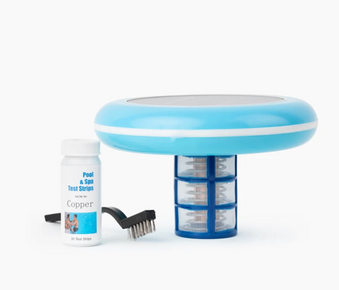
Owning a swimming pool represents a significant investment in residential luxury and recreational enjoyment, but this investment comes with substantial responsibilities that extend far beyond basic maintenance. One of the most critical yet often overlooked aspects of pool ownership is comprehensive seasonal planning a systematic approach to managing aquatic environments through the cyclical changes that characterize temperate and subtropical climates. Proper seasonal planning ensures pools remain in optimal condition throughout the year, protects the substantial financial investment in pool infrastructure, and extends the operational lifespan of mechanical systems, hydraulic components, and structural elements. By understanding how different seasons affect water chemistry parameters, equipment performance requirements, and maintenance routines, pool owners can implement proactive strategies that prevent costly repairs, optimize operational efficiency, and maintain consistently clear, healthy swimming environments that provide reliable enjoyment rather than unexpected challenges.
Strategic seasonal preparation fundamentally transforms pool ownership from reactive problem-solving to predictive system management, dramatically reducing workload during peak swimming periods while preventing the common issues that plague unprepared pool owners. Rather than reacting to emergencies like algae blooms, equipment failures, or water quality deterioration, proactive seasonal planning allows pool owners to maintain precise control over their aquatic systems, optimize maintenance protocols, and reduce chemical dependencies through intelligent timing of interventions. This forward-thinking approach becomes particularly crucial for homeowners utilizing advanced water treatment technologies like solar ionization systems or mineral-based sanitation, where seasonal variations in sunlight intensity, temperature gradients, and usage patterns directly influence system performance and maintenance requirements. Proper seasonal synchronization ensures these technologies operate at peak efficiency throughout their designed operational ranges.
Table of Contents
- Why Seasonal Planning Matters for Pool Longevity
- Winterizing Your Pool: Protecting Systems from Cold Damage
- Spring Opening: Preparing for a Healthy Swimming Season
- Summer Care: Managing Heat, Debris, and High Usage
- Fall Preparation: Extending Equipment Life and Water Quality
- Integrating Technology for Smarter Seasonal Management
- Final Thoughts: Consistency and Planning for a Long-Lasting Pool
1. Why Seasonal Planning Matters for Pool Longevity
Seasonal changes exert profound influences on pool systems through multiple interacting environmental variables that collectively determine pool equipment performance, water chemistry stability, and maintenance requirements. Temperature fluctuations ranging from freezing winter conditions to peak summer heat create thermal stresses on mechanical components, alter chemical reaction kinetics, and modify biological activity levels within aquatic environments. Varying sunlight exposure affects both photolytic degradation of traditional sanitizers and photovoltaic output for solar-powered systems, while seasonal precipitation patterns introduce dilution effects, contaminant loading, and humidity-related evaporation rates that directly impact water balance parameters. These environmental factors interact with usage patterns that themselves follow seasonal trends from complete winter dormancy to intensive summer utilization creating complex, predictable seasonal cycles that demand corresponding adjustments in maintenance protocols.
The interconnected nature of these seasonal variables means that changes in one parameter inevitably cascade through the entire pool system. For instance, increased summer temperatures not only accelerate chlorine consumption but also promote higher evaporation rates, which in turn concentrate dissolved solids and alter calcium carbonate saturation indices. Similarly, reduced winter sunlight decreases both natural photolytic sanitation and the efficiency of solar-powered systems, necessitating alternative management strategies. This systemic interdependence underscores why piecemeal seasonal adjustments often prove inadequate; only comprehensive seasonal planning that addresses all interacting variables simultaneously can maintain optimal pool conditions throughout the year while preventing the cumulative damage that results from unmanaged seasonal transitions.
Systemic Impacts of Seasonal Transitions:
Each seasonal transition introduces specific challenges that, if unaddressed, can precipitate cascading failures throughout pool systems, transforming minor maintenance issues into major repair scenarios.
- Thermal Stress on Mechanical Systems: Temperature variations create differential expansion and contraction in plumbing systems, pump housings, filter tanks, and heater components. Unmanaged thermal cycling can cause stress fractures in PVC piping (particularly at joints and fittings), deformation of plastic components, and seal failures in pumps and valves. The repeated expansion and contraction cycles gradually fatigue materials, particularly at transition points where different materials meet (such as plastic to metal connections or cemented joints). Proper seasonal preparation includes gradual temperature transitions, thermal insulation where appropriate, and system designs that accommodate expected thermal movement through expansion loops, flexible connectors, and properly sized pipe runs that allow for natural movement without creating stress concentrations.
- Chemical Kinetics Modification: Water chemistry parameters exhibit strong temperature dependence, with reaction rates typically doubling for every 10°C temperature increase. This affects chlorine consumption (increasing 50-100% from winter to summer), pH drift rates, calcium carbonate saturation indices, and microbial growth potential. Beyond simple rate changes, temperature also alters chemical equilibria for example, the balance between hypochlorous acid (active sanitizer) and hypochlorite ion shifts with temperature, changing disinfectant effectiveness even at constant total chlorine levels. Seasonal planning anticipates these kinetic changes through adjusted chemical dosing schedules, modified testing frequencies, and proactive parameter adjustments before conditions reach critical thresholds. For pools using solar pool ionizer, seasonal adjustments must also account for variations in mineral ion solubility and efficacy across temperature ranges, ensuring consistent algae prevention despite changing thermal conditions.
- Biological Activity Cycles: Microbial populations follow predictable seasonal patterns, with algae spores activating at specific temperature thresholds (typically 15-18°C for green algae, 20-24°C for black algae), and bacterial growth rates increasing exponentially with temperature. Different microbial species dominate at different seasonal temperatures, creating succession patterns that require varied control strategies throughout the year. Spring typically sees rapid green algae growth as temperatures rise, while late summer may favor cyanobacteria in nutrient-rich conditions. Understanding these biological cycles enables preventive treatments timed to anticipate rather than react to biological challenges, dramatically reducing chemical requirements while maintaining superior control. This proactive approach is particularly effective when combined with ionization systems, where consistent mineral levels can prevent initial colonization rather than treating established blooms.
- Hydrological and Atmospheric Interactions: Seasonal changes in precipitation, humidity, and wind patterns introduce additional variables that impact pool management. Spring rains dilute chemical concentrations and introduce organic contaminants, while summer drought conditions concentrate dissolved solids through evaporation. Fall brings increased leaf and organic debris loading that can overwhelm filtration systems if not properly anticipated. Winter presents unique challenges with freeze-thaw cycles in colder climates and reduced evaporation rates that alter water balance calculations. Each of these atmospheric factors interacts with the pool's physical and chemical systems, requiring integrated management approaches that address both direct impacts and secondary effects on other system parameters.
Economic and Operational Benefits:
Comprehensive seasonal planning delivers substantial economic returns through extended equipment lifespan, reduced chemical consumption, and minimized emergency repair costs.
- Equipment Lifespan Extension: Proper seasonal management can extend pump and filter service life by 40-60%, heater longevity by 50-100%, and plumbing system durability by 30-50% compared to unmanaged systems. This extension represents thousands of dollars in deferred replacement costs over a typical pool's operational lifespan. The economic benefits compound over time, as well-maintained equipment not only lasts longer but operates more efficiently throughout its service life, reducing both direct replacement costs and indirect costs associated with inefficiency and poor performance. Regular seasonal maintenance also identifies potential failures before they become catastrophic, allowing for planned, budgeted repairs rather than emergency replacements at premium prices.
- Chemical Cost Optimization: Seasonally adjusted chemical management reduces waste through precise dosing aligned with actual demand, decreasing annual chemical expenditures by 25-40% while maintaining superior water quality. This optimization becomes particularly significant for pools utilizing supplemental systems like solar pool ionizers, where seasonal adjustments maximize mineral efficiency while minimizing supplemental chemical requirements. By understanding how temperature, sunlight, and usage patterns affect chemical demand throughout the year, pool owners can implement graduated dosing schedules that match actual needs rather than relying on fixed, often excessive dosing regimens. This precision reduces both chemical costs and the environmental impact of excess chemical discharge, while also minimizing the potential for chemical-related damage to pool surfaces and equipment from over-treatment.
- Energy Efficiency Maintenance: Seasonal preparation ensures equipment operates at design efficiency throughout the year, preventing the 15-25% energy consumption increases when systems operate outside optimal parameters. This efficiency maintenance represents annual savings of $100-$300 for typical residential pools, compounding significantly over multiple seasons. Proper seasonal adjustments include optimizing pump run times based on actual filtration needs (longer in summer, shorter in winter), adjusting heater setpoints to match seasonal comfort requirements, and maintaining clean filtration systems that minimize flow resistance. For solar-ionized systems, seasonal optimization includes adjusting panel angles for maximum solar capture and ensuring clean surfaces for peak photovoltaic efficiency. These efficiency gains not only reduce operating costs but also extend equipment life by reducing operational stress on mechanical components.
- Time and Labor Efficiency: Systematic seasonal planning reduces overall maintenance time by 30-50% compared to reactive management approaches. By anticipating seasonal requirements and scheduling maintenance activities during optimal times, pool owners avoid the intensive, often frantic efforts required to correct problems that have developed due to inadequate seasonal preparation. This time efficiency allows for better utilization of leisure time during peak swimming seasons and reduces the stress associated with unexpected pool emergencies. The labor savings become particularly significant for pool service professionals, who can optimize their service schedules and reduce emergency call-outs through proactive seasonal planning with their clients.

2. Winterizing Your Pool: Protecting Systems from Cold Damage
Winterization represents the most critical seasonal procedure for pool owners in temperate climates, where freezing temperatures can cause catastrophic damage to pool infrastructure if systems are improperly prepared. This comprehensive process involves multiple sequential steps designed to protect plumbing from freeze expansion, prevent biological activity during dormancy, and preserve and managing pool water quality parameters through months of inactivity. Proper winterization begins not with the first frost but with careful planning 4-6 weeks before expected freezing temperatures, allowing gradual system shutdown that prevents thermal shock to equipment and surfaces.
The interconnected nature of winterization procedures means that neglecting any single component can compromise the entire system's protection. When water freezes within pool plumbing or equipment, it expands with approximately 9% greater volume, generating pressures exceeding 30,000 psi more than enough to fracture PVC pipes, split pump housings, crack filter tanks, and destroy heater heat exchangers. Beyond immediate mechanical damage, improper winterization can lead to progressive corrosion from concentrated chemicals, surface etching from unbalanced water chemistry, and biological contamination that creates major spring restoration challenges. This systemic vulnerability underscores why partial winter protection often proves inadequate; only comprehensive winterization addressing all interacting variables simultaneously can safeguard pool investments through months of freezing conditions while ensuring smooth reactivation when warmer weather returns.
Comprehensive Winterization Protocol:
Effective winter protection requires systematic execution of multiple interdependent procedures that collectively safeguard the entire pool system from freezing temperatures, biological degradation, and structural stress during months of dormancy.
- Pre-Winter Water Chemistry Optimization: 2-3 weeks before closing, water chemistry should be adjusted to create conditions inhospitable to biological activity while protecting surfaces and equipment. This preparatory phase establishes a stable chemical foundation that will persist through months of dormancy with minimal degradation, preventing scale formation, surface etching, and microbial proliferation that can damage pool finishes and complicate spring reopening. Key adjustments include pH stabilization at 7.4-7.6 to prevent surface etching from acidic conditions or scaling from alkaline conditions during temperature fluctuations, alkalinity adjustment to 80-100 ppm for effective carbonate buffering against pH drift during winter temperature cycles, calcium hardness maintenance at 200-300 ppm to prevent plaster damage from soft, aggressive water or scaling from over-saturated conditions, chlorine elevation to 5-10 ppm for initial shocking the pool oxidize organic contaminants before closure with subsequent reduction to 3-5 ppm to maintain residual protection, and for pools using solar pool ionizers, copper level verification at 0.3-0.4 ppm to provide continuous winter algae prevention with electrode inspection and cleaning ensuring systems will reactivate efficiently in spring.
- Mechanical System Winterization: Proper equipment protection involves multiple steps to prevent freeze damage and corrosion during months of inactivity, addressing both obvious water reservoirs and hidden pockets where residual moisture can accumulate and freeze. This process must be methodical and thorough, as even small amounts of residual water in low points, elbows, or equipment chambers can cause significant damage when frozen and expanded. Complete system drainage using compressed air (20-40 psi) blown through all plumbing lines ensures no residual water remains in low points, beginning with furthest returns and working backward toward equipment. Sensitive component removal and indoor storage protects pressure gauges, flow meters, chemical controller sensors, and electronic components from moisture damage and temperature extremes. Food-grade antifreeze application to plumbing traps poured into skimmer bodies, main drain lines, and other low points provides protection down to -50°F temperatures without contaminating pool water. Solar ionization system protection involves disconnection and proper storage of solar cells with electrodes cleaned using manufacturer-recommended solutions to prevent oxidation during storage in climate-controlled environments.
- Water Level Management and Cover Installation: Strategic water level adjustment and proper covering prevent structural damage from ice expansion while maintaining water quality through winter months, requiring careful planning based on specific climate conditions, pool design, and anticipated snow loads. Water level reduction to 4-6 inches below skimmer openings prevents ice damage to skimmer throats and return fittings in freezing climates, while mid-skimmer level maintenance in mild climates allows occasional winter circulation. Expansion compensator installation using air-filled pool pillows or ice compensators absorbs ice expansion pressure against pool walls, preventing deck heaving and structural damage. Winter cover selection with adequate weight capacity (65-85 lbs per 100 sq ft) and UV resistance for local conditions, installed with proper tensioning to prevent wind damage while allowing thermal movement. Perimeter sealing with water tubes or sand bags secures cover edges to prevent debris infiltration while maintaining sufficient ventilation to prevent anaerobic conditions and gas buildup.
Winter Monitoring and Maintenance:
Even during dormancy, properly winterized pools require periodic monitoring to ensure protection systems remain functional and to identify potential issues before they escalate into serious problems that compromise spring reopening.
- Monthly Visual Inspections: Regular checks of cover integrity identify tears, sagging areas, or excessive debris accumulation that could compromise protection. Water level stability verification indicates no significant leaks have developed, while expansion compensator inflation maintenance ensures continued ice pressure absorption. During snowy periods, accumulated snow exceeding cover specifications (typically >12 inches) should be removed using soft brooms or specialized snow rakes rather than shovels to prevent cover damage from sharp edges or excessive point loading.
- Water Quality Spot Checks Through Designated Access Points: Monthly testing of key parameters through cover openings or dedicated sampling ports maintains awareness of chemical conditions developing beneath winter covers. Particular attention to pool pH level maintenance in the 7.2-7.8 range prevents surface damage, while sanitizer residuals at minimum 1 ppm chlorine or equivalent biocide control microbial activity. For pools with ionization systems, verification that cover installation hasn't created completely anaerobic conditions prevents reduced copper efficacy or sulfate-reducing bacteria growth.
- Equipment Storage Verification and Component Protection: Quarterly inspections of stored components identify signs of moisture accumulation, rodent damage, or temperature extremes degrading sensitive electronics or mechanical parts. Stored pumps require lubrication preservation, filter elements must remain dry and mold-free, and chemical containers need proper sealing according to safety guidelines. Solar ionization components demand particular attention to electrode condition stability and storage environments maintaining appropriate humidity levels.
- Structural Integrity Monitoring After Severe Weather Events: Periodic checks for signs of ice damage or structural stress, particularly following severe winter storms, identify deck heaving, coping displacement, or visible cracks in pool shells indicating freeze-thaw damage. Monitoring for excessive ice formation reveals inadequate winterization or unexpected water infiltration into areas meant to remain dry.
Ultimately, the success of winterization hinges not just on executing individual steps but on understanding how each component interrelates within the broader pool ecosystem. The chemical stability established during pre-winter preparation supports mechanical system integrity, which in turn enables effective cover installation and winter monitoring. This integrated approach transforms winterization from a seasonal chore into a strategic preservation protocol that protects both immediate infrastructure and long-term investment value. When properly implemented, comprehensive winterization ensures that spring reopening becomes a celebration of renewed aquatic enjoyment rather than a daunting restoration project, allowing pool owners to transition seamlessly between seasons with confidence in their system's resilience and reliability.

3. Spring Opening: Preparing for a Healthy Swimming Season
Spring pool opening represents a critical transition from winter dormancy to active operation, requiring systematic reactivation of all systems while addressing accumulated challenges from months of inactivity. This process should begin 2-3 weeks before anticipated first use, allowing adequate time for pool water clarity stabilization, equipment verification, and system optimization. Proper spring preparation prevents the "green pool syndrome" that frustrates many pool owners while ensuring equipment operates reliably throughout the demanding summer season.
The spring opening process represents more than simply removing the cover and adding chemicals; it is a comprehensive system reactivation that must address multiple interdependent factors that have developed during winter dormancy. During months of inactivity, pools accumulate organic debris, experience chemical parameter drift, and develop potential biological contamination that requires systematic remediation. Equipment that has been dormant may have developed minor issues that, if undetected, could lead to failures during peak summer operation. Understanding this complexity transforms spring opening from a simple seasonal task into a strategic system restoration that establishes the foundation for months of trouble-free operation and enjoyment.
Comprehensive Spring Reactivation Protocol:
Successful spring opening follows a logical sequence that addresses structural, mechanical, and chemical systems in appropriate order to prevent contamination transfer, equipment damage, and unnecessary chemical waste.
- Initial Assessment and Debris Removal: Begin with thorough visual inspection and physical cleaning before activating any systems to prevent circulating contaminants through pool filtration system equipment and plumbing. Careful cover removal with debris containment techniques prevents winter accumulation from entering the pool water, using tarps or temporary barriers to capture leaves, dirt, and organic material. Complete debris removal employs leaf rakes, fine nets, and manual collection methods avoiding vacuuming initially to prevent clogging filtration systems with large particulate matter that could damage pump impellers or clog filter elements. Structural inspection for winter damage includes examination for tile displacement from freeze-thaw cycles, coping cracks from ground movement, or liner damage from ice expansion or rodent activity. Water level restoration to normal operating height using fresh water compensates for winter evaporation or drainage, with careful temperature matching to prevent thermal shock to pool surfaces and existing water.
- Mechanical System Reactivation: Gradual equipment startup prevents damage and allows identification of potential issues before systems operate under full load. Initial pump operation without filtration circulates stagnant water while identifying plumbing leaks that may have developed during winter freeze-thaw cycles. Filter system activation begins with backwash/cleaning cycles to remove winter accumulation of fine particles, biological matter, and potential scale formation that reduces filtration efficiency. Heater verification follows manufacturer's spring startup procedures, including thermal shock prevention protocols that gradually introduce temperature differentials to prevent stress cracking in heat exchangers. Solar ionization system reinstallation includes electrode inspection for oxidation or mineral buildup, controller verification for proper calibration, and output adjustment for spring sunlight conditions that differ significantly from peak summer intensity.
- Water Quality Restoration and Balancing: Systematic chemical adjustment establishes optimal conditions for the coming season through sequential parameter correction that prevents chemical interactions from creating unstable conditions. Comprehensive initial testing includes pH, total alkalinity, calcium hardness, total dissolved solids, cyanuric acid levels, and sanitizer residuals to establish baseline conditions after winter dormancy. Shock treatment application when necessary (10-20 ppm chlorine equivalent or appropriate non-chlorine oxidizer) addresses organic contamination and oxidizes combined chlorine compounds that may have formed during winter. Sequential parameter adjustment follows the specific order of total alkalinity first (target 80-100 ppm to establish proper buffering capacity), then pH adjustment (7.4-7.6 for optimal sanitizer effectiveness and swimmer comfort), then calcium hardness (200-300 ppm to protect surfaces and prevent scaling). For ionized pools, copper level verification and adjustment to 0.3-0.4 ppm ensures continuous algae prevention, with system output calibrated for spring sunlight conditions that provide different photovoltaic output compared to summer peak conditions.
Pre-Season Optimization:
Final preparation steps ensure the pool operates at peak efficiency from opening day forward, addressing operational parameters that determine seasonal performance and maintenance requirements.
- Filtration System Optimization: 24-48 hours of continuous filtration with frequent backwashing/cleaning cycles establishes proper water clarity, continuing until turbidity measurements reach 0.5 NTU or better for optimal visual appeal and light penetration. Filter media inspection identifies compression, channeling, or biological fouling that reduces efficiency, with replacement recommended when performance remains below 85% of design specifications despite proper cleaning procedures.
- Circulation Pattern Verification: Dye testing confirms proper flow patterns throughout the pool volume, identifying dead zones where water movement may be insufficient for adequate chemical distribution or debris suspension. Flow rate measurement using bucket timing methods or installed flow meters ensures pumps deliver design specifications after winter storage, with adjustments made to valve settings or pump speeds to achieve optimal turnover rates for the coming season.
- Safety and Accessory Installation: Reinstallation of ladders, rails, diving boards, and safety equipment includes thorough inspection for winter damage such as corrosion, stress cracks, or fastener deterioration that could compromise structural integrity. Verification of all safety systems includes testing anti-entrapment covers for proper fit and function, checking alarm systems for sensor sensitivity and battery life, and confirming emergency equipment accessibility and condition according to local regulations and best practices.
When executed with precision and attention to detail, this comprehensive spring opening protocol transforms what could be a daunting seasonal challenge into a streamlined process that establishes optimal conditions for the entire swimming season. The systematic approach ensures that water chemistry stabilizes within ideal parameters, mechanical systems operate at peak efficiency, and safety considerations receive proper attention before the first swimmers enter the water. By investing the necessary time and effort in proper spring preparation, pool owners not only prevent the common problems that plague inadequately opened pools but also establish a foundation of system stability that reduces maintenance requirements, chemical consumption, and operational stress throughout the peak summer months, ultimately extending the enjoyment and value derived from their aquatic investment.

4. Summer Care: Managing Heat, Debris, and High Usage
Summer represents peak operational demands for residential pools, with elevated temperatures, intensive usage patterns, and environmental factors creating unique maintenance challenges that require specific adaptive strategies. This season demands the most rigorous monitoring and adjustment protocols, as chemical consumption rates accelerate, equipment operates at maximum capacity, and biological activity reaches annual peaks. Effective summer management focuses on proactive stabilization rather than reactive correction, maintaining parameters within narrow optimal ranges despite constantly changing conditions.
The seasonal intensity of summer transforms pool maintenance from routine upkeep to dynamic system management, where daily environmental conditions, fluctuating bather loads, and peak biological activity require continuous adaptation. Unlike other seasons where parameters may remain stable for days or weeks, summer conditions can change dramatically within hours a sudden heat wave accelerates chlorine consumption, an afternoon thunderstorm introduces organic contaminants, and increased family gatherings elevate bather waste introduction. This dynamic environment demands not just more frequent maintenance, but smarter maintenance strategies that anticipate rather than simply react to changing conditions, leveraging both traditional chemical approaches and modern technologies to maintain water quality despite the season's inherent challenges.
High-Temperature Adaptation Strategies:
Summer heat modifies virtually all pool system parameters, requiring specific adjustments to maintain performance and efficiency despite the thermal stresses that characterize peak swimming season.
- Chemical Consumption Management: Elevated temperatures increase chemical reaction rates, necessitating modified dosing protocols that account for accelerated degradation and changing chemical equilibria. Chlorine demand typically increases 50-100% compared to spring/fall conditions, requiring either more frequent manual additions or the implementation of automated dosing systems that maintain consistent residuals despite rapid consumption. pH tends to rise more rapidly due to increased carbon dioxide outgassing from warmer water, necessitating more frequent acid additions to maintain the optimal 7.4-7.6 range where sanitizers remain most effective. Calcium carbonate saturation indices shift toward scaling conditions as warmer water holds less dissolved calcium, requiring closer Langelier Saturation Index monitoring and potential sequestrant use to prevent surface deposits and equipment scaling. For ionized pools, copper levels may require slight reduction to 0.2-0.3 ppm to prevent potential accumulation at reduced water replacement rates while maintaining effective algae prevention through the continuous background sanitation that characterizes mineral-based systems.
- Equipment Performance Optimization: Summer conditions stress mechanical systems, requiring specific adaptations to handle increased operational demands while maintaining efficiency and preventing premature failure. Pump run times typically increase to 12-16 hours daily to maintain adequate turnover rates against increased organic loading from swimmers, environmental debris, and biological activity. Filter cleaning frequency increases by 50-100% to maintain optimal flow rates against accelerated particle accumulation that can restrict circulation and reduce filtration effectiveness. Heater efficiency monitoring becomes critically important, with monthly verification of heat transfer coefficients to detect early scaling that reduces performance and increases energy consumption. Solar panel performance verification for ionization systems requires cleaning every 2-4 weeks to maintain peak photovoltaic output, as dust, pollen, and environmental debris can significantly reduce solar energy capture during the very season when maximum output is most needed.
- Biological Load Management: Peak temperatures create ideal conditions for microbial growth, requiring enhanced control measures that prevent outbreaks rather than simply responding to visible problems. Weekly shock treatments may be necessary during periods of heavy use to oxidize accumulated chloramines and organic contaminants, though properly maintained ionized pools often extend shock intervals to 2-3 weeks due to the continuous background control provided by mineral ions. Algae prevention requires particular attention to phosphate levels (target < 100 ppb) and regular brushing of pool surfaces to prevent initial colonization where water movement may be insufficient. Bather load management through pre-swim rinsing and reasonable limitations on simultaneous users during peak periods reduces organic introduction that would otherwise accelerate chemical consumption and complicate balanced pool water maintenance.
Weekly Summer Maintenance Protocol:
Consistent weekly routines prevent small issues from becoming major problems during peak summer conditions, creating predictable maintenance patterns that distribute workload while ensuring continuous water quality.
- Monday: Comprehensive Testing and Adjustment begins the maintenance week with full parameter testing including pH, alkalinity, calcium hardness, sanitizer residuals, and copper levels for ionized systems. Chemical adjustments based on test results and anticipated weekly usage patterns establish optimal conditions for the coming days. Filter pressure verification identifies when cleaning is needed, with backwashing or cartridge cleaning initiated when pressure exceeds 8-10 psi above clean operating levels.
- Wednesday: Mid-Week Verification provides interim monitoring with rapid testing of critical parameters (pH, free chlorine, combined chlorine, and visual water clarity assessment). Skimming and surface cleaning remove accumulated debris before weekend use, preventing organic material from sinking and decomposing. Visual equipment inspection checks for leaks, unusual noises, or performance issues that may have developed since the weekly comprehensive maintenance.
- Friday: Pre-Weekend Preparation ensures optimal conditions for peak usage periods with final parameter adjustments based on anticipated swimmer load and weather forecasts. Complete brushing of walls and floor prevents algae attachment in areas with reduced circulation, while targeted vacuuming addresses high-traffic areas where debris accumulation is most likely. Safety equipment verification confirms that all systems remain functional before anticipated heavy weekend usage, including checking ladder security, testing alarm systems, and ensuring emergency equipment accessibility.
Ultimately, successful summer pool management transcends simple maintenance execution to become an exercise in predictive system stewardship. The most effective summer strategies recognize that each component chemical balance, equipment performance, and biological control exists within an interconnected ecosystem where changes in one area inevitably affect others. By maintaining this holistic perspective while implementing disciplined weekly routines, pool owners can transform what could be a season of constant chemical battles and equipment concerns into a period of reliable aquatic enjoyment. The investment in proactive summer management pays dividends not only in immediate water quality and swimmer satisfaction but also in reduced long-term costs through extended equipment life, optimized chemical usage, and prevention of the major problems that often develop when seasonal demands overwhelm inadequate maintenance approaches.

5. Fall Preparation: Extending Equipment Life and Water Quality
Fall represents a critical transitional period that prepares pool systems for winter dormancy while addressing accumulated seasonal wear. This season combines continued usage with progressive system wind-down, requiring careful balancing of operational and preparatory activities. Proper fall management extends equipment life by preventing end-of-season failures, preserves water quality through winter, and simplifies spring reopening through proactive problem resolution before systems enter dormancy.
The unique challenge of fall pool maintenance lies in its dual nature managing ongoing swimming enjoyment while simultaneously preparing for months of inactivity. This transitional phase demands a strategic approach that recognizes the shifting balance between operational needs and preservation requirements as temperatures decline and usage patterns change. Unlike other seasons with relatively stable conditions, fall presents a moving target where maintenance protocols must adapt weekly to decreasing temperatures, changing sunlight angles, and increasing environmental debris. Successfully navigating this transition requires understanding how to gradually shift from active summer management to protective winter preparation without compromising either immediate swimming enjoyment or long-term system preservation.
Progressive Fall Wind-Down Protocol:
Effective fall preparation follows a phased approach that aligns with decreasing temperatures and usage patterns, allowing gradual adaptation rather than abrupt seasonal transitions that can stress pool systems and complicate maintenance.
- Early Fall (September-October): Active Use with Enhanced Maintenance maintains regular swimming conditions while increasing attention to seasonal challenges. Continued regular maintenance incorporates enhanced debris management as falling leaves and increased wind introduce organic material that can overwhelm standard skimming routines. Weekly testing and adjustment continues with particular focus on pool high pH level stabilization as dropping temperatures affect carbon dioxide solubility and alter chemical equilibria. Equipment performance assessment identifies components showing seasonal wear that may require pre-winter service or replacement, preventing failures during critical winterization procedures. For pools with ionization systems, gradual output reduction compensates for decreasing sunlight hours while maintaining copper at 0.3-0.4 ppm despite reduced photovoltaic input, ensuring continuous algae prevention during the transitional period.
- Mid-Fall (October-November): Transition to Reduced Operation begins the systematic wind-down as water temperatures consistently drop below comfortable swimming levels. Reduced pump run times to 8-10 hours daily accommodate decreased organic loading while maintaining adequate circulation for chemical distribution and debris suspension. Chemical adjustments account for lower temperature kinetics, with particular attention to chlorine stabilization as reduced degradation rates require modified dosing schedules. Complete equipment inspection and servicing addresses wear accumulated during peak summer operation, identifying issues that could complicate winterization or spring reactivation. Gradual system simplification begins with heater decommissioning when ambient temperatures consistently exceed comfort levels without supplemental heating, followed by reduced filtration schedules and chemical monitoring frequency.
- Late Fall (November-December): Final Preparation for Dormancy completes the transition to winter protection as swimming activity ceases and freezing conditions approach. Complete system cleaning includes filter breakdown and thorough cleaning to remove seasonal accumulation that could foster biological activity during dormancy. Final water chemistry balancing establishes conditions that will remain stable through winter months, focusing on parameters most susceptible to cold-temperature drift. Partial winterization in climates with mild winters protects critical components while maintaining some system functionality, while complete winterization in freezing regions secures all vulnerable elements against freeze damage. Installation of leaf nets or early cover deployment minimizes debris accumulation during the final weeks before complete closure, reducing spring cleanup requirements.
Critical Fall Maintenance Tasks:
Specific fall procedures address seasonal challenges while preparing systems for winter, focusing on areas most vulnerable to autumn conditions and winter dormancy.
- Leaf and Debris Management: Daily skimming during peak leaf drop prevents organic accumulation that can stain surfaces, consume chemicals during winter, and create nutrient sources for biological activity. Weekly vacuuming addresses settled debris that escapes surface removal, with particular attention to corners and steps where accumulation is most likely. Supplemental leaf trapping systems for pools surrounded by deciduous trees provide additional protection, while surface skimmer enhancements improve debris capture efficiency during periods of heavy organic loading.
- Equipment Servicing and Protection: Complete inspection and servicing of all mechanical components addresses wear accumulated during peak summer operation while preparing systems for winter dormancy. Pump seals and bearings showing seasonal wear receive attention before winter storage to prevent deterioration during months of inactivity. Filter media replacement when efficiency has dropped below 80% of original specifications ensures optimal performance upon spring reactivation. Heater inspection and descaling when necessary prevents corrosion during winter and maintains efficiency for next season. Solar system component inspection, cleaning, and protective covering preserves photovoltaic efficiency and prevents weather damage during months of reduced operation.
- Water Chemistry Stabilization: Final balancing focuses on creating conditions that remain stable through months of dormancy, preventing surface damage, equipment corrosion, and biological proliferation. pH adjustment to 7.4-7.6 with particular attention to alkalinity maintenance at 80-100 ppm provides winter buffering against acidification from organic decomposition. Calcium hardness verification at 200-300 ppm prevents surface damage from aggressive soft water or scaling from over-saturated conditions. Sanitizer stabilization at 3-5 ppm chlorine or equivalent provides residual protection through early winter, with long-lasting winterizing compounds applied in climates with extended freezing periods. For ionized pools, copper level verification at 0.3-0.4 ppm ensures continuous algae prevention through initial winter months, with understanding that levels will gradually decline during extended dormancy.

6. Integrating Technology for Smarter Seasonal Management
Modern pool care technology provides powerful tools for optimizing seasonal management through automation, monitoring, and predictive analytics that transform seasonal transitions from labor-intensive procedures to streamlined processes. Strategic technology integration enables pool owners to maintain precise control over system parameters despite seasonal variations, reducing labor requirements while improving outcomes. These technological solutions range from basic automation to sophisticated integrated systems that adapt automatically to changing conditions, providing particular value for managing advanced water treatment systems like solar ionization through seasonal sunlight variations.
The technological revolution in pool management fundamentally redefines seasonal maintenance from a reactive chore to a predictive science, creating systems that not only respond to current conditions but anticipate seasonal transitions before they create maintenance challenges. Unlike traditional approaches that require manual adjustment for each season's unique demands, smart systems continuously analyze environmental data, usage patterns, and equipment performance to optimize operation across the annual cycle. This paradigm shift enables consistent water quality preservation while reducing energy consumption by 30-50%, extending equipment lifespan through intelligent load management, and preventing seasonal problems before they compromise swimmer safety or system integrity. The most advanced systems create a self-regulating aquatic ecosystem that adapts seamlessly as days shorten, temperatures fluctuate, and usage patterns evolve through spring activation, summer intensity, autumn wind-down, and winter dormancy.
Seasonal Automation Systems:
Automated technologies adapt pool operation to seasonal conditions without constant manual intervention, using sophisticated algorithms that analyze multiple environmental inputs to optimize performance, efficiency, and water quality throughout the annual cycle.
- Variable Speed Pump Controllers: Modern intelligent pump systems automatically adjust run times and speeds based on temperature sensors, usage pattern recognition, and seasonal algorithms that optimize energy consumption while maintaining water quality. Summer operation utilizes higher speeds (2,800-3,400 RPM) during peak sunlight hours and heavy usage periods to ensure optimal filtration turnover against increased organic loading from swimmers and environmental debris. Shoulder season protocols implement reduced speeds (1,200-1,800 RPM) and shortened run times (6-8 hours daily) as temperatures decline and usage patterns diminish, maintaining adequate circulation while conserving 40-60% of energy compared to peak summer operation. Winter protection modes establish minimal circulation (800-1,200 RPM for 2-4 hours daily) sufficient to prevent stagnation and ice damage while consuming minimal energy, with smart freeze protection that briefly activates circulation when temperature sensors detect approaching freezing conditions. Integration with ionization systems creates synergistic optimization, with controllers increasing flow rates precisely during peak solar panel output hours (typically 10 AM to 4 PM) for maximum mineral distribution efficiency while reducing flow during low-light periods to conserve energy without compromising sanitation effectiveness.
- Automated Chemical Management: Smart chemical controllers maintain optimal water balance despite seasonal fluctuations using continuous sensor monitoring, predictive algorithms, and climate data integration that anticipate chemical demand changes before they affect water quality. pH and ORP controllers adjust acid and chlorine dosing in real-time based on continuous measurements, accounting for seasonal variations including summer's accelerated chlorine degradation (50-100% increased consumption), autumn's organic loading from falling leaves, and winter's reduced biological activity that permits lower sanitizer residuals. Temperature-compensated systems automatically modify chemical setpoints as water temperatures change throughout the seasons increasing chlorine levels during summer heat waves when degradation accelerates, reducing levels during cooler months when residuals persist longer, and adjusting pH targets to prevent temperature-induced scaling or corrosion. For ionized pools, specialized mineral controllers adjust copper output based on multiple environmental factors including sunlight intensity (measured in real-time by photovoltaic sensors), water temperature, and historical seasonal patterns, maintaining the optimal 0.3-0.4 ppm range despite changing solar conditions and occasionally supplementing with minimal chlorine during prolonged cloudy periods. Cloud-connected systems provide seasonal adjustment recommendations based on local climate databases, crowd-sourced data from similar regional pools, and predictive weather models that forecast chemical demand changes 3-5 days in advance, enabling proactive rather than reactive chemical management.
Monitoring and Diagnostic Technology:
Advanced monitoring systems provide the comprehensive data foundation necessary for informed seasonal decision-making, supporting overall pool hygiene by creating a digital twin of the pool ecosystem that evolves with the seasons and predicts maintenance requirements before problems manifest.
- Comprehensive Water Quality Monitoring: Multi-parameter sensor arrays track critical values through seasonal transitions with laboratory precision, providing real-time data that enables proactive rather than reactive seasonal management. Continuous pH, ORP, and conductivity monitoring utilizes temperature-compensated sensors that account for seasonal thermal effects on chemical equilibria, detecting the pH drift that typically accompanies summer warming or autumn cooling and automatically recommending adjustments before values leave optimal ranges. Specific ion sensors for copper and other minerals in ionized systems provide precise measurements (accurate to 0.01 ppm) despite changing water conditions, ensuring optimal mineral levels are maintained through seasonal sunlight variations and alerting owners when unusual depletion patterns indicate potential system issues or changing environmental factors. Turbidity monitoring employs advanced optical sensors that measure water clarity changes resulting from seasonal factors including spring pollen, summer algae blooms, or autumn organic loading, providing early warning of filtration inefficiencies or chemical imbalances before visible problems develop. Data logging and predictive trend analysis stores months or years of parameter history, identifying seasonal patterns and predicting maintenance requirements—such as alerting when filter pressure typically rises during autumn leaf season or when chlorine consumption patterns deviate from normal seasonal expectations.
- Equipment Performance Monitoring: Intelligent systems track mechanical performance across seasonal variations, providing early detection of efficiency declines or impending failures that often correlate with seasonal stresses. Flow rate monitoring detects the efficiency changes that accompany seasonal transitions, identifying the reduced flow that indicates clogged skimmer baskets during autumn leaf falls or spring pollen seasons before pressure gauges show significant changes. Pressure differential tracking establishes seasonal baselines for filter performance, learning normal pressure increase patterns throughout the year and recommending cleaning before efficiency drops significantly particularly valuable during summer when rapid clogging can compromise circulation and chemical distribution. Energy consumption monitoring identifies seasonal efficiency opportunities by tracking when and how much energy each component consumes, recognizing patterns like increased pump energy use during summer's longer run times or heater inefficiency during spring's temperature fluctuations, then recommending optimization strategies that reduce seasonal operating costs by 20-40%. Predictive maintenance algorithms schedule service based on actual seasonal usage patterns rather than arbitrary time intervals, recommending pump servicing after heavy summer usage periods, heater inspection before spring activation, or solar panel maintenance before winter storage based on actual runtime hours and performance data rather than calendar dates.
The strategic integration of smart technology fundamentally transforms seasonal pool management from a reactive series of manual adjustments to a predictive, automated process that maintains optimal conditions year-round with minimal intervention. This technological evolution represents more than mere convenience it creates a responsive, adaptive management approach that anticipates seasonal changes before they create maintenance challenges, shifting the paradigm from correction to prevention. Within this framework, the pool low-voltage system plays a critical role by enabling safe, energy-efficient operation of sensors, controllers, and automation components that support continuous monitoring and intelligent control. The result extends beyond reduced labor and improved efficiency to encompass enhanced water quality consistency, extended equipment lifespan through intelligent load management, and optimized chemical usage that reduces both costs and environmental impact. As these systems continue to evolve and integrate with broader smart home ecosystems, they make advanced seasonal pool management accessible through intuitive interfaces and automated optimization. Ultimately, technological integration completes the modern pool management toolkit, delivering the precision, predictability, and proactive capability needed to navigate seasonal transitions seamlessly while protecting both the financial investment in pool infrastructure and the long-term enjoyment these aquatic environments provide.

7. Final Thoughts: Consistency and Planning for a Long-Lasting Pool
Seasonal planning represents the foundation of sustainable, cost-effective pool ownership, transforming what many experience as constant maintenance challenges into predictable, manageable cycles. The systematic approach to seasonal transitions—from winter dormancy through spring reactivation, summer optimization, and fall preparation creates pool environments that remain consistently clear, safe, and inviting throughout the year while protecting the substantial investment in pool infrastructure. This planning becomes particularly valuable when integrated with modern water treatment technologies like solar ionization, where seasonal variations in sunlight, temperature, and usage patterns directly influence system performance and maintenance requirements.
The benefits of comprehensive seasonal planning extend far beyond immediate water quality improvements to encompass substantial long-term economic advantages. Equipment lifespan extensions of 40-60%, chemical cost reductions of 25-40%, and energy efficiency improvements of 15-25% collectively represent thousands of dollars in savings over a typical pool's operational lifetime. More significantly, these economic benefits combine with dramatically reduced maintenance labor typically decreasing from 60-80 hours annually for unplanned maintenance to 20-30 hours for systematically managed systems freeing pool owners to enjoy their aquatic investment rather than constantly maintaining it. This labor reduction proves particularly valuable during peak seasonal transitions, where proper planning transforms stressful, time-intensive procedures into streamlined, efficient processes.
For pool owners committed to long-term enjoyment of their aquatic environments, embracing seasonal planning represents not merely a maintenance strategy but a fundamental redefinition of pool ownership. By understanding and working with natural seasonal cycles rather than constantly battling against them, solar ionizer for homeowners create pool systems that harmonize with their local environment, adapt gracefully to changing conditions, and provide reliable enjoyment year after year. This harmonious approach, particularly when enhanced with appropriate technology integration, represents the future of residential pool management where advanced understanding and proactive planning replace reactive problem-solving, creating pool experiences defined by enjoyment rather than maintenance, relaxation rather than frustration, and lasting value rather than constant expense.