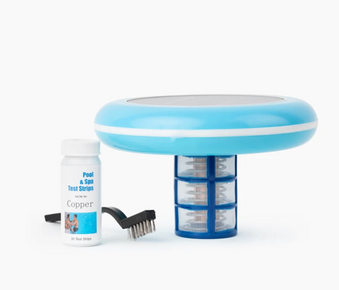
For today's busy homeowner, the backyard swimming pool should be a source of relaxation and recreation, not a demanding weekend chore. Yet, the reality of pool ownership often involves a constant battle against murky water, stubborn algae blooms, unpredictable chemical levels, and the ever-rising cost of supplies. The traditional cycle of testing, shocking, and scrubbing consumes precious time and money, pulling families away from the enjoyment their pool was meant to provide. This frustration is common, whether for a small residential retreat or a larger property where upkeep quickly becomes a significant burden.
Modern homeowners are increasingly seeking ways to maintain their pools efficiently without spending excessive time or money on chemicals and manual cleaning. Solar ionizers have emerged as a smart solution, offering eco-friendly, low-maintenance, and cost-effective pool care. By harnessing solar energy, these devices help keep pools algae free, improve water chemistry, and reduce the burden of pool maintenance. This innovative technology represents a fundamental shift in pool care philosophy moving away from reactive chemical treatments toward proactive, natural water balance. It enables pool owners to spend more time swimming and less time worrying, finally delivering the effortless, crystal-clear oasis they envisioned.
Table of Contents
- Introduction: Why Efficiency Matters for Pool Owners
- How Solar Ionizers Work
- Benefits of Solar Ionizers for Homeowners
- Managing Water Chemistry and Pool pH Balance
- Pool Equipment , Longevity, and Replacement Kits
- Algae Prevention and Fixing Common Pool Issues
- Final Thoughts: The Future of Efficient Pool Maintenance
1. Introduction: Why Efficiency Matters for Pool Owners
The contemporary homeowner's relationship with their swimming pool exists in a delicate, often frustrating balance between aspiration and obligation. The initial vision a shimmering backyard oasis perfect for family gatherings, summer relaxation, and impromptu social events frequently gives way to a sobering reality dominated by chemical calculations, weekend scrubbing sessions, and the ever-present anxiety of water quality. This transformation from luxury retreat to demanding responsibility stems from a maintenance model that is fundamentally broken, one that treats the pool not as a living ecosystem but as a chemical vessel requiring constant correction. The traditional approach creates what industry professionals call "maintenance fatigue," a state where the owner's enthusiasm steadily erodes under the weight of unending tasks, leaving them to wonder if the enjoyment ever truly justifies the effort.
This maintenance fatigue manifests in subtle but profound ways. It appears in the reluctance to invite friends over because the water "doesn't look quite right," in the weekend plans rearranged to accommodate necessary pool shock treatments, and in the growing pile of half-used chemical containers that testify to ongoing experimentation without lasting solutions. More significantly, it appears in the financial spreadsheet where pool maintenance becomes not an occasional expense but a predictable line item, and in the environmental conscience troubled by the knowledge of chemical runoff and water waste. The central question that emerges for the modern pool owner is no longer how to clean their pool, but how to reclaim the freedom and simplicity that first motivated their investment how to transform their relationship with the water from one of management back to one of enjoyment.
The Invisible Costs: Beyond Chemicals and Time
While most pool owners can readily cite their monthly chemical expenses or estimate their weekly maintenance hours, the true burden of conventional pool care extends into less visible but equally significant territories. Equipment degradation operates on a hidden timetable; the gradual corrosion of a heater's copper heat exchanger from acidic water or the insulating scale buildup that forces a pump to work overtime doesn't announce itself until failure is imminent and replacement costs substantial. Energy inefficiency represents another silent expense pumps running longer than necessary to combat poor water clarity, heaters working harder through scale insulation, and filters requiring frequent backwashing that wastes both water and the energy used to heat it.
The psychological cost, though difficult to quantify, may be the most significant. There exists a particular stress unique to pool ownership: the knowledge that a complex biological and chemical system depends entirely on your vigilance. A weekend away, an unusually hot spell, or a heavy rain can trigger consequences that demand immediate attention upon return. This creates what might be termed "pool anxiety," a low-grade concern that lingers even when not actively maintaining the water. It prevents true relaxation, turning what should be a stress-relieving asset into a source of background worry.
The Chemistry Conundrum: A Delicate and Unforgiving Balance
Understanding pool water chemistry resembles less a simple recipe and more a complex ecological system where every adjustment creates cascading effects. The pH level, which should ideally rest between 7.4 and 7.6 for swimmer comfort and optimal chemical efficacy, responds not only to direct additions of acid or base but to everything introduced to the water from chlorine tablets (which are acidic) to swimmers themselves (whose sweat and oils affect alkalinity). Total alkalinity, acting as the water's buffer against rapid pH swings, must be maintained within a narrow band of 80-120 parts per million; too low, and the pH becomes unstable and corrosive, too high, and the water resists necessary adjustments and becomes scaling.
Calcium hardness presents another balancing act, with ideal levels between 200-400 parts per million. Water with insufficient calcium becomes "aggressive," seeking to dissolve calcium from pool surfaces and equipment, leading to etching, pitting, and permanent damage to plaster and grout. Conversely, water with excessive calcium precipitates as scale, forming rock-like deposits on tiles, inside plumbing, and crucially on heater elements where it acts as insulation, causing overheating and premature failure. The sanitizer level, typically chlorine maintained between 1-3 parts per million, exists in constant conflict with sunlight (which degrades it), organic contaminants (which consume it), and cyanuric acid (which stabilizes it but also diminishes its effectiveness). This intricate dance of parameters means that addressing one problem say, lowering high pH often triggers another, like reduced chlorine efficacy or increased scaling potential.
The Algae Cycle: An Endless Battle Against Nature
Algae represents perhaps the most visible and persistent symbol of pool maintenance frustration. These microscopic plants exist everywhere in the air, soil, and even tap water and view a swimming pool as an ideal habitat: warm, sunlit, and rich in nutrients from environmental debris and swimmers. The traditional approach to algae control operates on a flawed premise: allow algae to establish itself, then attack it with chemical weapons. This creates a predictable cycle of infestation and treatment that benefits neither the pool nor its owner.
Algae blooms follow a specific progression that begins invisibly. Spores enter the pool and, finding favorable conditions, attach to surfaces where they form a nearly invisible biofilm the slippery feeling on pool steps and walls that many mistake for "clean" slickness. From this biofilm, algae proliferates, first appearing as vague cloudiness or dullness in the water, then as faint green tinges in corners or on shaded walls, and finally as full-blown blooms that can turn an entire pool green within 48 hours under ideal conditions. Each stage requires increasingly aggressive treatment; early biofilm requires thorough brushing and algaecides, while established blooms demand heavy shock treatments that temporarily elevate chlorine to levels unsafe for swimming, followed by clarifiers to remove dead algae cells, and extended filtration that consumes additional energy.
The problem with this reactive approach lies in its temporary nature. Chemical algaecides work through immediate toxicity, killing existing algae but doing nothing to prevent the next generation of spores from establishing themselves once the chemical dissipates. This creates what algae control experts call the "weekly reset," where each treatment provides only a brief window of protection before the cycle begins anew. More concerning, algae can develop resistance to certain algaecides over time, requiring rotation of products or increased doses, further escalating chemical use and cost.
The Solar Ionizer Alternative: Principles of Prevention
Solar pool ionizers introduce a fundamentally different philosophy to pool care, one based not on periodic chemical warfare but on continuous biological management. The core innovation lies in recognizing that algae control works more effectively through prevention than eradication, and that the most sustainable prevention comes not from synthetic chemicals but from natural elements working in harmony with the pool's ecosystem.
The principle operates on several interconnected levels. First, it acknowledges that complete sterilization of pool water is neither practical nor desirable; instead, it seeks to create an environment where undesirable organisms cannot thrive. Second, it leverages natural elements specifically copper ions that have demonstrated algastatic (growth-inhibiting) properties for centuries. Third, it utilizes a completely renewable energy source (sunlight) to power the process, eliminating electricity costs and environmental impact. Finally, it establishes a continuous, low-level protective presence rather than periodic high-concentration treatments, maintaining consistent water conditions that are inhospitable to algae but completely safe for swimmers and equipment.
This preventative approach addresses not only the symptoms of poor pool maintenance but its underlying causes. By eliminating the algae cycle, it removes the need for most shock treatments and algaecides. By reducing chemical additions, it stabilizes pH and other water parameters. By preventing scale and corrosion through better-balanced water, it extends equipment life. And by automating the most labor-intensive aspect of pool care, it returns time and peace of mind to the owner.
The Transformation: From Maintenance Burden to Managed Asset
For homeowners who transition to solar ionization, the experience evolves through distinct phases that ultimately redefine their relationship with their pool. The initial phase involves installation and system familiarization, typically requiring professional setup of the ionization chamber in the return line and positioning of the solar panel for optimal sun exposure. During this period, owners learn to monitor the subtle indicators of proper operation, such as the solar panel's activity light and occasional visual checks of the ionization chamber.
The stabilization phase follows, typically spanning the first four to six weeks. During this period, the copper ion concentration gradually builds to its optimal range of 0.2 to 0.4 parts per million, while traditional chemical use is systematically reduced. Owners observe gradual but unmistakable changes: the water develops a noticeably brighter sparkle, surfaces lose their slippery biofilm, and chemical test results show remarkable stability with fewer adjustments needed. Maintenance tasks begin to shift from active intervention to passive observation.
The normalization phase represents the new steady state, typically reached by the second month. At this point, the pool operates with minimal chemical input often 50-80% less chlorine than previously used and maintenance becomes largely predictable. Weekly routines simplify to quick visual inspections, basic water testing, and occasional surface skimming, with major cleaning tasks like wall brushing becoming monthly rather than weekly events. The pump runtime can often be reduced by 25-40% as cleaner water places less demand on the pool filtration system.
Finally, the optimization phase allows owners to refine their approach based on seasonal changes and usage patterns. They learn that during peak summer heat or heavy usage periods, minor adjustments might be needed, but these remain simple compared to the constant corrections of traditional care. They discover that opening the pool in spring requires less shock and recovery time, and that closing it in fall involves fewer chemicals to prevent algae. Throughout all phases, they experience the profound psychological shift from worrying about their pool to trusting its automated systems, from dreading maintenance to barely noticing it.
This transformation represents more than just easier pool care; it signifies a reclamation of the pool's original promise. The water becomes not just chemically balanced but genuinely healthy soft on skin, clear to the bottom, and inviting for spontaneous use. The backyard becomes a true retreat rather than a maintenance zone. The financial investment shifts from recurring chemical purchases to predictable, minimal operating costs. And perhaps most significantly, the environmental impact diminishes through reduced chemical production, transportation, and runoff. In this comprehensive sense, solar ionization doesn't merely maintain pools; it rehabilitates the entire experience of pool ownership, restoring the balance between human enjoyment and responsible stewardship that should define our relationship with water.

2. How Solar Ionizers Work
A solar pool ionizer represents a sophisticated integration of photovoltaic technology, electrochemical engineering, and hydraulic design. The system operates through meticulously engineered components that transform sunlight into chemical-free water purification.
-
High-Efficiency Photovoltaic Panel
The solar panel utilizes monocrystalline silicon cells with conversion efficiencies of 18-22%, specifically selected for optimal performance in variable outdoor conditions. It generates 1.5-4.5 volts DC intentionally low for absolute safety in wet environments while providing sufficient power for ionization. The construction features tempered glass covers, UV-stabilized polymer frames, and waterproof junction boxes rated for continuous outdoor exposure. Intelligent power regulation incorporates bypass diodes to prevent shading issues, and visual LED indicators provide immediate confirmation of proper functioning.
-
Electrochemical Ionization Chamber
This cylindrical chamber, constructed from UV-resistant PVC or polypropylene, installs directly into the pool's return line. Its flow-optimized design creates turbulent flow patterns that maximize electrode contact while minimizing pressure drop. The chamber houses precisely spaced electrodes and features transparent sections for visual inspection, with all connections using chemical-resistant O-rings and marine-grade seals.
-
Sacrificial Copper Anode
Typically made from 99.9% pure electrolytic copper, the anode serves as the ion source. Its cylindrical design with increased surface area maximizes ion release efficiency. The anode connects to the positive terminal and undergoes controlled dissolution, with its composition specifically engineered to prevent impurity introduction into the water.
-
Durable Cathode Assembly
Constructed from corrosion-resistant titanium or 316L stainless steel, the cathode features specialized surface treatments that minimize calcium scale adhesion. Its strategic positioning creates optimal electrical field distribution, and its non-sacrificial design ensures long-term durability with minimal maintenance requirements.
-
Marine-Grade Electrical System
Waterproof copper conductors with double insulation protect against moisture penetration. Quick-disconnect connectors rated for 10,000+ mating cycles facilitate easy maintenance, while integrated current-limiting circuitry prevents over-ionization and protects against electrical faults.
The Photovoltaic Conversion Process: From Sunlight to Electrical Energy
The energy transformation begins with sunlight interacting with specialized semiconductor materials, initiating a precise sequence of physical phenomena.
-
Photon Absorption and Electron Liberation
When photons with energy exceeding silicon's bandgap (1.1 eV) strike the solar cells, they transfer energy to valence electrons, exciting them into the conduction band. This creates electron-hole pairs the fundamental charge carriers that enable current flow. The panel's anti-reflective coating maximizes photon capture across the visible light spectrum.
-
Charge Separation and Voltage Generation
The built-in p-n junction electric field drives liberated electrons toward the n-type layer and holes toward the p-type layer. This separation creates a voltage potential between the electrodes, typically measuring 1.5-4.5 volts under standard test conditions (1000 W/m² irradiance, 25°C cell temperature).
-
Current Production and Regulation
Current output varies directly with solar intensity, ranging from 20-30 milliamps on cloudy days to 80-120 milliamps in full sun. The system's inherent self-regulation means maximum ion production occurs precisely when algae growth potential is highest during peak sunlight hours on warm days.
-
Power Delivery to Electrodes
Generated electricity travels through low-resistance conductors to the ionization chamber. Voltage remains stable despite varying sunlight conditions due to the panel's carefully engineered current-voltage characteristics, ensuring consistent electrode performance throughout daylight hours.
Electrochemical Ion Generation: The Science of Controlled Copper Release
Within the ionization chamber, electrical energy drives precise chemical transformations that convert solid metal into protective water treatment ions.
-
Anodic Oxidation Process
At the copper anode surface, applied voltage exceeding copper's oxidation potential (+0.34V vs. SHE) drives the reaction: Cu(s) → Cu²⁺(aq) + 2e⁻. Copper atoms surrender electrons, transitioning from metallic state to soluble, doubly charged ions that immediately hydrate and disperse into the water stream.
-
Cathodic Reduction Reactions
Electrons complete the circuit at the cathode, where several possible reduction reactions occur depending on water chemistry. The primary reaction involves dissolved oxygen: O₂(aq) + 2H₂O(l) + 4e⁻ → 4OH⁻(aq), which generates hydroxide ions that help stabilize pH levels.
-
Current Efficiency and Ion Production Rate
The system achieves 85-95% current efficiency, meaning most electrical energy directly produces copper ions rather than secondary reactions. Production rates typically range from 0.1-0.3 grams of copper per day, maintaining ideal concentrations of 0.2-0.4 ppm in average residential pools.
-
Self-Regulating Production Control
As copper ion concentration approaches optimal levels, water conductivity increases slightly, creating natural feedback that moderates ion release. This built-in regulation prevents over-concentration and maintains therapeutic levels without manual adjustment.
Copper Ion Mechanisms in Water Treatment: Multi-Layered Protection
Once released into pool water, copper ions perform several simultaneous protective functions through distinct biochemical and physical mechanisms.
-
Algastatic Action at Cellular Level
Copper ions penetrate algae cells through both passive diffusion and active transport systems. Inside cells, they bind to sulfur-containing amino acids in critical enzymes, particularly those in Photosystem II of the photosynthetic electron transport chain. This binding disrupts energy production, inhibits chlorophyll synthesis, and prevents cellular division, effectively creating an environment where algae cannot proliferate.
-
Microbial Growth Inhibition
While primarily algastatic, copper ions provide secondary antibacterial action through multiple mechanisms. They disrupt bacterial cell membrane integrity via lipid peroxidation, interfere with DNA replication by binding to nucleic acids, and inhibit essential metalloenzymes through competitive displacement of native metal ions.
-
Colloidal Particle Destabilization
Positively charged Cu²⁺ ions neutralize the negative zeta potential of suspended particles (typically -15 to -30 mV). This charge neutralization reduces electrostatic repulsion between particles, allowing van der Waals forces to dominate and causing particles to agglomerate into larger flocs that either filter efficiently or settle for vacuuming.
-
Scale and Corrosion Control
Copper ions adsorb to growing calcium carbonate crystal faces, disrupting organized lattice formation and promoting softer aragonite rather than hard calcite. They also form protective films on metal surfaces that inhibit corrosion, particularly in copper and brass components of pool equipment.
Continuous Protection Cycle: The 24/7 Operational Advantage
Solar ionization establishes a fundamentally different protection paradigm compared to traditional chemical methods, offering consistent rather than intermittent water treatment.
-
Daytime Ion Production and Distribution
During daylight hours, continuous ion production maintains steady-state concentrations. Pool circulation systems typically complete full water turnover every 6-8 hours, ensuring uniform ion distribution throughout the entire water volume. The constant replenishment prevents concentration depletion that occurs with degrading chemicals like chlorine.
-
Nighttime Protective Reservoir
Unlike UV-degradable chlorine that loses potency rapidly, copper ions remain chemically stable and biologically active for weeks. This creates a protective reservoir that continues working through nighttime hours, early mornings, and cloudy periods when solar panels aren't actively producing.
-
Seasonal Adaptability
The system automatically adjusts to changing seasonal conditions. In summer with intense sunlight and warm water (optimal algae conditions), maximum ion production occurs. During cooler months with reduced sunlight, production decreases proportionally, matching treatment intensity to actual biological demand.
-
Demand-Response Operation
Solar intensity directly correlates with both ion production and algae growth potential through shared dependence on sunlight. This creates an intelligent, self-regulating system that increases treatment precisely when needed most during extended sunny periods that would normally trigger algae blooms in traditional pools.
System Integration and Synergy with Existing Pool Equipment
Solar ionizers enhance rather than replace conventional pool systems, creating synergistic relationships that improve overall efficiency.
-
Filtration System Enhancement
By preventing algae and clarifying water, ionizers reduce the organic and particulate load on filters. This extends filter media life by 30-50%, reduces backwashing frequency by 40-60%, and often allows pump runtime reduction of 2-4 hours daily while maintaining superior water clarity.
-
Chlorine System Optimization
With copper handling continuous pool algae prevention, chlorine's role shifts from primary sanitizer to specialized oxidizer focused on breaking down non-living organics. This allows chlorine reduction to 0.5-1.0 ppm (versus 2-3 ppm in traditional pools), eliminating chloramine formation and associated swimmer discomfort.
-
Heater and Pump Protection
Scale prevention extends heater lifespan by preventing insulating deposits on heat exchangers. Reduced chemical corrosion protects pump seals and metal components, while cleaner water decreases hydraulic resistance, improving overall system efficiency.
-
Automated Water Balance Maintenance
Reduced chemical additions mean fewer pH fluctuations. The system's electrochemical reactions naturally tend to stabilize pH near optimal levels, and copper's scale-inhibition properties help maintain proper calcium balance with fewer adjustments.
This comprehensive operational framework demonstrates why solar ionization represents more than just alternative water treatment it's a complete reimagining of pool maintenance that leverages natural processes, intelligent automation, and multi-layered protection to deliver consistently clean, clear, and healthy water with minimal human intervention.

3. Benefits of Solar Ionizers for Homeowners
Solar pool ionizers represent a paradigm shift in aquatic maintenance technology, delivering comprehensive advantages that address every major pain point of traditional pool ownership. These systems don't merely offer incremental improvements but fundamentally redefine what efficient pool maintenance means, transforming time-consuming chores into automated processes and converting recurring expenses into long-term savings. The benefits extend across multiple dimensions biological, chemical, financial, environmental, and psychological creating a holistic improvement that makes pool ownership simpler, more affordable, and more enjoyable than ever before.
-
Consistent Algae Prevention and Crystal-Clear Water
The most immediately noticeable benefit of solar ionization is the complete elimination of algae-related problems through continuous, proactive protection. Unlike traditional methods that allow algae to establish itself before fighting it with chemical weapons, solar ionizers maintain a constant, low-level concentration of copper ions (0.2-0.4 ppm) that creates an environment fundamentally hostile to algae growth. This prevention operates on multiple biological levels simultaneously: copper ions penetrate algae spores and prevent germination, disrupt photosynthesis in developing cells by binding to critical enzymes in the electron transport chain, and interfere with cellular respiration and reproduction processes. The result is water that maintains exceptional clarity without the cloudy periods or green tints that characterize algae-prone pools. Pool surfaces remain free of the slippery biofilm that precedes visible algae growth, and water consistently sparkles with the brilliant blue clarity that pool owners desire but often struggle to maintain. This 24/7 protection means pool owners can leave for vacation or endure extended rainy periods without returning to the green, swampy mess that traditional pool maintenance often produces, providing peace of mind and consistent visual appeal regardless of weather conditions or usage patterns.
-
Drastic Reduction in Chemical Dependency
Solar ionization enables pool owners to reduce their reliance on traditional pool chemicals by 50-80%, fundamentally changing the chemistry and character of pool water. Chlorine requirements drop dramatically because copper ions handle the continuous sanitation and algae prevention that normally consumes most chlorine's oxidizing capacity. Instead of maintaining 2-3 ppm of chlorine as primary sanitizer, solar-ionized pools typically require only 0.5-1.0 ppm to handle oxidation of non-living organic matter like body oils, sweat, and sunscreen. This chemical reduction eliminates the formation of chloramines the compounds responsible for the strong "chlorine smell," red eyes, dry skin, and respiratory irritation that plague traditionally maintained pools. Additionally, the need for weekly algaecides disappears completely, along with the harsh shock treatments normally required after heavy use or weather events. pH stability improves dramatically because fewer chemical additions mean fewer pH swings, reducing the need for muriatic acid and soda ash adjustments. The water becomes chemically simpler, requiring fewer products, less frequent testing, and generating less chemical waste, while simultaneously becoming more comfortable and pleasant for swimmers who no longer experience the harsh effects of over-chlorinated water.
-
Radically Simplified Maintenance Routines
The automation of algae prevention transforms pool maintenance from a labor-intensive weekly chore into a simple monitoring task. Traditional maintenance typically requires 2-4 hours weekly of active work: scrubbing walls and floors to prevent algae adhesion, vacuuming debris, backwashing filters clogged with organic matter, testing and adjusting multiple chemical parameters, and handling potentially hazardous chemicals. With solar ionization, these tasks reduce dramatically. Wall brushing becomes monthly rather than weekly because algae doesn't establish biofilm. Filter cleaning frequency decreases by 40-60% because less organic matter enters the system. Chemical testing simplifies to quick weekly verifications rather than daily adjustments. The physical labor of hauling and measuring chemicals disappears, replaced by an annual anode replacement that takes minutes rather than hours. Maintenance shifts from reactive problem-solving (fighting visible algae, correcting chemical imbalances) to proactive system verification (checking ionizer operation, monitoring basic parameters). This simplification means pool owners spend more time enjoying their pool and less time working on it, with typical maintenance time dropping from several hours weekly to under 30 minutes of simple oversight.
-
Substantial and Multi-Dimensional Cost Savings
The financial benefits of solar ionization operate across multiple categories and compound significantly over time, typically paying for the system within 1-2 swimming seasons. Direct chemical savings range from $300-$800 annually for the average residential pool, eliminating expenses for chlorine tablets or liquid, algaecides, shock treatments, clarifiers, and many specialty chemicals. Energy savings add another dimension: with cleaner water requiring less filtration, pump runtime can often be reduced by 2-4 hours daily, saving $150-$300 annually on electricity. Equipment longevity represents perhaps the most significant long-term savings: by preventing scale buildup on heaters and reducing chemical corrosion of pumps and filters, solar ionizers can extend equipment lifespan by 3-5 years, potentially saving thousands in premature replacement costs. Reduced water consumption from less frequent backwashing saves both water bills and the energy costs of heating replacement water. Emergency service calls for algae outbreaks or equipment failures become rare or eliminated, avoiding $150-$300 per incident. When these savings are combined chemical reduction, energy efficiency, extended equipment life, and reduced professional services the total financial benefit typically ranges from $600-$1,500 annually, making solar ionization one of the most cost-effective investments a pool owner can make.
-
Genuine Environmental Sustainability
Solar ionizers operate on principles of environmental stewardship that align with modern ecological values. The system's power source is 100% renewable solar energy it requires no grid electricity, creates no carbon emissions during operation, and utilizes energy that would otherwise be wasted as heat. Chemical reduction has profound environmental implications: manufacturing chlorine involves energy intensive processes and transportation, while its use creates chlorinated byproducts that persist in the environment. By reducing chlorine use by 50-80%, solar ionizers dramatically decrease the chemical industry's environmental footprint associated with a single pool. Water conservation improves because less frequent backwashing saves thousands of gallons annually particularly important in drought-prone regions. There's no packaging waste from chemical containers, no transportation emissions from chemical delivery, and reduced chemical runoff into local watersheds. The copper ions themselves eventually precipitate as benign copper compounds or are filtered out, unlike some synthetic algaecides that persist in the environment. This comprehensive environmental benefit means pool owners can enjoy their aquatic recreation while minimizing their ecological impact, creating a truly sustainable approach to water maintenance that future generations can appreciate.
-
Enhanced Swimmer Comfort and Health
The water quality improvements from solar ionization create a noticeably better swimming experience. With chlorine levels reduced by 50-80%, swimmers no longer experience the red eyes, dry skin, bleached swimwear, and respiratory irritation associated with traditional pools. The water feels softer and more natural, similar to clean freshwater lakes rather than heavily chlorinated commercial pools. The elimination of chloramines means there's no strong chemical odor the water smells fresh and clean rather than like a chemical treatment facility. Copper ions at therapeutic levels (0.2-0.4 ppm) are safe for all swimmers, including children and those with sensitive skin, and many users report that solar-ionized water feels more buoyant and pleasant for extended swimming. The psychological comfort is equally important: knowing the water is maintained through natural ionization rather than heavy chemical treatment provides assurance about water quality, particularly for families with young children or individuals with chemical sensitivities. This combination of physical comfort and psychological assurance transforms the pool from a chemical vessel into a natural-feeling aquatic environment that invites regular use and extended enjoyment.
-
Predictable Performance and Peace of Mind
Perhaps the most underappreciated benefit is the elimination of "pool anxiety" the constant concern that despite regular maintenance, something could go wrong at the worst possible time. Solar ionizers provide consistent, automated protection that works regardless of the owner's schedule or attention. They prevent problems before they become visible, eliminating the weekend surprises of green water or cloudy conditions that ruin pool parties and family gatherings. This reliability means pool owners can travel for work or vacation without worrying about returning to an algae-infested pool that requires days of intensive treatment to recover. Seasonal pool openings become simpler with less "shock and recover" drama, and closings require fewer winterizing chemicals because the water remains more stable. The system's self-regulating nature producing more ions during sunny conditions when algae risk is highest means it automatically adapts to changing conditions without manual intervention. This predictability transforms pool ownership from a constant management challenge into a reliable home feature, restoring the carefree enjoyment that originally motivated the pool investment.
-
Increased Property Value and Appeal
A well-maintained, crystal-clear pool water adds significant value to residential properties, and solar ionization enhances this value proposition in multiple ways. The system represents a modern, technologically advanced feature that appeals to environmentally conscious buyers and those seeking low-maintenance lifestyles. Documentation of reduced operating costs becomes a valuable selling point during property transactions, as potential buyers appreciate knowing the pool won't be a financial burden. The superior water quality and minimal chemical use appeal to health-conscious families, while the automated maintenance appeals to busy professionals and retirees seeking hassle-free ownership. The extended equipment lifespan means the pool's mechanical systems are likely in better condition than similarly aged pools maintained traditionally. Perhaps most importantly, the consistent water clarity and lack of chemical odors create an immediately positive impression during showings the pool sparkles invitingly rather than appearing as a potential problem area. This combination of operational benefits and aesthetic appeal makes solar-ionized pools more attractive to potential buyers and can enhance property values beyond the system's direct cost.
These comprehensive benefits demonstrate why solar ionization represents more than just another pool product it's a complete reimagining of pool ownership that addresses every traditional pain point while delivering superior results. From the immediate visual improvement of algae-free water to the long-term financial savings, from the environmental benefits to the enhanced swimmer experience, solar ionizers transform pools from high-maintenance obligations into effortlessly enjoyable assets. They restore the original promise of pool ownership simple, affordable, beautiful water that enhances quality of life rather than demanding constant attention making them arguably the most significant advancement in residential pool technology in decades.

4. Managing Water Chemistry and Pool pH Balance
Proper water chemistry represents the fundamental cornerstone of safe, enjoyable, and sustainable pool ownership. Beyond mere clarity or visual appeal, balanced water chemistry creates an aquatic environment that protects swimmers' health, preserves expensive equipment, and minimizes maintenance demands. Traditional pool maintenance approaches water chemistry as a complex puzzle of interacting variables pH, alkalinity, calcium hardness, sanitizer levels, and stabilizer concentrations each requiring constant monitoring and adjustment. This chemical balancing act becomes particularly challenging because changes to one parameter inevitably affect others, creating a cascade of adjustments that consume time, chemicals, and attention. The introduction of solar ionization transforms this dynamic by addressing the root causes of chemical instability rather than merely treating the symptoms, creating a fundamentally more stable aquatic environment that simplifies management while enhancing results.
pH Stability: The Central Challenge in Traditional Pool Maintenance
Maintaining pool pH balance within the ideal range of 7.4 to 7.6 represents perhaps the most persistent challenge in conventional pool care, yet it's absolutely critical for multiple reasons. At proper pH levels, chlorine operates at peak sanitizing efficiency (approximately 65% effective at pH 7.5 versus only 22% effective at pH 8.0), swimmer comfort is maximized (preventing eye and skin irritation), and equipment protection is optimized (preventing both corrosion and scale formation). The traditional problem stems from the chemicals themselves trichlor tablets are highly acidic (pH around 2.8-3.0), liquid chlorine is highly basic (pH around 13), and even swimmer contaminants affect pH balance. Each chemical addition creates a pH swing that must be corrected with muriatic acid or soda ash, initiating a cycle of overcorrection and re-correction that characterizes much of traditional pool maintenance. This constant fluctuation doesn't just require more chemicals; it creates water that's never truly stable, equipment that's constantly stressed by changing conditions, and swimmers who experience the discomfort of water that's never properly balanced.
Solar Ionization's Impact on pH Management
Solar ionizers address pH instability at its source by dramatically reducing the chemical additions that cause pH fluctuations. With copper ions handling continuous algae prevention and providing baseline sanitation, chlorine use typically drops by 50-80%. This single change has profound implications for pH management: fewer acidic trichlor tablets or basic liquid chlorine additions mean fewer violent pH swings that require correction. The water enters a state of relative chemical calm where pH tends to stabilize naturally around the ideal range. Furthermore, the electrochemical reactions within the ionization chamber itself contribute to pH stability the cathode reaction (O₂ + 2H₂O + 4e⁻ → 4OH⁻) generates hydroxide ions that naturally buffer against pH drops, while the overall reduction in organic contaminants (which tend to lower pH as they decompose) creates additional stability. The result is water that maintains consistent pH with far fewer adjustments, typically requiring only minor corrections rather than the constant battling that characterizes traditional pools. This stability means test results become predictable, chemical handling decreases, and water comfort improves dramatically.
Water Hardness Management: Preventing the Twin Threats of Scale and Corrosion
Calcium hardness management represents another critical but often overlooked aspect of water chemistry that solar ionization significantly improves. Managing pool water hardness refers to the concentration of dissolved calcium and magnesium ions, measured in parts per million (ppm), with ideal pool levels typically between 200-400 ppm. When hardness falls below 200 ppm, water becomes "aggressive" or corrosive it seeks to dissolve calcium to satisfy its mineral hunger, attacking pool surfaces (etching plaster, pitting concrete), corroding metal components (heaters, ladder screws, light fixtures), and generally degrading everything it contacts. When hardness rises above 400 ppm, water becomes "scaling" excess calcium precipitates out as solid calcium carbonate that forms rock-like deposits on tiles, inside plumbing, and most damagingly on heater elements where it acts as insulation, causing overheating and premature failure. Traditional pool maintenance struggles with hardness management because many common chemicals affect it: calcium hypochlorite shock directly increases hardness, while acid additions to control pH can make water more aggressive. Solar ionization helps stabilize hardness in multiple ways: by reducing the need for calcium-based shock treatments, by minimizing acid additions through improved pH stability, and through copper ions' ability to interfere with scale crystallization. Copper ions adsorb to growing calcium carbonate crystals, disrupting their organized structure and promoting softer, less adherent forms that don't bond tightly to surfaces. This scale inhibition protects heaters, pumps, and plumbing while making any deposits that do form easier to remove, extending equipment life and improving energy efficiency.
Chemical Spike Elimination: The Steady-State Advantage
Traditional pool maintenance operates on what water chemistry professionals call the "peak and valley" cycle adding chemicals creates temporary high concentrations that gradually decline until the next addition, creating windows of vulnerability and inefficiency. Chlorine levels might spike to 5 ppm after shocking, then drop below 1 ppm within hours on a sunny day, creating periods of over-treatment followed by periods of under-protection. pH might swing from 7.2 after acid addition to 7.8 after chlorine addition, never resting at the ideal midpoint. These chemical spikes don't just waste money on excessive chemical use; they stress pool equipment (corrosive low pH followed by scaling high pH), create uncomfortable swimming conditions, and demand constant monitoring and correction. Solar ionization establishes what chemists call "steady-state" conditions consistent copper ion levels between 0.2-0.4 ppm that don't spike or crash, supported by reduced and stabilized chlorine levels. This consistency creates multiple benefits: equipment operates in a stable chemical environment that minimizes corrosion and scale formation, swimmers enjoy water that feels consistently comfortable rather than alternating between harsh and inadequate treatment, and maintenance becomes predictable rather than reactive. The elimination of chemical spikes means fewer emergency treatments, less chemical waste, and a more natural-feeling aquatic environment that invites regular use rather than occasional tolerance.
Comprehensive Water Health: Beyond Basic Chemistry
The benefits of stabilized water chemistry extend beyond mere parameter management to encompass overall water health and quality. With reduced chemical use and more stable conditions, total dissolved solids (TDS) increase more slowly, meaning water stays "fresher" longer and requires less frequent dilution or replacement. The reduction in chloramine formation (those irritating compounds that cause chlorine odor and swimmer discomfort) means water smells cleaner and feels softer on skin and eyes. Water clarity improves not just from algae prevention but from reduced turbidity caused by chemical interactions and precipitation. Perhaps most importantly, the water develops what experienced pool professionals call "balance resilience" the ability to maintain stability despite normal usage, environmental factors, or minor maintenance variations. A solar-ionized pool can typically handle a pool party, a rainstorm, or a few days of neglect without spiraling into chemical chaos, because the foundational water chemistry remains stable even when surface conditions change. This resilience transforms pool maintenance from a fragile balancing act that can collapse at any moment into a robust system that withstands normal life variations, making pool ownership less stressful and more enjoyable.
Practical Management: Simplified Testing and Adjustment
For the pool owner, the practical implications of stabilized water chemistry manifest in dramatically simplified maintenance routines. Testing frequency can often be reduced from daily to weekly because parameters change so slowly. Test results become predictable and easy to interpret rather than puzzling over wild swings and trying to diagnose multiple interacting problems, owners typically see stable numbers that require only occasional minor adjustments. Chemical handling decreases proportionally: fewer containers to store, measure, and pour; less exposure to hazardous substances; reduced chemical costs; and minimal disposal concerns. The mental burden of chemical management lightens significantly instead of constantly worrying about water balance, owners develop confidence that their pool will maintain proper chemistry with minimal intervention. This practical simplification extends to seasonal transitions as well: opening the pool in spring requires less "shock and recover" chemistry, while closing for winter involves fewer stabilizing chemicals because the water enters the off-season in better balance. The cumulative effect is maintenance that feels manageable rather than overwhelming, predictable rather than mysterious, and simple rather than complex.
Long-Term Implications: Equipment Protection and Cost Savings
The stabilized water chemistry enabled by solar ionization delivers significant long-term benefits that extend far beyond seasonal maintenance simplification. Equipment protection represents perhaps the most valuable of these benefits: heaters last years longer when spared from scale insulation and chemical corrosion; pumps and filters operate more efficiently with cleaner water and less chemical stress; pool surfaces maintain their finish and appearance without etching, staining, or scale buildup. These equipment extensions translate directly into financial savings delaying a $1,500 heater replacement by three years represents substantial value, as does extending the life of a $800 pump or $400 filter system. Reduced chemical purchases compound annually, while lower energy consumption (from efficient equipment operation and reduced pump runtime) adds continuous savings. Perhaps most significantly, the prevention of major chemical imbalances avoids the expensive emergency treatments and professional service calls that often accompany traditional pool problems. When these various savings are combined extended equipment life, reduced chemical costs, lower energy bills, and avoided emergency expenses the total financial benefit typically justifies the solar ionizer investment within one to two seasons, after which the savings become pure financial gain. This economic reality, combined with the improved water quality and simplified maintenance, makes stabilized water chemistry through solar ionization not just a technical improvement but a fundamentally smarter approach to pool ownership that benefits every aspect of the aquatic experience.

5. Pool Equipment, Longevity, and Replacement Kits
While solar ionizers represent a transformative advancement in pool care, they operate within a larger ecosystem of pool equipment that continues to require thoughtful maintenance. These systems don't create a maintenance-free utopia but rather shift the focus from chemical management to equipment stewardship. The solar ionizer itself, while largely automated, has consumable components that require periodic attention. Understanding this balanced approach where advanced technology reduces certain burdens while creating new maintenance priorities is essential for maximizing the benefits of solar ionization. This comprehensive perspective ensures that all pool systems work in harmony, delivering optimal performance while extending the operational lifespan of every component in the aquatic environment.
The Sacrificial Anode: Understanding Controlled Dissolution
At the heart of every solar ionizer system lies a fundamental electrochemical principle: the sacrificial anode. This copper component doesn't merely wear out it's designed to dissolve deliberately and controllably. Through the process of electrolysis, copper atoms at the anode's surface oxidize, transforming from solid metal into positively charged ions (Cu²⁺) that disperse throughout the pool water. This dissolution isn't a design flaw but rather the essential mechanism through which the system protects the pool. The anode typically loses 30-50% of its mass each swimming season, with the exact rate determined by factors including solar intensity, pool usage, water chemistry, and initial anode size. As the anode diminishes, its surface area decreases, which gradually reduces ion production efficiency. By the end of a typical season, an undersized anode may be producing only 20-30% of its original ion output, leaving the pool vulnerable despite the system appearing operational. This gradual performance decline happens so incrementally that pool owners often don't notice until algae problems begin to reappear, making proactive replacement essential rather than optional.
Replacement Kits: Comprehensive System Renewal
Annual replacement kits represent the single most important maintenance activity for sustaining solar ionizer performance. These kits typically include a complete set of components designed to return the system to its original specifications. A high-quality replacement kit collection contains a new, full-size anode that restores 100% ion production capacity, a cleaned or new cathode to eliminate scale buildup that increases electrical resistance, fresh O-rings and seals to prevent leaks, and sometimes a new housing or basket if plastic components have become brittle from UV exposure. The replacement process itself is straightforward, typically requiring only basic tools and 20-30 minutes of attention. Most systems feature quick-disconnect fittings that allow chamber access without cutting plumbing, and clear instructions guide homeowners through the simple steps. The timing for replacement is generally at pool opening each spring, ensuring maximum performance throughout the peak swimming season. This annual renewal costs significantly less than a single professional algae treatment yet guarantees consistent protection all season long.
Equipment Synergy: How Clean Water Protects Pool Systems
The stabilized, algae-free water environment created by solar ionization provides profound benefits to traditional pool equipment. Filtration systems experience dramatically reduced organic loading, meaning filters stay cleaner longer, require less frequent backwashing or cleaning, and maintain optimal flow rates with minimal pressure buildup. This extends filter media life by 30-50% and reduces water waste from backwashing by thousands of gallons annually. Pump systems benefit from cleaner water and filters, operating with reduced hydraulic resistance that lowers energy consumption and wear on seals and bearings. Heaters perhaps benefit most significantly: scale formation on heat exchangers represents the primary cause of heater inefficiency and premature failure in traditional pools. Solar ionization helps prevent this scale through multiple mechanisms stabilized water chemistry reduces calcium precipitation, and copper ions interfere with scale crystal formation. This protection can extend heater lifespan by 3-5 years, potentially saving owners thousands in replacement costs while maintaining optimal heating efficiency throughout the equipment's life.
Integrated Maintenance Strategy: The Complete Picture
Successful long-term pool ownership with solar ionization involves integrating traditional equipment maintenance with the specific needs of the ionization system. This integrated approach includes regular inspection of the solar panel for debris accumulation or shading issues, checking electrical connections for corrosion or wear, verifying proper water flow through the ionization chamber, and monitoring overall system performance through simple observation of water clarity and periodic copper level testing. Traditional equipment maintenance continues but in simplified form: pumps require periodic inspection of seals and baskets, filters need occasional cleaning or media replacement (though less frequently), and heaters benefit from annual professional inspection. The key insight is that all these systems work better together clean water from proper ionization reduces strain on filters and pumps, while well-maintained traditional equipment ensures optimal water circulation through the ionizer. This creates a virtuous cycle where each component supports the others, resulting in a pool system that operates more efficiently, lasts longer, and requires less intensive maintenance than traditional chemically-dependent systems.
Long-Term Value: Cost-Benefit Analysis
When evaluating the complete maintenance picture, solar ionization demonstrates clear long-term value despite the need for annual replacement kits. The typical replacement kit costs between $60-$120, while the chemical savings alone from reduced chlorine and algaecide use typically range from $300-$800 annually. The equipment protection benefits add substantial additional value: extending a heater's life by three years represents $1,500-$2,500 in avoided replacement costs, while reduced pump and filter wear adds several hundred dollars more. Energy savings from reduced pump runtime and improved heater efficiency typically save $150-$300 annually. When these benefits are combined, the total annual savings typically exceed the cost of replacement kits by a factor of 5-10 times, making the maintenance investment highly profitable. More importantly, this maintenance ensures consistent performance preventing the gradual decline that leads to algae problems, emergency chemical treatments, and equipment failures that disrupt pool enjoyment and create unexpected expenses. This proactive, scheduled maintenance represents the difference between predictable, affordable pool ownership and the reactive, expensive maintenance cycles that characterize traditional pool care.
The Complete System Perspective
Ultimately, understanding pool equipment, longevity, and replacement needs within a solar ionization context requires viewing the pool as an integrated system rather than a collection of independent components. The ionizer protects the water, which in turn protects the equipment, while properly maintained equipment ensures optimal ionizer performance. This interconnectedness means that attention to one area benefits all others, creating cumulative improvements in efficiency, longevity, and enjoyment. The annual replacement ritual becomes not merely a maintenance task but a system renewal that ensures peak performance for the coming season. The reduced strain on traditional equipment means fewer repairs and replacements. The stabilized water chemistry means fewer chemical adjustments and emergencies. Together, these benefits create a pool ownership experience that's fundamentally different from traditional approaches more predictable, more affordable, and more enjoyable, with maintenance that feels like intelligent stewardship rather than constant battle against inevitable decline.
6. Algae Prevention and Fixing Common Pool Issues
Algae represents the most persistent and visible enemy of pool owners worldwide, transforming crystal-clear water into unsightly green swamps seemingly overnight. This biological invasion not only ruins the aesthetic appeal of a pool but creates slippery surfaces, clogs filtration systems, and consumes chemicals at alarming rates. The traditional approach to algae management has always been reactive waiting for visible problems to appear, then attacking with escalating chemical weapons. Solar ionizers revolutionize this paradigm by establishing continuous, proactive protection that prevents algae from gaining a foothold in the first place, while also offering a more natural path to recovery for pools already affected by algal blooms.
Proactive Algae Prevention: Creating an Inhospitable Environment
Solar pool ionizers excel at algae prevention through a sophisticated biological strategy that operates at the cellular level. By maintaining a consistent concentration of copper ions between 0.2 and 0.4 parts per million, these systems create an aquatic environment fundamentally hostile to algae proliferation. The mechanism works on multiple fronts simultaneously: copper ions penetrate algae spores and disrupt their ability to germinate, they interfere with photosynthesis in developing cells by binding to critical enzymes, and they prevent established algae from reproducing effectively. This multi-layered defense ensures that algae never progresses beyond microscopic spores, eliminating the familiar cycle of weekly brushing, shocking, and algaecide treatments that characterize traditional pool maintenance. The prevention is continuous and automatic working 24 hours a day, seven days a week, regardless of weather conditions or pool usage patterns.
Corrective Action: Natural Recovery for Green Pools
For pools already experiencing algae problems, solar ionization offers a gentler, more natural recovery path that reduces reliance on harsh chemical treatments. The traditional approach to green pools involves aggressive shock treatments that temporarily elevate chlorine to 10-20 times normal levels, followed by algaecides, clarifiers, and intensive filtration a process that's hard on equipment, uncomfortable for swimmers, and environmentally taxing. With solar ionization, the recovery process becomes more balanced: a moderate shock treatment eliminates existing algae, while the ionizer immediately begins establishing its protective copper ion field to prevent recurrence. The copper ions also act as natural flocculants, causing dead algae cells and debris to clump together for easier filtration or settling. This combined approach typically allows for lower shock doses, faster water clearance, and significantly reduced risk of the problem returning once cleared.
Preventing Recurrence: Breaking the Algae Cycle
The true power of solar ionization in algae management lies in its ability to prevent recurring problems that plague traditionally maintained pools. Algae spores constantly enter pools through wind, rain, contaminated equipment, and swimmers, meaning that temporary chemical victories often give way to new infestations within days or weeks. Solar ionizers break this cycle by maintaining continuous protection that addresses new spores as they arrive. The copper ion reservoir remains active between solar charging cycles, creating ongoing protection even during nighttime or cloudy periods. This constant defensive presence means that occasional heavy use, rainstorms, or temporary maintenance lapses don't automatically trigger algae blooms, providing pool owners with unprecedented reliability and peace of mind.
Water Clarity Enhancement: Beyond Algae Prevention
While algae prevention represents the most dramatic benefit, solar ionization also significantly improves overall water clarity through several complementary mechanisms. Copper ions carry a positive charge that attracts negatively charged particles microscopic debris, dust, pollen, and dead organic matter that cause cloudiness. This attraction causes particles to clump together into larger aggregates that either filter out efficiently or settle to the bottom for easy vacuuming. Additionally, by preventing algae growth, the system eliminates the single largest source of organic cloudiness in traditional pools. The result is water that maintains exceptional sparkle and transparency with minimal intervention, reducing or eliminating the need for chemical clarifiers that many pool owners rely on weekly. This clarity isn't merely aesthetic it's also a safety feature, allowing clear visibility to the pool bottom at all times, which is essential for swimmer safety and drowning prevention.
Comprehensive Benefits: Healthier Swimming Experience
The algae prevention and water clarity benefits of solar ionization culminate in a fundamentally better swimming experience. Without algae growth, pools don't develop the slippery biofilm that makes steps and ladders hazardous. Reduced chemical use means fewer chloramines those irritating compounds responsible for red eyes, dry skin, and strong chemical odors. The water feels softer and more natural, inviting longer, more frequent use. Perhaps most importantly, the elimination of algae-related emergencies means pools remain consistently available and inviting, transforming them from high-maintenance burdens into reliable sources of recreation and relaxation. This comprehensive improvement represents not just easier maintenance, but a complete redefinition of what pool ownership can be consistently clear, naturally maintained water that enhances lifestyle rather than demanding constant attention.
7. Final Thoughts: The Future of Efficient Pool Maintenance
As we stand at the intersection of environmental consciousness and technological advancement, solar pool ionizers represent more than just another pool product they embody a fundamental shift in how we approach water maintenance. This technology moves us away from the chemical-intensive, labor-heavy practices of the past toward an intelligent, sustainable model that works in harmony with natural principles. The implications extend beyond individual pool owners to broader environmental considerations, offering a path to recreational water enjoyment that doesn't come at the cost of chemical pollution, excessive water waste, or unsustainable energy consumption. In an era where efficiency and sustainability are increasingly prioritized, solar ionization provides a compelling answer to the question of how we can enjoy luxury amenities while minimizing their ecological footprint and maintenance burden.
The economic case for solar ionizers becomes increasingly persuasive when viewed through a long-term lens. While the initial investment may give some homeowners pause, the comprehensive savings dramatically reduced chemical purchases, lower energy bills from reduced pump runtime, extended equipment lifespan through scale and corrosion prevention, and elimination of emergency treatment costs typically return the investment within one to two swimming seasons. Beyond these tangible financial benefits lies the more valuable return on investment: time reclaimed from maintenance chores, stress eliminated from pool-related worries, and enjoyment enhanced through consistently perfect water conditions. This combination of financial prudence and lifestyle improvement makes solar ionization not merely an expense but one of the most strategically sound investments a pool owner can make, paying dividends in both monetary savings and quality of life enhancement for years to come.
Solar ionizers offer a smarter, cleaner, and more efficient way to maintain pools. For homeowners, they provide long-term benefits: consistent water clarity, algae-free conditions, and reduced chemical dependence. By combining solar ionization with proper monitoring of water chemistry, water hardness, and the use of replacement kits, pool owners can enjoy healthier, more sustainable, and stress-free pool maintenance. Solar ionizers are not just a convenience they are an investment in a cleaner, safer, and more efficient pool.