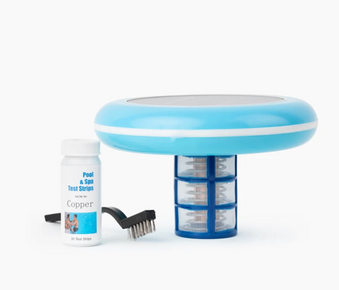
A solar pool ionizer is one of the best tools pool owners can use to keep their water clear, naturally sanitized, and low-maintenance. But because it operates outdoors and relies on sunlight, the unit is constantly exposed to different weather conditions. Harsh environments intense sunlight, storms, wind, and temperature swings can impact its effectiveness and shorten its lifespan if not properly protected.
Many pool owners don't realize that their solar ionizer needs as much protection from the elements as it provides to their pool water. While these devices are designed to be durable, proactive care can significantly extend their operational life and maintain their efficiency.
Fortunately, keeping your solar ionizer safe from extreme weather is simple, and a few preventative strategies can help you get years of reliable performance. Here's everything you need to know to protect your investment and ensure your pool stays crystal clear year-round.
Table of Contents
- Why Weather Protection Matters for Your Solar Ionizer
- Shielding Your Ionizer from Intense Sun Exposure
- Protecting Your Solar Ionizer During Heavy Rain and Storms
- Preventing Damage from Strong Winds
- Protecting the Electrodes from Environmental Wear
- Cold Weather and Winter Storage Tips
- Final Thought: Checking Your Ionizer After Harsh Weather
1. Why Weather Protection Matters for Your Solar Ionizer
Solar ionizers use a small solar panel to energize the electrodes. Cathode and Anode of solar ionizer that release mineral ions into the water. This elegant system converts sunlight into a gentle electrical current that facilitates the controlled release of copper and silver ions nature's most effective water sanitizers. The process is continuous during daylight hours, providing consistent protection without chemical spikes or dips.
Harsh weather can affect multiple components, each essential to the system's performance and longevity. Unlike traditional pool equipment that may be sheltered or installed in protected areas, solar ionizers must remain in the water under open skies to function properly. This constant exposure subjects them to environmental stresses that can degrade performance over time if not properly managed.
Protecting these components ensures your ionizer continues to sanitize your pool effectively throughout the entire swimming season. A well-maintained solar ionizer can last 3-5 years or more, while neglected units may fail prematurely, leaving your pool vulnerable to algae blooms and bacterial growth. Proper weather protection isn't just about preserving the device it's about ensuring consistent water quality and safety for swimmers.
Key areas that weather can impact include:
- Solar panel efficiency: Dust, pollen, bird droppings, and water spots can accumulate on the photovoltaic surface, reducing energy conversion by up to 30%. Hail or flying debris can cause micro-fractures that gradually expand, while UV degradation over time diminishes the panel's ability to capture sunlight effectively.
- Electrode wear: Temperature extremes accelerate the electrolysis process, causing premature thinning of copper and silver plates. Freezing conditions can cause metal fatigue and cracking, while rapid temperature changes create stress fractures. Storm debris can physically damage the delicate electrode structure, requiring early replacement.
- Structural durability: Prolonged UV exposure makes plastic housings brittle and prone to cracking. Thermal expansion and contraction from day-night temperature swings can weaken seals and connections. High winds can cause impacts against pool walls that crack or fracture the outer casing, compromising waterproof integrity.
- Mineral output consistency: Weather-related damage to the electrical system creates irregular ion release patterns, resulting in uneven sanitization. Temperature fluctuations affect the solubility and mobility of ions in water, while storm runoff can introduce contaminants that bind with ions, reducing their effectiveness.
- Battery or internal component life: Many solar ionizers contain small batteries or capacitors that store energy for cloudy pool water periods. Extreme temperatures shorten battery lifespan significantly heat accelerates chemical degradation, while cold reduces capacity. Moisture intrusion from damaged seals can corrode circuit boards and electrical connections.
- Buoyancy and positioning systems: Weather conditions affect the floating mechanism that keeps the ionizer properly positioned. Sun damage can degrade floatation materials, while wind and wave action can displace the unit from optimal sunlight exposure areas.
- Waterproof seals and gaskets: The constant expansion and contraction from temperature changes, combined with UV exposure, cause rubber and silicone seals to harden, crack, and lose their waterproof properties, leading to water intrusion and electrical failure.
Understanding these vulnerabilities is the first step toward effective protection. Each weather element sun, rain, wind, and temperature presents specific challenges that require targeted solutions. By implementing the protective strategies outlined in this guide, you can mitigate these risks and ensure your solar ionizer delivers reliable, consistent performance season after season.

2. Shielding Your Ionizer from Intense Sun Exposure
Even though your solar ionizer needs sunlight, excessive UV exposure can slowly degrade the plastic housing or discolor the surface over time. The paradox of solar-powered pool equipment is that it requires the very element that causes its gradual deterioration. The ultraviolet radiation that powers the photovoltaic panel also initiates photodegradation in the polymers used for the housing, leading to a process called UV embrittlement where the plastic loses its flexibility and becomes prone to cracking.
This degradation occurs through chain scission in the polymer structure, where UV photons break the molecular bonds that give the plastic its strength and flexibility. Additionally, thermal cycling the repeated expansion and contraction as the device heats during the day and cools at night creates microscopic stress fractures that grow larger with each cycle. Over time, these cumulative effects can compromise the waterproof seals, reduce structural integrity, and potentially lead to system failure.
To protect your solar ionizer from excessive sun exposure:
- Strategic positioning and reflection management: Keep the ionizer floating but not directly under concentrated reflections. Avoid positioning near metallic pool edges, chrome ladder railings, or mirrored pool tiles that can create hot spots with reflected UV intensity up to 3 times higher than direct sunlight. These concentrated reflection zones create localized overheating that accelerates plastic degradation and can warp the solar panel substrate.
- Extreme heat wave protocols: Remove the device during extreme heat waves when temperatures exceed 95°F (35°C) for consecutive days. At these temperatures, the plastic housing can become pliable enough to warp under its own weight or from water movement. Warping not only looks unsightly but can misalign the solar panel, reducing energy capture, and can compromise waterproof seals by creating gaps where water can intrude.
- Long-term storage optimization: Store the unit in complete shade when the pool is not in use for extended periods (typically more than one week). Ideal storage locations include covered pool equipment areas, shaded garden sheds, or indoor spaces away from windows where indirect light won't cause continued UV exposure. For storage periods exceeding one month, consider wrapping the unit in UV-protective fabric or placing it in its original box.
- Seasonal angle adjustment awareness: Be mindful of changing sun angles throughout the year. In summer when the sun is higher, the device receives more direct overhead UV. In winter, the lower angle creates longer exposure periods even with fewer daylight hours. Adjust your protection strategies seasonally more vigilant monitoring during peak summer months, and consideration of partial shading solutions during transitional seasons.
- Protective coating application: Consider applying a UV-protectant spray specifically formulated for outdoor plastics and photovoltaic surfaces. These coatings contain UV absorbers and stabilizers that create a protective barrier without reducing light transmission to the solar panel. Apply according to manufacturer instructions, typically every 3-6 months during peak swimming season.
- Floating platform consideration: For pools with intense, all-day sun exposure, consider a floating platform with a partial shade canopy. These can be purchased or DIY-created using UV-resistant fabric that provides dappled shade while still allowing sufficient light for the solar panel to function. Ensure any canopy material blocks less than 30% of light to maintain adequate power generation.
- Rotation protocol implementation: If your pool has areas with varying sun exposure throughout the day, establish a rotation schedule. Move the ionizer to different positions daily or every few days to ensure even UV exposure rather than concentrated degradation on one side. This is particularly helpful for oval or irregularly shaped pools with distinct sun/shade patterns.
Sunlight is essential for operation too much can cause both cosmetic and structural aging. The first visible signs of UV damage include color fading from the original vibrant tones to a chalky white appearance, followed by a slight yellowing or browning as the polymer breaks down further. Surface checking (tiny interconnected cracks resembling a spiderweb pattern) indicates advanced UV damage that compromises structural integrity.
Regular inspection for discoloration or brittleness will help you catch UV damage early. During your weekly regular pool maintenance, take a moment to examine the housing for any color changes, surface texture alterations, or flexibility reduction. Gently press on the plastic housing if it feels brittle or makes cracking sounds under light pressure, UV damage has progressed significantly. Early detection allows for protective interventions like UV-blocking sprays or strategic repositioning that can extend the device's lifespan by months or even years.
Remember that UV damage is cumulative every hour of direct sunlight contributes to the degradation process. By implementing these protective measures, you're not just preserving the appearance of your solar ionizer; you're protecting the waterproof seals that prevent electrical failure, maintaining the structural integrity that keeps electrodes properly aligned, and ensuring consistent energy capture that powers effective sanitization throughout the swimming season.

3. Protecting Your Solar Ionizer During Heavy Rain and Storms
Rain itself doesn't inherently damage a properly sealed solar ionizer in fact, light rainfall can help clean dust and debris from the solar panel surface, potentially improving efficiency. Modern solar ionizers are designed with waterproof ratings (typically IP67 or higher), meaning they can withstand immersion in water and resist moisture intrusion under normal conditions. The real threat comes not from the rain itself, but from the secondary effects of severe storms: wind dynamics, flying debris, water displacement, and electrical phenomena that accompany major weather events.
Severe storms create multiple interrelated hazards that can damage your ionizer through both direct impact and environmental changes:
- Wind dynamics and ejection risks: Strong gusts can toss the ionizer completely out of the pool, causing impact damage on hard surfaces like concrete decks, pavers, or stone landscaping. This ejection typically happens when wind gets underneath the floating device and creates lift, much like a kite catching air. Once airborne, even a lightweight ionizer becomes a projectile that can suffer casing fractures, solar panel shattering, or electrode bending upon landing. The risk increases exponentially when wind speeds exceed 25 mph (40 km/h), and becomes almost certain during tropical storms or hurricanes with sustained winds over 50 mph (80 km/h).
- Debris impact on critical components: Storms turn ordinary yard objects into dangerous projectiles. Twigs, branches, pine cones, patio furniture cushions, and even children's toys can become airborne and strike the solar panel with enough force to crack the photovoltaic surface or protective glass. Even if the glass doesn't shatter, micro-fractures can develop that gradually expand over time, reducing energy conversion efficiency. Larger debris like tree limbs can completely crush the housing or shear off electrodes, requiring complete unit replacement.
- Pool overflow and unusual hydrodynamic movement: Heavy rainfall can cause pool water pH levels to rise dramatically, sometimes overflowing the coping. This creates unusual currents and eddies that can carry the ionizer into dangerous positions trapped against skimmer openings (potentially blocking water flow), caught in main drains, or wedged under ladders or steps. The increased water movement also increases the force of impacts against pool walls and features, potentially cracking the housing even without ejection from the water.
- Orientation reversal and solar panel exposure: High winds can flip the device upside-down, exposing the solar panel to potential scratching against the pool floor or wall. More critically, when flipped, the electrodes face upward rather than downward into the water, causing them to operate in air rather than water. This can lead to overheating, accelerated electrode wear, and potential electrical issues as the system attempts to ionize air instead of water. Some models have automatic shut-off features when removed from water, but not all include this protection.
- Lightning strike considerations: While statistically rare, lightning presents multiple risks. A direct strike would obviously destroy the device, but more common are nearby strikes that induce power surges through the water or through ground conduction. These transient voltage spikes can fry the delicate electronics in the ionizer's control circuitry. Additionally, lightning creates electromagnetic pulses that can corrupt memory chips or programming in smart ionizers with digital controllers.
- Water chemistry disruption: Heavy rainfall doesn't just add volume it introduces contaminants like acid rain (with lowered pH), organic matter (pollen, dust, leaves), and in some regions, even pollutants from the atmosphere. This sudden influx can alter water chemistry dramatically, affecting how ions behave in solution and potentially requiring recalibration of the ionization system after the storm passes.
- Temperature shock phenomena: Summer storms often bring rapid temperature drops sometimes 20°F (11°C) or more within minutes. This thermal shock stresses materials with different expansion coefficients (like glass panels mounted in plastic frames), potentially creating hairline cracks or compromising adhesive bonds that hold components together.
Pre-Storm Preparation Protocol:
Implementing a systematic approach before storms arrive prevents damage and ensures your ionizer survives severe weather events intact:
- Weather monitoring and early response: Subscribe to weather alerts for your area, particularly severe thunderstorm and tornado warnings. Begin your preparation protocol when storms are forecast within 24 hours, not when they're already arriving. This gives you time to perform the removal process calmly and thoroughly rather than rushing as rain begins to fall.
- Safe removal procedure: Carefully remove the ionizer from the pool, avoiding sudden movements that could cause it to strike the pool edge. Use both hands to support the unit, as wet plastic can be slippery. Immediately place it in a prepared container or on a soft towel to prevent scratching during transport.
- Proper drying and storage preparation: Place the unit in a dry, indoor space with stable temperature and humidity. A climate-controlled environment is ideal avoid garages or sheds that may experience temperature extremes or humidity fluctuations. Before storage, ensure the electrodes dry completely by patting them gently with a soft, lint-free cloth and allowing air circulation around them for at least 30 minutes. Complete drying prevents mineral crystallization on the electrode surfaces, which can reduce ion output efficiency.
- Electrode inspection opportunity: Use storm preparation as an opportunity to inspect electrodes for wear, scaling, or damage that you might not notice during normal operation. Check for uneven erosion patterns, mineral buildup, or bending that might indicate previous impact damage. Addressing these issues during downtime prevents pool algae problems when the device returns to service.
- Storage location selection: Choose an interior room away from windows where the unit won't be exposed to lightning-induced power surges through electrical outlets. Place it on a soft surface like a towel or foam pad to prevent scratches. If storing for more than 48 hours, consider placing it in its original packaging or a protective case.
- Documentation step: Note the removal date and expected storm severity in your pool maintenance log. This creates a record that helps with warranty claims if damage does occur, and establishes patterns for future storm preparation.
Post-Storm Recovery and Reintegration:
After the storm passes and conditions calm, follow this systematic approach to safely return your ionizer to service:
- Environmental assessment: Before returning the ionizer to the pool, assess overall conditions. Ensure winds have subsided to below 15 mph (24 km/h), check that the pool area is clear of debris that could interfere with operation, and stabling pool water chemistry has stabilized (particularly pH, which can be affected by acid rain).
- Device inspection: Conduct a thorough visual inspection of the ionizer before reinstallation. Check for any new cracks, dents, or scratches that may have occurred during storage or transport. Examine the solar panel surface for debris or damage, verify that electrodes are clean and properly aligned, and ensure all connections are secure.
- Gradual reintroduction: Place the ionizer gently back into the water, avoiding impact with pool surfaces. Position it in an area with good sun exposure but protected from any remaining wind or wave action. Allow it to float freely for 15-20 minutes to acclimate to water temperature before expecting normal operation.
- Performance verification: Monitor the device for proper operation over the next 24 hours. Check for normal bubbling or ionization indicators if your model has them. Test water chemistry after 48 hours to ensure ion levels are returning to optimal ranges (0.2-0.4 ppm for copper ions).
- Post-storm water treatment consideration: After significant rainfall, your pool may need additional attention beyond the ionizer. Consider testing and balancing all chemical parameters, as heavy rain dilutes mineral concentrations and introduces contaminants. You may need to run your filtration system longer than normal to clear suspended particles stirred up by the storm.
This comprehensive storm protection protocol while requiring some advance planning and effort can prevent costly damage and extend your system's lifespan significantly. The few minutes spent removing and protecting your solar ionizer before a storm represents a tiny investment compared to the cost of replacement (typically $200-$500) or the inconvenience of pool sanitation failure during peak swimming season. More importantly, by protecting this key component of your pool's sanitation system, you ensure consistent water quality and swimmer safety throughout the variable weather patterns of the swimming season.
Remember that different storm types require different levels of response. A brief afternoon thunderstorm with light rain and modest winds might only require monitoring, while approaching hurricanes, derechos (widespread wind storms), or severe thunderstorms with hail warrants immediate removal and protected storage. Developing weather awareness and a graduated response plan tailored to your local climate patterns represents the most sophisticated approach to solar ionizer protection.

4. Preventing Damage from Strong Winds
Wind is one of the most common causes of physical damage to solar ionizers. When wind pushes the device against hard pool edges or blows it out of the water entirely, scratches, cracks, panel, pool water quality damage can occur.
To avoid this:
- Use a floating tether during windy days to limit drifting: A properly designed tether system allows the ionizer to move enough for sun tracking while preventing it from reaching pool walls where impacts occur. Choose UV-resistant cordage with a length equal to about 60% of your pool's smallest dimension, and include a swivel connector to prevent line twisting.
- Remove it on extremely windy afternoons: Establish clear wind speed thresholds for removal typically 25 mph (40 km/h) sustained winds or 35 mph (56 km/h) gusts. Keep a weather app on your phone with alerts for wind advisories in your area, and develop the habit of checking forecasts each morning during swimming season.
- Avoid leaving it in shallow areas where the wind pushes aggressively: Water less than 3 feet (0.9 meters) deep provides insufficient resistance to wind forces. The shallower the water, the more easily wind can overcome water resistance and accelerate the device toward pool edges. Position the ionizer in deeper sections where water mass creates greater drag forces.
- Implement strategic positioning based on prevailing winds: Observe wind patterns around your pool and position the ionizer on the downwind side of natural windbreaks. In rectangular pools, avoid corner areas where wind vortices can trap the device in repeated impact cycles against adjacent walls.
- Consider windbreak installations for chronically windy locations: For pools in consistently windy areas, install permeable barriers like lattice fencing, strategic plantings, or decorative screens that reduce wind speed by 50-70% without creating turbulent eddies that might increase localized wind effects.
- Use weighted cord systems with dynamic length adjustment: A simple tether or anchor system can extend your ionizer's lifespan dramatically. Consider using a weighted cord that allows movement while preventing the device from hitting pool walls. The weight should be heavy enough to provide restraint but light enough to avoid pulling the ionizer underwater during normal conditions.
- Develop a graduated response plan for different wind conditions: Create a simple action plan: 10-15 mph = monitor; 15-20 mph = deploy tether; 20-25 mph = consider removal; 25+ mph = remove immediately. This systematic approach prevents damage while avoiding unnecessary removals during mild conditions.
- Inspect pool edges for potential impact hazards: Regularly check for sharp corners, exposed aggregate surfaces, or rough plaster that could increase damage during impacts. Consider adding protective bumpers or edge cushions to high-risk impact zones if wind problems persist despite other measures.
Wind damage follows predictable patterns that can be effectively managed with proper planning and simple protective measures. The key is recognizing that even moderate winds can generate enough force to damage solar ionizers over time through cumulative impact wear. By implementing these strategies, you're not just preventing sudden catastrophic failures but also protecting against the gradual degradation that occurs from repeated minor impacts over multiple seasons.

5. Protecting the Electrodes from Environmental Wear
Even though electrodes naturally erode over time through their essential electrolytic function, harsh environmental conditions can dramatically accelerate corrosion, mineral buildup, and physical damage. The copper anode and silver cathode that constitute the heart of your solar ionizer operate through controlled electrochemical dissolution, but this precise process becomes vulnerable to environmental interference that can shorten electrode life by 40-60% if left unchecked.
To keep them safe and functioning optimally:
- Clean the cathode and anode regularly with proper technique: Establish a monthly cleaning anode and cathode schedule using a soft-bristled brush and a solution of one part white vinegar to four parts water. Gently scrub mineral deposits and oxidation from both electrodes, paying special attention to the junction where different metals meet. Avoid abrasive materials like steel wool or harsh chemicals that could scratch the delicate surfaces or accelerate galvanic corrosion between dissimilar metals.
- Rinse them thoroughly after exposure to heavy rain or muddy water: Stormwater runoff often contains dissolved minerals, organic matter, and particulates that can adhere to electrode surfaces. Within 24 hours of significant rainfall, remove the ionizer and rinse electrodes with distilled or filtered water to prevent calcium carbonate scale formation, iron oxide staining, or organic film buildup that insulates electrodes and reduces ion output efficiency.
- Store the unit indoors during long storms or winter conditions: Extended exposure to wet conditions without operational cycling allows mineral crystallization on electrode surfaces. For storms lasting more than 48 hours or winter storage, bring the unit inside to a climate-controlled environment. This prevents the "wet-dry cycling" that accelerates pitting corrosion, especially in regions with hard water or high mineral content.
- Keep replacement kits on hand for quick swaps: Maintain an inventory of manufacturer-approved electrode replacement kits specific to your ionizer model. Electrodes typically need replacement every 2-3 swimming seasons under normal conditions, but harsh environments may necessitate annual replacement. Having kits readily available ensures you can restore optimal performance immediately rather than waiting for shipping during peak swimming season.
- Monitor water chemistry parameters that affect electrode life: Regularly test and maintain pH between 7.2-7.6, as acidic conditions accelerate copper dissolution while alkaline conditions promote scale formation. Keep total dissolved solids (TDS) below 1500 ppm and calcium hardness between 200-400 ppm to prevent both corrosive and scaling conditions that shorten electrode lifespan.
- Implement seasonal electrode inspection protocols: At the beginning and end of each swimming season, conduct detailed electrode inspections using magnification if possible. Look for uneven erosion patterns, pitting corrosion, crevice corrosion at mounting points, and galvanic corrosion where dissimilar metals contact. Document findings to track degradation rates and predict replacement timing.
- Use protective coatings during extended storage periods: For winter storage exceeding three months, consider applying a thin layer of food-grade mineral oil or specialized electrode protectant to metal surfaces after thorough cleaning and drying. This creates a barrier against atmospheric corrosion without affecting performance when the unit returns to service (the coating dissipates quickly once operational).
- Address specific regional environmental challenges: Adapt your electrode protection strategy to local conditions. Coastal areas require attention to salt spray corrosion, while regions with high mineral content in tap water need more frequent descaling. Urban environments may expose electrodes to airborne pollutants that accelerate corrosion, requiring more frequent inspections.
Dry storage helps prevent premature corrosion and keeps output consistent by eliminating the electrochemical reactions that continue even when the device isn't actively powered. When electrodes remain submerged without current, micro-galvanic cells can form between different metal components or even within the same metal due to microscopic compositional variations, creating localized corrosion that weakens structural integrity and creates irregular ion release patterns.
Regular maintenance of your electrodes ensures optimal mineral release and prevents sudden system failures that could leave your pool unprotected. The electrodes represent the single most important functional component of your ionizer, and their condition directly determines sanitization effectiveness. By implementing these protective measures, you're not just extending electrode life you're ensuring consistent copper and silver ion output that keeps your crystal-clear pool water, algae-free, and properly sanitized throughout the swimming season. A well-maintained electrode system can deliver up to 30% more consistent ion output over its lifespan compared to neglected electrodes, translating to better water quality with fewer chemical adjustments and less maintenance overall.

6. Cold Weather and Winter Storage Tips
If you live in a colder climate with winter temperatures regularly dropping below freezing, proper winter storage isn't just recommended it's essential for preserving your solar ionizer's functionality and extending its operational lifespan. The transition from swimming season to winter represents a critical period where improper handling can cause irreversible damage that may not become apparent until you attempt to use the device again months later.
To ensure your solar ionizer survives winter conditions intact and ready for next season:
- Remove the solar ionizer at the optimal time in the seasonal transition: Time your removal when nighttime temperatures consistently drop below 50°F (10°C) or when you typically close your pool for the season. Don't wait until the first frost warning, as sudden temperature drops can occur unexpectedly. Ideally, remove the device during a period of dry weather when daytime temperatures are still moderate enough to allow thorough cleaning and drying procedures. Mark your calendar for this seasonal task typically late September to mid-October in most northern temperate zones to ensure it doesn't get overlooked during busy autumn preparations.
- Store it indoors in a climate-controlled environment away from freezing temperatures: Choose a storage location that maintains temperatures between 40-70°F (4-21°C) with relative humidity below 50%. Basements, interior closets, or conditioned storage rooms are ideal. Avoid attics, garages, sheds, or outdoor storage boxes where temperatures can fluctuate dramatically even if they don't drop below freezing, repeated freeze-thaw cycles can be equally damaging. The storage space should also be protected from direct sunlight through windows, as UV exposure continues to degrade plastics even during winter months.
- Clean the electrodes meticulously before storing using a systematic approach: Begin by gently removing the ionizer from the water and rinsing it with a garden hose to eliminate surface debris. Prepare a cleaning solution of one part white distilled vinegar to three parts distilled water avoid tap water with high mineral content that could leave deposits. Submerge only the electrode section for 15-20 minutes to dissolve mineral scale, then gently brush with a soft toothbrush or soft pool nylon brush. Rinse thoroughly with distilled water, as tap water minerals can crystallize during storage. Finally, inspect electrodes for uneven wear, pitting, or bending that might indicate needed replacement before next season.
- Let the unit fully dry using a comprehensive drying protocol to prevent moisture-related damage: After cleaning, disassemble any removable components according to manufacturer instructions. Place all parts in a well-ventilated area with good air circulation a gentle fan can accelerate drying but avoid direct heat sources like space heaters or hair dryers that could warp plastic components. Allow a minimum of 48 hours drying time for complex internal components, checking moisture accumulation in seams and connections. Use moisture-absorbing silica gel packets in the storage container to capture residual humidity. Pay special attention to the solar panel surface any water spots left during storage can etch the glass or plastic covering during winter months.
- Keep it in a cool, dry cabinet or shelf with proper positioning never outdoors: Select a storage container that provides physical protection without creating a sealed, humid environment. A plastic storage bin with ventilation holes is superior to an airtight container. Place the ionizer in its original packaging if available, or wrap it in acid-free tissue paper before boxing. Store horizontally rather than vertically to prevent stress on internal connections, and avoid stacking heavy items on top of the storage container. Label the container clearly with contents and storage date for easy identification next season.
- Conduct pre-storage functional testing and documentation: Before final winter storage, perform a brief functional test if possible place the cleaned and dried ionizer in a bucket of water on a sunny day to verify it still produces bubbles or shows operational indicators. Document the electrode condition with photos or notes, recording remaining electrode thickness if measurable. This baseline documentation will help you assess wear progression next season and determine if replacement is needed.
- Implement battery maintenance if your model includes energy storage: Some solar ionizers contain small rechargeable batteries or capacitors for cloudy-day operation. For these models, consult manufacturer instructions some recommend fully charging before storage, while others suggest partial discharge. Generally, lithium-based batteries should be stored at 40-60% charge in cool conditions, while lead-acid types may need periodic charging during extended storage.
- Create a seasonal storage checklist and calendar reminder: Develop a written winterization protocol specific to your ionizer model and climate conditions. Include all steps from removal timing through storage preparation, and set a calendar reminder for both winter storage and spring retrieval. This systematic approach ensures consistency year after year and prevents oversight of critical steps.
Freezing temperatures pose multiple specific threats to solar ionizers that collectively justify careful winter protection:
- Plastic cracking from thermal expansion: When water trapped in seams or internal compartments freezes, it expands with approximately 9% volume increase. This expansion creates tremendous pressure up to 30,000 psi that can crack even durable plastics, rupture waterproof seals, and fracture solder joints on circuit boards.
- Structural weakening of polymer materials: Repeated freeze-thaw cycles cause plasticizers to migrate and polymer chains to realign, making plastics more brittle. This "freeze embrittlement" reduces impact resistance by up to 70%, meaning a device that survives winter might still fail from minor impacts the following season.
- Internal wiring damage from crystalline formation: Moisture absorbed into wire insulation can freeze, creating microscopic ice crystals that cut through insulation over multiple cycles. This exposes copper conductors to corrosion and creates potential short-circuit risks when the device is reactivated.
- Electrode corrosion acceleration: Frozen moisture on electrode surfaces creates concentrated electrolyte solutions as pure water freezes first, leaving behind increasingly concentrated mineral solutions that accelerate galvanic and pitting corrosion during thaw periods.
- Solar panel delamination and microcracking: The different thermal expansion coefficients of glass, plastic, and silicon in solar panels create shear stresses during temperature cycling that can separate layers, create microcracks in photovoltaic cells, or break electrical connections between cells.
- Seal and gasket degradation: Rubber and silicone sealing materials lose elasticity when frozen, becoming permanently deformed and losing their ability to create watertight seals. This damage often isn't visible until the device leaks upon returning to service.
Proper winter storage ensures your ionizer will be ready to perform when swimming season returns, potentially adding 2-3 years to its operational lifespan compared to units left exposed to winter conditions. The modest time investment in systematic winterization typically 1-2 hours per year represents excellent insurance against the $200-$500 replacement cost of most solar ionizers. More importantly, it prevents the frustration of discovering a failed system just as you're preparing your pool for summer enjoyment, when replacement units may be backordered and professional service appointments booked weeks in advance.
Remember that even if you live in a region with mild winters where temperatures rarely drop below freezing, seasonal storage is still beneficial. Extended periods of non-use allow for electrode inspection, thorough cleaning that's difficult during active season, and protection from winter storms, falling branches, or other seasonal hazards. Developing consistent winter storage habits creates a maintenance rhythm that supports long-term equipment and replacement kit collection reliability and consistent pool water quality year after year.

7. Final thoughts: Checking Your Ionizer After Harsh Weather
Once a storm or extreme weather passes, a systematic inspection of your ionizer before returning it to the pool is essential for maintaining optimal performance and preventing minor damage from escalating into complete system failure. This post-weather evaluation transforms what could be a routine reinstallation into a valuable diagnostic opportunity that can extend your device's operational lifespan by identifying and addressing issues when they're most manageable.
The inspection process should follow a methodical approach for pool owners in the beginning with a visual assessment from multiple angles. Start by examining the overall housing integrity, looking for hairline cracks that might not be immediately visible under direct light but become apparent when viewed from an angle against a contrasting background. Check for dents or impact marks that could indicate internal component damage even if the exterior appears intact. Pay special attention to seams and connection points where different materials meet, as these are common failure points during weather events. The inspection should progress from general to specific, ensuring no component escapes careful evaluation.
A solar ionizer is built for outdoor use, but like any precision equipment exposed to the elements, it still deserves and requires proper care. With consistent implementation of simple protective steps proactive removal during extreme weather, regular electrode maintenance, strategic solar panel shielding, and systematic seasonal storage you'll significantly extend its functional lifespan while ensuring your pool water remains naturally clear, balanced, and refreshing throughout the year. This balanced approach to equipment stewardship recognizes that while solar ionizers are designed to be durable, their longevity ultimately depends on the regular, thoughtful attention that transforms them from disposable gadgets into long-term investments in pool health and enjoyment.