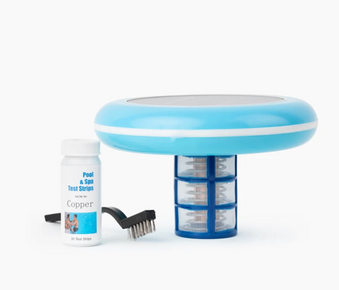
Regular maintenance is absolutely essential to ensuring that your solar pool ionizer performs at peak efficiency and continues to provide reliable service throughout multiple swimming seasons. Among the various components that require attention, two of the most critical elements demanding routine care are the anode, which is the specialized metal rod responsible for releasing sanitizing ions into the water, and the basket, which serves as the protective mesh or cage surrounding and safeguarding the anode.
Over extended periods of operation, these vital components inevitably accumulate various types of deposits including mineral scale, algae residue, organic debris, and other contaminants present in the pool water. If not cleaned thoroughly and regularly, this progressive buildup can significantly impair ion production capacity and substantially weaken the device's overall purification effectiveness. In this comprehensive maintenance guide, we will walk you through detailed procedures for properly cleaning both the anode and basket in your solar pool ionizer, thoroughly explain why consistent maintenance is so critically important, and provide expert tips to maximize your ionizer's operational lifespan while maintaining optimal performance.
Table Of Contents
- Understanding the Role of the Anode and Basket
- Why Regular Cleaning Is Important
- How Often Should You Clean the Anode and Basket
- Step by Step Guide to Cleaning the Anode
- How to Clean the Basket or Mesh Guard
- Common Mistakes to Avoid During Cleaning
- Final Thoughts: Keeping Your Solar Pool Ionizer Efficient and Long Lasting
Understanding the Role of the Anode and Basket
To properly clean and maintain your solar pool ionizer, it is fundamentally important to first develop a clear understanding of how these two essential components work together synergistically within the overall system. This knowledge will enable you to perform maintenance procedures more effectively and recognize potential issues before they compromise system performance.
The Anode: The Heart of the Ionization System
The anode represents the active purification component within your solar pool ionizer, typically manufactured from high purity copper or specialized copper silver alloys specifically engineered for controlled ion release. This critical component functions by releasing positively charged copper ions into the water when the solar panel positioned on top of the ionizer unit receives adequate sunlight exposure. These released ions serve as natural, highly effective sanitizers that systematically prevent the growth of algae, bacteria, and other microorganisms throughout your pool environment.
As the ionization process continues throughout the swimming season, the anode naturally experiences gradual wear and erosion, which represents a normal and expected aspect of its proper functioning. This controlled degradation occurs because the electrochemical process literally transfers minute amounts of metal from the anode into the water in the form of beneficial ions. The specific composition and manufacturing quality of the anode directly influence both its ion release efficiency and its operational lifespan, making proper maintenance essential for preserving these performance characteristics.
The Basket: Protective Guardian of the Anode
The basket, sometimes referred to as the coil or mesh guard, constitutes a protective structural component that completely surrounds and shields the delicate anode. This crucial protective element serves multiple important functions, primarily preventing large debris, leaves, insects, or other physical particles from directly contacting, clogging, or mechanically damaging the anode surface. Additionally, the basket's specific design helps maintain consistent, smooth water flow patterns around the electrode assembly, ensuring even ion distribution throughout the pool water and preventing localized concentration variations.
Both of these essential components remain continuously exposed to various challenging environmental factors including mineral deposition, biological growth, and physical debris accumulation, which collectively make regular, thorough cleaning absolutely crucial for maintaining optimal system performance. Understanding the specific roles and vulnerabilities of each component enables you to implement more effective maintenance strategies that address their unique requirements and operational characteristics.

Why Regular Cleaning Is Important
When your solar ionizer operates normally within your pool environment, it creates an electrochemical environment that inevitably leads to the accumulation of various mineral deposits and contaminants on the critical surfaces of both the anode and the protective basket. Calcium carbonate (CaCO3), magnesium scale (MgCO3), copper oxides, and various other mineral residues naturally precipitate and accumulate on these exposed surfaces through complex electrochemical processes that occur during normal ionization operation. This deposition process begins almost immediately upon system activation and progresses steadily throughout operation, with the rate of accumulation directly influenced by multiple factors including pool water chemistry, temperature, electrical current density, and environmental conditions.
The fundamental mechanism behind this deposition involves the electrochemical reactions occurring at the electrode surfaces during ionization. As the solar panel generates electrical current that flows between the anode and cathode, localized changes in pH and electrochemical potential create conditions ideal for mineral precipitation. Calcium and magnesium ions naturally present in pool water undergo transformation at the electrode interfaces, converting from soluble bicarbonate forms to insoluble carbonate compounds that adhere tenaciously to metal surfaces. Additionally, the copper ions being released from the anode can partially oxidize and redeposit as copper oxide compounds, particularly in areas with lower current density or restricted water flow.
The Progressive Nature of Scale Accumulation
Over successive weeks of continuous operation, this progressive buildup follows a predictable pattern that begins with microscopic nucleation sites and gradually develops into a substantial, hard, insulating layer that significantly impedes the normal flow of electrical current between components. The initial deposition phase involves the formation of microscopic calcium carbonate crystals at surface imperfections or areas with elevated current density. These initial crystals serve as foundation sites for subsequent mineral accumulation, creating a snowball effect where existing deposits attract additional mineral ions from the water, accelerating the scaling process exponentially.
As the scale layer thickens and matures, it undergoes structural changes that increase its electrical resistance and mechanical adhesion. Freshly formed scale maintains some porosity and moderate conductivity, but as it ages and recrystallizes, it transforms into a dense, highly insulating barrier that can reduce current flow by 60-80% in severe cases. This insulating effect creates a vicious cycle where reduced current flow leads to uneven ionization, which in turn creates localized hotspots that accelerate further scale formation in specific areas while leaving others relatively clean.
Consequences of Unchecked Scale Accumulation
When this undesirable condition occurs and scale is allowed to accumulate unchecked, the ionizer's fundamental ability to release adequate quantities of copper ions becomes substantially diminished, creating a cascade of water quality issues. The reduced ion production fails to maintain the critical copper ion concentration of 0.2-0.5 ppm necessary for effective algae and bacteria control, potentially resulting in cloudy pool water conditions, visible algae growth, increased chlorine demand, and other water quality issues that compromise swimming safety and enjoyment.
The impact of scale accumulation extends beyond simple performance reduction to include several secondary effects that further degrade system efficiency. The increased electrical resistance caused by scale deposits forces the solar panel to work harder to maintain current flow, potentially overheating electronic components and reducing the overall energy efficiency of the system. This increased electrical load can also accelerate the wear on the solar panel itself, potentially shortening its operational lifespan. Additionally, uneven scale distribution creates localized current concentrations that can cause pitting and accelerated erosion of the anode surface, leading to premature failure and necessitating early replacement.
Comprehensive Benefits of Regular Cleaning
Understanding the specific benefits of consistent cleaning helps reinforce the importance of establishing and maintaining a regular maintenance schedule grounded in scientific principles and practical experience. A clean, well-maintained ionization system provides multiple significant advantages that directly impact both water quality and equipment longevity, representing one of the most valuable investments of time a pool owner can make in preserving their equipment and ensuring optimal swimming conditions.
Clean electrodes facilitate smooth, uninterrupted ion release at optimal rates, ensuring consistent sanitizer levels throughout your pool water. This consistent ion production maintains the delicate balance necessary for effective microbial control without creating copper levels that could potentially cause staining or water discoloration. The predictable, controlled ion release from a clean anode enables precise water management and reduces the need for supplemental chemical treatments, creating a more stable, predictable pool environment that requires less monitoring and adjustment.
Microbiological Control Advantages
Properly maintained ion levels effectively prevent algae formation and bacterial proliferation through multiple mechanisms that create an environment fundamentally hostile to microorganisms. Copper ions disrupt cellular enzyme systems, damage membrane integrity, and interfere with reproductive processes across a broad spectrum of common pool contaminants including green pool algae, black algae, mustard algae, various bacteria strains, and many viruses. This comprehensive protection eliminates the cycle of algae blooms and chemical treatments that characterizes poorly maintained pools, creating consistently clear, sanitary water with minimal chemical intervention.
The consistent microbial control provided by a properly functioning ionization system extends beyond basic sanitation to include important health and safety benefits. By maintaining effective control over pathogenic microorganisms, clean ionization systems reduce the risk of recreational water illnesses and create a safer swimming environment, particularly important for families with children, elderly swimmers, or individuals with compromised immune systems. This reliable protection also prevents the biofilm formation that can harbor bacteria in pool plumbing and filtration systems, reducing maintenance requirements throughout the entire pool system.
Equipment Longevity and Performance Preservation
Regular, thorough cleaning directly extends anode lifespan by reducing uneven corrosion patterns and preventing localized degradation that can compromise structural integrity. Scale accumulation creates differential aeration cells and concentration cells that accelerate galvanic corrosion in specific areas, leading to pitting, crevice corrosion, and premature anode failure. By maintaining clean electrode surfaces, these corrosive mechanisms are minimized, preserving anode material and ensuring consistent performance throughout the electrode's designed service life.
The benefits of regular cleaning extend to the entire ionization system, not just the consumable anode components. Clean systems operate with higher electrical efficiency, reducing stress on solar panels and electronic components. Proper maintenance prevents the scale bridging that can occur between electrodes, avoiding short circuits that could damage control circuitry. Additionally, clean systems maintain more consistent operation, preventing the performance fluctuations that can indicate developing problems and helping identify genuine equipment issues before they become serious failures.
Water Quality and Aesthetic Benefits
A properly functioning ionizer maintains balanced copper ion concentrations that preserve water clarity and visual appeal throughout the swimming season. The consistent, controlled ion release from a clean system prevents the copper level fluctuations that can cause temporary water cloudiness or surface staining. This stability creates water that not only tests properly but looks invitingly clear and sparkling, enhancing the overall swimming experience and making the pool more enjoyable for all users.
The water quality benefits extend to sensory characteristics that significantly impact user satisfaction. Properly ionized water feels noticeably softer and silkier than heavily chlorinated water, lacking the harsh chemical sensation that many swimmers find unpleasant. The absence of strong chlorine odors creates a more natural, refreshing pool environment, while the reduced chemical content minimizes the skin, eye, and respiratory irritation that often accompanies traditional pool sanitation methods. These subtle but important differences transform the swimming experience from merely tolerable to genuinely enjoyable.
Circulation and Distribution Efficiency
Debris-free baskets maintain consistent water circulation patterns that ensure even ion distribution while preventing flow restrictions that could impair overall system efficiency. The basket design serves multiple critical functions beyond simple debris exclusion, including flow guidance, turbulence creation, and protection against physical damage. When baskets become clogged with debris or mineral scale, they disrupt the carefully engineered water flow patterns necessary for optimal ion distribution, creating dead zones with inadequate sanitation and concentrated areas with potentially excessive copper levels.
Clean baskets also contribute to overall pool health by maintaining proper circulation throughout the entire pool volume. Adequate water movement prevents stagnation in corners, steps, and other low-flow areas where algae and bacteria typically establish footholds. This comprehensive circulation ensures that ions reach all areas of the pool, providing uniform protection and preventing the localized water quality issues that often develop in poorly circulated pools. Additionally, proper circulation enhances filtration efficiency and chemical distribution, creating synergistic benefits throughout the entire pool system.
Economic and Operational Consequences of Neglect
Neglecting these essential cleaning procedures initiates a downward spiral of progressively reduced performance, increased chemical consumption, and potentially premature component replacement, all of which represent unnecessary expenses and operational challenges. The initial performance reduction caused by scale accumulation typically goes unnoticed until water quality problems become visible, at which point significant damage may have already occurred. This delayed response often necessitates aggressive chemical treatments to resolve algae blooms or bacterial issues, creating additional costs and potentially damaging other pool components.
The economic impact of neglected maintenance extends beyond chemical costs to include several indirect expenses that substantially increase the total cost of pool ownership. Reduced ionization efficiency increases chlorine consumption, sometimes dramatically, as the primary sanitizer must compensate for inadequate copper ion levels. Premature anode replacement represents another significant expense, as scaled anodes often require replacement long before their designed service life due to uneven wear and accelerated corrosion. Additionally, the water quality issues resulting from poor ionization performance can lead to filter damage, pump strain, and surface staining that require costly professional intervention to resolve.
By understanding these comprehensive benefits and consequences, pool owners can appreciate the critical importance of regular ionization system maintenance. The relatively small time investment required for proper cleaning yields substantial returns in equipment performance, water quality, operational efficiency, and overall cost savings, making it one of the most valuable maintenance activities in the entire pool care regimen.

How Often Should You Clean the Anode and Basket
The optimal frequency for cleaning your solar pool ionizer's anode and basket represents a critical maintenance consideration that directly impacts system performance, component longevity, and overall water quality. This cleaning schedule depends on several interconnected variable factors including your specific water hardness characteristics, total pool volume and surface area, typical bather load and usage patterns, general environmental conditions, and the specific ionization system design and capacity. Understanding how these factors interact enables you to establish a scientifically-grounded maintenance schedule precisely tailored to your unique situation, ensuring optimal performance while preventing unnecessary maintenance or neglected cleaning that could compromise system effectiveness.
Water Hardness: The Primary Determining Factor
Pool water hardness represents the most significant factor influencing cleaning frequency, as it directly determines the rate of mineral scale accumulation on electrode surfaces. Hard water contains elevated concentrations of dissolved calcium carbonate (CaCO3), magnesium carbonate (MgCO3), and other mineral compounds that readily precipitate onto the anode surface during the ionization process. The electrical current flowing through the anode creates localized pH variations and electrochemical conditions that accelerate this precipitation, forming insulating scale layers that progressively reduce ion release efficiency.
To determine your specific water hardness level, use reliable test strips or digital testers that measure in grains per gallon (gpg) or parts per million (ppm). Water classification typically follows these standards: soft water (0-3.5 gpg or 0-60 ppm), moderately hard water (3.5-7 gpg or 61-120 ppm), hard water (7-10.5 gpg or 121-180 ppm), and very hard water (over 10.5 gpg or 180 ppm). Pools with hardness levels exceeding 7 gpg will require substantially more frequent cleaning due to accelerated scale formation. In extremely hard water regions (above 12 gpg), weekly anode inspection and potential cleaning may prove necessary during peak summer months when evaporation concentrates minerals and increased usage accelerates deposition.
Usage Patterns and Bather Load Considerations
Pool usage patterns significantly impact cleaning frequency through multiple mechanisms that affect both contamination introduction and water chemistry stability. Light usage patterns, typically defined as fewer than five swimmer-hours per week with minimal debris introduction, create relatively stable conditions that permit extended cleaning intervals. For these lightly used pools with soft to moderately hard water (0-7 gpg), comprehensive cleaning every three to four weeks typically maintains optimal performance while maximizing anode lifespan through reduced maintenance frequency.
Heavy usage patterns, characterized by daily swimming activity, multiple simultaneous users, frequent pool parties, or regular debris introduction from pets, landscaping, or environmental factors, necessitate more frequent maintenance attention. The increased organic load from swimmers (sweat, oils, skin cells, hair products) interacts with copper ions and mineral content, creating complex deposition matrices that accumulate more rapidly on electrode surfaces. Additionally, the constant chemical fluctuations from heavy usage can alter water balance in ways that accelerate scale formation. For heavily used pools, regardless of water hardness, bi-weekly cleaning represents a prudent maintenance approach that prevents performance degradation between cleanings.
Environmental and Seasonal Influences
Environmental conditions profoundly impact cleaning frequency through various pathways that affect both water chemistry and system operation. Pools located in regions with high evaporation rates, intense sunlight exposure, or significant temperature fluctuations experience more rapid mineral concentration increases that accelerate scale formation. Similarly, pools surrounded by vegetation that introduces organic debris (pollen, leaves, grass clippings) require more frequent basket cleaning to maintain proper water flow around the electrodes.
Seasonal variations create distinct maintenance requirements throughout the year. During peak summer months with elevated temperatures and intense sunlight, both evaporation rates and swimming activity typically increase, necessitating more frequent cleaning intervals. Conversely, during spring and fall shoulder seasons with moderate temperatures and reduced usage, cleaning frequency can often be extended. Winter operation, particularly in warmer climates where pools remain open year-round, may permit the longest intervals between cleanings due to reduced usage and slower chemical reactions at lower temperatures.
Special Circumstances Requiring Immediate Attention
Certain conditions warrant immediate cleaning regardless of scheduled maintenance timing, as delayed attention can rapidly degrade system performance and potentially damage components. Following significant weather events like heavy storms, hurricanes, or dust storms, immediate inspection and cleaning is strongly recommended to address the accelerated accumulation of contaminants, minerals, and debris that such events introduce. The sudden influx of rainwater (which often contains dissolved minerals and atmospheric pollutants) combined with wind-blown debris can quickly overwhelm normal filtration and ionization capacity.
After resolving visible algae blooms or bacterial outbreaks, prompt cleaning is essential to remove the biological residues that inevitably coat electrode surfaces during such events. The cellular debris from destroyed algae and bacteria creates organic matrices that bind mineral ions, forming tenacious deposits that severely impede ionization efficiency. Similarly, following chemical treatments involving algaecides, clarifiers, or flocculants, cleaning ensures these additives haven't created additional deposition on electrode surfaces that could reduce performance.
Visual and Performance Indicators for Cleaning Timing
Several clear indicators signal when cleaning becomes necessary, regardless of your predetermined schedule. Visual inspection of the anode should reveal a relatively clean metal surface with minimal discoloration or deposit accumulation. The development of a noticeable white, gray, or greenish crust indicates significant scale formation requiring immediate attention. White deposits typically represent calcium carbonate scale, gray may indicate mixed mineral deposits, while greenish coloration often signals copper oxide formation or algae residue accumulation.
Performance-based indicators provide equally important cleaning signals. If your pool water begins losing its characteristic clarity or develops a slight green tint despite adequate sunlight exposure and normal system operation, these symptoms frequently indicate significant buildup on anode surfaces or partial blockage within the basket assembly. Similarly, reduced bubble production around the electrodes during sunlight exposure suggests diminished electrochemical activity resulting from scale accumulation. Unexplained increases in chlorine demand or persistent water balance issues may also indicate reduced ionization efficiency necessitating electrode cleaning.
Establishing Your Personalized Maintenance Schedule
Creating an effective, personalized cleaning schedule involves systematically assessing all relevant factors and establishing a baseline frequency that can be refined through observation and experience. Begin by testing your water hardness and classifying your usage patterns as light, moderate, or heavy based on weekly swimmer-hours and debris introduction. Combine these factors using the following matrix as a starting point:
- Soft Water (0-3.5 gpg) + Light Usage: Clean every 4 weeks
- Soft Water + Heavy Usage: Clean every 3 weeks
- Moderate Hard Water (3.5-7 gpg) + Light Usage: Clean every 3 weeks
- Moderate Hard Water + Heavy Usage: Clean every 2 weeks
- Hard Water (7-10.5 gpg) + Light Usage: Clean every 2 weeks
- Hard Water + Heavy Usage: Clean every 10-14 days
- Very Hard Water (10.5+ gpg) + Any Usage: Clean every 7-10 days
Document your observations following each cleaning, noting the condition of electrodes, the ease of deposit removal, and subsequent water quality improvements. This documentation creates a valuable reference that helps refine your schedule based on actual conditions rather than theoretical guidelines. Additionally, consider seasonal adjustments, increasing frequency during peak summer months and reducing during cooler periods with decreased usage.
By establishing and maintaining an appropriate cleaning schedule based on these comprehensive considerations, you ensure consistent ionization performance, maximize component lifespan, maintain optimal water quality, and prevent the system deterioration that occurs when maintenance is either neglected or performed excessively. This balanced approach represents the foundation of effective solar pool ionizer ownership, delivering reliable chemical-free water purification with minimal time investment and maximum operational efficiency.

Step by Step Guide to Cleaning the Anode
Following these detailed, systematic steps will ensure safe, effective cleaning of your solar pool ionizer's anode while preserving its operational integrity and performance characteristics. Always consult your specific model's manufacturer instructions for any unique requirements or special considerations before beginning the cleaning process.
Step 1: Safe Removal and Initial Preparation
Begin by carefully lifting the ionizer unit from your pool, ensuring you support it securely to prevent dropping or impact damage. Place the device on a stable, dry work surface positioned away from direct sunlight to prevent premature drying during the cleaning process. Methodically detach the protective basket from the main unit according to your specific model's design, typically involving either a twist lock mechanism or simple snap fit connection, to properly access the anode for thorough cleaning.
Step 2: Comprehensive Visual Inspection
Conduct a detailed visual examination of the anode's entire surface, carefully noting any discoloration, deposit accumulation, or physical damage. Common observations include white or gray colored calcium scale deposits, greenish copper oxide formations, or black colored biological growth indicating algae residue. Simultaneously assess the anode's physical condition, specifically checking for significant thickness reduction, deep pitting, or uneven erosion patterns. If the anode appears substantially thinner than its original dimensions, particularly if reduced to less than 25 percent of its initial thickness, replacement rather than cleaning represents the appropriate course of action.
Step 3: Preparation of Appropriate Cleaning Solutions
Select and prepare one of the following effective cleaning solutions based on the severity of deposit accumulation and your personal preference regarding cleaning agents. Option one involves creating a vinegar solution by mixing equal parts of standard white household vinegar and clean water in a suitable container. Option two utilizes a carefully diluted muriatic acid solution, prepared by adding one part acid to ten parts water in a acid resistant container. Crucially, always add acid to water rather than water to acid to prevent dangerous chemical reactions, and wear appropriate protective equipment including chemical resistant gloves and safety glasses throughout the preparation and usage process.
Step 4: Controlled Soaking Procedure
Completely immerse the anode in your selected cleaning solution, ensuring full coverage of all affected surfaces. Allow sufficient soaking time of approximately five to ten minutes to effectively dissolve mineral deposits and loosen accumulated scale. Monitor the process visually, extending soaking duration slightly if particularly stubborn deposits require additional contact time with the cleaning solution. Avoid excessive soaking periods that might potentially damage the metal surface or accelerate corrosion processes.
Step 5: Gentle Mechanical Cleaning
Following the soaking period, use a soft bristle pool brush or non abrasive nylon pad to gently scrub all anode surfaces, systematically removing any remaining residue or loosened deposits. Employ careful, methodical scrubbing motions that cover the entire electrode surface without applying excessive pressure that could cause surface damage. Strictly avoid using steel wool, metal brushes, or any abrasive tools that could scratch the critical electrode surface, compromise conductivity, or accelerate future deposit accumulation in the created surface imperfections.
Step 6: Thorough Rinsing and Drying
Rinse the cleaned anode comprehensively under clean, running water, ensuring complete removal of all dislodged debris and any residual cleaning solution. Pay particular attention to crevices, threads, and connection points where cleaning solutions might accumulate if not properly flushed. After rinsing, allow the anode to air dry completely before reassembly, or gently pat dry with a soft, lint free cloth if quicker reassembly is necessary. This critical step prevents any remaining cleaning solution from contaminating your pool water or potentially altering its chemical balance when the system resumes operation.
How to Clean the Basket or Mesh Guard
While generally simpler to clean than the anode, the protective basket requires equal attention to detail to ensure proper system function and longevity. Follow these systematic steps to maintain optimal basket performance and prevent flow restrictions that could impair ionization efficiency.
Step 1: Careful Basket Removal
Detach the basket assembly from the main ionizer unit according to your specific model's design characteristics. Most modern units feature either simple twist lock mechanisms that require quarter turn rotation for release, or straightforward snap fit designs that separate with gentle pressure. Note the specific orientation and alignment features to ensure correct reassembly following the cleaning process.
Step 2: Initial Rinsing and Debris Removal
Use a garden hose with moderate water pressure or a bucket of clean fresh water to thoroughly rinse the basket assembly, removing all loose debris, dirt, and superficial contaminants. Direct the water stream both from the outside inward and from the inside outward to dislodge particles trapped within the mesh structure. For stubborn organic matter like leaves or insects, use gentle manual removal with your fingers or soft tools to prevent damaging the mesh pattern.
Step 3: Targeted Soaking for Mineral Deposits
If visual inspection reveals significant calcium buildup or mineral scale accumulation on the basket surfaces, prepare a vinegar water solution using one part vinegar to two parts water and completely submerge the basket for 10 to 15 minutes. This soaking period effectively loosens mineral deposits without damaging the basket material, preparing them for easy removal during the subsequent scrubbing phase. For particularly heavy accumulation, slightly extend the soaking duration while monitoring the dissolution progress.
Step 4: Detailed Scrubbing and Final Preparation
Use a soft bristle pool brush to systematically scrub all basket surfaces, paying particular attention to areas with visible deposit accumulation or mesh intersections where debris tends to collect. Employ gentle circular motions that effectively dislodge contaminants without distorting the mesh pattern or compromising structural integrity. Following scrubbing, perform a final thorough rinse with clean water to remove all dislodged material, then allow the basket to air dry completely before reassembly to prevent moisture related issues.
A comprehensively cleaned basket ensures uninterrupted water circulation around the anode assembly, facilitates optimal ion distribution throughout your pool, and maximizes the overall purification efficiency of your solar ionization system. Regular basket maintenance represents a simple yet crucially important aspect of overall system care that directly impacts performance and reliability.

Common Mistakes to Avoid During Cleaning
When performing routine maintenance on your solar pool ionizer, several common errors can inadvertently cause more harm than good, potentially compromising system performance, reducing component lifespan, or creating safety hazards for both the user and the equipment. Understanding and systematically avoiding these frequently encountered mistakes ensures your maintenance procedures effectively preserve system functionality while preventing unnecessary damage, costly repairs, or operational issues that could disrupt your pool maintenance routine. This comprehensive guide details the most prevalent maintenance pitfalls and provides specific strategies to avoid them, ensuring your solar ionization system continues operating at peak efficiency throughout its entire service life.
Improper Cleaning Tools and Techniques
One of the most critical mistakes involves using inappropriate cleaning tools that can permanently damage the delicate electrode surfaces. Avoid using harsh implements including metal brushes, steel wool, screwdrivers, scrapers, or any sharp objects that could scratch, gouge, or otherwise compromise the critical anode surface. These surface imperfections not only reduce current conductivity by creating microscopic barriers to electron flow but also establish additional nucleation sites for accelerated future mineral deposit accumulation. The microscopic grooves and scratches created by abrasive tools provide ideal locations for calcium carbonate and other minerals to anchor themselves, leading to faster scale formation that requires more frequent cleaning and ultimately shortens the anode's operational lifespan.
Similarly, never employ abrasive pool cleaning pads, harsh chemical cleaners, or industrial degreasers not specifically recommended for pool equipment maintenance. These aggressive substances can degrade specialized electrode materials, remove protective surface coatings, or leave chemical residues that interfere with the ionization process. Even common household cleaners may contain additives, fragrances, or surfactants that create foaming issues or introduce organic compounds that consume chlorine and disrupt water balance. Always use cleaning products specifically formulated for pool equipment or natural alternatives like white vinegar that effectively dissolve mineral deposits without damaging components or leaving harmful residues.
Inadequate Personal Protective Equipment
When utilizing acid-based cleaning solutions, particularly muriatic acid dilutions, consistently wearing appropriate personal protective equipment represents an essential safety practice that many homeowners unfortunately neglect. Chemical-resistant gloves made from nitrile or neoprene provide crucial hand protection against acid exposure, while protective eyewear with side shields prevents accidental splashes from reaching sensitive eye tissues. For extensive cleaning sessions or when working with stronger acid concentrations, consider additional protection including acid-resistant aprons, closed-toe shoes, and proper ventilation masks to ensure comprehensive safety throughout the maintenance procedure.
Always work in well-ventilated outdoor areas when handling chemical cleaning solutions, as fumes can accumulate rapidly in enclosed spaces and create respiratory hazards. Position yourself upwind of any chemical preparations to avoid direct fume exposure, and carefully follow all safety precautions specified by the cleaning product manufacturer regarding handling, dilution ratios, and first aid measures. Keep a dedicated chemical spill kit nearby containing baking soda to neutralize accidental acid spills, along with clean water for emergency rinsing. These simple precautions significantly reduce accident risks while ensuring your maintenance activities proceed safely and effectively.
Neglected Maintenance Scheduling
Perhaps the most common maintenance mistake involves neglecting regular cleaning schedules and waiting until the anode becomes completely coated with thick, hardened scale deposits before addressing the issue. This procrastination dramatically reduces system performance by creating an insulating barrier that impedes ion release, often leading to algae blooms, cloudy pool water, and frustrated pool owners who mistakenly believe their ionizer has failed. The increased electrical resistance caused by heavy scale deposits forces the system to work harder to maintain current flow, potentially overheating components and shortening the overall system lifespan.
Establish a consistent maintenance calendar based on your specific water conditions and usage patterns, setting reminders to inspect and clean your ionizer components before visible performance degradation occurs. For hard water areas with high mineral content, schedule cleanings every two weeks during peak swimming season, while softer water conditions may permit three to four week intervals. Following heavy pool usage, severe weather events, or visible water quality changes, perform immediate inspections and cleaning as needed rather than waiting for your predetermined schedule. This proactive approach prevents minor maintenance from evolving into major problems, ensuring consistent performance while maximizing component longevity.
Insufficient Rinsing Procedures
Ensure comprehensive, thorough rinsing of all components following cleaning procedures, as residual cleaning solution left on anode surfaces or within the basket assembly can create multiple operational issues. Vinegar or acid residues can contaminate pool water, altering chemical balance and pH levels that then require additional adjustment with other chemicals. These residues may also initiate corrosion processes on metal components or react with other pool chemicals to form undesirable compounds that cloud water or create maintenance challenges.
Implement a systematic rinsing protocol that includes initial rinsing to remove loosened debris, followed by soaking in clean water for several minutes, and concluding with a final high-pressure rinse using a garden hose spray nozzle. Pay particular attention to crevices, threaded connections, and mesh intersections where cleaning solutions can become trapped if not properly flushed. Visually inspect all components under good lighting to ensure no residue remains, and consider using distilled water for the final rinse in areas with extremely hard water to prevent immediate redepositing of minerals during the drying process.
Post-Maintenance Verification Omissions
Finally, always test copper ion concentrations after cleaning and system reassembly to verify proper operation and confirm that levels remain within the recommended range of 0.2 to 0.5 parts per million for optimal performance and safety. This critical verification step ensures your maintenance activities have successfully restored proper system function and helps identify any underlying issues that might require additional attention. Use reliable test strips or digital testers specifically designed for copper measurement, following manufacturer instructions carefully to obtain accurate readings.
Document your test results in a maintenance log alongside cleaning dates and observations, creating a valuable historical record that helps identify patterns, predict future maintenance needs, and troubleshoot performance issues. If copper levels remain suboptimal after thorough cleaning, this may indicate electrode wear requiring replacement, solar panel efficiency issues, or other system problems needing professional assessment. This simple verification process takes only minutes but provides essential confirmation that your maintenance efforts have successfully preserved system functionality.
Additional Overlooked Considerations
Several less obvious mistakes can also compromise maintenance effectiveness and system performance. Avoid reassembling components while they remain wet, as trapped moisture can promote corrosion between mating surfaces and electrical connections. Ensure complete drying before reassembly, using compressed air or a soft, lint-free cloth to remove residual moisture from intricate components. Never force components during reassembly, as misaligned parts can damage threading, crack housings, or compromise watertight seals that protect internal electronics.
Resist the temptation to use lubricants on O-rings or seals unless specifically recommended by the manufacturer, as many common lubricants can degrade rubber compounds or introduce contaminants to the pool water. If lubrication proves necessary, use only pool-grade silicone lubricants specifically formulated for aquatic applications. Additionally, avoid storing recently cleaned components in plastic bags or airtight containers where residual moisture can promote mold or mildew growth during storage periods.
Consistently avoiding these common maintenance errors will help maintain your ionizer's operational effectiveness, ensure swimmer safety, preserve water quality, and extend the functional lifespan of all system components. This comprehensive approach to maintenance protects your investment while delivering reliable, consistent performance season after season, maximizing your enjoyment of crystal-clear, chemically reduced pool water with minimal ongoing effort and expense.

Final Thoughts: Keeping Your Solar Pool Ionizer Efficient and Long Lasting
A solar pool ionizer represents one of the most convenient, eco friendly, and effective methods available for maintaining clean, clear, chemically reduced pool water with minimal ongoing effort and expense. However, similar to any precision pool equipment, these sophisticated systems require consistent, proper care to deliver their full potential benefits throughout their operational lifespan.
Regular, thorough cleaning of both the anode and protective basket directly enhances the device's ionization capacity while simultaneously extending its functional longevity. A properly maintained anode ensures consistent, controlled copper ion release at designed rates, while a clean, unobstructed basket maintains optimal water flow characteristics around the active components. Together, these maintenance practices help sustain balanced water chemistry and reliably prevent algae development, maintaining sparkling, visually appealing pool water throughout the entire swimming season.
By dedicating just a few minutes every two to four weeks to proper, systematic maintenance procedures, you effectively protect your equipment investment and ensure that your solar pool ionizer continues delivering peak performance year after year. With consistent, attentive care, you can confidently enjoy crystal clear, healthy, chemically minimized swimming water while benefiting from reduced maintenance time, lower chemical costs, and the satisfaction of implementing an environmentally responsible approach to pool ownership that prioritizes both performance and sustainability.