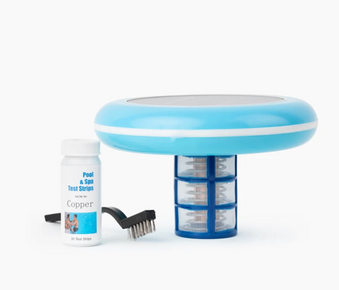
Pools are a centerpiece of modern backyard living, offering relaxation, recreation, and aesthetic appeal. However, maintaining a pool can consume significant energy, water, and chemicals, which raises both environmental and financial concerns. For homeowners committed to sustainability, adopting modern, eco-friendly strategies can reduce the environmental footprint of pool ownership while keeping water clear, safe, and enjoyable.
Sustainable automated pool management goes beyond reducing chemical use it includes energy-efficient equipment, water conservation, and smarter maintenance practices. By incorporating innovative tools like solar ionizers, efficient pumps, and automated monitoring systems, homeowners can enjoy a clean, healthy pool while minimizing resource consumption and long-term costs. This holistic approach transforms pool care from a series of reactive tasks into a coordinated system where each component supports environmental and economic efficiency. Energy-efficient pumps reduce electrical demand by up to 80% while maintaining superior circulation.
Water conservation strategies preserve thousands of gallons annually that would otherwise be lost to evaporation and backwashing. Advanced sanitation systems like solar ionization dramatically decrease dependence on traditional chemicals while providing more consistent protection. Together, these technologies create a synergy where environmental benefits compound: reduced chemical usage means fewer byproducts entering wastewater systems; lower energy consumption decreases carbon footprints; and water conservation helps preserve local water resources. The result is a pool that delivers all the enjoyment of traditional models while aligning with contemporary values of sustainability and responsible resource management.
Sustainable pool management goes beyond reducing chemical use it includes energy-efficient equipment, water conservation, and smarter maintenance practices. By incorporating innovative tools like solar ionizers, efficient pumps, and automated monitoring systems, homeowners can enjoy a clean, healthy pool while minimizing resource consumption and long-term costs.
Table of Contents
- Why Sustainability Matters for Modern Pool Owners
- Water Conservation Techniques for Pools
- Energy-Efficient Equipment and Automation
- Reducing Chemical Use with Mineral-Based Sanitation
- Smart Pool Monitoring for Consistent Water Quality
- Routine Maintenance That Supports Sustainability
- Final Thoughts: Eco-Friendly Pools for the Future
1. Why Sustainability Matters for Modern Pool Owners
Sustainability is increasingly a priority for homeowners. Pools, while enjoyable, can be resource-intensive, consuming substantial amounts of energy, water, and chemicals throughout their operational lifespan. As environmental awareness grows and utility costs rise, homeowners are recognizing that traditional pool maintenance approaches often conflict with contemporary values of conservation and efficiency. The modern pool owner faces a dual challenge: maintaining a beautiful, functional aquatic environment while minimizing ecological impact and controlling ongoing expenses. This balancing act has driven innovation in pool technology and management practices, creating opportunities to enjoy all the benefits of pool ownership without the traditional environmental and financial costs.
Environmental and Economic Impacts of Traditional Pool Management:
- High Energy Consumption from Pumps, Heaters, and Lights: Traditional single-speed pool pumps operate at constant maximum power regardless of actual filtration needs, consuming 2,000-3,000 kilowatt-hours annually equivalent to the electricity use of an average household refrigerator, clothes washer, and dryer combined. Pool heaters, particularly in cooler climates, can double or triple this energy demand, while outdated incandescent or halogen pool lighting adds further electrical load. This cumulative energy use represents not only significant utility expenses but also substantial carbon emissions, particularly in regions where electricity generation relies on fossil fuels.
- Significant Water Use Due to Evaporation and Backwashing: The average residential pool loses approximately 1-1.5 inches of water weekly through evaporation alone, translating to thousands of gallons annually that must be replaced. In arid regions or during drought conditions, this represents a critical strain on local water resources. Additionally, traditional sand and DE filters require regular backwashing that consumes 200-300 gallons per cleaning cycle, with water typically directed to storm drains rather than being recycled. This combination of evaporation losses and cleaning waste makes pools one of the largest residential water consumers, particularly during peak summer months when water scarcity is often most acute.
- Frequent Chemical Usage for Sanitation: Conventional chlorine-based pool systems require regular addition of sanitizers, stabilizers, pH adjusters, and algaecides to maintain water safety and clarity. This chemical dependency creates multiple challenges: frequent purchases and applications demand time and attention, chemical byproducts can irritate swimmers' eyes and skin, and runoff during backwashing or overflow introduces these compounds into local watersheds. Furthermore, chlorine production itself carries environmental costs, and the constant chemical fluctuations in traditionally maintained pools often lead to corrective treatments that further increase chemical usage and costs.
By focusing on sustainable practices, homeowners reduce environmental impact, lower utility costs, and extend the lifespan of their pool systems while maintaining a high-quality swimming experience. Sustainable pool management represents a comprehensive approach that addresses all three areas of concern simultaneously. Energy-efficient equipment like variable-speed pumps and LED lighting can reduce electricity consumption by 70-90% while maintaining or improving performance. Water conservation strategies including pool covers, leak detection systems, and improved filtration technology can cut water losses by 50% or more. Advanced sanitation systems like solar ionizers can decrease chemical dependency by 50-80% while providing more consistent water quality. Beyond these direct benefits, sustainable practices create secondary advantages: reduced chemical use means fewer corrosive byproducts that degrade equipment and surfaces; optimized water chemistry decreases scaling and staining; and automated systems free up time while ensuring consistent conditions. This holistic approach transforms the pool from a resource-intensive luxury into a model of efficient backyard enjoyment that aligns with modern environmental values and economic sensibility.
The Growing Demand for Eco-Conscious Outdoor Living
The movement toward sustainable pool ownership reflects broader trends in residential design and consumer preference. Today's homeowners increasingly seek outdoor living spaces that complement rather than contradict their environmental values. This shift is driven by multiple factors: rising awareness of climate change and resource scarcity, increasing utility costs that make efficiency economically compelling, and growing appreciation for natural swimming experiences free from chemical odors and irritation. Modern pool technology has evolved to meet this demand, offering solutions that deliver superior performance through smarter design rather than simply consuming more resources. From solar-ionized systems that harness renewable energy to intelligent automation that optimizes operation based on actual conditions, today's sustainable pool options provide practical pathways to reduce environmental impact without sacrificing enjoyment. As these technologies become more accessible and their benefits more widely recognized, sustainable pool management is transitioning from niche concern to mainstream expectation a standard feature of responsible homeownership that enhances rather than diminishes the backyard oasis experience.

2. Water Conservation Techniques for Pools
Water is a critical resource, and modern pool strategies emphasize conservation through a multi-faceted approach that addresses evaporation, system integrity, waste recycling, and operational efficiency. In an era of increasing water scarcity and rising utility costs, responsible pool owners recognize that water conservation extends far beyond simple preservation it represents smart management that reduces chemical consumption, lowers maintenance requirements, and protects long-term investment in pool infrastructure. The typical residential pool loses approximately 20,000-30,000 gallons of water annually through evaporation, backwashing, and splash-out, equivalent to the annual indoor water use of an average family of four. Modern conservation techniques target these losses systematically, employing both technological solutions and behavioral adjustments that collectively transform pools from water-intensive amenities into models of efficient resource utilization.
Advanced Water Conservation Strategies and Technologies:
- Use Pool Covers to Reduce Evaporation: Evaporation represents the single largest source of water loss in uncovered pools, accounting for 50-70% of total water replacement needs. Modern pool covers provide multiple conservation benefits: solar covers reduce evaporation by 90-95% while simultaneously heating the water through passive solar collection; solid safety covers offer even greater evaporation protection while preventing debris accumulation. Advanced automated cover systems can be programmed to deploy during peak evaporation hours (typically 10am-4pm) and during overnight cooling periods when evaporation rates remain significant. Beyond water conservation, covers reduce chemical loss through photodegradation, maintain more stable water temperatures, and decrease cleaning requirements by keeping leaves and debris out of the water. The water savings alone typically justify the investment within two to three seasons, while the reduced chemical and heating expenses provide additional ongoing benefits.
- Fix Leaks Promptly and Regularly Check Plumbing: Undetected leaks can waste thousands of gallons of water monthly while simultaneously undermining pool structure and increasing chemical costs as fresh water dilutes carefully balanced chemistry. Modern leak detection employs multiple approaches: electronic listening devices that pinpoint plumbing failures, pressure testing of circulation systems, dye testing around fittings and penetrations, and digital water metering that identifies unusual consumption patterns. Regular inspection protocols should include checking skimmer throats for hairline cracks, examining tile lines for moisture evidence, monitoring automatic fill devices for proper operation, and observing deck areas for unusual dampness or vegetation growth. For older pools, complete plumbing system evaluation and potential replacement of deteriorating pipes can prevent catastrophic failures that lead to massive water loss and expensive repairs. A proactive leak management strategy not only conserves water but also protects the substantial investment in pool construction and landscaping.
- Reuse Pool Backwash Water for Irrigation When Possible: Traditional backwashing of sand and DE filters wastes 200-500 gallons of chemically treated water per cleaning cycle, typically directed to storm drains where it enters local watersheds. Modern conservation approaches redirect this water for beneficial use through several methods: simple hose extensions that distribute backwash water across lawns or gardens; dedicated irrigation zones designed to accept periodic backwash flows; and advanced filtration systems like cartridge filters that eliminate backwashing entirely. When reusing backwash water, considerations include chemical content (particularly chlorine levels that may affect sensitive plants), local regulations governing greywater use, and soil compatibility with pool water chemistry. For pools using mineral-based sanitation systems, balanced pool water, backwash water typically contains lower chlorine concentrations and may be more suitable for irrigation. This practice transforms a waste stream into a resource, simultaneously conserving water and reducing chemical discharge into the environment.
- Optimize Pump Schedules to Maintain Circulation Without Overuse: Excessive pump operation contributes to water loss through increased evaporation (as moving water evaporates more rapidly) and through unnecessary backwashing triggered by over-filtration. Modern hydraulic optimization involves calculating precise turnover requirements based on pool volume, bather load, and environmental conditions, then programming variable-speed pumps to run at optimal speeds for specific purposes. Rather than the traditional 8-12 hours of continuous high-speed operation, efficient systems might run 2-4 hours at higher speeds for skimming and heating, followed by 12-16 hours at low speed for continuous filtration and chemical distribution. This approach reduces evaporation by minimizing surface turbulence while maintaining water quality, and it decreases backwashing frequency by preventing the filter clogging that occurs with intermittent high-flow operation. Smart controllers can further optimize schedules based on weather conditions, automatically reducing run time during cool, overcast periods when evaporation and contamination risks are lower.
Conserving water not only benefits the environment but also reduces the need for chemical adjustments and helps maintain overall pool hygiene. Every gallon of water saved represents a gallon that doesn't need chemical treatment, filtration, and heating. This creates a positive feedback loop: reduced water replacement means less frequent dilution of carefully balanced chemistry, which decreases the need for corrective chemical additions and the associated costs and environmental impacts. Stable water chemistry, in turn, enhances sanitizer effectiveness, reduces scaling and corrosion, and creates a more comfortable swimming environment. Furthermore, water conservation supports broader pool hygiene by maintaining more consistent turnover rates and filtration efficiency when water levels remain stable, skimmers operate optimally, main drains function properly, and circulation patterns remain predictable. This comprehensive approach to water management transforms conservation from an isolated environmental concern into an integral component of efficient, effective pool operation that delivers superior results with fewer resources.
The Synergy Between Water Conservation and System Performance
Effective water conservation creates secondary benefits that extend throughout the entire pool system, establishing connections between resource preservation and operational excellence. Reduced evaporation means less frequent dilution of minerals and chemicals, leading to more stable water balance parameters particularly important for pools using solar ionization systems where consistent mineral levels are essential for continuous protection. Lower water turnover decreases wear on pumps and filters, extending equipment lifespan and reducing maintenance requirements. Consistent water levels ensure optimal skimmer operation, improving surface cleaning and reducing the organic load that would otherwise consume sanitizers. Even seemingly simple practices like proper deck drainage design can significantly impact water conservation by preventing overspill during heavy rain or backwashing. This interconnected perspective reveals that water conservation isn't merely about using less it's about using smarter, creating systems where each component supports multiple objectives simultaneously. The modern pool owner who embraces these techniques discovers that responsible resource management enhances rather than compromises the swimming experience, delivering clearer water, more reliable operation, and lower overall costs while making a meaningful contribution to environmental sustainability.

3. Energy-Efficient Equipment and Automation
Modern pool owners can reduce energy consumption through smart pool equipment choices that transform traditional, power-hungry pool systems into models of efficiency and intelligence. The typical residential pool represents one of the largest energy consumers in a household, often accounting for 20-30% of total electricity use during swimming season. This substantial energy demand stems from outdated equipment operating on fixed schedules without regard to actual needs, wasting electricity while providing suboptimal performance. Contemporary energy-efficient technologies address this inefficiency at multiple levels: advanced motor designs that dramatically reduce power consumption, intelligent controls that match operation to precise requirements, and integrated automation that coordinates all systems for maximum efficiency. This technological evolution enables homeowners to maintain perfect water quality while reducing energy use by 70-90%, transforming pools from energy burdens into showcases of sustainable outdoor living.
Advanced Energy-Efficient Pool Technologies:
- Variable-Speed Pumps Use Significantly Less Energy: Traditional single-speed pool pumps operate at a constant maximum speed regardless of actual filtration needs, consuming 2,000-3,000 kilowatt-hours annually. Variable-speed pump technology represents a quantum leap in efficiency, utilizing advanced permanent magnet motors and sophisticated electronic controls to precisely match pump speed to specific tasks. These intelligent systems can operate at very low speeds (as little as 600-800 RPM) for continuous filtration and chemical distribution, drawing minimal power while maintaining perfect water movement. For cleaning cycles or heating requirements, they can temporarily increase to higher speeds before returning to energy-sipping operation. The power consumption curve follows the affinity laws reducing speed by 50% decreases energy use by approximately 87%. Modern variable-speed pumps also feature self-diagnostic capabilities, leak detection algorithms, and integration with home automation systems, allowing for remote monitoring and optimization. The energy savings alone typically justify the premium investment within 1-2 swimming seasons, while the extended equipment life and reduced maintenance requirements provide additional financial benefits.
- LED Pool Lighting Lowers Electricity Usage: Traditional incandescent and halogen pool lights consume 300-500 watts each and generate substantial heat, while their limited color options and frequent bulb replacements add to maintenance costs and frustration. Modern LED pool lighting technology has revolutionized aquatic illumination, consuming 80-90% less energy while providing superior brightness, color versatility, and lifespan. Contemporary LED fixtures typically use just 30-80 watts while delivering illumination equivalent to 300-500 watt traditional bulbs, with lifespans exceeding 30,000 hours of operation. Beyond basic efficiency, advanced LED systems offer programmable color displays, dynamic lighting effects, and synchronization with music or entertainment systems, transforming pool areas into versatile entertainment spaces. Smart LED controllers allow for scheduling, remote operation via smartphone apps, and integration with home automation platforms. For safety and convenience, many systems include automatic dusk-to-dawn operation and motion-activated features. The combination of dramatic energy savings, reduced maintenance, and enhanced aesthetic possibilities makes LED lighting one of the most compelling upgrades for energy-conscious pool owners.
- Automated Timers Optimize Pump and Heater When Needed: Traditional pool equipment often operates on fixed schedules that fail to account for changing conditions, usage patterns, or efficiency opportunities. Modern automation systems employ sophisticated scheduling algorithms that coordinate all pool components based on multiple inputs: time of day, season, water temperature, weather forecasts, and historical usage data. Intelligent pump controllers can automatically adjust run times based on bather load (detected through increased chemical demand or filtration pressure), reducing operation during low-use periods and increasing during peak swimming times. Heater automation goes beyond simple thermostats to include predictive warming—anticipating when the pool will be used based on calendar integration or user patterns, and beginning heating at optimal times to reach desired temperatures exactly when needed, minimizing standby losses. These systems can integrate with utility smart meter programs to shift high-energy tasks to off-peak rate periods, further reducing operating costs. Advanced automation platforms provide detailed energy analytics, identifying consumption patterns and suggesting optimization strategies, while remote monitoring capabilities allow adjustments from anywhere via smartphone apps.
Integrating these systems ensures that energy use aligns with actual pool needs, lowering costs and carbon footprint while maintaining superior water quality and user experience. The true power of modern pool energy efficiency lies not in individual components but in their intelligent integration. When variable-speed pumps communicate with automated controllers that adjust schedules based on real-time conditions, and when LED lighting systems coordinate with overall pool automation to provide illumination only when and where needed, the cumulative energy savings multiply. This integrated approach creates a holistic efficiency ecosystem where each component enhances the performance of the others. For example, an automated system might detect through weather integration that a heat wave is forecasted, then adjust the pump schedule to increase overnight circulation when evaporation rates are lower and electricity rates may be cheaper, while simultaneously activating the solar cover during peak daytime hours to minimize heat and chemical loss. This level of intelligent coordination represents the pinnacle of automated pool management, where technology serves both environmental responsibility and user convenience simultaneously.
Integrated Energy Management Systems:
- Smart Home Integration: Advanced pool automation systems that connect with whole-home energy management platforms, allowing coordinated operation with household HVAC systems, solar panel arrays, and battery storage systems to optimize overall energy consumption and reduce peak demand charges.
- Predictive Energy Optimization: Machine learning algorithms that analyze historical usage patterns, weather data, and utility rate structures to predict optimal equipment schedules, automatically adjusting operations to minimize energy costs while maintaining water quality standards.
- Renewable Energy Coordination: Integration with residential solar power systems that prioritizes pool equipment operation during peak solar production hours, maximizing use of self-generated renewable energy and minimizing grid electricity consumption.
- Demand Response Capability: Systems designed to participate in utility demand response programs, automatically reducing energy consumption during grid stress events in exchange for financial incentives or reduced rate structures.
- Comprehensive Energy Monitoring: Real-time tracking of energy consumption by individual pool components, providing detailed analytics that identify inefficiencies and optimization opportunities while demonstrating the environmental and financial benefits of energy-efficient operation.
Beyond the primary energy-saving technologies, several complementary approaches further enhance pool energy efficiency. Solar pool heating systems capture free energy from the sun, extending swimming seasons without increasing electricity consumption. High-efficiency pool covers reduce heat loss and evaporation, decreasing the energy required for heating and chemical maintenance. Even strategic landscaping planting deciduous trees for summer shade and winter sun exposure, or creating windbreaks to reduce surface cooling can significantly impact energy requirements. For pools using Solar pool ionizer, the energy efficiency extends to the sanitation process itself, as these systems operate entirely on solar power without the continuous electrical consumption of traditional chlorine generators. This comprehensive approach to energy management considers every aspect of pool operation, creating systems where efficiency becomes inherent rather than imposed.
Complementary Energy Efficiency Strategies:
- Solar Thermal Systems: Solar collectors that harness sunlight to heat pool water directly, providing free thermal energy that can extend swimming seasons by several weeks or months with zero ongoing fuel costs and minimal maintenance requirements.
- High-Performance Pool Covers: Advanced cover materials with exceptional insulating properties that reduce nighttime heat loss by up to 95%, decrease evaporation by 90-95%, and maintain more stable water temperatures with reduced heating requirements.
- Strategic Microclimate Design: Thoughtful landscaping, windbreak placement, and pool orientation that leverage natural environmental conditions to reduce heating requirements, minimize evaporation, and create comfortable swimming environments with minimal energy input.
- High-Efficiency Sanitation Systems: Sanitation technologies like solar ionization that operate on renewable energy rather than continuous grid electricity, eliminating the energy consumption associated with traditional chlorine production and distribution.
- Thermal Mass Utilization: Design elements that incorporate thermal mass materials around the pool area to absorb daytime heat and release it overnight, moderating temperature fluctuations and reducing heating requirements.
The environmental and economic benefits of energy-efficient pool equipment extend far beyond simple utility bill reductions. By dramatically decreasing electricity consumption, these technologies reduce the carbon footprint associated with pool ownership, particularly in regions where electricity generation relies on fossil fuels. The extended equipment lifespans resulting from optimized operation reduce manufacturing impacts and landfill waste. Improved water quality from consistent circulation and filtration decreases chemical usage and associated environmental impacts. From an economic perspective, the return on investment for energy-efficient pool upgrades typically ranges from 20-40% annually, outperforming many traditional investments while increasing property values. Most importantly, these technologies deliver superior performance clearer water, more comfortable temperatures, and more reliable operation proving that environmental responsibility and exceptional quality are not mutually exclusive but mutually reinforcing in modern pool design and management.

4. Reducing Chemical Use with Mineral-Based Sanitation
One of the most effective sustainable strategies is using mineral-based systems, such as solar ionizers, to reduce chemical dependency. Mineral ions, primarily copper and silver, naturally inhibit algae and bacteria, minimizing the need for chlorine, shocking the pool, and algaecides. Traditional pool sanitation has long relied on chlorine as the primary disinfectant, an approach that carries significant environmental and health concerns including chemical production impacts, formation of irritating chloramines, and the constant need for monitoring and adjustment. Mineral-based sanitation represents a paradigm shift, leveraging trace amounts of naturally occurring elements that have been used for water purification for thousands of years. Modern solar ionizers harness this ancient wisdom through contemporary technology, using solar energy to generate precise concentrations of mineral ions that create an environment where microorganisms cannot thrive. This approach doesn't merely supplement traditional chemicals it fundamentally reimagines pool sanitation by creating stable, self-regulating water conditions that require minimal intervention while delivering superior results.
Mineral-Based Sanitation Technology and Mechanism:
- Solar-Powered Ion Generation: Modern solar pool ionizers utilize photovoltaic panels to convert sunlight directly into electrical energy that drives an electrolytic process, releasing controlled amounts of copper and silver ions into the water. These systems operate continuously during daylight hours, maintaining a consistent mineral level without external power sources or manual intervention. The solar-powered design ensures zero operational energy costs while providing predictable ion production that correlates with sunlight intensity precisely when algae growth potential is highest. Advanced models feature self-cleaning electrodes, automatic output adjustment based on water temperature and solar conditions, and integration with pool automation systems for coordinated operation with circulation schedules.
- Multi-Faceted Microbial Control: Copper ions function primarily as an algaecide, disrupting photosynthesis and cellular metabolism in algae species while silver ions provide broad-spectrum antibacterial action through multiple mechanisms including cell wall disruption, enzyme inhibition, and DNA interaction. This dual-action approach creates overlapping protection that prevents resistance development and addresses both visible pool algae prevention problems and invisible bacterial contamination. The minerals work at concentrations as low as 0.3-0.4 parts per million for copper and 0.01-0.02 ppm for silver levels that are effective against microorganisms but safe for swimmers and the environment. Unlike chlorine that degrades rapidly when exposed to sunlight or organic contaminants, mineral ions maintain their effectiveness for extended periods, providing continuous background protection that reduces the frequency of chemical additions and emergency treatments.
- Synergistic Chemistry Integration: While mineral systems can significantly reduce chlorine requirements, most modern approaches use them in combination with minimal traditional sanitizers rather than as complete replacements. This hybrid strategy leverages the strengths of each system: mineral ions provide continuous, stable background protection against algae and bacteria while small amounts of chlorine or other oxidizers handle the rapid oxidation of organic contaminants introduced by swimmers. The reduced chlorine levels (typically 0.5-1.0 ppm versus 1-3 ppm in traditional pools) dramatically decrease chloramine formation, eye and skin irritation, and chemical odors while still providing effective oxidation of swimmer waste. This balanced approach creates water that feels softer and more natural while maintaining impeccable safety standards and reducing overall chemical consumption by 50-80% compared to chlorine-only systems.
Benefits of Mineral-Based Sanitation Systems:
- Reduced Exposure to Harsh Chemicals: Mineral-based systems dramatically decrease reliance on traditional pool chemicals including chlorine, algaecides, and shock treatments, reducing swimmer exposure to potentially irritating or harmful compounds. The lower chemical concentrations result in water that feels softer on skin and eyes, lacks the distinctive chlorine odor associated with traditional pools, and poses fewer concerns for individuals with chemical sensitivities or respiratory conditions. This benefit extends beyond swimmers to include reduced chemical handling by pool owners, decreased storage of hazardous materials, and minimized chemical discharge into the environment during backwashing or drainage. The natural approach aligns with growing consumer preference for products and experiences that minimize synthetic chemical exposure while maintaining high safety and quality standards.
- Stable Water Chemistry with Fewer Manual Adjustments: Mineral ions create more consistent water conditions than traditional chlorine-based systems, which experience dramatic fluctuations due to sunlight degradation, temperature changes, and bather load. Copper and silver ions maintain their effectiveness for extended periods without the rapid degradation that characterizes chlorine, resulting in more predictable water quality with less frequent testing and adjustment. This stability extends to pH levels as well mineral systems typically cause less pH drift than chlorine sanitation, reducing the need for frequent acid or base additions. The predictable nature of mineral-based understanding water chemistry allows for simplified maintenance routines, with many users reporting testing frequency reductions from daily to weekly or even less frequently while maintaining perfect water clarity and sanitation. This time savings represents a significant quality-of-life improvement for pool owners who prefer enjoying their pools rather than constantly maintaining them.
- Safer, More Comfortable Swimming Experience: Water treated with mineral systems feels noticeably different than traditionally chlorinated water softer, silkier, and more natural with none of the chemical dryness, eye irritation, or bleached swimwear associated with high chlorine levels. The absence of strong chemical odors creates a more pleasant poolside environment, while the reduced chemical content means fewer concerns about children's sensitive skin or accidental water ingestion. Many users describe the swimming experience as more akin to natural spring water than traditional pool water, with enhanced clarity and a more inviting appearance. Safety extends beyond swimmer comfort to include reduced storage of hazardous chemicals, elimination of chlorine gas production risks, and decreased potential for chemical handling accidents. This combination of safety and comfort makes mineral-based systems particularly appealing for families, health-conscious individuals, and those seeking a more natural aquatic experience.
This approach complements other eco-friendly strategies by maintaining clear water naturally while integrating seamlessly with energy-efficient equipment, water conservation measures, and smart automation systems. The solar-powered operation of modern ionizers aligns perfectly with renewable energy goals, operating without grid electricity consumption while providing continuous sanitation. The reduced chemical usage decreases the environmental impact of chemical production, transportation, and eventual disposal, while also minimizing chemical runoff into local watersheds. Mineral-based systems work synergistically with efficient circulation their effectiveness depends on proper water movement to distribute ions throughout the pool, creating a natural incentive for optimizing hydraulic efficiency. When combined with smart monitoring technology, these systems provide comprehensive improved pool water quality data including mineral levels, allowing for precise control and optimization. This integration creates a holistic sustainable pool ecosystem where each component reinforces the others, delivering exceptional results with minimal environmental impact and operational complexity.
Environmental and Economic Advantages:
- Reduced Chemical Production Impacts: By decreasing chlorine demand by 50-80%, mineral systems significantly reduce the environmental footprint associated with chlorine manufacturing, which involves energy-intensive processes and transportation of hazardous materials. This reduction extends to all associated chemicals including stabilizers, algaecides, and pH adjusters that become less necessary with stable mineral-based water chemistry.
- Lower Operational Costs: While the initial investment in a solar ionizer system requires capital outlay, the ongoing operational costs are dramatically lower than traditional chemical approaches. Solar-powered operation eliminates electricity costs for sanitation, while reduced chemical purchases save hundreds of dollars annually. The extended equipment lifespan resulting from more stable water chemistry provides additional long-term savings.
- Minimized Water Replacement Needs: The stable water chemistry maintained by mineral systems reduces the frequency of water replacement needed to correct chemical imbalances or reduce total dissolved solids. This water conservation aligns with sustainable practices while also reducing the energy required for water heating and rebalancing after refills.
- Extended Equipment Lifespan: The reduced chemical concentrations and more maintained pool pH levels associated with mineral-based sanitation decrease corrosion and scaling on pool equipment, surfaces, and plumbing. This preventative effect extends the service life of pumps, heaters, filters, and other components while maintaining their efficiency throughout their operational lifespan.
- Simplified Maintenance Routines: The predictable, stable nature of mineral-based water quality reduces the time and expertise required for pool maintenance. Many users transition from daily testing and adjustment to weekly or even less frequent checks, freeing up time for enjoyment rather than maintenance while maintaining superior water quality through continuous mineral protection.
The transition to mineral-based sanitation represents more than just a technical change in pool maintenance it reflects a fundamental shift toward more natural, sustainable approaches to water treatment that prioritize human health, environmental responsibility, and operational simplicity. As technology advances and consumer awareness grows, these systems are becoming increasingly accessible and effective, offering pool owners a practical pathway to reduce their environmental footprint while enhancing their swimming experience. The combination of ancient purification wisdom with modern solar technology creates solutions that are simultaneously cutting-edge and time-tested, delivering results that exceed traditional methods while aligning with contemporary values of sustainability and wellness. For the modern pool owner seeking to balance enjoyment with responsibility, mineral-based sanitation offers a compelling solution that transforms pool maintenance from a chemical balancing act into a natural, self-regulating system.
5. Smart Pool Monitoring for Consistent Water Quality
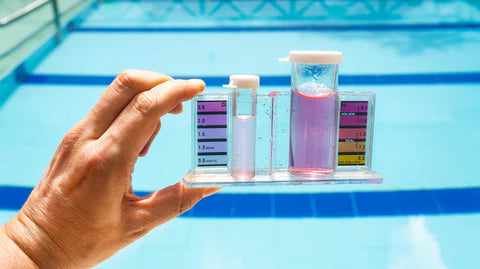
Advanced monitoring systems allow homeowners to track water parameters in real-time, transforming traditional pool maintenance from a reactive guessing game into a proactive science of precision management. Gone are the days of manual testing with chemical reagents and color comparison charts that provided only momentary snapshots of water conditions. Modern smart monitoring technology represents a quantum leap in pool care, utilizing continuous sensor arrays, cloud-connected data analytics, and predictive algorithms to maintain perfect water quality with minimal intervention. These intelligent systems function as the central nervous system of the sustainable pool ecosystem, constantly gathering information, making micro-adjustments, and providing insights that enable pool owners to prevent problems before they manifest. The result is that it remains consistently balanced, crystal-clear pool water, and safe regardless of changing environmental conditions, bather loads, or seasonal transitions all while dramatically reducing the time, chemicals, and expertise traditionally required for pool maintenance.
Comprehensive Smart Monitoring Capabilities:
- pH, Alkalinity, and Hardness Monitoring: Modern smart monitoring systems employ advanced sensor technology to continuously measure critical water balance parameters with laboratory-grade precision. pH sensors utilize glass electrode technology with automatic temperature compensation to provide readings accurate to ±0.05 pH units, detecting the subtle shifts that can affect sanitizer effectiveness and swimmer comfort. Total alkalinity monitoring employs sophisticated titration methods or conductivity-based calculations to track the water's buffering capacity, alerting owners before pH stability becomes compromised. Calcium hardness sensors measure mineral content through conductivity or optical methods, preventing scale formation or surface damage before they occur. These systems don't merely report numbers they interpret them within the context of the Langelier Saturation Index, providing specific recommendations for corrective actions that maintain optimal water balance. The continuous nature of this monitoring creates a comprehensive historical record that reveals patterns and trends, allowing for predictive adjustments rather than reactive corrections and reducing chemical usage by ensuring precise dosing based on actual needs rather than estimations.
- Ion Levels for Solar Ionizer Systems: For pools utilizing solar ionization technology, specialized monitoring systems track copper and silver ion concentrations with precision that matches or exceeds professional laboratory testing. These advanced sensors employ electrochemical methods, colorimetric analysis, or spectroscopy to measure mineral levels down to parts per billion, ensuring optimal concentrations (typically 0.3-0.4 ppm copper, 0.01-0.02 ppm silver) for effective microbial control without exceeding recommended limits. Smart monitoring integrates with ionizer control systems to create closed-loop feedback: when ion levels drop below optimal ranges, the system can automatically increase ionizer output or alert the owner to clean electrodes or check solar panel performance. This precise monitoring is particularly crucial for mineral-based systems, as visual water clarity provides little indication of mineral concentration effectiveness. Advanced systems can even differentiate between "free" bioactive ions and "bound" ions that have complexed with other chemicals, providing true measurements of sanitizing power rather than just total mineral content. This level of precision ensures that mineral systems operate at peak efficiency while maintaining the water quality advantages that make them appealing to environmentally conscious pool owners.
- Automated Alerts for Chemical Imbalances or Equipment Issues: The true power of smart monitoring lies in its predictive and proactive capabilities. Advanced systems employ machine learning algorithms that analyze real-time data streams to detect patterns indicating impending problems long before they become visible or problematic. When chemical parameters begin trending outside optimal ranges, the system sends customized alerts via smartphone apps, email, or SMS with specific corrective recommendations based on pool volume, current conditions, and historical data. Beyond chemistry, these intelligent monitors track equipment performance metrics pool filtration system pressure trends indicating cleaning needs, pump power consumption suggesting mechanical issues, heater efficiency declines signaling scaling problems. The most sophisticated systems can even integrate weather forecasts to anticipate changes: alerting owners to add extra sanitizer before forecasted hot weather that will increase demand, recommending acid additions before heavy rain that will raise pH, or adjusting circulation schedules based on predicted pollen levels or storm activity. This anticipatory approach transforms pool maintenance from constant crisis management to occasional fine-tuning, while preventing the chemical imbalances and equipment failures that lead to wasted resources, emergency repairs, and compromised swimming experiences.
By leveraging these tools, pool owners can maintain consistent water quality, prevent algae outbreaks, and reduce the frequency of chemical corrections, supporting a sustainable pool environment that aligns with modern conservation values. The continuous monitoring and data analysis provided by smart systems create a fundamentally different approach to pool management one based on prevention rather than reaction, precision rather than estimation, and optimization rather than correction. This paradigm shift delivers multiple interconnected benefits: chemical usage decreases by 30-50% as additives are applied in precise amounts only when needed; water quality remains consistently perfect regardless of usage patterns or environmental conditions; equipment operates more efficiently and lasts longer through optimized maintenance schedules; and pool owners gain freedom from daily testing routines while enjoying greater confidence in their pool water clarity and safety. Perhaps most importantly, smart monitoring provides the data foundation for continuous improvement, allowing owners to refine their practices over time based on actual performance metrics rather than generic guidelines or trial-and-error approaches.
Advanced Smart Monitoring System Features:
- Cloud-Based Data Analytics and Reporting: Modern monitoring systems upload data to secure cloud platforms where sophisticated algorithms analyze trends, identify patterns, and generate actionable insights. These platforms provide detailed historical reports showing chemical usage over time, correlation between weather events and chemical demand, and efficiency metrics that demonstrate the environmental and financial benefits of optimized pool management. Advanced systems can even benchmark performance against similar pools in the same geographic region, providing context-specific recommendations rather than generic guidelines.
- Integration with Automated Chemical Feeders: The most advanced monitoring systems create closed-loop control by connecting directly with automated chemical dosing equipment. When sensors detect pH drifting upward, they can signal acid feeders to administer precise micro-doses. When sanitizer levels drop, they can activate chlorine generators or mineral ionizers to restore optimal concentrations. This integration creates a truly self-regulating system that maintains perfect water balance with minimal human intervention, eliminating the peaks and valleys of manual chemical addition while ensuring consistent protection and comfort.
- Predictive Maintenance Capabilities: Beyond water chemistry, smart monitors track equipment performance indicators that predict maintenance needs before failures occur. By analyzing pump power consumption patterns, filter pressure trends, and heater efficiency metrics, these systems can alert owners to clean filters before flow becomes restricted, service pumps before bearing failures, or descale heaters before efficiency plummets. This predictive approach extends equipment lifespan, reduces energy consumption, and prevents the water quality issues that often accompany equipment malfunctions.
- Multi-Parameter Correlation Analysis: Advanced systems don't monitor parameters in isolation they analyze how different factors interact and influence each other. By correlating bather load (detected through increased organic contamination) with sanitizer consumption, weather patterns with pH drift, or circulation schedules with chemical distribution efficiency, these systems provide insights that enable truly optimized pool management rather than simple parameter tracking.
- Remote Access and Control: Cloud-connected monitoring platforms allow pool owners to check water conditions and receive alerts from anywhere via smartphone apps or web interfaces. This remote capability provides peace of mind during travel, enables service professionals to diagnose issues without site visits, and allows for immediate response to critical alerts regardless of physical location. Some systems even enable remote chemical adjustments or equipment control, creating truly manageable and healthier pool environments regardless of distance.
Environmental and Operational Benefits:
- Dramatic Chemical Reduction: By enabling precise, needs-based chemical dosing rather than schedule-based or reactive addition, smart monitoring systems typically reduce chemical consumption by 30-50%. This decrease has multiple environmental benefits: reduced manufacturing impacts, decreased transportation requirements, minimized chemical runoff into local watersheds, and lower chemical storage hazards for homeowners.
- Preventative Problem Management: The early detection capabilities of smart monitors prevent minor imbalances from developing into major problems that require intensive chemical treatments or equipment interventions. By addressing pH drift when it's 0.2 units out of range rather than 0.8, or adding sanitizer when levels drop to 1.5 ppm rather than waiting for algae to appear, these systems maintain stability with minimal intervention while preventing the waste associated with corrective treatments.
- Energy Optimization: Smart monitoring extends beyond water chemistry to track equipment efficiency, identifying opportunities to reduce energy consumption without compromising water quality. By correlating circulation schedules with actual filtration needs, optimizing pump speeds based on real-time conditions, and coordinating equipment operation with renewable energy availability, these systems can significantly reduce the carbon footprint of pool operation while lowering utility costs.
- Water Conservation: Advanced monitoring helps conserve water by detecting leaks early, optimizing backwash cycles based on actual filter loading rather than schedules, and preventing the water replacement often required to correct severe chemical imbalances. Some systems even integrate with automatic fill devices to track evaporation rates and identify abnormal water loss patterns that indicate leaks or other issues.
- Data-Driven Continuous Improvement: The historical data collected by smart monitoring systems enables a scientific approach to pool management, where decisions are based on empirical evidence rather than tradition or guesswork. Over time, this data reveals patterns and optimization opportunities that further reduce resource consumption while improving water quality creating a virtuous cycle of increasing efficiency and effectiveness.
Smart pool monitoring represents the convergence of Internet of Things technology, data science, and aquatic chemistry a combination that transforms pool ownership from a maintenance burden into a managed asset. For environmentally conscious homeowners, these systems provide the tools and insights needed to minimize ecological impact while maximizing enjoyment. For those seeking convenience, they automate the most tedious aspects of pool care while ensuring consistently perfect results. And for all pool owners, they represent a smarter approach to resource management that aligns with modern values of efficiency, sustainability, and intelligent use of technology. As these systems continue to evolve, becoming more accessible, more integrated, and more intelligent, they promise to redefine what it means to own and enjoy a pool in the 21st century creating aquatic environments that are simultaneously more natural, more manageable, and more magnificent than ever before.

6. Routine Maintenance That Supports Sustainability
Even with modern technology, regular maintenance is essential for maintaining the delicate balance between pool enjoyment and environmental responsibility. While advanced equipment and smart systems have automated many aspects of modern pool care, they cannot replace the fundamental physical maintenance that forms the foundation of sustainable pool ownership. This regular upkeep represents more than mere cleanliness it is a systematic approach to preventing resource waste, extending equipment lifespan, and minimizing chemical dependency. Sustainable maintenance practices transform routine chores into strategic interventions that conserve water, reduce energy consumption, and prevent the cascade of problems that typically requires intensive chemical correction. By approaching maintenance through an ecological lens, pool owners create systems where each action serves multiple purposes: physical cleaning prevents organic buildup that would consume sanitizers, equipment care ensures optimal efficiency, and proactive inspections identify small issues before they become resource-intensive problems.
Sustainable Maintenance Protocols and Techniques:
- Skim, Brush, and Vacuum Weekly to Prevent Debris Accumulation: Regular physical cleaning represents the first and most crucial line of defense in sustainable pool management. Daily skimming removes leaves, insects, and surface debris before they can sink and decompose a process that consumes sanitizers, releases phosphates that fuel algae growth, and increases filter loading. The energy invested in this simple task yields exponential returns: each ounce of organic material removed manually represents ounces of chemicals that won't be needed for oxidation and gallons of water that won't be wasted through increased backwashing. Weekly brushing serves multiple sustainability functions beyond mere aesthetics: it disrupts microscopic algae colonies before they become visible problems, removes biofilm that provides habitat for microorganisms, and prevents scale formation that reduces equipment efficiency. When brushing is performed with energy consciousness using manual tools rather than pressure cleaners when possible, and timing the activity to coincide with circulation cycles for optimal debris capture it becomes a model of low-impact maintenance. Vacuuming the pool completes the cleaning triad, removing settled particulates that would otherwise cloud water and increase chemical demand. Modern robotic vacuums can be programmed for energy-efficient operation during off-peak electrical hours, while manual vacuuming to waste can be strategically timed before anticipated rainfall to conserve water. This comprehensive cleaning approach prevents the organic loading that drives chemical consumption, creating cleaner water with fewer resources.
- Clean or Backwash Filters as Needed to Maintain Efficiency: Filter maintenance represents one of the most significant opportunities for sustainable resource management in pool care. A clean filter operates with optimal hydraulic efficiency, reducing pump energy consumption by 15-30% while providing superior water clarity that decreases the need for clarifiers and flocculants. The sustainable approach to filter care begins with selecting the right technology: cartridge filters eliminate water waste from backwashing entirely, while modern sand and DE filters feature improved media that extends cleaning intervals. Monitoring filter pressure rather than relying on fixed schedules ensures cleaning occurs precisely when needed when pressure rises 8-10 psi above the clean baseline preventing both premature cleaning that wastes resources and delayed cleaning that increases energy consumption. For cartridge filters, sustainable cleaning involves using biodegradable cleaners and timing rinsing to coincide with landscape irrigation needs. For backwashing filters, water conservation strategies include directing backwash to permeable surfaces for groundwater recharge, using the initial cleaner water for irrigation before diverting heavily contaminated flow, or installing filtration systems that recycle backwash water. Advanced filter systems now feature self-cleaning mechanisms, media that captures finer particles with less frequent cleaning, and integration with automation systems that optimize cleaning cycles based on actual loading rather than schedules. Proper filter maintenance extends beyond cleaning to include regular inspection of grids, cartridges, and valves, replacing components before failures that could compromise efficiency or waste water.
- Inspect and Replace Worn Components Using Replacement Kits for Pool Equipment: Proactive equipment inspection and timely replacement of worn components represents sustainable maintenance at its most strategic. Small issues a deteriorating pump seal, a cracked filter o-ring, a worn ionizer electrode can lead to cascading problems that waste resources exponentially: leaks that lose thousands of gallons of chemically treated water, inefficiencies that increase energy consumption by 20-50%, and equipment failures that necessitate emergency replacements with higher environmental footprints. Sustainable inspection protocols involve regular visual checks for leaks, performance monitoring through energy consumption tracking, and preventive maintenance based on runtime hours rather than calendar time. When replacement becomes necessary, using manufacturer-designed replacement kits ensures compatibility and optimal performance while minimizing waste these pool replacement kits typically include only the necessary components with minimal packaging, contrasting with complete unit replacements that generate substantial waste. For systems like solar ionizers, scheduled electrode replacement maintains optimal mineral production efficiency, preventing the gradual decline that leads to increased chemical supplementation. This proactive approach to equipment care extends product lifespans, maintains efficiency throughout equipment life cycles, and prevents the resource-intensive emergency interventions that characterize reactive maintenance approaches. By viewing maintenance as preventative stewardship rather than corrective repair, pool owners create systems where equipment operates at peak efficiency for maximum duration with minimal environmental impact.
- Maintain Proper Circulation to Distribute Sanitizer Evenly: Circulation represents the cardiovascular system of sustainable pool management the mechanism through which cleaning, sanitation, and heating achieve their full potential with minimal resource input. Sustainable circulation begins with proper hydraulic design: correctly sized pumps matched to filter and plumbing specifications, strategically positioned return jets that create effective flow patterns, and balanced suction between skimmers and main drains. Regular maintenance ensures this system operates at designed efficiency: clearing skimmer and pump baskets prevents flow restrictions that increase energy consumption, adjusting valve positions maintains balanced suction, and cleaning return jet for pools nozzles ensures optimal flow patterns. Circulation schedules should be dynamically adjusted based on actual needs rather than fixed timers: increasing during periods of heavy use or high temperatures when sanitizer demand peaks, decreasing during cooler periods or low usage when maintenance circulation suffices. For pools using mineral-based systems like solar ionizers, circulation timing becomes particularly important running pumps during peak sunlight hours ensures newly generated ions distribute throughout the pool rather than concentrating near the ionizer. Modern variable-speed pumps controlled by smart automation systems optimize this process automatically, adjusting speeds and schedules based on multiple parameters to maintain perfect water movement with minimal energy consumption. This intelligent approach to circulation creates the foundation for all other sustainable practices: it enables lower chemical doses to achieve better results, reduces heating requirements through even temperature distribution, and prevents the localized problems that typically require resource-intensive corrections.
Consistent maintenance not only prolongs equipment life but also ensures cloudy water and algae growth are minimized, reducing chemical use and resource waste through a preventative approach that addresses problems at their source rather than treating symptoms. This proactive philosophy transforms maintenance from a series of isolated tasks into an integrated system where each action supports multiple sustainability objectives. Physical cleaning reduces the organic load that would otherwise consume chemicals and clog filters. Filter maintenance maintains hydraulic efficiency that decreases energy consumption while improving water clarity. Equipment inspection prevents small issues from becoming major failures that waste resources. Circulation optimization ensures that all systems work synergistically with minimal input. Together, these practices create a virtuous cycle: cleaner water requires fewer chemicals, efficient equipment uses less energy, proper circulation distributes treatment more effectively, and timely maintenance prevents the cascade of problems that typically escalates resource consumption. This integrated approach yields measurable environmental benefits: chemical reduction of 30-50%, energy savings of 40-70%, water conservation of 20-40%, and extended equipment lifespans that reduce manufacturing and disposal impacts. Perhaps most importantly, sustainable maintenance creates pools that are more enjoyable to own and use water that feels naturally clean rather than chemically treated, systems that operate quietly and reliably rather than requiring constant attention, and an ownership experience aligned with contemporary values of environmental stewardship and intelligent resource management.
The Sustainable Maintenance Mindset:
- Prevention-Oriented Approach: Sustainable maintenance prioritizes preventing problems before they occur rather than reacting to them after they develop. This mindset shift from corrective to preventative reduces resource consumption by addressing issues when they are small and easily managed rather than allowing them to escalate into major problems requiring intensive intervention.
- System Thinking Perspective: Rather than viewing maintenance tasks in isolation, sustainable approaches consider how each action affects the entire eco-friendly home pools. Brushing improves filtration efficiency which reduces pump runtime which decreases energy consumption which lowers operating costs understanding these connections enables maintenance that achieves multiple benefits with single actions.
- Data-Informed Decision Making: Sustainable maintenance relies on objective data rather than fixed schedules or guesswork. Monitoring equipment performance, tracking chemical consumption patterns, and analyzing energy usage enables maintenance that occurs precisely when needed in precisely the amount required—eliminating waste while ensuring effectiveness.
- Lifecycle Cost Consideration: Sustainable maintenance evaluates actions based on their total lifecycle impact rather than just immediate cost. While a higher-quality replacement part may have greater upfront cost, its longer lifespan and better efficiency often make it the more sustainable choice when considering total resource consumption over time.
- Continuous Improvement Philosophy: Sustainable maintenance involves regularly evaluating practices and seeking opportunities for increased efficiency. This might mean adjusting cleaning schedules based on seasonal patterns, upgrading to more efficient equipment as technology advances, or incorporating new techniques that reduce resource consumption without compromising results.
The sustainable maintenance approach transforms pool ownership from a constant battle against declining conditions into a proactive partnership with natural systems. By working with rather than against the pool's natural tendencies, and by applying intelligence and regularity rather than chemicals and force, this approach creates aquatic environments that are simultaneously more natural and more manageable. The result is a pool that enhances rather than contradicts sustainable living values a backyard oasis that provides refreshment and enjoyment while conserving resources, protecting local ecosystems, and demonstrating that luxury and responsibility can coexist beautifully. As more pool owners embrace these practices, they contribute to a larger movement toward sustainable outdoor living that recognizes our interconnectedness with natural systems and our responsibility to manage them wisely for current enjoyment and future preservation.

7. Final Thoughts: Eco-Friendly Pools for the Future
Sustainable pool strategies empower modern homeowners to enjoy beautiful, functional pools while protecting natural resources. By combining water-saving techniques, energy-efficient equipment, mineral-based sanitation, and smart monitoring, pool owners can reduce their environmental impact, lower costs, maintained ion stabilized pool, and maintain a healthy, clear, and algae-free pool. This integrated approach represents more than just a collection of individual conservation measures it's a comprehensive philosophy that reimagines what a backyard pool can be.
The benefits of this sustainable approach extend far beyond the pool itself, creating positive ripple effects throughout the household and community. Reduced chemical usage means fewer potentially harmful substances stored on property and introduced into local watersheds. Lower energy consumption decreases household carbon footprints while reducing strain on electrical grids during peak summer months. Water conservation helps preserve community resources, particularly important in drought-prone regions where outdoor water use often faces restrictions.
The pool becomes not an isolated consumer of resources but an integrated component of a sustainable property management system. This integration represents the future of outdoor living paces designed for enjoyment that simultaneously contribute to environmental goals through water conservation, energy efficiency, and reduced chemical dependency. The sustainable pool thus becomes a showcase of modern environmental stewardship, demonstrating that luxury and responsibility are not mutually exclusive but can be beautifully combined through intelligent design and management.