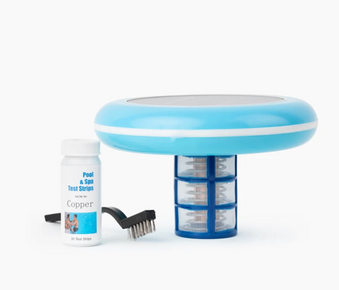
TL;DR: In 2026, solar pool ionizers are no longer standalone devices but central components of integrated smart pool ecosystems. Modern integration involves seamless connectivity with existing saltwater generators, variable-speed pumps, automation controllers, and smart home platforms. This creates a unified, efficient system where each component communicates to optimize performance, reduce energy use, and deliver perfect water quality with minimal intervention.
SEO Summary: Learn how to integrate 2026 solar pool ionizers with modern pool systems: smart controllers, saltwater generators, variable-speed pumps, and automation platforms for efficient, unified pool management.
Table of Contents
- Smart Controller Integration & Automation
- Hybrid System Integration with Salt Generators
- Variable-Speed Pump Synchronization
- Advanced Monitoring & Performance Analytics
- Weather-Responsive System Adaptation
- Retrofit Strategies for Existing Pools
- Future-Ready Integration Considerations
- Conclusion & Key Takeaways
Smart Controller Integration & Automation
The cornerstone of modern pool system integration is the centralized smart controller. In 2026, leading solar ionizers feature native compatibility with major pool automation platforms like Pentair IntelliCenter, Hayward OmniLogic, and Jandy Aqualink. This integration transforms the ionizer from a separate device into an intelligent node within your pool's network.
- Unified Control Interface: Manage your ionizer alongside pumps, heaters, lights, and cleaners from a single app or touchscreen panel, eliminating the need for separate controls.
- Automated Scheduling Coordination: Program the ionizer to operate in sync with filtration cycles, ensuring optimal ion distribution while minimizing energy consumption.
- System-Wide Optimization: Advanced controllers can analyze data from multiple components to create efficiency profiles, like reducing pump speed when solar input is low to conserve energy.
- Voice Control & Smart Home Integration: Connect your entire pool system to platforms like Google Home, Amazon Alexa, or Apple HomeKit for voice commands and scene automation.
This level of integration creates what industry experts call a "cognitive pool system"—where components don't just operate independently but work together intelligently to achieve common goals. For more on automated systems, see our guide on streamlined pool care workflows.
Hybrid System Integration with Salt Generators
The most powerful integration in 2026 combines solar ionizers with salt chlorine generators (SWGs) in optimized hybrid configurations. Rather than viewing these as competing technologies, modern integration treats them as complementary systems that work together synergistically.
- Dual-Sanitation Protocols: The ionizer handles primary algae and bacteria control (using copper and silver ions), while the SWG produces minimal chlorine (0.2-0.5 ppm) for oxidation of non-living contaminants.
- Intelligent Output Coordination: Integrated controllers automatically adjust each system's output based on water temperature, bather load, and weather conditions to maintain perfect balance.
- Chemical Reduction Optimization: This hybrid approach typically reduces salt and chlorine use by 70-80% compared to standalone SWG systems while eliminating chlorine's harsh effects.
- Fail-Safe Redundancy: If one system requires maintenance, the other provides baseline sanitation, preventing water quality emergencies.
Properly integrated hybrid systems represent the pinnacle of modern pool technology, delivering water quality that surpasses either system alone. This approach directly addresses the considerations in our saltwater vs. solar ionizer comparison by combining the best of both worlds.
Variable-Speed Pump Synchronization
Modern energy efficiency requires intelligent coordination between sanitation and circulation systems. 2026 solar ionizers integrate seamlessly with variable-speed pumps (VSPs) to optimize both performance and energy use.
- Flow-Rate Matching: Advanced ionizers communicate with VSP controllers to ensure adequate water flow for proper ion distribution without unnecessary energy expenditure.
- Solar-Aware Pump Scheduling: Systems can program pumps to run at higher speeds during peak solar hours (maximizing ion production) and at minimal speeds during off-peak times.
- Demand-Based Circulation: Integrated systems can increase pump speed automatically when the ionizer detects rising water temperature or contaminant levels.
- Energy Savings Synergy: This coordination typically reduces pump energy consumption by 30-50% compared to traditional timed operation, creating significant cost savings.
The synchronization between ionizer and pump represents a fundamental shift from independent operation to coordinated system performance. For more on energy savings, explore our analysis of how solar ionizers cut pool energy costs.
Advanced Monitoring & Performance Analytics
Integration in 2026 extends beyond control to comprehensive monitoring and analytics. Modern systems collect and analyze data from all connected components to optimize overall performance and predict maintenance needs.
- Unified Dashboard Analytics: View ion production, solar efficiency, pump performance, and water chemistry trends on a single dashboard with correlated insights.
- Predictive Maintenance Alerts: Systems analyze electrode wear, solar panel efficiency, and flow patterns to predict maintenance needs before problems occur.
- Water Quality Correlation: Advanced analytics correlate ionizer performance with water test results, helping optimize settings for your specific pool conditions.
- Efficiency Reporting: Generate reports on chemical savings, energy reduction, and system performance for tracking ROI and environmental impact.
This data-driven approach transforms pool management from reactive troubleshooting to proactive optimization. Understanding these analytics helps maximize system longevity, as detailed in our guide on how chemistry affects replacement schedules.
Weather-Responsive System Adaptation
Modern integrated systems leverage weather data and forecasts to proactively adjust operation. This weather intelligence significantly enhances system effectiveness and efficiency.
- Forecast-Based Preparation: Systems automatically increase ion production before forecasted heatwaves, storms, or high pollen days that challenge water quality.
- Solar Optimization: On partly cloudy days, systems coordinate pump schedules with solar intensity peaks to maximize ion production during available sunlight.
- Seasonal Adaptation: Integrated controllers automatically adjust operating parameters as seasons change, accounting for varying water temperatures and sunlight angles.
- Storm Recovery Protocols: After heavy rain, systems initiate specialized recovery cycles to address contaminant influx and rebalance water chemistry.
This weather-responsive capability represents a significant advancement over traditional static programming. For deeper insights into environmental factors, read our analysis of how weather affects solar ionizer performance.
Retrofit Strategies for Existing Pools
Most pools in 2026 are retrofits rather than new installations, requiring thoughtful integration strategies. Modern ionizers are designed with retrofit-friendly features that simplify adding advanced technology to existing systems.
- Universal Communication Adapters: Many manufacturers offer communication bridges that enable older equipment to interface with modern ionizers and controllers.
- Phased Integration Approaches: Start with basic ionizer installation, then add smart controllers and pump synchronization in subsequent phases as budget allows.
- Legacy System Compatibility: Advanced ionizers include analog control options for pools with older equipment that lacks digital communication capabilities.
- Professional Assessment Tools: Many installers use compatibility scanners that analyze existing equipment and recommend optimal integration pathways.
Successful retrofitting demonstrates that advanced integration isn't limited to new construction. Even pools with older equipment can benefit from modern solar ionization when integrated thoughtfully. For maintenance considerations in integrated systems, see our guide on solar ionizer cleaning frequency.
Future-Ready Integration Considerations
When integrating solar ionizers in 2026, forward-looking planning ensures your system remains compatible with emerging technologies. Future-ready integration considers both current needs and tomorrow's advancements.
- Open Protocol Selection: Choose systems using open communication standards (like RS-485, Modbus, or Ethernet) rather than proprietary protocols for maximum future compatibility.
- Upgrade Path Planning: Select modular systems that allow component-by-component upgrades rather than complete system replacement.
- Cybersecurity Considerations: As pools become more connected, ensure integrated systems include proper security protocols to protect against unauthorized access.
- Energy Grid Integration: Future systems may interact with home energy management systems or smart grids, requiring compatible communication capabilities.
Planning for future compatibility protects your investment and ensures your pool system can evolve with technological advancements. This forward-thinking approach aligns with the vision in our article on the future of swimming pools.
Conclusion & Key Takeaways
Integrating solar pool ionizers into modern pool systems in 2026 represents a paradigm shift from independent equipment operation to intelligent, unified ecosystem management. This integration maximizes efficiency, enhances water quality, simplifies maintenance, and future-proofs your investment. By connecting ionizers with smart controllers, salt generators, variable-speed pumps, and automation platforms, you create a pool system that's greater than the sum of its parts one that works intelligently to deliver perfect water with minimal effort and maximum efficiency.
Key Takeaways
- Centralized Smart Control: Modern ionizers integrate with pool automation systems for unified management of all pool components from a single interface.
- Optimized Hybrid Systems: Combining solar ionizers with salt generators creates synergistic sanitation that outperforms either system alone while reducing chemical use.
- Intelligent Pump Coordination: Synchronizing ionizers with variable-speed pumps optimizes both sanitation and energy efficiency through flow-rate matching and solar-aware scheduling.
- Data-Driven Optimization: Advanced analytics from integrated systems enable predictive maintenance, performance optimization, and detailed efficiency reporting.
- Weather-Adaptive Operation: Integrated systems use weather forecasts and environmental data to proactively adjust operation for changing conditions.
- Retrofit-Friendly Design: Modern ionizers include features and adapters that simplify integration with existing pool equipment of various ages and brands.
- Future-Ready Planning: Choosing systems with open protocols and modular designs ensures compatibility with emerging technologies and simplifies future upgrades.
The era of standalone pool equipment has ended. In 2026, true value comes from seamless integration that creates intelligent, self-optimizing pool ecosystems. By thoughtfully integrating your solar ionizer with other modern pool components, you transform routine maintenance into automated optimization, delivering exceptional water quality with unprecedented efficiency and ease.