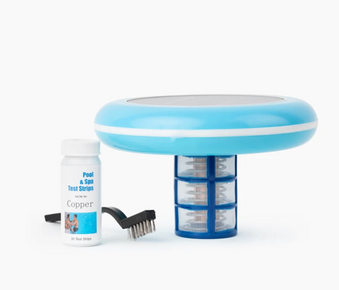
TL;DR: This step-by-step pool care workflow for solar pool ionizers covers daily, weekly, monthly, and seasonal tasks to maintain crystal-clear water with minimal chemicals. From initial installation and copper buildup to ongoing testing, electrode maintenance, and water chemistry balance, this complete 2026 guide provides a systematic approach to pool care that reduces chlorine usage by 50-85% while ensuring safe, algae-free water year-round. Perfect for both new ionizer users and experienced pool owners looking to optimize their maintenance routine.
SEO Summary:
Master solar pool ionizer maintenance with this complete step-by-step workflow for 2026. Learn daily, weekly, monthly, and seasonal tasks including copper testing, electrode cleaning, water chemistry balance, and troubleshooting. Includes detailed checklists, timing guidelines, and best practices for maintaining crystal-clear, chemical-free pool water with minimal effort and maximum results.
Table of Contents
- Initial Setup & Installation (Week 1)
- Copper Buildup Phase (Weeks 2-3)
- Daily Workflow (5 Minutes)
- Weekly Workflow (30-45 Minutes)
- Monthly Workflow (1-2 Hours)
- Seasonal Workflow
- Troubleshooting Workflow
- Final Thoughts & Recommendation
- Key Takeaways
Initial Setup & Installation (Week 1)
Proper initial setup establishes the foundation for successful long-term ionizer operation. Take time to do this right and you'll avoid problems later.
Day 1: Pre-Installation
Morning Tasks:
- Calculate pool volume accurately (length × width × average depth × 7.5 for rectangular pools)
- Verify ionizer capacity matches pool volume (10,000-35,000 gallon or 35,000-45,000+ gallon models)
- Clean pool thoroughly vacuum, brush all surfaces, empty skimmer baskets
- Backwash or clean filter completely
- Remove any visible debris, leaves, or organic matter
Afternoon Tasks:
- Test full water chemistry panel (pH, alkalinity, calcium hardness, chlorine, phosphates)
- Record baseline readings in maintenance log or app
- Balance pH to 7.2-7.6 (ideally 7.4)
- Adjust alkalinity to 80-120 ppm (ideally 100 ppm)
- Ensure calcium hardness is 200-400 ppm (ideally 250-300 ppm)
- Treat high phosphates (above 500 ppb) with phosphate remover
Evening Tasks:
- Unbox ionizer and inspect for damage
- Read manufacturer instructions completely
- Identify optimal positioning area receiving 6-8 hours direct sunlight with good circulation
- Prepare test strips for copper monitoring
- Set up maintenance log (notebook, spreadsheet, or app)
Day 2: Installation
Morning Tasks:
- Deploy ionizer in predetermined location
- Ensure solar panel faces upward and receives direct sunlight
- Position electrodes 12-18 inches below water surface
- Attach tether if provided (loosely to allow movement)
- Verify ionizer floats stably without tipping
- Run pump for 4-6 hours to begin ion distribution
Afternoon Tasks:
- Observe ionizer position after several hours of operation
- Adjust if drifting to low-circulation areas or excessive shade
- Test pH and adjust if needed (ionizer operation can affect pH slightly)
- Reduce chlorine to 1-2 ppm if currently higher
- Document installation date and initial settings in log
Days 3-7: Monitoring
Daily Tasks:
- Visual inspection of ionizer position and condition
- Test pH daily and adjust to maintain 7.2-7.6
- Test copper ions every 2-3 days (will be low initially, 0.0-0.1 ppm)
- Maintain chlorine at 1-2 ppm during buildup phase
- Run pump 8-10 hours daily minimum
- Skim pool and empty baskets daily
End of Week 1:
- Copper should be 0.1-0.2 ppm (building gradually)
- Water chemistry should be stable and balanced
- Ionizer should be positioned optimally with no issues
- Pool should be clean with no algae present
- You should be comfortable with testing and basic maintenance
Copper Buildup Phase (Weeks 2-3)
During weeks 2-3, copper ions accumulate to effective levels. This is a critical phase requiring close monitoring. Understanding solar pool ionizer water chemistry helps you manage this phase effectively.
Week 2: Active Buildup
Monday, Wednesday, Friday:
- Test copper ions (should be increasing: 0.2-0.3 ppm by end of week)
- Test pH and adjust to 7.2-7.6
- Maintain chlorine at 1-2 ppm
- Brush pool surfaces to prevent algae attachment during buildup
- Record all readings in maintenance log
Tuesday, Thursday:
- Visual inspection of water clarity and ionizer condition
- Skim pool and empty baskets
- Verify pump runtime (8-10 hours minimum)
- Check ionizer receives adequate sunlight (6-8 hours)
Saturday:
- Test full chemistry panel (pH, alkalinity, copper, chlorine)
- Vacuum pool thoroughly
- Clean or backwash filter if pressure is elevated
- Brush all pool surfaces
- Inspect ionizer electrodes (should show slight darkening normal patina)
Week 3: Approaching Target
Same schedule as Week 2, with these additions:
- Copper should reach 0.3-0.4 ppm by mid-week
- Begin reducing chlorine gradually to 0.5-1.5 ppm
- Watch closely for any algae signs as chlorine decreases
- If copper reaches 0.4 ppm and water remains clear, you can eliminate chlorine completely (if desired)
- Continue testing copper 2-3 times weekly even after reaching target
End of Week 3 Checklist:
- Copper ions: 0.3-0.4 ppm (target range achieved)
- Chlorine: 0.5-1.5 ppm (or 0 if going chemical-free)
- pH: 7.2-7.6 (stable)
- Water: Crystal clear with no algae
- Ionizer: Functioning properly, electrodes developing normal patina
- Ready to transition to standard maintenance workflow
Daily Workflow (5 Minutes)
Once copper levels stabilize, daily maintenance is minimal but important for catching problems early.
Morning Routine
Visual Inspection (2 minutes):
- Check water clarity should be crystal clear
- Look for any algae spots or discoloration
- Verify ionizer is properly positioned and floating correctly
- Observe pump operation should be running smoothly
- Check for any debris on water surface
Quick Maintenance (3 minutes):
- Skim surface to remove leaves, insects, debris
- Empty skimmer basket if more than half full
- Check filter pressure gauge note if rising
- Verify return jets are flowing properly
- Mental note of any issues for weekend attention
Evening Routine (Optional)
If pool was used heavily during day:
- Quick skim to remove any debris from swimmers
- Empty skimmer basket
- Test pH if pool had 5+ swimmers (body oils and lotions affect pH)
- Add oxidizer (hydrogen peroxide or non-chlorine shock) if water looks slightly cloudy
Weekly Workflow (30-45 Minutes)
Weekly tasks maintain water quality and prevent problems from developing. Consistency is key to success.
Monday: Testing & Chemistry
Tasks (15 minutes):
- Test pH using reliable test strips or liquid kit
- Test copper ions verify 0.3-0.4 ppm range
- Test chlorine if using hybrid system (should be 0.5-1.5 ppm)
- Test alkalinity verify 80-120 ppm
- Record all readings in maintenance log with date
- Adjust pH if outside 7.2-7.6 range (add acid or soda ash)
- Adjust alkalinity if outside 80-120 ppm range
Wednesday: Brushing & Inspection
Tasks (20 minutes):
- Brush all pool walls thoroughly (top to bottom)
- Brush pool floor, paying attention to corners and dead spots
- Brush steps, benches, and behind ladders
- Inspect for any algae spots while brushing
- Check water line for scum or buildup
- Test pH and copper ions
- Empty skimmer and pump baskets
Friday: Electrode Maintenance
Tasks (10 minutes):
- Remove ionizer from pool
- Inspect electrodes for calcium buildup (white deposits)
- If buildup present, clean with diluted vinegar solution (1:1 ratio) and soft brush
- Rinse electrodes thoroughly with clean water
- Inspect for excessive wear (copper anode should still be substantial)
- Reinstall ionizer in optimal position
- Test pH and copper ions
Saturday: Deep Cleaning
Tasks (45 minutes):
- Vacuum entire pool thoroughly
- Brush all surfaces again
- Empty and clean skimmer baskets completely
- Empty and clean pump strainer basket
- Check filter pressure backwash or clean if 8-10 psi above baseline
- Test full chemistry panel (pH, alkalinity, copper, chlorine if using)
- Add weekly oxidizer (hydrogen peroxide or non-chlorine shock)
- Add enzyme product if using
Sunday: Light Maintenance
Tasks (10 minutes):
- Skim pool surface
- Empty skimmer baskets
- Test pH and copper
- Visual inspection for any issues
- Plan next week's maintenance
- Enjoy your pool!
Monthly Workflow (1-2 Hours)
Monthly tasks address items that don't require weekly attention but are critical for long-term success.
First Saturday: Comprehensive Testing
Tasks (30 minutes):
- Test complete chemistry panel: pH, alkalinity, calcium hardness, copper, chlorine, phosphates
- Record all readings in detailed log
- Compare to previous month's readings identify trends
- Adjust calcium hardness if outside 200-400 ppm range
- Treat phosphates if above 500 ppb (300 ppb for chemical-free systems)
- Test for metals if using fill water from well or municipal source
Second Saturday: Filter Deep Clean
Tasks (45 minutes):
- Cartridge filters: Remove cartridges, spray with filter cleaner, soak 4-8 hours, rinse thoroughly
- DE filters: Backwash, disassemble, clean grids, reassemble, add fresh DE
- Sand filters: Backwash thoroughly, add sand filter cleaner if needed
- Inspect filter tank and components for wear or damage
- Record filter cleaning date and pressure readings
Third Saturday: Equipment Inspection
Tasks (30 minutes):
- Inspect pump for leaks, unusual noise, or vibration
- Check all plumbing connections for leaks
- Inspect pool surface for cracks, chips, or damage
- Check pool lights, return jets, and other fixtures
- Lubricate O-rings on pump and filter as needed
- Verify timer settings are correct for pump operation
- Document any issues requiring professional attention
Fourth Saturday: Ionizer Deep Maintenance
Tasks (30 minutes):
- Remove ionizer completely from pool
- Disassemble per manufacturer instructions
- Clean electrodes thoroughly with vinegar solution
- Inspect solar panel for cracks, yellowing, or damage
- Clean solar panel with mild soap and water
- Check all seals and gaskets for wear
- Measure copper anode if less than 50% original size, replace
- Reassemble and reinstall in optimal position
- Add metal sequestrant at half-dose to prevent staining
Learn more about solar pool ionizer replacement kits to ensure you have the right parts on hand.
Seasonal Workflow
Seasonal tasks prepare your pool and ionizer for changing conditions throughout the year.
Spring Opening (March-April)
Week 1: Preparation
- Remove winter cover and clean thoroughly
- Remove winterizing plugs and reinstall return fittings
- Reinstall pump, filter, and other equipment removed for winter
- Fill pool to proper level
- Start pump and check for leaks
- Backwash or clean filter completely
Week 2: Water Treatment
- Test full chemistry panel
- Shock pool heavily (10-20 ppm chlorine) to kill any algae or bacteria
- Balance pH, alkalinity, and calcium hardness
- Treat high phosphates
- Brush and vacuum pool thoroughly
- Run filter continuously for 48-72 hours
Week 3: Ionizer Installation
- Clean ionizer from winter storage
- Inspect electrodes replace if worn
- Install fresh electrodes if starting new season
- Deploy ionizer in optimal position
- Begin copper buildup phase (follow Weeks 2-3 workflow above)
- Gradually reduce chlorine as copper builds
Understanding the optimal time to install a solar pool ionizer helps you plan your spring opening effectively.
Summer Peak Season (June-August)
Adjustments for Peak Season:
- Increase testing frequency test copper 3x weekly instead of 2x
- Run pump 10-12 hours daily (vs. 8-10 hours off-season)
- Brush pool 3x weekly instead of 2x (higher algae pressure)
- Add oxidizer after heavy use (pool parties, many swimmers)
- Monitor copper levels closely may need to remove ionizer temporarily if exceeding 0.4 ppm
- Clean electrodes every 3-4 weeks instead of 4-6 weeks
- Watch for phosphate increases from sunscreen, lotions, and swimmers
Fall Transition (September-October)
Adjustments for Cooling Weather:
- Reduce pump runtime to 8-10 hours as temperature drops
- Test copper 2x weekly (algae pressure decreases)
- Brush 2x weekly (reduced from summer frequency)
- Continue regular maintenance but can reduce oxidizer frequency
- Monitor for falling leaves skim more frequently
- Prepare for winter closing if in freezing climate
Winter Closing (November)
For Freezing Climates:
- Remove ionizer from pool completely
- Clean electrodes thoroughly
- Dry ionizer completely and store indoors
- Add winterizing chemicals per normal procedure
- Lower water level and install winter cover
- Store ionizer in climate-controlled area (40-80°F)
For Non-Freezing Climates:
- Continue operating ionizer year-round
- Reduce pump runtime to 6-8 hours daily
- Test copper weekly instead of 2-3x weekly
- Brush weekly instead of 2-3x weekly
- Maintain minimal chlorine (0.5-1.0 ppm) for winter
- Clean electrodes monthly instead of every 3-4 weeks
Troubleshooting Workflow
When problems arise, follow these systematic workflows to diagnose and resolve issues quickly.
Cloudy Water Workflow
Step 1: Immediate Testing
- Test pH adjust to 7.2-7.4 immediately
- Test copper if below 0.3 ppm, this is likely the cause
- Test chlorine if using hybrid system, verify adequate levels
- Test alkalinity adjust if outside 80-120 ppm
Step 2: Filtration Check
- Check filter pressure clean if elevated
- Verify pump runtime increase to 12-16 hours daily
- Ensure all return jets are flowing properly
- Backwash or clean filter thoroughly
Step 3: Treatment
- Add clarifier per label directions
- Double oxidizer dose (hydrogen peroxide or non-chlorine shock)
- Brush pool thoroughly
- Run filter continuously for 24-48 hours
Algae Appearance Workflow
Step 1: Immediate Action
- Test copper immediately if below 0.3 ppm, this is the cause
- Test pH lower to 7.2 for maximum copper effectiveness
- Shock pool with chlorine (10-20 ppm) or triple hydrogen peroxide dose
- Brush affected areas vigorously 2-3 times daily
Step 2: Ionizer Check
- Remove ionizer and inspect electrodes
- Clean electrodes thoroughly calcium buildup reduces ion production
- Verify ionizer receives 6-8 hours direct sunlight
- Consider adding second ionizer if pool volume is at upper limit of capacity
- Reinstall in optimal position
If you're experiencing persistent algae issues, review our guide on how solar ionizers help keep pools algae-free for additional strategies.
Low Copper Levels Workflow
Step 1: Ionizer Inspection
- Check ionizer position verify receives 6-8 hours direct sunlight
- Remove and inspect electrodes for heavy calcium buildup
- Clean electrodes thoroughly if buildup present
- Measure copper anode if less than 50% original size, replace
- Verify solar panel is clean and not yellowed or damaged
Step 2: Environmental Check
- Assess actual sunlight exposure trees, buildings, or shade may have changed
- Verify pump runs 8-10 hours daily for proper ion distribution
- Check for excessive water dilution from rain or refilling
- Test for high phosphates that may be consuming copper
Understanding what to do when copper anodes break down helps you address electrode wear issues effectively.
Final Thoughts & Recommendation
This step-by-step workflow provides a systematic approach to solar pool ionizer maintenance that ensures consistent results with minimal effort. The key to success is consistency following the daily, weekly, and monthly tasks prevents problems rather than constantly reacting to them. While the workflow may seem detailed initially, most tasks become second nature within a few weeks.
Remember that the initial setup and copper buildup phase (Weeks 1-3) require more attention than ongoing maintenance. Once copper levels stabilize and you understand your pool's specific needs, weekly maintenance typically takes just 30-45 minutes plus 5 minutes daily for skimming and visual inspection. This is comparable to or less than traditional chlorine pool maintenance while delivering superior water quality.
The workflow is designed to be flexible adjust timing and frequency based on your pool's specific conditions, climate, and usage patterns. Pools in hot climates may need more frequent testing and electrode cleaning. Pools with heavy use require more oxidizer and brushing. Shaded pools may need additional ionizer capacity or more frequent copper testing. Use this workflow as a framework and customize it to your situation.
Invest in quality tools that make the workflow easier. Reliable test strips or a good liquid test kit are essential for accurate copper and pH testing. A quality pool brush appropriate for your surface type makes brushing more effective. A maintenance log (physical notebook or smartphone app) helps you track trends and identify problems early. These small investments pay dividends in easier, more effective maintenance.
Don't skip the monthly deep maintenance tasks. Filter cleaning, equipment inspection, and thorough ionizer maintenance prevent small issues from becoming major problems. The hour or two spent monthly on these tasks saves hours of troubleshooting and potential equipment replacement costs down the road.
Finally, remember that this workflow supports both hybrid systems (ionizer + minimal chlorine) and chemical-free systems (ionizer + alternative oxidizers). Adjust the chlorine-related tasks based on your chosen approach. Hybrid systems are more forgiving and easier for beginners, while chemical-free systems require stricter adherence to the workflow but deliver the ultimate in natural water quality. Learn more about solar pool ionizers as an alternative to chlorine.
With this systematic approach, you'll maintain crystal-clear, algae-free water year-round while reducing chemical usage by 50-85% compared to traditional pools. The workflow becomes routine quickly, freeing you to enjoy your pool rather than constantly maintaining it. Consistency is the key follow the workflow, keep good records, and address issues promptly for best results.
Key Takeaways
- Initial setup takes 3 weeks Week 1 for installation and water balance, Weeks 2-3 for copper buildup to 0.3-0.4 ppm; test copper every 2-3 days during this phase and maintain chlorine at 1-2 ppm until copper reaches target levels.
- Daily workflow takes just 5 minutes visual inspection of water clarity and ionizer position, quick skim to remove debris, empty skimmer basket if needed, and mental note of any issues for weekend attention.
- Weekly workflow requires 30-45 minutes total Monday testing (15 min), Wednesday brushing (20 min), Friday electrode check (10 min), Saturday deep cleaning (45 min), Sunday light maintenance (10 min) spread across the week.
- Monthly deep maintenance is critical comprehensive chemistry testing, filter deep clean, equipment inspection, and thorough ionizer maintenance prevent small issues from becoming major problems and extend equipment life.
- Seasonal adjustments optimize performance increase testing and cleaning frequency during summer peak season, reduce during fall/winter, and follow proper spring opening and winter closing procedures based on your climate.
- Troubleshooting follows systematic workflows cloudy water requires immediate pH/copper testing and filtration check; algae appearance demands copper verification and electrode cleaning; low copper levels need ionizer inspection and environmental assessment.
- Consistency is more important than perfection following the workflow regularly prevents problems better than intensive sporadic maintenance; small daily and weekly tasks keep water balanced and reduce need for major interventions.
By following this comprehensive workflow, you'll develop a maintenance routine that becomes second nature, requiring minimal time while delivering maximum results. The systematic approach ensures nothing is overlooked, copper levels remain optimal, and your pool stays crystal clear with minimal chemical intervention. Whether you're new to solar ionizers or looking to optimize your existing routine, this workflow provides the structure needed for long-term success. For additional guidance, check our frequently asked questions to address any remaining concerns. Start with Week 1, follow each step carefully, and within a month you'll have a well-established routine that keeps your pool in perfect condition year-round with less effort than traditional chlorine maintenance.