A perpetually sparkling, completely algae-free swimming pool represents the ultimate achievement for any pool owner, combining visual appeal, hygienic safety, and recreational enjoyment in a single aquatic environment. Algae infestations not only transform crystal-clear water into unsightly green, yellow, or black cloudy suspensions but also create dangerously slippery surfaces on pool floors and walls, dramatically increase chemical consumption and maintenance requirements, and can potentially harbor harmful bacteria that compromise swimmer health. Traditional chemical treatment methodologies, particularly chlorine-based sanitation systems, while scientifically proven for effectiveness, frequently demand continuous monitoring and adjustment, produce characteristic chemical odors many swimmers find unpleasant, and can cause significant skin, eye, and respiratory irritation especially in sensitive individuals or with improper balancing.
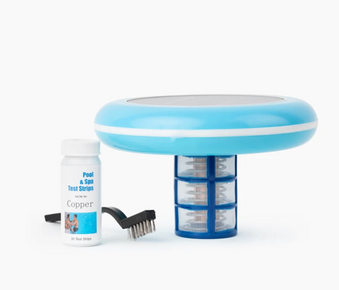
Solar-powered pool ionizers present an innovative, environmentally sustainable, and remarkably low-maintenance alternative that proactively prevents algae colonization through completely natural mechanisms. These sophisticated devices harness abundant solar energy to power controlled electrochemical processes that release minute quantities of metal ions typically copper or specialized copper-silver alloys directly into the pool water, creating an environment fundamentally inhospitable to algae and bacterial proliferation. This comprehensive guide explores the intricate operational principles of solar ionization technology, examines the multiple biological mechanisms through which ions prevent algae establishment, details the substantial benefits compared to traditional chemical approaches, and provides exhaustive maintenance protocols to ensure your pool remains perfectly clear throughout the entire swimming season.
Table Of Contents
- Understanding Algae Formation in Pools
- How Solar Ionizers Work
- Mechanisms Through Which Solar Ionizers Prevent Algae
- Benefits of Solar Ionizers for Algae Control
- Installing and Using Solar Ionizers for Maximum Effect
- Maintenance Tips to Keep Ionizers Effective
- Final Thoughts: Maintaining an Algae-Free Pool Naturally
1. Understanding Algae Formation in Pools
Algae represent a diverse group of photosynthetic eukaryotic microorganisms encompassing thousands of species that can colonize aquatic environments when conditions prove favorable. These primitive plants thrive particularly well in swimming pools during warm weather conditions, utilizing sunlight for energy while extracting essential nutrients directly from the water or from introduced organic matter. Understanding the specific environmental requirements, growth patterns, and colonization strategies of common pool algae species provides the essential foundation for implementing effective prevention measures through solar ionization technology.
Taxonomy and Characteristics of Common Pool Algae
Swimming pools typically encounter three primary algae types, each with distinct morphological characteristics, environmental preferences, and resistance challenges. Green algae (Chlorophyta) represent the most frequently encountered variety, presenting as free-floating suspensions that create generalized green pool water or as surface-adhering films that form slippery green layers on pool walls and floors. These single-celled or colonial organisms contain chlorophyll pigments that facilitate rapid photosynthesis under appropriate light and nutrient conditions, with reproduction occurring through both sexual and asexual means that enable explosive population growth when conditions favor proliferation.
Yellow algae (Phaeophyta), often called mustard algae due to its characteristic coloration, demonstrates greater resistance to conventional sanitation methods through protective morphological adaptations including thicker cell walls and specialized membrane structures. This species typically establishes in shaded areas, along pool bottoms, or in circulation dead zones where water movement remains minimal, forming dense colonies that resist standard brushing and chemical treatments. Black algae (Cyanobacteria) represents the most challenging elimination target, actually comprising photosynthetic bacteria rather than true algae, characterized by deep-rooting structures that penetrate pool plaster or concrete surfaces, protective outer layers that shield interior cells from sanitizers, and rapid regeneration capabilities from remaining root structures following superficial treatment.
Environmental Conditions Favoring Algal Proliferation
Multiple environmental factors interact to create conditions ideally suited for algal establishment and exponential growth in pool environments. Temperature serves as a primary determinant, with optimal growth occurring between 77–82°F (25–28°C), though many species remain metabolically active at both higher and lower temperatures with reduced reproduction rates. Sunlight availability directly influences photosynthetic species, with infrared and visible spectrum radiation providing energy while ultraviolet components sometimes inhibit growth unless water turbidity provides shading protection.
Nutrient concentration proves equally critical, with phosphates serving as the primary limiting nutrient in most pool environments, typically introduced through fill water, fertilizers, bather waste, or decaying organic matter. Nitrogen compounds, particularly nitrates, provide additional nutritional support, while carbon dioxide availability influences photosynthetic efficiency. Hydrological factors including circulation patterns, filtration efficiency, and surface agitation significantly impact algal opportunities, with stagnant areas consistently demonstrating earlier and more severe colonization. Chemical balance parameters, particularly pH, total alkalinity, and sanitizer concentration, create either favorable or hostile environments, with imperfect balance frequently enabling algal breakthroughs even in otherwise well-maintained pools.
Consequences of Algal Infestation
Established algal colonies create multiple operational, aesthetic, and potential health concerns that significantly degrade the swimming experience and increase maintenance burdens. Water clarity diminishes dramatically as suspended algal cells scatter light, creating turbidity that obscures bottom visibility and eliminates the sparkling appearance valued by pool owners. Surface slipperiness develops as algal mats establish on pool finishes, creating potentially hazardous conditions that increase slip-and-fall risks, particularly on steps and entry areas.
Chemical demand escalates substantially as algae consume sanitizers, necessitating increased chlorine usage sometimes reaching 3-5 times normal maintenance levels while simultaneously reducing effectiveness through increased organic load. Filter systems experience accelerated loading and reduced efficiency as they capture algal cells, potentially leading to increased pressure, reduced flow rates, and more frequent cleaning requirements. Extended infestation can lead to permanent surface staining, particularly with black algae whose root structures can penetrate and discolored pool finishes, while long-term exposure to certain algal types has been associated with respiratory irritation and other health concerns in sensitive individuals.

2. How Solar Ionizers Work
Solar pool ionizers represent elegantly simple yet scientifically sophisticated devices that transform abundant solar energy into continuous water purification through precisely controlled electrochemical processes. These systems operate on fundamental principles of photovoltaics and electrolysis, creating self-sustaining sanitation that requires no external power sources while producing no harmful chemical byproducts. Understanding the component interactions, energy conversion processes, and ion distribution mechanisms provides insight into why these systems prove so effective for algae prevention.
Photovoltaic Energy Conversion System
The operational foundation of every solar ionizer begins with its photovoltaic panel, typically constructed from monocrystalline or polycrystalline silicon cells optimized for the specific light conditions encountered in pool environments. These semiconductor devices convert photon energy from sunlight directly into electrical current through the photovoltaic effect, with typical panels generating between 1.5 and 12 volts DC depending on size, efficiency, and sunlight intensity. Advanced systems incorporate maximum power point tracking technology that optimizes energy harvest across varying light conditions, while simpler designs utilize direct connection between solar cells and electrodes.
The electrical characteristics prove particularly important, with current generation typically ranging from 100-500 milliamps under peak sunlight conditions, carefully matched to electrode surface areas to maintain appropriate current densities that ensure controlled ion release rather than rapid erosion. Voltage regulation prevents excessive potential that could cause alternative electrochemical reactions, while built-in reverse current protection prevents electrode corrosion during darkness periods. The solar panel typically incorporates UV-resistant encapsulation, waterproof junction boxes, and sometimes anti-reflective coatings that enhance light capture efficiency while ensuring decades of reliable outdoor operation.
Electrochemical Ion Generation Process
The heart of the ionization process occurs at the electrode assembly, where electrical energy from the solar panel drives controlled electrochemical reactions that release metal ions into the surrounding water. The anode, typically constructed from high-purity copper or copper-silver alloys, undergoes oxidative dissolution when current flows, systematically releasing positively charged copper ions (Cu²⁺) according to Faraday's laws of electrolysis. This deliberate sacrificial erosion occurs at precisely controlled rates determined by current density, pool water chemistry, and electrode composition, typically consuming 0.5-2.0 grams of copper per month in residential pool applications.
The cathode, usually fabricated from corrosion-resistant metals like titanium or 316L stainless steel, serves as the complementary electrode where reduction reactions occur, typically involving hydrogen gas evolution or oxygen reduction depending on water chemistry conditions. The specific electrode configuration including spacing, orientation, and surface area ratios optimizes current distribution while minimizing competing reactions that could reduce system efficiency. The protective basket surrounding the electrodes serves multiple functions including debris exclusion, flow management, and physical protection, typically constructed from UV-stabilized polymers with specific mesh patterns that maximize open area while preventing foreign object damage.
Ion Distribution and Water Integration
Following generation at the anode, copper ions immediately begin integrating into the aquatic environment through multiple simultaneous processes. Initial dispersion occurs through natural diffusion from high-concentration areas near the electrodes toward lower concentration regions throughout the pool volume. Primary distribution relies on existing pool circulation patterns, with return jets carrying ion-rich water throughout the system while skimmers and main drains continuously bring untreated water to the ionization chamber.
The integration process involves both physical dispersion and chemical interaction, with copper ions forming complexes with water molecules, carbonates, and other pool chemicals while remaining available for algal interaction. Equilibrium establishment typically requires 24-48 hours of continuous operation in a properly circulated pool, after which copper concentrations stabilize within the therapeutic range of 0.2-0.5 parts per million. This concentration represents the optimal balance between effective algae prevention and minimal impact on swimmers, equipment, and water chemistry, continuously maintained through proportional ion release that corresponds directly with sunlight availability and associated algal growth potential.

3. Mechanisms Through Which Solar Ionizers Prevent Algae
Solar ionizers employ multiple complementary biological interference mechanisms that collectively create an environment fundamentally hostile to algal establishment and proliferation. Unlike chemical sanitizers that primarily operate through oxidative destruction, copper ions utilize more sophisticated approaches that disrupt critical cellular processes while preventing resistance development. Understanding these multifaceted prevention strategies explains why ionization proves so effective across diverse algal species and environmental conditions.
Photosynthetic Pathway Disruption
Copper ions directly interfere with photosynthetic mechanisms at multiple points in the light-dependent and light-independent reactions essential for algal energy production. Primary disruption occurs within photosystem II, where copper ions compete with essential manganese clusters in the oxygen-evolving complex, preventing water splitting and oxygen evolution that drives electron transport chains. Additional interference targets plastoquinone binding sites, disrupting electron transfer between photosystems and effectively halting the light reactions that generate ATP and NADPH.
In the Calvin cycle comprising the light-independent reactions, copper ions inhibit multiple enzymes including RuBisCO (ribulose-1,5-bisphosphate carboxylase/oxygenase), dramatically reducing carbon fixation rates essential for sugar production and growth. The simultaneous disruption across multiple photosynthetic components prevents compensatory mechanisms that might allow survival with single-point failures, ensuring comprehensive inhibition rather than partial reduction. This multifaceted approach proves particularly effective because it targets fundamental metabolic processes common to all photosynthetic algae, providing broad-spectrum protection regardless of specific species characteristics or adaptations.
Cellular Membrane and Structural Compromise
Copper ions directly interact with algal cellular structures through multiple mechanisms that compromise integrity and function. Electrostatic attraction draws positively charged copper ions to negatively charged membrane surfaces, where they displace essential calcium and magnesium ions that maintain structural stability. This ion exchange increases membrane fluidity and permeability, disrupting the selective transport mechanisms that maintain internal homeostasis while allowing uncontrolled leakage of cellular contents.
Additional damage occurs through oxidative stress mechanisms, where copper ions catalyze Fenton-like reactions that generate hydroxyl radicals and other reactive oxygen species from naturally occurring hydrogen peroxide. These highly destructive oxidants attack lipid membranes through peroxidation chain reactions, simultaneously damaging proteins and nucleic acids essential for cellular function. The combined physical and oxidative damage creates progressive membrane deterioration that eventually leads to complete structural failure, preventing colony establishment even when individual cells initially survive ionic exposure.
Enzymatic and Metabolic Interference
Beyond photosynthetic targeting, copper ions disrupt numerous essential enzymatic processes through competitive inhibition, allosteric modulation, and direct structural damage. Critical dehydrogenase enzymes in respiratory pathways prove particularly vulnerable, with copper binding to active sites containing cysteine residues or iron-sulfur clusters, preventing catalytic function essential for energy production. Additional interference occurs with ATPase enzymes responsible for maintaining electrochemical gradients, transport proteins governing nutrient uptake, and replication enzymes including DNA polymerases essential for cellular division.
The metabolic disruption extends to nitrogen assimilation pathways, with copper inhibiting nitrate reductase and other enzymes essential for converting inorganic nitrogen into biologically usable forms. This nitrogen metabolism interference proves especially significant since nitrogen frequently serves as the limiting nutrient for algal growth in properly maintained pools. The comprehensive enzymatic suppression creates cumulative metabolic paralysis that prevents pool algae growth, reproduction, and adaptive responses, ensuring that algal cells remain suspended in a vulnerable state where natural mortality and filtration removal gradually eliminate them from the pool environment.

4. Benefits of Solar Ionizers for Algae Control
Implementing solar ionization for algal prevention delivers substantial advantages across multiple dimensions including operational efficiency, economic considerations, environmental impact, and user experience. These benefits collectively justify the initial investment while providing ongoing value throughout the system's operational lifespan, particularly when compared to traditional chemical-based approaches.
Chemical Reduction and Water Quality Enhancement
Properly sized and maintained solar ionization systems typically reduce chlorine consumption by 80-90% compared to conventional sanitation approaches, creating multiple secondary benefits beyond simple cost savings. This dramatic chemical reduction eliminates chloramine formation almost completely, preventing the characteristic chlorine odor many swimmers find objectionable while reducing eye and skin irritation frequently associated with traditional pool maintenance. The stabilized water chemistry requires less frequent adjustment, with pH and alkalinity maintaining greater consistency without the constant acidic addition from chlorine oxidation.
The water quality experience undergoes significant enhancement, with many users reporting noticeably "softer" water feel, reduced drying effects on skin and hair, and elimination of the chemical taste sometimes present with traditional sanitation. The visual clarity often improves beyond what chemical-only systems achieve, as copper ions help coagulate fine particles that conventional filters might miss, while the elimination of algal blooms prevents the turbidity cycles common in chemically-maintained pools during peak season. This enhanced water quality transforms the swimming experience while reducing the maintenance attention required to maintain ideal conditions.
Economic Advantages and Operational Efficiency
The economic benefits of solar ionization extend well beyond reduced chemical purchases to encompass multiple direct and indirect savings throughout the system's operational life. Chemical cost reduction typically reaches several hundred dollars annually for an average residential pool, with additional savings from reduced pH adjustment chemicals, specialty algaecides, and Shocking the pool. Equipment lifespan extension provides substantial value, with filters requiring less frequent cleaning, pump seals experiencing reduced degradation, and heating systems accumulating less scale when chlorine levels remain minimal.
Operational efficiency improves through reduced maintenance time, with testing requirements simplified, chemical additions minimized, and algae-related emergencies virtually eliminated. The proportional operation inherent in solar ionization producing more ions during sunny periods when algal growth potential increases optimizes efficiency without manual adjustment. Energy consumption decreases through potential reduction in pump run time requirements, while the complete absence of electrical operating costs represents additional savings. When viewed comprehensively, most solar ionization systems achieve complete return on investment within 2-3 swimming seasons through combined operational savings, while continuing to deliver annual benefits throughout their 5-10 year operational lifespan.
Environmental Sustainability and User Safety
Solar ionization represents one of the most environmentally responsible approaches to pool maintenance available, utilizing completely renewable solar energy while minimizing chemical introduction into the environment. The dramatic chlorine reduction decreases toxic chemical production, transportation impacts, and eventual environmental discharge when pool water requires replacement or backwashing. Copper introduction remains minimal and carefully controlled, with concentrations well below levels considered hazardous while providing natural algal prevention comparable to concentrations found in many drinking water systems.
User safety improves through multiple mechanisms, with reduced chemical handling decreasing exposure risks, eliminated chlorine gas hazards during shocking procedures, and minimized formation of potentially harmful disinfection byproducts. The algistatic approach prevents the bacterial blooms that sometimes accompany algal infestations, while the continuous protection eliminates the safety window between chemical additions when sanitation levels might drop below effective concentrations. For families with children, elderly swimmers, or individuals with chemical sensitivities, these safety enhancements prove particularly valuable while maintaining complete protection against waterborne pathogens through the integrated approach combining low-level chlorine with ionic prevention.

5. Installing and Using Solar Ionizers for Maximum Effect
Proper installation and strategic deployment significantly influence solar ionizer effectiveness, with optimal positioning, system integration, and operational parameters dramatically impacting algal prevention performance. Following manufacturer recommendations while understanding fundamental principles ensures maximum benefit from the ionization system while preventing common issues that can reduce efficiency.
Strategic Placement and Orientation Guidelines
Floating solar ionizers require careful placement within the pool to optimize both solar exposure and ion distribution patterns. Solar orientation proves critical, with positioning in areas receiving maximum direct sunlight throughout the day, typically avoiding shadows from trees, structures, or pool equipment. The specific floatation characteristics determine optimal placement, with models designed for central pool positioning typically incorporating rotation mechanisms that maintain solar panel orientation regardless of water movement.
Water circulation considerations significantly influence placement decisions, with ideal positioning ensuring the ionizer operates within main circulation patterns rather than stagnant areas where ions might accumulate without proper distribution. Most systems function optimally when placed within 3-5 feet of return jets, where newly ionized water immediately enters primary circulation pathways. Multiple ionizer installations might prove necessary for pools with complex shapes, separated areas, or documented circulation dead zones, with strategic placement ensuring complete coverage without excessive overlap. Regular position verification prevents beaching in shallow areas or entanglement with cleaning equipment, both of which can dramatically reduce effectiveness.
System Integration and Complementary Equipment
Solar pool ionizers function most effectively when properly integrated with existing pool equipment and maintenance routines. Circulation system optimization ensures adequate flow past the ionization chamber while distributing treated water throughout the entire pool volume, with most manufacturers recommending minimum circulation periods of 8-12 hours daily during peak season. Filtration system maintenance proves equally important, with clean filters ensuring efficient particle removal while preventing the organic accumulation that can consume ions before they reach algal cells.
Complementary equipment enhances ionization effectiveness, with automatic pool cleaners preventing debris accumulation that might shield algae from ionic exposure, while surface skimmers remove organic materials before they can decompose into algal nutrients. Water feature operation influences distribution patterns, with waterfalls, fountains, and spillways creating additional mixing that ensures even ion concentration. The residual chlorine maintenance typically recommended alongside ionization (0.5-1.0 ppm) provides complementary oxidation that eliminates organic contaminants while the ions prevent algal establishment, creating a comprehensive protection system that addresses multiple potential issues simultaneously.
Operational Monitoring and Performance Verification
Establishing baseline operational characteristics enables ongoing performance assessment and early problem identification. Visual inspection should confirm proper flotation, solar panel orientation, and normal bubbling around electrodes during sunlight hours. Copper level testing provides quantitative performance verification, with initial establishment typically requiring 24-48 hours of continuous operation before reaching therapeutic concentrations between 0.2-0.5 ppm.
Performance indicators include consistent water clarity, minimal chlorine demand, absence of visible algal growth, and clean pool surfaces without slippery films. Seasonal adjustments might prove necessary, with extended operation during peak sunlight months and potentially reduced effectiveness during overcast periods requiring temporary supplemental prevention. Documentation of operational characteristics, performance observations, and maintenance activities creates valuable reference data that informs future adjustments and identifies developing issues before they impact water quality. This systematic approach ensures the ionization system delivers consistent performance while enabling prompt intervention if effectiveness decreases.
6. Maintenance Tips to Keep Ionizers Effective
While solar pool ionizers represent remarkably low-maintenance systems compared to alternative sanitation approaches, periodic attention ensures optimal performance throughout their operational lifespan. Implementing systematic inspection, cleaning, and replacement protocols prevents gradual efficiency loss while maintaining consistent algal prevention regardless of changing environmental conditions.
Comprehensive Component Inspection Protocols
Regular visual inspection identifies developing issues before they significantly impact performance, with monthly examination recommended during peak season and comprehensive assessment before and after seasonal operation. Solar panel inspection should verify clean, unobstructed surfaces free from mineral deposits, biological films, or physical damage that might reduce energy conversion efficiency. Electrical connection examination ensures waterproof integrity, secure terminations, and absence of corrosion that could increase resistance and reduce current flow.
Electrode assessment focuses on erosion patterns, with anodes demonstrating gradual, even diameter reduction rather than irregular pitting or localized erosion. Scale accumulation monitoring identifies developing mineral deposits that might insulate electrode surfaces, particularly in hard water conditions where calcium carbonate precipitation occurs more rapidly. Protective basket inspection verifies structural integrity, mesh cleanliness, and proper positioning that maintains designed flow characteristics while preventing debris contact with electrodes. Floatation system examination confirms proper buoyancy, orientation stability, and absence of water absorption that might alter positioning or solar exposure.
Systematic Cleaning Procedures and Techniques
Proper pool cleaning maintains optimal performance while preventing damage that might accelerate component degradation. Solar panel cleaning should employ soft cloths or brushes with mild detergent solutions, avoiding abrasive materials that could scratch anti-reflective coatings while thoroughly removing films that reduce light transmission. Electrode cleaning requires particular care, with plastic or wooden tools recommended for scale removal to prevent surface damage that might create irregular current distribution.
Descaling solutions prove most effective for mineral deposit removal, with vinegar solutions (acetic acid) typically adequate for moderate accumulation while commercial descaling products might prove necessary for severe cases. Protective basket cleaning should include both mechanical removal of debris and chemical treatment if biological films become established, with complete rinsing ensuring no cleaning residues remain that might impact water chemistry. Connection cleaning maintains optimal conductivity, with appropriate contact cleaners removing oxidation while preserving protective platings. Systematic cleaning documentation helps identify accelerating accumulation that might indicate water chemistry issues requiring attention beyond simple maintenance.
Component Replacement and Performance Restoration
Proactive component replacement prevents the gradual performance degradation that often precedes complete failure, with replacement intervals determined by operational hours, water chemistry, and observed wear patterns. Anode replacement typically becomes necessary when diameter reduction reaches 50-60% of original dimensions, with precise timing influenced by pool volume, bather load, and environmental conditions. Cathode replacement occurs less frequently, typically every 3-5 years, though accelerated replacement might prove necessary with scale accumulation that resists cleaning or surface corrosion that increases resistance.
Protective basket replacement follows observed degradation rather than predetermined schedules, with cracks, deformation, or mesh damage representing clear replacement indicators. Secondary components including seals, connectors, and floatation elements require replacement when inspection reveals deterioration that could compromise system operation or safety. Comprehensive replacement using manufacturer-approved kits ensures compatibility while restoring original performance characteristics, with proper installation techniques maximizing component lifespan. Performance verification following replacement confirms proper operation, with copper level testing 24-48 hours after reactivation ensuring therapeutic concentrations have been reestablished.
7. Final Thoughts: Maintaining an Algae-Free Pool Naturally
Solar pool ionizers represent a transformative approach to pool maintenance that fundamentally redefines the relationship between effort and results in aquatic environment management. By harnessing natural processes and abundant solar energy, these sophisticated systems provide continuous, proactive algal prevention that eliminates the reactive treatment cycles characterizing traditional chemical approaches. The multiple prevention mechanisms operating simultaneously at cellular, metabolic, and environmental levels create comprehensive protection that proves effective across diverse algal species while preventing resistance development.
The integration of solar ionization into comprehensive pool care delivers benefits extending far beyond simple algal prevention to encompass enhanced water quality, reduced chemical dependency, operational simplification, and environmental responsibility. When properly sized, installed, and maintained, these systems virtually eliminate the algal blooms that plague traditionally-maintained pools during peak conditions while dramatically reducing the attention and intervention required from pool owners. The resulting swimming experience transcends conventional expectations, offering water that feels noticeably different while maintaining perfect clarity throughout the season.
Ultimately, solar ionization represents both a practical solution for immediate algal challenges and a philosophical shift toward more sustainable pool ownership. The technology demonstrates that effective maintenance need not rely exclusively on aggressive chemicals, that prevention proves fundamentally superior to treatment, and that working with natural processes delivers results surpassing forced interventions. For pool owners seeking sparkling water without constant chemical management, solar ionizers provide the ideal balance of effectiveness, convenience, and environmental responsibility transforming pool maintenance from a recurring chore into a seamlessly integrated background process that ensures perfect swimming conditions whenever the opportunity arises.