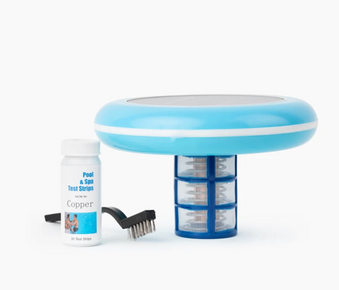
Installing a solar pool ionizer is a smart step toward reducing chemical use, improving water quality, and simplifying pool maintenance. However, timing plays an important role in getting the best performance and long-term benefits from your ionizer.
Choosing the optimal time to install a solar pool ionizer can help prevent algae problems, reduce startup issues, and ensure your pool stays clean throughout the swimming season. This guide explains when and why installation timing matters and how to plan it effectively.
Just as planting a garden has its ideal season, installing your solar pool ionizer at the right moment maximizes its effectiveness from the very first day, ensuring you experience the full range of benefits from sparkling water to significant chemical savings—with minimal effort.
Table of Contents
- Why Installation Timing Matters
- Installing a Solar Pool Ionizer Before Pool Season
- Mid-Season Installation: What to Expect
- Installing During Pool Opening or Startup
- Weather, Sunlight, and Seasonal Considerations
- Signs It's the Right Time to Install a Solar Pool Ionizer
- Final Thoughts: Getting the Most from Your Ionizer
1. Why Installation Timing Matters
Solar pool ionizers work best when they are introduced before water problems begin. Installing at the right time allows mineral ions to stabilize water chemistry and prevent algae growth rather than reacting to existing issues. The timing of installation is crucial because solar ionizers work proactively rather than reactively they create an environment where contaminants cannot thrive, rather than fighting already established problems. Proper timing aligns the ionizer's natural preventive action with your pool's seasonal cycles and usage patterns.
The Proactive Nature of Solar Ionizer Technology
Unlike traditional chlorine that kills existing algae and bacteria, solar ionizers release copper and silver ions that create an environment where microorganisms cannot multiply. This proactive approach requires time to establish the proper mineral concentration throughout your pool water. When installed at the optimal time, the ionizer has sufficient opportunity to build up effective ion levels before conditions become favorable for algae growth, particularly before water temperatures rise above 65°F (18°C) when algae reproduction accelerates dramatically.
- Solar ionizers prevent problems rather than reacting to existing issues
- Mineral ions require time to distribute evenly throughout pool water
- Proper timing aligns preventive action with seasonal temperature changes
- Early installation prevents the need for aggressive chemical corrections
- Establishing ion levels before problems occur maximizes effectiveness
- Proactive installation reduces overall chemical consumption and costs
The Science Behind Timing and Water Chemistry
Water chemistry follows predictable seasonal patterns that directly affect ionizer performance. In spring, as water temperatures rise, algae spores begin to activate and multiply. During this transition period, solar ionizers can establish protective ion levels before significant algae growth occurs. The ionization process works more efficiently in balanced pool water, and installing during stable chemical conditions allows the system to maintain rather than correct balance. Additionally, solar ionizers work synergistically with residual chlorine, meaning timing installation when chlorine levels are manageable but not overwhelming produces the best combined sanitizing effect.
- Algae spores activate when water temperatures reach 65°F (18°C)
- Ion distribution occurs more efficiently in chemically balanced water
- Solar ionizers work best alongside moderate chlorine levels
- Water temperature affects both algae growth and ion distribution rates
- Seasonal pH fluctuations can impact ion effectiveness if not timed properly
- Early installation allows ions to bind with pool surfaces for lasting protection
Key Benefits of Proper Installation Timing
Proper timing delivers multiple interconnected benefits that compound throughout the swimming season. Faster water balance occurs because the ionizer works with your pool's natural chemistry rather than fighting against established imbalances. Fewer chemical corrections are needed since preventive action reduces the frequency of algae outbreaks and bacterial blooms. Reduced algae outbreaks translate to less shock treatments and algaecide applications, preserving water clarity and swimmer comfort. More consistent ionizer performance results from establishing optimal ion levels before heavy usage or challenging conditions test the system's capacity.
- Faster water balance through proactive rather than reactive treatment
- Fewer chemical corrections needed throughout the swimming season
- Reduced algae outbreaks through preventive mineral ion establishment
- More consistent ionizer performance from properly timed startup
- Lower overall maintenance time and effort throughout the season
- Enhanced swimmer comfort with reduced chemical byproducts
- Extended equipment life through better balanced water chemistry
- Cost savings from reduced chemical purchases and treatments
The Consequences of Poor Timing Decisions
Installing a solar ionizer at the wrong time can lead to several avoidable challenges. Late installation during active algae blooms forces the ionizer to work against established problems rather than preventing them, requiring supplemental chemical treatments. Installation during extreme temperature fluctuations can slow ion distribution and reduce effectiveness. Adding an ionizer when chlorine levels are excessively high can create chemical conflicts rather than synergy. Beginning operation when sunlight hours are diminishing reduces the solar charging efficiency, limiting ion production just when preventive action is most needed.
- Late installation requires battling existing algae rather than preventing growth
- Extreme temperature conditions slow ion distribution and effectiveness
- High chlorine levels during installation can interfere with ion function
- Reduced sunlight hours limit solar charging and ion production
- Poor timing may require additional chemical support initially
- Delayed installation extends the period of high chemical dependency
- Incorrect timing can create temporary water clarity issues during transition
Early installation sets the foundation for easier pool maintenance by establishing protective mineral ion levels before challenging conditions arise, creating a preventive barrier that reduces the need for reactive chemical treatments throughout the swimming season.

2. Installing a Solar Pool Ionizer Before Pool Season
The best time to install a solar pool ionizer is often before the swimming season begins. This strategic timing helps prevent pool algae by leveraging the natural transition from winter dormancy to spring activation, allowing your ionizer to establish optimal mineral levels precisely when algae begins to awaken but before it can gain a foothold. Pre-season installation transforms your pool opening from a chemical-intensive process into a smooth, naturally balanced transition that sets the tone for easier maintenance throughout the entire swimming season
The Science Behind Pre-Season Advantage
Installing before pool season aligns with critical biological and chemical processes in your pool water. As temperatures rise from winter lows, dormant algae spores begin metabolic activity around 55°F (13°C), but reproduction doesn't accelerate dramatically until reaching 65°F (18°C). This temperature window provides the perfect opportunity for solar ionizers to establish protective copper and silver ion concentrations before algae populations can explode. Additionally, spring's increasing daylight hours provide optimal solar charging conditions just as the ionizer needs maximum energy to distribute minerals throughout the freshly circulated water after winter stagnation.
- Algae spores activate at 55°F but don't multiply rapidly until 65°F
- Increasing spring daylight provides maximum solar charging efficiency
- Cooler water temperatures allow gradual, even ion distribution
- Minimal organic load in freshly opened pools accelerates ion establishment
- Spring rain and meltwater dilute existing chemicals, creating ideal conditions
- Reduced UV intensity in early spring preserves ions longer in the water
Step-by-Step Pre-Season Installation Strategy
Follow this systematic approach for optimal pre-season installation results. Begin by installing your solar ionizer 2-3 weeks before your planned pool opening date, allowing sufficient time for mineral ion accumulation. Ensure all winter debris is removed and the pool is thoroughly cleaned before installation to prevent organic matter from consuming initial ion production. Balance your water chemistry completely before activating the ionizer, paying particular attention to pH (7.2-7.6) and alkalinity (80-120 ppm) levels that affect ion effectiveness. Run your filtration system for at least 8-12 hours daily during this pre-season period to circulate ions throughout the entire pool volume. Monitor ion production gradually, understanding that visible results may take 1-2 weeks as minerals accumulate to effective concentrations.
- Install 2-3 weeks before planned pool opening for optimal results
- Complete thorough cleaning and debris removal before activation
- Balance all water chemistry parameters before starting ionizer
- Run filtration system extensively to ensure complete ion distribution
- Allow 1-2 weeks for mineral ions to reach effective concentrations
- Test water weekly during pre-season establishment period
Advantages of Pre-Season Installation
Pre-season installation offers multiple interconnected benefits that compound throughout the swimming season. Allowing ions to build up gradually creates a stable mineral foundation that prevents sudden algae blooms when temperatures spike. Preventing algae before water temperatures rise addresses the problem at its source rather than reacting to visible growth. Reducing the need for heavy chemical treatments preserves water balance and protects equipment from corrosive chemical byproducts. Making pool opening smoother and easier transforms what is often a labor-intensive process into a simple transition with naturally crystal-clear pool water from day one.
- Allows ions to build up gradually for stable, sustained protection
- Prevents algae before water temperatures rise above critical thresholds
- Reduces the need for heavy chemical treatments during pool opening
- Makes pool opening smoother and easier with pre-established protection
- Creates clearer water from the first day of swimming season
- Minimizes initial chemical costs associated with traditional pool opening
- Establishes healthy water chemistry before heavy bather loads begin
- Provides continuous protection during the most vulnerable transition period
Optimal Timing Windows by Climate Zone
The ideal pre-season installation period varies by geographic location and local climate patterns. In northern temperate zones with distinct seasons, install 2-3 weeks before ice completely melts and daytime temperatures consistently reach 50°F (10°C). In southern transitional zones, target late winter when overnight temperatures remain above freezing but before spring warmth accelerates algae growth. In mild climates with year-round swimming, focus on the cooler months when algae growth naturally slows but before seasonal rains dilute chemical balances. In desert regions, install before temperature spikes create ideal algae conditions but after winter chill subsides.
- Northern zones: Install 2-3 weeks before ice melt completes
- Southern transitional zones: Late winter before temperature spikes
- Mild climates: Cooler months before seasonal rain patterns
- Desert regions: Before extreme heat but after winter chill
- Coastal areas: Before humidity increases but after storm season
- Mountain regions: As snow melts but before summer sun intensifies
Common Pre-Season Installation Mistakes to Avoid
Several avoidable errors can compromise pre-season installation effectiveness. Installing too early when water remains extremely cold can slow ion distribution and solar charging efficiency. Failing to clean winter debris before installation allows organic matter to consume initial ion production. Neglecting water balance before activation reduces ion effectiveness and slows establishment. Inadequate filtration during the initial period prevents complete mineral distribution. Impatience with visible results leads to unnecessary chemical interventions that disrupt the natural establishment process.
- Installing when water is too cold for efficient ion distribution
- Failing to remove winter debris before ionizer activation
- Neglecting essential water balance parameters before starting
- Insufficient filtration during critical establishment period
- Adding unnecessary chemicals that interfere with ion function
- Expecting immediate visible results rather than gradual improvement
- Poor positioning that limits solar panel exposure to spring sun
Installing early ensures your pool equipment is ready as soon as the pool is opened for use, with established mineral protection that delivers clear, comfortable water from the very first swim without the chemical shock and adjustment period associated with traditional pool opening methods.

3. Mid-Season Installation: What to Expect
Installing a solar pool ionizer during the swimming season is still effective, but results may take slightly longer as the system works to establish mineral ion levels in water that may already contain algae, organic contaminants, and chemical residuals. While mid-season installation lacks the proactive advantage of pre-season timing, it offers immediate benefits for pool owners seeking to reduce their chemical dependency and improve pool water quality during peak swimming months. Understanding the realistic expectations and proper approach ensures successful integration even when installed during challenging conditions.
The Realities of Mid-Season Integration
Mid-season installation presents unique challenges that differ from pre-season timing. The pool water already contains established chemical balances, organic loads from regular use, and potentially active algae or bacteria populations. Higher water temperatures accelerate both biological activity and chemical reactions, creating a more dynamic environment for the ionizer to navigate. Existing chlorine or other sanitizers may initially compete with the ionizer's mineral ions, requiring careful management during the transition period. Despite these challenges, mid-season installation remains highly effective when approached with proper expectations and methodology.
- Existing chemical balances may require adjustment for optimal ion effectiveness
- Higher water temperatures accelerate both problems and solutions
- Regular pool use introduces continuous organic loads during establishment
- Established algae populations require initial chemical treatment before ionizer dominance
- Current chlorine levels may need gradual reduction to avoid chemical conflicts
- Summer sun provides maximum solar charging for immediate ion production
Realistic Timeline and Performance Expectations
Understanding what to expect and when helps manage expectations during mid-season installation. The first week typically shows minimal visible changes as mineral ions begin distributing and establishing protective levels. During weeks 2-3, gradual reduction in chemical use becomes noticeable as the ionizer assumes more sanitation responsibility. By week 4, improved water clarity over time becomes apparent as the mineral ions achieve effective concentrations. The initial need for light chemical support may continue for 2-4 weeks as the ionizer builds to full capacity while managing existing water conditions.
- Gradual reduction in chemical use becomes noticeable within 2-3 weeks
- Improved water clarity over time develops progressively over 3-4 weeks
- Initial need for light chemical support continues for 2-4 weeks
- Algae resistance decreases steadily as mineral ions accumulate
- Chemical smell reduction becomes apparent within the first month
- Full ionizer effectiveness typically achieved within 4-6 weeks
Pre-Installation Preparation for Mid-Season Success
Proper preparation significantly improves mid-season installation results. Begin by addressing any existing algae problems with appropriate pool chemical treatments 3–5 days before installing the ionizer. Test and balance all water chemistry parameters, paying particular attention to pH (7.2–7.6) and alkalinity (80–120 ppm) for optimal ion function. Clean the pool thoroughly, including brushing surfaces, vacuuming debris, and cleaning filters to reduce organic load. Gradually reduce pool chemical levels if chlorine is excessively high, aiming for a 1–3 ppm range to avoid chemical competition. Document current pool chemical usage patterns to track reduction progress after installation.
- Address existing algae problems 3-5 days before installation
- Test and balance all water chemistry parameters completely
- Clean pool thoroughly to reduce organic contamination load
- Gradually reduce excessively high chlorine levels before activation
- Clean filters to ensure optimal water circulation for ion distribution
- Document current chemical usage for comparison tracking
Optimal Mid-Season Installation Timing Within the Season
Certain periods within the swimming season offer better installation windows than others. Early summer, after initial pool opening but before peak heat and usage, provides good conditions with established filtration but moderate organic load. Late spring, as water temperatures stabilize but before heavy swimming begins, offers transitional advantages. Avoid installing during extreme heat waves when algae growth peaks, or immediately after heavy pool parties with maximum organic contamination. Consider weather patterns install during stable weather rather than before predicted heavy rains that could dilute mineral concentrations.
- Early summer after pool opening but before peak conditions
- Late spring as temperatures stabilize before heavy usage
- Avoid extreme heat waves when algae pressure is maximum
- Postpone if heavy rain is forecast within installation week
- Consider timing around planned heavy usage events
- Install during periods of consistent sunshine for optimal charging
Managing the Chemical Transition Period
The transition from chemical-dependent to ionizer-assisted sanitation requires careful management. Continue light chlorine maintenance during the first 2-4 weeks, gradually reducing amounts as water testing indicates stable conditions. Monitor chlorine demand if it decreases significantly, reduce chemical additions accordingly. Use non-chlorine shocking the pool if needed instead of traditional chlorine shock to avoid interfering with ion establishment. Test water chemistry more frequently during transition (every 2-3 days initially) to catch imbalances early. Be patient with temporary cloudiness or adjustments as the water chemistry transitions to new equilibrium.
- Continue light chlorine support during initial 2-4 week establishment
- Gradually reduce chemical additions as ionizer assumes more responsibility
- Use non-chlorine shock instead of traditional chlorine shock when needed
- Increase testing frequency to every 2-3 days during transition
- Monitor chlorine demand as indicator of ionizer effectiveness
- Expect and accept temporary adjustments during chemistry transition
Special Considerations for Different Mid-Season Scenarios
Various mid-season situations require tailored approaches. For pools with current algae outbreaks, complete chemical treatment before installation, then wait 3-5 days before activating ionizer. For heavily used family pools, install during a lighter usage period if possible, or compensate with slightly longer transition time. For saltwater pools, ensure salt levels are proper and understand that ionizers work well alongside salt systems once established. For pools with automatic chemical feeders, gradually reduce feeder settings rather than stopping abruptly to prevent water chemistry crashes.
- Active algae outbreaks: Treat completely before installation
- Heavily used pools: Allow longer transition period or install during lighter usage
- Saltwater pools: Verify salt levels and expect complementary function
- Automated chemical systems: Gradually reduce settings rather than abrupt stops
- High-debris environments: Increase cleaning frequency during transition
- Previously high-chemical pools: Allow longer mineral establishment period
For best results, existing algae or water issues should be addressed before installation, followed by a patient transition period that allows the solar ionizer to establish effective mineral levels while gradually assuming greater and smarter pool sanitation system responsibility from traditional chemicals.

4. Installing During Pool Opening or Startup
Pool opening is an ideal time to install a solar pool ionizer, combining the advantages of pre-season timing with the practical benefits of accessing a freshly prepared pool system. This installation window represents a ‘clean slate’ opportunity when water is being balanced from scratch, equipment is reactivated after winter dormancy, and the seasonal maintenance cycle begins anew. Adding a solar ionizer during this critical transition period supports automated pool management by establishing a foundation of mineral-based protection that works synergistically with opening procedures to deliver exceptionally clean, comfortable water from the very first day of the swimming season.
The Perfect Timing Synergy of Pool Opening Installation
Installing during pool opening creates multiple timing synergies that enhance ionizer effectiveness. The pool water has been partially or completely replaced during winter, reducing the mineral and chemical load that can interfere with ion establishment. Equipment is already being inspected, cleaned, and activated, making installation a natural addition to the opening process. Water chemistry is being balanced from a neutral starting point rather than adjusting an existing imbalance. The seasonal transition from dormancy to activity aligns perfectly with the ionizer's need to establish mineral levels before biological activity accelerates.
- Fresh water replacement during winter creates ideal starting conditions
- Equipment inspection during opening facilitates easy installation access
- Chemical balancing from neutral allows optimal ionizer integration
- Seasonal transition aligns with ionizer's preventive establishment period
- Increasing daylight hours provide optimal solar charging from startup
- Cooler opening temperatures allow gradual, thorough ion distribution
Step-by-Step Installation During Pool Opening
Follow this integrated approach to seamlessly incorporate ionizer installation into your pool opening routine. Begin by completing your standard opening procedures—removing the cover, cleaning debris, inspecting equipment, and filling to proper water level. Install the solar ionizer as part of your equipment reactivation phase, positioning it for optimal sun exposure and water flow. Before adding opening chemicals, balance your water's pH and alkalinity to create ideal conditions for ion effectiveness. As you begin filtration, activate the ionizer to start mineral production coinciding with water circulation. Add minimal opening chemicals as needed while allowing the ionizer to establish protective mineral levels. Test water chemistry daily during the first week to monitor the balance between traditional chemicals and emerging ion protection.
- Complete standard opening procedures before ionizer installation
- Install ionizer during equipment reactivation phase
- Balance pH and alkalinity before adding opening chemicals
- Activate ionizer simultaneously with filtration startup
- Use minimal opening chemicals to support initial ion establishment
- Test water chemistry daily during first week of combined operation
Why Pool Opening Works Well for Solar Ionizer Integration
Pool opening offers specific advantages that make it particularly suitable for solar ionizer installation. Freshly balanced water improves ion distribution because the water lacks the chemical residuals, mineral buildup, or organic contaminants that can interfere with ion effectiveness in established pools. Easier access to pool equipment during opening procedures simplifies installation and ensures proper positioning without the constraints of an operational pool system. Fewer existing water problems at opening means the ionizer can work preventively rather than correctively, establishing protection before challenges arise rather than fighting established issues.
- Freshly balanced water improves ion distribution and effectiveness
- Easier access to pool equipment during comprehensive opening inspection
- Fewer existing water problems allow purely preventive ionizer function
- Clean filter system ensures optimal circulation for initial ion distribution
- Empty or winterized plumbing allows thorough system evaluation during installation
- Clear water visibility facilitates monitoring of initial ionizer performance
Chemical Strategy for Opening with Solar Ionizer
Traditional pool opening typically involves significant chemical applications, but modern pool care practices favor a more natural, balanced approach. Integrating a solar ionizer allows for this shift. Begin with balanced pH (7.2–7.6) and alkalinity (80–120 ppm) as your foundation. Use only enough chlorine to establish a 1–2 ppm baseline rather than a full shock treatment. Allow the ionizer to provide ongoing sanitation while chlorine handles immediate disinfection needs. Consider using non-chlorine shock if additional oxidation is required, avoiding chemical competition with establishing mineral ions. Monitor combined chlorine levels to ensure the ionizer is effectively preventing chloramine formation from the very beginning.
- Balance pH and alkalinity completely before chemical additions
- Use minimal chlorine (1-2 ppm) rather than traditional shock treatment
- Allow ionizer to assume ongoing sanitation responsibility
- Consider non-chlorine shock for oxidation without chemical competition
- Monitor combined chlorine to track ionizer effectiveness from start
- Test for metals to ensure compatibility with copper ion release
Equipment Considerations During Opening Installation
Pool opening provides unique equipment access benefits for ionizer installation. All equipment is typically exposed and accessible during opening inspection, allowing optimal positioning for both solar exposure and water flow. Plumbing lines are often empty or partially drained, making connection simpler without water pressure concerns. Electrical systems are being reconnected, providing convenient opportunities to integrate the ionizer's power requirements. The pool filtration system is being cleaned and prepared, ensuring optimal circulation from the moment of ionizer activation. Winter cover removal often reveals the best solar exposure patterns for the coming season.
- Exposed equipment during inspection allows optimal positioning
- Empty or drained plumbing simplifies connection without water pressure
- Electrical reconnection provides convenient power integration points
- Filter cleaning ensures optimal circulation from activation
- Cover removal reveals seasonal solar exposure patterns for positioning
- Full system evaluation identifies any issues affecting ionizer performance
Common Opening Installation Mistakes to Avoid
Several errors can compromise the effectiveness of opening-time installation. Installing after heavy chemical application creates immediate competition between chemicals and establishing ions. Poor positioning that doesn't account for seasonal sun patterns reduces solar charging efficiency. Inadequate water balancing before activation limits ion effectiveness from the beginning. Failing to clean the pool thoroughly before installation allows organic matter to consume initial ion production. Assuming immediate results rather than allowing establishment time leads to unnecessary chemical interventions.
- Installing after heavy chemical application rather than before
- Poor positioning that doesn't maximize seasonal solar exposure
- Inadequate water balancing before ionizer activation
- Failing to clean pool thoroughly before installation
- Expecting immediate results without establishment period
- Neglecting to test for metals that might affect copper ion performance
- Improper plumbing integration that restricts water flow through ionizer
Adding an ionizer at startup helps maintain clean water from day one by establishing mineral-based protection during the critical transition from winter dormancy to active swimming season, creating a preventive barrier that reduces chemical dependency while ensuring sparkling, comfortable water from the season's very beginning.

5. Weather, Sunlight, and Seasonal Considerations
Because solar pool ionizers rely on sunlight, environmental conditions play a significant role in both installation timing and ongoing performance an important consideration in effective pool strategies for homeowners. Unlike traditional chemical systems that operate independently of weather patterns, solar ionizers function in a dynamic relationship with their environment, converting solar energy into water purification through photovoltaic technology. This intrinsic connection means seasonal changes, weather patterns, and geographical factors directly influence effectiveness, making thoughtful planning essential for homeowners seeking to maximize their investment and enjoy consistently clean pool water throughout the year.
The Solar Energy Equation: How Sunlight Powers Ionization
Solar pool ionizers operate on a direct relationship between sunlight exposure and ion production efficiency. The photovoltaic panels convert solar radiation into electrical energy that drives the electrolysis process, releasing copper and silver ions into your pool water. Longer daylight hours during summer months provide extended charging periods and higher ion production rates. Sun intensity varies not just by season but by time of day, with peak production typically occurring between 10 AM and 4 PM when the sun is highest. Cloud coverage, atmospheric conditions, and even air pollution can affect the amount of solar energy reaching the panels, directly impacting daily ion output.
- Longer daylight hours improve ion production through extended charging periods
- Sun intensity varies seasonally, with peak production in summer months
- Daily solar window (10 AM-4 PM) provides maximum charging efficiency
- Cloud coverage reduces solar energy absorption and ion production
- Atmospheric conditions like humidity and pollution affect light penetration
- Geographical latitude determines both daylight hours and sun angle intensity
Temperature Interactions: The Dual Impact on Pool Environment
Temperature plays a dual role in solar ionizer effectiveness, affecting both the biological environment of your pool and the physical operation of the ionizer itself. Warm temperatures increase algae growth risk as metabolic rates accelerate in microorganisms, creating greater demand for sanitation just when preventive measures are most crucial. Simultaneously, higher temperatures can improve ion distribution through increased water circulation and molecular movement. However, extreme heat may slightly reduce photovoltaic efficiency in some panel types. This temperature balance creates optimal windows for installation and operation that vary by climate zone and seasonal patterns.
- Warm temperatures increase algae growth risk and sanitation demands
- Higher temperatures improve ion distribution through increased molecular movement
- Extreme heat may reduce photovoltaic efficiency in some panel designs
- Water temperature affects ion solubility and effectiveness in water column
- Temperature fluctuations require adjustments in ionizer operation and expectations
- Seasonal temperature patterns dictate different installation timing strategies
Seasonal Sunlight Patterns and Their Impact on Performance
Seasonal sunlight patterns affect performance in predictable cycles that should inform both installation timing and operational expectations. Spring brings increasing daylight but often includes variable weather patterns that can interrupt consistent charging. Summer offers maximum daylight but may include peak heat that challenges both algae control and equipment efficiency. Fall presents decreasing daylight but often more stable weather patterns. Winter provides minimal daylight in many regions, potentially limiting effectiveness in year-round pools. Understanding these patterns allows for strategic installation during optimal periods and realistic expectations during challenging seasons.
- Seasonal sunlight patterns affect performance in predictable annual cycles
- Spring offers increasing daylight but variable weather conditions
- Summer provides maximum daylight but potential extreme heat challenges
- Fall presents decreasing daylight but often more stable weather
- Winter offers minimal daylight in many geographical regions
- Seasonal transitions require different operational approaches and expectations
Geographical and Climate Zone Considerations
Your geographical location significantly influences solar ionizer effectiveness and optimal installation timing. Southern latitudes generally receive more consistent year-round sunlight but may face extreme heat challenges. Northern regions experience dramatic seasonal variations in daylight hours, requiring different seasonal strategies. Coastal areas may contend with marine layers and humidity affecting solar absorption. Desert climates offer abundant sunlight but extreme temperature fluctuations. Mountain regions face unique challenges with altitude, temperature variations, and potential shading. Urban environments may have pollution and building shading considerations.
- Southern latitudes: More consistent sunlight but potential extreme heat
- Northern regions: Dramatic seasonal variations in daylight availability
- Coastal areas: Marine layers and humidity affecting solar absorption
- Desert climates: Abundant sunlight but extreme temperature ranges
- Mountain regions: Altitude effects, temperature variations, and potential shading
- Urban environments: Pollution and building shadows affecting solar access
Weather Pattern Analysis for Optimal Installation Timing
Beyond seasonal considerations, specific weather patterns should influence installation timing decisions, especially when maintaining pool water stability. Install during periods of consistent sunshine rather than ahead of extended cloudy forecasts. Consider local microclimates, as valleys may experience different fog patterns than hilltops. Avoid installing immediately before rainy seasons that could dilute initial ion concentrations. Time installation to take advantage of stable high-pressure systems that typically bring clear skies, and rely on historical weather patterns specific to your location rather than broad seasonal assumptions.
- Install during periods of consistent sunshine rather than cloudy forecasts
- Consider local microclimates and their unique weather patterns
- Avoid installation immediately before predicted rainy seasons
- Leverage stable high-pressure systems for optimal initial charging
- Research historical weather patterns for your specific location
- Consider seasonal transition periods that typically offer stable conditions
Strategic Positioning to Maximize Solar Exposure
Proper positioning can compensate for some environmental limitations and maximize solar ionizer effectiveness regardless of installation timing. Position panels for maximum southern exposure in northern hemisphere locations (northern exposure in southern hemisphere). Minimize shading from trees, buildings, or other structures throughout the day and across seasons. Consider seasonal sun angle changes what provides good exposure in summer may be shaded in winter. Elevate panels if necessary to clear potential ground-level obstructions. Ensure panels remain clean of dust, pollen, or debris that could reduce solar absorption.
- Position for optimal southern exposure (northern hemisphere locations)
- Minimize shading throughout daily and seasonal sun paths
- Consider seasonal sun angle changes in positioning decisions
- Elevate panels to clear ground-level obstructions when necessary
- Keep panels clean of dust, pollen, and debris for maximum absorption
- Adjust positioning if seasonal patterns reveal unexpected shading issues
Installing when sunlight is consistent ensures steady ion release and establishes strong mineral levels during the critical initial period, but understanding and adapting to ongoing weather, sunlight, and seasonal considerations allows for sustained effectiveness regardless of environmental variations throughout the year.

6. Signs It's the Right Time to Install a Solar Pool Ionizer
If you’re unsure when to install, watch for these indicators that signal the perfect timing for integrating solar ionization technology into your pool maintenance routine especially if you’re experiencing cloudy pool water. While seasonal considerations provide general guidelines, your specific pool’s behavior, personal experience, and observable patterns provide the most compelling evidence. Recognizing these signs transforms installation from a speculative decision into a responsive solution to issues like cloudy pool water, ensuring immediate, tangible benefits that directly address your real-world pain points as a pool owner.
Financial Indicators: When Chemical Costs Signal Change
Rising chemical costs represent one of the most quantifiable signs that solar ionizer installation timing is optimal. Track your monthly chemical expenditures across a full season noticeable increases often indicate that your pool's chemical demand is outpacing your current sanitation system's effectiveness. Compare year-over-year costs accounting for inflation; significant increases suggest escalating chemical dependency. Calculate the cost-per-swim by dividing chemical costs by estimated usage when this number climbs despite consistent usage, your pool's sanitation efficiency is declining. Notice if you're purchasing more shock treatments, algaecides, or specialty chemicals to maintain water quality that previously required only basic chlorine.
- Rising chemical costs that outpace inflation or usage increases
- Increasing frequency of shock treatments or specialty chemical purchases
- Higher chemical expenditures despite similar swimming season patterns
- Growing cost-per-swim ratio indicating declining sanitation efficiency
- More frequent trips to pool supply stores for chemical restocking
- Budget overruns specifically in pool chemical categories
Biological Indicators: Algae Patterns Demanding Attention
Frequent algae growth provides clear biological evidence that your current sanitation approach needs reinforcement. Notice if algae appears earlier each season or persists longer despite chemical treatments. Document recurrence patterns does algae return within days of treatment, indicating temporary suppression rather than elimination? Identify which algae types appear most frequently; certain varieties indicate specific water balance issues that solar ionizers address particularly well. Track how quickly algae establishes after weather events like rain or heat waves decreasing resilience signals declining preventive capacity. Observe if algae appears in the same locations repeatedly, suggesting localized sanitation failures.
- Frequent algae growth despite regular chemical maintenance
- Earlier seasonal appearance or longer persistence of algae problems
- Rapid recurrence after chemical treatment indicating temporary suppression
- Specific algae types (green, mustard, black) suggesting particular imbalances
- Quick establishment after weather events showing declining preventive capacity
- Consistent problem areas indicating localized sanitation failures
Health and Comfort Indicators: Physical Reactions to Chemicals
Skin or eye irritation from chlorine represents a clear health-related sign that alternative sanitation is needed. Notice if swimmers report discomfort during or after swimming, particularly those with sensitive skin or respiratory conditions. Document if irritation correlates with recent chemical additions or specific weather conditions. Observe whether children, who typically have more sensitive systems, show stronger reactions. Consider if you've reduced swimming frequency due to discomfort concerns. Notice if you've begun purchasing special swimwear, goggles, or skincare products specifically to address chemical sensitivity issues. These physical responses indicate that chemical byproducts have reached levels affecting swimmer comfort and potentially health.
- Skin or eye irritation from chlorine affecting regular swimmers
- Increased discomfort reports from sensitive individuals or children
- Correlation between irritation and recent chemical treatments
- Reduced swimming frequency due to comfort or health concerns
- Purchase of specialty products to mitigate chemical effects
- Noticeable chemical smell that causes respiratory discomfort
Environmental and Lifestyle Indicators: Shifting Priorities
A desire for eco-friendly home pool care reflects evolving environmental consciousness and represents a valid reason for timing your installation. Consider if you've become more aware of chemical runoff entering local waterways. Notice if you're reducing chemical use in other household areas (cleaning products, lawn care) and want to extend this approach to your pool. Evaluate whether sustainability has become a more significant factor in your purchasing decisions generally. Assess if visitors or family members have expressed concerns about chemical exposure. Determine if you're seeking to minimize your environmental footprint in measurable ways, with pool chemicals representing a significant opportunity for reduction.
- Desire for eco-friendly pool care aligning with broader environmental values
- Concerns about chemical runoff affecting local ecosystems
- Alignment with other household sustainability initiatives
- Family or visitor concerns about chemical exposure and safety
- Interest in reducing overall environmental footprint
- Preference for natural solutions over synthetic chemical approaches
Operational Indicators: Maintenance Burden Increasing
Beyond the primary signs, several operational indicators suggest optimal installation timing. Notice if you're spending more time testing and adjusting chemicals than enjoying your pool. Document whether maintenance has become more complex or frequent despite consistent pool usage. Consider if you've experienced equipment damage potentially related to chemical imbalance or aggression. Evaluate if water balancing has become more challenging, with parameters fluctuating unpredictably. Notice if you're experiencing more frequent filter cleanings or backwashing due to chemical byproducts or algae. These operational burdens indicate that your current maintenance approach has reached diminishing returns.
- Increasing time investment in testing and chemical adjustment
- Growing maintenance complexity despite stable pool usage
- Equipment damage potentially related to chemical aggression or imbalance
- Unpredictable water parameter fluctuations requiring constant attention
- More frequent filter maintenance due to chemical byproducts or algae
- Reduced enjoyment of pool ownership due to maintenance demands
Strategic Response to Multiple Indicators
When multiple signs appear simultaneously, the case for immediate installation becomes particularly strong. Financial concerns combined with health issues create both economic and personal motivation. Environmental values aligning with operational burdens address both philosophical and practical challenges. Biological problems coinciding with increasing maintenance time indicate systemic rather than isolated issues. The presence of multiple indicators suggests that your pool system has reached a tipping point where incremental chemical adjustments no longer provide satisfactory solutions, making solar ionizer installation not just beneficial but necessary for restoring manageable, enjoyable pool ownership.
- Multiple indicator categories suggesting comprehensive system challenges
- Financial and health concerns creating combined economic/personal motivation
- Environmental values aligning with practical operational challenges
- Biological problems coinciding with increasing maintenance time investment
- Multiple family members experiencing different issues with current approach
- Seasonal patterns showing progressive worsening rather than stability
These signs suggest that installing a solar pool ionizer sooner rather than later will provide immediate benefits addressing your specific challenges while preventing further escalation of chemical dependency, maintenance complexity, and personal discomfort associated with traditional pool sanitation methods.

7. Final Thoughts: Getting the Most from Your Ionizer
The optimal time to install a solar pool ionizer is before problems arise, ideally during pool opening or ahead of peak swimming season. This proactive approach allows the anode and cathode of solar ionizer to begin generating and dispersing mineral ions early, establishing protective levels precisely when they’re most needed before algae spores activate, before chemical imbalances develop, and before the cumulative effects of traditional sanitation methods begin to maximize pool water clarity and swimmer comfort.
Key takeaways:
- Early installation prevents algae and instability
- Pre-season setup delivers the best long-term results
- Mid-season installation still offers strong benefits
Each installation timing whether pre-season, during opening, or mid-season offers unique advantages that can be maximized through proper preparation and realistic expectations. The most important factor isn't necessarily the calendar date but rather aligning the installation with your pool's specific condition, your local climate patterns, and your personal maintenance goals to create the smoothest transition to mineral-based sanitation.
By choosing the right time to install a solar pool ionizer, pool owners can enjoy cleaner water, reduced chemical use, and a more comfortable swimming experience throughout the season.