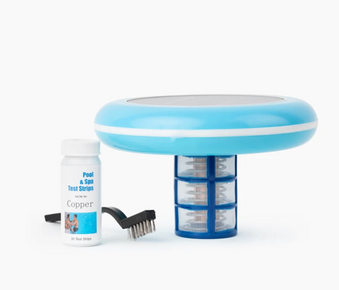
Solar pool ionizers represent sophisticated electrochemical systems that harness photovoltaic energy conversion to drive controlled copper ion release, establishing aquatic conditions fundamentally hostile to algal proliferation while reducing dependence on traditional chemical sanitizers. These advanced systems operate through precise photoelectric processes where meteorological conditions directly influence electrical output, which subsequently governs ion production rates and overall water treatment effectiveness. Understanding the complex interactions between environmental factors and ionization performance enables pool owners to implement strategic adjustments that maintain consistent water quality despite fluctuating weather patterns.
While modern solar ionizers demonstrate robust operational capabilities across diverse climatic conditions, specific meteorological variables including solar irradiance levels, temperature regimes, atmospheric transparency, precipitation patterns, and seasonal variations significantly impact system efficiency. This comprehensive technical analysis examines the intricate relationships between weather conditions and ionization performance, providing detailed explanations of the underlying physical principles and practical strategies for optimizing system operation across changing environmental circumstances.
Table of Contents
- How Sunlight Levels Influence Ion Production
- Cloudy and Overcast Conditions and Their Impact
- Effects of High Temperatures on Ionizer Operation
- Effects of Cold Weather and Seasonal Changes
- How Rain and Storms Influence Water Quality and Ionization
- The Impact of Wind, Debris, and Dust on Performance
- Final Thoughts: Maximizing Ionizer Efficiency in Every Weather Condition
1. How Sunlight Levels Influence Ion Production
The operational foundation of solar pool ionizers rests upon photovoltaic energy conversion, where incident solar radiation generates electrical current through semiconductor materials that subsequently powers electrochemical copper ion release. This creates a direct correlation between solar irradiance availability and sanitization effectiveness, with photon flux density serving as the primary determinant of system performance.
Photovoltaic Conversion Dynamics and Efficiency Parameters
Solar panel performance follows predictable relationships with incident light intensity, with conversion efficiency governed by semiconductor properties and environmental conditions:
Irradiance-Current Relationship:
- Peak Sunlight Conditions (1000 W/m²): Maximum photon flux generates optimal current output, typically producing 90-100% of rated ion production capacity with copper release rates of 2-4 mg per amp-hour according to Faraday's constant
- Moderate Sunlight (500-800 W/m²): Reduced photon availability decreases current generation proportionally, resulting in 50-80% of maximum ion output with corresponding reductions in algistatic effectiveness
- Low Light Conditions (100-300 W/m²): Minimal photon flux dramatically limits current production, typically yielding only 10-30% of maximum ionization capacity with potential failure to maintain therapeutic copper concentrations
- Performance Linearity: Most photovoltaic systems demonstrate approximately linear current-irradiance relationships up to maximum power point, ensuring predictable performance scaling with light availability
Spectral Response and Atmospheric Effects:
- Solar Spectrum Utilization: Silicon photovoltaic cells respond most effectively to wavelengths between 400-1100 nm, with peak sensitivity in the 800-900 nm range where atmospheric transmission remains high
- Air Mass Influence: Increased atmospheric path length at lower solar angles reduces blue light transmission more significantly than red/infrared, slightly altering spectral response efficiency
- Diffuse Light Contribution: Scattered atmospheric light provides supplemental energy during partially cloudy conditions, though with reduced intensity compared to direct beam radiation
- Angular Response Characteristics: Most panels maintain 80-90% of maximum output within 30° of optimal incidence angle, with performance decreasing more rapidly beyond this range
Diurnal and Seasonal Solar Geometry Considerations
The sun's apparent motion through the sky creates predictable performance patterns that influence daily ionization effectiveness:
Solar Elevation and Azimuth Effects:
- Morning Operation (Solar Altitude 0-45°): Lower solar angles increase atmospheric path length, reducing irradiance by 20-40% compared to midday values while morning dew or frost may further decrease light transmission
- Midday Performance (Solar Altitude 45-90°): Optimal solar geometry minimizes atmospheric interference, typically generating 85-95% of potential maximum output during peak hours between 10 AM and 2 PM local solar time
- Afternoon Decline (Solar Altitude 45-0°): Decreasing solar elevation mirrors morning reduction patterns, though often with slightly better performance due to typically clearer atmospheric conditions and higher air temperatures
- Seasonal Altitude Variation: Winter solar elevations 40-50° lower than summer values significantly reduce daily energy capture, particularly at higher latitudes
Operational Implications and Optimization Strategies:
- Peak Production Hours: Maximum ionization typically occurs between 10 AM and 4 PM daily, with 70-80% of daily copper ion production concentrated within this six-hour window
- Strategic Positioning: Optimal placement avoids shadowing from structures or vegetation during peak production hours, with southern exposure (northern hemisphere) maximizing daily energy capture
- Angular Optimization: While most floating ionizers maintain relatively consistent orientation, fixed systems benefit from seasonal angle adjustments to maximize irradiance capture
- Performance Forecasting: Understanding local solar patterns enables prediction of ionization effectiveness and implementation of compensatory measures during anticipated low-production periods

2. Cloudy and Overcast Conditions and Their Impact
Cloud cover represents one of the most significant meteorological factors affecting solar pool ionizer performance, with various cloud types producing dramatically different light transmission characteristics that directly influence photovoltaic output and subsequent ionization rates.
Atmospheric Optics and Light Transmission Mechanisms
Cloud formations impact solar radiation through multiple simultaneous physical processes that determine net irradiance at pool level:
Cloud Optical Properties and Transmission Characteristics:
- Cirrus and Cirrostratus Clouds (Optical Depth 0.1-2.0): High-altitude ice crystal clouds transmit 70-90% of incident radiation, typically reducing ion production to 60-85% of maximum capacity while often enhancing diffuse light component
- Cumulus and Altocumulus Clouds (Optical Depth 2.0-10.0): Mid-level water droplet clouds exhibit highly variable transmission between 30-70%, creating fluctuating ion output between 25-65% of maximum with rapid performance changes as cloud fields evolve
- Stratus and Nimbostratus Clouds (Optical Depth 10.0-50.0+): Thick, continuous cloud layers dramatically reduce transmission to 10-30% for stratus and 5-15% for precipitating nimbostratus, limiting ion production to 8-25% and 4-12% of maximum respectively
- Cumulonimbus and Storm Systems: Dense thunderstorm clouds can reduce surface irradiance to 1-5% of clear-sky values, effectively suspending meaningful ionization during active precipitation periods
Radiative Transfer and Scattering Effects:
- Mie Scattering Dominance: Cloud water droplets with sizes similar to solar wavelengths preferentially scatter light forward, preserving some direct beam component while creating significant diffuse radiation
- Multiple Scattering Enhancement: Photons undergoing numerous scattering events within cloud layers emerge as diffuse light, maintaining some energy availability even under thick overcast conditions
- Spectral Modification: Clouds scatter shorter wavelengths more effectively, slightly altering the spectral distribution toward longer wavelengths where silicon photovoltaic response remains strong
- Cloud Edge Enhancement: Brightening near cloud edges due to forward scattering can temporarily increase irradiance above clear-sky values, creating brief performance spikes
Extended Low-Light Scenarios and Compensatory Strategies
Prolonged reduced irradiance conditions create cumulative effects on pool water chemistry and biological activity that require strategic management:
Multi-Day Performance Degradation:
- Copper Ion Depletion Dynamics: Continuous sub-optimal production leads to exponential decrease in copper concentration, typically falling below the 0.2 ppm therapeutic threshold within 3-5 days of persistent heavy overcast conditions
- Algal Response Timing: Reduced algistatic pressure permits algal spore germination within 24-48 hours of sub-therapeutic copper levels, with visible blooms typically manifesting 5-7 days after ionization becomes inadequate
- Chemical Equilibrium Shifts: Diminished oxidative capacity from reduced ionization increases chlorine consumption as organic load accumulates, potentially creating chemical demand spikes when sunlight returns
- Biological Adaptation: Extended low-ion conditions may permit development of copper-tolerant algal strains, though this typically requires weeks to months of selective pressure
Management Protocols for Extended Cloudy Periods:
- Circulation Enhancement: Increase pump operation to 12-16 hours daily to maximize distribution of limited available ions and prevent localized stagnation
- Supplemental Oxidation: Implement controlled shocking your pool at 50-75% of normal dosage to maintain oxidative balance without creating excessive chemical load
- Filtration Optimization: Increase filter cleaning frequency to compensate for reduced natural clarification and manage accumulating particulate matter
- Preventive Mechanical Action: Daily brushing disrupts potential algal attachment surfaces during biologically vulnerable periods
- Monitoring Intensification: Test copper levels every 48 hours during extended overcast conditions to detect downward trends before algal establishment occurs

3. Effects of High Temperatures on Ionizer Operation
Elevated temperature conditions create complex interactions between photovoltaic efficiency, electrochemical reaction kinetics, and biological activity that collectively determine net system performance and water chemistry outcomes.
Thermodynamic Influences on System Components
High temperatures impact multiple system elements through distinct physical mechanisms that collectively influence overall effectiveness:
Photovoltaic Temperature Dependencies:
- Semiconductor Performance: Silicon solar panels exhibit negative temperature coefficients of approximately -0.3% to -0.5% per °C above standard test conditions (25°C), primarily due to reduced open-circuit voltage as intrinsic carrier concentration increases
- Practical Temperature Ranges: Panel temperatures typically reach 35-45°C above ambient during operation, creating actual operating conditions 20-30°C above STC and resulting in 6-15% power reduction compared to rated capacity
- Spectral Response Shifts: Increased temperature slightly extends long-wavelength response while reducing short-wavelength efficiency, creating minor spectral performance alterations
- Material Expansion Effects: Thermal expansion changes mechanical dimensions and optical properties, though modern panel construction minimizes these impacts
Electrochemical Reaction Kinetics:
- Arrhenius Behavior: Electrochemical reaction rates typically double with every 10°C temperature increase, potentially enhancing ion release efficiency at elevated temperatures
- Diffusion Limitations: Increased temperature reduces solution viscosity, enhancing ion mobility and potentially improving mass transfer characteristics
- Equilibrium Shifts: Temperature-dependent solubility and complex formation constants alter copper speciation and bioavailability
- Parasitic Reaction Acceleration: Undesired side reactions including oxygen evolution may increase disproportionately at higher temperatures, reducing Faradaic efficiency
Biological and Chemical Interactions in Warm Conditions
Elevated temperatures significantly influence the biological and chemical environment in which ionization operates:
Algal Growth Dynamics:
- Metabolic Acceleration: Pool algae growth rates typically increase exponentially with temperature, with optimal growth occurring between 25-35°C for most common pool species
- Reproduction Enhancement: Cell division rates may increase 300-500% between 15°C and 30°C, dramatically shortening generation times and accelerating bloom development
- Nutrient Utilization: Warmer water increases nutrient solubility and metabolic processing rates, potentially enhancing algal growth beyond temperature effects alone
- Species Composition Shifts: Different temperature optima for various algal species may alter population dynamics, potentially favoring more problematic varieties
Water Chemistry Modifications:
- Evaporation Concentration: Increased evaporation raises total dissolved solids concentration, potentially affecting ion mobility, complex formation, and overall water balance
- Gas Solubility Reductions: Decreased oxygen and carbon dioxide solubility at higher temperatures may influence redox conditions and pH stability
- Chemical Decomposition Acceleration: Many pool chemicals degrade more rapidly at elevated temperatures, potentially reducing effective sanitizer concentrations
- Bather Load Impacts: Higher temperatures increase pool usage, introducing additional organic load, nutrients, and potential contaminants
4. Effects of Cold Weather and Seasonal Changes
Seasonal transitions and cold weather conditions introduce unique challenges for solar ionization systems, requiring specific adaptation strategies to maintain water quality during periods of reduced solar availability and altered biological activity.
Solar Geometry and Insolation Variations
Winter conditions dramatically alter both solar availability and energy capture potential through multiple geometric and atmospheric mechanisms:
Seasonal Solar Position Changes:
- Solar Altitude Reduction: Winter solar elevations 40-50° lower than summer values significantly increase atmospheric path length, reducing beam radiation by 50-70% even under clear sky conditions
- Daylight Duration Limitations: Reduced photoperiod decreases daily energy capture window, with 8-10 hour days in winter compared to 14-16 hours in summer at mid-latitudes
- Azimuth Range Contraction: The sun's daily path across the sky becomes compressed, reducing the time during which optimal incidence angles occur
- Solar Constant Variation: The Earth's elliptical orbit creates approximately 7% variation in solar irradiance between perihelion (January) and aphelion (July), partially offsetting seasonal effects in the northern hemisphere
Atmospheric Transmission Modifications:
- Increased Air Mass: Lower solar elevations dramatically increase atmospheric mass, with typical winter values of 2.5-5.0 compared to 1.0-1.5 in summer, significantly reducing direct beam radiation
- Rayleigh Scattering Enhancement: Increased atmospheric path length preferentially scatters shorter wavelengths, altering spectral distribution toward red and infrared regions
- Water Vapor Reduction: Colder air holds less moisture, reducing atmospheric absorption in infrared bands where silicon cells have lower response
- Aerosol Composition Changes: Winter atmospheric conditions often feature different particulate compositions that may alter scattering and absorption characteristics
Low Temperature Electrochemical and Biological Effects
Cold water temperatures significantly influence ionization processes, pool water chemistry, and biological activity through multiple mechanisms:
Electrochemical Performance Modifications:
- Reaction Rate Reduction: Electrochemical reaction rates typically decrease 50% for every 10°C temperature drop below 25°C, potentially reducing ion production efficiency despite adequate electrical input
- Solution Resistance Increases: Lower temperatures increase water viscosity and electrical resistance, potentially altering current distribution and efficiency
- Diffusion Limitations: Reduced molecular motion decreases ion mobility, potentially creating concentration gradients near electrode surfaces
- Nernst Potential Shifts: Temperature-dependent electrochemical potentials may alter reaction thermodynamics and kinetics
Biological Activity and Water Quality Considerations:
- Algal Dormancy Transitions: Most common pool algae enter dormant states below 10-15°C, significantly reducing growth rates but not eliminating viability
- Microbial Community Shifts: Cold-tolerant species may become relatively more abundant, though overall biological activity decreases substantially
- Chemical Stability Enhancements: Reduced biological activity and chemical reaction rates improve stability of residual sanitizers and other pool chemicals
- Physical Property Changes: Increased water density and viscosity alter circulation patterns and mixing efficiency
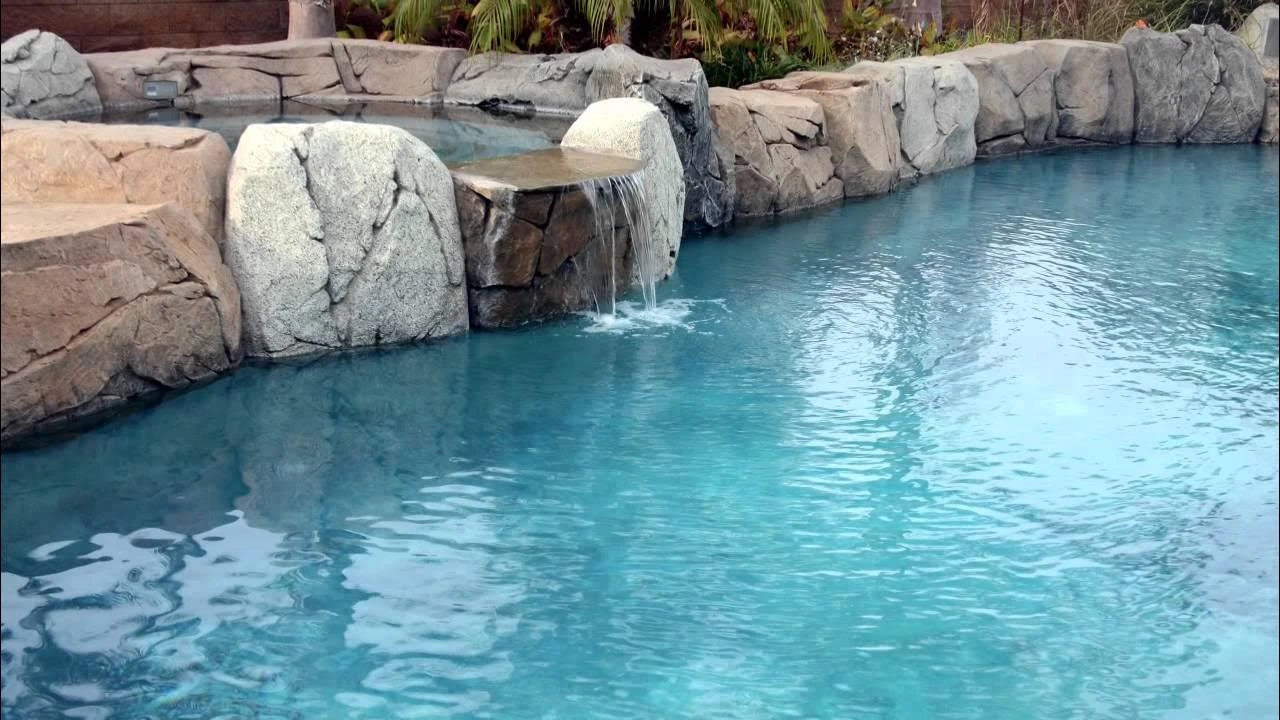
5. How Rain and Storms Influence Water Quality and Ionization
Precipitation events introduce multiple simultaneous challenges to clear pool water management through direct dilution effects, chemical alterations, and physical contamination that collectively impact ionization effectiveness and require comprehensive response strategies.
Rainwater Chemistry and Dilution Dynamics
Rainfall significantly alters pool water chemistry through multiple mechanisms that affect both ionization processes and overall water balance:
Precipitation Composition and Characteristics:
- pH and Acidity: Unpolluted rainfall typically exhibits pH 5.0-5.5 due to dissolved atmospheric CO₂ forming carbonic acid, potentially lowering pool pH significantly during heavy precipitation events
- Ionic Content: Rainwater contains minimal dissolved solids (typically 5-20 mg/L TDS compared to 500-2000 mg/L in pool water), creating substantial dilution effects on all chemical parameters
- Atmospheric Contaminants: Precipitation scavenges atmospheric particulates and gases, introducing sulfates, nitrates, organic compounds, and potential microbial contaminants
- Temperature Effects: Rainwater temperature typically matches wet-bulb temperature, potentially creating thermal stratification and mixing challenges
Dilution Calculations and Chemical Impacts:
- Volume Relationships: 1 inch of rainfall on a 400 square foot pool represents approximately 250 gallons of added water, diluting chemical concentrations by 5-8% in typical residential pools
- Copper Ion Reduction: Rainfall dilution decreases copper concentrations proportionally, potentially pushing levels below therapeutic thresholds during extended precipitation events
- Alkalinity Modification: Low-mineral rainwater reduces total alkalinity, potentially compromising pH buffering capacity and increasing chemical sensitivity
- Oxidizer Consumption: Introduced organic and inorganic contaminants increase oxidizer demand, potentially creating temporary sanitation gaps
Storm-Related Challenges and Management Protocols
Severe weather events require specific preparation and recovery protocols to maintain water quality and system integrity:
Pre-Storm Preparation Strategies:
- Chemical Buffering: Increase chlorine levels to 2-3 ppm above normal to create oxidation buffer for introduced contaminants
- Ionizer Protection: Remove ionization unit from pool if hail, extreme winds, or lightning potential exists to prevent physical damage
- Water Level Management: Lower water level 2-3 inches if substantial rainfall is forecast to prevent overflow and skimmer dysfunction
- Debris Minimization: Secure loose objects around pool area and consider temporary cover deployment if feasible
Post-Storm Recovery Procedures:
- Immediate Water Testing: Measure pH, alkalinity, sanitizer levels, and copper concentration within 2-4 hours after storm passage
- Chemical Rebalancing: Adjust pH and alkalinity before addressing sanitation parameters to ensure treatment effectiveness
- Oxidation Shock Treatment: Implement superchlorination or non-chlorine shock to oxidize introduced organic contaminants
- Filtration Enhancement: Run pool filtration system continuously for 24-48 hours post-storm and clean filters as needed to remove suspended particulates
- System Inspection: Examine ionizer components for damage, clean solar panel surfaces, and ensure proper basket function before returning to service

6. The Impact of Wind, Debris, and Dust on Performance
Atmospheric conditions beyond temperature and precipitation significantly influence ionizer operation through physical interference, contamination introduction, and altered environmental interactions that collectively impact system effectiveness and pool maintenance requirements.
Aeolian Effects on System Operation
Wind influences ionizer performance through multiple direct and indirect mechanisms that alter both system function and pool environment:
Physical Interference Mechanisms:
- Surface Wave Generation: Wind creates surface waves and mixing patterns that may alter ionizer positioning, orientation, and immersion characteristics
- Solar Panel Obscuration: Airborne dust and debris accumulation on photovoltaic surfaces reduces light transmission, potentially decreasing output by 10-40% depending on deposition density
- Thermal Regulation Alterations: Increased convective heat transfer may moderate panel temperatures, potentially improving photovoltaic efficiency during hot conditions
- Evaporation Acceleration: Enhanced air movement across water surface increases evaporation rates, concentrating dissolved solids and potentially affecting solar pool ionizer water chemistry
Environmental Modification Effects:
- Gas Exchange Enhancement: Increased surface turbulence improves atmospheric gas transfer, potentially affecting oxygen and carbon dioxide levels that influence redox conditions
- Temperature Stratification Disruption: Wind-induced mixing prevents thermal layering, ensuring more uniform temperature distribution and chemical dispersion
- Contaminant Introduction: Wind transports dust, pollen, spores, and other particulates into the pool, increasing organic load and filtration demand
- Chemical Distribution: Enhanced mixing improves dispersion of ions and other chemicals, potentially improving treatment uniformity
Particulate Management and Maintenance Implications
Effective debris control in windy environments requires comprehensive approaches addressing multiple contamination sources and system vulnerabilities:
Preventive Strategies for High-Particulate Conditions:
- Strategic Windbreaks: Install permeable barriers upwind of pool area to reduce wind velocity and particulate transport while maintaining air circulation
- Surface Skimming Protocols: Implement daily skimming during windy periods to remove floating debris before it becomes waterlogged and sinks
- Filtration System Optimization: Use finer filter media or reduce filtration cycle times during high-particulate conditions to maximize pool water clarity
- Protective Cover Utilization: Deploy pool covers during extended windy periods or when pool not in use to minimize contamination introduction
Enhanced Maintenance Requirements:
- Increased Inspection Frequency: Check ionizer basket every 2-3 days during dusty or windy conditions to prevent debris accumulation that restricts water flow
- Solar Panel Cleaning: Wipe photovoltaic surfaces weekly during high-particulate periods to maintain optimal light transmission and energy conversion
- Anode Maintenance: Clean anode more frequently to prevent particulate adhesion that could create irregular current distribution
- Water Testing Intensification: Monitor chemical parameters more closely during windy conditions to detect changes from increased contaminant loading
7. Final Thoughts: Maximizing Ionizer Efficiency in Every Weather Condition
Optimal solar pool ionizer performance across diverse weather conditions requires sophisticated understanding of the complex interactions between environmental factors and system operation. By recognizing how specific meteorological conditions influence photovoltaic efficiency, electrochemical processes, and water chemistry, pool owners can implement targeted strategies that maintain consistent water quality despite environmental fluctuations.
The integration of solar ionization technology with thoughtful weather adaptation practices creates a robust system for maintaining pristine pool water with minimal chemical intervention. Through careful observation, strategic adjustment, and proactive maintenance, pool owners can leverage solar ionization as a reliable, effective foundation for comprehensive pool water management across all seasonal conditions, ensuring consistently excellent water quality while minimizing environmental impact and operational costs.