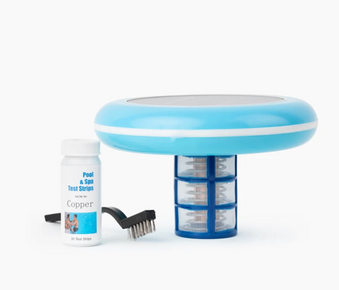
A solar pool ionizer represents one of the most technologically advanced and environmentally sustainable tools available for maintaining consistently clear, algae-free swimming pool water while dramatically reducing dependence on traditional chemical sanitizers. However, similar to all precision pool maintenance equipment, these sophisticated electrochemical systems require regular, systematic cleaning to maintain optimal operational efficiency and deliver their full performance potential. Many pool owners remain uncertain regarding appropriate cleaning frequencies, specific maintenance procedures, and the critical indicators that signal urgently required attention to their ionization systems.
Optimal cleaning frequency depends on numerous interconnected variables including water chemistry parameters, environmental exposure conditions, pool usage patterns, equipment age, and specific component materials. This exhaustive guide provides comprehensive technical explanations regarding solar ionizer cleaning requirements, detailed analysis of factors influencing maintenance intervals, step-by-step component cleaning procedures, and the direct relationships between systematic maintenance and long-term water quality preservation.
Table of Contents
- Why Cleaning Frequency Matters for Solar Pool Ionizers
- Recommended Cleaning Schedule for Most Pools
- Factors That Influence How Often You Should Clean the Ionizer
- Signs That Your Ionizer Needs Immediate Cleaning
- How to Clean the Anode, Basket, and Other Components
- How Regular Cleaning Improves Pool Water Quality
- Final Thoughts: Keeping Ionizer Efficiency High Through Proper Cleaning
1. Why Cleaning Frequency Matters for Solar Pool Ionizers
Solar ionization systems operate through precisely controlled electrochemical processes that release copper ions into pool water, establishing an environment fundamentally hostile to algal colonization while significantly reducing oxidizer demand. When these systems accumulate mineral deposits, biological films, or particulate debris, multiple performance parameters deteriorate rapidly, compromising both immediate pool water chemistry and long-term equipment viability.
The Electrochemical Consequences of Inadequate Cleaning
Accumulated contaminants interfere with ionization processes through multiple simultaneous mechanisms that collectively degrade system performance:
Ion Release Interference Mechanisms:
- Surface Area Reduction: Mineral scale deposits physically cover active electrode surfaces, reducing available area for electrochemical reactions by 40-70%
- Current Density Alteration: Irregular deposit formation creates localized high-current zones that accelerate uneven electrode erosion
- Ion Migration Barriers: Insulating mineral layers impede copper ion transfer from electrode surfaces into the bulk water
- Parasitic Reaction Promotion: Contaminated surfaces facilitate competing electrochemical reactions that consume energy without producing useful ions
Electrical System Compromise:
- Increased Circuit Resistance: Mineral deposits on cathodes and connections can increase electrical resistance by 200-500%
- Voltage Drop Acceleration: Poor connections and scaled surfaces create significant voltage drops that reduce effective potential across electrodes
- Solar Panel Overwork: Compromised electrical efficiency forces solar panels to operate at elevated output levels, potentially exceeding design parameters
- Component Stress: Increased electrical resistance generates excess heat that accelerates material degradation and shortens component lifespan
Direct Water Quality Implications
The performance degradation resulting from inadequate cleaning manifests through multiple measurable water quality parameters:
Algistatic Protection Compromise:
- Reduced Copper Concentration: Ion production can decrease by 50-80% before visible scaling becomes apparent
- Therapeutic Range Breach: Copper levels frequently fall below the 0.2-0.5 ppm minimum required for reliable algae prevention
- Algal Breakthrough Events: Sub-therapeutic ion concentrations permit algal spores to germinate and establish colonies
- Chemical Demand Spikes: Emerging algal populations dramatically increase chlorine consumption, necessitating aggressive corrective treatments
Optical Clarity Deterioration:
- Light Scattering Increase: Both mineral particles and algal cells scatter light, reducing depth visibility and surface sparkle
- Surface Film Development: Organic accumulations create surface films that impart dull, hazy appearance to the water
- Progressive Cloudiness: Water transitions from crystal clear to persistently turbid as contamination accumulates
- Filter System Overload: Increased particulate load challenges filtration capacity, allowing fine particles to circulate continuously

2. Recommended Cleaning Schedule for Most Pools
Establishing an appropriate cleaning schedule requires balancing operational efficiency against practical maintenance demands. While specific intervals vary based on individual pool characteristics, several evidence-based guidelines provide reliable starting points for most residential applications.
Baseline Cleaning Intervals for Typical Conditions
Under standard residential pool conditions with moderate pool water hardness and typical usage patterns, the following cleaning intervals maintain optimal performance:
Comprehensive System Cleaning:
- Primary Interval: Every 10-14 days during peak swimming season
- Minimum Frequency: No less than once monthly even with ideal water conditions
- Maximum Interval: Never exceed 21 days between complete cleanings during active operation
- Performance Validation: Verify copper ion levels 24-48 hours after each cleaning to confirm performance restoration
Component-Specific Maintenance:
- Visual Inspection: Examine anode, basket, and solar panel every 3-5 days for early problem detection
- Quick Rinse: Briefly rinse pool skimmer basket and external surfaces every 7 days to remove loose debris
- Solar Panel Wiping: Clean solar panel surfaces weekly to maintain optimal energy conversion efficiency
- Connection Check: Verify electrical connection integrity during each comprehensive cleaning session
Seasonal Adjustment Protocols
Cleaning requirements fluctuate significantly throughout the swimming season, necessitating scheduled adjustments:
Spring Opening Period (Weeks 1-4):
- Frequency: Clean every 5-7 days during initial startup
- Rationale: Higher contaminant levels from winter stagnation require more aggressive maintenance
- Special Procedures: Perform initial acid cleaning to remove accumulated scale from offseason
- Monitoring: Test copper levels every 2-3 days until stable therapeutic range establishes
Peak Summer Operation (Weeks 5-16):
- Frequency: Maintain 10-14 day comprehensive cleaning schedule
- Rationale: Consistent maintenance prevents performance degradation during highest demand period
- Special Procedures: Increase visual inspection frequency during heavy usage or extreme weather
- Monitoring: Weekly copper testing with additional verification after heavy rain or pool parties
Fall Transition Period (Weeks 17-20):
- Frequency: Return to 7-10 day cleaning intervals
- Rationale: Increased organic debris and changing water temperatures accelerate contamination
- Special Procedures: Focus on basket cleaning to manage leaf and organic debris
- Monitoring: Continue weekly testing while gradually reducing system operation time
3. Factors That Influence How Often You Should Clean the Ionizer
Multiple independent variables significantly impact contamination accumulation rates, necessitating customized cleaning schedules based on specific pool conditions and usage patterns.
Water Chemistry Parameters
Specific chemical parameters dramatically influence scaling and contamination rates:
Calcium Hardness Impact:
- Soft Water Conditions (Below 150 ppm): Can extend cleaning intervals to 14-21 days with minimal scaling
- Moderate Hardness (150-250 ppm): Standard 10-14 day intervals typically maintain optimal performance
- Hard Water (250-400 ppm): Requires 7-10 day cleaning to prevent significant scale accumulation
- Very Hard Water (400+ ppm): Necessitates 3-7 day cleaning intervals with possible descaling treatments
- Chemical Mechanism: Calcium carbonate supersaturation increases exponentially with hardness, accelerating precipitation on all surfaces
pH and Alkalinity Relationships:
- Optimal Range (pH 7.4-7.6): Minimal scaling tendency permits standard cleaning intervals
- High pH Conditions (Above 7.8): Increases scaling rate 200-300%, requiring more frequent cleaning
- Low pH Conditions (Below 7.2): Reduces scaling but increases corrosion potential
- Alkalinity Influence: High alkalinity (120+ ppm) accelerates scaling, while low alkalinity increases corrosion
- Langelier Index Correlation: Positive LSI values indicate scaling tendency, guiding cleaning frequency decisions
Environmental and Usage Factors
External conditions and pool usage patterns significantly impact contamination rates:
Bather Load Considerations:
- Light Usage (1-4 swimmers weekly): Standard cleaning intervals typically adequate
- Moderate Usage (5-12 swimmers weekly): Reduce intervals by 20-30% to manage introduced contaminants
- Heavy Usage (13+ swimmers weekly): Requires 50% more frequent cleaning with focus on organic films
- Contamination Sources: Body oils, cosmetics, sunscreen, and personal care products create surface films that impede ionization
Environmental Conditions:
- Sunlight Exposure: Full sun operation increases ionization rates, potentially requiring more frequent anode cleaning
- Temperature Effects: Warmer water accelerates both ionization and scaling reactions
- Wind and Dust: Airborne particulates accumulate in baskets and on solar panels
- Vegetation Proximity: Pools near trees or gardens experience increased organic debris loading
- Wildlife Activity: Birds, insects, and small animals introduce additional contaminants

4. Signs That Your Ionizer Needs Immediate Cleaning
Recognizing the early indicators of required cleaning enables proactive intervention before significant performance degradation occurs. Both visual inspections and performance monitoring provide complementary diagnostic information.
Visual Inspection Indicators
Regular visual examination reveals developing issues before they impact water chemistry:
Anode Condition Assessment:
- Early Scaling: Fine white powder or slight chalkiness on copper surface
- Moderate Accumulation: Visible mineral deposits covering 25-50% of anode surface
- Severe Scaling: Crusty white layers completely covering anode, often with irregular thickness
- Advanced Degradation: Dark discoloration, pitting, or visible erosion patterns under mineral layers
- Performance Correlation: 0.5mm scale thickness typically reduces ion production by 40-60%
Basket and Housing Evaluation:
- Debris Accumulation: Visible organic matter or particulate trapped in mesh
- Mineral Deposits: White crystalline formations on plastic surfaces
- Biological Films: Slippery green or brown coatings indicating algal or bacterial growth
- Flow Restriction: Visible reduction in mesh open area exceeding 30% of original
- Structural Issues: Cracks, deformation, or UV damage compromising integrity
Performance-Based Indicators
System performance parameters provide quantitative evidence of required pool maintenance:
Water Quality Metrics:
- Copper Level Decline: Measurements consistently below 0.2 ppm despite adequate sunlight
- Chlorine Demand Increase: Unexplained sanitizer consumption spikes indicating algal activity
- Cloudiness Development: Progressive loss of water clarity despite normal filtration
- Surface Slipperiness: Algal films developing on pool walls and floor
- Filter Pressure Changes: Unusual pressure increases suggesting increased particulate loading
Operational Characteristics:
- Reduced Bubbling: Visible decrease in gas evolution from electrodes during operation
- Solar Panel Performance: Noticeable reduction in system operation during marginal light conditions
- Flotation Changes: Altered buoyancy or orientation indicating accumulated weight
- Unusual Sounds: Clicking, buzzing, or other noises suggesting electrical issues
5. How to Clean the Anode, Basket, and Other Components
Proper cleaning techniques maintain component integrity while restoring optimal performance. Systematic procedures ensure comprehensive maintenance without causing accidental damage.
Anode Cleaning Protocols
The anode requires careful attention to preserve its electrochemical functionality:
Mechanical Cleaning Procedures:
- Initial Rinsing: Use moderate-pressure fresh water to remove loose debris and soluble contaminants
- Soft pool Brush Selection: Employ nylon-bristle brushes specifically designed for copper surfaces
- Brushing Technique: Use gentle circular motions following the anode's cylindrical geometry
- Prohibited Tools: Never use steel brushes, abrasive pads, or metal tools that could scratch surfaces
- Inspection During Cleaning: Periodically rinse to evaluate progress and identify persistent deposits
Chemical Cleaning Methods:
- Vinegar Solution: 1:1 water-vinegar ratio for moderate scale removal (soak 15-30 minutes)
- Commercial Descalers: Manufacturer-approved products for severe mineral accumulation
- Acid Solutions: Mild muriatic acid solutions (10:1 water:acid) for extreme cases with professional guidance
- Neutralization Requirement: Always thoroughly rinse after chemical cleaning to prevent pool water contamination
- Safety Precautions: Wear appropriate PPE including gloves and eye protection during chemical procedures
Basket and Housing Maintenance
The protective system requires different approaches to maintain optimal function:
Debris Removal Procedures:
- Mechanical Cleaning: Use plastic picks or soft brushes to dislodge trapped organic matter
- Water Pressure Cleaning: Carefully directed stream to force debris from mesh openings
- Soaking Treatments: Mild detergent solutions for organic films followed by thorough rinsing
- Inspection Focus: Pay particular attention to corners, mounting points, and mesh intersections
- Damage Assessment: Evaluate for cracks, broken mesh, or deformation requiring replacement
Scale Removal from Plastic Components:
- Vinegar Soaking: 4-6 hour immersion in vinegar solution for moderate scale
- Commercial Products: Plastic-safe descalers that won't damage polymer materials
- Mechanical Assistance: Plastic scraping tools for stubborn deposits without surface damage
- UV Protection: Application of UV protectant after cleaning to extend component lifespan

6. How Regular Cleaning Improves Pool Water Quality
Systematic ionizer maintenance delivers multiple measurable benefits across various pool water clarity parameters, transforming the swimming experience while reducing maintenance demands.
Chemical Stability Enhancements
Properly maintained ionization systems significantly improve chemical parameter stability:
Sanitizer Efficiency Optimization:
- Chlorine Demand Reduction: Effective algae prevention decreases chlorine consumption by 60-80%
- Stable ORP Levels: Maintains consistent oxidation-reduction potential without dramatic fluctuations
- Combined Chlorine Prevention: Reduced organic load minimizes chloramine formation
- pH Stability: Fewer chemical additions result in more consistent pH levels
- Chemical Cost Savings: Typical annual chemical savings of $200-$400 for residential pools
Metal and Mineral Management:
- Copper Level Stability: Maintains consistent 0.2-0.5 ppm therapeutic range
- Calcium Equilibrium: Clean components prevent localized super-saturation and random precipitation
- Trace Metal Control: Proper operation minimizes oxidation of iron, manganese, and other metals
- Stain Prevention: Consistent ion levels prevent metal precipitation that causes surface staining
Physical Water Quality Improvements
Regular maintenance enhances multiple physical characteristics that determine swimming enjoyment:
Optical Clarity Enhancements:
- Light Transmission Optimization: Reduced particulate load increases depth visibility
- Surface Sparkle Restoration: Elimination of surface films restores water brilliance
- Color Neutrality: Prevents green, brown, or blue tinting from algal or metallic contamination
- Consistent Appearance: Maintains optical properties regardless of weather or usage changes
Tactile and Sensory Improvements:
- Water Feel Enhancement: Reduced chemical levels create noticeably "softer" water feel
- Odor Elimination: Prevents chloramine formation that causes characteristic chlorine smell
- Eye and Skin Comfort: Lower chemical levels reduce irritation for sensitive individuals
- Surface Texture: Prevents slippery algal films on pool walls and floors
7. Final Thoughts: Keeping Ionizer Efficiency High Through Proper Cleaning
Implementing a systematic cleaning regimen for solar pool ionizers represents one of the most impactful maintenance practices available for preserving optimal water quality while maximizing equipment lifespan and operational efficiency. The relatively minimal time investment required for regular maintenance delivers substantial returns through improved chemical stability, enhanced optical clarity, reduced operational costs, and extended equipment viability.
By understanding the specific factors influencing cleaning requirements, recognizing early indicators of needed maintenance, and implementing proper cleaning techniques, pool owners can maintain their ionization systems at peak performance throughout the swimming season. This proactive approach transforms pool maintenance from reactive problem-solving to predictable quality preservation, ensuring consistently excellent water quality with minimal intervention.
Ultimately, consistent attention to ionizer cleaning represents the foundation of sustainable pool ownership, enabling the full benefits of solar ionization technology while minimizing chemical dependence and environmental impact. Through proper maintenance, pool owners can enjoy the characteristically brilliant, algae-free water that defines the ideal swimming environment, supported by equipment that delivers reliable performance season after season.