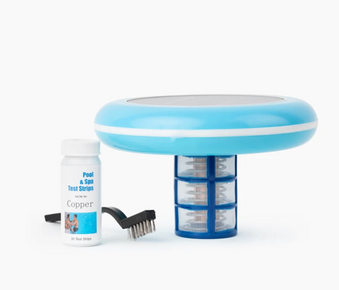
Using ionization full-time is one of the most reliable ways to keep your pool clear, clean, and naturally balanced without relying heavily on harsh chemicals. For many modern pool owners, ionization creates a healthier swimming experience by reducing chlorine use, preventing pool algae growth, and improving overall pool maintenance.
This comprehensive approach to water management represents a fundamental shift from reactive chemical treatments to proactive biological prevention, where the pool becomes a self-regulating ecosystem rather than a chemical vessel requiring constant adjustment. The transition to full-time ionization transforms the pool owner's role from daily chemical manager to occasional system overseer, freeing up time for enjoyment while delivering superior water quality through continuous, gentle protection that works in harmony with natural aquatic processes.
But even though ionizers simplify pool care, they don’t eliminate the need for proper upkeep. Monitoring water chemistry, managing water hardness, and paying attention to your system’s performance remain essential to keeping an ion-stabilized pool in perfect condition.
Below is your fully refreshed guide to maintaining your pool when using ionization every day.
Table of Contents
- What Full-Time Ionization Means for Daily Pool Care
- Understanding Mineral Levels and Their Role in Water Health
- How to Balance Chemistry When Relying on Ionization
- Optimizing Pool Circulation to Maximize Ion Performance
- Recognizing Early Signs of Water Imbalance in Ionized Pools
- Seasonal Adjustments for Pools Using Ionization Year-Round
- Final Thoughts: Keeping an Ionized Pool Clear, Stable, and Hassle-Free
1. What Full-Time Ionization Means for Daily Pool Care
Full-time ionization changes your pool maintenance routine in a big way. Instead of worrying about constant chlorine additions, your pool is kept clean with mineral ions primarily copper released gradually throughout the day. These ions help keep your water algae free, limit bacteria growth, and reduce the need for chemical shocks.
The Transition to Continuous Water Protection
The shift to full-time ionization represents a fundamental transformation in how pools are maintained, moving from periodic chemical interventions to continuous biological management.
- From Reactive to Proactive: Continuous ion release prevents problems before they start
- Chemical Reduction: Chlorine use typically drops by 50-80% with consistent ionization
- 24/7 Protection: Copper ions remain active day and night, unlike chlorine that degrades rapidly
- Natural Process Integration: Works with the pool's ecosystem rather than fighting against it
How Continuous Ion Release Works
The system operates on a simple yet sophisticated principle that transforms solar energy into continuous water purification through precise electrochemical processes.
- Solar-Powered Operation: Photovoltaic panels convert sunlight to electricity for ion production
- Gradual Mineral Release: Copper anode dissolves slowly, releasing ions throughout daylight hours
- Consistent Concentration: Maintains ideal copper levels (0.2-0.4 ppm) for optimal protection
- Automatic Adjustment: Produces more ions during bright conditions when algae risk is highest
Daily Maintenance Transformation
However, even with these benefits, daily care still matters. You should still skim debris, check the pump schedule, and visually inspect the water. Ionization makes things easier, but it works best when paired with consistent, light upkeep.
- Surface Skimming: Daily removal of leaves, insects, and floating debris
- Pump System Check: Verify proper operation and circulation patterns
- Visual Water Inspection: Daily glance for clarity, color, and surface condition
- Basic Equipment Monitoring: Quick check of pool filtration system and ionization indicators
The Balanced Approach to Modern Pool Care
This combination of advanced technology and basic maintenance creates the ideal environment for trouble-free pool ownership.
- Technology Support: Solar ionization handles biological and chemical challenges
- Basic Maintenance: Simple daily tasks ensure optimal system performance
- Time Efficiency: Daily care reduced from hours to minutes of light upkeep
- Reliability Assurance: Combined approach prevents surprises and maintains perfect conditions
The synergy between full-time ionization and thoughtful daily maintenance creates a pool care ecosystem where technology and tradition work together to deliver consistently perfect water with minimal effort. This integrated approach recognizes that while ionization dramatically reduces the chemical and biological workload, basic pool stewardship remains essential for optimal performance and early problem detection. The result is a maintenance routine that feels more like gentle oversight than demanding labor a few minutes each day ensuring that the automated systems continue performing optimally, combined with the peace of mind that comes from knowing your pool is protected around the clock by natural processes. This balance of advanced technology and simple human attention represents the future of pool ownership, where enjoyment takes center stage and maintenance recedes gracefully into the background of poolside pleasure.

2. Understanding Mineral Levels and Their Role in Water Health
Mineral levels are the foundation of a healthy ionized pool. Copper ions are responsible for algae prevention, supporting clear and safe water without heavy chlorine use. Monitoring copper output helps ensure the solar ionizer water chemistry stays within an ideal range.
The Science Behind Copper Ion Water Treatment
Copper ions function through sophisticated biochemical mechanisms that create an environment where algae and bacteria cannot thrive while remaining completely safe for swimmers and equipment.
- Cellular Penetration: Copper ions pass through cell walls of algae and bacteria
- Enzyme Disruption: Bind to critical enzymes involved in photosynthesis and respiration
- Reproductive Interference: Prevent cellular division and colony formation
- Metabolic Disruption: Interfere with energy production and nutrient uptake
Optimal Copper Concentration Range
Maintaining proper copper levels is essential for effective water treatment while ensuring swimmer safety and equipment protection.
- Therapeutic Range: 0.2-0.4 parts per million (ppm) for optimal algae control
- Safety Threshold: Below 1.0 ppm to prevent staining and ensure swimmer safety
- Testing Frequency: Weekly testing recommended during swimming season
- Adjustment Methods: Solar panel exposure time and anode condition control levels
Ionizer Component Function and Maintenance
This is also where the performance of your ionizer comes in. Over time, the pool cathode and anode of solar pool ionizer slowly release minerals as part of their normal function. When their material becomes thin or coated, simply use replacement kits for pool ionizers to restore proper output.
- Anode Dissolution: Copper anode designed to gradually erode, releasing ions
- Cathode Function: Completes electrical circuit and balances charge
- Normal Wear Patterns: 30-50% mass loss per season is expected and normal
- Performance Indicators: Reduced ion output, increased algae susceptibility, visible anode thinning
Replacement Kit Implementation
Regular replacement of ionization components ensures consistent performance and maintains optimal mineral levels throughout the swimming season.
- Annual Replacement: Recommended at seasonal opening for best results
- Kit Components: Typically includes new anode, cathode, seals, and cleaning tools
- Installation Simplicity: Most systems designed for DIY replacement in under 30 minutes
- Cost Effectiveness: Replacement kits typically $60-$120, much less than chemical savings
Comprehensive Water Health Benefits
Balanced mineral levels support stronger sanitation and keep the pool naturally fresh through multiple synergistic benefits.
- Enhanced Sanitation: Copper ions provide continuous antimicrobial protection
- Improved Clarity: Natural flocculation groups particles for better filtration
- Chemical Stability: Reduces dramatic pH and sanitizer fluctuations
- Equipment Protection: Creates water conditions that prevent corrosion and scaling
Long-Term Mineral Management Strategy
Developing a consistent approach to mineral level management ensures and improve pool water quality and system reliability.
- Regular Testing Protocol: Weekly copper level checks during peak season
- Seasonal Adjustment: Higher monitoring frequency during hot summer months
- Record Keeping: Log copper levels, replacement dates, and performance observations
- Preventative Approach: Replace components before visible performance decline occurs
The mastery of mineral level management represents the cornerstone of successful solar ionization pool care, where understanding and maintaining proper copper concentrations transforms pool maintenance from constant chemical adjustment to simple system verification. By recognizing that the copper anode's gradual dissolution is not system failure but rather normal operation, homeowners can proactively manage replacement schedules to maintain optimal performance. This knowledge-based approach to pool care empowers owners to achieve consistently perfect water conditions through predictable, scheduled maintenance rather than reactive problem-solving. The result is an aquatic environment where natural processes handle the heavy lifting of water purification, while homeowners enjoy the simple satisfaction of maintaining perfect mineral balance a partnership between technology and stewardship that delivers sparkling, healthy water with minimal effort and maximum enjoyment.

3. How to Balance Chemistry When Relying on Ionization
Even with strong mineral support, maintaining the right water chemistry is still essential. Ionization isn’t meant to replace chemistry it works with it.
The Complementary Relationship Between Ionization and Water Chemistry
Understanding that solar ionization complements rather than replaces traditional water chemistry is crucial for achieving optimal pool conditions. The ionization system provides continuous biological protection and mineral stabilization, while proper chemical balancing ensures the water environment remains ideal for both swimmer comfort and equipment longevity.
- Synergistic Protection: Copper ions handle biological control while chemistry manages pH and mineral balance
- Reduced Chemical Demand: Ionization allows lower chemical concentrations while maintaining effectiveness
- Enhanced Stability: Combined approach creates more predictable, stable water conditions
- Comprehensive Coverage: Addresses all aspects of water quality through complementary systems
Essential Water Parameters for Regular Monitoring
You should regularly check several critical parameters to maintain pool water pH balance alongside your ionization system.
- pH Levels (7.4-7.6 ideal range): Maintaining pool pH balance is crucial for swimmer comfort, chemical effectiveness, and surface protection
- Total Alkalinity (80-120 ppm): Acts as pH buffer to prevent dramatic swings that stress equipment and swimmers
- Water Hardness (200-400 ppm calcium): Especially important in mineral systems to prevent both scaling and corrosive conditions
- Minimal Chlorine Residual (0.5-1.0 ppm): Provides oxidation of non-living organics while copper handles biological control
- Copper Ion Levels (0.2-0.4 ppm): Specific to ionized pools for monitoring system performance
- Cyanuric Acid (30-50 ppm): Stabilizes residual chlorine in outdoor pools
pH Management in Ionized Pools
When your pool high pH level goes unchecked, scale can form and cloud the water. Too low, and the water becomes corrosive. This delicate balance is particularly important in ionized systems where water chemistry interacts with the continuous mineral release.
- High pH Consequences: Scale formation, cloudy water, reduced sanitizer effectiveness, swimmer discomfort
- Low pH Consequences: Corrosive water, etching of surfaces, metal component damage, swimmer irritation
- Ionization Impact: Copper ions can help buffer pH, but regular monitoring and adjustment remain essential
- Testing Frequency: Weekly testing recommended, more frequent during heavy use or weather changes
Alkalinity's Role in Chemical Stability
Proper alkalinity management creates chemical stability that enhances both ionization effectiveness and overall water quality.
- Buffering Function: Prevents rapid pH fluctuations that can disrupt ionizer performance
- Optimal Range Maintenance: 80-120 ppm provides stability without contributing to scaling
- Testing Protocol: Monthly testing usually sufficient unless water changes or heavy rains occur
- Adjustment Methods: Sodium bicarbonate to raise, muriatic acid to lower (with pH consideration)
Water Hardness Management in Mineral Systems
Water hardness control becomes particularly critical in ionized pools where mineral interactions can affect both water quality and equipment performance.
- Scale Prevention: Balanced hardness prevents calcium carbonate deposits on surfaces and equipment
- Corrosion Control: Adequate hardness protects surfaces from aggressive water conditions
- Ionizer Compatibility: Proper hardness levels optimize copper ion effectiveness and electrode life
- Seasonal Adjustments: Evaporation in summer may require dilution to control hardness increases
Minimal Chlorine Requirements in Ionized Pools
The presence of a minimal chlorine residual works synergistically with copper ions to create comprehensive water protection.
- Oxidation Function: Chlorine handles non-living organic matter (oils, sweat, debris)
- Reduced Concentration: Typically 0.5-1.0 ppm versus 2-3 ppm in traditional pools
- Chloramine Prevention: Lower chlorine levels mean fewer irritating byproducts
- Testing Considerations: Use chlorine tests specifically designed for lower concentration ranges
The Benefits of Proper Chemical Balance
Proper balancing prevents issues, strengthens the sanitizing performance, and keeps your water clear and comfortable through comprehensive water quality management.
- Issue Prevention: Proactive balancing avoids scale, corrosion, cloudiness, and biological problems
- Performance Enhancement: Optimized chemistry maximizes both ionization and residual sanitizer effectiveness
- Clarity Maintenance: Balanced water remains sparkling clear with minimal intervention
- Comfort Assurance: Perfect chemistry creates water that feels soft and natural to swimmers
- Equipment Protection: Balanced conditions extend the life of all pool components
The art of balancing pool water chemistry in an ionized pool represents a sophisticated yet manageable approach to water quality management where traditional chemical principles work in harmony with modern ionization technology. This integrated strategy recognizes that while ionization dramatically reduces chemical dependency, certain fundamental water chemistry parameters remain essential for creating the perfect aquatic environment. By maintaining these parameters within their ideal ranges, pool owners unlock the full potential of their ionization systems achieving water that is not only biologically safe but also chemically balanced, aesthetically perfect, and exceptionally comfortable for swimming. This comprehensive approach transforms pool maintenance from a constant chemical battle into a balanced system of complementary technologies, where each element supports the others to create water quality that exceeds what either approach could achieve independently, delivering the ultimate swimming experience with minimal effort and maximum enjoyment.

4. Optimizing Pool Circulation to Maximize Ion Performance
Ions only work effectively if they’re able to circulate throughout the pool. Proper flow ensures minerals reach every corner so no area becomes stagnant.
The Science of Ion Distribution Through Circulation
Understanding the relationship between water movement and ion effectiveness is crucial for maximizing solar ionization performance. Copper ions released at the ionization chamber depend entirely on pool circulation to distribute them evenly throughout the entire water volume.
- Dispersion Mechanism: Ions travel with water flow from return jets for pool to all areas
- Circulation Requirements: Complete water turnover 2-4 times daily for optimal distribution
- Dead Spot Prevention: Proper flow patterns eliminate stagnant areas where algae can establish
- Temperature Equalization: Good circulation prevents thermal layers that can trap ions
Essential Circulation Optimization Strategies
To optimize circulation, implement these fundamental practices that ensure comprehensive ion distribution and water quality maintenance.
- Run your pump long enough each day: Typically 8-12 hours during swimming season, adjusted for pool size and usage
- Ensure your return jets are angled for movement: Direct flow to create circular patterns that reach all areas
- Keep filters clean to avoid flow obstruction: Regular maintenance maintains optimal pressure and flow rates
- Strategic Pump Scheduling: Run during daylight hours when ion production is highest
- Variable Speed Optimization: Use lower speeds for longer periods rather than high speeds briefly
Pump Runtime Considerations for Ionized Pools
Determining optimal pump operation requires balancing energy efficiency with effective ion distribution throughout all pool areas.
- Minimum Turnover Rate: Ensure complete water passes through ionizer 2-3 times daily
- Seasonal Adjustments: Longer runtimes in summer, reduced in cooler months
- Usage-Based Scheduling: Increase runtime during periods of heavy swimming activity
- Energy Efficiency: Longer, slower pump runs often more efficient than short, high-speed cycles
Return Jet Configuration for Maximum Coverage
Proper jet positioning creates flow patterns that ensure no area of the pool becomes a "dead zone" where ions cannot reach effectively.
- Circular Flow Patterns: Angle jets to create clockwise or counterclockwise water movement
- Depth Considerations: Ensure surface and bottom water layers both receive adequate circulation
- Multiple Return Points: Utilize all available returns for comprehensive coverage
- Seasonal Adjustments: Modify angles based on wind patterns and usage areas
Filtration System Impact on Ion Distribution
A clean, efficient filtration system is essential for maintaining the flow rates needed for proper ion circulation throughout the pool.
- Pressure Monitoring: Regular checks ensure filters aren't restricting flow to ionization chamber
- Cleaning Schedule: Backwash or clean when pressure rises 8-10 psi above clean reading
- Media Condition: Replace filter media when it can no longer be effectively cleaned
- Flow Rate Verification: Ensure system maintains design flow rates for proper ionization
The Consequences of Poor Circulation
Weak circulation is one of the most common causes of cloudy pool water, even in ionized pools. Understanding these consequences highlights the importance of proper flow management.
- Ion Concentration Variations: Uneven distribution creates areas with insufficient protection
- Dead Zone Development: Stagnant areas become breeding grounds for algae and bacteria
- Chemical Imbalance: Poor mixing leads to localized pH and sanitizer variations
- Filtration Inefficiency: Reduced flow means contaminants aren't reaching filters
Hot Tub Circulation Excellence
When the water moves well, the ions can sanitize more efficiently even in smaller bodies of water like hot tubs. That’s why a solar ionizer for hot tubs is so effective.
- Compact Design Advantage: Smaller volumes allow faster, more complete circulation
- Jet-Powered Movement: Therapeutic jets provide excellent mixing and ion distribution
- Rapid Turnover: Complete water circulation often achieved in 15-30 minutes
- Temperature Uniformity: Consistent heat distribution aids ion effectiveness
Advanced Circulation Enhancement Techniques
Beyond basic pump operation, several advanced strategies can further optimize ion distribution and overall water quality.
- Supplemental Water Features: Fountains, waterfalls, or bubblers enhance surface movement
- Robotic Cleaner Integration: Additional water movement during cleaning cycles
- Strategic Brush Use: Manual brushing helps distribute ions in hard-to-reach areas
- Flow Meter Installation: Monitor actual flow rates to ensure design specifications
The mastery of pool circulation represents one of the most impactful yet often overlooked aspects of solar ionization success. By ensuring copper ions reach every corner of the pool through deliberate flow management and solar ionizer for homeowners. This comprehensive approach to circulation optimization recognizes that technology alone cannot guarantee perfect water quality proper implementation through strategic pump operation, thoughtful jet configuration, and diligent filtration maintenance creates the conditions where ionization can perform at its peak. The result is a pool environment where every drop of water receives consistent protection, where dead zones become a thing of the past, and where crystal clarity becomes the predictable norm rather than an occasional achievement. This attention to circulation detail, combined with the biological protection of solar ionization, creates a maintenance experience that truly transforms pool ownership from constant struggle to consistent enjoyment, proving that the movement of water is just as important as the minerals within it for achieving perfect pool conditions.

5. Recognizing Early Warning Signs in Ionized Pools
Even with consistent ionization, the pool may show early signs that indicate something needs adjusting. Catching these early helps avoid problems before they escalate into major issues. Proactive monitoring allows for minor corrections rather than extensive remediation efforts.
The Importance of Proactive Monitoring
Solar ionization systems provide continuous sanitization, but they don't operate in a vacuum. Environmental factors, bather loads, and equipment performance all influence effectiveness. Understanding and responding to subtle changes prevents minor issues from becoming significant problems that require extensive intervention.
- Preventative Approach: Address issues at 10% severity rather than waiting for 90% problems
- Cost Efficiency: Early corrections save chemicals, energy, and equipment replacement costs
- Swimming Enjoyment: Maintain consistently inviting water rather than experiencing fluctuations
- Equipment Longevity: Protect ionizer electrodes and other components from avoidable stress
Visual Warning Signs and Their Meanings
The most immediate indicators of pool imbalance appear as visual changes in water quality. These subtle shifts often precede more obvious problems and provide valuable early warning when addressed promptly.
- Slight Haziness Before Cloudiness: The initial loss of sparkle indicates suspended particles not being effectively filtered or flocked. This often results from inadequate filtration time, early filter channeling, or insufficient ion distribution.
- Emerging Greenish Tint: This subtle color shift suggests algae spores are beginning to proliferate despite ionization. It often indicates either circulation dead spots, insufficient ion concentration for current conditions, or rising phosphate levels feeding algae growth.
- Surface Film or Scum Lines: Oily surfaces or scum accumulation at the waterline point to inadequate surface skimming, high organic load, or insufficient oxidation of organic contaminants by the ionization system.
- Reduced Water Clarity at Depth: When pool floor details become slightly less distinct, this suggests particulate accumulation that isn't being effectively removed through filtration and ion-assisted flocculation.
Tactile and Physical Warning Indicators
Physical changes in pool surfaces and pool equipment provide tangible evidence of underlying chemical or operational issues that need attention.
- Rough Surfaces from Scale: Calcium carbonate or calcium silicate deposits forming on tile, plaster, or equipment indicate hardness imbalance, pH drift, or total dissolved solids accumulation exceeding optimal ranges for ionization.
- Slimy or Slippery Feel: Biofilm development on pool surfaces suggests inadequate sanitizer residual or circulation dead zones where ion concentration drops below effective levels.
- Increased Filter Pressure Rise Rate: Faster-than-normal pressure buildup indicates either increased contaminant load or changes in water chemistry affecting particle size and filterability.
- Eye or Skin Irritation: Swimmer discomfort often points to pH imbalance, inadequate oxidation of chloramines (if using minimal chlorine with ionization), or imbalanced total alkalinity.
Equipment Performance Warning Signs
Changes in ionization system performance and related equipment provide critical diagnostic information about overall pool health and ionization effectiveness.
- Faster Electrode Wear: Accelerated erosion of copper and silver electrodes often results from improper water balance (especially low pH), excessive salinity, or electrical issues like incorrect voltage or reversed polarity.
- Reduced Mineral Output: Decreased ion production can stem from scaled electrodes, power supply issues, or control board malfunctions that reduce effective ionization time during pump cycles.
- Pump Performance Changes: Variations in flow rate affect ion distribution and may indicate developing circulation issues that will impact overall effectiveness.
- Control System Irregularities: Fluctuating readouts, inconsistent performance indicators, or irregular operation cycles suggest potential electronic issues requiring attention.
Underlying Causes of Warning Signs
Most early warning indicators trace back to three fundamental areas of pool management that require regular attention and adjustment.
- Chemistry Drift: Gradual changes in pH, alkalinity, hardness, or stabilizer levels that subtly reduce ionization effectiveness and water balance stability.
- Insufficient Circulation: Inadequate flow rates, poor jet positioning, or reduced pump runtime creating dead zones where ions cannot effectively reach.
- Imbalanced Hardness: Calcium levels outside optimal ranges (typically 200-400 ppm for ionized pools) leading to either scale formation or aggressive water that damages surfaces and equipment.
- Environmental Factors: Increased organic load from weather events, higher bather loads, or seasonal changes that temporarily exceed system capacity.
Corrective Response Protocols
When warning signs appear, systematic troubleshooting and corrective actions restore optimal conditions before problems escalate.
- Immediate Testing: Comprehensive water analysis including pH, alkalinity, hardness, ion levels (if test available), and phosphates.
- Circulation Assessment: Verify pump operation, check for clogged skimmers or returns, and ensure adequate daily turnover.
- Visual Inspection: Examine electrodes for scaling, check control system indicators, and assess overall equipment condition.
- Balancing Sequence: Correct total alkalinity first, then pH, followed by calcium hardness, and finally any mineral or sanitizer adjustments.
- Oxidation Boost: When haziness or organic indicators appear, supplement with non-chlorine oxidizer or appropriate chlorine boost to address accumulated contaminants.
Preventative Monitoring Schedule
Regular, systematic observation prevents most issues from developing into noticeable problems, maintaining consistently perfect pool conditions.
- Daily Visual Checks: Quick assessment of maximizing pool water clarity, surface condition, and equipment operation during routine maintenance.
- Weekly Comprehensive Testing: Full water balance analysis with particular attention to pH stability and hardness levels.
- Monthly Equipment Inspection: Detailed check of ionizer performance, electrode condition, and circulation system effectiveness.
- Seasonal Adjustments: Proactive changes to pump runtimes, chemical balance targets, and monitoring frequency based on changing conditions.
Documentation and Trend Analysis
Recording observations and test results transforms random observations into actionable intelligence for optimizing pool management.
- Maintenance Logging: Document test results, adjustments made, and observed conditions to identify patterns.
- Seasonal Comparison: Compare current conditions with historical data for the same period in previous years.
- Response Effectiveness Tracking: Note which corrective actions produce the best results for specific warning signs.
- Preventative Adjustment Planning: Use accumulated data to anticipate and prevent recurring seasonal issues.
The art of recognizing and responding to early warning signs transforms pool maintenance from reactive problem-solving to proactive perfection management. By understanding the subtle language of water clarity changes, surface textures, and equipment performance variations, pool owners intercept issues when they're simple to correct rather than waiting for obvious problems that require extensive intervention. This attentive approach, combined with the consistent sanitization of solar ionization, creates a maintenance paradigm where perfect water becomes the predictable norm rather than an occasional achievement. The most successful pool managers understand that occasional minor adjustments are not indications of system failure but rather opportunities to fine-tune the delicate balance between water chemistry, circulation efficiency, and ionization performance. This vigilance, supported by systematic monitoring and documented response protocols, ensures that the pool remains perpetually inviting a testament to the synergy between advanced ionization technology and attentive human management.

6. Mastering Seasonal Ionization Management
Ionization works year-round, but seasonal conditions affect your pool differently. Understanding and adapting to these changes ensures consistent mineral output and stable water hygiene throughout the year. Seasonal tuning transforms your ionization system from a static installation to a dynamic, responsive water treatment solution.
The Science of Seasonal Water Chemistry Shifts
Water behaves differently across temperature ranges, affecting everything from chemical reaction rates to ion mobility and bather comfort factors. Recognizing these fundamental changes allows for proactive rather than reactive pool management.
- Temperature-Dependent Reactions: Chemical and ionization processes accelerate with heat, requiring different management approaches
- Evaporation Dynamics: Warmer temperatures dramatically increase water loss, concentrating minerals and affecting balance
- Biological Activity Cycles: Algae and bacteria growth rates change with seasonal temperature variations
- Solar Intensity Variations: Changing sun angle and duration affect both solar panel performance and UV degradation of ions
Hot Season Ionization Optimization
During peak swimming months, increased temperatures, higher bather loads, and intense sunlight create unique challenges that require specific adjustments to maintain optimal ionization performance.
- Increased Testing Frequency: Move from weekly to bi-weekly or even tri-weekly testing during heat waves or heavy usage periods
- Enhanced Copper Level Monitoring: Check copper concentrations every 2-3 weeks as higher temperatures can accelerate electrode wear and affect ion solubility
- Evaporation Management: Managing pool water hardness closely as evaporation concentrates calcium and other minerals, increasing scaling risk
- Supplemental Oxidation: Consider periodic non-chlorine shock treatments after heavy use or rainstorms to address organic load surges
- Flow Rate Verification: Ensure circulation maintains optimal turnover as warmer water requires more frequent ion distribution
Managing Heat-Driven Challenges
Extreme summer conditions present specific challenges that require targeted responses to maintain ionization effectiveness and water quality.
- Algae Prevention Strategy: Increase circulation time and consider phosphate removers during peak algae growth periods
- Bather Load Compensation: Adjust ionization duration or supplement with minimal chlorine after parties or heavy swimming days
- Temperature Stratification Prevention: Ensure adequate bottom circulation to prevent warm surface layers from trapping ions
- Sunlight Protection: Consider using a stabilizer (CYA) at minimal levels to protect ions from UV degradation without reducing effectiveness
Transition Period Adjustments
Spring and fall present unique conditions requiring specific adaptations as pools transition between seasonal operating modes.
- Gradual Runtime Adjustments: Modify pump schedules incrementally as temperatures change rather than abrupt seasonal shifts
- Biological Activity Monitoring: Watch for pollen in spring and leaf debris in fall, both of which increase organic load
- Temperature Swing Management: Address rapid day-night temperature variations that can affect chemical balance and ion stability
- Rainfall Response Protocol: Test and adjust chemistry after significant rainfall events that dilute mineral concentrations
Cool Season Ionization Strategy
During cooler months, reduced usage and lower temperatures allow for operational adjustments while maintaining protective ion levels for seasonal protection.
- Pump Runtime Optimization: Reduce operation to 4-6 hours daily or implement temperature-based controllers that adjust automatically
- Solar Panel Performance Monitoring: Check panel exposure as sun angles change, clearing any fallen leaves or debris that reduce efficiency
- Preventative Electrode Maintenance: Inspect electrodes monthly and consider replacement kits if wear exceeds manufacturer recommendations
- Freeze Protection Protocols: Implement freeze guard settings on pumps and ensure proper winterization if temperatures drop below freezing
Winter Ionization Considerations
For pools that remain open during winter or in milder climates, specific strategies maintain ionization effectiveness during the coldest months.
- Reduced But Consistent Operation: Maintain minimal circulation (2-4 hours daily) to distribute ions even without regular swimming
- Cold Water Chemistry: Adjust pH targets slightly upward as colder water naturally lowers pH, affecting ion solubility
- Ice Prevention Measures: Ensure surface agitation in freezing conditions to maintain ion distribution and prevent equipment damage
- Seasonal Cover Integration: Coordinate ionizer operation with safety or winter cover usage patterns
Solar Panel Seasonal Optimization
Maximizing solar panel effectiveness across seasons ensures consistent power delivery to the ionization system regardless of environmental conditions.
- Angle Adjustments: Consider seasonal tilting of panels if possible to optimize sun exposure as angles change
- Obstruction Management: Regularly clear leaves, snow, or debris that accumulates differently each season
- Performance Benchmarking: Track panel output monthly to identify seasonal patterns and detect any degradation
- Reflective Surface Utilization: Position panels to take advantage of seasonal reflective surfaces (snow in winter, light-colored decks in summer)
Seasonal Electrode Management
Electrode wear patterns change with seasons, requiring specific monitoring and maintenance approaches throughout the year.
- Wear Rate Documentation: Track electrode condition monthly to identify seasonal wear patterns
- Seasonal Cleaning Protocols: Implement different cleaning frequencies based on water temperature and usage patterns
- Replacement Timing Strategy: Schedule replacements during shoulder seasons when pool usage is lower
- Cold Weather Storage: If removing electrodes for winter, follow proper storage procedures to prevent damage
Regional Climate Adaptations
Geographic location significantly impacts seasonal management strategies, requiring region-specific approaches to ionization optimization.
- Humid vs. Arid Climates: Adjust evaporation management and testing frequency based on relative humidity
- Coastal Considerations: Address salt air corrosion and wind-driven debris in coastal areas
- High Altitude Adjustments: Compensate for increased UV intensity and faster chemical degradation at elevation
- Urban vs. Rural Settings: Adapt to different airborne contaminant profiles and temperature patterns
Seasonal Record Keeping and Analysis
Documenting seasonal performance creates valuable data for predicting and preventing recurring issues year after year.
- Seasonal Log Creation: Maintain separate records for spring, summer, fall, and winter operations
- Year-Over-Year Comparison: Analyze seasonal data across multiple years to identify patterns
- Predictive Adjustment Planning: Use historical data to anticipate and prevent seasonal issues before they occur
- Equipment Performance Tracking: Monitor how ionization equipment performs under different seasonal conditions
Seasonal ionization management represents the pinnacle of sophisticated pool care, transforming a static treatment system into a dynamic, responsive component of overall water management. By recognizing that water is a living medium that changes with environmental conditions, and by adapting ionization strategies to complement these natural cycles, pool owners achieve a level of consistency that transcends seasonal challenges. This approach acknowledges that perfect water balance isn't a single target but rather a range of optimal conditions that shift with temperature, usage, and sunlight. The mastery of seasonal adjustments knowing when to intensify monitoring during summer's heat, how to optimize during transitional periods, and when to conserve during cooler months creates a maintenance rhythm that works with nature rather than against it. This harmonious integration of technology with natural cycles results in a pool that remains perpetually inviting regardless of the calendar, proving that with proper seasonal tuning, ionization doesn't just work year-round it excels year-round, delivering consistent mineral output and stable pool water hygiene through every season's unique challenges and opportunities.

7. Final Thoughts: Keeping an Ionized Pool Clear, Stable, and Hassle-Free
Maintaining your pool with full-time ionization is simple, efficient, and much more natural than traditional chlorine-heavy routines. By watching your water chemistry, managing pH and hardness, optimizing circulation, and paying attention to early signs of imbalance, you’ll enjoy a consistently crystal-clear pool water, refreshing, and algae free swimming environment.
The journey to perfect pool ownership through ionization represents more than just a technological upgrade it's a complete reimagining of what pool maintenance can be. This approach transforms what was once a chore into a seamless integration of smart technology and simple stewardship. The beauty of ionization lies in its elegant simplicity: harnessing natural elements and solar energy to create a self-sustaining ecosystem that protects your pool while respecting both the environment and your time. It's a system that learns from and works with natural processes rather than fighting against them with harsh chemicals and constant interventions.
For modern pool owners, ionization isn’t just a maintenance method it’s a smarter, cleaner, and more sustainable way to care for your pool all year long. It represents the perfect balance between human ingenuity and natural processes, delivering water so pure and inviting that it becomes not just a swimming pool, but a living centerpiece of your outdoor living space a testament to what happens when technology enhances nature rather than replaces it.