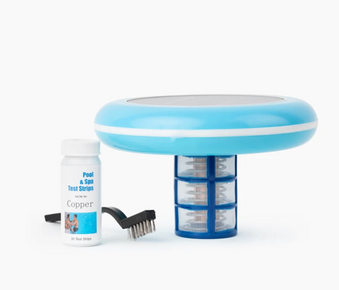
For countless hot tub owners, the post-soak experience is sometimes marred by the very chemicals that keep the water safe. The telltale scent of chlorine, the parched skin, the irritated eyes these are frequent trade-offs for sanitary water. In the relentless pursuit of a more natural, gentle, and sustainable soaking experience, the market has answered with a range of alternative sanitizing technologies. Among these, ionization stands out, particularly systems powered by the sun.
This guide is dedicated to answering that question with precision, depth, and pool water clarity. We will dissect the technology behind solar pool ionizers, translate the science of ionization for hot tub applications, and confront the critical differences between pool and spa maintenance head-on. We’ll move beyond manufacturer claims to examine real-world feasibility, balancing the compelling pros against the very real cons. Whether you’re an eco-conscious soaker, someone with chemical sensitivities, or simply a hot tub enthusiast looking to optimize your maintenance routine, this exhaustive exploration will provide the insights you need to make an informed decision. Let’s delve into the world of ions, electrodes, and solar cells to see if this technology can bring a touch of sun-powered purity to your backyard retreat.
Table of Contents
- 1. Introduction: The Quest for Chemical-Free Hot Tub Water
- 2. What is a Solar Pool Ionizer? Deconstructing the Device and Its Core Mechanism
- 3. The Science Behind Ionization: How Copper and Silver Ions Annihilate Contaminants
- 4. Pool vs. Hot Tub: The Critical Environmental Differences That Dictate Success or Failure
- 5. A Balanced Scale: The Comprehensive Pros and Cons for Hot Tub Applications
- 6. Installation and Integration: A Step-by-Step Guide to Proper Hot Tub Ionizer Use
- 7. The Final Soak Test: Conclusive Verdict and Who Should (and Shouldn’t) Consider One
1. Introduction: The Quest for Chemical-Free Hot Tub Water
The ideal hot tub experience is more than just warm water it is a complete sensory and wellness experience. Perfectly heated water, massaging jets, ambient lighting, soothing sounds, and the assurance that every drop is clean and safe contribute to the ultimate spa experience. Hot tubs provide hydrotherapy benefits, relieve muscle tension, and serve as a focal point for social gatherings or personal relaxation. Maintaining this balance between enjoyment and safety is the core challenge of spa ownership.
The Role of Traditional Sanitizers
For decades, chlorine and bromine have been the default protectors of water safety in pools and spas. Their primary functions include:
- Oxidizing organic waste: Breaking down sweat, oils, lotions, and dead skin cells to keep water clear and hygienic.
- Neutralizing pathogens: Killing bacteria, viruses, and prevent pool algae to prevent disease and contamination.
- Maintaining water clarity: Ensuring that water remains visually appealing and safe for swimmers.
While highly effective, these sanitizers come with notable drawbacks:
- Chloramines: Byproducts of chlorine that cause the characteristic “pool smell” and can irritate eyes, skin, and respiratory systems.
- Bromine sensitivity: While gentler than chlorine, bromine can still cause skin dryness and discomfort in chemically sensitive individuals.
- Impact on spa longevity: Excessive chemical use can accelerate the wear of hot tub surfaces, seals, and plumbing components over time.
Why the Demand for Low-Chemical Solutions is Rising
Many hot tub owners seek a gentler, more natural soaking experience without sacrificing safety. The goals of these alternative approaches are:
- Reduce exposure to harsh chemical oxidizers while maintaining sanitized water.
- Minimize irritation to skin, eyes, and respiratory systems.
- Lower long-term operational costs through reduced chemical use.
- Adopt eco-friendly practices that decrease chemical runoff and environmental impact.
Technologies meeting these objectives include:
- Mineral cartridges: Slowly release silver and copper ions that inhibit microbial growth without heavy chemical dosing.
- Ultraviolet (UV) sterilizers: Use UV light to neutralize bacteria, viruses, and algae without adding chemicals to the water.
- Ozone injectors: Introduce ozone gas, a strong oxidizer, to break down organic contaminants and reduce sanitizer demand.
- Advanced Oxidation Process (AOP) units: Combine ozone, UV, and hydrogen peroxide to provide enhanced purification and chemical reduction.
The Promise of Solar Pool Ionizers
Solar pool ionizers are increasingly popular as an automated, environmentally conscious solution. Their main benefits include:
- Continuous ionization: Copper and silver ions are constantly released when the solar panel is active, maintaining background sanitation without constant manual dosing.
- Reduced chemical usage: Lowers reliance on chlorine or bromine, decreasing irritation and chemical handling.
- Cost savings: Minimizes the purchase of chemicals over time and reduces maintenance costs associated with chemical wear on pool equipment.
- Eco-friendliness: Solar-powered operation reduces energy consumption and environmental footprint.
Challenges Unique to Hot Tub Environments
While solar pool ionizers work well in large, open pools, hot tubs present a distinct set of challenges:
- Small water volume: A 400-500 gallon hot tub concentrates ions faster than a 20,000-gallon pool, increasing the risk of staining and metal buildup.
- High temperature: Hot tubs operate at 100-104°F, accelerating microbial growth and chemical reactions, which can overwhelm slow-acting ionizers.
- Heavy bather load per gallon: Organic contamination is significantly higher per unit of water, including sweat, oils, lotions, and hair products.
- Rapid circulation and turbulence: Jets create aggressive mixing, which changes ion distribution and can stress ionizer systems.
- Surface area and biofilm formation: Higher relative surface area promotes biofilm growth, which ions alone cannot eliminate.
Goals of This Guide
This guide aims to provide a clear, science-backed evaluation of solar pool ionizers in hot tub applications. Readers will learn:
- How solar ionization works and the science behind copper and silver ions.
- The critical differences between pool and hot tub environments that affect ionizer performance.
- The realistic benefits, limitations, and risks of using solar ionizers in hot tubs.
- Best practices for integrating ionizers with supplemental sanitizers and water treatment routines.
By the end of this guide, hot tub owners will have a comprehensive understanding of whether a solar ionizer can safely and effectively complement their spa maintenance routine, balancing natural, eco-friendly sanitation with the realities of high-temperature, high-bather-load aquatic environments.

2. What is a Solar Pool Ionizer? Deconstructing the Device and Its Core Mechanism
A Solar Pool Ionizer is a compact, self-contained water treatment system that combines two ancient technologies metal ionization and solar power for a modern purpose. It uses controlled release of metal ions to suppress algae and microbial growth, reducing reliance on harsh chemical sanitizers. While originally designed for large swimming pools, understanding its mechanics is essential before adapting it to smaller, high-temperature hot tubs.
The Ionization Chamber: The Heart of the System
The ionization chamber houses the electrodes that generate the biocidal metal ions. Key aspects include:
- Electrode Composition: Usually a copper and silver alloy. Copper primarily targets algae, while silver offers bactericidal and virucidal properties.
- Precision Calibration: Electrodes are engineered to deplete gradually, releasing ions at a controlled rate. Improper calibration can result in under- or over-ionization.
- Integration into Water Circulation: The chamber is plumbed directly into the spa or pool circulation line, ensuring ions are evenly distributed throughout the water.
- Maintenance Considerations: Electrodes need periodic inspection for scaling, oxidation, or physical degradation. Failure to maintain them can reduce efficacy and cause uneven ion concentrations.
The Solar Photovoltaic (PV) Panel: Harnessing Renewable Energy
The PV panel powers the ionization process, converting sunlight into electricity. Its characteristics include:
- Energy Conversion: Typically 2–10W, waterproof, and designed to operate in harsh outdoor conditions. Converts sunlight into direct current (DC) to energize the electrodes.
- Independence from Grid or Batteries: Solar power reduces energy costs and eliminates reliance on external electricity, making the system eco-friendly.
- Sunlight Dependence: Ion output is directly tied to solar irradiance. Indoor hot tubs or shaded setups may require supplemental lighting or reduced ionization expectations.
- Panel Positioning: Proper orientation toward the sun maximizes output. Panels should be angled to receive direct sunlight during peak hours for optimal ion release.
The Control Module and Electronic Circuitry: Precision Regulation
Between the solar panel and the electrodes sits a smart control module that ensures stable and safe operation:
- Voltage and Current Regulation: Prevents overproduction of ions, which can lead to staining, metallic taste, or corrosion.
- Fail-Safes: Some units include indicator lights, flow sensors, or alarms to signal low water flow, electrical faults, or electrode issues.
- Electrode Longevity: By regulating current, the circuitry extends electrode lifespan and maintains consistent ion concentrations.
- Temperature Adaptation: Advanced modules may adjust output slightly for high-temperature water, ensuring consistent ion release in hot tubs.
The Core Process: Electrolysis and Ion Release
At the heart of the system is electrolytic ionization, the process by which metal ions enter the water:
- Electrolysis Reaction: When electricity flows through the electrodes, copper and silver atoms at the anode lose electrons:
- Cu(s) → Cu²⁺(aq) + 2e⁻
- Ag(s) → Ag⁺(aq) + e⁻
- Ion Distribution: Circulation ensures ions disperse evenly. Turbulent jets in hot tubs help rapid distribution but may also create uneven local concentrations if not monitored.
- Microbial Suppression: Copper ions inhibit algae growth, while silver ions disrupt bacterial and viral activity by interfering with enzyme function and DNA replication.
- Limitations: Ionization does not break down organic waste (sweat, oils, lotions). A supplemental oxidizer is necessary to maintain water clarity and hygiene.
Operational Considerations for Hot Tubs
Adapting a solar ionizer for hot tubs for pool introduces unique challenges:
- Small Water Volume: Hot tubs contain far less water than pools, making precise ion control critical to avoid staining or high copper concentration.
- High Temperature: Warmer water accelerates microbial growth and chemical reactions, which may require shorter ionizer operation cycles.
- Intense Bather Load: Higher organic load per gallon necessitates careful monitoring and supplemental oxidizer use.
- Electrode Maintenance: High heat and frequent use accelerate scaling and corrosion, demanding more frequent cleaning than in pool installations.
Summary: How It All Works Together
In essence, the solar ionizer is a carefully orchestrated system where sunlight, electronics, and metal chemistry converge to deliver controlled sanitation. Each component the ionization chamber, solar panel, and control module plays a vital role in ensuring consistent, safe, and efficient ion release. When integrated with supplemental oxidizers and proper water management, the system can reduce chemical usage, improve water comfort, and enhance eco-friendly hot tub maintenance.

3. The Science Behind Ionization: How Copper and Silver Ions Annihilate Contaminants
Copper Ions (Cu²⁺): The Algaecide and General Biocide
Copper is a key component in ionization systems and serves multiple roles in sanitizing water. Its effects are both preventive and curative, targeting microorganisms before they proliferate.
-
Primary Role: Algaecide:
- Copper ions disrupt chlorophyll synthesis in algae, preventing photosynthesis and growth.
- Interferes with essential enzymatic pathways in algal cells, leading to cell death.
- Particularly effective in preventing algae in spas with partial sunlight exposure or in outdoor hot tubs prone to contamination from airborne spores.
-
Secondary Role: Bactericide and Fungicide:
- Copper binds to the negatively charged surfaces of bacteria and fungal cells, destabilizing their membranes.
- Penetrates the cell to inhibit enzymes critical for metabolism, slowing or halting replication.
- Works on a broad spectrum of microorganisms, including Pseudomonas and common spa bacteria.
-
Visual Indicator of Concentration Issues:
- Excess copper or high pH can produce bluish-green stains on acrylic spa surfaces, plumbing, or even swimmer hair.
- Regular monitoring ensures the concentration stays in the safe range (typically 0.2–0.5 ppm for hot tubs).
-
Operational Notes:
- Copper is highly effective as a slow-acting preventive sanitizer but is not sufficient for rapid microbial outbreaks.
- Its efficacy can be influenced by pool water chemistry factors such as pH, temperature, and total alkalinity.
Silver Ions (Ag⁺): The Bactericide and Virucide
Silver complements copper by targeting a different range of microbial processes. Its potency lies in its ability to attack internal cellular machinery.
-
Primary Role:
- Strong bactericide and virucide, effective against pathogens like E. coli, Legionella, and various viruses.
- Binds to sulfur-containing amino acids in proteins and to phosphorus in microbial DNA, disrupting replication and metabolism.
- Particularly useful in spas where high heat accelerates bacterial growth.
-
Synergistic Effect with Copper:
- Copper weakens the cell wall and outer defenses of microorganisms.
- Silver penetrates and disrupts internal enzyme systems and DNA, completing the antimicrobial process.
- This synergy allows effective sanitation at low concentrations typically 0.002–0.02 ppm for silver in hot tubs.
-
Operational Notes:
- Silver ions are most effective when water is well-circulated, ensuring even distribution.
- They do not accumulate excessively in typical hot tub volumes, but monitoring is still recommended to prevent metal buildup in plumbing or surfaces.
Critical Caveat: Limitations of Ionization
While copper and silver ions provide potent antimicrobial protection, they do not oxidize non-living organic contaminants. This includes:
- Sweat and body oils
- Lotions, perfumes, and cosmetics
- Urine, dead skin cells, and hair residue
- Pollen and other environmental debris
Without an additional oxidizer such as chlorine, MPS (monopersulfate), or ozone these organics can accumulate, forming scum lines, cloudy water, or odors. Ionization should therefore be viewed as a supplementary sanitizer rather than a standalone solution, especially in high-use, small-volume environments like hot tubs.
Recommended Monitoring and Maintenance
- Test copper and silver concentrations weekly with reliable pool test kits.
- Maintain copper levels between 0.2–0.5 ppm and silver at 0.002–0.02 ppm for optimal antimicrobial activity.
- Adjust pH to 7.2–7.6 to prevent staining and maximize ion efficacy.
- Regularly clean electrodes to remove scaling or deposits that reduce ion release efficiency.
- Always maintain a residual oxidizer for complete sanitation.
By understanding the distinct roles and limitations of copper and silver ions, hot tub owners can optimize the use of a solar ionization system to reduce chemical dependency, maintain water clarity, and enhance swimmer comfort without compromising safety.

4. Pool vs. Hot Tub: Critical Environmental Differences That Dictate Success
Water Volume & Ion Concentration
The difference in water volume between pools and hot tubs dramatically affects how ions behave and accumulate:
- Pool: A standard 20,000-gallon pool acts as a large dilution basin. Solar pool ionizers release copper and silver ions gradually, creating a stable, low concentration over several days or weeks. This slow accumulation reduces the risk of staining and allows for consistent microbial control.
- Hot Tub: In contrast, a 400–500 gallon hot tub contains less than 3% of a typical pool’s water volume. The same ion output causes ions to accumulate rapidly, which can lead to metallic tasting water, surface staining, or accelerated corrosion of fixtures. Careful monitoring and frequent adjustments are required to keep ion levels within safe and effective ranges (e.g., 0.2–0.5 ppm for copper, 0.002–0.02 ppm for silver).
Temperature
Hot tubs are kept at elevated temperatures typically between 100°F and 104°F which significantly influences water chemistry and sanitizer performance:
- Higher temperatures accelerate microbial replication, meaning pathogens can proliferate faster than in cooler pool water.
- Copper and silver ion activity is consistent, but the electrodes in ionizers may corrode more quickly due to increased reaction rates.
- Organic contaminants such as oils, sweat, and lotions break down more rapidly, potentially increasing the demand for supplemental oxidizers to maintain water clarity.
Bather Load Per Gallon
Hot tubs experience extremely high organic loading relative to their water volume. Even a single user can introduce the equivalent contaminants of multiple pool swimmers:
- Sweat, body oils, lotions, hair products, and skin cells accumulate quickly in the small water volume.
- This elevated load requires proportional chemical support; relying solely on ionization is insufficient for sanitation.
- Regular oxidizer dosing (chlorine, bromine, or non-chlorine shocks) is critical to maintain safe water.
Hydraulics & Filtration
Unlike pools with slower circulation rates, hot tubs operate with frequent, high-velocity filtration cycles:
- Rapid jet-driven circulation ensures ions are distributed quickly and evenly throughout the water.
- However, the constant starting and stopping, combined with turbulent flow, places stress on ionizer chambers and plumbing connections.
- Correct installation and maintenance of the ionizer are essential to prevent wear, leaks, or inconsistent ion output.
Surface Area to Volume Ratio
Hot tubs have a much higher surface area relative to their water volume compared to pools:
- The entire acrylic shell, plumbing lines, and jet interiors provide extensive surfaces for biofilm formation.
- While copper and silver ions help suppress microbial growth, they cannot remove established biofilm, which can harbor bacteria and reduce sanitizer efficiency.
- Regular shock treatments and mechanical cleaning are necessary to manage biofilm alongside ionization.
In summary, hot tubs present a uniquely challenging environment for solar ionizers due to small water volume, high temperatures, concentrated organic load, dynamic hydraulics, and elevated surface-to-volume ratios. Understanding these factors allows spa owners to use ionization safely and effectively, ensuring water clarity, microbial control, and equipment longevity.
5. A Balanced Scale: Key Advantages and Limitations of Hot Tub Ionization
Pros of Solar Ionization for Hot Tubs
Reduced Chemical Usage: Solar pool ionizers continuously release copper (Cu²⁺) and silver (Ag⁺) ions, which target algae, bacteria, and some fungi. This reduces the need for frequent chlorine or bromine dosing. Under ideal conditions, chemical consumption can decrease by 50–80%, translating into lower operating costs, less exposure to harsh sanitizers, and a softer, more pleasant soaking experience. Reduced chemical use also minimizes irritation to skin, eyes, and respiratory pathways a major benefit for users with sensitivities or allergies.
Eco-Friendly, Sustainable Operation: Operating entirely on solar power, ionizers consume no electricity from the grid, making them a zero-emission sanitation option. The system reduces chemical manufacturing and transportation demands, lowering the pool or spa’s environmental footprint. Its low-energy operation also eliminates noise and maintenance associated with electric pumps or automated chemical feeders, creating a seamless, hands-off experience.
Continuous Baseline Sanitation: Unlike manual chemical dosing, which fluctuates with use, solar ionizers provide a steady antimicrobial presence whenever sunlight powers the device and water is circulating. This constant action helps maintain a microbial baseline, preventing the early development of algae, bacterial blooms, and cloudy pool water. It ensures that water remains consistently safer between manual treatments, particularly in high-use periods.
Algae Prevention in Plumbing and Shell: Copper ions disrupt algal cell metabolism and prevent colonization in hidden areas such as plumbing lines, jet interiors, and filter surfaces. This reduces the risk of visible growth, slime formation, and biofilm accumulation, which can otherwise lead to expensive cleaning or premature replacement of equipment.
Minimal Routine Maintenance: Once installed, solar ionizers require relatively low upkeep. Routine maintenance includes inspecting electrodes for scaling or corrosion, cleaning the solar panel, and monitoring copper and silver ion levels. Electrode replacement typically occurs once every 1–2 seasons, depending on water chemistry, usage, and device specifications. Compared to traditional chemical dosing, this is a significant reduction in manual effort.
Cons of Solar Ionization for Hot Tubs
Cannot Replace Primary Oxidizer: While copper and silver ions are highly effective biocides, they do not oxidize non-living organic matter such as sweat, oils, lotions, or dead skin cells. In hot tubs, where the bather load per gallon is extremely high, these organics accumulate rapidly. Without a residual oxidizer chlorine, bromine, MPS, or ozone water clarity will degrade, scum lines will form, and microbial growth may continue despite ionization. Regular oxidizing treatments remain mandatory.
Risk of Over-Ionization and Surface Staining: Small hot tub volumes (400–500 gallons) are far more sensitive to ion accumulation than large pools. Excess copper can cause metallic-tasting water, greenish-blue stains on acrylic surfaces, or discoloration of hair. Over-ionization can also increase the potential for corrosion of metal fixtures. Maintaining precise ion levels (copper 0.2–0.5 ppm, silver ~0.002–0.02 ppm) is essential to avoid these issues. Failure to monitor can result in irreversible aesthetic damage and require expensive remediation.
Sunlight Dependency: Ionizers rely on solar photovoltaic panels. Indoor tubs, shaded patios, or cloudy weather reduce output significantly. In such conditions, the device cannot produce sufficient ions to maintain antimicrobial activity, necessitating supplemental chemical dosing. Owners must plan for seasonal or weather-related variations, especially in regions with low winter sunlight.
Installation Complexity and Flow Considerations: Correct installation into the circulation line is critical for even ion distribution and device longevity. Poor positioning can cause dead zones where ions do not circulate, reducing effectiveness. Additionally, high-velocity jet systems common in hot tubs can stress the ionizer chamber. Improper installation may lead to leaks, uneven ion output, or accelerated electrode wear. Professional installation and adherence to manufacturer guidelines are strongly recommended.
Limited Oxidizing Capability: Copper and silver ions cannot break down oils, lotions, or other bather organics. Over time, this can create a film on the water surface and contribute to biofilm formation in piping. Supplemental oxidizers, or periodic manual cleaning of the shell and plumbing, are necessary to maintain optimal water quality and clarity. Users should not consider ionization as a standalone solution.
In summary, solar ionizers provide significant environmental and operational benefits, particularly in reducing chemical dependency and delivering continuous antimicrobial activity. However, they must be used thoughtfully, in combination with supplemental oxidizers and careful monitoring of ion levels, to prevent staining, maintain water clarity, and ensure long-term equipment health. When integrated properly, these systems enhance water quality, lower maintenance frequency, and create a gentler, more enjoyable hot tub experience without compromising safety.

6. Installation and Integration: A Step-by-Step Guide to Proper Hot Tub Ionizer Use
Selection of the Right Unit
Choosing the correct solar pool ionizer is the first critical step in ensuring effective and safe operation for your hot tub. Always select a unit that is explicitly rated for spas or the smallest available pool unit. Spa-rated units are calibrated to provide precise ion output for small water volumes, minimizing the risk of over-ionization, staining, or corrosion. Using an oversized pool unit in a hot tub can lead to rapid accumulation of copper and silver ions, creating metallic-tasting water and discoloration on acrylic surfaces.
Additional considerations when selecting a unit include:
- Ensure the electrodes are compatible with high-temperature water typical of hot tubs (100–104°F).
- Verify that the solar panel has sufficient wattage for your local sunlight conditions.
- Check for integrated indicators, flow sensors, or electronic controllers that regulate ion output.
Plumbing Installation
Proper installation into the hot tub circulation system is essential for consistent ion distribution and optimal device lifespan. Follow these steps:
- Identify a pressurized return line after the heater and filter, ensuring that all water passing through the ionizer is already clean and balanced.
- Install the ionization chamber horizontally as per manufacturer instructions to prevent air pockets that could impair ion release.
- Use quality PVC fittings, primer, and cement to secure connections and prevent leaks.
- Ensure the solar panel receives maximum direct sunlight exposure. Panels installed in shaded areas or indoors will produce insufficient ion output, requiring supplemental chemical dosing.
- Check that the ionizer does not interfere with existing plumbing flow rates; high-velocity jets may need minor adjustments or bypass valves to maintain safe pressure within the chamber.
Initial Water Balance
Before activating the ionizer, your hot tub water must be properly balanced. This ensures both effective ionization and protection of surfaces from staining or corrosion:
- pH: Maintain between 7.2 and 7.6. Tightly controlling pH prevents copper precipitation and minimizes scaling or staining.
- Total Alkalinity: Keep between 80–120 ppm. This acts as a buffer to maintain pool pH fluctuations caused by bather load or environmental factors.
- Calcium Hardness: Target 150–250 ppm for acrylic hot tubs. Adequate hardness prevents corrosion while avoiding scale formation.
- Sanitizer Baseline: Establish a minimum chlorine (1–3 ppm) or bromine level before starting the ionizer. Copper and silver ions are not oxidizers and cannot fully replace traditional sanitizers.
System Start-Up
Once installation and water balance are complete, initiate the system carefully:
- Turn on the circulation pump and allow water to flow through the ionizer continuously for 24–48 hours to build an initial reservoir of ions.
- Monitor water clarity and check for any immediate discoloration or unusual taste, adjusting ionizer positioning if necessary.
- Verify that the solar panel is generating electricity and the control circuitry is functioning correctly. Some models include indicator lights or voltage meters to confirm operation.
Ongoing Maintenance Routine
Maintaining a solar ionizer for a hot tub requires consistent attention to water chemistry, hardware condition, and visual monitoring. A structured routine ensures long-term performance and water safety:
- Weekly Water Testing: Measure copper (0.2–0.5 ppm), silver (~0.002–0.02 ppm), pH (7.2–7.6), total alkalinity (80–120 ppm), and sanitizer levels. Adjust chemical dosing or ionizer operation as needed.
- Oxidation: Add a non-chlorine shock (MPS) or small chlorine dose weekly to break down organic contaminants. This step is critical because ions cannot oxidize oils, sweat, or lotions.
- Electrode Cleaning: Inspect electrodes every 3–6 months for scaling, mineral deposits, or corrosion. Clean using a manufacturer-approved solution, typically diluted muriatic acid or vinegar, to maintain consistent ion release.
- Surface Monitoring: Check for copper staining, greenish tint in water, or metallic taste. Adjust ionizer runtime or supplement with sequestrants to prevent damage to acrylic or metal components.
- Seasonal Adjustment: During periods of low sunlight or heavy bather load, temporarily increase supplemental sanitizer or shorten ionizer runtime to maintain water quality without over-accumulating ions.
Following these steps ensures your solar ionizer integrates seamlessly into your hot tub system, providing consistent antimicrobial action, reducing chemical use, and extending the life of your equipment. Proper installation, monitoring, and routine maintenance are essential to maximize benefits while avoiding risks such as staining, over-ionization, or equipment stress.
7. The Final Soak Test: Conclusive Verdict and Who Should (and Shouldn’t) Consider One
A solar pool ionizer can be a valuable tool for hot tub owners seeking to reduce chemical usage, stabilize water chemistry, and maintain a gentle soaking experience. However, it is important to emphasize that ionization alone cannot replace primary sanitizers such as chlorine, bromine, or other oxidizers. Copper and silver ions are excellent at controlling algae and certain bacteria, but they do not oxidize organic waste like sweat, oils, or lotions, which accumulate rapidly in small-volume, high-temperature environments.
Integrating these layers not only improves water clarity and safety but also extends the lifespan of hot tub components by reducing chemical corrosion, scale formation, and gaskets or heater wear. Users experience softer water, fewer irritants, and a more enjoyable soaking environment without compromising sanitation.
Ultimately, a solar ionizer should be viewed as a 'complementary technology' rather than a replacement. With careful installation, consistent monitoring, and a balanced sanitation approach, it can significantly enhance the hot tub experience, providing both environmental and sensory benefits while maintaining safe, clear water.