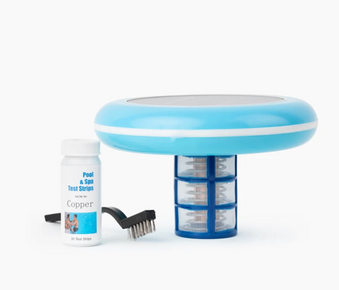
Proper pool maintenance goes far beyond cleaning debris and adding chemicals. One of the most important, yet often overlooked, aspects of a healthy pool is circulation. Pool circulation refers to how water moves through the pool, filtration system, and sanitation equipment.
When circulation is working efficiently, it helps distribute chemicals evenly, prevent algae growth, and keep water clear and safe. Poor circulation, on the other hand, can lead to cloudy water, dead spots, and increased maintenance costs. This guide explains how pool circulation supports proper maintenance and why it should be a top priority for every pool owner.
Understanding and optimizing your pool's circulation system can transform your maintenance routine from a constant battle against water problems into a streamlined process that keeps your pool sparkling with minimal effort. By focusing on this fundamental aspect of pool health, you address issues at their source rather than merely treating symptoms, creating a more sustainable and enjoyable pool ownership experience.
Table of Contents
- What Pool Circulation Is and Why It Matters
- How Proper Circulation Improves Water Quality
- The Role of Circulation in Chemical Distribution
- Preventing Algae and Bacteria Through Water Movement
- Pool Equipment That Supports Healthy Circulation
- Common Circulation Problems and How to Fix Them
- Final Thoughts: Making Circulation a Maintenance Priority
1. What Pool Circulation Is and Why It Matters
Pool circulation is the continuous movement of water through the pool's pump, filter, and sanitation system. This movement ensures that all water is treated, filtered, and returned clean. Think of circulation as your pool's cardiovascular system just as blood circulates through the human body delivering oxygen and removing waste, water circulates through your pool distributing sanitizers and removing contaminants. This continuous flow represents the fundamental process that enables every other aspect of pool maintenance to function effectively, from chemical balancing to filtration to heating. Without this essential movement, a pool becomes little more than a stagnant body of water that requires constant intervention rather than a self-sustaining aquatic environment.
The Circulation Cycle: From Intake to Return
Pool circulation follows a continuous cycle with four distinct phases that work together to maintain water quality. First, water enters the system through skimmers and main drains, carrying surface debris and settled contaminants into the plumbing. Second, this water travels through the pump, which provides the mechanical force necessary to move thousands of gallons through the system. Third, water passes through the filtration system where physical particles are removed. Fourth, treated water returns to the pool through return jets, often passing through heaters or sanitizers along the way. This complete cycle—known as turnover—should occur at least once every 24 hours for residential pools, meaning every drop of water should pass through the entire system daily to maintain proper sanitation and clarity.
- Circulation is the continuous movement through pump, filter, and sanitation systems
- The cycle includes intake, pumping, filtration, and return phases
- Complete turnover should occur at least once every 24 hours
- Each phase plays a specific role in overall water quality maintenance
- The system operates as a closed loop with continuous recirculation
- Proper circulation enables all other maintenance systems to function effectively
The Hydraulic Foundation of Pool Maintenance
Circulation matters because it serves as the hydraulic foundation upon which all pool maintenance is built. Prevents stagnant water by constantly moving the entire volume, ensuring no area remains undisturbed long enough for contaminants to establish colonies. Keeps debris moving toward filters rather than allowing it to settle on pool surfaces where removal becomes more difficult. Ensures even sanitation throughout the pool by distributing chemicals uniformly rather than creating concentrated zones and untreated areas. This hydraulic action works silently in the background, but its effectiveness determines the success or failure of every cleaning, chemical treatment, and balanced pool water effort you undertake.
- Prevents stagnant water that encourages bacterial and algae growth
- Keeps debris moving toward filters for efficient removal
- Ensures even sanitation distribution throughout the entire pool volume
- Creates surface currents that direct floating debris to skimmers
- Maintains consistent temperature distribution when heaters are used
- Prevents thermal layering that can create micro-environments for contaminants
The Consequences of Inadequate Circulation
Without proper circulation, contaminants can settle in certain areas and cause water quality issues that become increasingly difficult to resolve. Stagnant zones develop where water movement is insufficient, creating perfect conditions for algae spores to germinate and bacteria to multiply. Chemical distribution becomes uneven, leading to over-sanitized areas near return jets and under-sanitized regions in dead spots. Debris accumulates in predictable patterns based on water flow rather than being directed toward removal systems. Temperature variations create thermal layers that affect both swimmer comfort and chemical effectiveness. These circulation failures create compounding problems that require increasing chemical interventions and manual cleaning rather than allowing the system to maintain itself efficiently.
- Contaminants settle in areas with insufficient water movement
- Stagnant zones become breeding grounds for algae and bacteria
- Uneven chemical distribution creates sanitation inconsistencies
- Debris accumulation patterns develop based on flow deficiencies
- Thermal layering affects both comfort and chemical performance
- Increased manual intervention required to compensate for system failures
Circulation's Role in Preventive Maintenance
Proper circulation serves as the most effective form of preventive maintenance, addressing potential problems before they become visible issues. By constantly moving water, circulation prevents the conditions that allow algae to establish footholds. Through consistent filtration, it removes the microscopic particles that cause cloudy pool water and reduce chemical effectiveness. By distributing heat evenly, it prevents the temperature variations that encourage certain types of bacterial growth. Through surface movement, it directs debris toward skimmers before it has opportunity to sink. This preventive function means that good circulation reduces the need for reactive maintenance fewer shock treatments, less frequent vacuuming, reduced chemical adjustments while maintaining better overall water quality with less effort and expense.
- Prevents conditions that allow algae establishment and growth
- Removes microscopic particles before they accumulate and cloud water
- Distributes heat evenly to prevent bacterial-friendly micro-environments
- Directs surface debris to skimmers before sinking occurs
- Reduces need for reactive maintenance through preventive action
- Maintains consistent conditions that discourage contaminant development
Measuring and Monitoring Circulation Effectiveness
Several indicators help assess whether your circulation system is functioning optimally. Water clarity should remain consistent throughout the pool rather than varying by area. Chemical test results should show uniform levels when sampled from different locations. Surface debris should move predictably toward skimmers rather than collecting randomly. Return jet flow should feel strong and consistent at various distances from the equipment. There should be no visible "dead spots" where debris accumulates without moving. The pump pressure gauge should remain within normal operating range for your specific system. Regular monitoring of these indicators helps identify circulation issues before they affect water quality, allowing for timely adjustments that maintain system efficiency.
- Consistent water clarity throughout all pool areas
- Uniform chemical test results from different sampling locations
- Predictable debris movement toward skimmer locations
- Strong, consistent return jet flow at various distances
- Absence of visible dead spots where debris accumulates statically
- Normal operating pressure readings on pump gauges
Without proper circulation, contaminants can settle in certain areas and cause water quality issues that require increasingly aggressive interventions, making circulation not just another aspect of pool maintenance but the fundamental process that enables all other maintenance activities to succeed in creating and maintaining clean, clear, healthy swimming water.

2. How Proper Circulation Improves Water Quality
Good circulation plays a key role in keeping crystal-clear pool water by serving as the delivery system that transports contaminants to your filtration and sanitation equipment. Imagine your pool water as a constantly moving highway system circulation provides the "traffic flow" that carries dirt, debris, bacteria, and chemical imbalances to the treatment facilities where they can be addressed. Without this movement, contaminants would simply settle wherever gravity takes them, creating localized problems that require spot treatments and constant manual intervention. Proper circulation transforms your entire pool into an integrated treatment system rather than a collection of independent water zones, ensuring that every gallon receives equal attention and care.
The Physics of Contaminant Transport
Proper circulation improves water quality through fundamental principles of fluid dynamics that govern how particles move through water. Efficient removal of dirt and debris occurs because circulating water carries suspended particles toward filtration intakes rather than allowing them to settle. Reduced cloudiness and discoloration happens as circulation prevents fine particles from aggregating into visible clumps by keeping them separated and moving. Better filtration performance results because filters receive a steady, consistent flow of water with evenly distributed contaminant loads rather than irregular bursts of highly concentrated material. This physical transport represents the first and most crucial step in water purification getting contaminants to the equipment that can remove or neutralize them.
- Efficient removal of dirt and debris through directed contaminant transport
- Reduced cloudiness and discoloration by preventing particle aggregation
- Better filtration performance through consistent, evenly distributed flow
- Suspended particles remain in water column where filtration can capture them
- Circulation prevents stratification where contaminants settle in layers
- Continuous movement maintains particles in suspension for effective treatment
The Filtration-Circulation Partnership
Circulation and filtration work in partnership to improve water quality, with each enhancing the other's effectiveness. Consistent water movement allows filters to capture contaminants more effectively by delivering particles at optimal concentrations neither so sparse that filtration is inefficient nor so dense that filters become quickly overwhelmed. This steady delivery reduces the overall workload on the system by preventing the accumulation that requires backwashing, cleaning, or media replacement. The partnership extends filter media lifespan by preventing channeling (where water finds paths of least resistance through filter material) and ensuring even utilization of the entire filtration surface area. This symbiotic relationship means that improving circulation directly enhances pool filtration system efficiency, which in turn maintains better circulation by preventing clogs and flow restrictions.
- Consistent water movement allows filters to capture contaminants more effectively
- Steady contaminant delivery prevents filter overload and media exhaustion
- Reduces overall workload on the system through preventive distribution
- Prevents channeling in filter media for more complete utilization
- Extends filter media lifespan through even loading and regular cleaning
- Maintains optimal pressure differentials for efficient operation
Oxidation and Natural Clarification Processes
Beyond mechanical filtration, circulation enhances natural water clarification processes that contribute to overall water quality. Moving water increases oxygenation, which supports natural oxidation of organic contaminants the same process that occurs in flowing streams and rivers. This oxygenation helps break down complex organic compounds that might otherwise persist in stagnant water. Circulation also exposes water to sunlight more evenly, allowing UV radiation (a natural sanitizer) to reach all areas rather than being blocked by surface films or depth variations. Additionally, water movement prevents the development of surface biofilms where bacteria can establish protected colonies. These natural processes, enhanced by circulation, work alongside mechanical and chemical systems to maximize pool water clarity and purity.
- Increased oxygenation supports natural oxidation of organic contaminants
- Even sunlight exposure allows UV radiation to act as natural sanitizer
- Prevents biofilm development on pool surfaces and in stagnant areas
- Enhances natural clarification processes alongside mechanical systems
- Supports chemical reactions that break down complex contaminants
- Maintains water's natural self-purification capacity
Temperature and Density Effects on Water Quality
Circulation addresses temperature-related water quality issues that often go unnoticed until problems develop. Water movement prevents thermal stratification the formation of distinct temperature layers that can create micro-environments where algae and bacteria thrive in warmer upper layers while chemicals settle in cooler bottom areas. By maintaining uniform temperature throughout the pool, circulation ensures consistent chemical reaction rates and prevents the density variations that cause some contaminants to concentrate at specific depths. This temperature uniformity is particularly important for saltwater pools and those using alternative sanitizers where chemical effectiveness varies significantly with temperature. Good circulation essentially "mixes" the pool continuously, preventing the isolated conditions that lead to localized water quality issues.
- Prevents thermal stratification that creates bacterial micro-environments
- Maintains uniform temperature for consistent chemical effectiveness
- Prevents density variations that concentrate contaminants at specific depths
- Ensures consistent reaction rates for sanitation chemicals throughout pool
- Particularly crucial for temperature-sensitive sanitation systems
- Continuous mixing prevents isolated conditions that degrade water quality
Microscopic Particle Management
Proper circulation plays a crucial role in managing microscopic particles that contribute to cloudiness and affect swimmer comfort. These fine particles often too small for immediate filtration remain suspended in moving water where they can either be captured by filter media designed for small particles or treated with clarifiers that cause them to aggregate into filterable sizes. Without circulation, these particles would settle, only to be stirred up by swimmers and create temporary cloudiness. Circulation also helps distribute clarifier chemicals evenly, ensuring they contact all suspended particles rather than settling in one area. This microscopic management represents an often-overlooked aspect of water quality that circulation addresses continuously and automatically.
- Keeps microscopic particles suspended where they can be treated or filtered
- Prevents settling and re-suspension cycles that cause temporary cloudiness
- Distributes clarifier chemicals evenly for effective particle aggregation
- Supports filtration of fine particles that would otherwise pass through systems
- Maintains consistent water clarity at microscopic and visible levels
- Reduces need for reactive treatments to address sudden cloudiness
The Cumulative Impact on Maintenance Efficiency
The water quality improvements delivered by proper circulation create cumulative benefits that reduce overall maintenance requirements. Reduced cloudiness means fewer clarifier treatments and less frequent filter cleaning. Efficient debris removal decreases vacuuming your pool frequency and manual cleaning time. Better filtration performance extends the intervals between backwashing, media replacement, and system servicing. These efficiency gains compound over time, resulting in lower chemical costs, reduced equipment wear, and less time spent on reactive maintenance. Perhaps most importantly, consistent water quality maintenance through good circulation prevents the major problems algae blooms, bacterial issues, severe cloudiness that require intensive, costly interventions and can temporarily render pools unusable.
- Reduces frequency of clarifier treatments and reactive cloudiness remedies
- Decreases manual cleaning time through efficient debris management
- Extends intervals between filter maintenance and media replacement
- Lowers chemical costs through more efficient distribution and utilization
- Reduces equipment wear through consistent rather than strained operation
- Prevents major water quality issues that require intensive intervention
Consistent water movement allows filters to capture contaminants more effectively, reducing the overall workload on the system while maintaining clarity and purity through both mechanical processes and natural water quality enhancements that work synergistically to create and preserve optimal swimming conditions.

3. The Role of Circulation in Chemical Distribution
Chemicals and smarter pool sanitation systems rely on circulation to work properly, functioning as the delivery mechanism that transforms localized chemical additions into uniform water treatment throughout the entire pool. Imagine adding a drop of food coloring to a glass of water without stirring, the color remains concentrated in one spot; with stirring, it spreads evenly. Circulation performs this "stirring" function on a massive scale, ensuring that every chemical added to your pool reaches every corner, every depth, and every surface. This distribution is particularly crucial for large pools where chemical diffusion alone cannot overcome the volume and distance challenges, making circulation not just helpful but essential for effective chemical performance and consistent water sanitation.
The Diffusion vs. Circulation Dynamic
Without active circulation, chemicals distribute primarily through diffusion a slow, passive process where molecules move from areas of high concentration to areas of low concentration. This natural process works over small distances but becomes inadequate for pools where chemicals might need to travel 30 feet or more to reach opposite corners. Circulation accelerates this distribution dramatically, actively transporting chemicals throughout the pool volume. Distributes chlorine or mineral ions evenly by carrying them along with water flow rather than relying on gradual molecular movement. Prevents chemical concentration in one area by continuously mixing the water column, preventing the localized "hot spots" and "cold spots" that occur with diffusion alone. Maintains balanced pH and sanitizer levels by ensuring that adjustment chemicals reach all areas rather than creating zones of over-correction and under-correction.
- Distributes chlorine or mineral ions evenly through active transport rather than passive diffusion
- Prevents chemical concentration in one area by continuous mixing of water column
- Maintains balanced pH and sanitizer levels throughout entire pool volume
- Overcomes distance challenges that make natural diffusion inadequate for pools
- Accelerates chemical distribution to achieve uniform concentrations faster
- Prevents stratification where chemicals settle at specific depths or locations
Sanitizer Effectiveness and Circulation Dependence
All pool sanitizers whether chlorine, bromine, salt systems, mineral purifiers, or alternative technologies depend fundamentally on circulation to achieve their intended purpose. Chlorine added to a skimmer or floater can only sanitize the water it contacts directly unless circulation carries it throughout the pool. Salt chlorine generators produce sanitizer at the cell location but require water movement to distribute the resulting chlorine. Mineral ionizers release copper and silver ions that must travel to every surface to prevent pool algae attachment. UV and ozone systems treat water as it passes through the equipment but depend on circulation to bring all water through the treatment chamber. This universal dependence means that circulation effectiveness directly determines sanitizer effectiveness, regardless of which specific sanitation technology you employ.
- Chlorine and bromine require circulation to reach beyond immediate addition points
- Salt systems generate chlorine in one location but need distribution throughout pool
- Mineral ions must travel to all surfaces to prevent algae establishment
- UV and ozone systems treat water in passage but require circulation for complete treatment
- All sanitizers have limited effectiveness without proper distribution mechanisms
- Circulation represents the common requirement across all sanitation technologies
Chemical Reaction Enhancement Through Movement
Circulation doesn't just transport chemicals it enhances their chemical reactions and effectiveness. Moving water increases the frequency of collisions between sanitizer molecules and contaminants, accelerating disinfection processes. Circulation brings fresh, uncontaminated water into contact with chemical addition points, preventing localized depletion that can occur in stagnant areas. Water movement prevents the development of boundary layers around pool surfaces where chemical concentrations might differ from the main water body. This enhancement means that the same amount of chemical produces better results with good circulation than with poor circulation, creating both efficacy and efficiency benefits that reduce chemical consumption while improving sanitation outcomes.
- Increases collision frequency between sanitizer molecules and contaminants
- Accelerates disinfection processes through enhanced chemical interactions
- Prevents localized chemical depletion around addition points
- Reduces boundary layer effects that isolate surfaces from water chemistry
- Enhances chemical efficacy so less chemical produces better results
- Creates both effectiveness and efficiency benefits through movement
pH and Alkalinity Management Through Distribution
pH and alkalinity chemicals present particularly challenging distribution problems that circulation helps solve. These balancing chemicals often come in solid or highly concentrated liquid forms that can create localized extremes if not properly distributed. Muriatic acid added to correct high pH can etch plaster or damage vinyl if concentrated in one area before mixing. Sodium bicarbonate for alkalinity adjustment can create cloudy spots if not circulated quickly. Calcium chloride for hardness adjustment can leave residues if allowed to settle. Circulation prevents these problems by rapidly dispersing concentrated chemicals throughout the entire water volume before they can cause localized damage or create visible problems, making pool chemicals adjustments safer and more effective.
- Prevents localized pH extremes that can damage pool surfaces
- Distributes alkalinity adjusters before they can create cloudy spots
- Disperses calcium products to prevent residue formation
- Makes chemical additions safer by preventing concentration damage
- Ensures balancing chemicals reach all areas for uniform effect
- Prevents the visible problems that occur with uneven chemical distribution
Stabilizer and Preventative Chemical Distribution
Circulation plays a crucial role in distributing preventative chemicals that work best when present at consistent levels throughout the pool. Cyanuric acid (stabilizer) protects chlorine from UV degradation but must be evenly distributed to provide uniform protection without circulation, areas near the surface might have adequate stabilizer while deeper areas remain unprotected. Algaecides and phosphate removers must contact all surfaces and water to be effective, requiring circulation to reach hidden corners and behind obstacles. Enzymes that break down organic contaminants need to encounter those contaminants wherever they exist in the pool. These preventative treatments represent investments in ongoing water quality that only deliver returns if circulation ensures they reach their intended targets throughout the pool environment.
- Distributes stabilizer evenly for consistent chlorine protection throughout depth
- Carries algaecides to all surfaces where algae might establish
- Ensures phosphate removers contact water throughout pool volume
- Brings enzymes into contact with organic contaminants wherever they exist
- Maximizes effectiveness of preventative chemical investments
- Prevents waste of chemicals that never reach their intended targets
Monitoring and Adjusting Based on Circulation Patterns
Understanding your pool's circulation patterns allows for smarter chemical management and placement. Chemical addition points should align with circulation flows adding chlorine near a return jet ensures rapid distribution, while adding balancing chemicals in areas of good flow prevents concentration issues. Testing should account for circulation effects samples taken from dead spots might show different results than those from high-flow areas. Chemical scheduling should consider circulation runtime adding chemicals when the pump will run for several hours ensures proper distribution. This circulation-aware approach to chemical management optimizes both chemical effectiveness and efficiency, ensuring that every chemical addition produces maximum benefit with minimal waste or potential for problems.
- Align chemical addition points with known circulation patterns
- Account for circulation effects when interpreting test results
- Schedule chemical additions to coincide with adequate pump runtime
- Adjust chemical amounts based on circulation effectiveness
- Use circulation patterns to optimize chemical placement and timing
- Monitor chemical distribution as indicator of circulation effectiveness
Even distribution reduces the need for frequent chemical adjustments and helps maintain safe swimming conditions by ensuring that every chemical addition reaches its full potential throughout the entire pool, preventing the localized problems, wasted chemicals, and inconsistent sanitation that occur when circulation fails to perform this essential distribution function.

4. Preventing Algae and Bacteria Through Water Movement
Stagnant water is a breeding ground for algae and bacteria, which is why proper circulation is critical. Using a pool test kit helps confirm that circulation is effectively supporting sanitation by ensuring disinfectant levels remain consistent throughout the pool. Proper circulation minimizes risk by creating an environment where microorganisms cannot establish stable colonies or complete their life cycles. Think of algae and bacteria as opportunistic invaders seeking quiet, undisturbed areas to gain a foothold circulation denies them the territory they need to colonize. Beyond distributing sanitizers, water movement physically disrupts attachment processes, nutrient gathering, and reproductive cycles that allow these organisms to proliferate. When verified with regular testing using a pool test kit, circulation becomes not just a supporting factor but often the primary defense that determines whether your pool remains clear or turns into a biological battleground.
The Biology of Stagnation: Why Still Water Breeds Problems
Algae and bacteria flourish in stagnant conditions due to specific biological advantages that still water provides. Eliminating "dead zones" where water doesn't move removes the protected environments where microorganisms can establish colonies undisturbed by water flow. These calm areas allow algae spores to settle and attach to surfaces, begin photosynthesis, and reproduce without being swept away. Bacteria benefit from stagnant conditions where nutrients accumulate rather than being dispersed, and where waste products aren't carried away from their immediate environment. Circulation disrupts these advantages by constantly changing the conditions, making it difficult for any single species to dominate an area or complete the full cycle from spore to mature colony.
- Eliminating "dead zones" where water doesn't move removes protected colonization sites
- Prevents algae spores from settling and attaching to pool surfaces
- Disrupts the nutrient accumulation that supports bacterial colonies
- Carries away waste products that might otherwise benefit microorganisms
- Creates unstable conditions that favor sanitation over colonization
- Physically removes young algae and bacteria before they can establish firmly
Sanitizer Delivery and Exposure Optimization
Circulation enhances sanitizer effectiveness through optimized delivery and exposure. Continuously exposing microorganisms to sanitizers ensures that algae and bacteria encounter lethal chemical concentrations throughout their life cycles rather than only during brief periods. Moving water carries sanitizers into crevices, behind ladders, and into corners where stagnant conditions might otherwise protect organisms. Circulation prevents the development of "sanitizer shadows" areas where physical barriers block chemical access in still water. This constant exposure means that even relatively low sanitizer levels can be effective when combined with good circulation, whereas higher concentrations might fail in stagnant conditions where organisms can hide from chemical treatment.
- Continuously exposing microorganisms to sanitizers throughout their life cycles
- Carries sanitizers into protected areas where stagnant water would shield organisms
- Prevents development of "sanitizer shadows" behind obstacles and in corners
- Allows lower sanitizer levels to be effective through consistent exposure
- Ensures organisms cannot establish in areas with temporarily reduced chemical levels
- Maximizes contact time between sanitizers and potential contaminants
Thermal Management: Disrupting Ideal Growth Conditions
Water movement directly affects the temperature conditions that favor algae and bacterial growth. Reducing warm, stagnant areas where algae thrive prevents the thermal layering that creates ideal microclimates for biological activity. Algae particularly favor warm, still water where temperatures can rise significantly above the main pool temperature circulation prevents these hot spots by continuously mixing the water column. Bacteria also benefit from stable temperature zones where they can optimize their metabolic processes. By maintaining uniform temperature throughout the pool, circulation eliminates the specialized niches where particular species might gain competitive advantages, creating instead a consistently challenging environment for all microorganisms.
- Reducing warm, stagnant areas where algae thrive by preventing thermal layering
- Eliminates temperature microclimates that favor specific organisms
- Prevents hot spots where algae metabolism accelerates dramatically
- Maintains uniform conditions that no single species can optimize for
- Disrupts the stable temperatures that support bacterial metabolic optimization
- Creates consistently challenging thermal environment for microorganisms
Physical Disruption of Colonization Processes
Beyond chemical and thermal effects, water movement physically disrupts the colonization processes algae and bacteria depend on. Currents prevent algae spores from completing the critical attachment phase where they adhere to surfaces and begin growth. Flow forces make it difficult for bacteria to form biofilms the protective matrices that allow bacterial communities to establish and resist treatment. Water movement carries away the chemical signals microorganisms use to coordinate colony development and reproduction. This physical disruption represents a non-chemical defense mechanism that works continuously, requiring no additional products or monitoring, making it one of the most sustainable and reliable methods for preventing biological growth in pools.
- Currents prevent algae spores from completing surface attachment processes
- Flow forces disrupt biofilm formation that protects bacterial colonies
- Carries away chemical signals microorganisms use for coordination
- Physically removes young colonies before they become established
- Prevents the mat development that allows algae to resist treatment
- Works as continuous non-chemical defense requiring no additional products
Nutrient Dispersion and Deprivation
Circulation starves algae and bacteria of the concentrated nutrient sources they need to proliferate. Moving water disperses organic matter leaves, pollen, swimmer waste that would otherwise accumulate in specific areas and provide rich nutrient sources. By keeping nutrients in suspension and moving them toward skimmers and filters, circulation prevents the localized feeding frenzies that can trigger rapid biological growth. This nutrient management is especially effective when integrated into automated pool management systems, which maintain consistent circulation and filtration without daily manual effort. Good circulation essentially ‘dilutes’ these nutrients throughout the entire pool volume, making them less available to any single organism or colony and supporting a cleaner, healthier pool with minimal intervention.
- Disperses organic matter that would provide concentrated nutrient sources
- Prevents localized nutrient accumulation that triggers rapid growth
- Keeps potential food sources moving toward removal systems
- Dilutes nutrients throughout pool volume rather than allowing concentration
- Reduces availability of food sources to any single organism or colony
- Starves microorganisms by preventing nutrient accumulation in their immediate environment
Oxygenation and Natural Biological Balance
Proper circulation supports oxygenation patterns that influence which organisms can thrive. Moving water increases surface aeration, raising oxygen levels that favor aerobic bacteria (generally less problematic) over anaerobic bacteria (often associated with odors and water quality issues). This oxygenation also affects algae types some species thrive in low-oxygen conditions that circulation prevents. Additionally, water movement supports a more diverse microbial community where no single species can dominate, creating natural biological competition that helps keep any one organism in check. This biological balance, supported by circulation, represents a sophisticated ecosystem management approach that prevents problems through diversity rather than attempting to create sterile conditions.
- Increases oxygenation that favors less problematic aerobic organisms
- Prevents low-oxygen conditions that support certain algae and anaerobic bacteria
- Supports diverse microbial communities where no single species dominates
- Creates biological competition that helps keep any one organism in check
- Establishes ecosystem balance rather than attempting sterile conditions
- Uses natural biological principles to prevent dominance of problem species
Maintaining steady water movement is one of the most effective ways to prevent recurring algae problems because it addresses biological growth through multiple simultaneous mechanisms physical disruption, chemical delivery, thermal management, nutrient control, and oxygenation creating an environment where microorganisms face constant challenges to establishment and survival rather than finding the stable, protected conditions they need to proliferate into visible problems.

5. Pool Equipment That Supports Healthy Circulation
Several pool components work together to maintain proper circulation, forming an integrated hydraulic system where each piece of equipment plays a specific role in moving, filtering, and returning water. This equipment ecosystem functions like the organs in a circulatory system the pump serves as the heart, the filtration system as the kidneys, the plumbing as the arteries and veins, and the skimmers and returns as the capillaries. When all components work harmoniously, including a solar pool ionizer, they create efficient, consistent water movement that supports every aspect of pool maintenance. Understanding each element’s specific function and how they interconnect allows for targeted maintenance, troubleshooting, and optimization, keeping the entire system including your solar pool ionizer operating at peak efficiency throughout the swimming season.
The Heart of the System: Pool Pump and Motor
The pool pump and motor serve as the primary engine driving all circulation, creating the pressure differential that moves thousands of gallons through the system daily. This component determines both the volume (gallons per minute) and pressure (measured in feet of head) available for circulation. Modern variable-speed pumps offer significant advantages for circulation support, allowing customization of flow rates for different tasks higher speeds for filtration cycles, lower speeds for continuous circulation, and optimized settings for energy efficiency. Proper pump sizing relative to pool volume and plumbing configuration is crucial undersized pumps cannot move sufficient water for complete turnover, while oversized pumps waste energy and may cause system strain. Regular maintenance including seal inspection, impeller cleaning, and motor servicing ensures consistent performance and prevents the circulation failures that begin with pump inefficiency.
- Pool pump and motor create pressure differential that drives water movement
- Determines circulation volume (GPM) and pressure capabilities
- Variable-speed models allow flow optimization for different circulation needs
- Proper sizing relative to pool volume and plumbing ensures adequate turnover
- Regular maintenance prevents performance degradation and system failures
- Serves as primary circulation engine that all other components depend upon
The Purification Center: Filtration System
The filtration system serves as both a purification mechanism and circulation component, removing contaminants while maintaining flow patterns that support overall water movement. Different filter types sand, cartridge, and diatomaceous earth (DE) affect circulation in specific ways through their pressure characteristics and cleaning requirements. Clean filters maintain optimal flow rates, while clogged filters create resistance that reduces circulation efficiency. The filtration system's placement in the circulation loop (typically after the pump but before heaters and sanitizers) means its condition directly impacts everything downstream. Regular maintenance including backwashing, cartridge cleaning, or DE replacement maintains both filtration effectiveness and circulation capacity, preventing the flow restrictions that compromise water movement throughout the entire system.
- Filtration system removes contaminants while maintaining circulation flow
- Different filter types affect circulation through specific pressure characteristics
- Clean filters maintain optimal flow rates for efficient water movement
- Clogged filters create resistance that reduces overall circulation efficiency
- Position in circulation loop impacts all downstream equipment performance
- Regular maintenance prevents flow restrictions that compromise entire system
Intake and Distribution Networks: Skimmers and Return Jets
Skimmers and pool return jets form the interface between the pool water and the mechanical system, managing both water intake and distribution. Skimmers serve as primary surface water collectors, removing floating debris while feeding water into the circulation system. Their positioning, quantity, and maintenance directly affect how effectively surface water enters the system. Return jets distribute filtered, treated water back into the pool, creating current patterns that influence overall circulation. Their angle, direction, and flow rate determine water movement throughout the pool volume. Properly adjusted returns create beneficial surface currents that direct debris toward skimmers while preventing dead spots. These components require regular inspection and adjustment to maintain their circulation-supporting functions as pool usage, water level, and seasonal conditions change.
- Skimmers and return jets manage water intake and distribution at pool interface
- Skimmers remove surface debris while feeding water into circulation system
- Return jets distribute treated water and create beneficial current patterns
- Proper positioning and adjustment prevent dead spots and optimize flow
- Regular inspection maintains functionality as conditions change
- Interface components that translate mechanical action into pool water movement
Specialized Circulation Enhancers:
Automatic cleaners and sanitation systems serve as specialized circulation enhancers that work alongside primary equipment. Automatic pool cleaners whether suction-side, pressure-side, or robotic create localized water movement that supplements main circulation, particularly in areas that might otherwise experience reduced flow. Their operation often occurs during different hours than primary pump operation, extending active circulation time. Sanitation systems like salt chlorine generators, UV sterilizers, and ozone generators typically integrate into the circulation loop, relying on water movement to function while sometimes creating additional flow themselves. These specialized components should be evaluated not just for their primary functions but for how they affect and are affected by overall circulation patterns, ensuring they complement rather than compete with main system operation.
- Automatic cleaners and sanitation systems enhance primary circulation
- Cleaners create localized water movement that supplements main flow patterns
- Extended operation hours increase overall active circulation time
- Sanitation systems integrate into circulation loop and depend on water movement
- Should complement rather than compete with primary circulation equipment
- Specialized functions that contribute to overall water movement strategy
Supporting Infrastructure: Plumbing, Valves, and Gauges
The supporting infrastructure plumbing, valves, and gauges forms the framework that enables all circulation equipment to function together effectively. Plumbing size and layout determine flow capacity and resistance, with larger diameter pipes generally supporting better circulation. Valves allow flow control between different circulation paths (skimmers vs. main drain, different return lines) and equipment configurations. Pressure gauges provide real-time feedback on system performance, indicating when filters need cleaning or when restrictions develop. Flow meters offer quantitative measurement of circulation rates. This infrastructure requires regular inspection for leaks, corrosion, or damage that could compromise circulation efficiency. While less visible than pumps or filters, this supporting equipment forms the essential network that connects all components into a functional circulation system.
- Plumbing, valves, and gauges form circulation system infrastructure
- Pipe size and layout determine flow capacity and system resistance
- Valves control flow distribution between different circulation paths
- Gauges and meters provide performance feedback for maintenance decisions
- Regular inspection prevents leaks and damage that compromise efficiency
- Essential network that connects all components into functional system
Integrated System Maintenance Approach
Keeping this equipment clean and properly maintained ensures consistent circulation throughout the pool, but requires an integrated approach that recognizes how components affect each other. Pump maintenance affects filter performance, which impacts return jet flow, which influences skimmer effectiveness. Creating a maintenance schedule that addresses all components in proper sequence perhaps starting with skimmer baskets for pool, progressing to pump strainers, then filters, then checking returns ensures comprehensive care. Seasonal considerations matter too opening procedures should verify all circulation components after winter, while regular season maintenance prevents gradual performance decline. This integrated approach recognizes that circulation depends on the weakest link in the equipment chain, making comprehensive maintenance more effective than focusing on individual components in isolation.
- Integrated maintenance approach recognizes component interdependence
- Proper maintenance sequence ensures comprehensive system care
- Seasonal procedures verify all components after dormant periods
- Regular maintenance prevents gradual performance decline during season
- Addresses circulation as system property rather than individual component function
- Recognizes that circulation depends on weakest link in equipment chain
Keeping this equipment clean and properly maintained ensures consistent circulation throughout the pool by addressing the complete hydraulic system rather than individual components, recognizing that optimal water movement depends on every piece of equipment performing its specific function while supporting the integrated operation of the entire circulation ecosystem.

6. Common Circulation Problems and How to Fix Them
Circulation issues often go unnoticed until water quality declines because the symptoms manifest gradually and can be mistaken for other maintenance problems. Unlike chemical imbalances that show immediate test results or equipment failures that create obvious noises, circulation deficiencies develop stealthily a slight increase in chemical demand here, a small algae patch there, a bit more cloudiness than usual. This subtle progression means circulation problems frequently reach advanced stages before being properly diagnosed, by which time they've already impacted water quality, increased maintenance costs, and potentially caused secondary equipment issues. Recognizing the early warning signs and understanding both common problems and their solutions allows for proactive intervention that maintains optimal circulation before problems compound into major challenges.
Intake Obstructions: The Silent Flow Killers
Clogged skimmer baskets or filters represent perhaps the most common and easily addressed circulation problems, yet they often go unnoticed until significant flow reduction occurs. Skimmer baskets fill gradually with leaves, insects, and debris, creating increasing resistance that reduces water intake without completely stopping flow. Similarly, filters accumulate microscopic particles that gradually increase pressure differential until flow slows dramatically. The insidious nature of these obstructions means circulation diminishes gradually, often over days or weeks, making changes difficult to notice until water quality visibly declines. Regular inspection and cleaning not only prevents this gradual degradation but also helps improve pool water quality. Recognizing early signs slightly weaker return jet flow, longer pump run times to achieve clarity, or increased chemical demand allows for timely intervention before problems become severe.
- Clogged skimmer baskets or filters create gradual flow resistance that reduces circulation
- Obstructions develop slowly, making changes difficult to notice until problems emerge
- Early signs include weaker return flow, longer clarity times, increased chemical use
- Regular inspection prevents gradual degradation before water quality declines
- Clean baskets and filters regularly according to observed debris conditions
- Establish cleaning schedules based on season and environmental debris patterns
Flow Direction Issues: Misaligned Water Movement
Poorly positioned return jets create circulation problems by directing water flow in ways that don't support optimal movement throughout the pool. Return jets aimed too high create surface turbulence without moving deeper water. Jets pointed directly at each other create conflicting currents that cancel out rather than enhance flow. Angled incorrectly, they may miss critical areas or create dead spots where water becomes stagnant. Adjust return jets to improve water flow by creating coordinated current patterns that move surface debris toward skimmers while ensuring deeper water circulation. This adjustment requires understanding your pool's specific geometry, skimmer locations, and typical debris patterns. Periodic re-evaluation accounts for changes in water level, seasonal debris variations, and modifications to pool features or landscaping that might affect circulation patterns.
- Poorly positioned return jets create inefficient or conflicting current patterns
- Misalignment prevents optimal debris movement and complete water turnover
- Can create dead spots where water becomes stagnant despite overall flow
- Adjust return jets to improve water flow based on pool geometry and skimmer locations
- Create coordinated patterns that move surface debris while circulating deeper water
- Periodically re-evaluate positioning as conditions and pool usage change
Power Deficiencies: Inadequate Circulation Force
Undersized or aging pool pumps represent systemic circulation problems that affect every aspect of water movement. Undersized pumps simply cannot move sufficient water volume for complete turnover within reasonable timeframes. Aging pumps lose efficiency through wear on impellers, seals, and motor components, gradually reducing flow capacity even if they continue running. These power deficiencies manifest as inadequate skimmer suction, weak return flow, poor automatic cleaner performance, and incomplete chemical distribution. The solution often requires equipment evaluation rather than simple maintenance determining whether the existing pump matches current pool needs or has degraded beyond effective service. Upgrade or service circulation equipment as needed based on performance testing, energy efficiency considerations, and changing pool usage patterns.
- Undersized or aging pool pumps cannot provide adequate circulation force
- Power deficiencies affect all circulation aspects from skimming to chemical distribution
- Manifests as weak system performance despite proper maintenance
- Upgrade or service circulation equipment as needed based on performance evaluation
- Consider variable-speed upgrades for better efficiency and flow control
- Match pump capacity to current pool volume and usage rather than original specifications
Plumbing Restrictions: Hidden Flow Limitations
Beyond the visible equipment, hidden plumbing issues can create significant circulation problems. Scale buildup inside pipes gradually reduces diameter and increases friction loss. Debris accumulation at elbows or junctions creates partial blockages. Air leaks in suction lines reduce pump efficiency and may cause cavitation. Valve malfunctions prevent proper flow distribution between different circulation paths. These hidden problems often require systematic diagnosis checking pressure readings at different system points, listening for unusual sounds, or conducting flow tests. Solutions range from chemical descaling treatments to partial plumbing replacement to valve repair. Because these issues develop internally, they frequently go undiagnosed until circulation problems become severe, making periodic professional inspection valuable for early detection.
- Plumbing restrictions from scale, debris, or damage create hidden flow limitations
- Develop internally and often go undiagnosed until circulation severely compromised
- Require systematic diagnosis through pressure testing and flow measurement
- Solutions range from chemical treatments to partial plumbing replacement
- Periodic professional inspection helps detect before severe problems develop
- Prevent through proper water chemistry and regular system maintenance
Design Limitations: Inherent Circulation Challenges
Some circulation problems stem from original pool design limitations rather than equipment failures or maintenance issues. Pools with complex shapes may have inherent dead spots that standard circulation patterns cannot address, and features like attached spas, waterfalls, or swim jets create additional hydraulic challenges. Existing equipment placements may not support optimal flow for current usage patterns. Addressing these design-based problems requires creative solutions rather than standard maintenance, such as additional return jets, supplemental circulation pumps, flow diverters, or specialized cleaner deployment. Developing pool strategies for homeowners means recognizing that some areas will always need extra attention and creating targeted approaches for those locations rather than expecting standard circulation to solve all problems.
- Design limitations create inherent circulation challenges in complex pool shapes
- Features like spas and waterfalls add hydraulic complications to standard systems
- May require creative solutions beyond standard maintenance approaches
- Solutions include supplemental equipment, flow modification, or targeted cleaning
- Accept that some areas may always need extra attention despite optimal equipment
- Develop specific strategies for challenging areas rather than expecting uniform results
Diagnostic Approach: Identifying Root Causes
Effective circulation problem resolution requires systematic diagnosis rather than guesswork. Begin by verifying the obvious clean baskets, proper water level, unobstructed skimmers. Test pump performance by checking pressure readings and listening for unusual sounds. Evaluate return flow at various distances from equipment. Check for air in the system (air bubbles in pump basket or returns). Test flow rates if possible. Examine water movement patterns by observing how surface debris moves. Consider recent changes new landscaping, different usage patterns, equipment modifications. This systematic approach identifies root causes rather than treating symptoms, ensuring that solutions address actual problems rather than applying generic fixes that may not match specific issues.
- Systematic diagnosis identifies root causes rather than treating symptoms
- Begin with obvious checks before progressing to more complex evaluations
- Test equipment performance through pressure readings and flow observations
- Evaluate water movement patterns by observing surface debris behavior
- Consider recent changes that might have affected circulation patterns
- Match solutions to identified problems rather than applying generic fixes
Addressing circulation issues early helps prevent costly repairs and water problems by maintaining system efficiency before minor deficiencies become major failures, recognizing that circulation represents the foundational process upon which all other pool maintenance depends, and that small investments in circulation optimization yield disproportionate returns in water quality, equipment longevity, and overall maintenance efficiency.

7. Final Thoughts: Making Circulation a Maintenance Priority
Pool circulation is the backbone of proper pool maintenance. Without it, even the best cleaning and sanitation efforts fall short because they lack the delivery system needed to distribute their benefits throughout the entire water volume. Think of circulation as the silent partner in every maintenance task the unsung hero that makes chemical additions effective, filtration efficient, and algae prevention sustainable. When circulation functions optimally, it amplifies the results of every other maintenance activity; when it falters, it undermines even the most diligent efforts, creating a constant uphill battle against water quality issues that proper flow could have prevented.
Key takeaways:
- Proper circulation improves water quality and clarity
- It supports effective chemical and sanitizer performance
- It helps prevent algae, bacteria, and stagnant water
The journey to optimal pool maintenance begins with recognizing circulation not as an optional enhancement but as a fundamental requirement. This perspective shift transforms how you approach everything from equipment selection to daily routines, seasonal preparations, and troubleshooting. Prioritizing efficient circulation fosters a healthier pool environment, creating a virtuous cycle where good circulation reduces chemical needs, improves equipment longevity, and further supports consistent water movement and overall pool health.
By prioritizing good circulation, pool owners can enjoy a cleaner, healthier pool with less maintenance effort and fewer chemical adjustments, transforming pool care from a constant reactive struggle into a proactive system that works consistently in the background to preserve water quality and enhance the swimming experience.