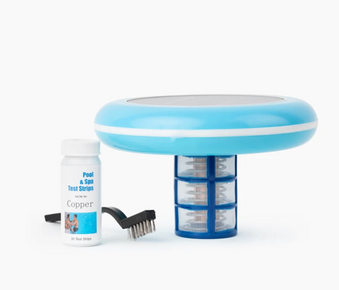
TL;DR: Water strategy has become a critical consideration for pool owners in 2026, encompassing conservation, quality management, and sustainability. Solar pool ionizers play a central role in modern water strategy by dramatically reducing water consumption through extended drain intervals, minimizing chemical contamination of discharge water, enabling rainwater harvesting integration, and supporting overall water stewardship goals. This guide explores how solar ionization fits into comprehensive water management strategies, helping pool owners conserve this precious resource while maintaining exceptional water quality.
SEO Summary: 2026 guide to solar pool ionizer role in water strategy: water conservation, extended drain intervals, reduced chemical discharge, rainwater harvesting, and sustainable pool management.
Table of Contents
- The New Imperative: Water Strategy for Pools
- Water Conservation Through Extended Drain Intervals
- Reducing Chemical Contamination in Discharge Water
- Rainwater Harvesting Integration
- Minimizing Backwash Water Waste
- Evaporation Management Strategies
- Source Water Quality and Treatment
- Drought Response and Water Restrictions
- Sustainable Water Stewardship
- Conclusion & Key Takeaways
The New Imperative: Water Strategy for Pools
Water has become one of the most precious resources of the twenty-first century. Climate change, population growth, and increasing demand have made water conservation a critical concern in many regions. For pool owners, this new reality demands a thoughtful approach to water management one that balances the enjoyment of a backyard oasis with responsible stewardship of limited resources.
- Water scarcity affects millions of pool owners. Drought conditions have become more frequent and severe across North America, Europe, and Australia. Municipal water restrictions increasingly limit pool filling and topping up. Pool owners must adapt to these constraints while maintaining their investment.
- Regulatory pressure is growing. Some jurisdictions now require permits for new pool construction based on water availability. Others restrict backwashing and draining. Regulations governing chemical discharge into storm drains are becoming more stringent. Pool owners must understand and comply with these evolving requirements.
- Environmental awareness drives consumer choice. Today's pool owners are more environmentally conscious than any previous generation. They seek technologies that align with their values and reduce their ecological footprint. Water conservation is a key component of this consciousness.
- Economic factors reinforce conservation. Water costs continue to rise in many areas, making conservation economically beneficial. Reducing water consumption lowers utility bills and protects against future price increases.
- Solar pool ionizers are uniquely positioned to support comprehensive water strategy. Their stable chemistry, reduced chemical demand, and compatibility with water-saving practices make them essential tools for responsible pool ownership.
The movement toward low-chemical pools has accelerated dramatically, and solar pool ionizers are the primary technology driving this transformation. Our analysis of low-chemical pool trends provides context for why water strategy has become inseparable from chemical reduction goals.
Water Conservation Through Extended Drain Intervals
The most significant water conservation benefit of solar pool ionizers is the dramatic extension of drain intervals. Traditional pools require periodic draining for reasons that ionized pools eliminate or greatly reduce.
- Cyanuric acid accumulation is a primary driver of draining in chlorinated pools. CYA, used to protect chlorine from UV degradation, does not break down and accumulates over time. When levels exceed 50 to 100 ppm, chlorine effectiveness is compromised, forcing partial draining. Ionized pools use no CYA, eliminating this cause of water replacement entirely.
- Total dissolved solids buildup occurs in all pools as minerals and chemicals accumulate. Traditional pools add dissolved solids with every chemical addition chlorine, algaecides, clarifiers, pH adjusters all contribute. Ionized pools add 80 to 90 percent fewer chemicals, slowing TDS accumulation proportionally. Where traditional pools may need draining every 2 to 3 years, ionized pools often go 8 to 12 years or longer.
- Calcium management is simplified in ionized pools. Without the pH swings and chemical additions that cause precipitation, calcium levels remain stable. When adjustments are needed, they are typically small and infrequent, rarely requiring dilution.
- Quantified water savings are substantial. A typical 20,000-gallon pool drained every 3 years consumes 6,700 gallons annually on average just for drain replacement. Extending the interval to 10 years reduces this to 2,000 gallons annually a saving of 4,700 gallons per year. Over a decade, this exceeds 47,000 gallons saved.
- Regional impact varies with climate and water hardness, but the conservation potential is significant everywhere. In drought-prone regions, extended drain intervals can mean the difference between keeping a pool and having to let it sit empty during restrictions.
Extended drain intervals represent the single largest water conservation opportunity for most pool owners. The principles of water stability that enable this extension are explored in our resource on transforming pool water stability, which explains how stable chemistry reduces the need for intervention.
Reducing Chemical Contamination in Discharge Water
When pools are eventually drained or backwashed, the quality of the discharged water matters. Solar pool ionizers dramatically reduce the chemical load in discharge water, protecting local waterways and simplifying compliance with environmental regulations.
- Chlorine and chloramines in discharge water can harm aquatic life. When chlorinated pool water enters storm drains and eventually streams or lakes, it introduces compounds toxic to fish and other organisms. Ionized pool water contains no chlorine or chloramines, eliminating this hazard.
- Algaecides and other biocides persist in the environment. Many algaecide products contain compounds that do not break down quickly and can accumulate in waterways. Ionized pools use no algaecides, removing this contamination source.
- Cyanuric acid from chlorinated pools has been detected in natural waters and may have environmental effects. Ionized pools use no CYA, preventing this pollutant from entering waterways.
- Copper levels in ionized pool discharge are well below drinking water standards. The typical copper concentration of 0.2 to 0.4 ppm is lower than the EPA's 1.3 ppm action level for drinking water. When diluted in stormwater systems, copper poses no environmental risk.
- pH neutrality of ionized pool water minimizes impact. With stable pH near neutral, discharge water does not alter the acidity of receiving waters. Chlorinated pools often discharge water with pH significantly altered by chemical additions.
- Regulatory compliance becomes simpler. Many municipalities now regulate pool discharge, requiring neutralization or prohibiting certain chemicals. Ionized pools meet or exceed these requirements with minimal effort, simplifying the discharge process.
Reducing chemical contamination in discharge water is an often-overlooked aspect of responsible pool ownership. The broader environmental benefits of solar ionization, including reduced chemical manufacturing and transport, are explored in our reinventing backyard pools with solar pool ionizer article, which documents how these systems align with sustainability goals.
Rainwater Harvesting Integration
Rainwater harvesting has emerged as a valuable strategy for pool water management, and solar pool ionizers are particularly compatible with this approach.
- Rainwater quality is naturally suited to ionized pools. Rain is soft, low in dissolved solids, and free from the chlorine and chloramines present in municipal water. It contains no cyanuric acid and minimal minerals. This makes it ideal for topping up ionized pools, as it does not introduce the contaminants that would require adjustment.
- Collection systems can be designed to route roof runoff to the pool. With appropriate first-flush diverters to discard initial contaminated runoff, rainwater can be directed into the pool for make-up water. This reduces demand on municipal supplies or wells.
- Storage considerations depend on local rainfall patterns and pool size. In regions with distinct wet and dry seasons, larger cisterns may be needed to store water for dry periods. In consistently rainy areas, direct routing may suffice.
- Filtration requirements for rainwater are minimal. Because rainwater is naturally clean, simple debris screens and occasional cartridge filtration are usually sufficient. The stable chemistry of ionized pools tolerates the slight variations in rainwater composition well.
- Chemical adjustments after heavy rain are still needed. Rain is slightly acidic and can temporarily lower pH. Ionized pool owners already accustomed to occasional pH adjustment find this easily manageable. The absence of chlorine demand makes post-rain recovery simpler than in chlorinated pools.
- Quantified water savings from rainwater harvesting can be substantial. A 2,000-square-foot roof can collect over 1,200 gallons from a single inch of rain. Over a year, this can provide thousands of gallons of free, high-quality make-up water.
Rainwater harvesting integration transforms the pool from a water consumer into a participant in natural water cycles. The principles of simpler pool chemistry, which make this integration practical, are detailed in our guide to simpler pool chemistry, demonstrating how few parameters require attention even when using variable source water.
Minimizing Backwash Water Waste
Backwashing sand and DE filters consumes significant water, but solar ionizers enable strategies to minimize this waste.
- Cleaner water reduces filter loading. Because ionized water has fewer suspended particles and those particles are effectively removed by ionic flocculation, filters stay cleaner longer. This directly translates to less frequent backwashing.
- Extended backwash intervals of 30 to 50 percent are typical in ionized pools. Where a sand filter might require backwashing every 2 weeks in a chlorinated pool, the same filter in an ionized pool might go 3 to 4 weeks between backwashes. This reduces water consumption proportionally.
- Pressure-based triggering optimizes backwash timing. Rather than backwashing on a fixed schedule, monitoring pressure rise ensures backwashing only when needed. Ionized pools have more predictable pressure rise patterns, making this approach more effective.
- Backwash water recovery systems can be installed for those seeking maximum conservation. These systems collect backwash water, allow sediment to settle, and return the clarified water to the pool. While more common in commercial applications, residential systems are becoming available.
- Cartridge filters eliminate backwash entirely. For pools where water conservation is paramount, cartridge filters are the best choice. They require periodic cleaning but use no water for backwashing. The enhanced filtration efficiency of ionized pools makes cartridge filters even more attractive.
- Dual-cartridge configurations allow cleaning one cartridge while the other continues filtering. This eliminates the need to stop circulation during maintenance and ensures continuous filtration.
Backwash minimization is an often-overlooked aspect of water strategy, but its cumulative impact is significant. The performance enhancements that enable extended filter cycles are explored in our performance enhancement resource, which quantifies the improvements in filtration efficiency.
Evaporation Management Strategies
Evaporation is the largest source of water loss for most pools, often exceeding all other water uses combined. While solar ionizers do not directly reduce evaporation, they enable strategies that do.
- Pool covers are the most effective evaporation management tool. A quality pool cover can reduce evaporation by 90 to 95 percent, saving thousands of gallons annually. Ionized pools benefit fully from cover use, and the stable chemistry means covers do not interfere with sanitation.
- Automated covers offer convenience that encourages regular use. When covering the pool becomes effortless, owners are more likely to use covers consistently, maximizing evaporation reduction. The integration of covers with automation systems is increasingly common.
- Solar covers that float on the water surface are a lower-cost option. While less durable than automated covers, they provide significant evaporation reduction when used consistently.
- Windbreaks around the pool area can reduce evaporation by decreasing air movement across the water surface. Strategic landscaping, fencing, or structures can provide this benefit.
- Temperature management affects evaporation rates. Cooler water evaporates more slowly. While not a primary strategy, maintaining reasonable water temperatures contributes to water conservation.
- Reduced pump runtime indirectly reduces evaporation. Lower pump speeds and shorter operating hours mean less water movement and aeration, both of which can increase evaporation. The energy efficiency of ionized pools thus contributes modestly to water conservation.
Evaporation management is essential for comprehensive water strategy. The role of solar pool ionizers in enabling consistent cover use and integration with automation is explored in our guide to solar-powered operation, which discusses how these systems work with other water-saving technologies.
Source Water Quality and Treatment
The quality of water used to fill and top up pools affects both water strategy and pool maintenance. Solar ionizers offer advantages in managing source water variability.
- Municipal water varies in quality. Chlorine, chloramines, and varying mineral content characterize most tap water. Ionized pools tolerate these variations well because they do not rely on the delicate chemical balance required by chlorine systems.
- Well water presents challenges including iron, manganese, and hardness. These metals can cause staining and cloudiness in any pool, but ionized pools offer advantages in managing them. The stable chemistry reduces precipitation triggers, and sequestering agents can be used effectively.
- Source water testing should be part of any water strategy. Understanding the mineral content, pH, and alkalinity of fill water allows proactive management. Ionized pool owners with challenging source water may need to adjust sequestrant use or consider pretreatment.
- Pretreatment options include whole-house water softeners for hardness, iron filters for well water, and activated carbon for chlorine and chloramines. For pools with particularly challenging source water, dedicated pretreatment may be worthwhile.
- Partial drain and refill strategies can improve source water quality over time. By replacing water gradually, the pool's chemistry shifts toward that of the fill water. This can be used to gradually reduce hardness or other minerals.
- Rainwater harvesting, as discussed earlier, provides an alternative source that often has superior quality to municipal or well water.
Source water management is an essential component of comprehensive water strategy. The principles of water stability that make ionized pools tolerant of source water variations are detailed in our water stability resource, explaining why consistent chemistry enables flexibility in water sources.
Drought Response and Water Restrictions
Drought conditions and water restrictions have become recurring realities for many pool owners. Solar pool ionizers offer advantages in navigating these challenges.
- Extended drain intervals mean pools subject to refill restrictions are less affected. A pool that only needs draining every 10 years rather than every 3 years is far less vulnerable to restrictions on refilling.
- Reduced top-up requirements from lower evaporation and backwash frequency further reduce vulnerability. Every gallon saved reduces dependence on restricted water supplies.
- Rainwater harvesting integration allows pools to operate independently of municipal supplies during drought. With adequate collection and storage, pools can be maintained using only rainwater.
- Compliance with restrictions is easier when water use is already minimized. Pool owners who have implemented comprehensive water strategies are well-positioned to meet any mandatory reductions.
- Public perception matters during drought. Pools are sometimes viewed as wasteful, and owners who can demonstrate responsible water management avoid criticism. Solar ionizers provide tangible evidence of water conservation commitment.
- Communication with water authorities is simplified when you have data. Tracking water use, documenting conservation measures, and demonstrating compliance with restrictions builds credibility and may earn consideration during extreme shortages.
Drought response planning should be part of every pool owner's water strategy. The rise of solar pool ionizers in modern pools, driven in part by their water conservation benefits, is documented in our analysis and rise in solar pool ionizer in modern pools, which discusses how these factors are driving adoption.
Sustainable Water Stewardship
Beyond individual conservation measures, solar pool ionizers support a broader ethos of sustainable water stewardship that encompasses environmental responsibility and long-term resource management.
- Lifecycle water impact considers not just direct pool water use but the water embedded in chemical manufacturing. Chlorine production is water-intensive, as is the manufacturing of algaecides, clarifiers, and other pool chemicals. By reducing chemical consumption 80 to 90 percent, ionized pools save the water used in producing those chemicals.
- Watershed protection extends beyond the pool owner's property. Reduced chemical discharge protects downstream waterways. Lower water consumption reduces demand on shared water resources. These collective benefits multiply across thousands of ionizer owners.
- Education and advocacy are natural extensions of sustainable stewardship. Ionizer owners often become advocates for responsible water management, sharing their experiences and encouraging others to adopt water-saving practices.
- Intergenerational equity means considering the water needs of future generations. By conserving water today, pool owners contribute to a legacy of resource availability for those who come after.
- Integration with broader sustainability goals is natural for ionizer owners. Many who adopt solar ionization also pursue solar energy, rainwater harvesting, and other sustainable practices. The pool becomes part of a holistic approach to responsible living.
- Measurable impact is possible through tracking and documentation. Pool owners who monitor their water use, chemical consumption, and energy savings can quantify their contribution to sustainability.
Sustainable water stewardship transforms pool ownership from a resource burden into a responsible choice. The transformation of backyard pools into eco-friendly amenities is explored in our reinventing backyard pools article, which documents how these systems align with modern environmental values.
Conclusion & Key Takeaways
Solar pool ionizers play a central and expanding role in water strategy for 2026. Their stable chemistry extends drain intervals from 2 to 3 years to 8 to 12 years, saving tens of thousands of gallons over a pool's lifetime. Their minimal chemical use reduces contamination of discharge water, protecting local waterways. Their compatibility with rainwater harvesting enables pools to operate independently of municipal supplies. Their filtration efficiency reduces backwash water waste. Their support for cover use minimizes evaporation losses.
These benefits are not incidental they are inherent to how solar ionization works. The stable, predictable chemistry that makes ionized pools easier to maintain also makes them more water-efficient. The same characteristics that eliminate chemical handling also eliminate the need for frequent draining. The same principles that create silky, comfortable water also enable rainwater integration.
For pool owners facing water scarcity, rising costs, or regulatory pressure, solar ionization offers a path to responsible water stewardship without sacrificing the enjoyment of a backyard pool. For environmentally conscious owners, it provides a way to align their pool with their values. For all owners, it delivers water savings that compound year after year.
Key Takeaways
- Water strategy has become essential for pool owners. Drought, regulation, and environmental awareness demand thoughtful water management. Solar pool ionizers are central to meeting these demands.
- Extended drain intervals save thousands of gallons annually. By eliminating CYA and reducing TDS accumulation, ionized pools go 8 to 12 years between drainings compared to 2 to 3 years for traditional pools. Our water stability resource explains the chemistry behind this extension.
- Chemical discharge is dramatically reduced. Ionized pool water contains no chlorine, chloramines, algaecides, or CYA, protecting local waterways when pools are eventually drained.
- Rainwater harvesting integrates seamlessly. The stable chemistry of ionized pools tolerates rainwater's natural variability, making collection and use practical. Our guide to simpler chemistry explains why this works.
- Backwash water waste is minimized. Cleaner water and more efficient filtration extend backwash intervals by 30 to 50 percent. Cartridge filters eliminate backwash entirely.
- Evaporation management through covers is enhanced. Stable chemistry means covers don't interfere with sanitation, and automation integration encourages consistent use.
- Source water quality is more manageable. Ionized pools tolerate variations in fill water chemistry better than chlorine-dependent systems.
- Drought response is simplified. Extended drain intervals and reduced top-up requirements make ionized pools less vulnerable to water restrictions. Our analysis of market trends discusses how these benefits drive adoption in water-stressed regions.
- Sustainable stewardship extends beyond direct water use. Reduced chemical manufacturing saves embedded water, and watershed protection benefits entire communities.
- The cumulative impact is substantial. Over a 20-year period, a single ionized pool can save 50,000 to 100,000 gallons of water compared to traditional pools. Multiplied across thousands of installations, this represents significant water conservation. For those ready to incorporate these principles, our next-generation pool power resource provides guidance on implementing comprehensive water strategy.
Water is too precious to waste, and pool owners have both the opportunity and the responsibility to manage it wisely. Solar pool ionizers provide the tools to do so effectively, delivering exceptional water quality while conserving this essential resource for future generations.