Hiring a professional pool cleaning service can save time, protect your investment, and ensure your pool stays clean and safe year-round. However, not all pool cleaning services offer the same level of expertise, reliability, or value. Choosing the wrong provider can lead to poor water quality, damaged equipment, and unnecessary expenses.
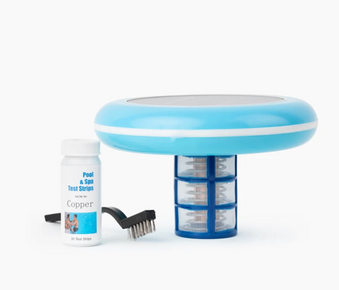
Knowing what to look for in a pool cleaning service helps homeowners make confident, informed decisions especially when maintaining systems like a solar pool ionizer. This guide explains the key factors to consider when selecting the right pool cleaning service to support your pool’s needs and ensure your solar pool ionizer operates efficiently.
A professional service not only maintains the aesthetic appeal of your pool but also preserves its structural integrity and equipment lifespan, ensuring your swimming area remains a refreshing retreat rather than a maintenance burden.
Table of Contents
- Understand Your Pool Cleaning Needs
- Check Experience and Professional Credentials
- Compare Services and Maintenance Plans
- Ask About Equipment, Chemicals, and Cleaning Methods
- Evaluate Reliability, Communication, and Reviews
- Understand Pricing and Service Agreements
- Final Thoughts: Making the Right Choice for Your Pool
1. Understand Your Pool Cleaning Needs
Before choosing a pool cleaning service, it's important to identify what your pool actually requires. A thorough assessment of your specific situation ensures you select a service that provides exactly what you need, avoiding both inadequate maintenance and unnecessary expenses. This foundational step transforms modern pool care practices from a generic service into a customized solution tailored to your pool's unique characteristics, usage patterns, and environmental factors.
The Essential Assessment: Four Key Areas to Evaluate
Begin your needs assessment by examining these four critical aspects of your pool and property. First, measure your pool's exact dimensions and note its construction type concrete, vinyl, fiberglass, or gunite as each material requires different cleaning approaches and chemical treatments. Second, document your pool's equipment configuration, including the filtration system type, pump specifications, and any additional features like waterfalls, spas, or automatic covers. Third, analyze your property's environmental factors, particularly noting overhanging trees, nearby vegetation, and prevailing wind patterns that affect debris accumulation. Fourth, track your household's usage patterns, including how many people use the pool regularly, peak swimming times, and whether you entertain frequently with larger groups. This comprehensive evaluation provides the data needed to match your specific requirements with appropriate service providers.
Step-by-Step Needs Identification Process
Follow this systematic approach to accurately determine your pool's maintenance requirements. Start by creating a pool inventory that lists every component of your system. Measure your pool's length, width, and depth to calculate total gallonage, which affects chemical dosing and service time. Record your equipment's make, model, and age, as older systems often require more attentive care. Next, conduct a weekly debris assessment by placing a small net in the same spot each day and documenting what collects. This quantifies your debris load and helps determine optimal cleaning frequency. Then, analyze your chemical consumption patterns over the past month, noting which chemicals you use most frequently and how quickly they deplete. Finally, track your time investment by recording how many hours you currently spend on pool maintenance weekly, including cleaning, testing, and equipment checks. This process transforms subjective impressions into concrete data that clearly defines your service needs.
Four Critical Factors That Determine Service Requirements
Focus on these specific factors that directly influence what level of service your pool requires. Pool size and type dramatically affect maintenance needs larger pools require more service time, while specific materials like plaster demand different brushing techniques than vinyl or fiberglass. Usage patterns significantly impact chemical balance and pool filtration system demands frequent use or large gatherings increase chlorine consumption and debris introduction. Environmental conditions create varying challenges pools surrounded by trees need more frequent skimming and filter cleaning, while those in windy areas collect more airborne debris. Equipment complexity adds specialized requirements saltwater systems, heaters, ionizers, and automation systems all require specific knowledge and attention that not all services provide equally. By carefully evaluating each of these factors, you create a detailed needs profile that guides your service selection.
- Pool size, type, and surface material determine cleaning methods and chemical requirements
- Frequency of cleaning needed depends on usage patterns and environmental debris
- Presence of trees, debris, or heavy pool usage increases maintenance demands
- Additional equipment such as heaters, salt systems, or ionizers requires specialized knowledge
- Water features like waterfalls or spas add complexity to maintenance routines
- Local climate and seasonal changes affect cleaning schedules and chemical treatments
- Pool age and equipment condition influence repair and monitoring needs
- Family schedule and usage preferences determine optimal service timing
How to Match Your Needs with Service Offerings
Once you've identified your specific requirements, use this information to evaluate potential services effectively. Create a checklist that compares your needs against each provider's offerings. For basic maintenance needs, look for services offering weekly skimming, vacuuming, and chemical balancing. If you have specialized equipment like salt chlorine generators or UV systems, verify technicians have specific training and experience with these technologies. For high-debris environments, ensure the service includes frequent filter cleaning and offers additional visits during peak shedding seasons. If you entertain frequently, consider services that provide pre-event chemical adjustments and post-event cleaning. For pools with complex water features, confirm the service understands proper pump configurations and water flow requirements. This matching process ensures you pay only for what you actually need while receiving comprehensive care for your pool's specific challenges.
Common Service Level Options and What They Include
Pool cleaning services typically offer tiered packages based on maintenance intensity. Basic weekly service generally includes skimming, vacuuming, brushing, basic chemical testing, and basket emptying. Enhanced service adds comprehensive water testing, equipment inspections, filter maintenance, and detailed reporting. Premium service often includes equipment maintenance, seasonal opening/closing, emergency call availability, and proactive problem prevention. Specialized services focus on particular systems like saltwater conversion, heater maintenance, or automation system programming. Understanding these options helps you select the right level of service without overpaying for unnecessary extras or underestimating your actual needs.
Understanding your needs helps you select a service that offers the right level of care without overpaying for unnecessary extras while ensuring all critical maintenance aspects receive proper attention.

2. Check Experience and Professional Credentials
A reputable pool cleaning service should have proven experience and proper training. Experience ensures technicians can handle unexpected problems and complex equipment, while credentials demonstrate formal knowledge of industry standards, safety protocols, and chemical handling. This combination separates truly professional services from amateurs who might inadvertently damage your pool equipment or create unsafe swimming conditions.
- Years of experience servicing residential or commercial pools
- Trained and certified technicians with industry-recognized qualifications
- Knowledge of different pool systems and water treatments
- Proper licensing and insurance coverage for liability protection
- Specialized expertise in specific equipment brands and technologies
- Continuous education and training in latest industry developments
Why Experience and Credentials Matter for Your Pool
Experienced professionals are more likely to identify issues early and maintain proper water balance because they've seen similar situations before and understand how to prevent small problems from becoming major repairs. A certified technician recognizes the subtle signs of pump failure, filter inefficiency, or chemical imbalance that inexperienced providers might miss. Proper credentials ensure technicians follow established safety protocols for chemical handling, electrical work, and equipment operation, protecting both your family and your pool investment.
- Experienced technicians recognize early warning signs of equipment failure
- Certified professionals understand complex water chemistry interactions
- Proper training ensures safe chemical handling and mixing procedures
- Industry credentials demonstrate commitment to quality and safety standards
- Experience with various pool types ensures appropriate cleaning methods
- Knowledge of local regulations and codes prevents compliance issues
How to Verify Experience and Credentials Effectively
When evaluating pool cleaning services, ask specific questions about their background and qualifications. Request details about how long they've been in business and whether they specialize in residential pools like yours. Ask for documentation of business licenses, insurance coverage, and technician certifications. Inquire about their training programs for new technicians and ongoing education for experienced staff. Check if they hold manufacturer-specific certifications for equipment brands like Hayward, Pentair, or Jandy, which indicates specialized knowledge for your particular setup.
- Ask for business license numbers and verify with local authorities
- Request proof of liability insurance and workers' compensation coverage
- Check for industry certifications like Certified Pool Operator (CPO)
- Inquire about manufacturer-specific training and certifications
- Ask how many years the company has served your specific area
- Request references from clients with similar pool types and equipment
Key Credentials to Look For in Pool Professionals
Several industry certifications indicate proper training and knowledge. The Certified Pool Operator (CPO) certification from the National Swimming Pool Foundation is widely recognized and covers water chemistry, filtration, pool maintenance, and safety. The Aquatic Facility Operator (AFO) certification focuses on operational efficiency and risk management. Manufacturer-specific certifications demonstrate expertise with particular equipment brands. State or local business licenses show compliance with regional regulations. Proper insurance coverage, including general liability and workers' compensation, protects you from potential accidents or damages during service visits.
- Certified Pool Operator (CPO) certification for comprehensive knowledge
- Aquatic Facility Operator (AFO) certification for operational expertise
- Manufacturer certifications for specific equipment brands and models
- State and local business licenses demonstrating legal compliance
- Proof of insurance coverage for liability and worker protection
- Membership in professional organizations like the Association of Pool & Spa Professionals
Experience Indicators Beyond Years in Business
While years in business matter, also consider the depth and variety of experience. Ask how many pools similar to yours they currently maintain. Inquire about their experience with specific challenges like saltwater systems, automated controls, or unique water features. Request examples of complex problems they've solved, such as persistent algae issues, equipment malfunctions, or water chemistry imbalances. Check if they have experience with your pool's specific equipment brands and models, as familiarity leads to more efficient troubleshooting and maintenance.
- Number of pools currently serviced with similar characteristics to yours
- Experience with specific equipment brands and models in your pool
- Examples of complex maintenance challenges successfully resolved
- Knowledge of local water conditions and common regional problems
- Experience with seasonal maintenance and weather-related challenges
- Familiarity with pool automation systems and smart technology
The Connection Between Credentials and Service Quality
Credentials directly impact the quality of service you receive. Certified technicians follow standardized testing procedures for accurate water chemistry readings. Trained professionals understand proper chemical storage and handling to prevent accidents or equipment damage. Experienced services develop systematic approaches to maintenance that catch problems early. Companies with proper credentials typically invest in better equipment, training, and customer service, resulting in more reliable and effective pool care.

3. Compare Services and Maintenance Plans
Pool cleaning solutions often offer different packages depending on the level of maintenance required. Understanding these variations helps you select the right plan that provides comprehensive care without paying for unnecessary services. A well-chosen maintenance plan ensures consistent water quality, extends equipment lifespan, and maintains your pool's aesthetic appeal throughout the swimming season.
- Skimming, brushing, and vacuuming to remove debris and prevent algae
- Water testing and chemical balancing for optimal sanitation and comfort
- Filter and pump inspections to ensure proper system operation
- Seasonal opening and closing services for year-round protection
- Equipment cleaning and maintenance for extended longevity
- Emergency repair services and priority scheduling
- Water feature maintenance for fountains, waterfalls, and spas
- Automatic pool cleaner monitoring and adjustment
Understanding Different Service Tiers and What They Include
Most pool services offer tiered plans ranging from basic maintenance to comprehensive care packages. Basic plans typically include weekly skimming, vacuuming, and basic chemical testing. Intermediate plans add detailed water chemistry analysis, equipment inspections, and filter maintenance. Premium plans often include equipment repairs, seasonal services, and priority emergency response. Understanding these tiers helps you match your pool's specific needs with appropriate service levels.
- Basic plans cover essential weekly cleaning and chemical maintenance
- Intermediate plans include equipment checks and detailed water analysis
- Premium plans offer comprehensive care with repair services included
- Custom plans can be tailored to specific pool features or challenges
- Seasonal plans adjust service frequency based on pool usage patterns
- Specialized plans for saltwater systems, heated pools, or automated systems
How to Evaluate Service Packages for Your Specific Needs
When comparing maintenance plans, consider your pool's unique requirements and your personal preferences for involvement. Evaluate each plan's frequency of service visits, comprehensiveness of chemical testing, inclusion of equipment maintenance, and availability of emergency services. Consider whether the service handles chemical purchases or if you need to supply them separately. Check if the plan includes seasonal transitions like opening and closing services, which are crucial for year-round pool health.
- Match service frequency to your pool's debris load and usage patterns
- Ensure chemical testing covers all essential parameters for your pool type
- Verify equipment maintenance includes your specific pump, filter, and heater models
- Check if emergency services are included or available at additional cost
- Confirm who supplies and pays for chemicals and replacement parts
- Ask about seasonal services and how they're integrated into the plan
Key Service Components to Look for in Any Maintenance Plan
Certain services should be included in any quality maintenance plan regardless of tier. Comprehensive water testing should cover chlorine, pH, alkalinity, calcium hardness, and cyanuric acid levels. Proper skimming and vacuuming techniques should address your pool's specific debris challenges. Equipment inspection should include pumps, filters, heaters, and automation systems. Chemical balancing should consider your local water conditions and pool usage patterns.
- Comprehensive water testing covering all essential chemical parameters
- Proper debris removal techniques for your pool's specific environment
- Thorough equipment inspections and basic maintenance procedures
- Appropriate chemical balancing based on water test results
- Filter maintenance and cleaning according to manufacturer guidelines
- Surface brushing to prevent algae and scale buildup
Specialized Services for Unique Pool Features and Systems
If your pool includes special features or systems, ensure the maintenance plan addresses these appropriately. Saltwater chlorine generators require specific cell cleaning and monitoring. Heated pools need different chemical balance considerations. Automated systems require programming knowledge and sensor calibration. Water features like waterfalls or fountains need pump maintenance and scale prevention. Spa combinations require separate chemical balancing and pool return jets maintenance.
- Salt cell inspection and cleaning for saltwater pool systems
- Heater maintenance and efficiency checks for heated pools
- Automation system programming and sensor calibration
- Water feature pump maintenance and scale prevention
- Spa chemical balancing and jet maintenance for pool-spa combinations
- Specialized cleaning for unique surfaces like glass tile or pebble finishes
Seasonal Considerations in Maintenance Planning
Your maintenance needs change with seasons, and a good service plan should accommodate these variations. Summer months typically require more frequent visits due to higher usage and warmer temperatures. Spring opening services should include thorough cleaning, equipment startup, and water balancing. Fall requires increased debris management as leaves drop and usage decreases. Winter service, even in warmer climates, should address different chemical needs and equipment protection.
- Increased service frequency during peak summer swimming season
- Comprehensive spring opening services including equipment startup
- Enhanced debris management during fall leaf season
- Winter maintenance plans for year-round pool operation
- Seasonal chemical adjustments for changing temperature conditions
- Weather-related service adjustments for storms or extreme conditions
By investing time upfront to thoroughly compare service offerings and select a comprehensive maintenance plan tailored to your pool's specific needs, you establish a foundation for effortless pool ownership. This strategic decision not only safeguards your financial investment in pool equipment and surfaces but also ensures that every swim is enjoyed in perfectly balanced, crystal-clear water, free from the worries of unexpected breakdowns or chemical imbalances.

4. Ask About Equipment, Chemicals, and Cleaning Methods
Not all pool cleaning services use the same products or methods. The specific chemicals, equipment brands, and cleaning techniques employed by a service provider directly impact and improve pool water quality, equipment longevity, and overall environmental footprint. Understanding these details ensures you select a service aligned with your priorities for effectiveness, safety, and sustainability.
- What chemicals or water-care systems are used for sanitation and balancing?
- Are eco-friendly or low-chemical options available for sensitive swimmers?
- How is equipment inspected and maintained during regular service visits?
- What brands of tools and testing equipment are standard for the service?
- Are the cleaning methods appropriate for your pool's specific surface material?
- How does the service handle waste water and used chemical containers?
The Importance of Chemical Selection and Application
The specific chemicals a service uses can significantly affect your pool's ecosystem. Some companies rely on traditional chlorine tablets and shock treatments, while others may incorporate modern alternatives like saltwater systems, mineral purifiers, or advanced oxidation processes. The quality and concentration of chemicals also vary professional-grade products often differ from retail versions in stability and purity. Understanding their chemical strategy is crucial for managing swimmer comfort, preventing surface damage, and controlling long-term maintenance costs.
- Chemical choice affects swimmer comfort, especially for those with sensitive skin or allergies
- Professional-grade chemicals often provide more consistent results than consumer products
- The method of chemical application impacts effectiveness and equipment safety
- Some chemicals can accelerate wear on pool surfaces or equipment components
- Proper chemical storage and handling procedures prevent accidents and degradation
- Chemical residue management affects local drainage systems and environmental impact
Modern and Eco-Friendly Water Care Alternatives
Many pool owners now seek alternatives to traditional chemical-heavy maintenance. Services may offer options like ozone generators, UV sanitization, ionizers, or enzyme-based treatments that reduce chlorine dependency. These systems can provide effective sanitation with fewer chemicals, resulting in softer water, reduced odor, and less irritation. However, not all services are trained or equipped to properly maintain these alternative systems, making it essential to verify their specific experience and capabilities.
- Ozone and UV systems can reduce chlorine use by up to 90% in some configurations
- Mineral systems using copper and silver ions provide gentle, continuous sanitation
- Enzyme-based treatments break down organic waste without harsh chemicals
- Advanced oxidation processes combine multiple technologies for maximum effectiveness
- Saltwater chlorine generators offer automated chlorine production from salt
- Eco-friendly options may have different maintenance requirements and costs
Equipment Quality and Maintenance Practices
The tools and equipment a service uses reflect their professionalism and commitment to quality. High-quality testing equipment provides more accurate readings than basic test strips. Commercial-grade vacuums and brushes clean more effectively and last longer than consumer models. Well-maintained equipment performs better and reduces the risk of damage to your pool surfaces. Ask about their equipment maintenance schedule, replacement policies, and how they ensure their tools don't transfer contaminants between different pools.
- Digital testing equipment provides more accurate readings than traditional test strips
- Commercial-grade cleaning tools are more durable and effective than consumer versions
- Proper equipment sterilization prevents cross-contamination between client pools
- Regular equipment calibration ensures accurate chemical measurements and applications
- Specialized tools for different pool surfaces prevent scratches and damage
- Modern diagnostic equipment can identify problems before they become visible
Cleaning Methodology and Surface Protection
Different pool surfaces require specific cleaning approaches to avoid damage. Plaster surfaces need different brushing techniques than vinyl liners or fiberglass shells. Tile cleaning requires different tools than concrete or pebble surfaces. A professional service should adjust their methods based on your pool's construction materials, age, and condition. Their approach to filter cleaning, waterline scrubbing, and vacuuming your pool should reflect best practices for your specific pool type.
- Brushing techniques vary significantly between plaster, vinyl, and fiberglass pools
- Waterline cleaning methods should protect tile grout and prevent surface etching
- Vacuuming patterns and equipment settings affect cleaning effectiveness
- Filter cleaning procedures must follow manufacturer specifications to maintain warranty
- Surface-specific cleaning prevents premature wear and maintains appearance
- Proper drying and storage of cleaning equipment prevents mold and bacterial growth
Safety Protocols and Environmental Considerations
A responsible pool service follows strict safety protocols for chemical handling, equipment operation, and environmental protection. They should have clear procedures for chemical spills, proper ventilation during indoor pool maintenance, and safe disposal of waste materials. Their environmental practices might include water conservation techniques, proper chemical disposal, and use of biodegradable cleaning agents where appropriate.
- Chemical storage and transportation safety prevents accidents during transit
- Proper ventilation procedures protect technicians during indoor pool maintenance
- Spill containment and cleanup protocols minimize environmental impact
- Water conservation techniques during backwashing and cleaning processes
- Recycling and proper disposal of chemical containers and filter media
- Use of personal protective equipment ensures technician and client safety
Ultimately, the equipment, chemicals, and cleaning methods a service employs are not just operational details they form the core philosophy of how your pool will be maintained. By selecting a service that prioritizes modern, efficient, and responsible practices, you invest in more than just clean water; you ensure the long-term preservation of your pool's structural integrity, the enhancement of your swimming experience, and the protection of your local environment. This comprehensive approach to maintenance safeguards your significant investment while providing the peace of mind that comes from knowing your pool is cared for with expertise, precision, and genuine concern for quality and sustainability.

5. Evaluate Reliability, Communication, and Reviews
Reliability and clear communication are essential when trusting someone with your pool. These attributes form the foundation of a successful service relationship, ensuring not only that routine maintenance occurs consistently but also that any emerging issues are addressed promptly and transparently. A service that demonstrates strong reliability and communication protects your investment from neglect and provides peace of mind throughout your partnership.
- Consistent scheduling and punctuality for all service appointments
- Clear communication about issues, recommendations, and required actions
- Positive customer reviews and testimonials from verified clients
- Professional responsiveness to phone calls, emails, and service requests
- Transparent reporting of service activities and water chemistry results
- Proactive notification of potential problems before they escalate
Why Reliability Matters for Pool Maintenance
Reliability in pool service extends far beyond simply showing up on time. Consistent chemical balancing maximize pool water clarity fluctuations that can lead to algae blooms or equipment corrosion. Regular equipment inspections catch minor issues before they become major repairs. Predictable service patterns allow for proper planning of pool activities and usage. A reliable service establishes a maintenance rhythm that keeps your pool in optimal condition week after week, season after season.
- Consistent chemical application prevents water quality swings and algae development
- Regular equipment monitoring identifies wear patterns before failures occur
- Predictable service scheduling allows for better planning of pool activities
- Dependable seasonal transitions ensure proper opening and closing procedures
- Reliable emergency response prevents minor issues from becoming disasters
- Consistent record-keeping tracks your pool's history and maintenance patterns
Effective Communication Practices in Pool Service
Clear communication bridges the gap between technical expertise and homeowner understanding. A quality service provides detailed reports after each visit, explaining what was done, what chemicals were added, and what readings were observed. They proactively communicate about potential issues, recommended upgrades, or seasonal adjustments. Good communicators explain complex water chemistry in understandable terms and provide options rather than just prescriptions for maintenance decisions.
- Detailed service reports documenting all activities and measurements
- Clear explanations of water test results and their implications
- Proactive notifications about equipment nearing end-of-life or needing attention
- Educational guidance about proper pool operation between service visits
- Transparent discussion of repair options, costs, and urgency levels
- Multiple communication channels (phone, email, text) based on client preference
How to Interpret Reviews and Testimonials Effectively
Online reviews and testimonials provide valuable insights, but require careful interpretation. Look for patterns rather than isolated comments consistent mentions of specific strengths or weaknesses across multiple reviews carry more weight. Pay attention to how companies respond to negative feedback, as this reveals their commitment to customer satisfaction. Consider the recency of reviews, as companies can change over time. Look for reviews from clients with pool types and situations similar to yours for the most relevant insights.
- Patterns across multiple reviews indicate consistent performance traits
- Company responses to negative feedback reveal customer service philosophy
- Recent reviews reflect current operations and staff performance
- Detailed testimonials provide more insight than generic star ratings
- Reviews mentioning specific situations similar to yours offer relevant comparisons
- Verified purchase or service reviews typically carry more credibility
Asking for and Evaluating References
While online reviews are valuable, direct references from current clients provide deeper insights. When asking for references, request contacts with pools similar to yours in size, type, and equipment. Ask specific questions about their experience: How long have they used the service? Have there been any major issues, and how were they resolved? Is communication timely and clear? Would they recommend the service to a close friend or family member? References who provide detailed, balanced feedback often offer the most useful perspectives.
- Request references with pool configurations similar to your own
- Ask about length of service relationship and consistency over time
- Inquire how emergencies or unexpected issues were handled
- Question whether communication meets their needs and expectations
- Ask if they've recommended the service to others and why
- Request examples of proactive problem prevention by the service
Red Flags and Warning Signs to Watch For
Certain patterns in reviews, communication, or service behavior should raise concerns. Inconsistent scheduling, frequent technician changes, or unexplained price increases suggest operational problems. Poor communication, defensive responses to questions, or reluctance to provide references indicate potential service issues. Multiple reviews mentioning the same problems even if spread over time suggest systemic rather than isolated issues. Be particularly cautious of services that pressure for long-term contracts before establishing a track record with your pool.
- Frequent rescheduling or last-minute cancellations of service appointments
- High turnover of technicians assigned to your pool
- Unexplained or frequent price increases without service enhancements
- Defensive or evasive responses to reasonable questions or concerns
- Reluctance to provide references or detailed service documentation
- Pressure to sign long-term contracts before demonstrating consistent performance
Reading reviews and asking for references can provide valuable insight into a company's professionalism, but these assessments must be combined with your direct observations of their reliability and communication during the evaluation process to form a complete picture of their service quality.
The true measure of a pool service's value lies not just in their technical competence but in their unwavering commitment to reliability and transparent communication. These qualities transform a simple maintenance arrangement into a trusted partnership one where you can confidently enjoy your pool knowing that every aspect of its care is handled with consistency, clarity, and professional integrity, ensuring your aquatic retreat remains a source of pleasure rather than concern throughout every season.

6. Understand Pricing and Service Agreements
Transparent pricing helps avoid unexpected costs and establishes clear expectations between you and your service provider, especially when services such as shocking your pool are required. A comprehensive understanding of service fees, contract terms, and potential additional charges ensures your pool maintenance remains a predictable expense rather than a source of financial surprises, while also protecting your rights as a consumer and creating a fair framework for an ongoing service relationship.
- What is included in the base service fee and what constitutes additional charges
- How often services are performed and what happens during missed appointments
- Any additional charges for repairs, emergency visits, or special treatments
- Contract length, renewal terms, and cancellation policies and penalties
- Payment schedules, methods accepted, and late payment policies
- How price increases are communicated and implemented during the contract term
Breaking Down Service Fees and What They Cover
Service fees should be clearly itemized to show exactly what you're paying for. The base fee typically covers routine cleaning, basic chemical balancing, and standard equipment checks. Additional costs may apply for chemical purchases, filter media replacements, or repair parts. Some services include chemicals in their monthly fee, while others charge separately based on actual usage. Understanding this breakdown helps you compare services accurately and budget appropriately for seasonal fluctuations in chemical needs.
- Base fee covering routine cleaning, skimming, vacuuming, and brushing
- Chemical costs whether included, billed separately, or customer-supplied
- Filter maintenance including backwashing, cleaning, or media replacement
- Equipment inspection and basic adjustments during regular visits
- Water testing and analysis using professional-grade equipment
- Travel or service area charges if applicable to your location
Understanding Service Frequency and Scheduling Policies
Service frequency directly impacts both cost and pool health. Most residential pools require weekly service during swimming season, while bi-weekly or monthly plans may suffice during off-season periods. Clear policies should exist for missed appointments due to weather, pool access issues, or scheduling conflicts. Understand how the service handles make-up visits, schedule changes, and temporary service suspensions for vacations or extended absences.
- Standard service frequency (weekly, bi-weekly, monthly) for each season
- Policies for weather-related cancellations and rescheduling
- Procedures for accessing your property if you're not home
- How extended absences or vacation pauses are handled
- Scheduling flexibility for special events or unusual pool usage
- Notification procedures for schedule changes or technician substitutions
Additional Charges and Potential Hidden Costs
Beyond the base fee, various situations may trigger additional charges. Emergency visits outside regular hours typically carry premium rates. Equipment repairs, replacement parts, and specialized treatments for preventing pool algae or water problems are usually extra. Some services charge separately for opening and closing procedures, while others include them in annual contracts. Understanding these potential costs upfront helps you avoid surprises and budget appropriately for comprehensive pool care.
- Emergency service rates for after-hours or weekend calls
- Parts and materials costs for equipment repairs or replacements
- Special treatment charges for algae outbreaks, cloudiness, or staining
- Seasonal opening and closing service fees if not included
- Travel charges for locations outside standard service areas
- Disposal fees for old equipment, chemicals, or filter media
Contract Terms and Cancellation Policies
Service agreements establish the legal framework for your relationship with the provider. Typical contracts range from month-to-month arrangements to annual commitments. Key elements to review include auto-renewal clauses, price increase notification requirements, and cancellation terms. Understand any early termination fees, required notice periods, and whether you're responsible for paying for remaining contract months if you cancel early. Also check provisions for what happens if the service provider cannot fulfill their obligations.
- Contract duration and automatic renewal terms
- Required notice periods for cancellation or service changes
- Early termination fees and prorated refund policies
- Price increase notification requirements and frequency limits
- Service guarantee or satisfaction clauses
- Dispute resolution procedures and jurisdiction specifications
Payment Structures and Billing Practices
Payment terms vary among service providers, with options including monthly billing, seasonal packages, or pay-per-visit arrangements. Some companies require automatic payments or credit card on file, while others accept checks or online payments. Understand billing cycles, due dates, late payment fees, and any discounts offered for annual prepayment or referral programs. Clear billing statements should detail services performed, chemicals added, and any additional charges with explanations.
- Billing frequency (monthly, quarterly, seasonally)
- Accepted payment methods and any processing fees
- Due dates, grace periods, and late payment penalties
- Discounts for annual prepayment or multiple-service bundles
- Automatic payment requirements or options
- Detailed invoice requirements showing services and materials
Service Guarantees and Performance Standards
A reputable service should stand behind their work with clear guarantees. These may include water quality guarantees, responsiveness commitments for emergency situations, or satisfaction assurances. Understand what remedies are available if services don't meet agreed standards whether that's re-performing services, providing refunds, or other resolutions. Performance standards should specify response times for communications, maximum acceptable delay for scheduled visits, and procedures for addressing service complaints.
- Water quality guarantees for clarity and chemical balance
- Response time commitments for emergency situations
- Service satisfaction guarantees and resolution processes
- Equipment performance standards after servicing
- Communication response time expectations
- Procedures for escalating unresolved issues or complaints
A trustworthy pool cleaning service will provide clear agreements and explain pricing upfront, establishing a foundation of transparency and mutual understanding that supports a long-term, positive service relationship built on trust and clearly defined expectations.
Ultimately, thorough comprehension of pricing structures and service agreements represents more than just financial prudence it forms the foundation of a respectful and professional partnership. By demanding clarity in costs and terms, including how services such as water testing with pool test kits are handled, you protect your investment while fostering a relationship based on transparency and trust. This ensures your pool maintenance evolves from a simple transaction into a valued service that consistently delivers peace of mind and preserves the enjoyment of your aquatic sanctuary for years to come.

7. Final Thoughts: Making the Right Choice for Your Pool
Choosing the right pool cleaning service ensures your pool remains clean, safe, and enjoyable throughout the year. This decision represents more than just outsourcing maintenance tasks it's about forming a partnership with professionals who will protect your investment, enhance your swimming experience, and provide peace of mind that comes from knowing your pool is in capable hands.
Key takeaways:
- Identify your pool's specific maintenance needs
- Look for experience, reliability, and clear communication
- Choose a service that uses effective and responsible cleaning methods
- Understand pricing and service terms before signing
The journey to finding the perfect pool service requires thoughtful consideration of each factor outlined in this guide, from initial needs assessment to contract review. When you find a service that aligns with your values, understands your pool's unique requirements, and demonstrates consistent professionalism, you gain more than just crystal-clear pool water you gain time, freedom from maintenance worries, and the assurance that your pool will always be ready for enjoyment.
With the right pool cleaning service, you can enjoy a well-maintained pool without the stress of daily upkeep, transforming pool ownership from a burdensome responsibility into a continuous source of relaxation and pleasure for you, your family, and your guests.