How to Use a Solar Pool Ionizer After Shocking Your Pool

Page Top Background Banner
How to Use a Solar Pool Ionizer After Shocking Your Pool


You've made a smart investment in pool care by combining a solar pool ionizer with periodic shock treatments. One serves as a long-term, eco-friendly guardian, while the other acts as a powerful reset button. But using these tools together incorrectly can lead to wasted money, reduced efficiency, and even equipment damage.

The key to success lies in understanding the precise procedure for reintegrating your solar pool ionizer after shocking your pool. This process requires patience and specific knowledge. This definitive guide will walk you through exactly how and when to safely restore your ionizer's operation after shock treatment, ensuring both tools work in perfect harmony for a pristine, low-chemical swimming experience.

Table Of Contents

The Chemical Battle: Why Shock and Ionizers Don't Mix

To properly manage your pool maintenance, you must first understand the fundamental conflict between shock treatments and ionization. These two processes represent opposing chemical forces that should never operate simultaneously.

Understanding Shock's Role in Pool Sanitation

Pool shock is a massive dose of a powerful oxidizer. Its primary function is to "burn off" organic contaminants bacteria, swimmer waste, body oils, and combined chlorines (chloramines). This creates a highly reactive, aggressive chemical environment designed to break down unwanted substances quickly and thoroughly. The oxidative power of shock treatment is measured in oxidation-reduction potential (ORP), which typically reaches extremely high levels during the initial hours after application. This powerful oxidation is essential for breaking down stubborn contaminants that regular sanitation cannot handle, but it creates an environment that's hostile to other pool systems.

Understanding Your Ionizer's Role in Continuous Protection

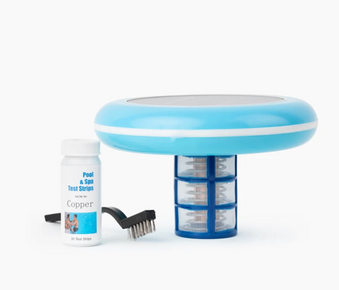
Your solar pool ionizer operates through a slow, controlled electrochemical process that releases copper and silver ions into your pool water. These ions provide continuous sanitation and algae prevention through two distinct mechanisms that work on a microscopic level:

Copper Ions - The Algae Elimination System: Copper ions function as a powerful algaecide by disrupting multiple cellular processes in algae organisms. They penetrate cell walls and interfere with photosynthetic pathways, essentially starving the algae of energy. Simultaneously, they bind to essential enzymes and proteins within the algae cells, disrupting metabolic functions and preventing reproduction. This dual-action approach makes copper ions exceptionally effective against all common types of pool algae, including stubborn black algae and mustard algae that often resist conventional treatments.

Silver Ions - The Bacterial Defense Network: Silver ions serve as a potent bactericide and virucide, attacking microorganisms at the cellular level. They bind to bacterial cell membranes and disrupt electron transport systems, effectively suffocating the cells. Silver ions also interfere with DNA replication and enzyme function, preventing microorganisms from multiplying and spreading. This broad-spectrum antimicrobial action provides continuous protection against waterborne pathogens without creating harmful disinfection byproducts.

The Fundamental Chemical Conflict Between Systems

The powerful oxidizing agents in shock treatment actively attack and destroy the delicate copper and silver ions your ionizer produces. When these forces meet, the shock effectively neutralizes your ionizer's output, rendering it useless during treatment and creating a corrosive environment that can potentially damage the ionizer's electrodes. Essentially, you're paying for ions that get immediately consumed by the shock treatment. The oxidative power of shock is so intense that it can actually reverse the ionization process, converting the beneficial metal ions back into their elemental forms or creating insoluble compounds that precipitate out of solution. This not only wastes the ions you've paid to generate but can also lead to staining and scaling issues in your pool.

The Essential Pre-Shock Ritual: Safeguarding Your Ionizer

This crucial step must be completed before you add any shock treatment to your pool. Following this protocol will protect your investment and ensure your ionizer's longevity. Proper pre-shock preparation is the foundation of maintaining both systems effectively and avoiding costly damage or reduced performance.

Complete Disconnection Procedure for Maximum Protection

Cease All System Operation: Begin by turning off your pool pump to prevent any highly concentrated shock water from flowing through the ionizer unit once added. This step is critical because even brief exposure to undiluted shock can cause significant damage to the ionizer's internal components. Allow the pump to run for a few minutes after turning it off to ensure all water has cleared from the system, preventing any residual shock concentration in the plumbing lines.

Physical Separation from Pool System: Carefully unscrew the garden hose connector that attaches your solar pool ionizer to the pool's return jet. Handle the connection gently to avoid kinking or damaging the hose, as any compromise in the connection can lead to leaks or reduced performance when the system is reinstalled. If the connection seems stuck, use gentle pressure and avoid tools that might strip the threads or crack the plastic components.

Thorough Cleaning and Rinsing Protocol: Rinse the disconnected ionizer thoroughly, focusing on the connector and unit exterior, with fresh water from a garden hose. This removes any residual pool water that might become super-chlorinated during shock treatment. Pay special attention to the electrode chamber and any visible mineral deposits, as these areas can trap concentrated chemicals that might accelerate corrosion during the shock treatment period. A soft brush can be used to gently remove any built-up scale or debris.

Proper Storage Conditions During Treatment: Place the ionizer in a shaded, dry location away from direct sunlight and moisture. Ensure it's positioned where it won't operate accidentally while disconnected from the pool system. Ideal storage conditions include a cool, ventilated area where the unit won't be exposed to extreme temperatures or physical damage. If possible, store the unit in its original packaging or a protective case to prevent dust accumulation and potential impact damage.

Only after completing these comprehensive preparation steps should you proceed with dissolving and adding your shock treatment to the pool, following all product safety instructions and manufacturer recommendations for proper application and circulation.

The Critical Waiting Period: Knowing When It's Safe to Return

Patience is the most vital component of this process. Reconnecting your ionizer prematurely is the most common and costly mistake pool owners make. Understanding the science behind the waiting period and the factors that influence it will help you make informed decisions about when it's truly safe to restore your ionizer to service.

The Determining Factor: Free Chlorine Levels

The single most important metric is your pool's Free Chlorine (FC) level. The general safety threshold for reconnection is when FC levels drop to 3.0 parts per million (ppm) or below. This threshold represents the point where chlorine's oxidative potential has diminished sufficiently to no longer pose a significant threat to the metal ions your ionizer produces. At this concentration, the chlorine is still effective for routine sanitation but has lost the aggressive oxidative power that characterizes shock treatment conditions.

Why 3.0 ppm Represents the Safety Threshold

At 3.0 ppm concentration, chlorine's oxidative power has diminished sufficiently that it won't aggressively attack metal ions. This level is also safe for swimming and won't compromise your ionizer's functionality or lifespan. The 3.0 ppm threshold represents a balance point where chlorine remains effective against common contaminants while no longer possessing the destructive power that can degrade ionizer performance and damage equipment. This concentration also aligns with most health department regulations for public pools, ensuring a safe swimming environment while protecting your equipment investment.

Comprehensive Timeframe Guidelines Based on Shock Type

Stabilized Chlorine (Dichlor/Trichlor): 24-48 hours: These chlorine sources contain cyanuric acid, which protects the chlorine from UV degradation but also slows its breakdown process. The extended waiting period accounts for the slower dissipation rate and ensures complete safety before ionizer reconnection.

Unstabilized Chlorine (Cal-Hypo): 12-24 hours: Without cyanuric acid protection, these chlorine sources break down more rapidly under sunlight, resulting in a shorter waiting period. However, they can increase calcium hardness over time, which may require additional water balance monitoring.

Non-Chlorine Shock (Potassium Monopersulfate/MPS): 15-60 minutes after circulation: This oxidizer doesn't add chlorine to your pool, making it the ideal choice for ionizer owners. MPS works through oxidation without creating the chemical conflict that characterizes chlorine-based shocks, allowing for much faster system restoration.

Key Variables That Significantly Affect Wait Time

Sunlight Exposure and Intensity: Direct, strong sunlight accelerates chlorine breakdown through photochemical reactions. A pool in full sun may reach safe levels in half the time of a shaded pool. The angle of sunlight, time of year, and geographic location all influence this breakdown rate.

Pool Temperature and Water Volume: Warmer water speeds chemical reactions and chlorine dissipation, while larger bodies of water may take longer to normalize. Each 10°F increase in temperature can double chemical reaction rates, significantly affecting waiting periods.

Recent Bather Load and Organic Content: Recent swimming activity can increase chlorine demand as the oxidizer works to eliminate introduced contaminants. Higher bather loads typically extend the waiting period as chlorine consumes organic materials before dissipating.

Filtration System Efficiency and Circulation: Well-maintained filters and proper circulation distribute chemicals evenly and remove oxidized particles, potentially reducing waiting times. Poor circulation can create chemical pockets that maintain high chlorine concentrations in specific areas.

The Reactivation Protocol: Restoring Your Pool's Ionic Shield

Once chemical levels have stabilized, restoring your ionizer to service is straightforward but requires meticulous attention to detail and systematic execution. Following a comprehensive reactivation protocol ensures optimal performance, prevents potential issues that might arise from improper reconnection or timing errors, and guarantees that your investment in pool sanitation technology delivers maximum returns. This critical phase represents the bridge between intensive shock treatment and returning to the gentle, continuous protection of ionization technology.

Comprehensive Verification Before Reconnection:

Before even considering reconnecting your solar ionizer, you must conduct a thorough verification process to ensure both equipment safety and optimal performance conditions. Rushing this phase represents the single most common error pool owners make when reintegrating their ionization systems.

Thorough Circulation and Distribution Check:

Extended Circulation Protocol: Ensure your pool pump has run continuously for at least 4-6 hours to distribute the shock treatment evenly throughout the entire pool volume and ensure accurate water testing. For larger pools (over 20,000 gallons) or pools with complex shapes and dead spots, extend this circulation period to 8 hours minimum. Proper circulation eliminates chemical hotspots that might give false readings and ensures uniform water chemistry from the shallow end to the deep end, and across all pool surfaces.

Return Jet Alignment and Flow Optimization: Verify that all return jets are properly aligned to create effective circular flow patterns that reach every area of the pool. The ideal circulation pattern creates a gentle but consistent clockwise or counterclockwise current that ensures all water passes through the filtration system multiple times daily. Check for areas of poor circulation typically behind ladders, in corners, or near steps by observing debris movement or using pool dye to visualize flow patterns. Adjustable return jets should be positioned at a 45-degree angle downward and toward the pool's perimeter to create optimal surface skimming and bottom circulation simultaneously.

Filtration System Performance Verification: Confirm that your filter is operating at peak efficiency by checking pressure gauges and ensuring proper flow rates. A clean, well-functioning filter is essential for removing the oxidized particles created during shock treatment, which might otherwise interfere with ion distribution and effectiveness. If filter pressure has risen more than 10 psi above the clean pressure reading, perform a backwash or cleaning before proceeding with ionizer reconnection to ensure optimal water clarity and chemical distribution.

Reliable Water Testing Methodology:

Multi-Point Sampling Technique: Use a quality liquid test kit or fresh test strips to confirm Free Chlorine levels are at or below 3.0 ppm, but don't stop there. For the most accurate results, collect water samples from multiple strategic locations around the pool, including:

  • Deep End Sampling: Take samples 18 inches below the surface in the deepest part of the pool, away from return jets and skimmers
  • Shallow End Verification: Sample near steps or lounging areas where bather load is typically highest
  • Problem Area Monitoring: Test water from known circulation dead spots or areas that historically develop issues
  • Surface Water Check:

Advanced Testing Equipment Considerations: Consider using a digital photometer for professional-grade accuracy, especially if you've experienced issues with test strip reliability in the past. Digital testers provide precise numerical readings unaffected by subjective color interpretation and can detect subtle variations that might indicate incomplete shock treatment dissipation. For the most comprehensive assessment, test for combined chlorines (chloramines) to ensure these irritating compounds have been fully oxidized, as their presence indicates the shock treatment may not have completed its work.

Documentation and Trend Analysis: Record all test results with timestamps and conditions (time of day, weather, recent pool use) to establish baseline data and identify patterns. This historical data becomes invaluable for troubleshooting future issues and optimizing your maintenance schedule based on actual pool performance rather than generic guidelines.

Comprehensive Parameter Verification:

pH Balance Critical Assessment: Check that pH levels are maintained between 7.2 and 7.6 to optimize ionizer performance and prevent potential issues. The pH level dramatically affects both chlorine effectiveness and copper ion stability. At pH levels above 7.6, copper ions become less effective and more likely to precipitate out of solution, potentially causing staining. Below 7.2, the water becomes increasingly corrosive and can damage pool surfaces and equipment while also reducing bather comfort.

Total Alkalinity Foundation Check: Verify alkalinity is maintained between 80-120 ppm to provide proper pH stability and buffer capacity. Proper alkalinity acts as a shock absorber for pH fluctuations, preventing rapid swings that can stress both your chemical balance and equipment. Low alkalinity leads to pH bounce (rapid fluctuations), while high alkalinity makes pH adjustments difficult and can contribute to cloudiness and scaling.

Calcium Hardness Verification: Confirm calcium hardness levels are appropriate for your pool surface type (200-400 ppm for vinyl, 200-500 ppm for fiberglass, 250-650 ppm for plaster). Improper calcium levels can lead to either scaling (high hardness) or corrosive water conditions (low hardness), both of which can affect ionizer performance and equipment longevity.

Stabilizer (Cyanuric Acid) Level Assessment: Check that stabilizer levels are maintained between 30-50 ppm for outdoor pools. Proper stabilizer levels protect chlorine from UV degradation, reducing chemical consumption and maintaining more consistent sanitation levels. However, levels above 100 ppm can significantly reduce chlorine effectiveness, potentially requiring more frequent shocking and complicating your ionizer maintenance schedule.

Total Dissolved Solids (TDS) Monitoring: Periodically test TDS levels, as high concentrations (above 1500 ppm over fill water TDS) can reduce chemical effectiveness, contribute to cloudiness, and may indicate the need for partial water replacement. High TDS can also affect ion mobility and distribution in the water column.

Systematic Restoration Procedure:

The physical reconnection process requires careful execution to ensure both immediate functionality and long-term reliability. Each step in this procedure contributes to optimal system performance and equipment protection.

Secure Reconnection Process:

Thread Preparation and Sealing: Before reconnecting, inspect the threads on both the return jet fitting and the ionizer connection for damage, corrosion, or debris. Clean threads with a soft brush if necessary to ensure proper engagement. If you previously used Teflon tape, completely remove the old tape and replace it with fresh, high-quality PTFE tape. Apply the tape in a clockwise direction (when looking at the end of the fitting), using 3-4 overlapping layers that cover all threads but don't extend beyond the fitting end.

Precision Connection Technique: Screw the ionizer's garden hose fitting back onto the return jet, hand-tightening firmly without over-tightening. Follow the "snug plus quarter-turn" rule make the connection hand-tight, then add approximately a quarter-turn with moderate pressure. Avoid using tools unless absolutely necessary, and if tools are required, use only adjustable wrenches with jaw protectors to prevent damaging plastic components. Check for proper alignment and ensure the connection is secure but not stressed, as overtightening can crack fittings or distort seals, leading to future leaks.

Initial Leak Testing Protocol: After connection but before full system restoration, briefly turn on the pump and visually inspect the connection for any drips or seepage. Pay particular attention to the tape-to-fitting interface and any union points. If any leakage is detected, immediately shut off the pump, disconnect, and redo the sealing process. A small leak that seems insignificant can waste hundreds of gallons of water over a swimming season and may indicate improper installation that could fail completely under pressure.

Optimal Solar Panel Placement:

Solar Orientation Optimization: Position the solar panel in its maximum sun exposure location on the pool deck. For pool owners in the northern hemisphere, ensure the panel faces true south (not magnetic south) for optimal sun capture throughout the day. The ideal orientation varies slightly by geographic location use a compass or smartphone app to determine true south for your specific coordinates. In the southern hemisphere, the panel should face true north with similar precision.

Angular Positioning for Seasonal Performance: Adjust the panel angle to maximize sunlight absorption during peak swimming season hours. The optimal angle typically equals your latitude for year-round performance, but for seasonal use, subtract 15 degrees from your latitude for summer optimization. For example, at 40 degrees latitude, a 25-degree tilt provides ideal summer performance. Use adjustable mounting brackets or simple props to achieve the precise angle, ensuring the panel isn't lying completely flat unless your specific model recommends this orientation.

Environmental Clearance and Maintenance Access: Clear any debris, overhanging vegetation, or shading objects that might reduce solar efficiency. Maintain a clearance of at least 3 feet from trees or structures that might cast shadows during peak sun hours (10 AM to 4 PM). Ensure the panel location allows for easy access for periodic cleaning dust, pollen, and bird droppings can significantly reduce solar efficiency. Position the panel where it won't be frequently walked on or disturbed by pool activities, but remains visible for routine performance monitoring.

Microclimate Considerations: Be aware of local microclimates that might affect performance. Pools in urban areas might experience reflected heat from buildings, while rural pools might deal with different dust or agricultural particles. Coastal pools require consideration of salt spray accumulation. Position your panel to maximize exposure while minimizing these local environmental factors that could reduce efficiency or accelerate wear.

Operational Confirmation and Performance Verification:

Initial Activation and Bubble Observation: Once sunlight hits the panel, the ionizer will automatically resume operation. Within 5-15 minutes of adequate sunlight exposure, look for the telltale tiny bubbles fizzing from the return jet this indicates proper ion production and system activation. The bubble pattern should be consistent and fine, resembling carbonation in a soft drink. Irregular bubbling, large bubbles, or no bubbles at all may indicate issues with the electrode, mineral cartridge, or water flow.

Extended Operational Monitoring: Monitor the unit for several hours to ensure consistent operation under varying sunlight conditions. Observe performance during direct sun, partial cloud cover, and any shading events to understand how your specific installation responds to changing conditions. Note any fluctuations in bubble production or unusual sounds that might indicate issues. Consistent performance across varying light conditions indicates a well-functioning system with proper solar panel capacity.

Flow Rate and Resistance Verification: Check water flow from the return jet to verify the ionizer isn't creating excessive resistance in the return line. Compare flow rate with and without the ionizer connected there should be a minimal difference. Significant flow reduction indicates potential clogging or design incompatibility with your specific plumbing configuration. Also check adjacent return jets (if present) to ensure the ionizer hasn't created an imbalance in your system's flow distribution.

Comprehensive Documentation Protocol: Document the reactivation date, time, weather conditions, initial observations, and any unusual occurrences for future reference and maintenance tracking. Create a dedicated log for your ionizer that includes:

  • Installation and reactivation dates
  • Cartridge replacement history
  • Performance observations and issues
  • Water chemistry trends relative to ionizer operation
  • Maintenance activities and part replacements

This documentation becomes invaluable for troubleshooting, warranty claims, and optimizing your maintenance schedule based on actual performance data rather than generalized recommendations.

System Integration and Performance Optimization

Your pool maintenance system has now returned to its ideal state: the shock treatment has handled the organic contaminant load, and the ionizer has resumed its role as long-term sanitizer and algaecide. The combined systems now work in harmony, with each performing its specialized function without interfering with the other's operation. This integrated approach represents the pinnacle of modern pool care leveraging the strengths of different technologies to create a maintenance system that's greater than the sum of its parts.

The Reestablished Ionic Balance: Over the next 24-48 hours, your ionizer will gradually rebuild the protective ionic shield throughout your pool water. During this period, you may notice further improvements in water clarity and sparkle as the copper and silver ions distribute evenly and begin their continuous sanitation work. This gradual rebuilding process is normal and preferable to immediate results, as it indicates proper, controlled ion release rather than rapid depletion of your mineral cartridge.

Chemical Synergy in Action: With your ionizer restored to service, you'll notice reduced chlorine demand, improved water feel, and elimination of the chlorine odor that often accompanies traditional sanitation methods. The ionizer now handles the background sanitation and algae prevention, allowing you to maintain chlorine at the minimum effective level rather than constantly battling to keep ahead of contamination. This reduced chemical load translates to cost savings, improved swimmer comfort, and less environmental impact.

Long-Term Performance Monitoring: Over the following week, continue to monitor both your ionizer's performance and your overall water chemistry. Pay particular attention to chlorine consumption patterns a significant reduction indicates the ionizer is functioning properly. Also watch for any signs of algae, especially in known problem areas, as this might indicate the need for cartridge replacement or performance adjustment. Regular monitoring during this reestablishment period ensures any issues are identified and addressed before they affect water quality or require another shock treatment cycle.

By following this comprehensive reactivation protocol with attention to each detailed step, you ensure that your investment in pool ionization technology delivers maximum performance, longevity, and value. The careful, systematic approach to reintegration protects your equipment, optimizes performance, and establishes the foundation for trouble-free pool ownership through the balanced synergy of shock treatment and continuous ionization.

Troubleshooting a Mistake: What If You Shocked with the Ionizer On?

If you've accidentally shocked your pool with the ionizer still connected, take these immediate steps to mitigate potential damage. While this situation isn't ideal, prompt and proper response can often minimize long-term consequences and restore your system to proper functioning.

Comprehensive Damage Control Protocol

Immediate Disconnection and System Isolation: Turn off the pump and unscrew the ionizer from the return jet without delay. The sooner you separate the systems, the less damage will occur. If possible, note the exact time the shock was added and when you discovered the error, as this information will help assess potential damage severity and guide your recovery strategy.

Systematic Component Inspection: Conduct a thorough examination of all ionizer components, paying special attention to:

Metal Connector Assessment: Examine for signs of corrosion, pitting, or discoloration that might indicate chemical damage. Use a magnifying glass if necessary to identify early-stage corrosion that might not be visible to the naked eye.

Ionizer Body Evaluation: Check for whitish, chalky deposits, discoloration, or surface irregularities that suggest chemical reaction damage. Pay special attention to seams and connection points where corrosive materials might accumulate.

Electrode Chamber Inspection: If accessible, examine the mineral cartridge and electrode surfaces for unusual wear, discoloration, or deposits that might indicate accelerated degradation from the chemical conflict.

Comprehensive Cleaning and Decontamination: Rinse the entire unit with fresh water, paying special attention to the connector and internal components if accessible. For more thorough cleaning, consider using a diluted vinegar solution (1 part vinegar to 4 parts water) to dissolve any mineral deposits, followed by a thorough fresh water rinse to remove all cleaning residue.

Extended Recovery and Monitoring Period

Extended Waiting Period with Enhanced Testing: Allow additional time for chlorine levels to normalize, as the conflict between shock and ions may have prolonged the oxidative environment. Conduct tests every 2-4 hours during the recovery period rather than the standard testing interval, and document the chlorine dissipation rate to establish baseline data for future reference.

Comprehensive Performance Monitoring: After reconnection, closely monitor your pool for algae growth or reduced water clarity over the following week. Pay attention to these specific indicators:

Algae Development Patterns: Watch for early signs of algae formation, particularly in shaded areas or circulation dead spots where the ionizer might be struggling to maintain proper ion distribution.

Water Clarity Metrics: Document water clarity daily using consistent observation conditions (same time of day, same lighting conditions) to identify subtle changes that might indicate reduced ionizer effectiveness.

Chemical Consumption Patterns: Track chlorine usage and pH stability, as changes in these patterns might indicate that the ionizer is no longer providing its normal level of supplemental sanitation.

If performance seems compromised after the monitoring period, the mineral cartridge may require early replacement. Consider conducting a professional water analysis to measure actual copper and silver ion concentrations, which can provide definitive evidence of whether the ionizer is functioning at its intended capacity.

Beyond the Basics: Advanced Tips for a Harmonious Pool Ecosystem

Transform your pool maintenance from a chemical battle into a synchronized ecosystem with these professional strategies. Advanced techniques can optimize both systems' performance while reducing overall maintenance time and chemical consumption.

Strategic Shock Selection and Application Methods

Prioritize Non-Chlorine Shock for Routine Maintenance: Potassium monopersulfate (MPS) should be your primary oxidizer for regular maintenance shocks. Its rapid dissipation (15-60 minutes) and non-chlorine formula make it ideal for ionizer systems. MPS works through oxidation without adding chlorine or other sanitizers that might conflict with your ionizer's operation. This compatibility allows for much faster system restoration and reduces the overall chemical load in your pool environment.

Reserve Chlorine Shock for Specific Circumstances: Use chlorine-based shocks only for severe contamination or algae blooms, understanding they require longer waiting periods. Chlorine shock remains the most effective treatment for serious water quality issues, but its aggressive nature means it should be deployed strategically rather than routinely. When chlorine shock is necessary, plan for the extended downtime and consider the impact on your overall maintenance schedule.

Optimized Shock Scheduling and Application Timing

Condition-Based Shock Application: Let specific conditions dictate timing rather than following a rigid calendar schedule. Develop a checklist of triggering events that indicate shock treatment is needed:

Heavy Usage Events: After pool parties, multiple consecutive days of heavy swimming, or periods of high bather load that introduce significant organic material.

Environmental Factors: Following heavy rainfall that dilutes chemical levels and introduces contaminants, or extended periods of hot weather that accelerate algae growth.

Visual Water Quality Indicators: When water appears dull or lacks sparkle despite normal chemical levels, or when combined chlorine levels exceed 0.5 ppm indicating chloramine buildup.

Strategic Evening Application Protocol: Apply shock in the evening to allow overnight work without UV interference, potentially reducing the waiting period. Evening application offers multiple advantages:

Extended Contact Time: Without UV degradation, the shock works more efficiently through the night, potentially requiring lower doses for the same results.

Temperature Stability: Cooler nighttime temperatures reduce chemical reaction rates slightly, allowing for more controlled oxidation without the aggressive reactions that can occur in hot sunlight.

Convenient Timing: Morning testing and potential ionizer reconnection align with normal maintenance routines rather than disrupting pool use during prime swimming hours.

Enhanced Monitoring and Documentation Practices

Regular Metal Ion Concentration Testing: Periodically test for copper and silver ions to ensure your ionizer maintains proper mineral levels. Ideal ranges are 0.2-0.4 ppm for copper and 0.005-0.01 ppm for silver. These tests provide direct feedback on ionizer performance and can alert you to potential issues before they affect water quality. Consider quarterly professional testing for the most accurate mineral level assessment.

Comprehensive Maintenance Logging System: Maintain detailed records of all pool maintenance activities, including:

Shock Treatment Documentation: Record shock type, amount used, application time, and water conditions before and after treatment.

Ionizer Performance Tracking: Document connection/disconnection times, observed performance indicators, and any maintenance or cartridge replacements.

Water Parameter Trends: Track chemical levels, temperature, and weather conditions to identify patterns and optimize your maintenance routine.

This data-driven approach allows you to refine your maintenance strategy based on actual performance rather than guesswork, potentially extending equipment life and reducing chemical costs.

Preventive Maintenance for System Longevity

Consistent Water Balance Management: Maintain proper pH and alkalinity to protect your ionizer and maximize shock treatment effectiveness. Imbalanced water not only reduces chemical efficiency but can also accelerate equipment wear and potentially void warranties. Implement a weekly water testing ritual that includes all critical parameters, and address imbalances promptly rather than waiting for problems to develop.

Regular Filtration System Maintenance: Ensure optimal filtration to reduce the frequency of required shock treatments. A clean, efficient filter removes contaminants before they accumulate to levels requiring oxidation. Develop a filter maintenance schedule based on pressure readings and flow observations rather than arbitrary time intervals, as filter loading varies significantly with pool usage and environmental conditions.

Final Thoughts: Mastering the Synergy for a Pristine Pool

The relationship between your solar pool ionizer and shock treatments isn't about choosing one over the other it's about mastering their synergy. When properly managed, these two systems create a maintenance rhythm that leverages the strengths of each approach while minimizing their individual limitations.

Your solar ionizer serves as the constant, gentle guardian a sustainable, cost-effective solution for day-to-day sanitation and algae prevention. It provides continuous protection without the chemical spikes, strong odors, or potential irritation associated with high chlorine levels. The ionizer's gradual, consistent approach to water sanitation creates a stable environment where water quality remains high with minimal intervention between shock treatments.

The shock treatment acts as your periodic powerhouse addressing accumulated contaminants and restoring water clarity when needed. It provides the intensive cleaning capability that even the best ionizer cannot match, handling the heavy lifting after contamination events or when water quality begins to decline despite normal maintenance. This powerful reset function ensures that your pool never reaches a point where problems become difficult or expensive to correct.

The true art of pool maintenance lies in recognizing that these tools are complementary partners rather than competitors. By respecting their different natures and following the proper protocols for their coexistence, you create an efficient, effective system that delivers crystal-clear water with reduced chemical reliance. This integrated approach represents the evolution of pool care from reactive chemical management to proactive water quality stewardship.

Remember that successful pool care combines knowledge, consistency, and patience. Understanding the "why" behind each step why we disconnect, why we wait, why we test transforms routine maintenance from a chore into a skilled practice. Your reward is a beautifully maintained pool that provides endless enjoyment with minimal chemical intervention, representing the perfect balance between power and preservation in your backyard oasis. This mastery of pool maintenance not only saves time and money but also creates a healthier, more enjoyable swimming environment for everyone who uses your pool.

Leave a comment

x

x