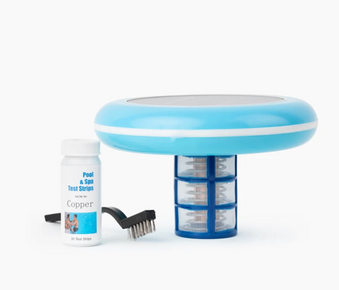
TL;DR: Using a solar pool ionizer effectively can transform pool care in 2026, delivering crystal-clear water with minimal chemicals. This complete guide explains how ionizers work, step-by-step installation, startup and copper level management, hybrid vs chemical-free operation, climate and seasonal adjustments, maintenance routines, troubleshooting, and best practices. Whether you want softer water, reduced chemical exposure, or lower long-term pool costs, this guide equips you with the knowledge to achieve optimal results.
SEO Summary:
Learn how to use a solar pool ionizer in 2026 for crystal-clear pool water. This complete guide covers ionizer basics, installation, startup, copper level monitoring, hybrid vs chemical-free operation, seasonal and climate adjustments, routine maintenance, troubleshooting, and step-by-step usage strategies. Includes real internal links to expert resources from Solar Pool Ionizers to provide practical insights for optimal performance and water quality.
Table of Contents
1. Solar Pool Ionizer Basics
Understanding the fundamentals of solar pool ionizers is essential for achieving crystal-clear water. A solar ionizer uses solar energy to release copper and silver ions that inhibit algae and bacterial growth. These devices reduce reliance on traditional chemicals like chlorine while maintaining sanitation.
What They Are
Solar pool ionizers are floating or submerged devices with solar panels that power copper and silver electrodes. These electrodes release ions into the water, providing continuous antimicrobial protection. Learn more from What Is a Solar Pool Ionizer?.
How They Work
Solar panels convert sunlight into low-voltage current, which triggers electrolysis in the electrodes. Copper ions prevent algae growth (0.2–0.6 ppm), and silver ions provide antibacterial action. The ions remain active for days, maintaining water clarity and reducing chemical dependency.
Benefits
- Reduces chlorine usage by 50–85%, lowering chemical costs and exposure.
- Softens water and minimizes odor, irritation, and harsh chemical effects.
- Operates entirely on solar power, requiring no electricity after installation.
- Provides stable water chemistry with lower maintenance than chlorine-only systems.
Limitations
- Does not instantly sanitize; copper buildup requires 2–3 weeks initially.
- Cannot oxidize organic contaminants; a secondary oxidizer is needed.
- Requires sufficient sunlight (6–8 hours/day) for optimal performance.
- Regular testing and electrode cleaning are necessary for best results.
2. Installation & Placement
Proper installation and placement are critical to maximize ionization effectiveness.
Sunlight Exposure
Ionizers require at least 6–8 hours of direct sunlight daily. Partial shade reduces copper output, while heavily shaded pools may need multiple units or alternative sanitation methods.
Pool Positioning
Floating ionizers should move freely. Avoid trapping the unit under covers, near steps, or behind pool features. Circulation ensures even ion distribution.
Multi-Unit Strategy
Large or irregular pools benefit from multiple units. Two or three units positioned strategically provide redundancy, better ion coverage, and compensates for shaded areas.
Pool Volume Considerations
Calculate your pool volume accurately to select the correct ionizer size:
- Rectangular:
Length × Width × Average Depth × 7.5(gallons) - Oval:
Length × Width × Average Depth × 5.9 - Irregular: divide into sections, calculate separately, then sum.
For example, a 20' × 40' rectangular pool, 5' average depth: 20 × 40 × 5 × 7.5 = 30,000 gallons. Choose an ionizer rated for at least this volume.
3. Startup & Copper Level Management
Once installed, your ionizer will require a startup period to build effective copper levels.
Initial Startup
Expect 2–3 weeks for copper levels to reach functional ranges. During this period, continue using existing sanitizer to prevent algae outbreaks.
Copper Level Targets
- Hybrid systems: 0.2–0.4 ppm
- Chemical-free systems: 0.4–0.6 ppm
Regularly test with reliable copper test strips, and adjust electrode output if necessary.
Example Adjustments
If copper is low: increase sunlight exposure, clean electrodes, or reposition ionizer. If copper is high: temporarily remove the ionizer or dilute pool water to prevent staining.
4. Hybrid vs Chemical-Free Operation
Your operation strategy depends on water quality goals and maintenance commitment.
Hybrid Systems
Combine the ionizer with minimal chlorine (0.5–1.5 ppm). The ionizer handles algae suppression, while chlorine provides oxidation and broad sanitation. Hybrid is ideal for beginners, families, and high-use pools.
Chemical-Free Systems
Use the ionizer with non-chlorine oxidizers (hydrogen peroxide, enzyme products). Offers the softest, most natural water, but requires frequent testing (2–3x per week) and diligent maintenance through Solar Pool Ionizers eco-friendly practices.
Choosing the Right System
Hybrid for beginners and low-maintenance users; chemical-free for experienced pool owners with time for active monitoring.
System Requirements
- Hybrid: ionizer sized for pool volume, minimal chlorine source, standard pH and copper test strips.
- Chemical-Free: ionizer (possibly oversized), oxidizers, copper strips 2–3x weekly, backup oxidizer for high-use periods.
5. Climate & Seasonal Adjustments
Climate and seasonality significantly affect ionizer performance.
Sunlight-Based Adjustments
Full sun (8+ hrs/day): standard ionizer, any system type. Partial sun (6–7 hrs/day): size up capacity, hybrid preferred. Heavy shade (<6 hrs/day): multiple units, hybrid with slightly higher chlorine, or alternative sanitation.
Climate Considerations
- Hot (>85°F): robust ionization required, test 3x weekly, maintain upper copper range.
- Moderate (70–85°F): standard maintenance, hybrid or chemical-free works.
- Cool (<70°F): lower algae pressure, reduced ionizer output acceptable, winterize unit.
Seasonal Maintenance
Adjust testing and electrode cleaning by season. Increase during peak summer; reduce during shoulder seasons. Remove and store ionizer in winter to prevent damage from freezing water.
6. Routine Maintenance
Regular maintenance ensures optimal performance and lifespan.
Electrode Cleaning
Every 4–6 weeks, more frequently in hard water or high-use pools. Prevents scale buildup and ensures effective ion release.
Testing & Logging
Monitor copper weekly (hybrid) or 2–3x weekly (chemical-free). Track readings in a log for trends.
Seasonal Checks
- Inspect casing, float rings, and baskets for debris or damage.
- Winter storage: clean and dry before storing indoors.
Additional Tips
Keep a quality pH test kit, reliable copper strips, and a maintenance log. Even minimal effort maintains peak performance and reduces potential issues.
7. Troubleshooting & Best Practices
Even well-managed ionizers can experience occasional issues. Understanding common problems helps maintain crystal-clear water.
Common Issues
- Cloudy water: insufficient oxidation; perform a shock treatment.
- Low copper: check sunlight exposure, clean electrodes, reposition ionizer.
- Stains: high copper + high pH; balance pH, dilute water, remove ionizer temporarily.
- Uneven ionization: improve water circulation, add additional units for coverage.
Best Practices
- Follow startup period guidelines (2–3 weeks for copper buildup).
- Test regularly and log results.
- Maintain electrodes and clean as scheduled.
- Adjust strategy seasonally and according to pool usage.
Final Thoughts
Using a solar pool ionizer correctly combines proper installation, startup, water chemistry management, hybrid or chemical-free strategies, seasonal adjustments, and routine maintenance. With disciplined use, you can achieve crystal-clear water with minimal chemicals, lower long-term costs, and a more pleasant swimming experience. Start your solar ionization journey now to enjoy the benefits of natural mineral sanitation.
Key Takeaways
- Direct sunlight exposure is essential for consistent ionization.
- Allow a 2–3 week startup period for copper to build.
- Hybrid systems reduce chemical usage while maintaining safety.
- Maintenance is regular but not intensive; clean electrodes and test copper.
- Adjust system based on climate, season, and pool usage.
- Troubleshoot with testing and adjustments rather than guesswork.
- Use multiple ionizers for large pools or shaded areas for even coverage.