Home pool owners are increasingly looking for ways to maintain clean, clear water without relying heavily on chlorine and other harsh chemicals. While traditional sanitation methods are effective, they often come with downsides such as skin irritation, strong odors, and ongoing chemical costs.
Many homeowners feel caught between wanting a sanitation pool system and avoiding the harsh effects of traditional chemicals. The search for a balanced solution has led to growing interest in alternative systems that can reduce chemical dependency while still keeping water safe and clear for swimming.
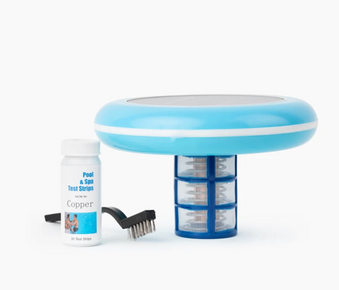
Solar pool ionizers offer an alternative approach by using natural mineral ions powered by sunlight to help control algae and bacteria. But how effective are solar pool ionizers for home pools? This guide breaks down how they work, what they do well, and what homeowners should realistically expect.
Table of Contents
- What Solar Pool Ionizers Are and How They Work
- How Effective Solar Pool Ionizers Are at Controlling Algae
- Their Role in Reducing Chemical Use
- Impact on Water Quality and Swimmer Comfort
- Factors That Affect Ionizer Performance
- Limitations and What Solar Pool Ionizers Cannot Do
- Final Thoughts: Are Solar Pool Ionizers Worth It for Home Pools?
1. What Solar Pool Ionizers Are and How They Work
A solar pool ionizer is a device that uses energy from the sun to release natural mineral ions into your swimming pool water. These ions primarily copper and silver act as a gentle, continuous sanitizer that helps prevent algae and bacteria growth. The system runs entirely on solar power, requires no electrical wiring to your home, and works automatically whenever the sun is shining. Proper installation and understanding of how this technology integrates with your existing pool filtration system ensures you get the maximum benefits of reduced chemical use and improved water quality throughout the swimming season.
1. Solar Energy Collection and Conversion
The solar panel mounted in direct sunlight captures photons and converts them into electrical energy through photovoltaic cells, generating enough low-voltage current to power the ionization chamber without any connection to your home's electrical system. This completely self-contained operation eliminates energy costs while providing consistent sanitation support whenever sunlight is available, with most quality units storing enough energy to continue operating for several cloudy days without interruption to the mineral ion release process.
- Solar panels convert sunlight into 2-5 volts of direct current to power the ionization process safely
- No electrical wiring or battery connections required for operation
- Systems store solar energy to continue functioning during brief cloudy periods
- Positioning in direct sunlight maximizes energy collection and system efficiency
This solar conversion process happens automatically whenever sunlight is available, creating a sustainable power source that operates your pool sanitation without increasing your electricity bill or requiring complex installation procedures.
2. Mineral Ion Release Process
Within the ionization chamber, solar-generated electricity creates a controlled electrochemical reaction where positively charged copper and silver electrodes release their ions into the water stream as it passes through the chamber. This process typically releases 0.2-0.4 parts per million of copper and 0.01-0.02 ppm of silver into your pool water, concentrations that are effective for sanitation but well within safe limits for swimmers and pool equipment. The ions distribute evenly through your pool's circulation system, providing continuous protection against organic growth in all areas of the water.
- Copper electrodes release Cu²⁺ ions that target algae and plant-based contaminants
- Silver electrodes release Ag⁺ ions that work against bacteria and microorganisms
- Ion release rates adjust automatically based on water temperature and sunlight availability
- Electrodes typically last 2-4 swimming seasons before needing replacement
The mineral ion release happens continuously whenever water circulates through your pool system, creating a steady supply of natural sanitizers that work alongside your existing chemical treatments to maintain cleaner, clearer water with less maintenance effort.
3. How Mineral Ions Sanitize Pool Water
Copper ions (Cu²⁺) primarily target algae and plant-based contaminants by disrupting their photosynthetic processes and cellular functions, preventing algae spores from developing into visible blooms even at very low concentrations. Silver ions (Ag⁺) work against bacteria and other microorganisms by interfering with their metabolic processes and preventing reproduction, creating an environment where harmful organisms cannot establish colonies or cause water quality problems. These ions remain suspended in the water column, continuously working to prevent organic growth rather than just reacting to existing problems, creating a proactive rather than reactive sanitation environment that maintains consistent water quality.
- Copper ions disrupt algae photosynthesis and reproduction at cellular level
- Silver ions interfere with bacterial metabolic processes and colony formation
- Ions remain active for weeks (copper) to months (silver) before needing replenishment
- Creates residual sanitation that works 24/7 throughout the entire pool volume
This dual-action sanitation approach handles both plant-based organisms (algae) and animal-based organisms (bacteria), providing comprehensive protection that reduces your reliance on traditional chlorine-based chemicals while maintaining safe, swimmable water conditions for your family and guests.
4. Integration with Existing Pool Systems
Solar pool ionizers work best as part of a complete modern pool care practices rather than as a standalone solution, complementing proper filtration and basic chemical balance while reducing chlorine requirements by 50-90% depending on pool conditions and maintenance practices. The system installs easily into your existing pool plumbing, typically between the filter and return lines, where it can process all circulating water without interfering with other equipment operation. Proper integration ensures optimal mineral distribution while maintaining efficient water flow and filtration throughout your entire pool system.
- Installs between filter and return lines in existing pool plumbing
- Compatible with all pool types including concrete, vinyl, and fiberglass
- Works alongside saltwater chlorine generators and traditional chlorination systems
- Requires no changes to existing pump or filter operation schedules
This seamless integration means you can add solar ionization to your current pool setup without major modifications or equipment replacements, creating a hybrid sanitation approach that combines the best aspects of traditional and alternative methods for optimal water quality and maintenance efficiency.
5. Water Chemistry Requirements and Maintenance
For optimal performance, solar pool ionizers require balanced water chemistry including proper pH levels (7.2-7.6), appropriate alkalinity (80-120 ppm), and controlled calcium hardness (200-400 ppm). Regular testing and adjustment of these parameters ensure the ionization process works efficiently and prevents mineral scaling or equipment issues. Most systems include monitoring indicators or simple test methods to help you maintain proper mineral levels without guesswork or frequent professional testing requirements.
- Maintain pH between 7.2-7.6 for optimal ion effectiveness and equipment protection
- Keep alkalinity balanced to prevent pH fluctuations that affect ionization
- Monitor copper levels occasionally to ensure they remain at effective concentrations
- Use sequestering agents if needed to prevent mineral staining on pool surfaces
Proper water balance maintenance ensures your solar ionizer operates at peak efficiency while protecting your pool surfaces and equipment from potential mineral-related issues, creating a sustainable system that delivers consistent results throughout the swimming season with minimal additional maintenance requirements.
6. Performance Monitoring and Troubleshooting
Monitoring your solar pool ionizer's performance involves checking several indicators including solar panel operation, water flow through the unit, and visible changes in your pool water quality. Most systems include visual indicators or simple test methods to verify proper operation, while maximize water clarity, reduced chemical demand, and minimal algae growth serve as practical indicators of effective performance. Regular maintenance including solar panel cleaning and occasional electrode inspection ensures consistent operation and helps identify potential issues before they affect your pool water quality.
- Check for small bubbles around electrode chamber indicating active ionization
- Monitor chlorine usage reduction as primary performance indicator
- Observe water clarity and algae resistance as visible success measures
- Clean solar panels monthly to maintain optimal energy collection
- Inspect electrodes annually for wear and mineral buildup
This proactive monitoring approach helps you maintain optimal system performance while quickly identifying and addressing any issues that might affect your pool water quality, ensuring you receive consistent benefits from your solar ionization investment throughout its operational lifespan.
Proper understanding and implementation of solar pool ionizer technology creates a more natural, comfortable swimming environment while significantly reducing chemical dependency and maintenance complexity. When integrated correctly with your existing pool maintenance routine, these systems provide reliable, cost-effective sanitation that keeps your water crystal clear and inviting throughout the entire swimming season with less effort and fewer chemicals than traditional approaches require.

2. How Effective Solar Pool Ionizers Are at Controlling Algae
One of the strongest benefits of solar pool ionizers is algae prevention, making them particularly valuable for homeowners who struggle with recurring algae problems despite regular chemical treatments. The copper ions released by these systems create an environment where algae cannot establish or thrive, providing proactive prevention rather than reactive treatment. When integrated with proper pool circulation and maintained at correct mineral levels, solar ionizers can eliminate up to 90% of algae-related issues in residential pools, significantly reducing the need for chemical algaecides and labor-intensive cleaning procedures that characterize traditional algae management approaches.
1. How Copper Ions Specifically Target Algae Cells
Copper ions (Cu²⁺) released by solar ionizers work against algae through multiple simultaneous mechanisms that attack algae at the cellular level before visible growth can occur. These positively charged ions penetrate algae cell walls and disrupt essential cellular functions including photosynthesis, enzyme activity, and reproductive processes. Unlike chemical algaecides that algae can sometimes develop resistance to over time, copper ions maintain their effectiveness season after season because they interfere with fundamental biological processes that algae cannot easily adapt to or bypass through mutation or resistance development.
- Copper ions penetrate algae cell membranes and disrupt internal cellular structures
- Interfere with photosynthesis by blocking chlorophyll function and energy production
- Inhibit enzyme systems essential for algae growth and reproduction
- Prevent spore germination so algae cannot establish new colonies in your pool
This multi-pronged approach means algae cannot simply adapt or work around the copper ions' effects, creating reliable, long-term prevention that works consistently throughout the swimming season regardless of water temperature or weather conditions that typically promote algae growth in untreated pools.
2. Continuous Prevention vs. Periodic Treatment
Unlike chemical algaecides that provide temporary protection requiring regular reapplication, solar ionizers maintain constant copper ion levels that provide uninterrupted pool algae prevention. The system releases ions whenever your pool pump circulates water, maintaining protective concentrations 24 hours a day without any action required from you. This continuous protection is particularly valuable because algae spores are always present in pool water introduced by wind, rain, swimmers, and equipment and require constant suppression rather than periodic treatment to prevent visible blooms from developing.
- Maintains protective copper levels (0.2-0.4 ppm) continuously without daily attention
- Works automatically whenever pool water circulates through the system
- Provides protection during all weather conditions that promote algae growth
- Prevents algae establishment rather than treating already-visible problems
This continuous prevention approach means you never experience the algae blooms that require shocking, intense brushing, and multiple chemical treatments to resolve, saving significant time, money, and frustration compared to traditional reactive algae management methods.
3. Effectiveness Against Different Algae Types
Solar pool ionizers demonstrate effectiveness against all common pool algae types including green algae (chlorophyta), mustard/yellow algae (phaeophyta), and black algae (cyanobacteria). Each algae type responds slightly differently to copper ion treatment, with green algae being most susceptible while black algae requires slightly higher concentrations and longer exposure times for complete control. The continuous nature of solar ionization ensures even stubborn algae types receive consistent exposure that eventually breaks down their protective layers and cellular structures, preventing them from establishing the surface-attached colonies that make them particularly difficult to eliminate with traditional treatments.
- Green algae: Most responsive, typically controlled within 1-2 weeks of proper ion levels
- Mustard/yellow algae: Requires consistent maintenance at upper end of copper range (0.3-0.4 ppm)
- Black algae: Needs continuous exposure over several weeks to penetrate protective layers
- Pink algae (actually bacterial): Controlled by silver ions working alongside copper
Understanding these variations helps set realistic expectations and guides proper system adjustment for specific algae challenges in your particular pool environment and geographic location where certain algae types may be more prevalent or problematic.
4. Integration with Existing Algae Prevention Methods
While solar ionizers significantly reduce dependence on chemical algaecides, they work most effectively when integrated with maintained pool water balance maintenance and good circulation practices. Proper pH control (7.2-7.6) ensures copper ions remain in solution and available for algae prevention rather than precipitating out or becoming less effective. Good circulation ensures ions reach all pool areas including corners, steps, and behind ladders where algae often establishes first in poorly circulated pools. Regular brushing, even with reduced frequency, helps distribute ions into biofilm layers where algae might attempt to establish protected colonies.
- Maintain proper pH to keep copper ions soluble and biologically active
- Ensure good circulation to distribute ions throughout entire pool volume
- Continue regular brushing to disrupt potential algae attachment points
- Maintain proper sanitizer levels to handle any algae that bypasses ion protection
This integrated approach creates multiple layers of algae defense while minimizing chemical inputs, resulting in clearer water with less maintenance effort and cost than traditional all-chemical approaches typically require for equivalent algae prevention results.
5. Realistic Timeline for Algae Control Results
Homeowners should understand that while solar ionizers provide immediate ion release upon installation, full algae prevention typically establishes over 2-4 weeks as copper ions accumulate to protective levels throughout the pool water and on surfaces. During this initial period, you may need to maintain slightly higher chlorine levels or perform occasional supplemental treatments as the ionization system builds up to full preventive capacity. Once established, the system maintains protection continuously, but requires occasional monitoring and adjustment based on changing conditions like heavy rainfall, increased bather load, or temperature fluctuations that affect algae growth potential.
- Initial establishment: 2-4 weeks for full preventive capacity
- Maintenance phase: Continuous protection with monthly monitoring
- Seasonal adjustments: May need slight copper level increases during peak algae seasons
- Troubleshooting: Additional brushing or temporary chemical support during extreme conditions
This realistic timeline helps manage expectations and guides proper system use during the critical initial period when the ionization system is establishing its protective mineral levels and learning how your healthier pool environment responds to this alternative algae prevention approach.
6. Cost Comparison with Traditional Algae Treatments
When evaluating effectiveness, consider both performance and cost compared to traditional algae management methods. Solar ionizers typically involve higher initial investment but significantly lower ongoing costs compared to regular algaecide purchases and shock treatments for algae control. Most homeowners recover their initial investment within 1-3 swimming seasons through reduced chemical purchases, fewer professional service calls for algae problems, and decreased time spent manually cleaning algae from pool surfaces. Additionally, the prevention-focused approach avoids the pool closures and intensive cleaning typically required when treating established algae blooms with traditional chemical methods.
- Initial cost: Higher than chemical starters but lower than multiple seasonal treatments
- Ongoing savings: 70-90% reduction in algaecide and anti-algae shock purchases
- Time savings: Dramatically reduced brushing, vacuuming, and cleaning time
- Intangible benefits: No pool closures for algae treatment, consistent water quality
This comprehensive cost-benefit analysis reveals why solar ionization represents not just effective algae control, but cost-effective algae prevention that saves money over typical pool ownership timelines while providing better, more consistent results than reactive chemical treatments alone can achieve.
When installed and maintained properly with attention to water balance and circulation, solar pool ionizers provide remarkably effective algae control that eliminates the majority of algae-related problems in residential pools. Their continuous, prevention-focused approach represents a fundamental improvement over traditional reactive treatments, creating cleaner water with less chemicals, less maintenance time, and more consistent results throughout the entire swimming season regardless of weather conditions or usage patterns that typically challenge traditional algae management methods.

3. Their Role in Reducing Chemical Use
Solar pool ionizers are highly effective at reducing the amount of chlorine needed for sanitation, typically cutting chemical consumption by 50-90% while maintaining safe, clean swimming water. This reduction occurs because copper and silver ions handle the majority of algae prevention and bacterial control that normally requires high chlorine levels, allowing you to maintain much lower chlorine concentrations that still meet health and safety standards. The transition from chemical-dependent to mineral-assisted sanitation represents a fundamental shift in pool maintenance philosophy that prioritizes prevention and balance over constant chemical intervention and correction of water quality problems after they develop.
1. How Chlorine Reduction Actually Works
The mineral ions released by solar ionizers handle specific sanitation tasks that traditionally require chlorine, allowing you to maintain lower free chlorine levels (0.5-1.5 ppm instead of the typical 1-3 ppm) while achieving equivalent or improve pool water quality. Copper ions specifically target algae prevention normally one of the heaviest demands on your chlorine supply while silver ions control bacteria and other microorganisms that chlorine would otherwise need to neutralize. This division of labor means chlorine focuses primarily on oxidizing organic contaminants introduced by swimmers and the environment rather than trying to handle all sanitation tasks alone, dramatically reducing the amount needed for effective pool operation.
- Copper ions handle algae prevention, reducing chlorine demand by 60-80% for this function
- Silver ions control bacteria, cutting bacterial-related chlorine consumption by 40-60%
- Lower chlorine levels mean less chlorine is consumed fighting its own degradation products
- Reduced chemical interactions mean chlorine lasts longer in the water before breaking down
This targeted approach to water sanitation allows each component minerals and chlorine to perform the tasks they do best, creating a more efficient system that requires fewer chemicals overall while maintaining excellent water quality and swimmer safety throughout the entire pool season.
2. Realistic Chlorine Reduction Expectations
Most homeowners using properly sized and maintained solar ionizers can realistically expect to reduce their chlorine use by 50-90%, with typical results falling in the 70-80% reduction range for pools with good circulation and balanced pool water chemistry. The exact percentage depends on several factors including pool usage patterns, environmental conditions, bather load, and how diligently you previously maintained traditional chemical levels. Pools that previously required frequent shocking or high chlorine maintenance due to algae problems typically see the greatest reductions, sometimes achieving 90% or more decrease in chlorine consumption once the ionization system is fully established and optimized for their specific conditions.
- Typical chlorine reduction: 70-80% for most residential pools
- Maximum achievable reduction: 90%+ for pools with optimal conditions and usage
- Minimum expected reduction: 50% even in challenging conditions or with high usage
- Time to achieve full reduction: 3-6 weeks as mineral levels stabilize and system optimizes
These realistic expectations help homeowners understand what to anticipate and how to properly measure success when transitioning from traditional chemical dependence to mineral-assisted pool sanitation through solar ionization technology.
3. Impact on Other Chemical Requirements
Beyond chlorine reduction, solar ionizers significantly decrease demand for several other pool chemicals that traditionally accompany chlorine-based sanitation systems. Algaecides become largely unnecessary since copper ions provide continuous algae prevention, shock treatments decrease dramatically because water maintains better balance with fewer chemical fluctuations, pH adjusters see reduced use because lower chlorine levels create less pH drift, and stabilizer requirements change as lower chlorine levels mean less UV degradation protection needed. This comprehensive chemical reduction extends beyond just chlorine to create simpler, more stable water chemistry that requires fewer products, less frequent testing, and reduced maintenance complexity overall.
- Algaecides: Typically eliminated entirely after ionization system establishment
- Shock treatments: Reduced by 80-90% for most residential pool situations
- pH adjusters: 40-60% reduction due to more stable chemical environment
- Stabilizer: 30-50% reduction as lower chlorine levels need less UV protection
- Specialty chemicals: Most become unnecessary with balanced mineral-assisted system
This broad chemical reduction represents significant cost savings beyond just chlorine expenses while simultaneously simplifying your pool maintenance routine and reducing the chemical storage and handling concerns that accompany traditional pool care approaches.
4. Maintaining Water Safety with Reduced Chemicals
Even with dramatically reduced chemical use, properly maintained solar ionization systems keep pool water safe by maintaining protective mineral levels that work alongside residual chlorine to control pathogens and prevent recreational water illnesses. Copper ions at 0.2-0.4 ppm and silver ions at 0.01-0.02 ppm provide continuous antimicrobial action while the remaining 0.5-1.5 ppm chlorine handles oxidation of organic contaminants and provides backup sanitation. This combination meets or exceeds public health standards for residential pools while creating water that feels and smells better than traditional chemically dominated alternatives. Regular testing ensures both mineral and chlorine levels remain within effective and safe ranges throughout the swimming season.
- Copper levels: Maintain 0.2-0.4 ppm for algae prevention and bacterial support
- Silver levels: Maintain 0.01-0.02 ppm for primary bacterial control
- Chlorine levels: Maintain 0.5-1.5 ppm for oxidation and secondary sanitation
- Combined approach: Provides multiple barriers against pathogens for enhanced safety
This multi-layered sanitation approach actually increases water safety compared to chlorine-only systems that can experience temporary gaps in protection during heavy use, after rain events, or when chemical levels fluctuate between maintenance cycles, providing more consistent protection with fewer chemicals overall.
5. Chemical Cost Savings Analysis
The financial impact of chemical reduction with solar ionizers typically results in 60-80% lower annual chemical costs for most residential pool owners, with initial system investment typically recovered within 1-3 swimming seasons depending on pool size and previous chemical usage patterns. Beyond direct chemical savings, additional financial benefits include reduced equipment wear from less corrosive water chemistry, fewer professional service calls for water balance problems, and decreased time investment in daily or weekly chemical testing and adjustment. These combined savings make solar ionization economically attractive even before considering the improved water quality, enhanced swimmer comfort, and environmental benefits of reduced chemical use and disposal.
- Annual chemical savings: Typically $300-$800 depending on pool size and local prices
- Equipment longevity: Extended due to less corrosive chemical environment
- Service cost reduction: Fewer professional calls for water balance issues
- Time savings: 2-5 hours monthly less spent on chemical maintenance tasks
- Payback period: Typically 1-3 seasons for initial investment recovery
This comprehensive financial analysis demonstrates that solar ionization represents not just environmental and comfort improvements, but sound financial investment for most residential pool owners seeking to reduce both the cost and complexity of traditional pool maintenance approaches.
6. Transitioning from Chemical-Dependent to Mineral-Assisted Maintenance
Successfully reducing chemical use with solar ionizers requires a phased transition approach rather than immediate elimination of traditional chemicals. Begin by installing the ionization system and maintaining your normal chemical routine for the first week while mineral levels establish. During weeks 2-3, gradually reduce chlorine by 25% increments while monitoring water clarity and testing mineral levels. By week 4, most pools can operate at 50-75% reduced chemical levels with full transition to minimal-chemical maintenance typically complete by weeks 6-8 as the system fully optimizes and you gain confidence in the mineral-assisted approach. Throughout this transition, maintain regular testing of both traditional chemicals and mineral levels to ensure smooth adjustment without compromising water quality or safety.
- Week 1: Install system, maintain normal chemical routine
- Weeks 2-3: Reduce chemicals by 25% increments with close monitoring
- Week 4: Operate at 50-75% reduced chemical levels
- Weeks 5-8: Fine-tune to optimal minimal-chemical maintenance
- Ongoing: Regular testing of both traditional and mineral parameters
This careful transition ensures you maintain clean, safe water throughout the adjustment period while gradually reducing chemical dependence and building confidence in the solar ionization system's ability to handle your pool's sanitation needs with minimal traditional chemical support.
Solar pool ionizers provide dramatic chemical reduction while maintaining and often improving water quality and safety through their mineral-assisted sanitation approach. The combination of copper and silver ions working alongside minimal chlorine creates a more stable, comfortable swimming environment with significantly less chemical input, cost, and maintenance complexity than traditional pool care methods require, representing both environmental and practical improvements that benefit pool owners, swimmers, and the broader ecosystem affected by chemical runoff and disposal.

4. Impact on Water Quality and Swimmer Comfort
Pools using solar ionizers often feel noticeably different from traditionally chlorinated pools, creating a swimming experience that many describe as more natural, comfortable, and enjoyable. The combination of reduced chemical levels and mineral-assisted sanitation fundamentally changes how water feels on skin, how it smells around the pool area, and how swimmers experience extended time in the water. These improvements extend beyond subjective comfort to measurable water quality parameters that affect clarity, chemical stability, and overall pool enjoyment for families, competitive swimmers, and anyone who values time in their backyard oasis without the harsh effects of traditional pool chemicals.
1. Water Texture and Feel Improvements
The most immediate difference swimmers notice in solar-ionized pools is the dramatically improved water texture that feels noticeably softer and silkier than traditionally chlorinated water. This change occurs because reduced chlorine levels mean fewer chloramines (chemical compounds that form when chlorine reacts with organic contaminants) that create the harsh, drying sensation associated with conventional pools. Additionally, the mineral ions in the water interact differently with skin and hair proteins, resulting in less drying and irritation even after extended swimming sessions. Many users report their skin feels smoother and requires less moisturizing after swimming, while hair maintains better texture and color integrity compared to the drying and bleaching effects of high-chlorine environments.
- Water feels noticeably softer and silkier on skin during swimming
- Reduced drying effect means skin feels more natural after swimming
- Hair maintains better texture and color with less chlorine exposure
- Swimwear and equipment last longer with reduced chemical degradation
- Water has more natural "slipperiness" similar to clean freshwater sources
These textural improvements create a more pleasant swimming experience that encourages longer pool time, more frequent use, and greater overall enjoyment of your pool investment throughout the entire swimming season.
2. Reduction in Eye and Skin Irritation
Solar-ionized pools dramatically reduce the eye redness, skin itching, and respiratory irritation that plague many swimmers in traditionally chlorinated pools. This improvement occurs primarily because chloramine levels the compounds responsible for most "chlorine irritation" remain much lower due to reduced chlorine usage and more efficient contaminant oxidation. Additionally, properly balanced mineral-assisted water maintains more maintained pool pH levels that further reduce irritation potential. Swimmers with sensitive skin, eczema, or other dermatological conditions particularly appreciate these improvements, as do parents of young children whose delicate skin and eyes react strongly to traditional pool chemicals even at recommended levels.
- Eye redness typically eliminated or reduced by 80-90%
- Skin itching and irritation dramatically decreased for sensitive individuals
- Respiratory irritation from pool chemical vapors virtually eliminated
- Swimmers with chlorine allergies can often use ionized pools comfortably
- Children experience fewer post-swimming complaints about discomfort
This reduction in physical irritation makes pool time more enjoyable for everyone while eliminating the need for protective measures like swim goggles for basic comfort or extensive post-swim rinsing to remove chemical residue from skin and hair.
3. Elimination of Chemical Odors
One of the most appreciated changes with solar ionization is the elimination of the strong chemical smell traditionally associated with swimming pools. This "chlorine smell" actually indicates chloramine formation rather than proper sanitation healthy pools should have minimal chemical odor. Solar-ionized pools maintain this ideal condition consistently because reduced chlorine levels mean fewer chloramines form, and those that do form break down more efficiently in the mineral-assisted environment. The result is fresh, clean-smelling water and pool area that enhances backyard enjoyment rather than creating chemical odors that can permeate outdoor living spaces and discourage poolside relaxation and entertainment.
- Strong chemical odors eliminated from pool area and surrounding space
- Swimmers emerge smelling fresh rather than like pool chemicals
- Poolside furniture and towels don't absorb chemical smells
- Indoor air quality improves for indoor pool installations
- Entertaining by the pool becomes more pleasant without chemical odors
This odor elimination enhances not just swimming itself but the entire poolside experience, making your pool area more inviting for relaxation, social gatherings, and everyday enjoyment throughout the swimming season.
4. Enhanced Water Clarity and Visual Appeal
Solar-ionized pools typically maintain exceptional water clarity with a distinctive sparkle that many describe as "crystalline" or "gem-like" compared to the sometimes milky or hazy appearance of traditionally chlorinated pools. This improved clarity occurs because mineral ions help coagulate tiny particles that traditional filtration might miss, and reduced chemical fluctuations mean fewer temporary cloudiness episodes after heavy use or chemical additions. The water often appears more naturally blue rather than the artificial turquoise created by certain pool chemicals, creating visual appeal that enhances backyard aesthetics and provides clear visibility to the bottom for safety monitoring and maintenance purposes.
- Water maintains exceptional clarity with minimal daily fluctuation
- Distinctive sparkle and natural blue hue enhance visual appeal
- Bottom remains clearly visible even at deepest points
- Reduced algae means surfaces stay cleaner between brushings
- Water appears more inviting and natural rather than chemically treated
This visual enhancement makes your pool more attractive while providing practical benefits for safety monitoring, maintenance efficiency, and overall enjoyment of your backyard investment.
5. Benefits for Specific Swimmer Groups
Different swimmer groups experience distinct benefits from solar-ionized water quality improvements that address their specific needs and sensitivities. Competitive swimmers appreciate reduced chemical exposure during training sessions while maintaining water that meets competition standards. Families with young children value the reduced irritation and chemical exposure for developing systems. Seniors benefit from water that's gentler on aging skin and respiratory systems. Individuals with chemical sensitivities or allergies often find they can comfortably use solar-ionized pools when traditional pools cause reactions. Each group experiences the improvements differently but all benefit from the fundamental shift toward gentler, more natural water quality.
- Families: Safer for children's sensitive systems and developing bodies
- Competitive swimmers: Reduced chemical exposure during intensive training
- Seniors: Gentler on aging skin, eyes, and respiratory systems
- Sensitive individuals: Often can swim comfortably despite chemical sensitivities
- Frequent swimmers: Accumulated benefits increase with more pool time
These group-specific benefits demonstrate how solar ionization improves pool accessibility and enjoyment across diverse user populations while maintaining water safety and quality standards appropriate for each group's needs and usage patterns.
6. Long-Term Comfort and Health Considerations
Beyond immediate comfort improvements, solar-ionized pools may offer long-term health benefits through reduced exposure to chlorine byproducts that some research associates with respiratory issues, skin conditions, and other concerns related to frequent, long-term exposure. While traditional pools maintained at proper chemical levels remain safe for recreational use, the significantly reduced chemical demand in solar-ionized pools minimizes exposure to these byproducts without compromising water safety. Regular monitoring with a pool test kit ensures these lower levels remain properly balanced. Additionally, the more stable chemical environment results in fewer dramatic chemical adjustments that could otherwise create temporarily uncomfortable or irritating water conditions between maintenance cycles.
- Reduced long-term exposure to chlorine byproducts and disinfection byproducts
- More stable chemical environment minimizes temporary irritation episodes
- Lower chemical load may benefit individuals with chemical sensitivity concerns
- Consistent water quality reduces stress of fluctuating chemical conditions
- Gentler approach may support overall wellness with frequent swimming
These long-term considerations add to the immediate comfort benefits, creating a comprehensive picture of how solar ionization improves not just the swimming experience itself but potential health and wellness outcomes associated with regular pool use over multiple seasons and years of enjoyment.
The water quality and comfort improvements provided by solar pool ionizers transform the swimming experience from something that can feel chemically harsh and irritating to something that feels naturally clean, comfortable, and enjoyable. From the moment swimmers enter the water to long after they've dried off, the differences in texture, irritation potential, odor, and visual appeal create a fundamentally better pool experience that encourages more frequent use, longer swimming sessions, and greater overall satisfaction with your residential pool investment throughout every season of operation.

5. Factors That Affect Ionizer Performance
Several factors influence how effective a solar pool ionizer will be in maintaining crystal-clear pool water with minimal chemical support. Understanding and optimizing these variables transforms solar ionization from a supplementary system into a primary sanitation component that reliably reduces chemical use by 50-90% while preventing algae and maintaining swimmer comfort. Each factor interacts with the others, creating a performance ecosystem where attention to all elements ensures optimal results, while neglecting any single aspect can significantly reduce system effectiveness and compromise the water quality benefits that make solar ionization appealing for residential pool owners.
1. Pool Size and Circulation Efficiency
The relationship between your pool's volume and the ionizer's capacity represents the most critical performance factor, as undersized systems cannot maintain protective mineral levels in large water volumes while oversized systems waste resources and potentially create mineral imbalances. Proper sizing requires accurate calculation of total gallonage including depths, steps, and attached spas, followed by selection of an ionizer rated for at least 20% above your actual volume to accommodate peak usage periods and challenging conditions. Equally important is circulation efficiency mineral ions must reach all pool areas to be effective, requiring properly positioned return jets, adequate pump runtime (typically 8-12 hours daily), and clean filtration that maintains optimal flow rates without restrictions that create "dead spots" where ions cannot circulate effectively.
- Accurate pool volume calculation essential for proper system sizing
- System should be rated for at least 20% above actual pool volume
- Return jets must be positioned to eliminate dead spots in circulation
- Pump runtime of 8-12 hours daily ensures complete water turnover
- Clean filters maintain flow rates necessary for proper ion distribution
- Water features and attached spas require additional circulation consideration
When pool size and circulation are properly matched and maintained, ions distribute evenly throughout the entire water volume, creating consistent protection that prevents localized algae outbreaks and maintains uniform water quality from surface to bottom and corner to corner.
2. Sunlight Exposure and Solar Panel Optimization
Solar ionizers depend entirely on sunlight for power, making panel placement and exposure critical to consistent performance. Ideal installation positions the solar panel where it receives direct, unobstructed sunlight for at least 6-8 hours daily, typically facing south in northern hemisphere locations at an angle matching local latitude for optimal year-round performance. Shading from trees, buildings, or equipment significantly reduces energy collection, as does accumulated dirt, pollen, or debris on panel surfaces. Many quality systems include energy storage to continue operation during cloudy periods, but extended overcast conditions may require temporary supplemental chlorine to maintain water safety until sunlight returns and the system recharges fully.
- Minimum 6-8 hours direct sunlight daily for optimal performance
- South-facing installation at latitude angle maximizes energy collection
- Regular panel cleaning maintains maximum energy conversion efficiency
- Energy storage capacity determines performance during cloudy periods
- Seasonal sun angle changes may require occasional panel adjustment
- Shading analysis should precede installation to ensure adequate exposure
Proper solar optimization ensures consistent power for continuous ion release, maintaining protective mineral levels through varying weather conditions and seasonal sunlight changes that affect both panel performance and pool sanitation demands simultaneously.
3. Electrode Maintenance and Replacement Cycles
The copper and silver electrodes that release mineral ions gradually wear down through normal operation, requiring regular inspection, cleaning, and eventual replacement to maintain consistent performance. Most electrodes last 2-4 swimming seasons depending on water chemistry, usage patterns, and maintenance practices, with visible wear, reduced ion output, or mineral buildup indicating approaching replacement time. Regular cleaning with appropriate solutions prevents scale accumulation that insulates electrodes and reduces ion release efficiency, while proper water balance minimizes corrosive conditions that accelerate electrode degradation. Monitoring ion levels through periodic testing helps identify declining performance before visible water quality issues develop, allowing proactive maintenance that prevents sanitation gaps.
- Electrode lifespan typically 2-4 seasons with proper maintenance
- Regular cleaning prevents scale buildup and maintains efficiency
- Periodic testing monitors ion output and identifies declining performance
- Replacement should occur before complete failure to avoid water quality issues
- Proper water balance extends electrode life and maintains efficiency
- Manufacturer guidelines provide specific maintenance schedules and procedures
Consistent electrode maintenance ensures continuous ion release at designed levels, preventing the gradual performance decline that can undermine solar ionization benefits and lead to unexpected chemical dependence if not addressed proactively through regular inspection and timely replacement cycles.
4. Water Chemistry Balance and Monitoring
Solar ionizers require specific water chemistry parameters to function optimally, making managing pool water hardness an essential part of overall balance. pH control is particularly critical, as high pH (above 7.8) causes copper ions to precipitate out of solution, while low pH (below 7.2) accelerates electrode corrosion and can create staining issues. Total alkalinity should be maintained between 80–120 ppm to buffer pH fluctuations, and calcium hardness should remain in the 200–400 ppm range to prevent corrosive or scaling conditions. Cyanuric acid (stabilizer) must also be monitored, as it affects chlorine efficiency and overall water balance. Regular testing of all parameters not just mineral levels ensures the chemical environment supports rather than hinders ionization performance, with gradual adjustments to avoid destabilizing the system.
- Maintain pH 7.2-7.6 for optimal ion solubility and effectiveness
- Alkalinity 80-120 ppm provides pH stability and corrosion control
- Calcium hardness 200-400 ppm prevents scaling or corrosive conditions
- Monitor cyanuric acid as it affects overall chemical balance
- Test mineral levels monthly to ensure proper ion concentrations
- Make chemical adjustments gradually to maintain system stability
Proper water balance creates the chemical environment where solar ionization works most efficiently, maximizing algae prevention and chemical reduction while minimizing maintenance requirements and potential issues like mineral staining or equipment corrosion that can occur with imbalanced conditions.
5. Environmental Conditions and Usage Patterns
Local environmental factors significantly impact solar ionizer performance, with high temperatures accelerating algae growth and chemical demand, heavy rainfall diluting mineral concentrations and introducing contaminants, wind depositing organic debris that consumes ions, and tree cover introducing tannins and organic material that challenge sanitation systems. Similarly, pool usage patterns affect performance heavy bather loads introduce organic matter that consumes ions and requires supplemental sanitation, while infrequent use may allow mineral levels to concentrate if evaporation exceeds dilution. Understanding and compensating for these factors through adjusted maintenance routines ensures consistent performance despite changing conditions that affect both ionization effectiveness and overall pool sanitation demands.
- High temperatures may require increased ion output or supplemental sanitation
- Heavy rainfall dilutes minerals and may require temporary adjustment
- Windborne debris increases organic load and ion consumption
- Heavy bather loads may require temporary supplemental chlorine support
- Seasonal changes require adjusted maintenance routines and expectations
- Local vegetation affects organic load and potential staining concerns
Environmental awareness and adaptive maintenance ensure solar ionization performs consistently despite changing conditions, preventing the performance gaps that can undermine confidence in alternative sanitation systems when they encounter unanticipated challenges from weather, usage, or local environmental factors.
6. System-Specific Factors and Installation Quality
Beyond general performance factors, specific system characteristics and installation quality significantly affect solar ionizer effectiveness. Proper plumbing integration ensures all circulating water passes through the ionization chamber without bypass opportunities, correct electrical connections maintain consistent power to electrodes, appropriate mounting prevents physical damage or misalignment, and manufacturer-specific maintenance procedures optimize particular system designs. Additionally, features like adjustable output controls, performance indicators, and compatibility with automation systems affect how easily you can optimize and monitor performance to match changing conditions and maintain ideal water quality with minimal daily attention.
- Proper plumbing integration ensures all water receives ionization treatment
- Correct installation prevents physical damage and maintains alignment
- Manufacturer-specific maintenance optimizes particular system designs
- Adjustable output controls allow customization for changing conditions
- Performance indicators provide feedback for optimization and troubleshooting
- Automation compatibility enables seamless integration with existing systems
Attention to system-specific requirements and quality installation ensures your particular solar ionizer operates at designed efficiency, providing the performance benefits promised by manufacturers while minimizing maintenance requirements and maximizing the chemical reduction and water quality improvements that justify investment in alternative pool sanitation technology.
When these factors are properly understood, monitored, and optimized including circulation patterns created by pool return jets solar pool ionizers deliver consistent and reliable performance that transforms pool maintenance from a chemical-intensive chore into a balanced, natural approach. Properly positioned and adjusted pool return jets help distribute mineral ions evenly, maintaining clean, clear, and comfortable water with dramatically reduced chemical inputs. Each factor represents not just a potential challenge but an optimization opportunity that, when addressed proactively, ensures your ionization system provides maximum benefits throughout every season of pool enjoyment while minimizing maintenance time, chemical costs, and environmental impact associated with traditional pool care.

6. Limitations and What Solar Pool Ionizers Cannot Do
While effective for reducing chemical dependency and improving water quality, solar pool ionizers are not a complete replacement for all pool maintenance requirements and have specific limitations that homeowners must understand to achieve successful results. Setting realistic expectations about what these systems can and cannot accomplish prevents disappointment and ensures proper integration with traditional pool care practices. These limitations don't diminish the value of solar ionization but rather define its appropriate role within a comprehensive pool maintenance strategy that balances innovation with proven sanitation principles for safe, clean, enjoyable swimming water throughout the entire season.
1. Incomplete Chlorine Elimination Requirement
Solar pool ionizers cannot eliminate the need for chlorine entirely, as mineral ions alone do not provide sufficient oxidation of organic contaminants introduced by swimmers, environment, and equipment. While copper and silver ions effectively prevent algae and control bacteria, they do not oxidize non-living organic matter like sweat, oils, sunscreen, urine, and environmental debris that accumulate in pool water. This oxidation function remains essential for water clarity and swimmer comfort, requiring maintenance of residual chlorine levels typically between 0.5-1.5 ppm even with optimally functioning ionization systems. Attempting to operate pools with zero chlorine typically results in cloudy pool water, combined chlorine buildup, and unsatisfactory swimming conditions despite adequate algae and bacterial control through minerals alone.
- Mineral ions do not oxidize non-living organic contaminants introduced to pool water
- Residual chlorine (0.5-1.5 ppm) remains necessary for oxidation and secondary sanitation
- Complete chlorine elimination leads to water clarity issues and unsatisfactory swimming conditions
- Ionizers reduce but do not eliminate chlorine dependence for comprehensive sanitation
- Proper chemical balance includes both mineral ions and residual chlorine working together
Understanding this fundamental limitation helps homeowners maintain appropriate expectations and avoid the common mistake of attempting complete chemical elimination, which inevitably leads to water quality problems that undermine confidence in both traditional and alternative sanitation approaches.
2. Dependence on Proper Water Chemistry Balance
Solar ionizers cannot compensate for poor water chemistry management and actually require more diligent balance maintenance than traditional chlorine-only systems to function optimally. Specific parameters critically affect performance: pH above 7.8 causes copper ions to precipitate out of solution, reducing effectiveness and potentially causing staining; low alkalinity leads to pH instability that disrupts consistent ion release; improper calcium levels create scaling or corrosive conditions that affect both water quality and equipment longevity. Unlike traditional systems where chemical adjustments can temporarily correct imbalances, ionization systems require consistently balanced water to maintain mineral effectiveness, making proper testing and adjustment non-negotiable rather than optional components of successful operation.
- pH must maintain 7.2-7.6 range for optimal ion solubility and effectiveness
- Alkalinity 80-120 ppm provides necessary pH stability for consistent performance
- Calcium hardness 200-400 ppm prevents scaling or corrosive conditions
- Imbalanced water chemistry reduces ion effectiveness regardless of system operation
- Regular testing and adjustment remain essential despite reduced chemical usage
This dependence on water balance means solar ionization doesn't simplify chemistry management it changes the parameters requiring attention while maintaining the need for regular testing and adjustment to ensure both mineral effectiveness and overall water quality throughout the swimming season.
3. Mineral Buildup and Potential Staining Concerns
Solar ionizers cannot prevent mineral accumulation in pool water without proper maintenance and occasional supplemental treatments, making proactive oversight essential even with automated pool management systems. Copper ions gradually accumulate and can precipitate onto surfaces particularly plaster and natural stone creating bluish-green stains that require specialized removal. Similarly, calcium interacting with elevated pH and copper can form scale deposits in heaters, pumps, and filters, reducing efficiency and potentially damaging equipment. While well-maintained setups and automated pool management reduce these risks through consistent monitoring and control, they cannot eliminate them entirely. Homeowners must still track mineral levels, maintain appropriate sequestering agent concentrations, and perform periodic treatments to prevent or address accumulation issues.
- Copper ions can stain pool surfaces if levels exceed solubility limits or pH rises
- Mineral scale may form in equipment without proper water balance maintenance
- Sequestering agents typically required periodically to keep minerals in solution
- Regular testing for copper and calcium levels helps prevent accumulation issues
- Specialized treatments may be needed if staining or scaling occurs despite maintenance
These mineral management requirements represent an ongoing maintenance consideration that doesn't exist with traditional chemical systems, adding complexity even as chemical usage decreases, and requiring homeowners to develop new maintenance skills and monitoring routines specific to mineral-based sanitation approaches.
4. Limited Effectiveness During Peak Usage or Environmental Challenges
Solar ionizers cannot maintain water quality during extreme usage conditions or environmental challenges without temporary supplemental chemical support, as their fixed output rates may be insufficient for unusually high contaminant loads. Heavy bather loads from parties or frequent use introduce organic matter faster than ions can control, requiring temporary chlorine increases to maintain clarity and sanitation. Similarly, severe weather events like heavy rainfall, dust storms, or extreme heat waves introduce contaminants or create conditions that overwhelm standard ionization rates, necessitating supplemental traditional treatments to prevent water quality degradation. While well-designed systems include adjustable output for such situations, all systems have practical limits that responsible pool owners must recognize and address through temporary traditional chemical supplementation when conditions warrant.
- Heavy bather loads typically require temporary chlorine supplementation
- Severe weather events may overwhelm standard ionization rates
- Adjustable systems help but cannot compensate for extreme conditions alone
- Temporary traditional treatments maintain water quality during challenging periods
- Understanding system limits prevents water quality issues during peak demand
Recognizing these performance boundaries allows homeowners to proactively supplement ionization during challenging conditions rather than reacting to water quality problems after they develop, maintaining consistent swimmer satisfaction despite system limitations during peak usage or environmental extremes.
5. Sunlight Dependency and Geographic Limitations
Solar ionizers cannot function effectively without adequate sunlight exposure, creating geographic and seasonal limitations that affect performance consistency in certain regions or installations. Northern climates with short winter days and extended cloudy periods challenge system operation, as do heavily shaded properties where trees or structures block necessary sunlight. While quality systems include energy storage for temporary operation during cloudy periods, extended sunless conditions eventually deplete stored energy, reducing or eliminating ion output until sunlight returns. This dependency means solar ionization may not represent the ideal solution for all geographic locations or property configurations, requiring honest assessment of sunlight availability before investment to ensure systems can deliver promised benefits given local conditions.
- Minimum 6-8 hours direct sunlight daily typically required for optimal performance
- Extended cloudy periods reduce effectiveness despite energy storage capabilities
- Heavily shaded properties may not support adequate solar energy collection
- Northern regions with short winter days present seasonal performance challenges
- Geographic suitability assessment should precede system purchase and installation
This sunlight dependency represents a fundamental limitation that affects system suitability for certain locations and properties, requiring prospective buyers to realistically assess whether their specific situation provides adequate solar resources to support consistent ionization performance throughout the swimming season.
6. Maintenance Requirements and Technical Understanding
Solar ionizers cannot operate successfully without proper maintenance and a level of technical understanding that exceeds the basic requirements of traditional chemical systems. Electrodes require regular cleaning and eventual replacement, solar panels need periodic cleaning and occasional angle adjustment, plumbing connections must be monitored for leaks or blockages, and mineral levels require testing and adjustment using pool test strips, specialized test kits, or professional services. Troubleshooting performance issues also requires an understanding of both pool chemistry and basic electrical concepts related to solar power generation and ionization processes. These added requirements mean solar ionization typically demands more technical engagement than traditional ‘dump and test’ chemical approaches, which may present a barrier for homeowners seeking maximum simplification of pool maintenance routines.
- Electrode maintenance requires cleaning and eventual replacement knowledge
- Solar panel cleaning and adjustment needed for optimal performance
- Mineral testing requires specialized kits or professional service involvement
- Troubleshooting combines pool chemistry and basic electrical understanding
- System-specific maintenance procedures must be learned and followed consistently
These maintenance and technical requirements mean solar ionization often demands more active engagement than traditional approaches, representing a trade-off between reduced chemical usage and increased system-specific maintenance that homeowners must weigh when considering alternative sanitation options for their residential pools.
Understanding these limitations helps set realistic expectations and ensures better results by guiding proper system integration within a comprehensive pool care strategy. Solar pool ionizers provide significant benefits when their boundaries are respected and their capabilities are complemented by appropriate traditional practices where necessary. This balanced approach maximizes chemical reduction and water quality improvements while maintaining safe, clear, comfortable swimming conditions through all usage scenarios and environmental conditions that residential pools typically encounter throughout the swimming season and across various geographic locations and property configurations.

7. Final Thoughts: Are Solar Pool Ionizers Worth It for Home Pools?
Solar pool ionizers are highly effective for home pools when used correctly and as part of a balanced maintenance system. They represent a meaningful middle ground between traditional chemical-heavy approaches and completely chemical-free alternatives that may not meet safety standards. By combining ancient knowledge of mineral purification with modern solar technology, these systems deliver reliable sanitation with reduced environmental impact and improved swimmer comfort.
The decision to invest in a solar pool ionizer ultimately depends on your specific priorities as a pool owner. If your goals include reducing chemical usage, minimizing skin and eye irritation, lowering long-term maintenance costs, and creating a more natural swimming environment, then solar ionization represents a compelling solution that delivers measurable benefits. However, it's important to recognize that these systems work best for owners willing to maintain proper water balance and understand the specific maintenance requirements that accompany mineral-based sanitation.
Key takeaways:
- Excellent for algae prevention
- Significantly reduce chemical use
- Improve swimmer comfort and water quality
- Require minimal energy and maintenance
For homeowners seeking a cleaner, more natural, and eco-friendly home pool system, solar pool ionizers are a worthwhile investment that simplifies pool care and enhances the swimming experience. When properly sized, installed, and maintained, these systems pay for themselves through chemical savings while providing consistently better water quality than traditional approaches alone can achieve.