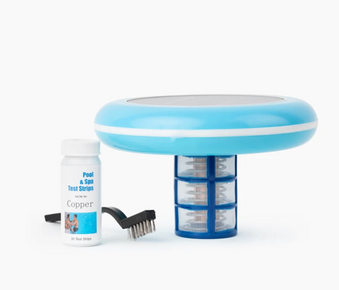
Pool ionizers are becoming a popular solution for homeowners who want cleaner pool water with fewer harsh chemicals. By releasing mineral ions into the water, ionizers help control algae and bacteria while improving overall water quality and swimmer comfort. This mineral-assisted approach represents a significant shift from traditional chemical-heavy maintenance, offering a more balanced method that reduces skin and eye irritation while maintaining effective sanitation throughout the swimming season.
The transition toward mineral-based pool care reflects growing awareness of both health considerations and environmental impact, as homeowners seek alternatives that provide clean, safe water without the strong odors, storage concerns, and handling issues associated with traditional chemical approaches. However, navigating the different ionizer technologies can be confusing, with each system offering different features, installation requirements, and maintenance needs.
With several pool ionizer options available, understanding the differences between each type can help homeowners choose the right system for their residential pool. This guide explains the most common types of Solar Pool Ionizers and how they support efficient, low-maintenance pool care. From simple solar-powered units to sophisticated electronic systems, each ionizer type offers distinct advantages that make it suitable for specific pool configurations, owner technical comfort levels, and desired maintenance approaches.
Table of Contents
- Understanding Pool Ionizers and Their Purpose
- Solar Pool Ionizers: Eco-Friendly and Easy to Use
- In-Line Pool Ionizers for Consistent Mineral Distribution
- Mineral Cartridge Ionizers for Low-Maintenance Pool Care
- Electronic Pool Ionizers with Adjustable Output Control
- Key Differences Between Pool Ionizer Types for Home Use
- Final Thoughts: Selecting the Best Pool Ionizer for Your Residential Pool
1. Understanding Pool Ionizers and Their Purpose
Pool ionizers use controlled amounts of mineral ions most commonly copper and silver to help reduce algae growth and bacteria in pool water. These minerals naturally inhibit microorganisms, providing ongoing water treatment without relying solely on chlorine. The ions work through continuous release and circulation, creating a protective environment that prevents problems before they become visible while allowing significantly reduced chlorine levels. This mineral-based approach represents a fundamental shift in smarter pool sanitation system philosophy, moving from reactive chemical treatment to proactive mineral prevention that maintains cleaner water with fewer chemical inputs and maintenance interventions throughout the swimming season.
How Mineral Ions Work in Pool Water
Mineral ions released by pool ionizers work through multiple mechanisms that address the most common pool water problems without creating the harsh side effects associated with traditional chemical treatments. Copper ions (Cu²⁺) specifically target algae cells by disrupting photosynthesis and cellular reproduction processes, preventing algae spores from establishing visible colonies even at concentrations as low as 0.2-0.4 parts per million. Silver ions (Ag⁺) provide antibacterial action by disrupting bacterial cell membranes and interfering with DNA replication, controlling microorganisms at concentrations as low as 0.01-0.02 ppm. These minerals work continuously rather than in treatment cycles, maintaining consistent protective levels that prevent problems before they become visible rather than reacting to established contamination with high chemical doses that can create their own issues requiring additional correction measures.
Key Functions of Pool Ionizers:
- Algae Prevention: Copper ions disrupt algae growth at the cellular level before visible colonies form
- Bacterial Control: Silver ions provide continuous antibacterial protection against common pool microorganisms
- Chemical Reduction: Allows chlorine levels to decrease by 50-90% while maintaining water safety
- Water Quality Improvement: Creates softer-feeling water with less irritation and chemical odor
- Maintenance Simplification: Reduces need for shock treatments, algaecides, and frequent chemical adjustments
Integration with Traditional Pool Systems
Pool ionizers are designed to work alongside traditional sanitation systems rather than replace them entirely, creating a hybrid approach where each component performs its optimal function. Chlorine continues to provide essential oxidation of non-living organic contaminants (sweat, oils, environmental debris) that mineral ions cannot effectively address. Meanwhile, mineral ions handle the pool algae prevention and bacterial control that traditionally consumes large amounts of chlorine, allowing much lower chlorine levels to maintain equivalent or better water safety. This division of labor creates more efficient overall sanitation copper prevents algae, silver controls bacteria, chlorine oxidizes organics resulting in cleaner water with dramatically reduced chemical inputs compared to traditional chlorine-only approaches that attempt to handle all sanitation tasks through a single chemical mechanism.
Benefits of Mineral-Assisted Pool Care:
- Reduced Chemical Use: Typically decreases chlorine consumption by 50-90%
- Improved Swimmer Comfort: Lower chemical levels mean less skin and eye irritation
- Environmental Benefits: Fewer chemicals means reduced environmental impact
- Cost Savings: Lower chemical purchases offset initial ionizer investment over time
- Simplified Maintenance: Less frequent testing and adjustment required
How Ionizers Complement Pool Maintenance Routines
Pool ionizers integrate seamlessly into existing pool maintenance routines, requiring minimal additional effort once properly installed and adjusted. Most systems operate automatically, releasing mineral ions continuously without daily attention or adjustment. Regular maintenance typically involves occasional electrode cleaning or cartridge replacement (depending on system type) and periodic testing of mineral levels to ensure proper concentrations. Ionizers work with all common pool types (concrete, vinyl, fiberglass) and are compatible with traditional chlorine systems, saltwater chlorine generators, and other sanitation approaches. This compatibility means pool owners can add ionization to their current setup without replacing existing equipment or completely changing established maintenance habits, creating an enhanced rather than replacement approach to pool water quality management.
Ionizers are designed to support traditional sanitation methods, allowing pool owners to maintain cleaner water while reducing overall chemical use and maintenance effort. By handling algae prevention and bacterial control, mineral ions allow chlorine to focus on oxidation of non-living contaminants rather than being consumed in constant battles against biological growth, creating more efficient overall sanitation with fewer chemical side effects. This collaborative approach represents the most practical application of ionizer technology enhancing rather than replacing proven pool maintenance methods to create cleaner, more comfortable water with fewer chemicals and less maintenance complexity than traditional approaches typically require for equivalent water quality results in residential pool environments.

2. Solar Pool Ionizers: Eco-Friendly and Easy to Use
Solar pool ionizers float on the pool surface and use solar energy to release mineral ions into the water. These self-contained units represent the simplest ionizer option, requiring no electrical connections, plumbing modifications, or professional installation. Operating entirely on sunlight captured through built-in solar panels, solar ionizers convert solar energy into low-voltage electrical current that powers mineral electrodes, releasing copper and silver ions directly into the water where they circulate naturally or through pool movement. This completely independent operation makes them particularly suitable for pools without convenient electrical access or for homeowners seeking the ultimate in installation simplicity and energy independence for their pool sanitation needs.
How Solar Pool Ionizers Actually Work
Solar pool ionizers operate through integrated solar panels that capture sunlight and convert it into electrical energy, typically generating 2-5 volts of direct current that powers the ionization process. This electrical current passes through copper and silver electrodes, causing microscopic ions to detach and enter the surrounding water. The floating design allows natural water movement and circulation to distribute ions throughout the pool, while most units include features to prevent them from becoming trapped in corners or against pool walls. Advanced models include energy storage capabilities (small capacitors or batteries) that allow continued operation during nighttime or brief cloudy pool water, though their primary operation occurs during daylight hours when sunlight is available to power the ionization process directly.
Operational Features of Solar Ionizers:
- Solar Conversion: Built-in panels convert sunlight to electrical power for ionization
- Floating Design: Natural movement aids ion distribution without pumps or plumbing
- Automatic Operation: Functions whenever sunlight is available without manual intervention
- Energy Storage: Some models include capacitors for brief operation without direct sun
- Self-Regulation: Many adjust output based on sunlight intensity and water temperature
Installation and Setup Simplicity
Solar pool ionizers require no complex installation simply place the unit in the pool, ensure it's positioned where it will receive adequate sunlight, and allow it to begin working. There are no wires to connect, no plumbing to modify, and no professional assistance required for setup. Most units include adjustable buoyancy features to ensure proper positioning at the water surface where solar exposure is maximized. Initial setup typically involves activating the unit (often just removing a protective tab or turning a switch) and positioning it in an area of the pool that receives direct sunlight for most of the day. This simplicity makes solar ionizers particularly appealing for above-ground pools, temporary pools, or situations where permanent installation isn't practical or desired.
Key benefits include:
- No electricity or wiring required operates entirely on solar power with zero energy costs
- Simple installation and operation with minimal technical knowledge needed for setup
- Environmentally friendly design with zero energy consumption and reduced chemical use
- Ideal for residential pools with regular sun exposure throughout the day
- Portable design allows easy removal for storage or use in different pools
Maintenance Requirements and Considerations
Solar pool ionizers require minimal maintenance compared to other ionizer types, typically involving occasional cleaning of solar panels to maintain efficiency and periodic electrode replacement (usually every 2-4 seasons depending on usage). The floating design means they're easily removed for maintenance without draining the pool or accessing pool equipment areas. Regular maintenance includes wiping solar panels clean of debris, pollen, or water spots that might reduce energy conversion efficiency, checking that the unit floats properly and isn't becoming waterlogged, and monitoring ion output through occasional water testing for copper levels. Electrode replacement involves simple cartridge changes in most models, with no special tools or technical skills required. This low-maintenance profile makes solar ionizers particularly suitable for pool owners seeking maximum results with minimum ongoing effort.
Maintenance Advantages:
- Easy Access: Floating design allows removal without equipment area access
- Simple Cleaning: Solar panels wipe clean without disassembly
- Straightforward Replacement: Electrode cartridges typically snap in and out
- No Professional Services: All maintenance can be performed by pool owners
- Seasonal Storage: Easily removed and stored during off-seasons
Ideal Applications and Limitations
Solar pool ionizers work best for specific pool situations and owner preferences, offering particular advantages for certain applications while having limitations for others. They excel for smaller to medium-sized residential pools (up to approximately 20,000 gallons) with good daily sun exposure. They're ideal for above-ground pools, temporary pools, or situations where electrical access is limited or installation of permanent equipment isn't desired. However, they may be less effective for very large pools, heavily shaded pools, or pools with poor natural circulation that might not distribute ions effectively from a single floating unit. Understanding these ideal applications helps homeowners determine whether solar ionizers match their specific pool characteristics and expectations for mineral-assisted water treatment.
Best Applications for Solar Ionizers:
- Small to medium residential pools with good sun exposure
- Above-ground pools without permanent equipment installations
- Seasonal pools where permanent installation isn't desired
- Pools in areas with reliable sunlight throughout swimming season
- Homeowners seeking maximum simplicity and minimum installation requirements
Solar pool ionizers are especially appealing to homeowners looking for a low-maintenance, chemical-reducing solution that requires minimal investment and no ongoing energy costs while providing continuous mineral protection whenever sunlight is available. Their combination of environmental benefits, installation simplicity, and operational independence makes them a popular choice for residential pool owners seeking to reduce chemical dependency without complex equipment installations or significant changes to their existing pool setup and maintenance routines.

3. In-Line Pool Ionizers for Consistent Mineral Distribution
In-line pool ionizers are installed directly into the pool’s plumbing system and work alongside the circulation pump, typically positioned between the filter and return jets of the pool to ensure all circulating water receives ionization treatment. These integrated systems provide the most effective method for consistent mineral distribution, using the pool’s existing circulation to deliver ions uniformly throughout the entire water volume. By operating as part of the standard filtration cycle, in-line ionizers ensure that every gallon of water passing through the system receives mineral treatment, creating consistent protection regardless of pool shape, depth variations, or circulation patterns that might otherwise create dead spots where floating or standalone ionizers could be less effective.
Installation Integration and Plumbing Requirements
In-line pool ionizers require integration into the existing pool plumbing, typically installed in the return line after the filter and heater (if present) but before water returns to the pool. This strategic placement ensures all filtered water receives ionization treatment before distribution through return jets. Installation involves cutting the PVC plumbing, installing the ionization chamber with proper unions for future service access, and connecting power if the unit requires electricity (some models use solar panels mounted nearby). Professional installation is recommended to ensure proper placement, water flow direction, and secure connections that won't leak or restrict flow. The ionization chamber itself is typically a cylindrical unit containing copper and silver electrodes through which water passes, with clear viewing windows on some models to allow visual monitoring of electrode condition and ionization activity.
Installation Features:
- Plumbing Integration: Installed directly into return line plumbing after filtration
- Strategic Placement: Positioned to treat all water before return to pool
- Service Access: Installed with unions for easy removal without cutting pipes
- Flow Consideration: Sized appropriately to prevent flow restriction
- Professional Recommended: Installation typically requires plumbing expertise
Operational Consistency and Performance Advantages
In-line ionizers provide unmatched consistency in mineral distribution by leveraging the pool's existing circulation system to deliver ions evenly throughout all areas. Unlike floating units that depend on natural water movement or random circulation patterns, in-line systems ensure every water molecule passing through the pool filtration system receives ionization treatment before returning to the pool through strategically positioned return jets. This systematic approach prevents the dead spots and uneven distribution that can occur with other ionizer types, ensuring consistent mineral levels from surface to bottom and corner to corner. The continuous operation during normal pump cycles means protection is maintained whenever the pool circulates, with no separate operation schedule or additional equipment runtime required beyond normal filtration periods.
Advantages include:
- Even mineral distribution throughout the pool via the existing circulation system
- Reliable performance for larger residential pools with higher water volumes
- Continuous ion release during filtration cycles without separate operation requirements
- Consistent protection regardless of pool shape or circulation patterns
- Integrated operation that complements rather than complicates pool maintenance
Maintenance Requirements and Electrode Management
In-line ionizers require regular maintenance to ensure optimal performance, primarily involving electrode inspection, cleaning, and eventual replacement. The ionization chamber typically needs checking every 3-6 months for mineral scale buildup on electrodes, which can be cleaned with appropriate solutions (often mild acid) to restore ionization efficiency. Electrodes generally last 2-4 swimming seasons depending on water chemistry and usage, with replacement involving opening the ionization chamber and swapping old electrodes for new ones a straightforward process on most models designed for homeowner service. Some advanced units include self-cleaning mechanisms or reverse polarity features that reduce maintenance requirements. Regular monitoring of mineral levels through testing ensures the system maintains proper copper (0.2-0.4 ppm) and silver (0.01-0.02 ppm) concentrations for effective algae and bacteria control without exceeding safe levels.
Maintenance Considerations:
- Regular Inspection: Check electrodes every 3-6 months for scale buildup
- Electrode Cleaning: Remove mineral deposits to maintain ionization efficiency
- Replacement Cycle: Electrodes typically last 2-4 seasons before needing replacement
- Mineral Testing: Regular water testing ensures proper ion concentrations
- Self-Cleaning Features: Some advanced models reduce maintenance requirements
Ideal Applications and Performance Considerations
In-line pool ionizers excel in specific pool situations where consistent performance and integrated operation are priorities over installation simplicity. They're particularly effective for larger residential pools (over 15,000 gallons) where floating units might struggle to distribute minerals effectively throughout the entire volume. They work well for pools with complex shapes, multiple levels, or features (spas, waterfalls) that create challenging circulation patterns. In-line systems are ideal for homeowners who prefer "set it and forget it" operation once installed, as they require minimal daily attention beyond normal pool maintenance. They also work effectively with automation systems, allowing integration with overall pool control for coordinated operation with other equipment. Understanding these ideal applications helps homeowners determine whether the installation investment and maintenance requirements of in-line systems align with their pool characteristics and maintenance preferences.
Best Applications for In-Line Ionizers:
- Larger residential pools where even distribution is challenging
- Pools with complex shapes, depths, or water features
- Home automation integration for coordinated equipment operation
- Situations where permanent, integrated equipment is preferred
- Pools where consistent performance outweighs installation simplicity
While installation may require professional assistance, in-line ionizers offer consistent and effective water treatment through integration with existing pool equipment, providing seamless operation that requires minimal ongoing attention once properly installed and adjusted for specific pool conditions. Their integration into standard pool plumbing creates a systematic approach to mineral distribution that ensures all water receives treatment during normal circulation, making them particularly effective for pools where consistent protection throughout the entire volume is more important than installation simplicity or equipment portability in healthier pool environments with varying characteristics and owner priorities for equipment integration and performance consistency.

4. Mineral Cartridge Ionizers for Low-Maintenance Pool Care
Mineral cartridge ionizers use replaceable cartridges containing mineral compounds that slowly dissolve into the water, providing predictable mineral release without complex controls or adjustment requirements. These systems represent the ultimate in simplicity for mineral-assisted pool care, operating on passive dissolution principles rather than active ionization processes. The cartridges typically contain precisely measured amounts of copper and silver compounds embedded in a slow-release matrix that dissolves gradually as water flows through or around the cartridge, releasing mineral ions at controlled rates determined by cartridge composition and understanding pool water chemistry rather than electrical current or solar power. This passive approach eliminates electronics, wiring, and complex controls, creating a fundamentally simple system that delivers mineral benefits through basic chemistry rather than sophisticated technology.
How Cartridge Dissolution and Mineral Release Works
Mineral cartridge ionizers operate through controlled dissolution where water contact with the cartridge material causes copper and silver compounds to slowly dissolve into ionic form, releasing Cu²⁺ and Ag⁺ ions directly into the water. The cartridges use various delivery mechanisms some install in skimmer baskets where all water passes through them during circulation, others float freely in the pool, while more advanced models install in specialized housings within the plumbing system. The dissolution rate is engineered into the cartridge material itself, typically designed to maintain consistent mineral levels throughout its lifespan (usually 4-6 months depending on pool size and conditions). This passive delivery means mineral release occurs continuously whenever water contacts the cartridge, without requiring separate power sources, activation, or adjustment beyond initial placement and periodic replacement when the cartridge is depleted.
Operational Features:
- Passive Dissolution: Mineral release occurs through water contact without active systems
- Engineered Release Rates: Cartridge materials designed for consistent dissolution
- Multiple Placement Options: Skimmer baskets, floaters, or dedicated housings
- Continuous Operation: Functions whenever water circulates or contacts cartridge
- No Power Requirements: Operates entirely through chemical dissolution principles
Installation Simplicity and Placement Options
Mineral cartridge systems offer unparalleled installation simplicity, with most requiring nothing more than placing a cartridge in the skimmer basket or allowing a floating cartridge to circulate in the pool. Skimmer basket for pool models simply rest in the basket where flowing water passes over them, dissolving minerals directly into the circulation stream. Floating models contain the cartridge within a buoyant housing that moves with pool currents, releasing minerals throughout the water volume. Some systems use specialized canisters that install in the plumbing with simple compression fittings, but even these require minimal technical skill compared to full in-line systems. This installation simplicity makes cartridge systems particularly appealing for pool owners who want mineral benefits without equipment modifications, electrical work, or professional installation services, and for situations like vacation homes or seasonal pools where permanent installations aren't practical.
Why homeowners choose them:
- Easy cartridge replacement with no technical skills required—simply swap old for new
- Pre-measured mineral dosing ensures consistent ion levels throughout cartridge life
- Minimal monitoring required between scheduled cartridge changes
- No installation beyond simple placement in skimmer or pool
- Portability allows use in multiple pools or seasonal removal
Maintenance Requirements and Replacement Cycles
Mineral cartridge systems require minimal maintenance beyond scheduled cartridge replacement, typically every 4-6 months depending on pool size, water temperature, and circulation patterns. Replacement involves simply removing the depleted cartridge and inserting a fresh one, with no cleaning, adjustment, or technical procedures required. Some systems include visual indicators showing cartridge depletion levels, while others operate on fixed replacement schedules based on manufacturer recommendations. Between replacements, no monitoring or adjustment is typically needed, though occasional testing of mineral levels ensures the system is working properly and maintaining appropriate concentrations (0.2-0.4 ppm copper, 0.01-0.02 ppm silver). This predictable maintenance schedule makes planning easy and eliminates unexpected maintenance requirements that might occur with more complex systems involving electrodes, solar panels, or electronic components that can fail or require unexpected service.
Maintenance Advantages:
- Predictable Schedule: Fixed replacement intervals simplify maintenance planning
- No Technical Procedures: Replacement involves simple cartridge swap only
- No Cleaning Requirements: No electrodes to clean or scale to remove
- Visual Indicators: Some systems show cartridge depletion levels
- Consistent Performance: Each cartridge provides identical mineral delivery
Performance Characteristics and Ideal Applications
Mineral cartridge ionizers provide consistent, predictable performance well-suited to specific pool situations and owner preferences. They work effectively for small to medium residential pools (up to approximately 15,000-20,000 gallons) with good circulation that ensures water contacts the cartridge regularly. They're ideal for pool owners who prioritize simplicity and predictability over maximum performance or customization, and for situations where equipment complexity or installation requirements are undesirable. However, they may be less effective for very large pools where achieving consistent mineral distribution from a single cartridge can be challenging, or for pools with poor circulation that might not bring all water into regular contact with the cartridge. Their passive nature also means less control over mineral release rates compared to adjustable electronic systems, making them better suited for stable pool conditions rather than situations requiring frequent adjustment for varying usage or environmental factors.
Best Applications for Cartridge Systems:
- Small to medium residential pools with good circulation patterns
- Pool owners prioritizing simplicity over maximum performance customization
- Seasonal or vacation pools where permanent installations aren't practical
- Situations where equipment complexity or electrical requirements are undesirable
- Pools with stable usage patterns rather than highly variable conditions
These systems are ideal for pool owners who prefer straightforward maintenance with predictable results, offering plug-and-play simplicity that delivers mineral benefits without the complexity of adjustable systems or the installation requirements of integrated units. By eliminating electronics, wiring, plumbing modifications, and complex controls, mineral cartridge ionizers provide accessible entry into mineral-assisted modern pool care practices for homeowners who want reduced chemical dependency without the technical complexity or installation commitments of more sophisticated ionizer systems, making mineral benefits available to virtually any pool owner regardless of technical skill, installation capabilities, or willingness to engage with complex pool equipment in residential pool environments.

5. Electronic Pool Ionizers with Adjustable Output Control
Electronic pool ionizers use a low-voltage electrical current applied to the anode and cathode of the solar ionizer system to regulate the release of mineral ions, offering precise control that can be adjusted based on pool conditions, usage patterns, and seasonal requirements. These advanced systems represent a highly sophisticated approach to mineral-assisted pool care, relying on controlled electrochemical processes rather than passive dissolution or purely solar-powered operation. By applying precise electrical currents (typically 2–5 volts DC) to copper and silver electrodes, electronic ionizers carefully regulate how many ions detach and enter the water, allowing fine-tuned control over mineral concentrations that fixed-output or passive systems cannot achieve. This precision enables optimization for specific pool conditions, water chemistry parameters, and usage patterns that fluctuate throughout the swimming season, creating customized mineral treatment that maximizes effectiveness while minimizing waste and reducing the risk of excessive mineral accumulation.
How Electronic Ionization and Precision Control Works
Electronic pool ionizers operate through controlled electrochemical reactions where precisely regulated electrical current passes through mineral electrodes, causing ions to detach at rates determined by current intensity rather than passive dissolution or environmental factors. The control unit typically includes adjustable settings (often digital displays with percentage output controls or specific ppm targets) that allow users to set desired mineral release rates based on pool volume, conditions, and treatment goals. More advanced systems may include automatic adjustment features that respond to water temperature, usage sensors, or even remote control via smartphone apps. This precision control enables optimization for specific situations higher output during pool parties or heat waves when algae risk increases, lower output during normal conditions or off-season periods when reduced protection suffices. The electronic regulation also allows consistent performance regardless of environmental factors like sunlight availability or water flow rates that affect other ionizer types.
Notable features include:
- Adjustable mineral output settings for customized treatment levels from precise control panels
- Precise control over water treatment based on specific pool needs and conditions
- Suitable for pools with higher usage or varying conditions requiring flexible adjustment
- Consistent performance independent of environmental factors like sunlight or temperature
- Advanced monitoring capabilities including mineral level tracking and maintenance alerts
Installation Requirements and System Integration
Electronic pool ionizers typically require more involved installation than simpler systems, involving both plumbing integration for the ionization chamber and electrical connections for the control unit. The ionization chamber installs in the return plumbing (similar to in-line systems) to ensure all circulating water receives treatment, while the control unit mounts near pool equipment with access to power (typically standard 110V household current transformed to low-voltage DC for electrode operation). Installation often involves professional assistance for both plumbing and electrical work to ensure proper operation and safety compliance. Advanced systems may integrate with existing pool automation, allowing control through existing touchpads or smartphone apps alongside other pool functions. Some models offer remote monitoring capabilities that alert to maintenance needs, low mineral levels, or system issues via mobile notifications, creating comprehensive management systems rather than simple mineral delivery devices.
Installation Considerations:
- Dual Requirements: Both plumbing integration and electrical connections needed
- Professional Installation: Typically recommended for both plumbing and electrical work
- Control Unit Placement: Requires accessible location near equipment with power access
- Automation Integration: Can connect to existing pool control systems
- Safety Features: Proper grounding and electrical safety measures essential
Adjustment Capabilities and Optimization Features
Electronic ionizers provide extensive adjustment capabilities that help improve pool water quality under virtually any conditions. Basic models allow manual control of output percentages (0–100% of maximum ion release), while advanced systems offer precise ppm target settings, seasonal programming, or automatic adjustments based on water temperature sensors. Some even include usage-based programming, increasing output during high-use periods like weekends and reducing it when the pool is idle. The most sophisticated systems integrate with water chemistry sensors, adjusting mineral output in response to chlorine levels, pH, or other parameters. This flexibility enables proactive responses to changing conditions raising ion output before heat waves that encourage algae growth, lowering it during vacations, or creating customized programs for opening, peak season, and closing. By optimizing ionization in this way, homeowners maintain higher water quality while conserving electrode life and preventing excessive mineral buildup that could lead to staining or other issues.
Control Capabilities:
- Output Adjustment: Manual controls from 0-100% of maximum capacity
- Target Settings: Some models allow specific ppm concentration targets
- Seasonal Programs: Pre-set adjustments for different times of year
- Usage-Based Adjustment: Automatic changes based on historical or sensed usage
- Sensor Integration: Adjustment based on water temperature or chemistry sensors
Maintenance Requirements and System Monitoring
Electronic ionizers require more involved maintenance than simpler systems but offer better monitoring capabilities to guide maintenance timing and effectiveness. Regular maintenance includes electrode inspection and cleaning (typically every 3-6 months) to remove mineral scale that reduces efficiency, with electrode replacement needed every 2-4 seasons depending on usage and output settings. The electronic components themselves may require occasional service or calibration to maintain accuracy. However, advanced monitoring features help optimize maintenance many systems include electrode life indicators showing remaining capacity, performance alerts when ionization efficiency decreases, and maintenance reminders based on runtime or output levels. Some models even include self-cleaning cycles that reverse polarity periodically to reduce scale buildup. Regular water testing remains important to verify system performance and ensure mineral levels remain within optimal ranges (0.2-0.4 ppm copper, 0.01-0.02 ppm silver), though some advanced systems include mineral sensors that provide continuous monitoring.
Maintenance Features:
- Electrode Monitoring: Systems track electrode wear and remaining life
- Performance Alerts: Notifications when ionization efficiency decreases
- Maintenance Reminders: Scheduled prompts for cleaning and replacement
- Self-Cleaning Functions: Some models include automatic scale reduction cycles
- Calibration Requirements: Electronic components may need periodic calibration
This option appeals to homeowners who want customizable control over their pool’s mineral levels, providing the ability to increase output during challenging conditions (heavy usage, high temperatures) and decrease during normal periods to conserve mineral electrodes while maintaining adequate protection. The combination of precision control, advanced monitoring, and integration capabilities makes electronic ionizers particularly suitable for pool owners who value optimization and customization over simplicity, and for pools with variable conditions or challenging environments where fixed-output systems might provide either insufficient protection during demanding periods or excessive minerals during normal conditions, creating either water quality issues or unnecessary electrode consumption in residential pool environments with varying needs throughout the swimming season.

6. Key Differences Between Pool Ionizer Types for Home Use
Each type of pool ionizer offers unique benefits depending on specific pool needs, with differences in installation requirements, operational complexity, maintenance demands, and performance characteristics. Using a reliable pool test kit helps homeowners monitor water chemistry and ensures that their chosen ionizer type is performing as intended, transforming system selection from guesswork into informed decision-making. The most appropriate ionizer varies based on pool size, water volume, circulation efficiency, sun exposure, owner technical comfort, and desired level of involvement in ongoing maintenance. By combining careful selection with regular testing, homeowners can maximize the effectiveness of mineral-assisted water treatment through copper and silver ions while avoiding potential issues caused by mismatched systems or imbalanced water chemistry.
1. Installation Requirements and Technical Complexity
Installation requirements vary dramatically between ionizer types, from simple placement to complex professional installations involving both plumbing and electrical work. Solar ionizers require the least installation effort simply placing the unit in the pool where it receives adequate sunlight. Mineral cartridge systems typically involve placing cartridges in skimmer baskets or allowing floaters to circulate. In-line systems require plumbing integration, usually professional installation involving cutting pipes and securing connections. Electronic systems demand the most complex installation, requiring both plumbing integration for the ionization chamber and electrical connections for the control unit, often necessitating professional services for proper, safe installation. These installation differences significantly affect upfront costs, time requirements, and whether homeowners can install systems themselves or need professional assistance, making installation complexity a primary differentiator between ionizer types for residential pool applications.
- Solar Ionizers: Simple placement in pool with adequate sunlight exposure
- Cartridge Systems: Placement in skimmer baskets or as floating units
- In-Line Systems: Professional plumbing installation in return lines
- Electronic Systems: Professional plumbing and electrical installation required
- Installation Time: Ranges from minutes to several hours depending on system
Understanding installation requirements helps homeowners match systems to their technical capabilities, willingness to hire professionals, and preferences for equipment that integrates permanently versus remains portable or easily removable for seasonal pools or situations where permanent installation isn't practical or desired.
2. Operational Mechanisms and Performance Consistency
Operational mechanisms differ significantly between ionizer types, affecting performance consistency, control capabilities, and effectiveness under varying conditions. Solar ionizers depend entirely on sunlight availability, with performance varying based on weather and seasonal sun exposure. Cartridge systems operate through passive dissolution, providing consistent but non-adjustable mineral release determined by cartridge composition and water contact. In-line systems typically offer fixed output determined by electrode composition and water flow rates. Electronic systems provide adjustable control through regulated electrical current, allowing precise optimization for specific conditions. These operational differences affect performance consistency solar systems may have gaps during cloudy periods, cartridge systems provide steady but non-adjustable release, in-line systems offer consistent performance tied to pump operation, and electronic systems can be adjusted to match changing conditions but require more owner involvement to optimize settings appropriately.
- Solar: Performance varies with sunlight availability and intensity
- Cartridge: Steady passive release based on dissolution rates
- In-Line: Consistent performance tied to circulation schedules
- Electronic: Adjustable performance with owner-controlled optimization
- Control Level: Ranges from no control to precise adjustment capabilities
These operational differences determine how consistently ionizers perform under varying conditions and how much control homeowners have over mineral release rates, affecting both effectiveness and the level of owner involvement required to maintain optimal performance throughout changing seasonal conditions and usage patterns.
3. Maintenance Requirements and Owner Involvement
Maintenance requirements vary significantly between ionizer types, influencing the time, skill, and ongoing involvement needed from homeowners. Solar ionizers require occasional panel cleaning and periodic electrode replacement (typically every 2–4 seasons). Cartridge systems need simple cartridge replacements on fixed schedules (usually every 4–6 months) with minimal other maintenance. In-line systems require regular electrode inspection and cleaning every 3–6 months, plus eventual replacement. Electronic systems involve the most upkeep, including electrode care, potential calibration of electronic components, and frequent monitoring of system performance. Understanding these differences helps homeowners choose the right pool cleaning solutions: cartridge systems suit those seeking maximum simplicity, while electronic systems appeal to owners comfortable with more involved maintenance in exchange for greater control, precise mineral output, and optimization capabilities.
- Solar: Occasional cleaning, periodic electrode replacement
- Cartridge: Scheduled cartridge replacement only
- In-Line: Regular electrode cleaning, eventual replacement
- Electronic: Electrode maintenance plus potential electronic calibration
- Skill Requirements: Range from no technical skills to moderate technical understanding
Maintenance differences significantly affect long-term ownership experience, with simpler systems requiring less time and skill but offering less control, while more complex systems provide greater optimization potential but demand more regular attention and technical understanding for proper maintenance and operation.
4. Performance Capabilities and Pool Size Suitability
Performance capabilities and suitability for different pool sizes vary substantially between ionizer types, with some systems better suited for smaller pools while others handle larger volumes more effectively. Solar ionizers typically work best for small to medium pools (up to 15,000-20,000 gallons) with good sun exposure. Cartridge systems suit small to medium pools where water circulates effectively past the cartridge. In-line systems excel for medium to large pools (15,000-40,000+ gallons) where integrated distribution ensures even mineral delivery. Electronic systems can be sized for virtually any pool but work particularly well for larger pools or those with challenging conditions requiring adjustable output. These performance differences mean selecting the wrong system type for pool size can result in inadequate mineral distribution (undersized systems) or wasted capacity and expense (oversized systems), making pool size one of the most important factors in ionizer type selection.
- Solar: Best for small-medium pools with good sun exposure
- Cartridge: Effective for small-medium pools with good circulation
- In-Line: Ideal for medium-large pools requiring even distribution
- Electronic: Can be sized for any pool, ideal for challenging conditions
- Maximum Effectiveness: Each type has optimal pool size ranges
Understanding performance capabilities relative to pool size ensures homeowners select systems that can effectively treat their entire water volume, preventing the common mistake of choosing systems based on features rather than capacity, which can leave larger pools inadequately protected or smaller pools with unnecessarily complex and expensive systems that don't provide proportional benefits relative to their cost and complexity.
5. Cost Considerations and Value Propositions
Cost considerations vary significantly between ionizer types, encompassing not just initial purchase prices but installation expenses, ongoing maintenance costs, and long-term value propositions. Solar ionizers typically have low initial costs and no installation expenses but may have shorter electrode life requiring more frequent replacement. Cartridge systems have moderate initial costs but predictable ongoing cartridge replacement expenses. In-line systems involve higher initial costs including professional installation but may have longer electrode life. Electronic systems have the highest initial costs including professional installation but offer the greatest control and optimization potential. These cost differences create different value propositions simpler systems offer accessible entry into mineral-assisted care with predictable ongoing costs, while more complex systems represent greater initial investments that may provide better long-term value through enhanced control, optimization, and potentially longer component life if properly maintained.
- Solar: Low initial cost, moderate ongoing electrode replacement
- Cartridge: Moderate initial cost, predictable cartridge replacement expenses
- In-Line: Higher initial cost with installation, longer electrode life potential
- Electronic: Highest initial cost, greatest control and optimization potential
- Value Proposition: Different systems offer different cost/benefit balances
Cost considerations help homeowners align ionizer selection with their budgets and value expectations, recognizing that initial purchase price represents only part of the total cost of ownership, with installation expenses, ongoing maintenance, replacement part costs, and potential chemical savings all contributing to the overall value proposition of different ionizer types for residential pool applications.
Key factors to consider:
- Pool size and usage frequency affecting mineral demand and system capacity requirements
- Installation complexity ranging from simple placement to professional plumbing and electrical work
- Maintenance requirements from occasional cartridge changes to regular electrode cleaning and electronic calibration
- Desired level of chemical reduction and control over mineral release rates and optimization
- Cost considerations including initial investment, installation expenses, and ongoing maintenance costs
- Owner technical comfort and willingness to engage with system maintenance and optimization
Understanding the differences between ionizer types helps homeowners select a system that aligns with their pool setup and maintenance goals, while also ensuring access to the proper replacement kit for ionizer components when needed. This informed selection transforms the purchase from a trial-and-error experiment into a confident investment in mineral-assisted pool care. By matching the system to pool size, circulation, water chemistry, and owner capabilities, and by knowing replacement options are available, homeowners can enjoy long-term benefits such as reduced chemical dependency, consistent water quality, and a maintenance routine that fits their lifestyle, creating a satisfying and reliable residential pool experience.

7. Final Thoughts: Selecting the Best Pool Ionizer for Your Residential Pool
Pool ionizers provide an effective way to reduce chemical dependency while maintaining clean, clear, and comfortable pool water through mineral-assisted sanitation that complements traditional methods rather than attempting complete replacement. The right ionizer system can transform your pool maintenance experience, reducing the time, cost, and effort associated with constant chemical adjustments while creating water that feels better, smells fresher, and looks more inviting. However, the key to success lies not in choosing the most advanced or expensive system, but in selecting the ionizer type that aligns with your specific pool characteristics, maintenance capabilities, and water quality goals.
The decision between solar, cartridge, in-line, and electronic ionizers involves balancing multiple factors including installation complexity, maintenance requirements, control preferences, and budget considerations. By honestly assessing your technical comfort level, willingness to engage with maintenance tasks, pool size and conditions, and desired level of control over water treatment, you can identify which ionizer type offers the best match for your situation. Remember that the most effective system is the one you'll maintain properly and use consistently even the most advanced electronic ionizer won't deliver optimal results if its maintenance requirements exceed your available time or technical capabilities.
Key takeaways:
- Solar ionizers offer simplicity and eco-friendly operation with minimal installation requirements
- In-line systems provide consistent mineral distribution through integrated plumbing operation
- Cartridge ionizers simplify maintenance through predictable replacement cycles
- Electronic ionizers allow precise control for pools with varying conditions or owner preferences for adjustable treatment
By selecting the effective solar ionizer for home pool, you can enjoy improved water quality, lower chemical use, and a more enjoyable swimming experience through mineral-assisted sanitation that reduces traditional chemical requirements while maintaining effective protection against algae and bacteria throughout the entire swimming season. The investment in an appropriate ionizer system pays dividends not just in reduced chemical costs, but in more pleasant swimming conditions, simplified maintenance routines, and the satisfaction of maintaining your pool with a more natural, balanced approach that benefits both swimmers and the environment.