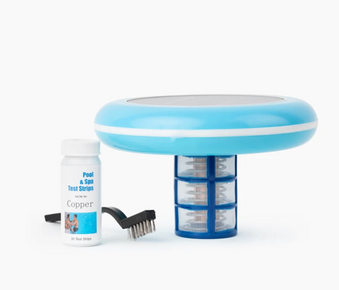
Swimming pools offer a wonderful way to relax, exercise, and socialize. However, traditional pool maintenance often relies heavily on chemicals like chlorine and algaecides, which can irritate the skin, eyes, and respiratory system especially for sensitive users such as children, the elderly, or those with allergies. For families, this chemical burden can transform a source of joy into a source of concern, where the decision to swim is weighed against potential discomfort or health reactions.
The modern shift toward sustainable pool care addresses these concerns by prioritizing both human health and environmental responsibility. It recognizes that the most enjoyable swimming experience is one free from chemical odors, itchy skin, and burning eyes achieved not through more chemicals, but through smarter, more natural systems.
Sustainable pool cleaning practices not only reduce environmental impact but also create a safer, gentler swimming environment. By combining eco-friendly sanitation, balanced water chemistry, and smart maintenance routines, pool owners can enjoy clear, safe, and comfortable water without harsh chemical exposure. This holistic approach moves beyond simply replacing one chemical with another, instead creating a stable aquatic ecosystem where water maintains its clarity and purity through balanced, continuous processes.
Ultimately, this philosophy transforms pool ownership from a constant chemical management chore into a simpler, more rewarding experience. It allows the focus to return to what matters most: the laughter of children playing, the relaxation of a quiet float, and the health benefits of regular exercise all enjoyed in water that feels as clean and natural as it looks.
Table of Contents
- Why Sensitive Users Require Special Pool Care
- Reducing Chlorine Use with Mineral-Based Sanitation
- The Role of Solar Pool Ionizers in Safe Swimming
- Balancing Water Chemistry for Comfort and Safety
- Sustainable Filtration and Circulation Practices
- Routine Maintenance That Protects Both Users and the Environment
- Final Thoughts: Healthy Pools for Everyone
1. Why Sensitive Users Require Special Pool Care
Sensitive users experience pool water chemistry not as abstract numbers on a test strip, but as immediate physical reactions that can range from mild irritation to significant health discomfort. Traditional pool maintenance, with its reliance on aggressive oxidizers and reactive biocides, creates a chemical environment fundamentally at odds with human physiology. The very mechanisms that make chlorine effective at microbial control its powerful oxidative capacity and reactive chemistry also make it problematic for delicate biological tissues. When sensitive individuals enter traditionally maintained pools, they're not just swimming in water; they're immersing themselves in a complex chemical soup where disinfection byproducts, pH imbalances, and residual oxidizers interact with skin, eyes, and respiratory membranes in ways that can trigger significant discomfort and health reactions.
This vulnerability stems from multiple physiological factors that mainstream pool maintenance often overlooks. Sensitive populations don't merely have lower tolerance thresholds; they experience fundamentally different biochemical interactions with pool chemicals. Their body's protective barriers the stratum corneum of the skin, the tear film of the eyes, the mucosal lining of respiratory passages respond differently to chemical exposure. For these individuals, traditional pool maintenance represents not just inconvenience, but a barrier to participation in aquatic activities that could otherwise provide therapeutic benefits, social connection, and physical exercise. Understanding these physiological realities transforms pool care from a chemical management task into a healthcare consideration, where water quality decisions directly impact human wellbeing and accessibility.
The Physiological Vulnerabilities of Sensitive Populations:
- Children's Developing Systems and Heightened Vulnerability: Pediatric physiology presents multiple vulnerabilities in traditional pool environments. Children have skin approximately 30-40% thinner than adults, with a less developed stratum corneum that provides reduced barrier protection against chemical penetration. Their higher surface-area-to-volume ratio means they absorb proportionally more chemicals through their skin. Developing respiratory systems feature narrower airways that are more easily irritated by chlorine vapors and chloramine gases that hover at the water's surface exactly where children breathe while swimming. Immature detoxification systems in the liver and kidneys process chemical byproducts less efficiently. Furthermore, children's behaviors frequent submersion, accidental water ingestion, longer swimming durations increase their chemical exposure exponentially compared to adults. These factors combine to make traditional chlorinated pools potentially problematic environments for children, despite the obvious benefits of swimming for development, coordination, and fitness.
- Elderly Skin Changes and Respiratory Considerations: Aging transforms the skin's protective capabilities through multiple mechanisms: decreased sebum production leads to drier, more permeable skin; thinning of the epidermis reduces barrier function; slower cell turnover means damaged skin takes longer to repair. These changes make elderly skin particularly vulnerable to chlorine's drying effects and chemical irritation. Respiratory systems in older adults often contend with pre-existing conditions asthma, COPD, or age-related decreased lung capacity that chlorine vapors can exacerbate. Many seniors also manage multiple medications that can interact with or be affected by chemical exposure. Additionally, age-related changes in the eyes reduced tear production, thinner corneas make ocular irritation more severe and longer-lasting. For a population that could benefit tremendously from the low-impact exercise and social opportunities pools provide, traditional chemical maintenance can create significant barriers to access and enjoyment.
- Chemical Sensitivity Syndromes and Immune System Considerations: Individuals with conditions like multiple chemical sensitivity (MCS), eczema, psoriasis, or respiratory conditions experience pool chemicals not as simple irritants but as triggers for complex physiological responses. In eczema and psoriasis, compromised skin barriers allow easier chemical penetration that can trigger inflammatory cascades. Asthma sufferers may experience bronchoconstriction from chloramine inhalation at concentrations that don't affect others. Those with MCS have heightened neurological and immune responses to chemical exposures that others tolerate. These conditions aren't merely preferences for gentler alternatives; they represent distinct physiological realities that require different environmental management. The immune system's response to chemical exposure in sensitive individuals involves mast cell activation, cytokine release, and inflammatory pathways that transform simple swimming into a potential health risk.
- Chloramine Accumulation and Respiratory Impact Dynamics: The most significant chemical threat to sensitive users often isn't free chlorine itself, but its reaction byproducts particularly chloramines formed when chlorine reacts with nitrogen compounds from sweat, urine, and other organic matter. These chloramines (monochloramine, dichloramine, and trichloramine) volatilize easily at the water surface, creating the characteristic "pool smell" that indicates poor water quality management. For sensitive individuals, especially those with asthma or respiratory conditions, these compounds can trigger significant bronchoconstriction, coughing, and respiratory distress at concentrations as low as 0.5 mg/m³ levels commonly exceeded in poorly ventilated indoor pools or heavily used outdoor pools. This chloramine formation represents a particular challenge for traditional maintenance, as it increases with bather load precisely when pools are most used and enjoyed.
The Chemical Mechanisms of Irritation and Discomfort:
- Ocular Irritation: Beyond Simple pH Imbalance: While pH imbalance certainly contributes to eye irritation, the complete picture involves multiple chemical factors. Chlorine and chloramines disrupt the tear film's lipid layer, accelerating tear evaporation and creating dry eye symptoms. These chemicals also react with proteins in the tear film, forming irritants that trigger nerve endings in the cornea. The oxidative stress from chlorine can damage corneal epithelial cells, particularly in individuals with pre-existing dry eye conditions or contact lens use. For children, who often swim with eyes open underwater, this exposure is magnified. Properly balanced water with reduced chlorine dependency addresses these multiple pathways simultaneously, not merely adjusting or maintaining pool pH balance but fundamentally changing the chemical environment that contacts ocular surfaces.
- Dermal Reactions: The Skin Barrier Under Chemical Stress: Skin's reaction to pool chemicals represents a complex interaction between chlorine's oxidative properties, pH effects on skin's acid mantle, and the disruption of natural skin oils. Chlorine oxidizes lipids in the stratum corneum, compromising the skin barrier and increasing transepidermal water loss the primary cause of that characteristic "pool dry skin" feeling. For individuals with eczema or psoriasis, this barrier disruption allows greater penetration of allergens and irritants, potentially triggering flare-ups. The combination of chlorine and ultraviolet sunlight (especially in outdoor pools) can create phototoxic reactions in some individuals. Additionally, chlorine can react with organic matter on skin to form new compounds that some immune systems recognize as allergens. Mineral-based systems avoid these issues by working through entirely different antimicrobial mechanisms that don't involve oxidizing skin components.
- Respiratory Challenges: Volatile Compounds and Airway Reactivity: The respiratory impact of traditional pool chemicals operates through both direct irritation and immune-mediated pathways. Chloramines, particularly trichloramine (NCl₃), are highly volatile and easily inhaled at the water surface where swimmers breathe. These compounds directly irritate mucous membranes throughout the respiratory tract, triggering cough reflexes and bronchoconstriction. For asthmatics, this can mean full-blown asthma attacks. Beyond direct irritation, some research suggests chronic exposure may increase airway hyperreactivity making airways more sensitive to all irritants over time. Indoor pools present particular challenges due to limited air exchange that allows chemical concentrations to build up. Even in outdoor pools, on calm days with limited breeze, chloramines can concentrate at the surface where swimmers breathe.
- Systemic Absorption and Metabolic Considerations: While less discussed than immediate irritation, the potential for systemic absorption of pool chemicals warrants consideration for sensitive populations. Chlorination byproducts like trihalomethanes (THMs) can be absorbed through skin or inhaled and subsequently metabolized. While regulatory standards exist for drinking water THM levels, swimming represents a different exposure scenario prolonged full-body immersion in potentially higher concentrations. Individuals with compromised detoxification pathways, liver conditions, or specific genetic polymorphisms in detoxification enzymes may process these compounds differently. While research continues in this area, the precautionary principle suggests minimizing exposure to disinfection byproducts for sensitive populations represents prudent care.
By minimizing harsh chemicals and maintaining stable water conditions, pool owners do more than prevent immediate discomfort they create fundamentally different aquatic environments. This approach addresses the root biochemical causes of irritation rather than masking symptoms with more chemicals. It recognizes that sensitive users require not just lower chemical concentrations, but different chemical approaches entirely. Mineral smarter pool sanitation for sensitive skin works through mechanisms that don't involve oxidizing human tissues, while proper circulation and filtration reduce the organic loading that drives chloramine formation. Balanced pH protects both equipment and swimmers' physiological barriers. Together, these approaches create pools where water quality supports human health rather than challenging it, where the aquatic environment becomes accessible rather than exclusionary, and where swimming returns to being a source of pure enjoyment rather than a calculated risk for sensitive individuals.
This specialized care transforms pool ownership from a generic maintenance routine into a tailored approach that recognizes human diversity. It acknowledges that what works for a robust adult may not work for a child with eczema or a senior with respiratory concerns. It replaces the one-size-fits-all chemical approach with nuanced management that considers who uses the pool, not just what's in the pool. For families with sensitive members, this approach means the difference between watching from the sidelines and participating fully. For individuals who've avoided pools due to chemical reactions, it represents newfound access to aquatic activities. And for all pool owners, it offers the satisfaction of providing an environment that's not just clean, but truly healthy where water clarity mirrors human comfort, where chemical management serves human wellbeing, and where every swimmer, regardless of sensitivity, can enjoy the water without hesitation or discomfort.

2. Reducing Chlorine Use with Mineral-Based Sanitation
Mineral-based sanitation represents a paradigm shift in pool water management, moving from periodic chemical bombardment to continuous biological control through precise electrochemical processes. Unlike traditional chlorine systems that operate through aggressive oxidation destroying organic matter through chemical warfare that affects both pathogens and swimmer comfort mineral systems employ a more sophisticated approach. Copper ionization for pools leverages the oligodynamic effect, where minute concentrations of metal ions exert toxic effects on microorganisms through multiple simultaneous mechanisms. These systems don't merely reduce chlorine use; they fundamentally transform how pools maintain microbial control, shifting from reactive chemical addition to proactive biological management that creates inherently more stable aquatic environments with dramatically reduced chemical volatility.
The transition to mineral-based systems isn't merely about substituting one sanitizer for another it's about redefining the entire chemical ecology of pool water. Traditional chlorine creates what chemists call a "reactive oxygen species" environment, where powerful oxidizers constantly degrade both contaminants and themselves, requiring continuous replenishment and creating chemical byproducts that affect but also to maintain pool water quality and swimmer comfort. Mineral systems create what microbiologists term a "biostatic environment," where trace metal ions interfere with microbial life cycles at multiple points without creating volatile compounds or oxidative stress on human tissues. This fundamental difference in operating principle explains why mineral systems can maintain water quality with 50-80% less chlorine while actually improving water stability and comfort they're not doing the same job with different chemicals, but approaching water sanitation from an entirely different scientific framework.
The Cellular-Level Mechanisms of Mineral Sanitation:
- Copper Ion Interactions with Algal Cell Structures: Copper ions (Cu²⁺) exert their algistatic effects through multiple simultaneous pathways that disrupt algae at fundamental biological levels. At concentrations as low as 0.3-0.5 ppm, copper ions interfere with photosynthesis by binding to the D1 protein in photosystem II, blocking electron transport and essentially starving algae of energy. Simultaneously, copper disrupts cell membrane integrity through lipid peroxidation oxidizing the fatty acids in cell membranes and increasing permeability until essential cellular components leak out. Copper also binds to sulfhydryl groups in algal enzymes, deactivating critical metabolic pathways including those involved in nitrogen assimilation and carbon fixation. Perhaps most significantly for pool applications, copper ions interfere with algae's reproductive capabilities by disrupting microtubule formation during cell division and binding to DNA, preventing replication. This multi-target approach means algae cannot easily develop resistance a significant advantage over single-mechanism algaecides that frequently lose effectiveness as algae evolve workarounds.
- Silver's Bacteriostatic Action and Synergistic Effects: While copper handles algae prevention, silver ions (Ag⁺) provide complementary bacterial control through equally sophisticated mechanisms. Silver binds to bacterial cell walls, disrupting membrane potential and increasing permeability. Inside cells, silver interacts with thiol groups in respiratory enzymes, inhibiting energy production. It also binds to DNA, preventing replication, and generates reactive oxygen species specifically within bacterial cells. The combination of copper and silver creates what microbiologists call "synergistic oligodynamic action" the metals work together more effectively than either would alone. Copper tends to be more effective against larger organisms like algae, while silver excels against bacteria and some viruses. Together, they create a comprehensive microbial control system that maintains water safety without creating chlorinated disinfection byproducts or requiring constant oxidative shock treatments.
- Electrochemical Generation and Controlled Release Systems: Modern mineral systems don't simply add metal salts to water; they generate ions through controlled electrolysis, creating exactly the right ionic forms for maximum effectiveness. In solar pool ionizers, photovoltaic panels convert sunlight to electricity that drives electrolysis cells containing copper (and sometimes silver) electrodes. This process releases positively charged metal ions into the water, where they remain active for extended periods. The solar-powered aspect adds intelligent regulation: more sunlight means more ion production, which correlates perfectly with periods of higher algae growth potential. This self-regulating feature eliminates the overdosing and underdosing common with manual chemical additions, maintaining ideal concentrations (0.3-0.5 ppm copper) without constant testing and adjustment.
- Residual Activity and Chemical Persistence Advantages: Unlike chlorine that degrades rapidly through sunlight exposure (photolysis) and organic consumption, mineral ions maintain their effectiveness for days or weeks through different chemical behaviors. Copper ions don't photodegrade significantly, aren't consumed in oxidation reactions, and can even be "recycled" through complex chemical equilibria. Some copper adsorbs to pool surfaces or filter media, creating reservoirs that release ions back into solution as concentrations decrease. This extended residual activity represents a fundamental advantage for water stability: where chlorine levels can swing from 3 ppm to near zero in hours, copper levels remain relatively constant, providing continuous background protection that prevents microbial establishment rather than responding to blooms after they occur.
The water feels softer, lacks chemical odors, and doesn't cause the skin and eye irritation associated with traditional chlorination precisely because the chemical approach has shifted from oxidation-based sanitation to interference-based microbial control. Mineral systems work continuously, eliminating the peaks and valleys of protection that characterize chemical-dependent approaches through their extended residual activity and intelligent, solar-correlated production. This creates what pool professionals call "set-and-forget" water quality once properly balanced, the system maintains itself with minimal intervention, freeing owners from the constant testing and adjusting that traditional systems demand while providing superior comfort for all swimmers, particularly those with sensitivities.
Ultimately, reducing chlorine use through mineral-based sanitation represents more than chemical substitution it's a reimagining of what pool water can be. It transforms pools from chemically managed containers into balanced aquatic ecosystems where human comfort and microbial control coexist without conflict. For sensitive swimmers, it removes barriers to participation and enjoyment. For all swimmers, it provides water that feels more natural and inviting. And for pool owners, it offers maintenance that's simpler, more predictable, and more aligned with both environmental responsibility and human wellbeing. This is the true promise of mineral-based sanitation: not just cleaner water, but better water that supports health rather than challenging it, that invites immersion rather than tolerating it, that represents not chemical management but intelligent stewardship of one of life's simplest and most profound pleasures.

3. The Role of Solar Pool Ionizers in Safe Swimming
Solar pool ionizers represent a sophisticated integration of ancient purification principles with modern photovoltaic technology, creating a self-sustaining water sanitation system that operates in elegant harmony with natural cycles. Unlike traditional pool chemical that fight against environmental conditions constantly battling sunlight that degrades chlorine, heat that accelerates chemical reactions, and organic loads that consume sanitizers solar ionizers work with these natural forces. They convert the very elements that challenge traditional systems (sunlight and heat) into assets for protection, using solar energy to power electrolysis cells that release precisely calibrated copper ions exactly when and where they're needed most. This alignment between environmental conditions and system operation creates what engineers call "environmentally coupled protection" sanitation that intensifies as risks increase, diminishes as risks decrease, and maintains perfect equilibrium without human intervention or external energy inputs.
The safety implications of this technology extend far beyond simple chemical reduction. Solar ionizers create what public health professionals might term "inherently safer" aquatic environments systems where safety features are built into the fundamental design rather than added through chemical interventions. By operating on solar power, they eliminate electrical hazards associated with wired pool equipment. By producing only what's needed, they prevent chemical overdosing. By working through non-volatile mineral ions rather than gaseous disinfectants, they eliminate inhalation risks. And by maintaining continuous rather than intermittent protection, they prevent the vulnerability windows where pathogens can establish footholds. For families with children, elderly members, or chemically sensitive individuals, these inherent safety features transform pool ownership from a constant safety management challenge into a reliably protected environment where enjoyment takes precedence over vigilance.
The Photovoltaic-Electrolysis Synergy:
- Sunlight-to-Ion Conversion Efficiency and Optimization: Modern solar pool ionizers employ monocrystalline silicon photovoltaic cells that convert 18-22% of incident sunlight into electrical energy, with advanced models featuring Maximum Power Point Tracking (MPPT) technology that optimizes power extraction under varying light conditions. This electrical energy drives electrolysis cells containing high-purity copper (and sometimes silver) electrodes submerged in a dedicated chamber through which pool water circulates. The electrolysis process releases copper ions (Cu²⁺) through oxidation at the anode, with the solar panel's voltage (typically 6-12 volts DC) and current (100-500 mA) precisely calibrated to release optimal ion concentrations (0.3-0.5 ppm) without electrode over-erosion. This sunlight-to-ion conversion represents a closed-loop system where environmental energy directly produces protection, with efficiency improvements in both photovoltaic technology and electrolysis design continually enhancing performance while reducing physical footprint.
- Intelligent Production Correlation: The solar-powered operation creates what control engineers term "feedforward environmental adaptation" the system anticipates need based on environmental inputs rather than merely reacting to measured outputs. During sunny periods (when UV radiation is highest, water temperatures increase, and algae growth potential peaks), photovoltaic panels produce maximum power, driving maximum ion production. During cloudy pool water periods or at night (when algae growth slows and chlorine photodegradation ceases), production decreases or stops, conserving electrode material while still leveraging copper's extended residual activity. This correlation isn't merely temporal; it's quantitative and predictive. Advanced systems can even incorporate temperature sensors that adjust production based on water temperature increasing output during heat waves when microbial growth accelerates, decreasing during cooler periods when growth slows. This environmental intelligence creates protection that's always proportional to risk, never wasteful, and never inadequate.
- Floating Design Advantages: Most solar ionizers employ floating designs that provide multiple distribution and operational advantages. The floating platform ensures the photovoltaic panel maintains optimal sun exposure throughout the day as it naturally rotates with wind and water currents. This passive solar tracking maximizes energy capture without complex mechanical systems. Simultaneously, the floating design distributes ions naturally throughout the pool as the unit moves with wind and convection currents, it releases ions at different locations, preventing localized high concentrations that could cause staining. The movement also ensures newly treated water constantly circulates past the ionizer, while the unit's position at the air-water interface maximizes sunlight capture while allowing easy visual inspection and maintenance access. This elegant integration of form and function represents biomimicry in engineering working with natural forces rather than against them to achieve superior results with simpler designs.
- Self-Regulating Chemical Equilibrium and Safety Limits: Beyond environmental adaptation, solar ionizers incorporate chemical self-regulation through inherent physical properties. Copper solubility in water follows predictable chemical equilibria as copper concentration approaches the optimal 0.5 ppm range, electrochemical conditions in the ionization chamber naturally limit further release. This built-in ceiling prevents overdosing, a critical safety feature for sensitive swimmers and for preventing metal staining. Additionally, the electrolysis process itself creates feedback: as water conductivity increases (from dissolved minerals or salts), current flow increases slightly, boosting production when water conditions might support more microbial growth. This multi-level self-regulation environmental, chemical, and electrical creates a system that maintains itself within optimal parameters without electronic controllers or manual adjustments, embodying the engineering principle of "elegant simplicity through intelligent design."
Comprehensive Safety Benefits for Vulnerable Swimmers
- Chemical Dependency Reduction and Elimination of Hazardous Storage: Traditional pool maintenance requires storage and handling of hazardous chemicals chlorine tablets or liquid that can release toxic gases if improperly stored or mixed, acids for pH adjustment that can cause severe burns, and algaecides that may contain potentially harmful additives. Solar ionizers eliminate 80-90% of these chemical requirements, transforming pool sheds from mini-chemical plants into simple storage areas. For families with young children, this represents significant risk reduction no chance of accidental ingestion of pool chemicals, no risk of improper mixing creating toxic gases, and no concerns about chemical spills contaminating yard areas. The system's self-contained operation means the only "chemical" involved is the solid copper electrode inside the sealed ionization chamber, inaccessible to children and presenting no handling hazards.
- Volatile Organic Compound (VOC) Elimination and Air Quality Improvement: Chlorinated pools, particularly indoor installations, release volatile disinfection byproducts (DBPs) including trihalomethanes (THMs), haloacetic acids (HAAs), and chloramines that degrade indoor air quality and can trigger respiratory issues. Solar ionizers reduce chlorine use by 50-80%, proportionally reducing DBP formation. More importantly, by preventing algae rather than killing blooms, they eliminate the need for algaecides that often contain quaternary ammonium compounds or polyquats that can themselves become airborne irritants. For sensitive individuals, especially those with asthma, multiple chemical sensitivity, or respiratory conditions, this air quality improvement can mean the difference between comfortable swimming and experiencing coughing, wheezing, or full asthma attacks. Outdoor pools benefit similarly, as reduced surface-level chloramines mean swimmers aren't breathing concentrated chemicals at the air-water interface.
- Continuous Protection Without Vulnerability Windows: Traditional chemical systems create what epidemiologists term "periods of vulnerability" times between chemical additions when sanitizer levels drop below effective concentrations. These windows, which can last hours or even days if maintenance is delayed, allow pathogens to establish and multiply. Solar ionizers provide continuous, 24/7 protection through two mechanisms: daytime ion production replenishes copper levels, while copper's extended residual activity (lasting days to weeks) maintains protection overnight and during cloudy periods. This continuous coverage is particularly important for sensitive swimmers whose health status makes them more vulnerable to opportunistic infections. It also provides peace of mind for families knowing that protection doesn't depend on remembering to add chemicals or worrying about what might grow if a vacation delays maintenance.
- pH Stability and Reduced Chemical "Shock" to Sensitive Systems: The human body, particularly in sensitive individuals, reacts negatively to sudden chemical changes. Traditional pool maintenance often creates these shocks: pH swings after acid or base additions, chlorine spikes after shocking the pool, and alkalinity changes after buffer additions. Solar ionizers dramatically reduce these fluctuations. With chlorine needs reduced by 50-80%, pH remains remarkably stable (typically varying less than 0.2 units weekly rather than 0.5-1.0 units). No shock treatments mean no dramatic chemical surges. The result is water that feels consistently comfortable. No days when swimming causes unusual irritation because chemicals were just added. For individuals with conditions like eczema or sensitive skin, this consistency prevents flare-ups triggered by chemical variations. For parents, it means no need to keep children out of the pool after maintenance activities.
Operational Simplicity and Maintenance Safety
- Hands-Off Operation and Reduced Maintenance Complexity: Solar ionizers transform pool maintenance from a complex chemical balancing act into simple system verification. Instead of daily or weekly testing and chemical additions, owners typically only need to verify ion production (often indicated by visible bubbles at the electrode) and clean the electrode every 1-3 months. This simplicity has safety implications beyond convenience: fewer maintenance activities mean fewer opportunities for chemical handling errors, less time spent near the pool equipment area, and reduced exposure to chemicals during maintenance. For elderly pool owners or those with physical limitations, this operational simplicity makes pool ownership more accessible and sustainable. The system's autonomy also provides protection during vacations or busy periods when traditional maintenance might be neglected a particularly valuable feature for families with young children who need continuous protection regardless of schedule demands.
- Failure Mode Analysis and Inherent Safety Design: Well-designed solar ionizers incorporate multiple layers of failure protection that maintain safety even if components malfunction. If the photovoltaic panel fails, the system simply stops producing new ions copper's residual activity continues protection for days or weeks while the issue is addressed. If the electrode erodes completely, the system fails "safe" to no ion production rather than overproduction. The low-voltage DC operation (typically under 12 volts) eliminates electrocution risks even if water enters the electronics compartment. These inherent safety features, combined with the non-toxic nature of copper at pool concentrations, create a system where failures don't create hazards they simply reduce effectiveness until corrected. This contrasts sharply with traditional chemical systems, where equipment failures (chlorinator overfeeding, pH controller malfunction) can create immediately hazardous conditions requiring emergency response.
- Environmental Compatibility and Reduced Ecological Impact: Beyond human safety, solar ionizers enhance environmental safety through multiple pathways. Reduced chemical use means fewer chemicals manufactured, transported, and eventually disposed of. No chlorine means no formation of persistent chlorinated organic compounds that can persist in the environment. The solar-powered operation eliminates grid electricity consumption (typically 50-100 kWh annually for comparable electronic chlorinators), reducing carbon footprint. When pool water is eventually drained or backwashed, it contains minimal chlorine byproducts and only trace copper (typically below 0.5 ppm, well within natural background levels in many water systems). This environmental compatibility aligns with growing consumer preference for products that protect both personal health and planetary health, creating what sustainability experts call "dual-benefit solutions" good for people and good for the planet.
- Cost-Benefit Analysis Including Health and Time Savings: While solar ionizers require an initial investment, their safety benefits translate into tangible and intangible savings that extend beyond chemical cost reduction. Reduced doctor visits for swimmer's ear, skin infections, or chemical irritation reactions represent direct healthcare savings. Fewer missed work or school days due to pool-related health issues add economic value. The time savings from simplified maintenance (typically 2-4 hours monthly versus 6-10 hours for traditional chemical management) has economic value at any reasonable hourly rate. Reduced equipment corrosion extends the life of heaters, pumps, and liners. And perhaps most valuable for families, the peace of mind knowing the pool is consistently safe for vulnerable members represents what economists term "utility value" that exceeds monetary calculation. When these factors are considered holistically, solar ionizers often demonstrate superior value despite higher initial cost.
The solar-powered operation adds intelligent adaptation, producing more ions during sunny periods when algae risk is highest, but this description only begins to capture the system's sophistication. Modern solar ionizers incorporate what engineers call "environmentally coupled protection algorithms" they don't merely produce more when it's sunny; they produce proportionally more when sunlight intensity, water temperature, and historical patterns indicate maximum risk. They reduce production not just at night, but during extended cloudy periods when growth slows. Some advanced models even incorporate learning algorithms that adjust production based on observed water response, creating what might be termed "aquatic artificial intelligence" systems that learn a specific pool's characteristics and optimize protection accordingly. This self-regulation creates consistent protection without manual adjustment, making maintenance simpler while ensuring continuous safety for sensitive users through what is essentially a self-optimizing biological management system.
For families, this technology transforms pool ownership from a responsibility fraught with safety concerns into a reliable source of healthy recreation. For sensitive individuals, it removes barriers to aquatic enjoyment. For all swimmers, it provides water that feels more natural and inviting. And for the environment, it represents a step toward sustainable recreation that doesn't trade human health against planetary health. Solar pool ionizers don't just make swimming safer they redefine what safety means in aquatic environments, moving from chemical control toward biological harmony, from constant vigilance toward inherent protection, and from managed risk toward assured enjoyment. This is their true role in safe swimming: not as another pool equipment, but as a transformation of the swimming experience itself making water what it should always be, a source of pure, safe, accessible pleasure for everyone, regardless of age, health status, or sensitivity.

4. Balancing Water Chemistry for Comfort and Safety
While mineral systems dramatically reduce chemical dependency, they do not eliminate the fundamental importance of balanced pool water chemistry they transform it from a constant battle against instability into a manageable equilibrium that supports both human physiology and system efficiency. For sensitive swimmers, this balance isn't merely about preventing equipment damage or maintaining water clarity; it's about creating an aquatic environment that respects biological boundaries. Human skin has a natural pH of approximately 4.5-5.5 (the "acid mantle" that protects against pathogens), while eyes maintain tear film at pH 7.4-7.6. Pool water that respects these physiological parameters feels comfortable not by coincidence but by design, avoiding the chemical aggression that characterizes poorly balanced systems where water fights against the body's natural defenses rather than coexisting with them.
This balancing act operates on multiple chemical and biological levels simultaneously. Proper pH ensures mineral ions remain in their most effective and least irritating forms. Adequate alkalinity provides chemical buffering against the pH fluctuations that sensitive individuals perceive as "bad water days." Appropriate hardness protects surfaces while preventing the mineral precipitation that can cloud water or reduce ionizer efficiency. When these factors align, they create what aquatic chemists term "chemical homeostasis" water that maintains stable conditions despite external influences like rainwater dilution, swimmer loads, or temperature changes. For sensitive users, this stability means predictable swimming experiences without the sudden discomfort that often accompanies chemical imbalances, transforming pool time from a potential source of irritation into a reliably enjoyable activity.
The Physiology-Chemistry Interface:
- pH Precision and Ocular-Skin Compatibility Maintaining pH within the narrow 7.4-7.6 range represents more than following pool industry standards it's about matching human physiological chemistry. The tear film that protects eyes has a pH of approximately 7.4; significantly higher pool pH (above 7.8) causes this film to break down rapidly, leading to dry, irritated eyes. Lower pH (below 7.2) creates an acidic environment that can sting sensitive skin and eyes. Beyond comfort, pH dramatically affects chemical effectiveness: chlorine is only about 20% effective at pH 8.0 compared to its effectiveness at pH 7.2, while copper ions transform into less effective (and potentially staining) forms outside the optimal range. For solar ionizer systems, this pH sensitivity is particularly crucial copper's algistatic effectiveness peaks within this narrow band, and its tendency to stain surfaces increases dramatically outside it. Regular testing, ideally 2-3 times weekly during peak season, catches small drifts before they become problems, using reliable pool test strips or liquid test kits specifically calibrated for the 7.2-7.8 range where precision matters most.
- Alkalinity's Role as Chemical Shock Absorber Total alkalinity (80-120 ppm) functions as water's chemical buffer system, absorbing pH changes without dramatic swings. For sensitive swimmers, proper alkalinity means consistent water conditions no sudden pH shifts after rain, swimmer loads, or chemical additions. Low alkalinity (below 80 ppm) creates "pH bounce," where small additions cause dramatic changes that sensitive skin and eyes immediately detect. High alkalinity (above 120 ppm) makes pH resistant to adjustment, potentially locking it outside the optimal range. This buffering capacity is particularly important for mineral-sanitized pools, where stable conditions maximize copper effectiveness while minimizing maintenance. Proper alkalinity also protects pool surfaces and equipment by preventing corrosive conditions that can leach metals or damage finishes concerns that extend beyond aesthetics to actual water chemistry changes that affect sensitive users.
- Calcium Hardness and Water "Personality" Management Calcium hardness (200-400 ppm) determines whether water is aggressive (seeking to dissolve minerals from surfaces) or scale-forming (depositing minerals on surfaces). For sensitive swimmers, proper hardness creates water that feels "right" neither too soft (which can feel slick and unsatisfying) nor too hard (which can leave mineral residues on skin and hair). More importantly, balanced hardness protects the pool's physical infrastructure: aggressive water can corrode metal components, potentially releasing ions that affect sensitive individuals, while scale-forming water can reduce heater efficiency and create rough surfaces. The Langelier Saturation Index (calculated from pH, temperature, hardness, and alkalinity) should remain slightly negative to neutral (-0.3 to 0), creating water that's neither corrosive nor scaling. This balance ensures long-term equipment function while maintaining consistent water feel an important consideration for sensitive individuals who notice subtle textural changes in water.
Testing Protocols for Sensitive Pool Environments
- Comprehensive Parameter Monitoring Beyond Basics Sensitive pools require testing beyond the standard pH-chlorine-alkalinity triad. Copper levels (0.3-0.5 ppm) must be verified monthly to ensure solar ionizers provide adequate protection without approaching levels that could cause staining (typically above 0.7 ppm). Total dissolved solids (TDS) should be monitored quarterly, with levels kept below 1500 ppm to prevent water from feeling harsh or reducing chemical effectiveness. Cyanuric acid (stabilizer) should be maintained at 30-50 ppm in chlorine-supplemented mineral pools enough to protect chlorine from UV degradation without "locking it up" and reducing effectiveness. Phosphates, while not directly harmful, should be kept below 100 ppb to prevent providing algae nutrients that could challenge the mineral system. This comprehensive testing creates a complete chemical profile that allows proactive management rather than reactive correction.
- Testing Methodology for Accurate Sensitive Results Accurate testing requires proper technique, especially for sensitive pools where small variations matter. Samples should be taken 12-18 inches below the surface, away from return jets or skimmers, from multiple pool locations to ensure representative results. Test strips should be dipped briefly (per manufacturer instructions) and read at exactly the specified time not sooner (incomplete reactions) or later (evaporation effects). Pool test kits require careful drop counting and proper mixing times. Testing should occur at consistent times of day (late afternoon often provides the most representative results) and be recorded to identify trends rather than isolated readings. For families with highly sensitive members, investing in professional lab testing 1-2 times per season provides validation and catches parameters that home testing might miss.
Chemical Adjustment Strategies for Sensitive Systems
- The "Small and Often" Philosophy for Chemical Additions Sensitive pools benefit dramatically from small, frequent adjustments rather than large, infrequent corrections. Adding 1 cup of acid to correct a 0.2 pH drift creates minimal disruption; waiting until pH reaches 8.0 might require 1 gallon, creating significant chemical disturbance. This approach maintains chemical equilibrium rather than repeatedly shocking the system back into balance. Chemicals should be added to the pool with circulation running, distributed across multiple locations when possible, and allowed to circulate for several hours before retesting or swimming. For mineral-sanitized pools, this gentle approach is particularly important—large chemical additions can temporarily alter copper solubility or effectiveness, creating short-term conditions that might affect sensitive swimmers.
- Sequencing and Timing Chemical Interventions When multiple adjustments are needed, proper sequencing prevents chemical conflicts. Alkalinity should be adjusted first (as it affects pH), then pH, then calcium hardness if needed. Chemicals should never be added simultaneously or through the same feeder. Minimum waiting periods between additions (typically 4-6 hours with good circulation) allow each adjustment to fully integrate before the next begins. For sensitive pools, scheduling additions for evenings allows overnight circulation and stabilization before daytime swimming. This thoughtful approach to chemical management respects that water chemistry changes aren't instantaneous—they're processes that require time to reach equilibrium, particularly in systems serving sensitive users.
Proper balance creates water that feels natural and comfortable, with pH levels (7.4-7.6) matching human physiological ranges, but achieving this requires understanding the interconnectedness of all chemical parameters. When pH, alkalinity, hardness, and mineral levels exist in harmony, they create water that supports rather than challenges the body. Eyes don't burn because tear film remains intact. Skin doesn't itch because the acid mantle isn't being chemically stripped. Respiratory passages don't react because volatile compounds aren't forming. This attention to chemical detail ensures that even with reduced chlorine, the water remains protected and pleasant for all users not through aggressive disinfection, but through intelligent balance that makes the aquatic environment compatible with human biology.
For pool owners committed to creating safe swimming environments for sensitive individuals, this chemical balancing represents the difference between a pool that's merely sanitized and one that's truly harmonious. It transforms maintenance from a chemical chore into a stewardship practice caring for water in a way that cares for people. It recognizes that the highest standard of pool care isn't just about eliminating pathogens; it's about creating conditions where water and human physiology coexist comfortably, where chemical management serves biological wellbeing, and where every swim, regardless of a person's sensitivities, can be enjoyed without reservation or discomfort. This is the true essence of balanced water chemistry for sensitive swimmers: not just parameters on a test strip, but a commitment to aquatic environments that respect and protect human health at its most vulnerable.

5. Sustainable Filtration and Circulation Practices
Sustainable pool filtration system and circulation represent the hydraulic foundation upon which effective mineral sanitation and sensitive-swimmer comfort are built. These systems do more than simply move water they create the physical conditions that allow solar ionizers to perform optimally while ensuring every swimmer, regardless of sensitivity or location in the pool, experiences consistently balanced water. When circulation falters, even perfectly balanced chemistry becomes irrelevant in the stagnant zones where contaminants accumulate, mineral concentrations vary, and temperature stratification occurs. Sustainable practices transform this hydraulic foundation from an energy-intensive necessity into an intelligently managed system that minimizes environmental impact while maximizing water quality, creating pools that are both ecologically responsible and exceptionally comfortable for sensitive users.
The connection between hydraulic efficiency and swimmer sensitivity is both direct and profound. Poor circulation creates what aquatic engineers term "microenvironments"—localized areas with chemical and thermal characteristics dramatically different from the pool as a whole. In these zones, pH can drift, sanitizer concentrations can drop below effective levels, and temperatures can vary by several degrees. For sensitive swimmers, these variations translate into inconsistent experiences: one area of the pool feels comfortable while another causes irritation; eyes burn in deep sections but not in shallows; skin reacts differently depending on swimming location. Sustainable circulation eliminates these inconsistencies by ensuring complete, uniform water movement that homogenizes chemical concentrations, temperatures, and mineral distributions, creating what sensitive individuals need most: predictable, reliable water conditions throughout the entire swimming environment.
The Hydraulic-Mineral Distribution Relationship
- Circulation as Mineral Delivery System Solar ionizers release copper ions at specific locations (typically where the floating unit happens to be), but these minerals only protect the entire pool if circulation distributes them evenly. Without adequate water movement, ions concentrate near the ionizer, potentially reaching levels that could cause staining while leaving distant areas vulnerable. Proper circulation acts as a mineral delivery system, capturing ions through skimmers, transporting them through the filtration system, and redistributing them through strategically positioned return jets for pool. This distribution must be both horizontal (reaching all areas of the pool surface) and vertical (mixing from surface to bottom), particularly important for pools with diving areas or variable depths where sensitive swimmers at different levels need consistent protection. The recommended turnover rate moving a volume equal to the pool's capacity through the filter at least once daily ensures complete mineral distribution, but for sensitive pools, 1.5-2 turnovers often provides the consistency margin that prevents localized issues.
- Dead Zone Elimination and Microbial Prevention Dead zones areas with minimal water movement represent more than circulation inefficiencies; they're breeding grounds for the very microbial issues that most threaten sensitive swimmers. Behind ladders, in corners, under steps, and near improperly angled returns, stagnant water allows algae spores to settle and germinate, bacteria to multiply, and organic contaminants to accumulate without being swept into the filtration system. For individuals with chemical sensitivities or compromised immune systems, these localized microbial colonies represent significant exposure risks. Sustainable circulation practices eliminate dead zones through intelligent return jet positioning (typically angled downward at 45 degrees to create circular bottom-to-surface currents), proper skimmer/main drain balance, and adequate pump run time. The result isn't just cleaner water it's uniformly clean water that protects sensitive swimmers regardless of where or how they swim.
- Temperature Homogenization for Consistent Comfort Sensitive individuals often react strongly to temperature variations, which poor circulation exacerbates through thermal stratification. Without adequate mixing, warmer water layers at the surface while cooler water sinks, creating differences of 5-10°F between top and bottom in poorly circulated pools. These variations aren't merely uncomfortable they affect chemical reactions (warmer water accelerates chlorine consumption and microbial growth) and mineral effectiveness (copper solubility changes with temperature). For sensitive swimmers moving between depths, these temperature shifts can trigger physiological responses ranging from mild discomfort to significant thermal stress. Sustainable circulation eliminates stratification through complete vertical mixing, creating uniform temperatures that support both chemical stability and physical comfort throughout the water column.
Energy-Efficient Pump Operation Strategies
- Variable-Speed Pump Optimization Traditional single-speed pumps operate at full power regardless of actual need, consuming excessive energy while often creating turbulent flow that mixes water aggressively but inefficiently. Variable-speed pumps, now the efficiency standard, allow precise matching of flow rate to circulation requirements. For solar-ionized pools serving sensitive swimmers, intelligent programming creates optimal conditions: higher speeds during morning hours to distribute overnight accumulation, moderate speeds throughout daylight to distribute newly generated ions, and low speeds overnight to maintain basic circulation with minimal energy use. This intelligent speed control reduces energy consumption by 50-80% compared to single-speed pumps while actually improving water quality through gentler, more consistent circulation that maintains mineral distribution without creating the turbulent mixing that can drive particles into corners or accelerate chemical degradation.
- Run Time Calculations Based on Actual Need Pump run time should be determined by achieving proper turnover rather than arbitrary schedules. The calculation begins with pool volume (in gallons) divided by pump flow rate (gallons per minute) to determine hours needed for one complete turnover. For most residential pools, this requires 8-12 hours daily. However, for pools with solar ionizers and sensitive swimmers, 1.5-2 turnovers (12-16 hours) often provides the distribution margin that prevents localized issues. This extended run time should be distributed throughout daylight hours when the ionizer is active running 4 hours morning, 4 hours midday, and 4-8 hours afternoon/evening typically works better than continuous operation. For maximum efficiency, run time can be reduced during cooler periods when microbial growth slows and increased during heat waves or heavy use periods when contamination risk rises.
Filtration Efficiency and Maintenance
- Filter Media Performance and Flow Maintenance Clean filters are essential for maintaining both circulation efficiency and water clarity. As filters load with debris, flow resistance increases, reducing circulation rates even if the pump continues running. This reduced flow means minerals distribute less effectively, dead zones develop, and particles remain suspended rather than being captured. Filter maintenance frequency varies by type: cartridge filters typically require cleaning every 4-6 weeks during peak season, sand filters require backwashing when pressure rises 8-10 psi above clean pressure, and DE filters require regular backwashing with periodic breakdown pool cleaning solutions. For sensitive pools, more frequent attention often proves beneficial not because filters get dirtier faster, but because maintaining optimal flow supports the consistent conditions sensitive swimmers require. Beyond basic cleaning, filter media replacement when efficiency drops below 80% of original specifications maintains both flow and filtration quality.
- Multi-Stage Filtration for Particle and Pathogen Control While standard pool filters capture particles down to 20-40 microns (depending on media), sensitive swimmers benefit from enhanced filtration that removes smaller particles including some bacteria, cysts, and fine organics. Supplemental filtration options include add-on systems with finer media (capturing down to 5-10 microns), UV sterilizers that inactivate microorganisms as water passes, or ozone systems that provide additional oxidation. These enhancements work particularly well with solar ionization the minerals handle algae and many bacteria at the cellular level while enhanced filtration removes particles that could cloud water or carry microorganisms. For highly sensitive individuals or those with immune concerns, this multi-barrier approach provides additional protection without increasing chemical exposure.
Hydraulic System Design for Sensitive Pools
- Return Jet Positioning for Optimal Flow Patterns Proper return jet positioning creates flow patterns that support mineral distribution and eliminate dead zones. Jets should typically be angled downward at 45 degrees and oriented to create gentle circular currents around the pool perimeter. This circular flow carries minerals from the ionizer's location throughout the pool while preventing stagnation in corners and behind obstacles. For rectangular pools, positioning returns on one long side angled toward the opposite corner often creates effective circulation. For freeform pools, returns should be positioned to create overlapping circular patterns that cover all areas. The goal is creating laminar flow that moves all water eventually through the main circulation path rather than turbulent flow that mixes water aggressively near returns but leaves other areas stagnant. This hydraulic design is particularly important for sensitive pools, where consistent conditions throughout the swimming area prevent the localized variations that can trigger discomfort or reactions.
- Skimmer and Main Drain Balancing for Surface and Depth Management Proper suction balance between surface skimmers and the main drain ensures optimal water capture for redistribution through the filtration system. Skimmers should be adjusted to create a visible vortex (indicating proper surface suction) without drawing excessive air, ensuring surface debris and the mineral-rich surface water (where the floating ionizer operates) are efficiently captured. Main drain suction should supplement skimmer flow without dominating it, ensuring deeper water circulates to prevent stratification. This balance is particularly important after heavy rains (when surface water may be chemically dilute) or during periods of high debris (when surface skimming needs priority). For sensitive pools, maintaining this balance ensures that water from all depths receives equal filtration and treatment, preventing the development of chemically distinct layers that sensitive swimmers might encounter when diving or moving between depths.
Good circulation prevents dead zones where algae can establish and ensures sensitive swimmers encounter consistent water conditions regardless of where they swim in the pool, but achieving this requires more than just running pumps longer it demands intelligent hydraulic design and maintenance. Energy-efficient practices also reduce operational costs, making sustainable swimming more accessible, but their benefits extend beyond economics. Variable-speed pumps, properly sized filters, and optimized run schedules create gentler water movement that distributes minerals evenly without creating the turbulent mixing that can actually reduce filtration efficiency or accelerate chemical degradation. This hydraulic intelligence supports the mineral system's effectiveness while minimizing energy consumption a dual benefit that makes sensitive-swimmer pools both more comfortable and more sustainable.
For pool owners committed to both environmental responsibility and sensitive-swimmer comfort, sustainable filtration and circulation represent a convergence of values. They demonstrate that what's best for the planet reduced energy consumption, fewer chemicals, longer equipment life is also what's best for sensitive individuals: consistent water conditions, reliable mineral distribution, and predictable swimming experiences. They transform pool hydraulics from a hidden mechanical necessity into a visible commitment to quality, showing that every aspect of pool design and operation can serve both human wellbeing and environmental stewardship. In this convergence, sustainable swimming becomes not just an ideal but a practical reality pools that are simultaneously gentle on sensitive swimmers, kind to the environment, and simpler to maintain, proving that the most advanced solutions are often those that work most harmoniously with natural principles.

6. Routine Maintenance That Protects Both Users and the Environment
Routine management for pools serving sensitive swimmers transcends basic upkeep it becomes a systematic practice of preventive care that simultaneously safeguards human health and environmental integrity. Each maintenance task performs dual duty: skimming not only removes leaves but prevents the organic decomposition that would otherwise demand chemical oxidation; brushing not only cleans surfaces but disrupts potential biofilm formation before it can affect water quality or harbor pathogens; vacuuming not only maintains aesthetics but removes sediment that could cloud water or provide surfaces for microbial attachment. This duality transforms maintenance from a chore into a strategic practice where every action serves both immediate cleanliness and long-term chemical reduction, creating what sustainability experts call "preventive environmental management" addressing problems at their source rather than treating symptoms with additional chemicals or energy.
For sensitive swimmers, this maintenance philosophy creates more than just clean water it creates predictable water. When debris is consistently removed before decomposition, water chemistry remains stable rather than experiencing the organic surges that trigger chlorine demand spikes and pH fluctuations. When surfaces are regularly brushed, they don't develop the microbial films that can irritate sensitive skin or trigger allergic responses. When mineral levels are consistently monitored, protection remains continuous rather than experiencing the vulnerability windows that could allow microbial establishment. This predictability is particularly valuable for individuals whose sensitivities make them reactive to chemical changes they experience water that feels consistently comfortable because maintenance prevents the conditions that would otherwise require disruptive chemical corrections.
Surface Maintenance as First-Line Defense
- Daily Skimming and Its Chemical Impact A single leaf decaying in a 20,000-gallon pool can consume up to 50 ppm of chlorine-equivalent oxidizer while releasing tannins that stain surfaces and organic compounds that cloud water. For sensitive swimmers, this organic loading represents more than just chemical demand it's the precursor to chloramine formation (from chlorine reacting with nitrogen compounds in decaying matter) that causes respiratory irritation and eye discomfort. Daily skimming, particularly during pollen season or when trees shed, prevents this chemical cascade at its source. The practice is especially important for solar-ionized pools, where reduced chlorine levels mean less oxidative capacity to handle sudden organic surges. Using fine-mesh skimmer nets rather than standard nets captures smaller particulates including pollen and insect debris that contribute significantly to organic loading despite their small size.
- Strategic Brushing for Biofilm Prevention Biofilm the slippery microbial film that forms on pool surfaces represents more than just a cleaning challenge; it's a protected environment where bacteria and algae can thrive despite proper water chemistry. For sensitive swimmers, biofilm can harbor pathogens and irritants while physically trapping organic matter against surfaces where it decomposes. Weekly brushing with appropriate brushes (nylon for vinyl and fiberglass, stainless steel for concrete) mechanically disrupts biofilm formation while removing the microscopic surface imperfections where it begins. The practice is particularly important in areas with poor circulation behind ladders, in corners, on steps where biofilm establishes most readily. For maximum effectiveness, brushing should precede pool vacuuming, allowing dislodged material to be removed from the pool rather than simply redistributed.
- Vacuuming Methodology for Complete Removal Manual vacuuming, while more labor-intensive than automatic cleaners, provides superior results for sensitive pools by allowing targeted attention to problem areas and complete debris removal. The key is systematic coverage with overlapping strokes, slower movement in debris-heavy areas, and proper equipment maintenance (checking hose connections for leaks, ensuring the vacuum head maintains good surface contact). For sensitive swimmers, thorough vacuuming removes not only visible debris but also the fine sediment that can harbor microorganisms and contribute to water cloudiness. When combined with proper filtration during and after vacuuming, this practice maintains water clarity without requiring clarifiers or flocculants chemicals that some sensitive individuals react to despite their common use in traditional pool care.
Solar Ionizer Maintenance for Consistent Protection
- Copper Level Monitoring and Interpretation Solar ionizers require different monitoring than traditional chemical systems. Rather than testing for residual sanitizer that degrades rapidly, pool owners measure copper concentrations that remain relatively stable when the system functions properly. Testing should occur monthly under stable conditions, weekly during initial setup or after heavy rain that dilutes minerals, using test strips or kits specifically designed for the 0.1-1.0 ppm copper range. Proper sampling technique is crucial: collect water 18 inches below the surface, away from return jets, from multiple locations to ensure representative results. Ideal copper levels (0.3-0.5 ppm) provide effective algae prevention while remaining well below the 0.7-1.0 ppm range where staining risk increases. For sensitive swimmers, maintaining this optimal range ensures continuous protection without the chemical fluctuations that can trigger reactions.
- Electrode Cleaning and Performance Optimization Mineral scale buildup on ionizer electrodes reduces efficiency by creating electrical resistance that limits ion production. Cleaning frequency depends on water chemistry pools with high calcium hardness (above 400 ppm) or high total dissolved solids (above 1500 ppm) may require monthly cleaning, while balanced pools might need attention only every 2-3 months. Proper cleaning involves removing the electrode assembly, soaking in a mild acid solution (one part white vinegar to four parts water works for most scale), gentle brushing with a soft brush (never abrasive pads that could damage electrode coatings), thorough rinsing, and reassembly. Clean electrodes not only produce more ions but do so more efficiently, extending both electrode life and solar panel lifespan by reducing electrical load. For sensitive swimmers, this maintenance ensures the mineral system provides consistent protection without performance declines that might necessitate increased chlorine use.
- Component Replacement with Sustainable Kits Solar ionizer electrodes typically require replacement every 2-3 swimming seasons as the copper gradually erodes through the ionization process. Using manufacturer-designed replacement kits for pool ionizer ensures compatibility and maintains original performance specifications while often including updated components based on field experience. Environmentally responsible kits minimize packaging, use recycled materials where possible, and sometimes include return envelopes for old electrodes (which can often be recycled by the manufacturer). For sensitive pools, timely replacement prevents the gradual performance decline that could compromise protection, ensuring the system continues providing the mineral-based sanitation that reduces chemical dependency and swimmer exposure.
Water Conservation and Seasonal Management
- Pool Cover Benefits Beyond Evaporation Control Covering the pool when not in use reduces evaporation by 90-95%, conserving significant water (typically 10,000-20,000 gallons annually for uncovered pools in arid climates). But for sensitive swimmers and sustainable pools, covers provide additional benefits: they reduce chemical loss (chlorine degradation from UV exposure decreases by 35-60%), minimize debris entry (reducing organic loading and maintenance time), and help maintain consistent water temperature (reducing heating energy requirements). Solar covers provide the additional benefit of passive heating, while solid safety covers offer maximum debris protection. For sensitive individuals, covered pools maintain more stable chemistry between uses water doesn't experience the daily chlorine depletion and pH rise from sunlight exposure, meaning swimming experiences remain consistent rather than varying based on how long the pool has been uncovered.
- Seasonal Opening and Closing Protocols Proper seasonal transitions protect both equipment investment and water quality. Spring opening should begin 1-2 weeks before intended use, allowing time for system inspection, thorough cleaning, balanced startup chemistry, and verification that solar ionizers are producing properly. Fall closing should occur after water temperatures drop below 60°F (when microbial growth slows dramatically) but before freezing risks. For solar-ionized pools, closing includes properly storing the ionizer (cleaned, dried, and stored indoors), winterizing plumbing to prevent freeze damage, and establishing a winter water chemistry balance that prevents scale or corrosion during months of limited circulation. These protocols extend equipment life while ensuring each season begins with optimal conditions particularly important for sensitive swimmers who need consistent water quality from season's start to finish.
Chemical Management for Minimal Environmental Impact
- Targeted Chemical Use and Proper Disposal Even with solar ionization reducing chemical needs by 50-80%, some chemicals remain necessary for pH adjustment, alkalinity management, and occasional oxidation. Sustainable practices dictate using the minimum effective amount, selecting less hazardous alternatives when available (boric acid for pH buffering instead of soda ash in some situations), and properly storing chemicals to prevent degradation that requires larger doses. Empty chemical containers should be triple-rinsed before disposal or recycling, never disposed of with residual chemicals. Leftover chemicals shouldn't be dumped down drains or on soil but taken to hazardous waste collection facilities. These practices protect local waterways while ensuring chemicals perform as intended rather than requiring increased doses due to degradation from improper storage.
- Water Replacement Strategies and Conservation While solar-ionized pools require less frequent water replacement than modern pool care (due to slower total dissolved solids accumulation), eventual replacement becomes necessary. Sustainable practices include partial replacement rather than complete draining when possible, timing replacement to avoid peak water demand periods, and using replaced pool water for irrigation when appropriate (considering salt content and chemical residuals). Some regions offer pool water recycling services that treat and reuse the water. For sensitive swimmers, proper water replacement maintains optimal water feel and chemical effectiveness while managing the mineral accumulation that eventually affects all pools.
Covering the pool when not in use reduces evaporation and chemical loss, while proper seasonal care extends equipment life. These practices minimize chemical use and ensure cleaner, healthier water for sensitive users while reducing environmental impact through multiple interconnected pathways: less water consumption reduces strain on municipal systems and local watersheds; reduced chemical manufacturing, transportation, and disposal decreases carbon footprint and potential contamination; extended equipment life conserves the resources and energy embedded in manufacturing; and consistent water quality means sensitive swimmers can enjoy the pool without health concerns that might otherwise limit their participation in aquatic activities.
For pool owners embracing both environmental responsibility and inclusive swimming experiences, this maintenance philosophy represents a holistic approach where every task serves dual purposes. Brushing isn't just about clean surfaces it's about preventing the conditions that would require chemical interventions. Monitoring minerals isn't just about equipment function it's about maintaining the continuous protection that allows chemical reduction. Covering the pool isn't just about convenience it's about conserving resources while maintaining stable conditions. Each action, when performed consistently and thoughtfully, contributes to a system where human health and environmental health support rather than conflict with each other, creating pools that are simultaneously safer for sensitive swimmers, gentler on the planet, and simpler to maintain proving that the most responsible practices are often those that serve multiple values simultaneously.

7. Final Thoughts: Healthy Pools for Everyone
Sustainable pool practices provide the perfect balance between eco-conscious maintenance and safe swimming conditions, but their significance extends beyond mere balance they represent a fundamental reimagining of what residential pools can be. No longer must homeowners choose between crystal-clear pool water and chemical-free comfort, between environmental responsibility and reliable sanitation, between inclusive accessibility and low-maintenance operation. Modern approaches like solar ionization demonstrate that the most effective solutions often work with natural principles rather than against them, leveraging sunlight for energy, minerals for protection, and intelligent circulation for distribution. This creates aquatic environments that aren't just technically balanced but holistically healthy water that supports human wellbeing through multiple pathways: reducing chemical exposure for sensitive individuals, conserving resources for environmental benefit, and simplifying maintenance for practical sustainability.
This transformation reaches its fullest expression in pools designed with sensitive users in mind. Here, every decision from the sanitation method to the circulation patterns, from the testing frequency to the maintenance routines serves the dual purpose of protecting vulnerable individuals while honoring ecological limits. The water that results isn't merely sanitized; it's genuinely harmonious. It doesn't just meet regulatory standards for microbial control; it exceeds human standards for comfort and accessibility. It represents what public health professionals might call "preventive aquatic health" creating conditions where problems don't arise rather than aggressively treating them after they occur, where swimming becomes a health-promoting activity for all participants regardless of age, sensitivity, or health status.
This approach represents more than just alternative chemistry; it's a commitment to healthier swimming for people and the planet that recognizes their fundamental interconnection. It acknowledges that we cannot truly protect human health while damaging environmental health, nor can we honor ecological limits while excluding vulnerable individuals from aquatic enjoyment. The sustainable, sensitive-swimmer pool embodies this integrated vision a place where laughter echoes across chemically gentle water, where sunlight powers both fun and protection, where maintenance serves rather than interrupts enjoyment, and where every swimmer, regardless of sensitivity, finds not just permission to participate but genuine invitation to thrive. In these pools, we see the future of residential aquatic spaces: not as chemical management challenges, but as health-promoting, community-building, environmentally responsible retreats that enrich lives while respecting the world that contains them.