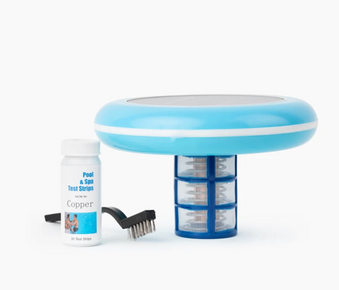
TL;DR: Durability is a critical factor in solar pool ionizer selection, directly affecting long-term reliability, maintenance costs, and owner satisfaction. In 2026, durability standards have evolved significantly, with manufacturers focusing on electrode longevity, controller reliability, solar panel resilience, and weatherproof construction. Understanding these standards helps pool owners evaluate products beyond marketing claims and select systems that will deliver years of trouble-free operation. This guide examines the durability standards that define quality ionizers, from electrode materials and self-cleaning technology to controller electronics and enclosure ratings.
SEO Summary: 2026 guide to solar pool ionizer durability standards: electrode life, self-cleaning technology, controller reliability, weatherproof construction, and manufacturer quality certifications.
Table of Contents
- Why Durability Matters in Solar Pool Ionizers
- Electrode Durability Standards
- Self-Cleaning Technology and Electrode Life
- Controller Reliability and Electronics
- Solar Panel Durability and Performance
- Enclosure Ratings and Weather Protection
- Plumbing Components and Connections
- Warranty as a Durability Indicator
- Testing and Certification Standards
- Conclusion & Key Takeaways
Why Durability Matters in Solar Pool Ionizers
Durability is often overlooked in the initial purchase decision, yet it determines the long-term value and satisfaction of any pool investment. A solar pool ionizer that fails prematurely not only requires replacement costs but also leaves the pool without sanitation during peak season.
- Total cost of ownership: A durable system with a 10-year service life may cost more initially but delivers lower annualized cost than a cheaper system requiring replacement every 3 to 4 years. Understanding durability helps calculate true long-term value.
- Reliability during swim season: The worst time for equipment failure is mid-summer when the pool is in constant use. Durable components and robust design minimize the risk of unexpected downtime during peak swimming months.
- Maintenance frequency: Durable systems require less frequent maintenance and fewer repairs. Self-cleaning electrodes, reliable electronics, and corrosion-resistant materials all contribute to reduced owner intervention.
- Consistent performance: As components age, performance should remain stable rather than degrading progressively. Durable systems maintain consistent ion output and accurate control throughout their service life.
- Environmental exposure: Solar pool ionizers face harsh conditions: direct sunlight, temperature extremes, humidity, and chemical exposure. Durability standards ensure components withstand these challenges year after year.
The durability of solar pool ionizers has improved dramatically in recent years, with manufacturers adopting better materials, more robust electronics, and improved manufacturing processes. Our overview of pool technology advances traces the evolution of component quality and reliability.
Electrode Durability Standards
The electrode cartridge is the heart of any solar pool ionizer, and its durability directly determines system longevity and replacement costs. Understanding electrode construction and materials helps evaluate quality.
- Electrode materials: Quality electrodes use high-purity copper and silver alloys, typically 90 to 95 percent copper with 5 to 10 percent silver. The silver content is critical for bacteria control and also affects durability. Inferior electrodes may use lower-grade metals that erode unevenly or contain impurities that accelerate degradation.
- Electrode thickness: Thicker electrodes last longer, but thickness must be balanced against ion production efficiency. Quality manufacturers specify electrode mass rather than just thickness, typically 200 to 500 grams of active material depending on pool size. Heavier electrodes cost more initially but deliver proportionally longer life.
- Surface area: Larger electrode surface area allows lower current density, reducing stress on the metal and extending life. Quality electrodes are designed with sufficient surface area to operate well within material limits.
- Erosion patterns: Quality electrodes erode evenly across their surface. Uneven erosion indicates poor design, manufacturing defects, or flow distribution problems. Visual inspection should show consistent wear.
- Connection integrity: The electrical connection between electrodes and controller must remain reliable despite continuous submersion and temperature cycling. Quality electrodes use corrosion-resistant connections, often gold-plated or sealed to prevent moisture intrusion.
- Expected life: Under normal operating conditions and proper water chemistry, quality electrodes should last 3 to 5 years. With self-cleaning technology and optimal chemistry, 5 to 7 years is achievable. Replacement cost should be considered when evaluating overall system value.
Electrode durability is directly affected by water chemistry. Pools with aggressive water or improper pH can dramatically shorten electrode life. Our chemistry management resource provides guidance on maintaining conditions that maximize electrode longevity.
Self-Cleaning Technology and Electrode Life
Self-cleaning technology represents a significant advance in electrode durability, eliminating the manual cleaning required by older systems and extending service life dramatically.
- Polarity reversal: The most common self-cleaning technology is automatic polarity reversal. The controller periodically reverses the electrical current flowing through the electrodes, causing the polarity of each electrode to switch. This reversal creates a repulsive force that causes calcium scale to flake off electrode surfaces. The loosened scale is carried away by flowing water and captured by the filter.
- Cleaning frequency: Quality controllers automatically determine optimal cleaning frequency based on water chemistry and operating conditions. Pools with harder water require more frequent cleaning cycles. The controller adapts, applying cleaning cycles only when needed rather than on a fixed schedule.
- Pulsed operation: Some systems use pulsed DC current rather than continuous current. The pulsing action creates microscopic vibrations that inhibit scale formation and help shed any scale that does begin to form. Pulsed operation also improves ion release efficiency, extending electrode life.
- Life extension: Self-cleaning technology dramatically extends electrode life. Traditional electrodes in hard water areas might require replacement every 1 to 2 years. Self-cleaning electrodes in the same conditions can last 4 to 6 years or longer a 200 to 300 percent improvement.
- Maintenance elimination: Beyond life extension, self-cleaning eliminates a messy, time-consuming maintenance task. Owners no longer need to remove electrodes, mix acid solutions, scrub scale, and reassemble. The system handles it automatically.
- Effectiveness indicators: Quality systems provide feedback on cleaning effectiveness, alerting owners if scale buildup exceeds normal parameters. This early warning allows investigation of underlying water chemistry issues before they affect performance.
Self-cleaning technology is particularly valuable in areas with hard water, where scale formation would otherwise require frequent manual intervention. Our copper pool staining prevention resource discusses how scale management contributes to overall system durability.
Controller Reliability and Electronics
The controller is the brain of the solar pool ionizer system, and its reliability affects every aspect of operation. Modern controllers are sophisticated electronic devices that must withstand harsh outdoor conditions.
- Electronic component quality: Quality controllers use industrial-grade components rated for extended temperature ranges and continuous operation. Consumer-grade components may fail prematurely in outdoor environments. Look for controllers with demonstrated reliability in similar applications.
- Environmental sealing: Controllers must be protected from moisture, humidity, and temperature extremes. Quality units feature gasketed enclosures, conformal-coated circuit boards, and sealed cable entries. IP (Ingress Protection) ratings provide objective measures of environmental resistance.
- Power supply robustness: Solar power input can vary widely with changing light conditions. Quality controllers incorporate robust power management circuitry that handles voltage fluctuations without damage. Overvoltage protection, reverse polarity protection, and surge suppression are essential features.
- Display durability: If the controller includes a display, it must be readable in direct sunlight and resistant to UV degradation. Quality displays use UV-stabilized materials and have sufficient brightness for outdoor viewing.
- Connector quality: Cable connections are common failure points. Quality controllers use marine-grade connectors that resist corrosion and maintain reliable contact despite vibration and temperature cycling. Screw terminals should be corrosion-resistant and accept a range of wire sizes.
- Mean time between failures (MTBF): Reputable manufacturers publish MTBF data for their controllers, typically 50,000 to 100,000 hours for quality units. This translates to 5 to 10 years of continuous operation.
- Firmware stability: For smart controllers with advanced features, firmware quality affects reliability. Regular updates from the manufacturer indicate ongoing support and improvement. Look for controllers with a track record of stable operation.
Controller reliability has improved dramatically with the adoption of automotive and industrial-grade electronics. Our smarter pool water systems with solar pool ionizer discusses the technology behind modern controllers and their reliability features.
Solar Panel Durability and Performance
The solar panel provides all power for ion generation, and its durability directly affects system reliability. Solar panels for pool applications face unique challenges including constant outdoor exposure and potential chemical exposure.
- Panel type: Monocrystalline silicon panels offer the best combination of efficiency and durability, with typical warranties of 25 years. Polycrystalline panels are acceptable but may have slightly shorter lifespans. Thin-film amorphous panels are generally not recommended for pool applications due to lower durability.
- Frame construction: Quality panels feature corrosion-resistant aluminum frames with durable coatings. Stainless steel hardware is preferred for mounting. Frames should be rigid enough to withstand wind loads without flexing.
- Glass quality: Tempered glass with anti-reflective coating provides durability and efficiency. Low-iron glass maximizes light transmission. Glass should be impact-resistant to withstand hail and debris.
- Junction box: The junction box where electrical connections are made must be weatherproof with reliable sealing. Quality boxes have IP65 or higher ratings and use corrosion-resistant terminals.
- Bypass diodes: Built-in bypass diodes prevent power loss from partial shading and protect the panel from hot-spot damage. Quality panels include multiple bypass diodes for each cell string.
- Performance degradation: All solar panels degrade slowly over time. Quality panels are rated for 80 to 90 percent power output after 25 years. Lower-quality panels may degrade faster, reducing ion output in later years.
- Environmental resistance: Panels must withstand temperature extremes, humidity, UV exposure, and potential chemical exposure from pool water splash. Quality panels are tested for these conditions.
Solar panel durability is well-established, with the technology having decades of field experience. Our solar-powered pool care resource provides guidance on selecting and maintaining panels for maximum longevity.
Enclosure Ratings and Weather Protection
All components of a solar pool ionizer system must withstand outdoor exposure. Enclosure ratings provide objective measures of environmental protection.
- IP (Ingress Protection) ratings: The IP rating system classifies protection against solids and liquids. The first digit indicates solid particle protection (0 to 6), the second indicates liquid ingress protection (0 to 8). For pool equipment, look for:
- IP65: Dust-tight and protected against water jets sufficient for most installations
- IP66: Dust-tight and protected against powerful water jets recommended for exposed locations
- IP67: Dust-tight and protected against temporary immersion ideal for flood-prone areas
- NEMA ratings: North American ratings that combine environmental and corrosion resistance. Common ratings include:
- NEMA 3R: Indoor/outdoor, protects against rain and sleet
- NEMA 4X: Indoor/outdoor, protects against corrosion, windblown dust, rain, and hose-directed water
- NEMA 6P: Indoor/outdoor, protects against temporary immersion and corrosion
- UV resistance: Plastic components must be UV-stabilized to prevent cracking and degradation from sunlight exposure. Look for materials rated for continuous outdoor use.
- Temperature range: Quality components are rated for operation from -20°F to 120°F or wider. This ensures reliable operation in all but the most extreme climates.
- Corrosion resistance: Components near pools are exposed to chemicals and humidity. Stainless steel hardware, powder-coated enclosures, and corrosion-resistant coatings extend life.
- Seal quality: Gaskets and seals must maintain their integrity over years of temperature cycling. Silicone gaskets generally outperform foam or rubber in outdoor applications.
Enclosure ratings are often overlooked but critical for long-term reliability. A controller with inadequate protection may fail within months of installation. Our commercial pool standards resource discusses the rigorous requirements for public pool installations.
Plumbing Components and Connections
The ionizer chamber and associated plumbing components must withstand continuous water flow, pressure, and chemical exposure. Plumbing durability affects both reliability and safety.
- Chamber materials: Quality ionizer chambers use UV-stabilized polymers or stainless steel. Clear chambers allow visual electrode inspection but must be made of materials that resist UV degradation and cracking.
- O-ring quality: O-rings seal the chamber and prevent leaks. Quality systems use Viton or EPDM O-rings that resist chemical attack and maintain flexibility over years. Silicone O-rings are also acceptable. Inferior O-rings may harden and crack, causing leaks.
- Threaded connections: Chambers with threaded connections should use reinforced threads that resist stripping. Metal thread inserts in plastic chambers improve durability.
- Union fittings: Quality systems include union fittings that allow easy removal of the chamber for service without cutting pipe. Unions should be made of corrosion-resistant materials.
- Pressure rating: All plumbing components must be rated for the maximum system pressure, typically 50 to 100 PSI for residential pools. Look for pressure ratings stamped on components.
- Flow switch durability: Flow switches are moving parts that can wear over time. Quality switches use corrosion-resistant materials and have long mechanical life ratings. Paddle-type switches should be adjustable for different pipe sizes.
- Winterization provisions: In freezing climates, chambers must be drainable or removable to prevent freeze damage. Quality systems include drain ports or easy-disconnect features.
Plumbing durability is particularly important in areas with freezing winters, where improper winterization can destroy components. Our seasonal pool maintenance schedules resource provides guidance on protecting plumbing components during winter.
Warranty as a Durability Indicator
Warranty terms provide insight into manufacturer confidence in their products. While warranty alone doesn't guarantee quality, unreasonable warranties should raise concerns.
- Controller warranty: Premium manufacturers offer 3 to 5 year warranties on electronics. Budget manufacturers may offer only 1 year. Longer warranties indicate higher-quality components and better engineering.
- Solar panel warranty: Tier 1 panel manufacturers offer 25-year performance warranties (80 percent output at 25 years). This is the industry standard for quality panels. Shorter warranties indicate lower confidence or lower-quality panels.
- Electrode warranty: Electrodes are consumable items, so warranties are typically shorter. One year is standard, but some premium manufacturers offer prorated warranties up to 3 years based on remaining electrode mass.
- Chamber and housing warranty: 3 to 10 years depending on materials. UV-stabilized polymer housings should carry longer warranties than basic plastic.
- What warranties cover: Read the fine print. Does the warranty cover parts only or labor as well? Who pays shipping? Are there exclusions for certain types of damage? Quality warranties are clear and fair.
- Warranty registration requirements: Some manufacturers require registration within 30 days for warranty coverage. Failure to register may void the warranty. Understand and follow requirements.
- Red flags: Be wary of:
- 90-day warranties on electronics
- No published warranty terms (must "register" to see details)
- Requirements to pay shipping both ways for warranty claims
- "Lifetime" warranties without clear definitions
- No technical support contact information
Warranty analysis should be part of any purchase decision. A system with strong warranties from a reputable manufacturer is likely to be more durable than one with limited coverage. Our solar pool ionizer selection guide for home owners includes warranty comparison as a key evaluation criterion.
Testing and Certification Standards
Independent testing and certification provide objective verification of durability claims. Several standards apply to solar pool ionizers.
- ETL or UL listing: These independent safety certifications indicate the product has passed testing for electrical shock and fire hazards. Look for the ETL or UL mark on the product or in documentation. This is non-negotiable for any electrical product.
- NSF/ANSI 50: For commercial applications, NSF/ANSI 50 certification is mandatory. It verifies that the ionizer meets national standards for pool equipment sanitation performance. While not required for residential pools, it indicates a higher level of testing and validation.
- FCC compliance: Required for products with wireless communication. Ensures the device doesn't interfere with other electronics.
- RoHS compliance: Restriction of Hazardous Substances certification indicates the product is free from lead, mercury, cadmium, and other toxic materials. Environmental responsibility indicator.
- IP testing: Independent verification of ingress protection ratings. Look for test reports rather than just manufacturer claims.
- Salt spray testing: For coastal installations, ASTM B117 salt spray testing indicates corrosion resistance. This is particularly important for components exposed to marine environments.
- UV exposure testing: ASTM G154 or similar testing verifies that plastic components resist UV degradation. This ensures long-term outdoor durability.
- Temperature cycling: Testing that verifies operation across temperature extremes without failure. Important for all outdoor equipment.
Certifications provide confidence that products have been tested to recognized standards. While not all certifications are required for all applications, they indicate manufacturer commitment to quality. Our commercial pool standards resource discusses certification requirements in detail.
Conclusion & Key Takeaways
Solar pool ionizer durability standards in 2026 have matured significantly, with manufacturers adopting better materials, more robust electronics, and improved manufacturing processes. Understanding these standards helps pool owners make informed decisions and select systems that will provide years of reliable service.
Electrode durability depends on material quality, thickness, and self-cleaning technology. Quality electrodes with automatic polarity reversal can last 4 to 6 years or longer, dramatically reducing replacement costs. Controller reliability has improved with industrial-grade electronics and proper environmental sealing. Solar panels from reputable manufacturers offer 25-year performance warranties and proven durability.
Enclosure ratings, plumbing component quality, and corrosion resistance all contribute to overall system longevity. Warranties provide insight into manufacturer confidence, and independent certifications offer objective verification of durability claims.
The initial cost difference between a basic system and a high-quality, durable system is modest compared to the long-term value. A system that lasts 10 years with minimal maintenance delivers far better total cost of ownership than one requiring replacement every 3 to 4 years.
Key Takeaways
- Durability directly affects long-term value: A durable system with higher initial cost often delivers lower annualized cost than cheaper alternatives requiring frequent replacement. Total cost of ownership should guide purchase decisions.
- Electrode quality determines replacement frequency: High-purity materials, adequate thickness, and self-cleaning technology extend electrode life from 1 to 2 years to 4 to 6 years or longer. Our chemistry management resource helps maximize electrode life.
- Self-cleaning technology is essential for hard water: Automatic polarity reversal prevents scale buildup, eliminating manual cleaning and dramatically extending electrode life. This feature is particularly valuable in areas with high calcium hardness.
- Controller reliability depends on electronics quality and environmental protection: Industrial-grade components, conformal-coated circuit boards, and proper sealing ensure long-term reliability. IP65 or higher ratings are recommended.
- Solar panels should carry 25-year warranties: Quality panels from tier 1 manufacturers offer 25-year performance warranties. Shorter warranties indicate lower confidence or lower quality.
- Enclosure ratings matter: IP65 or NEMA 4X ratings ensure components withstand weather exposure. Don't overlook this critical durability factor.
- Plumbing components must resist pressure and chemicals: Quality O-rings, reinforced threads, and corrosion-resistant materials prevent leaks and failures.
- Warranties indicate manufacturer confidence: Longer warranties on controllers (3 to 5 years) and panels (25 years) suggest higher quality. Be wary of unusually short or vague warranties.
- Independent certifications provide objective verification: ETL/UL listings, IP testing, and other certifications confirm that products meet recognized standards. Our commercial standards resource discusses certification requirements.
- Investing in durability pays long-term dividends: The modest premium for a high-quality, durable system delivers years of reliable, trouble-free operation. Cheaper systems often cost more over time due to early failures and replacements.
Durability is not the most exciting aspect of solar pool ionizer selection, but it may be the most important. A system that fails prematurely negates all the benefits of ionization and creates frustration and unexpected expense. By understanding and evaluating durability standards, you can select a system that will provide years of reliable service and deliver the full value of solar-powered, low-chemical pool care.