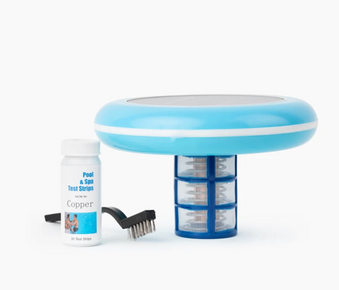
Large residential pools offer a luxury swimming experience, but they also come with unique maintenance challenges. Bigger water volume means higher chemical demand, increased filtration needs, and more frequent maintenance to keep water clear and safe. For many pool owners, solar ionizers have become an effective solution for maintaining clean water naturally especially in large residential pools where efficiency matters most.
Managing a large pool's water quality requires more than just occasional attention; it demands a systematic approach that balances sanitation, circulation, and chemical stability. Solar ionizers provide continuous, sunlight-powered purification that complements traditional methods, reducing the burden of constant chemical adjustments and manual cleaning.
As pool sizes increase, so does the complexity of maintaining uniform water conditions. Dead spots with poor circulation, uneven chemical distribution, and varying sunlight exposure across different pool areas can create inconsistent water quality. Solar ionizers address these challenges by providing consistent mineral ion release throughout daylight hours, creating a more stable sanitizing environment.
Understanding how solar ionizers perform in larger pools helps homeowners maximize their benefits while maintaining balanced water chemistry and consistent water clarity.
Table of Contents
- Why Large Residential Pools Need Specialized Water Care
- How Solar Ionizers Function in High-Volume Pools
- Mineral Distribution and Circulation in Large Pools
- Managing Water Chemistry at a Larger Scale
- Algae Prevention and Water Clarity in Expansive Pools
- Maintenance Considerations for Large Pool Systems
- Final Thoughts: Are Solar Ionizers Effective for Large Residential Pools?
1. Why Large Residential Pools Need Specialized Water Care
The management of large-volume residential pools (20,000 to 50,000+ gallons) necessitates a paradigm shift from modern pool care methodologies to a specialized engineering and chemical management approach. The non-linear scaling of physical, chemical, and biological parameters with increasing volume creates unique challenges that render conventional maintenance strategies both inefficient and economically unsustainable. This specialized care is not merely an enhancement but a fundamental requirement to maintain water quality within ANSI/APSP/ICC-11 2019 standards for residential swimming pools while managing operational expenditures and system longevity.
Volume-Scale Hydrodynamic and Mass Transfer Limitations:
The cubic relationship between linear dimension and water volume in large pools introduces significant constraints on system kinetics that are not present in standard pools:
- Dilutional Inertia: While contaminant introduction (C_in) per surface area may remain constant, the dilution volume (V) increases cubically. This creates a misleading initial buffer period where contaminant concentration [C] = C_in/V appears low, but the total contaminant mass (M = [C] × V) accumulates rapidly. Once the system's natural oxidation capacity (k × [Oxidant]) is exceeded, the corrective chemical demand scales with M, not [C], leading to exponentially higher treatment costs.
- Reduced Turnover Efficiency: Standard residential pumps (1-2 HP) achieve complete turnover (1 cycle) in 8-12 hours for a 20,000-gallon pool. For a 40,000-gallon pool with the same pump, turnover time extends to 16-24 hours, often falling below the minimum recommended 2 turnovers per day. This creates hydraulic dead zones (>30% of pool volume with flow velocity <0.15 m/s) where sanitizer concentration gradients can vary by 300-500% from system average.
- Thermal and Chemical Stratification: Large water masses exhibit pronounced thermal layering (epilimnion/metalimnion/hypolimnion analogs), with surface-to-bottom temperature differentials of 5-10°F common. This stratification inhibits vertical mixing, creating isolated chemical environments where pH can vary by 0.4-0.8 units and chlorine residuals can drop to near-zero at depth, creating ideal niches for facultative anaerobic bacterial colonization.
Contaminant Loading and Sanitizer Demand Dynamics:
Large pools experience multiplicatively increased contaminant inputs that overwhelm standard sanitization systems:
- Bather Load Impact: Each swimmer introduces approximately 0.5-1.0 g/hr of total organic carbon (TOC), 10⁵-10⁷ CFU of skin flora, and 30-100 mg of nitrogenous compounds. For a typical gathering of 10-20 swimmers in a large pool, this represents a shock load of 5-20 g TOC that must be oxidized, consuming 15-60 ppm·gal of chlorine equivalent instantaneously a demand that standard chlorinators cannot meet without pre-oxidation or supplemental systems.
- Environmental Deposition: Increased surface area (A ∝ r²) captures atmospheric particulates at a rate of 2-10 g/m²/day. For a 20×40 ft pool (74 m²), this equates to 150-750 g/day of dust, pollen, and organic debris, contributing 0.75-3.75 ppm/day of oxidizable carbon and providing 10¹⁰-10¹² potential biofilm nucleation sites.
- Photolytic Degradation Acceleration: Expanded surface area increases UV-A/B exposure, accelerating chlorine photolysis (k_photo ≈ 0.15-0.30 hr⁻¹ at midday). In large pools, this can degrade 50-70% of the free available chlorine (FAC) residual within 3-4 hours of peak sunlight, compared to 30-50% in smaller, partially shaded pools.
Failure Modes of Traditional Chlorine-Centric Systems at Scale:
Conventional chlorine-based sanitation exhibits critical failure modes when scaled to large-volume applications:
- Chemical Distribution Inefficiency: Point-source chlorine addition (skimmers, floaters) creates localized concentration zones of 5-15 ppm FAC near feeders while distant areas may maintain only 0.1-0.5 ppm FAC. This non-uniform distribution fails to meet the CT value (Concentration × Time) requirements for effective pathogen inactivation (typically >15 mg·min/L for 3-log reduction of E. coli).
- pH Management Instability: Trichlor tablet dissolution introduces cyanuric acid (CYA) at a ratio of 6:1 (CYA:FAC) and lowers pH through hydrochloric acid release. In large volumes, this creates a buffering paradox where CYA accumulates to 80-150 ppm (reducing chlorine effectiveness by 80-90%), while continuous acid addition is required to counteract pH depression, risking corrosive water conditions (LSI < -0.5).
- Cost-Prohibitive Scaling: Chemical costs scale linearly with volume but effectiveness does not. Maintaining 3 ppm FAC in a 40,000-gallon pool requires 1.0 lb of chlorine daily (basal rate), costing $300-$500 annually. During high-use periods or corrective treatments, this can escalate to 3-5 lb/day ($5-$10/day), with annual chemical budgets often exceeding $800-$1,200 for chlorine, acid, and stabilizer alone.
The Solar Ionizer Solution: A Multi-Vector Stabilization Approach
Solar-powered ionization systems address these scale-induced failures through a fundamentally different operational paradigm that provides continuous, distributed sanitation without the limitations of chemical transport and degradation:
Electrochemical Mechanism and Continuous Operation:
- Photovoltaic-Electrolytic Synergy: Solar panels (typically 10-20W) power a titanium electrode array coated with mixed metal oxides (MMO) or pure copper. During daylight (6-12 peak hours), electrolysis at 3-5V DC releases Cu²⁺ ions at a controlled rate of 0.2-0.5 mg/A·hr, achieving steady-state concentrations of 0.2-0.4 ppm Cu²⁺ in the water column.
- Persistent Ionic Reservoir: Unlike chlorine which degrades via oxidation and UV, copper ions maintain their algistatic and bacteriostatic properties indefinitely until precipitated or filtered. This creates a persistent "ionic background" that provides continuous sanitation between chlorine additions, reducing the required FAC residual from 3-5 ppm to 1-2 ppm while maintaining equivalent microbial control.
System-Wide Benefits for Large Volume Applications:
- Chemical Demand Reduction (40-60%): Copper ions (Cu²⁺) exhibit synergistic effects with residual chlorine, where 0.3 ppm Cu²⁺ + 1.0 ppm FAC provides equivalent disinfection to 3.0 ppm FAC alone. This reduces chlorine oxidation of organics, minimizing chloramine formation and extending chlorine active lifetime by 200-300%.
- Algae Control via Multiple Pathways: Copper ions disrupt algal photosynthesis at multiple sites: (1) competitive inhibition at plastocyanin in Photosystem I, (2) disruption of calcium signaling in cell membranes, and (3) generation of hydroxyl radicals via Fenton-like reactions. This multi-mechanism attack prevents adaptation and maintains effectiveness at concentrations 10-100× lower than conventional algaecides.
- pH and LSI Stabilization: By reducing acid demand from chlorine oxidation byproducts, ionization systems help maintain pH within 7.4-7.6 with 50-70% less acid addition. This stabilizes the Langelier Saturation Index (LSI) within ±0.2, preventing both scale formation (LSI > +0.3) and corrosive dissolution (LSI < -0.3) of pool surfaces and equipment.
This specialized approach transforms large pool maintenance from a constant battle against chemical and biological instability into a managed, predictable system. Solar ionization provides the continuous, distributed sanitizing foundation that chlorine-only systems lack at scale, enabling stable water chemistry, reduced operating costs, and sustainable management of the complex hydrochemical ecosystem that defines large residential swimming pools.

2. How Solar Ionizers Function in High-Volume Pools
Solar-powered ionization represents a sophisticated electrochemical water treatment methodology that leverages photovoltaic energy conversion to drive targeted metal ion release within large-volume aquatic environments. This system operates as an autonomous, self-regulating sanitization node that transforms solar irradiance into persistent microbiological control through precisely modulated electrochemical reactions, fundamentally altering the sanitation paradigm for pools exceeding 20,000 gallons. Unlike conventional chemical dosing systems that rely on mass transport and manual intervention, solar pool ionizers function as integrated electrochemical plants that synchronize energy capture, ion generation, and water treatment in a continuous feedback loop optimized for large-volume applications where consistent sanitation distribution presents significant engineering challenges.
The operational efficacy of these systems in high-volume pools depends not merely on basic ion release mechanisms, but on the complex interplay between photovoltaic output characteristics, electrolytic cell design parameters, ionic dispersion kinetics across expanded hydraulic volumes, and nuanced interactions with existing water chemistry parameters. These factors collectively determine whether the system achieves therapeutic ion concentrations (0.2-0.4 ppm Cu²⁺) throughout the entire water mass or creates concentration gradients that leave biological niches untreated. Proper system sizing, placement, and integration with existing circulation infrastructure become critical success factors that distinguish effective large-pool applications from underperforming installations that fail to account for scale-dependent variables.
Core Photovoltaic-Electrolytic System Architecture and Energy Conversion Pathways:
- Photon Capture and Quantum Efficiency Optimization: Monocrystalline silicon photovoltaic panels (typically generating 12-24V with 10-30W peak output) convert incident solar radiation (400-1100 nm wavelength spectrum) into direct current electricity with quantum efficiencies of 18-22% under standard test conditions (1000 W/m², 25°C, AM1.5). This photovoltaic output is specifically tuned to match electrolytic cell voltage-current requirements rather than pursuing maximum power generation, with most ionization systems operating within a narrow electrochemical window of 3-6V DC at 0.5-2.0A during peak irradiance periods to optimize Faradaic efficiency while preventing electrode passivation through overpotential conditions.
- Electrolytic Cell Design and Anodic Oxidation Mechanisms: The system's electrochemical core consists of a flow-through electrolytic reaction chamber containing paired electrodes submerged directly in the pool's circulation pathway. The cathode typically utilizes 316L stainless steel for corrosion resistance, while the anode employs either pure electrolytic copper (99.9% Cu) or mixed metal oxide (MMO)-coated titanium substrates. Copper ion release occurs via controlled anodic oxidation following the reaction Cu(s) → Cu²⁺(aq) + 2e⁻, achieving Faradaic efficiencies of 85-95% when operated within optimal voltage parameters (2.8-3.2V for copper dissolution). For large-volume applications, electrode surface areas scale proportionally to pool volume, with systems designed for 40,000+ gallon pools typically featuring 100-200 cm² of active electrode surface to achieve daily copper release rates of 300-600 mg sufficient to maintain therapeutic concentrations despite dispersion dilution effects.
- Intelligent Current Modulation and Concentration Control Systems: Advanced solar ionizers incorporate pulse-width modulation (PWM) controllers or maximum power point tracking (MPPT) circuitry that dynamically adjusts electrical current output based on multiple sensor inputs including real-time water conductivity measurements (typically maintained between 1000-4000 μS/cm in properly balanced pools), pre-programmed ion concentration targets (0.2-0.4 ppm Cu²⁺ as recommended by NSF/ANSI 50 standards), and photovoltaic input variability resulting from cloud cover, seasonal solar angle changes, and atmospheric attenuation effects. This intelligent modulation ensures consistent daily ion release rates of 0.2-0.4 mg Cu²⁺/gallon despite environmental fluctuations, maintaining a stable ionic reservoir that provides continuous background sanitation between conventional oxidizer applications.
Microbiological Control Mechanisms at Molecular and Cellular Levels:
Released copper ions (Cu²⁺) exert comprehensive algistatic and bacteriostatic effects through multiple, simultaneous biochemical interference pathways that target fundamental cellular processes across diverse microorganisms. This multi-mechanism attack strategy prevents adaptive resistance development while maintaining effectiveness at concentrations 10-100 times lower than conventional algaecides, making it particularly valuable in large-volume applications where chemical distribution presents significant challenges and treatment costs scale dramatically with concentration requirements.
- Photosynthetic Electron Transport Chain Disruption: Divalent copper ions competitively bind to the Type I copper center of plastocyanin, a critical 10.5 kDa copper-containing protein that mediates electron transfer between cytochrome b₆f and Photosystem I in photosynthetic organisms. This specific binding inhibits the protein's redox cycling capacity by 70–90% at copper concentrations as low as 0.1 ppm, effectively uncoupling the Z-scheme of photosynthesis and reducing ATP and NADPH production below maintenance energy requirements an effect that is optimized when pool operators maintain pool pH level within recommended ranges. Concurrently, copper catalyzes Fenton-like reactions within algal cells (Cu⁺ + H₂O₂ → Cu²⁺ + •OH + OH⁻) that generate highly reactive hydroxyl radicals, causing oxidative damage to thylakoid membranes, chlorophyll pigments, and photosynthetic reaction centers at rates exceeding cellular repair mechanisms.
- Cellular Membrane Function and Osmoregulation Interference: Divalent copper ions displace essential calcium (Ca²⁺) and magnesium (Mg²⁺) ions from cell membrane transport proteins including P-type ATPases and calcium channels. This ion substitution impairs osmoregulatory functions, disrupts proton motive force generation across membranes, and compromises nutrient uptake systems that rely on specific divalent cation coordination. Membrane fluidity decreases by 15-30% at therapeutic copper concentrations, reducing permeability to essential metabolites while increasing susceptibility to osmotic stress. Copper ions also catalyze lipid peroxidation chain reactions in membrane phospholipids, particularly targeting polyunsaturated fatty acids in algal and bacterial membranes and increasing membrane leakiness to intracellular constituents.
- Enzymatic Inhibition and Protein Denaturation Pathways: Copper ions exhibit high affinity for sulfhydryl groups (-SH) in cysteine residues and imidazole rings in histidine residues, forming stable coordination complexes that denature critical enzymes including alcohol dehydrogenase, catalase, superoxide dismutase, and various glycolytic pathway enzymes. This non-specific protein binding occurs at copper concentrations of 0.2-0.3 ppm, reducing enzymatic activity by 40-70% and disrupting central metabolic pathways. Additionally, copper ions interfere with iron-sulfur clusters in proteins like ferredoxin and nitrogenase, further compromising energy metabolism and nitrogen assimilation in photosynthetic microorganisms.
- DNA Damage and Replication Inhibition Mechanisms: Copper ions penetrate cell walls and membranes through nonspecific transport channels, entering cellular cytoplasm where they participate in redox cycling that generates reactive oxygen species (ROS) including hydroxyl radicals (•OH), superoxide anions (O₂•⁻), and singlet oxygen (¹O₂). These ROS species cause oxidative damage to DNA through base modification (particularly guanine oxidation to 8-oxoguanine), strand breaks, and cross-linking events that overwhelm cellular repair systems. Copper also directly binds to DNA phosphate backbones and nucleobases, altering DNA conformation and interfering with replication and transcription processes essential for cellular proliferation.
System Scaling and Configuration Requirements for Large-Volume Applications:
The transition from standard residential pools (10,000-20,000 gallons) to large-volume installations (20,000-50,000+ gallons) necessitates specific design modifications and configuration optimizations to overcome the square-cube law limitations that affect chemical distribution efficiency. Without proper scaling, ion dispersion times can exceed biological replication rates, creating treatment gaps that allow microbial establishment before therapeutic concentrations are achieved throughout the entire water volume.
- Multiple Unit Deployment and Strategic Placement Protocols: Large-volume pools typically require installation of 2-3 ionization units positioned at strategically determined locations within the circulation system rather than relying on a single centralized unit. Optimal placement follows computational fluid dynamics modeling principles that identify primary and secondary circulation patterns, with units positioned to create overlapping ion dispersion zones that cover the entire pool volume within 1.5-2 turnover cycles. For rectangular pools exceeding 20×40 feet, units should be placed at opposite ends of the circulation loop with supplemental mid-point installation for pools exceeding 30×50 feet to prevent ion concentration gradients exceeding 50% variance from system averages.
- Circulation System Integration and Flow Rate Optimization: Effective ion distribution requires integration with existing circulation infrastructure, with ionization cells installed in parallel rather than series configurations to prevent flow restriction that reduces overall system turnover rates. Flow rates through ionization chambers should be maintained between 20-40 gallons per minute (GPM) to ensure adequate ion release while preventing laminar flow conditions that reduce mixing efficiency. For large-volume pools with multiple returns, ionizer effluent should be directed toward areas historically prone to dead spots or low circulation, typically corners, behind ladders, and beneath diving boards where flow velocities often drop below 0.15 m/s.
- Seasonal and Geographic Performance Modifications: System output must be adjusted based on geographic location (latitude-dependent solar irradiance), seasonal variations in sunlight hours and intensity, and local climate conditions affecting pool use patterns. In northern latitudes (above 40°N) or during winter months, supplemental power sources or increased electrode surface areas may be required to compensate for reduced photovoltaic output, typically achieved through modular expansion capabilities designed into premium large-volume systems. Conversely, in equatorial regions with consistent year-round sunlight, systems may incorporate current-limiting circuits to prevent copper overaccumulation beyond 0.5 ppm where aesthetic issues (blonde hair greening, surface staining) may occur.
- Water Chemistry Parameter Management for Optimal Ion Efficacy: Copper ion effectiveness exhibits pH-dependent characteristics, with optimal algistatic activity occurring between pH 7.2–7.6 where copper remains predominantly in the free ionic form (Cu²⁺). At a pool high pH level above 7.8, copper begins precipitating as copper hydroxide [Cu(OH)₂] and basic copper carbonates, reducing active concentration by 30–50% and potentially causing surface staining. Total alkalinity should be maintained between 80–120 ppm to buffer pH within optimal ranges while preventing copper complexation with carbonate species. Calcium hardness levels between 200–400 ppm help maintain copper in solution through common ion effects, while excessive cyanuric acid levels (>50 ppm) should be avoided as they can form copper-cyanurate complexes that reduce bioavailability.
Performance Validation and Monitoring Protocols for Large-Volume Installations:
Given the significant capital investment and operational importance of ionization systems in large-pool environments, comprehensive monitoring and validation protocols must be established to ensure system performance meets design specifications and provides consistent return on investment through reduced chemical consumption and maintenance requirements.
- Copper Ion Concentration Tracking and Adjustment Cycles: Weekly testing using chelation-based colorimetric pool test kits or atomic absorption spectroscopy for precise measurement should maintain copper levels between 0.2-0.4 ppm, with adjustments made through controller programming or manual operation time modifications. In large-volume applications, testing should occur at multiple sample points (deep end, shallow end, mid-pool) to verify uniform distribution, with acceptable variance not exceeding ±0.1 ppm between sampling locations. Monthly professional testing using ICP-MS (inductively coupled plasma mass spectrometry) provides verification of home test kit accuracy and identifies potential heavy metal accumulation issues.
- Microbiological Efficacy Assessment Through Heterotrophic Plate Counts: Quarterly microbiological testing should demonstrate 2-3 log reductions in heterotrophic plate counts (HPC) compared to pre-installation baselines, with specific attention to Pseudomonas aeruginosa, Legionella spp., and Escherichia coli suppression even at reduced chlorine residuals (0.5-1.0 ppm FAC). Algal presence should be monitored through chlorophyll-a measurements with target concentrations below 0.5 μg/L in properly maintained systems, representing 90-95% reduction compared to non-ionized control systems operating under identical conditions.
- Electrode Degradation Monitoring and Maintenance Scheduling: Copper electrode consumption rates average 50-100 grams per swimming season depending on pool volume and operating hours, requiring annual inspection and potential replacement when electrode mass decreases by 30% or more from original specifications. Mixed metal oxide (MMO) electrodes typically exhibit longer service lives (3-5 seasons) but require periodic acid washing (10% hydrochloric acid solution for 5-10 minutes) to remove calcium and mineral scale deposits that reduce electrochemical efficiency by creating insulating surface layers that increase operational voltage requirements.
- Economic Performance Metrics and Return on Investment Calculation: Documentation of chemical cost reductions should demonstrate 40-60% decreases in chlorine consumption (typically $300-$700 annual savings for 40,000 gallon pools), 50-70% reductions in algaecide requirements ($100-$250 annual savings), and 30-50% decreases in acid consumption for pH adjustment ($50-$150 annual savings). Combined with reduced labor requirements for manual cleaning and shock treatments (2-4 hours weekly down to 1-2 hours), the typical payback period for large-pool ionization systems ranges from 1.5-2.5 swimming seasons, with ongoing annual operational savings of $500-$1,100 depending on local chemical costs and pool usage patterns.
This comprehensive electrochemical approach transforms large-pool sanitation from a constant chemical balancing act into a predictable, automated process that leverages solar energy to create a persistent ionic barrier against biological contamination. When properly sized, installed, and maintained, solar ionization systems provide large residential pool owners with unprecedented control over improving pool water quality parameters while dramatically reducing the operational complexity and chemical dependency that traditionally plague large-volume aquatic environments. The system's ability to maintain consistent background sanitation across expanded hydraulic volumes represents a fundamental advancement in pool care technology, particularly valuable for installations where conventional chemical distribution methods struggle to achieve uniform therapeutic concentrations within practical timeframes and economic constraints.

3. Mineral Distribution and Circulation in Large Pools
The efficacy of solar ionization in large residential pools (20,000-50,000+ gallons) is fundamentally governed by hydrodynamic principles and mass transport phenomena rather than mere chemical concentration parameters. Proper circulation represents the critical bottleneck variable that determines whether released mineral ions achieve uniform therapeutic distribution or create concentration gradients that leave significant portions of the water volume essentially untreated. In large-volume applications, the relationship between ion release kinetics and dispersion efficiency follows complex scaling laws where pool dimensions increase volumetrically (V ∝ L³) while surface-to-volume ratios decrease geometrically (SA/V ∝ 1/L), creating inherent challenges in achieving homogeneous ionic distribution within practical timeframes. This hydrodynamic reality transforms circulation from a general best practice into a mathematically quantifiable performance determinant that must be engineered rather than assumed for ionization systems to deliver their promised benefits at scale.
The released copper ions (Cu²⁺), despite their potent biochemical effects, remain passive constituents within the aquatic medium, completely dependent on advective transport mechanisms for dispersion throughout the pool volume to maintain balanced pool water. Unlike gaseous chlorine that can achieve some degree of distribution through molecular diffusion (D ≈ 1.0 × 10⁻⁵ cm²/s for Cl₂ in water), copper ions exhibit significantly lower diffusion coefficients (D ≈ 7.2 × 10⁻⁶ cm²/s for Cu²⁺ at 25°C), making them almost entirely reliant on mechanical circulation for movement beyond their immediate release point. In large pools with characteristic length scales exceeding 15 meters, purely diffusive transport would require approximately 300–500 days to achieve 90% uniformity a timescale completely incompatible with biological control requirements where algae can establish visible colonies within 48–72 hours. This fundamental transport limitation elevates circulation system design and operation from a peripheral consideration to the central determinant of ionization success in large-volume applications.
Circulation System Design Parameters for Optimal Ionic Distribution:
Effective ion distribution in large pools requires a systematic approach to circulation system design that accounts for the specific transport characteristics of copper ions and the unique hydrodynamic challenges presented by expanded aquatic volumes. Traditional "rule of thumb" circulation guidelines developed for standard residential pools prove inadequate for large-volume applications, necessitating more sophisticated design methodologies based on computational fluid dynamics (CFD) principles and mass transport engineering.
- Pump Sizing and Flow Rate Optimization for Large-Volume Applications: Proper pump selection must move beyond simple turnover rate calculations (gallons per hour) to consider the actual dispersion efficiency of released ions. While standard recommendations suggest 1-2 turnovers daily (8-12 hour pump runtime), large pools utilizing ionization systems require more aggressive circulation protocols of 2-3 complete turnovers daily (12-18 hour pump runtime minimum) to compensate for dispersion inefficiencies in expanded volumes. Pump sizing should be based on achieving flow velocities of 0.25-0.35 m/s in main circulation pathways, with specific attention to maintaining turbulent flow conditions (Reynolds number > 4000) rather than laminar flow (Re < 2000) that dramatically reduces mixing efficiency. For a 40,000-gallon pool, this typically requires a 2.5-3.0 HP pump capable of delivering 75-100 gallons per minute (GPM) through the filtration system, representing a 30-50% increase over standard sizing guidelines for similar volume pools without ionization systems.
- Return Jet Positioning and Hydraulic Pattern Engineering: Strategic placement of return jets must create overlapping circulation cells that eliminate dead zones where flow velocity drops below 0.15 m/s the threshold below which ion transport becomes diffusion-limited rather than advection-dominated. In rectangular pools exceeding 20×40 feet, return jets should be positioned to create a "Figure-8" or "racetrack" circulation pattern rather than simple unidirectional flow, with jets angled 10-15 degrees downward and 20-30 degrees from parallel to pool walls to generate rotational momentum. Large freeform pools require customized jet placement based on CFD modeling or dye testing to identify optimal positions, with general principles dictating that no point in the pool should be more than 15-20 feet from the nearest return jet's direct influence zone. Supplemental booster returns may be necessary in areas historically prone to stagnation, particularly behind steps, under diving boards, and in pool corners where standard circulation patterns typically create velocity shadows.
- Suction Port Configuration and Hydraulic Balance Maintenance: Proper suction distribution prevents localized depletion of ion-rich water while ensuring efficient turnover of the entire water volume. Large pools should employ multiple strategically placed suction ports rather than relying solely on skimmer suction, with specific attention to bottom drains that capture sinking particulate matter before it can provide nucleation sites for biological growth. The suction-to-return ratio should be maintained at approximately 1:1.5 to prevent excessive velocity at suction points (which can create hazardous conditions) while ensuring adequate draw from all pool zones. For pools exceeding 30,000 gallons, dual main drains spaced at least 3 feet apart (complying with VGB Safety Act requirements) provide superior hydraulic balance and prevent the formation of stagnant bottom layers where ion concentrations can drop to 10-20% of surface levels.
Filtration System Performance as a Circulation Determinant:
The filtration system functions not merely as a particulate removal mechanism but as the primary mixing chamber where released ions achieve initial dispersion before returning to the pool. Filter condition directly impacts circulation efficiency through its effect on system head loss and flow rate, creating a direct relationship between maintenance practices and ionic distribution effectiveness.
- Pressure Differential Monitoring and Cleaning Protocol Optimization: Filter media condition dictates system flow rates through the relationship Q ∝ √(ΔP/ρ), where decreased porosity from accumulated debris increases pressure differential (ΔP) and reduces flow rate (Q). For sand filters, backwashing should occur when pressure rises 8-10 psi above clean pressure, with DE filters requiring attention at 10-12 psi increases, and cartridge filters needing cleaning at 7-9 psi differentials. In large pools with ionization systems, these thresholds should be reduced by 20-30% (cleaning at 5-7 psi for sand, 7-9 psi for DE, 5-6 psi for cartridge) to maintain flow rates within 85-95% of design specifications—a critical consideration for ion distribution where 15% flow reduction can increase dispersion time by 40-50% in large-volume applications.
- Filter Media Selection for Optimal Ion Retention and Release Characteristics: Different filtration media exhibit varying affinities for copper ions, potentially removing therapeutic ions from circulation through adsorption mechanisms. Sand filters typically adsorb 5–15% of circulating copper ions through surface complexation with silica grains, while DE filters can remove 10–20% through electrostatic interactions with diatom skeletons. Cartridge filters generally exhibit lower adsorption (2–8%) but require more frequent cleaning that interrupts continuous circulation. This adsorption represents a continuous ion sink that must be compensated for through adjusted ionizer output, typically requiring 10–25% higher release rates in filtered systems compared to unfiltered laboratory conditions. A properly maintained pool filtration system ensures optimal circulation and minimizes unintended copper loss, while regular filter cleaning releases some adsorbed copper back into circulation, creating periodic concentration spikes that must be considered in overall water chemistry management.
- Multizone Filtration and Circulation System Design for Large Installations: Pools exceeding 35,000 gallons benefit from divided circulation zones with dedicated filtration loops rather than single centralized systems. This approach allows targeted circulation optimization in problem areas while reducing the total hydraulic head that must be overcome by pumping systems. Each zone can operate on independent schedules, with high-use areas (main swimming zone) receiving extended circulation periods (18-22 hours daily) while peripheral areas (spa overflow, decorative water features) operate on reduced schedules (8-12 hours) tailored to their specific ion distribution requirements. This zoned approach reduces total energy consumption by 20-35% compared to whole-pool continuous circulation while improving distribution efficiency in critical areas.
Dead Zone Identification and Remediation Strategies:
Despite optimal system design, large pools inevitably develop hydrodynamic dead zones where circulation becomes insufficient for proper ion distribution. Systematic identification and remediation of these areas represents a critical maintenance component for ionization system effectiveness.
- Quantitative Dead Zone Mapping Through Dye Testing and Velocity Measurement: Comprehensive circulation analysis should be conducted quarterly using fluorescent dye (fluorescein or rhodamine WT) released at multiple points throughout the pool, with dispersion patterns recorded over 1-3 turnover cycles. Areas where dye concentration remains above 50% of initial release after two turnovers qualify as dead zones requiring intervention. Supplemental velocity measurements using acoustic Doppler velocimeters (ADVs) or particle image velocimetry (PIV) systems can identify areas with sustained velocities below 0.1 m/s the threshold below which ion transport becomes biologically inadequate for algae prevention. These measurements should be repeated under varying conditions (pump on high/low speeds, with/without swimmers, different return jet configurations) to develop a complete hydrodynamic profile.
- Mechanical and Hydraulic Remediation Techniques for Established Dead Zones: Identified dead zones require targeted interventions ranging from simple adjustments to significant system modifications. Primary remediation strategies include: redirecting existing return jets using adjustable eyeball fittings to influence problematic areas; installing supplemental low-flow circulation boosters (0.25-0.5 HP) specifically for dead zones; modifying pool geometry through temporary or permanent baffles that redirect flow patterns; and implementing targeted brushing protocols (2-3 times weekly) in dead zones to mechanically distribute ions through boundary layer disruption. For persistent dead zones in large pools, installing dedicated ionization units with local circulation pumps (200-500 GPM) ensures therapeutic concentrations despite poor primary system circulation.
- Seasonal and Usage-Based Circulation Pattern Adjustments: Optimal circulation patterns vary with seasonal conditions and usage patterns, requiring systematic adjustment rather than static operation. During peak summer months with high swimmer loads and elevated temperatures, circulation should increase to 2.5-3.0 turnovers daily with particular attention to surface skimming where organic loading is highest. In shoulder seasons with reduced usage but increased organic deposition (fall leaf drop, spring pollen), circulation should emphasize bottom sweeping through dedicated main drain suction periods (4-6 hours daily) to capture sinking debris before decomposition. Winter circulation in covered pools can be reduced to 1-1.5 turnovers daily but must maintain sufficient movement to prevent thermal stratification that creates isolated chemical environments.
Ionic Distribution Monitoring and Validation Protocols:
Given the critical importance of uniform ion distribution for large-pool ionization effectiveness, comprehensive monitoring protocols must extend beyond simple concentration measurements to assess actual distribution uniformity throughout the aquatic volume.
- Multi-Point Concentration Gradient Analysis: Weekly testing should measure copper concentrations at a minimum of five standardized locations: surface center, mid-depth center, bottom center, deep-end corner, and shallow-end step area. Acceptable variance should not exceed ±0.1 ppm between any two points, with variance exceeding ±0.15 ppm indicating inadequate circulation requiring system adjustment. Seasonal comprehensive testing should expand to 10-15 sample points throughout the pool volume, creating three-dimensional concentration maps that identify specific distribution deficiencies. Testing should occur at consistent times relative to pump operation cycles (preferably 2-4 hours after pump startup) to assess steady-state conditions rather than transient distribution patterns.
- Biological Efficacy Mapping Through Targeted Monitoring: Supplementing chemical testing with biological monitoring provides functional validation of distribution effectiveness. Petri film or dip slide tests placed in historically problematic areas for 48-hour exposure periods should show bacterial counts below 100 CFU/mL in properly ionized zones, with counts exceeding 500 CFU/mL indicating inadequate ion distribution requiring circulation improvement. Algal growth potential tests using sterile nutrient agar plates exposed to pool water in different locations provide early warning of distribution failures before visible growth occurs, with significant variation in colony counts between locations indicating non-uniform ion presence despite acceptable chemical measurements.
- Circulation Efficiency Quantification Through Tracer Studies: Annual or bi-annual tracer studies using non-reactive chemical tracers (lithium chloride or sodium fluorescein) provide quantitative measures of system hydraulic efficiency. The time required to achieve 90% uniformity (t₉₀) should not exceed 1.5 turnover cycles for pools with properly functioning circulation systems, with t₉₀ values exceeding 2.0 turnovers indicating significant dead zones requiring remediation. These studies also calculate the effective circulation volume (ECV) the portion of total volume actually participating in circulation which should exceed 85% for large pools with ionization systems, with values below 75% representing functionally inadequate circulation regardless of nominal turnover rates.
Energy Optimization Strategies for Large-Pool Circulation Systems:
The extended circulation requirements for effective ion distribution in large pools (12–18 hours daily minimum) create significant energy consumption concerns that must be addressed through intelligent system design and operation protocols to maintain economic viability alongside technical efficacy, ensuring eco-friendly pool water management.
- Variable Speed Pump Optimization for Large-Volume Applications: Modern variable speed pumps (VSPs) represent the optimal solution for large-pool ionization systems, allowing extended low-speed operation (40-60% of maximum RPM) for continuous ion distribution while providing high-speed periods (80-100% RPM) for skimming and filtration functions. Proper programming should establish a baseline low-speed circulation of 40-50 GPM for 16-20 hours daily to maintain ion distribution, with 2-3 daily high-speed periods of 1-2 hours at 70-90 GPM for surface skimming and enhanced filtration. This approach typically reduces energy consumption by 60-80% compared to single-speed pumps running 8-12 hours daily while actually improving distribution uniformity through continuous rather than intermittent flow.
- Time-of-Use Electrical Rate Optimization and Smart Controller Integration: Large-pool systems should integrate with home automation platforms or dedicated pool controllers that optimize pump operation based on electrical rate schedules, solar production (for homes with photovoltaic systems), and usage patterns. Circulation can be prioritized during off-peak electrical rate periods (typically evenings and weekends in many regions), with reduced operation during peak rate periods unless necessary for ion distribution maintenance. Smart controllers can also adjust pump speed based on real-time solar ionizer output—increasing circulation during peak sunlight periods when ion release is maximal to optimize distribution, and reducing circulation during low-light periods when ion release decreases naturally.
- Hydraulic System Efficiency Improvements for Large Installations: Beyond pump selection, overall system hydraulic efficiency determines the energy required to achieve target circulation levels. Oversized piping (2.5-3.0 inch diameter rather than standard 1.5-2.0 inch) reduces friction losses by 60-75%, allowing equivalent flow rates at significantly reduced pressure requirements. Sweeping elbow fittings (long-radius 90° bends) rather than sharp elbows reduce local turbulence losses by 40-50%. Proper valve selection (full-port ball valves rather than gate valves or standard ball valves) minimizes flow restrictions at control points. Collectively, these hydraulic optimizations can reduce system head loss by 30-50%, decreasing energy requirements by 20-35% for equivalent circulation performance—a critical consideration for systems operating 16-20 hours daily.
This comprehensive hydrodynamic approach transforms circulation from a generic requirement into a precisely engineered component of large-pool ionization systems. By recognizing that released ions represent passive constituents completely dependent on mechanical transport for distribution, and by systematically addressing the unique scaling challenges of large-volume applications, pool professionals and homeowners can achieve the uniform therapeutic concentrations necessary for effective algae prevention and bacterial control. The substantial investment in solar ionization technology only delivers returns when coupled with equally sophisticated circulation design and operation—a reality that demands elevated attention to hydrodynamic principles often overlooked in standard pool care protocols. When properly implemented, this integrated approach creates a self-reinforcing system where optimized circulation maximizes ionization effectiveness, which in turn reduces biological loading that can impair circulation efficiency through biofilm development and particulate accumulation.

4. Managing Water Chemistry at a Larger Scale
Managing water chemistry parameters in large residential pools (20,000-50,000+ gallons) represents a fundamentally distinct challenge from standard pool care, governed by non-linear scaling effects on chemical kinetics, dilution dynamics, and parameter stability. The transition to larger volumes introduces significant modifications to traditional water chemistry management principles, where standard testing frequencies, adjustment protocols, and intervention thresholds prove inadequate for maintaining the precise hydrochemical equilibrium required for optimal solar ionization performance. Large-volume systems exhibit chemical inertia characteristics that simultaneously buffer against rapid parameter shifts while amplifying the consequences of equilibrium disturbances a dual nature that demands specialized management protocols accounting for both the increased stability and heightened correction challenges inherent to expanded aquatic environments.
The integration of solar ionization technology further complicates this chemical management paradigm by introducing additional ionic species (primarily Cu²⁺) that participate in complex aqueous geochemical reactions alongside traditional pool chemistry parameters. These copper ions do not exist in isolation but interact dynamically with pH, alkalinity, calcium hardness, and oxidizer residuals through precipitation-dissolution equilibria, complexation reactions, and redox cycling that collectively determine both ion bioavailability and potential for adverse side effects. Effective large-pool chemistry management therefore requires understanding not merely individual parameter maintenance but the interconnected reaction network governing copper ion behavior across variable hydrochemical conditions. This systems-level approach transforms chemistry management from simple threshold maintenance to dynamic equilibrium optimization where parameter interactions become as significant as absolute values.
pH Dynamics and Copper Ion Bioavailability in Large-Volume Systems:
pH management represents the single most critical parameter for solar ionization effectiveness in large pools, governing copper ion speciation, solubility, and biological activity through multiple simultaneous equilibrium reactions. Unlike standard pools where pH primarily affects chlorine efficacy and swimmer comfort, in ionized systems pH directly determines the proportion of copper existing as free Cu²⁺ ions versus various hydroxyl, carbonate, and organic complexes with dramatically reduced algistatic properties.
- pH-Dependent Copper Speciation and Precipitation Thresholds: Copper ions in aqueous systems exist in equilibrium between free ionic form (Cu²⁺), hydroxyl complexes (CuOH⁺, Cu(OH)₂(aq)), and solid precipitates (Cu(OH)₂(s), CuCO₃(s), basic copper carbonates). The fraction present as bioavailable Cu²⁺ decreases from approximately 95% at pH 7.0 to less than 50% at pH 7.8, with complete precipitation as Cu(OH)₂ occurring above pH 9.2 under typical pool conditions. This precipitation follows the solubility product K_sp = [Cu²⁺][OH⁻]² = 2.2 × 10⁻²⁰, meaning each 0.3 unit pH increase reduces soluble copper concentration by approximately 50% at constant total copper levels. In large-volume systems, this precipitation occurs gradually rather than instantaneously, creating a delayed response to pH adjustments that can mislead operators about actual copper bioavailability if testing occurs before equilibrium establishment (typically 6-24 hours depending on circulation efficiency).
- Optimal pH Range Determination for Large-Pool Ionization Systems: While standard pools target pH 7.4-7.6 for chlorine optimization and swimmer comfort, ionized pools require tighter control within pH 7.2-7.4 to maximize copper ion bioavailability while maintaining acceptable swimmer experience. This narrower range represents a compromise between copper solubility (optimal below pH 7.2) and carbonate equilibrium considerations that affect calcium scaling potential (increasing above pH 7.4). Within this range, copper maintains 75-85% bioavailability as free Cu²⁺ while preventing excessive calcium carbonate precipitation (LSI values typically between -0.2 and +0.2). Automated pH control systems become essential for large-volume applications, as manual acid additions sufficient to adjust 40,000+ gallons by 0.2 pH units require precise measurement (typically 1-2 quarts of 31.45% muriatic acid) and uniform distribution challenges that often create localized low-pH zones followed by gradual re-equilibration over 8-24 hours.
- pH Buffer Capacity and Adjustment Kinetics in Large Volumes: The carbonate buffer system (CO₂/HCO₃⁻/CO₃²⁻) exhibits modified behavior in large volumes due to reduced surface-to-volume ratios that limit atmospheric CO₂ exchange. While standard pools achieve pH re-equilibration within 2-4 hours after acid addition, large pools may require 8-16 hours for complete mixing and gas exchange, creating extended periods of non-uniform pH distribution that can locally impair ionization effectiveness. Total alkalinity should be maintained at the lower end of the acceptable range (80-100 ppm versus standard 100-120 ppm) to provide adequate buffering while minimizing the carbonate ions that complex with copper to form insoluble CuCO₃ (K_sp = 1.4 × 10⁻¹⁰). This reduced alkalinity increases pH sensitivity to acid additions but decreases copper precipitation potential—a trade-off favoring copper efficacy over pH stability given the critical importance of copper bioavailability for large-pool sanitation.
Calcium Hardness Management and Scaling Prevention with Copper Co-Precipitation:
Calcium carbonate scaling represents a significant concern in large-pool ionization systems, where copper ions can co-precipitate with calcium carbonate, creating tenacious mixed mineral deposits that are particularly challenging to remove and can permanently stain pool surfaces. This co-precipitation follows complex heterogeneous nucleation pathways where copper ions adsorb to nascent calcium carbonate crystals, becoming incorporated into the crystal lattice and altering both precipitation kinetics and deposit characteristics.
- Calcium-Copper Co-Precipitation Mechanisms and Kinetics: The simultaneous presence of calcium ions (Ca²⁺) and copper ions (Cu²⁺) in carbonate-rich waters leads to the formation of mixed (Ca,Cu)CO₃ solid solutions rather than separate calcium carbonate and copper carbonate phases. This co-precipitation occurs at copper concentrations as low as 0.1 ppm when the Langelier Saturation Index (LSI) exceeds +0.3, with precipitation rates increasing exponentially above this threshold. The resulting scale exhibits significantly different properties from pure calcium carbonate, with increased hardness (Mohs 4.0-4.5 versus 3.0 for calcite), reduced solubility (K_sp ≈ 3 × 10⁻¹² for mixed carbonate versus 4.8 × 10⁻⁹ for pure calcite), and distinctive bluish-green coloration from copper incorporation. Prevention requires maintaining LSI values between -0.2 and +0.2 through precise calcium hardness (200-300 ppm), alkalinity (80-100 ppm), and pH (7.2-7.4) control—a narrower window than standard pool recommendations of LSI ±0.5.
- Calcium Hardness Optimization for Large-Pool Ionization Systems: Target calcium hardness levels represent a balance between sufficient calcium to prevent corrosive water conditions (LSI < -0.3) and excessive calcium that promotes scaling with copper incorporation. For plaster (gunite) pools, calcium hardness should be maintained at 250-300 ppm, providing adequate calcium carbonate saturation to protect the plaster surface while minimizing scaling potential. For vinyl or fiberglass pools, lower levels of 200-250 ppm are acceptable given the non-calcareous nature of these surfaces. Large pools exhibit reduced calcium depletion rates through splash-out and backwashing (proportional to surface area rather than volume), meaning initial calcium balancing requires substantial additions (typically 25-50 lbs of calcium chloride for a 40,000-gallon pool) but subsequent maintenance additions are minimal (2-5 lbs monthly) compared to standard pools of equivalent surface area.
- Scale Inhibition Strategies for Copper-Containing Waters: Traditional scale inhibitors (phosphonates, polyacrylates) exhibit modified effectiveness in copper-containing waters due to competitive complexation between inhibitor molecules and copper ions. Most phosphonate-based inhibitors (HEDP, PBTC) form strong complexes with copper (log K ≈ 10-12) that can reduce copper bioavailability by 30-50% while still providing scale inhibition. Polymeric inhibitors (polyacrylic acid, polymaleic acid) generally show less copper interaction but reduced scale inhibition effectiveness in high-calcium waters. For large-pool ionization systems, a balanced approach using low concentrations of phosphonate inhibitors (5-10 ppm as product) combined with meticulous LSI control provides adequate scale prevention while maintaining acceptable copper bioavailability. Alternative approaches include periodic sequestering agent additions (citric acid, EDTA) specifically targeting copper-scale precursors before they incorporate into calcium carbonate crystals.
Oxidizer Residual Management in Conjunction with Copper Ionization:
The integration of chlorine (or alternative oxidizers) with copper ionization creates a synergistic sanitation system where each component addresses specific microbial threats while complementing the other's limitations. Proper management of this dual-system approach requires understanding the distinct but overlapping roles of oxidizers versus copper ions in large-volume applications, especially when maintaining a reduced pool pH level to optimize copper ion effectiveness.
- Chlorine-Copper Synergistic Effects and Optimal Residual Ranges: Research demonstrates synergistic effects between copper ions and free chlorine, where combined systems achieve equivalent pathogen reduction at significantly lower concentrations of each component individually. For large-pool applications, target free chlorine residuals should be maintained at 1.0-1.5 ppm (versus 3.0-4.0 ppm in non-ionized pools) when copper is present at 0.3-0.4 ppm. This combination provides effective control of chlorine-sensitive pathogens (E. coli, Pseudomonas aeruginosa) through chlorine oxidation while utilizing copper's persistent algistatic properties and effectiveness against chlorine-resistant organisms (Cryptosporidium, Mycobacterium). The reduced chlorine demand decreases chloramine formation by 60-80% and lowers corrosion potential on metal components while maintaining adequate oxidation of bather waste. Combined chlorine (chloramines) should still be maintained below 0.2 ppm despite reduced formation rates, as copper-chloramine complexes can form that exhibit different irritation characteristics than pure chloramines.
- Cyanuric Acid Management in Ionized Large Pools: Cyanuric acid (CYA) stabilization, while beneficial for reducing chlorine photodegradation, presents complications in ionized systems through copper complexation. CYA forms moderately stable complexes with copper ions (Cu(CYA)⁺, log K ≈ 5.2) that reduce copper bioavailability by 20-40% at typical CYA levels of 30-50 ppm. For large outdoor pools requiring UV protection, CYA should be maintained at the minimum effective level (20-30 ppm) rather than the standard 30-50 ppm range to balance chlorine stabilization needs against copper efficacy reduction. Indoor large pools or those with significant shading can often operate effectively at 0-10 ppm CYA, eliminating this interference entirely while requiring slightly higher chlorine residuals (1.5-2.0 ppm) to compensate for increased photodegradation in exposed areas.
- Non-Chlorine Oxidizer Integration with Copper Ionization: Potassium monopersulfate (MPS) represents an effective alternative or supplemental oxidizer for large-pool ionization systems, particularly for shock treatments where rapid oxidation of accumulated organics is required without chlorine's aggressive characteristics. MPS does not form combined chlorine compounds, does not significantly affect pH, and exhibits minimal interaction with copper ions beyond mild oxidation of Cu⁺ to Cu²⁺ (beneficial for maintaining copper in its active form). Weekly MPS shocks at 1.0-1.5 lbs per 10,000 gallons help maintain water clarity and oxidize copper-complexed organics without the pH depression and chlorine demand spikes associated with chlorine shocks. However, MPS does not provide residual sanitation, making maintenance of minimal chlorine residuals (0.5-1.0 ppm) essential even when using MPS for periodic oxidation.
Total Dissolved Solids (TDS) Management and Ionic Strength Effects:
Large pools accumulate dissolved solids at different rates than standard pools due to reduced water replacement relative to total volume, creating gradual TDS increases that affect multiple water chemistry parameters including ion activity coefficients, solubility limits, and sensor accuracy.
- TDS Accumulation Kinetics in Large-Volume Systems: TDS increases primarily through chemical addition (chlorine compounds, pH adjusters, calcium increasers), bather introduction (sweat, urine, personal care products), and evaporation concentration (particularly significant in arid climates). While a standard 20,000-gallon pool might increase TDS by 500-800 ppm annually with 20-30% water replacement, a large 40,000-gallon pool with similar usage but only 10-15% annual water replacement can accumulate 800-1200 ppm TDS annually. This accelerated accumulation affects copper ionization through increased ionic strength that reduces copper ion activity (γ_Cu²⁺ decreases approximately 15% per 1000 ppm TDS increase) and through competitive complexation with other dissolved ions (particularly chloride, sulfate, and phosphate) that form weak complexes with copper.
- Copper Ion Activity Coefficient Modification by Ionic Strength: The Debye-Hückel equation describes the relationship between ionic strength (I) and ion activity coefficients (γ), with γ_Cu²⁺ decreasing according to log γ = -A z² √I / (1 + B a √I), where for Cu²⁺ (z=2, a≈600 pm) in typical pool water (I ≈ 0.02-0.05 M), γ ranges from 0.4-0.6. This means only 40-60% of measured copper concentration exists as thermodynamically active species available for biochemical interactions. As TDS increases from 1000 to 3000 ppm (I from ≈0.02 to ≈0.06 M), γ_Cu²⁺ decreases by approximately 20%, requiring proportionally higher total copper concentrations to maintain equivalent biological effectiveness. Regular partial draining (10-15% annually) maintains TDS below 2000 ppm, preventing excessive activity coefficient reduction while refreshing the water's capacity to dissolve treatment chemicals effectively.
- Sensor and Test Kit Interference from Elevated TDS: High TDS levels interfere with both electronic sensors and colorimetric test kits used for water chemistry monitoring. Conductivity-based TDS meters become essential for large-pool management, with monthly calibration against known standards required to maintain accuracy. Colorimetric copper tests using bicinchoninate or bathocuproine reagents can show 10-20% positive bias at TDS > 2500 ppm due to competing complexation reactions, necessitating periodic verification through professional laboratory testing (ICP-MS or AAS) to establish correction factors for field test kits. pH electrodes require more frequent calibration (weekly versus monthly) in high-TDS waters due to junction potential changes, with specific attention to proper storage in high-ionic-strength storage solutions rather than standard pH 4/7 buffers.
Comprehensive Testing Protocols for Large-Pool Ionization Systems:
Effective chemistry management in large ionized pools requires expanded testing protocols beyond standard practice, incorporating additional parameters, increased frequencies, and specialized techniques to capture the complex interactions governing system performance.
- Parameter Testing Frequency and Priority Matrix: A tiered testing approach optimizes monitoring efficiency while ensuring critical parameters receive appropriate attention. Daily testing should include free chlorine (FAC), pH, and temperature (for LSI calculation). Weekly comprehensive testing adds total alkalinity, calcium hardness, copper concentration (ion-specific test), cyanuric acid (if used), and total dissolved solids. Monthly professional testing should verify all parameters plus additional monitoring for phosphates (target < 100 ppb), nitrates (target < 10 ppm), and specific conductivity. Seasonal testing (beginning, mid-season, closing) should include complete metal analysis (ICP-MS) to monitor copper accumulation and potential competing metals (iron, manganese) that can interfere with ionization effectiveness.
- Multi-Point Sampling Protocol for Large-Volume Accuracy: Given potential chemical stratification and distribution variations in large pools, single-point sampling provides inadequate representation of actual conditions, including pool water hardness. A standardized multi-point sampling protocol should collect water from: 1) surface water near main return jet, 2) mid-depth at pool center, 3) bottom near main drain, 4) problematic area with historically poor circulation, and 5) shallow area with high bather load. Samples should be combined in equal proportions for testing, or analyzed separately if investigating specific distribution issues. Sampling should occur after at least 1 hour of pump operation to ensure mixing, but not immediately after chemical additions (wait 4–6 hours for complete distribution).
- Copper-Specific Testing Methodologies and Accuracy Considerations: Accurate copper measurement requires methods specific to free ionic copper rather than total copper, as complexed and precipitated forms do not contribute to sanitation. Field pool test kits utilizing bathocuproine (detection limit 0.1 ppm, range 0.1-2.0 ppm) provide adequate accuracy for routine monitoring when properly calibrated against known standards. For precise measurement, atomic absorption spectroscopy (AAS) or inductively coupled plasma mass spectrometry (ICP-MS) offer detection limits to 1 ppb but require professional laboratory analysis. Testing should account for potential interference from high chlorine levels (>3 ppm FAC can oxidize some colorimetric reagents) and the presence of chelating agents (EDTA, phosphonates) that can mask copper detection unless using acid digestion methods.
Chemical Adjustment Strategies for Large-Volume Applications:
Adding chemicals to large pools requires modified approaches to ensure proper distribution, prevent localized concentration extremes, and achieve target adjustments within reasonable timeframes while minimizing chemical waste and operator exposure.
- Pre-Dilution and Multiple Point Addition Protocols: Concentrated chemicals added directly to large volumes often sink or float before complete mixing, creating pockets of extreme concentration that can damage surfaces, precipitate copper, or create hazardous conditions. Liquid chemicals (acid, liquid chlorine) should be pre-diluted at 5:1 to 10:1 ratios with pool water before addition, then distributed around the perimeter in multiple locations rather than a single point. Dry chemicals should be pre-dissolved in buckets of pool water (never directly in the pool) and similarly distributed. For pools exceeding 30,000 gallons, chemical additions should be split into two applications 4-6 hours apart to allow partial mixing between additions, achieving more uniform distribution than single large additions.
- Pump Operation Protocols During Chemical Adjustments: Proper pump operation during and after chemical additions significantly affects distribution efficiency and adjustment accuracy. The pump should run continuously for at least 2 hours before testing to establish baseline uniformity, then continue running during chemical addition and for a minimum of 6 hours afterward (overnight if possible) to ensure complete mixing. High-speed pump operation improves mixing efficiency but may not be necessary if good circulation patterns exist; moderate speed (50-75% of maximum) for extended periods typically provides better distribution than brief high-speed operation. Testing should occur no sooner than 4 hours after chemical addition for pH adjustments, 6 hours for calcium and alkalinity adjustments, and 24 hours for stabilizer (CYA) additions due to slower dissolution characteristics.
- Chemical Demand Forecasting and Predictive Adjustment Models: Large pools exhibit more predictable chemical consumption patterns than smaller pools due to reduced proportional effects from random events (heavy rain, unusual bather loads). Historical consumption data can be used to develop predictive models for chemical demand based on bather-days, temperature degree-days, and rainfall. These models allow proactive chemical management rather than reactive adjustments, maintaining parameters within tighter control bands (±0.1 pH units, ±10 ppm alkalinity, ±5% calcium hardness) that optimize ionization effectiveness. Automated chemical controllers with proportional feed capabilities represent the ideal solution for large-pool ionization systems, maintaining parameters within these narrow bands through continuous micro-adjustments rather than periodic large corrections.
This comprehensive hydrochemical management approach recognizes that large-pool ionization systems operate within a complex aqueous equilibrium where traditional water chemistry principles require significant modification to account for volume scaling effects, copper-specific interactions, and the precision requirements for maintaining copper ion bioavailability. By implementing these specialized protocols, large-pool owners can achieve the dual benefits of reduced chemical consumption and enhanced water quality that solar ionization promises, while avoiding the potential pitfalls of copper precipitation, scaling, and ineffective distribution that can undermine system performance in improperly managed large-volume applications. The substantial investment in both the pool structure and ionization technology justifies the additional attention to chemical management detail, with the resulting water quality and operational efficiency providing returns that extend far beyond mere cost savings to include enhanced swimmer experience, reduced maintenance labor, and prolonged equipment lifespan.

5. Algae Prevention and Water Clarity in Expansive Pools
The prevention of algal proliferation and maintenance of exceptional water clarity represent the most immediately observable benefits of solar ionization in expansive residential pools, achieved through sophisticated biochemical interference pathways and colloidal stabilization mechanisms that fundamentally differ from traditional oxidative sanitization approaches. Copper ions deployed through photovoltaic electrolysis establish a persistent algistatic barrier that operates independently of water turnover rates, circulation efficiency, and oxidizer residuals parameters that often present significant challenges in large-volume aquatic systems. This persistent ionic presence creates what might be termed a ‘background immunological defense’ against photosynthetic microorganisms, effectively raising the biological threshold for algal establishment, reducing the need for reactive treatments, and aiding in fixing green pool issues while simultaneously addressing the particulate and colloidal suspensions responsible for water cloudiness. The dual-action nature of copper ions simultaneously inhibiting biological growth and promoting particle aggregation for enhanced filtration makes them particularly valuable in large pools where traditional chemical approaches struggle to maintain consistent effectiveness across the entire water volume.
Unlike chlorine-based systems where sanitizer effectiveness follows first-order decay kinetics with half-lives measured in hours under sunlight, copper ions exhibit remarkable persistence in pool environments, with effective lifetimes measured in weeks rather than days. This persistence stems from copper's resistance to photolytic degradation, minimal loss through outgassing, and limited consumption through oxidation of organic materials. In large pools with slower turnover rates (often 12-24 hours for complete circulation), this persistence becomes critically important, as it ensures that areas receiving less frequent water exchange from the ionization cell still maintain therapeutic copper concentrations. The continuous background algistasis provided by copper ions allows the primary oxidizer (chlorine or alternative) to focus on pathogen inactivation and bather waste oxidation rather than constantly battling algal spores that would otherwise require significantly higher oxidizer residuals in large-volume applications.
Copper Ion Algistatic Mechanisms at Cellular and Molecular Levels:
Copper ions disrupt algal growth through multiple, simultaneous biochemical pathways that collectively render aquatic environments inhospitable for photosynthetic microorganisms. This multi-target approach prevents adaptation through mutation or phenotypic plasticity, as evolutionary compensation would require simultaneous modifications to multiple unrelated cellular systems a statistically improbable event at the copper concentrations employed (0.2-0.4 ppm).
- Photosynthetic Apparatus Disruption Through Redox Interference: Copper ions specifically target the photosynthetic electron transport chain at multiple points, beginning with competitive inhibition at plastocyanin—a Type I copper protein essential for electron transfer between cytochrome b₆f and Photosystem I. Cu²⁺ ions bind to the copper-binding site with approximately 100-fold greater affinity than native Cu⁺, but cannot undergo the Cu²⁺/Cu⁺ redox cycling required for electron transport, effectively creating a permanent blockade. Concurrently, copper inhibits the oxygen-evolving complex (OEC) of Photosystem II by displacing essential calcium ions from the Mn₄CaO₅ cluster, reducing oxygen evolution by 70-90% at concentrations as low as 0.1 ppm. This dual interference simultaneously blocks electron input to the photosynthetic chain (PSII inhibition) and electron output from the chain (plastocyanin inhibition), effectively shutting down photosynthetic energy production while maintaining electron leakage that generates reactive oxygen species through Mehler reactions.
- Cellular Membrane Integrity and Transport Function Compromise: The algal cell wall and plasma membrane represent primary targets for copper ions, which catalyze lipid peroxidation chain reactions through Fenton and Haber-Weiss chemistry. Copper ions (particularly Cu⁺) react with endogenous hydrogen peroxide to generate hydroxyl radicals (•OH) that initiate peroxidation of polyunsaturated fatty acids in membrane phospholipids. This peroxidation increases membrane fluidity initially, followed by cross-linking that dramatically reduces permeability to essential nutrients and metabolic products. Copper also competes with essential divalent cations (Ca²⁺, Mg²⁺, Zn²⁺) for binding sites on membrane transport proteins, particularly P-type ATPases responsible for maintaining electrochemical gradients. This competitive inhibition disrupts osmoregulation, nutrient uptake, and proton motive force generation, creating energy deficits that further compromise cellular repair mechanisms.
- Enzymatic Inhibition and Metabolic Pathway Disruption: Beyond membrane effects, copper ions penetrate algal cells through nonspecific cation channels and via endocytosis of copper complexes, entering the cytoplasm where they denature critical enzymes through binding to sulfhydryl groups (-SH) on cysteine residues. Key metabolic enzymes including ribulose-1,5-bisphosphate carboxylase/oxygenase (Rubisco), phosphoglycerate kinase, and glyceraldehyde-3-phosphate dehydrogenase exhibit 40-70% activity reduction at copper concentrations of 0.2-0.3 ppm. Copper also disrupts nitrogen metabolism by interfering with nitrate reductase and nitrite reductase activities, creating nitrogen limitation conditions even when nitrate is abundant. Perhaps most significantly, copper inhibits carbonic anhydrase the enzyme responsible for converting bicarbonate to CO₂ for carbon fixation creating carbon limitation within the Calvin cycle despite abundant dissolved inorganic carbon in pool water.
- Genetic Material Damage and Replication Interference: Intracellular copper participates in redox cycling that generates reactive oxygen species (ROS) including hydroxyl radicals, superoxide anions, and singlet oxygen. These ROS cause oxidative damage to DNA through multiple mechanisms: hydroxyl radicals react with deoxyribose sugars causing strand breaks; singlet oxygen oxidizes guanine to 8-oxoguanine creating mutagenic lesions; and copper itself can directly bind to DNA phosphate backbones, altering conformation and interfering with replication and transcription processes. The combined oxidative stress from disrupted photosynthesis (increased electron leakage) and copper redox cycling overwhelms algal antioxidant systems (superoxide dismutase, catalase, ascorbate peroxidase), leading to apoptotic-like programmed cell death rather than mere growth inhibition.
Water Clarity Enhancement Through Colloidal Destabilization Mechanisms:
Beyond biological control, copper ions significantly enhance water clarity in large pools through physicochemical mechanisms that address the suspended colloidal particles responsible for cloudy water. These particles typically clay minerals, calcium carbonate microcrystals, organic debris fragments, and dead microbial cells range from 0.1 to 10 micrometers in size, small enough to remain suspended indefinitely but large enough to scatter light and create visible turbidity.
- Electrostatic Destabilization and Charge Neutralization: Most colloidal particles in pool water carry negative surface charges due to isomorphic substitutions in mineral lattices, adsorption of hydroxyl ions, or surface carboxyl groups on organic particles. These negative charges create electrostatic repulsion (described by DLVO theory) that prevents particle aggregation and settling. Trivalent cations like aluminum and iron are traditionally used as coagulants because their +3 charge effectively neutralizes particle charges, but copper ions (Cu²⁺) with their +2 charge and specific adsorption characteristics can perform similar functions at lower concentrations. By facilitating particle aggregation, copper ions play a key role in cleaning pool water, adsorbing to negatively charged particle surfaces through both electrostatic attraction and specific chemical bonding with surface functional groups, reducing the zeta potential from typically −20 to −40 mV to near-neutral values (−5 to +5 mV) where van der Waals attractions overcome residual repulsion.
- Bridging Flocculation and Sweep Coagulation Enhancement: In addition to charge neutralization, copper ions facilitate particle aggregation through bridging flocculation mechanisms. Hydrolyzed copper species (CuOH⁺, Cu(OH)₂(aq)) formed at pool pH (7.2-7.6) can simultaneously adsorb to multiple particles, creating chemical bridges that link particles into larger aggregates. Furthermore, when copper precipitates as copper hydroxide [Cu(OH)₂] or basic copper carbonates at localized high-pH microenvironments (often near chlorinator outputs or in areas with poor mixing), the precipitating particles entrap colloidal matter through sweep coagulation a process where growing precipitate crystals physically enmesh suspended particles. This combined action explains the frequently observed phenomenon in ionized pools where water clarity improves dramatically within 24-48 hours of system activation, even before significant biological control establishes.
- Biofilm Matrix Disruption and Particle Liberation for Filtration: Copper ions exhibit specific activity against extracellular polymeric substances (EPS) the polysaccharide and protein matrices that stabilize biofilms on pool surfaces and equipment. By chelating calcium ions essential for EPS cross-linking and by directly denaturing EPS proteins through binding to sulfhydryl and carboxyl groups, copper weakens biofilm structure, causing sloughing of attached microbial communities into the water column where they become accessible to filtration. While this initially increases turbidity temporarily (often observed as "cloudiness" during the first week of ionization system activation), it ultimately improves long-term clarity by preventing biofilm re-establishment and continuously liberating attached particles for removal through the filtration system.
Large-Volume Specific Considerations for Algae Prevention:
The expansive dimensions and complex circulation patterns of large residential pools create microenvironmental conditions that challenge traditional algae prevention strategies but are particularly well-addressed by copper ionization systems.
- Microenvironmental Niche Elimination Through Persistent Ionic Presence: Large pools inevitably develop microenvironmental niches areas with reduced circulation, variable sunlight exposure, temperature gradients, or localized nutrient accumulation—that provide refuge for algal spores escaping mainstream sanitizer concentrations. These niches follow the "competitive exclusion principle" where reduced competition from mainstream microorganisms allows algal establishment despite suboptimal conditions. Copper ions, due to their persistence and resistance to degradation in low-flow areas, penetrate these niches more effectively than chlorine, which rapidly decays in stagnant water through reaction with organic matter and wall materials. The continuous ionic background maintained by solar ionization (0.2-0.4 ppm Cu²⁺) creates what might be termed a "sanitary baseline" that prevents niche exploitation even when oxidizer residuals fluctuate or circulation patterns temporarily fail.
- Thermal Stratification and Vertical Ion Gradient Management: Large-volume pools, particularly those exceeding 30,000 gallons, exhibit pronounced thermal stratification during warm weather, with surface temperatures 5-10°F warmer than bottom waters. This stratification creates density barriers that inhibit vertical mixing, potentially allowing algae to establish in cooler bottom waters where both light (for photosynthesis) and sanitizer (for control) may be limited. Copper ions, being denser than water (specific gravity of Cu²⁺ solutions >1.0) and released continuously, gradually diffuse downward through thermal barriers, establishing therapeutic concentrations at depth more effectively than chlorine gas (which tends to outgas) or hypochlorite solutions (which are often added at the surface). Furthermore, copper's algistatic effectiveness shows less temperature dependence than chlorine, maintaining similar inhibition constants (K_i values) across the 60-85°F range typical of stratified pools.
- Nutrient Limitation Enhancement Through Copper-Mediated Processes: While all pools require nutrient limitation for effective algae control, large pools present particular challenges due to cumulative nutrient loading from multiple sources and reduced dilution effects from water replacement. Copper ions enhance nutrient limitation through multiple mechanisms: they complex with orthophosphate (forming insoluble copper phosphate, K_sp = 1.4 × 10⁻³⁷), reducing bioavailable phosphorus; they inhibit alkaline phosphatase enzymes that algae use to access organic phosphorus stores; and they interfere with nitrate and ammonium uptake systems, creating effective nitrogen limitation. This multi-nutrient interference is particularly valuable in large pools where complete nutrient exclusion is impractical, as it reduces the specific growth rate (μ) in the Monod equation μ = μ_max[S]/(K_s + [S]) by simultaneously decreasing μ_max (through enzymatic inhibition) and increasing K_s (the half-saturation constant for nutrient uptake).
The transformation of large-pool management through solar ionization represents more than mere chemical substitution it constitutes a paradigm shift in aquatic system maintenance philosophy. By establishing a persistent ionic barrier against biological establishment while simultaneously enhancing physical clarification processes, copper ions address the fundamental challenges of large-volume water management that have traditionally required excessive chemical inputs and labor-intensive interventions. The resulting water clarity quantifiable through optical measurements and visibly apparent to even casual observers stands as testament to the system's effectiveness, while the reduced maintenance burden and pool chemical consumption provide practical benefits that extend across the entire ownership experience. For expansive residential pools where traditional approaches struggle to maintain consistent quality across the entire volume, solar ionization offers not just incremental improvement but fundamental transformation of what is possible in residential aquatic environments.

6. Maintenance Considerations for Large Pool Systems
While solar ionization systems significantly reduce the chemical dependency and corrective maintenance requirements of large residential pools (20,000-50,000+ gallons), they introduce distinct maintenance protocols that must be rigorously followed to ensure sustained performance across expanded aquatic volumes. The transition to ionization-based water management represents not a reduction in maintenance attention, but a strategic reallocation of effort from reactive chemical correction to proactive system optimization and preventative component care. This paradigm shift requires understanding that ionization systems, while mechanically simple, operate within precise electrochemical windows where minor deviations in electrode condition, water chemistry parameters, or hydraulic efficiency can disproportionately impact overall system performance in large-volume applications. The maintenance protocols for these systems must account for the unique scaling effects of large pools, where parameter changes occur more gradually but correction requires proportionally greater interventions once thresholds are exceeded.
The maintenance philosophy for large-pool ionization systems follows predictive rather than reactive principles, emphasizing regular monitoring of leading indicators that signal potential performance degradation before water quality visibly declines. This approach recognizes that the substantial water volume in large pools creates significant chemical and biological inertia changes occur slowly initially but become increasingly difficult to reverse once established. By implementing systematic monitoring and maintenance protocols at defined intervals, using a solar ionizer for homeowners can maintain the system within its optimal operating envelope, preventing the gradual performance drift that often leads to premature system failure or inadequate water quality in large-volume applications. This preventative approach proves particularly valuable for ionization systems, where electrode degradation, mineral scaling, and component fouling occur incrementally over months rather than catastrophically, allowing ample opportunity for intervention if proper monitoring is maintained.
Comprehensive Mineral Level Monitoring and Adjustment Protocols:
Maintaining therapeutic copper ion concentrations (0.2-0.4 ppm) in large pools requires sophisticated monitoring approaches that account for both absolute concentration and distribution uniformity across the expanded aquatic volume. Unlike standard pools where single-point testing often suffices, large-volume applications demand multi-point sampling and analysis to ensure adequate ionization throughout the entire system.
- Multi-Point Sampling Methodology for Large-Volume Accuracy: Copper ion distribution in large pools follows complex patterns influenced by circulation efficiency, thermal stratification, and ionization cell placement. Weekly testing should employ a standardized five-point sampling protocol: 1) surface water adjacent to primary return jet (maximum expected concentration), 2) mid-depth at pool center (representative bulk concentration), 3) bottom water near main drain (minimum expected concentration due to settling), 4) historically problematic area with poor circulation (performance validation), and 5) shallow zone with high bather load (usage impact assessment). Samples should be collected after at least one hour of pump operation but not immediately following chemical additions, with individual testing to assess distribution uniformity rather than composite averaging. Acceptable variance between points should not exceed ±0.1 ppm, with greater differentials indicating circulation issues requiring hydraulic optimization.
- Analytical Method Selection and Accuracy Validation: Field testing for copper ions in large pools requires methods specific to free ionic copper rather than total copper, as complexed and precipitated forms do not contribute to sanitation. Colorimetric test kits utilizing bathocuproine disulfonate (detection limit 0.1 ppm, range 0.1-2.0 ppm) provide adequate accuracy for routine monitoring when properly calibrated against known standards monthly. For precise measurement, particularly when diagnosing performance issues, atomic absorption spectroscopy (AAS) or inductively coupled plasma mass spectrometry (ICP-MS) offer detection limits to 1 ppb but require professional laboratory analysis. Quarterly professional testing should verify field kit accuracy and monitor potential accumulation of competing metals (iron, manganese) that can interfere with copper efficacy through competitive complexation with organic ligands and adsorption sites.
- Copper Consumption Rate Analysis and Predictive Modeling: Large pools exhibit more predictable copper consumption patterns than smaller systems due to reduced proportional effects from random events. Monthly analysis of copper consumption rates (change in concentration adjusted for water replacement) allows development of predictive models for electrode life and system output requirements. Typical consumption rates range from 0.01-0.03 ppm copper daily (0.3-0.9 ppm monthly) depending on bather load, organic loading, and filtration efficiency. Rates exceeding 0.04 ppm daily indicate either excessive loss through filtration adsorption, precipitation due to improper water chemistry, or unusual organic loading requiring investigation. These predictive models enable proactive electrode replacement scheduling rather than reactive responses to inadequate copper levels, ensuring continuous therapeutic coverage.
Electrode Maintenance, Performance Monitoring, and Replacement Protocols:
The electrolytic cells generating copper ions represent the performance heart of solar ionization systems, with electrode condition directly determining ion output efficiency, power consumption, and long-term system reliability. Proper electrode maintenance follows defined protocols based on cumulative operational hours, water chemistry conditions, and observed performance metrics.
- Electrode Degradation Mechanisms and Performance Impact Analysis: Copper electrodes degrade through multiple simultaneous mechanisms: 1) anodic dissolution (intentional copper release) typically consumes 50-100 grams of electrode material per swimming season for large pools; 2) cathodic deposition of water minerals (calcium carbonate, copper hydroxides) creates insulating surface layers that increase operational voltage requirements; 3) pitting corrosion at high current densities creates non-uniform dissolution patterns; and 4) mechanical erosion from water flow abrades electrode surfaces. These degradation processes increase electrode electrical resistance over time, reducing ion output at constant voltage or increasing power consumption at constant current. Monthly monitoring should include voltage and current measurements under standardized conditions (full sunlight, clean filters, normal water chemistry) to track performance degradation, with 20% increases in voltage (at constant current) or 25% decreases in current (at constant voltage) indicating significant electrode fouling requiring cleaning.
- Electrode Cleaning Procedures and Surface Restoration Techniques: Quarterly electrode cleaning maintains optimal performance of a solar ionizer for hot tubs by removing mineral scale and corrosion products that insulate active surfaces. The cleaning protocol should begin with mechanical brushing using a soft nylon brush to remove loose deposits, followed by chemical immersion in 10% hydrochloric acid solution for 5–10 minutes (until bubbling ceases). Acid cleaning dissolves calcium carbonate and copper hydroxide deposits but can accelerate pitting corrosion if overused, making proper timing critical. After acid treatment, electrodes should be thoroughly rinsed with deionized water (to prevent redeposition of dissolved minerals) and visually inspected for pitting, uneven wear, or cracking. Electrodes showing >30% reduction in original mass, deep pitting compromising structural integrity, or cracks allowing water intrusion into electrical connections require immediate replacement regardless of operational hours.
- Replacement Scheduling Based on Cumulative Performance Metrics: Electrode replacement should follow performance-based rather than time-based schedules, with replacement indicated when: 1) electrode mass decreases by 40% from original specifications (measured annually using precision scales); 2) ion output at maximum solar input decreases by 50% from initial performance despite proper cleaning; or 3) operational voltage increases by 40% at constant current output. For large-pool applications, typical electrode lifespan ranges from 2-4 swimming seasons (approximately 1,500-3,000 operational hours), with shorter lifespans in areas with hard water (calcium >400 ppm) or high chloride levels (>2,000 ppm) that accelerate corrosion. Replacement electrodes should match original specifications precisely, as variations in copper purity (99.9% minimum), electrode surface area, or mounting configuration can significantly alter ion output characteristics and system calibration.
- Photovoltaic Panel Maintenance and Performance Verification: The solar panels powering ionization systems require minimal but critical maintenance to ensure consistent energy supply. Monthly visual inspection should verify panel cleanliness (removing leaves, pollen, bird drojects that can reduce efficiency by 15-40%), secure mounting, and absence of physical damage. Quarterly performance testing using a multimeter should measure open-circuit voltage (V_oc) and short-circuit current (I_sc) under peak sunlight conditions (approximately noon on a clear day), comparing readings to manufacturer specifications (typically 18-24V V_oc and 0.8-1.5A I_sc for panels powering large-pool systems). Performance degradation exceeding 20% from specifications indicates panel aging requiring replacement or supplemental power considerations. In northern latitudes or during winter months, panel angle adjustment (increasing tilt to match latitude +15°) optimizes winter solar capture, though many fixed-angle installations prove adequate given reduced ionization requirements during cooler seasons.
Filtration System Optimization for Ionized Large Pools:
Filtration in ionized large pools serves dual purposes: removing particulate matter and managing copper ion distribution through adsorption/release dynamics. Proper filtration maintenance therefore extends beyond simple cleanliness to include optimization for the specific requirements of copper-ionized water.
- Filter Media Selection and Copper Adsorption Characteristics: Different filtration media exhibit varying affinities for copper ions, potentially removing therapeutic ions from circulation. Sand filters typically adsorb 5-15% of circulating copper through surface complexation with silica grains, requiring 10-20% higher ionizer output to compensate. Diatomaceous earth (DE) filters exhibit higher adsorption (10-20%) due to the extensive surface area and charged surface sites of diatom skeletons. Cartridge filters generally show lower adsorption (2-8%) but require more frequent cleaning that interrupts continuous ion distribution. This adsorption represents a continuous copper sink that must be accounted for in system sizing, with large-pool installations often requiring supplemental ionization capacity when using high-adsorption media. Filter media changes (sand replacement, DE recharge, cartridge replacement) temporarily increase adsorption rates as fresh media surfaces exhibit greater ion affinity, necessitating temporary ionizer output increases or supplemental copper additions during the first 2-3 weeks after media replacement.
- Cleaning Scheduling Based on Hydraulic Performance Rather Than Time: Filter cleaning in large ionized pools should follow performance-based triggers rather than fixed schedules. For sand filters, backwashing should occur when pressure increases 8-10 psi above clean pressure (typically 10-15 psi operational, backwash at 18-25 psi). DE filters require attention at 10-12 psi increases, with complete disassembly and cleaning recommended every 4-6 weeks regardless of pressure to prevent channeling that reduces filtration effectiveness. Cartridge filters should be cleaned when pressure rises 7-9 psi above clean pressure, with chemical cleaning (using filter cleaner solutions) every 3-4 cleanings to remove embedded organics that gradually reduce flow rates. These pressure-based protocols ensure filters operate within their optimal efficiency range, maintaining flow rates necessary for proper ion distribution while preventing excessive energy consumption from restricted systems.
- Backwash Water Management and Environmental Considerations: Large pools require significant backwash volumes (200-500 gallons per backwash event for sand filters, 100-300 gallons for DE systems) that contain elevated copper concentrations (typically 0.3-0.6 ppm, 3-6 times higher than drinking water limits of 0.1 ppm). Proper disposal requires either: 1) discharge to sanitary sewer systems where permitted (copper precipitates in treatment plants and settles with sludge); 2) irrigation of non-food plants only, avoiding edible crops and areas with shallow groundwater; or 3) collection and evaporation in designated areas with impermeable liners. Monthly testing of backwash water copper levels ensures compliance with local discharge regulations, with levels exceeding 1.0 ppm indicating potential copper over-accumulation requiring water replacement or system output reduction. Some jurisdictions require specific reporting or treatment for pool backwash containing copper, necessitating awareness of local regulations.
The maintenance protocols for large-pool solar ionization systems represent a sophisticated integration of chemical monitoring, mechanical maintenance, hydraulic optimization, and performance analysis that collectively ensure sustained water quality with reduced chemical dependency. While requiring initial discipline and systematic attention, these protocols ultimately reduce overall maintenance burden by preventing the catastrophic failures and emergency interventions that characterize poorly maintained large pools. The investment in proper maintenance yields returns not only in water quality and swimmer satisfaction, but in extended equipment life, reduced operating costs, and preserved property value considerations particularly significant for the substantial investments represented by large residential pools and their supporting systems. By embracing these comprehensive maintenance practices, large-pool owners transform ionization from a simple technology into a complete water management solution that delivers on the promise of sustainable, low-chemical aquatic environments.

7. Final Thoughts: Are Solar Ionizers Effective for Large Residential Pools?
Solar ionizers can be highly effective in large residential pools when properly sized and supported by good circulation and balanced water chemistry. They reduce chemical use, support consistent water clarity, proper cleaning ionizer, and simplify maintenance routines.
The electrochemical foundation of solar ionization provides a paradigm shift in large-pool sanitation, moving from reactive chemical bombardment to proactive ionic stabilization. Unlike traditional systems where sanitizer concentrations fluctuate dramatically creating periods of under-sanitation risk followed by over-sanitation aggression copper ions establish a persistent, stable presence that maintains continuous background control. This stability proves particularly valuable in large volumes where chemical distribution challenges and extended turnover times create vulnerability windows in conventional systems. Proper cleaning ionizer maintenance ensures that electrodes remain free of scale and corrosion, preserving consistent copper ion release. The copper ions' resistance to photolytic degradation and minimal consumption through oxidation of organic materials ensures consistent performance across expansive aquatic environments, effectively addressing the square-cube law limitations that plague traditional chemical approaches in large-pool applications.