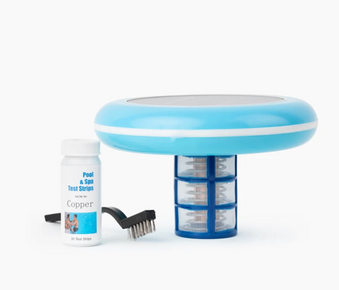
Managing pH in ion-stabilized swimming pools represents one of the most critical yet challenging aspects of modern pool maintenance. Unlike conventional chlorine or saltwater systems, ionization technology introduces unique electrochemical dynamics that fundamentally alter pool water chemistry behavior. The ionization process, while providing superior sanitization without heavy chemical reliance, creates specific pH management challenges that require specialized knowledge and approaches. This comprehensive guide delves deep into the science, methodology, and practical techniques for maintaining optimal pH balance in copper and silver ion-stabilized pool systems.
The consequences of improper pH management in ion-stabilized systems extend far beyond swimmer comfort. When pH drifts outside the optimal range, it directly compromises the ionization system's effectiveness, accelerates equipment degradation, promotes scale formation that reduces heat transfer efficiency, and can lead to staining or cloudy water. Understanding that ion-stabilized pools operate on fundamentally different chemical principles than traditional systems is essential for long-term success. This guide provides not just procedures but the underlying scientific understanding needed to master pH management in your ionization pool.
Table of Contents
- 1. The Electrochemical Science of Ion-Stabilized pH Dynamics
- 2. Optimal pH Ranges for Different Ionization Systems
- 3. Advanced Testing Procedures and Equipment Calibration
- 4. pH Reduction Chemicals: Chemical Properties and Selection Criteria
- 5. Professional Application Techniques and Distribution Methods
- 6. Preventive Strategies and Long-Term Stability Maintenance
- 7. System Integration: pH Management with Automated Controls
1. The Electrochemical Science of Ion-Stabilized pH Dynamics
The fundamental distinction between conventional sanitization methods and ion-stabilized pool systems is rooted in the sophisticated electrochemical processes operating at the molecular level within the ionization chamber. Unlike chlorine-based systems that rely on simple chemical diffusion and hydrolysis reactions, ionization technology operates on electrochemical principles analogous to industrial electroplating and refining processes but operating in reverse. A precisely controlled direct current (typically 12-24 volts DC at 0.5-2.0 amps, depending on pool volume) is applied across strategically positioned copper and silver electrode pairs, creating an advanced electrochemical cell where the circulating clear pool water serves as the conductive electrolyte medium.
Anodic Reactions: Controlled Metal Ionization
At the anode (positive electrode), copper atoms undergo meticulously controlled oxidative dissolution through the primary half-cell reaction: Cu(s) → Cu²⁺(aq) + 2e⁻. This electrochemical oxidation occurs at a standard electrode potential of approximately +0.34 volts relative to the Standard Hydrogen Electrode (SHE). The rate of copper ion release follows Faraday's First Law of Electrolysis, where each ampere-hour of applied current theoretically liberates 1.185 grams of elemental copper into solution. In practical pool applications, electrochemical efficiency typically ranges between 85-95%, with losses attributed to competing reactions, electrode scaling, and imperfect current distribution.
Simultaneously, silver electrodes undergo a complementary oxidation process: Ag(s) → Ag⁺(aq) + e⁻, with a standard potential of +0.80 volts versus SHE. The silver ions produced, though quantitatively fewer than copper due to the single electron transfer, provide the potent oligodynamic (microbe-killing) action that complements copper's algistatic properties. Modern ionization systems employ sophisticated pulse-width modulation and current density controls to optimize the Cu:Ag ratio, typically maintaining a 7:1 to 10:1 copper-to-silver ion production ratio for balanced sanitization.
Cathodic Reactions: The Hydroxide Generation Mechanism
The counter-reaction occurring at the cathode (negative electrode) represents the primary source of pH elevation in ion-stabilized systems. Through the electrochemical reduction of water molecules, hydroxide ions are generated via the reaction: 2H₂O(l) + 2e⁻ → H₂(g) + 2OH⁻(aq). This cathodic process operates at a potential of -0.83 volts under standard conditions but varies with pH and temperature. For every two electrons transferred in the system (releasing one copper ion), two hydroxide ions are generated at the cathode, creating a stoichiometric relationship that inevitably drives pH upward.
The hydrogen gas produced bubbles away harmlessly, but the hydroxide ions accumulate in the water, directly increasing alkalinity and pH. This electrochemical hydroxide generation occurs continuously during ionization operation, creating what pool professionals term "pH creep" a gradual but persistent upward drift that typically ranges from 0.1 to 0.4 pH units daily depending on system settings, water chemistry, and operational hours.
The pH-Solubility Relationship: Thermodynamic Foundations
The relationship between pH and metal ion solubility in ion-stabilized systems follows rigorous thermodynamic principles governed by the Nernst equation and solubility product constants. For copper ions, the solubility equilibrium is defined by: Cu²⁺(aq) + 2OH⁻(aq) ⇌ Cu(OH)₂(s), with the solubility product constant Ksp = [Cu²⁺][OH⁻]² = 2.2 × 10⁻²⁰ at 25°C.
This mathematical relationship reveals the delicate balance maintaining copper in solution. As hydroxide concentration increases (higher pH), the product [Cu²⁺][OH⁻]² approaches and eventually exceeds Ksp, forcing precipitation of insoluble copper hydroxide. This blue-green compound not only removes active sanitizer from solution but can deposit on pool surfaces as staining. The precise pH threshold for precipitation varies with temperature (Ksp increases with temperature, favoring solubility), ionic strength, and the presence of complexing agents like cyanurates or phosphonates that can alter effective copper concentration.
Calculating the maximum soluble copper concentration at any given pH reveals why tight control is essential:
- At pH 7.2: Maximum [Cu²⁺] ≈ 0.55 ppm (well above typical operating range of 0.3-0.4 ppm)
- At pH 7.6: Maximum [Cu²⁺] ≈ 0.087 ppm (below effective sanitizing levels)
- At pH 7.8: Maximum [Cu²⁺] ≈ 0.022 ppm (essentially complete precipitation)
Electrochemical Factors Affecting pH Dynamics
Current Density and Distribution
Current density the amount of electrical current per unit area of electrode surface profoundly influences both ion production efficiency and hydroxide generation. Higher current densities (typically 10-50 mA/cm² in commercial systems) accelerate all electrochemical processes proportionally but can lead to uneven electrode erosion and increased gas bubble formation that enhances pH rise through mechanical agitation and increased surface area for CO₂ off-gassing. Systems operating at maximum output can elevate pH by 0.3-0.5 units daily under optimal conditions, while properly modulated systems maintain 0.1-0.2 unit daily increases.
Electrode Surface Condition and Scaling
Electrode scaling the accumulation of mineral deposits primarily calcium carbonate (CaCO₃) and calcium sulfate (CaSO₄) reduces effective surface area, creating localized "hot spots" of elevated current density on remaining exposed areas. This uneven current distribution not only accelerates electrode wear but increases hydroxide production per copper ion released, exacerbating pH management challenges. Regular electrode maintenance (typically quarterly acid washing with 10% muriatic acid solution) restores uniform current distribution and optimal pH-ion production ratios.
Water Conductivity and Ionic Strength
Total dissolved solids (TDS) concentration directly affects water conductivity, which in turn influences electrochemical efficiency. Higher TDS (800-1500 ppm optimal for ionization) reduces electrical resistance, allowing more efficient ion transport and lower operating voltages. However, excessively high TDS (>2000 ppm) can create competing electrochemical pathways, including chloride oxidation at the anode (2Cl⁻ → Cl₂ + 2e⁻) that generates acidic hypochlorous acid, paradoxically helping offset pH rise but introducing unwanted chlorine byproducts.
Reverse Polarity Cycling Effects
Modern ionization systems employ periodic polarity reversal (typically every 2-12 hours) to prevent mineral scaling and ensure even electrode erosion. During polarity switches, previous cathodes become anodes and vice versa, temporarily altering the hydroxide production locations. This cycling creates pH fluctuations of 0.05-0.15 units that stabilize within hours after each reversal. Advanced systems gradually adjust acid feed rates to compensate for these predictable oscillations.
Temperature Dependencies
Water temperature affects multiple electrochemical parameters simultaneously:
- Reaction Kinetics: Electrochemical rates typically double with every 10°C increase (Q10 = 2)
- Ion Mobility: Higher temperature increases ion diffusion rates by approximately 2-3% per °C
- Solubility Products: Ksp values increase with temperature, slightly improving metal ion solubility at higher temperatures
- Gas Solubility: Decreased oxygen and carbon dioxide solubility at higher temperatures enhances CO₂ off-gassing, indirectly promoting pH rise
Bicarbonate-Carbonate Equilibrium Interactions
The carbonate buffer system (HCO₃⁻/CO₃²⁻) interacts complexly with ionization electrochemistry. Hydroxide ions generated at the cathode convert bicarbonate to carbonate: HCO₃⁻ + OH⁻ → CO₃²⁻ + H₂O. This carbonate can then precipitate with calcium as scale or with copper as basic copper carbonate (malachite, Cu₂(OH)₂CO₃), a common green pool stain. Maintaining appropriate alkalinity (60-80 ppm in ion-stabilized pools versus 80-120 ppm in traditional pools) minimizes these undesirable interactions while providing sufficient buffering capacity.
Advanced Electrochemical Modeling
Sophisticated ionization systems now incorporate real-time electrochemical monitoring using techniques adapted from industrial corrosion control:
- Linear Sweep Voltammetry: Periodically sweeps electrode voltage to detect scaling onset before visible accumulation occurs
- Electrochemical Impedance Spectroscopy: Measures changes in electrode surface characteristics that indicate scaling or passivation
- Cyclic Voltammetry: Identifies competing redox reactions that might reduce ionization efficiency
- Reference Electrode Integration: Uses separate reference electrodes to precisely control anode-cathode potential differences independent of water conductivity variations
Understanding these intricate electrochemical principles provides the foundation for effective pH management in ion-stabilized pools. Rather than viewing pH rise as a problematic side effect, informed pool professionals recognize it as an inherent, predictable outcome of the ionization process that can be managed through precise chemical control, system optimization, and proactive monitoring strategies. The subsequent sections of this guide build upon this electrochemical foundation to provide practical solutions for maintaining optimal pH balance while maximizing the benefits of ionization technology.

2. Optimal pH Ranges for Different Ionization Systems
Not all ion-stabilized pools operate optimally at the same pH range. The ideal pH window varies significantly based on the specific ionization technology, water chemistry parameters, environmental conditions, and even the age of the system components. This nuanced understanding is crucial for maximizing sanitization effectiveness, minimizing maintenance requirements, and ensuring long-term system reliability.
Beyond basic system type, several critical factors influence optimal pH targets: pool water hardness, total alkalinity, cyanurate levels (if used as stabilizer), bather load patterns, and geographic location all contribute to determining the precise pH sweet spot for any given installation. Additionally, newer electrode materials and cell designs such as ruthenium-coated titanium or advanced alloy compositions may have different pH tolerances than traditional pure copper and silver electrodes.
Copper-Silver Ionization Systems:
For traditional copper-silver ionization, the optimal pH range is 7.2-7.4. This slightly acidic range maximizes copper ion solubility while maintaining silver ion effectiveness. Copper ions remain primarily in the soluble Cu²⁺ form below pH 7.6, providing effective algicidal and bactericidal action through multiple mechanisms including disruption of cellular enzyme systems and photosynthetic pathways. Silver ions, while less pH-sensitive than copper, maintain optimal oligodynamic (microbe-killing) activity in this range through protein denaturation and membrane disruption.
Maintaining pH below 7.5 is particularly critical for preventing copper hydroxide precipitation, which begins theoretically at pH 6.7 but becomes practically significant around pH 7.6 due to kinetic factors and the presence of carbonate buffers. Advanced systems with real-time copper monitoring can sometimes operate safely up to pH 7.5 by automatically reducing output when ion concentrations approach saturation limits. The presence of organic complexing agents (from bather waste or some algaecides) can temporarily increase copper solubility, but this effect diminishes as organics degrade.
Mineral Cartridge Systems:
Mineral cartridge systems that release ions through controlled dissolution rather than electrolysis have different pH requirements. These systems typically function best at pH 7.4-7.6, as the ion release depends on water flow and mineral solubility rather than electrochemical conditions. The dissolution process follows different kinetics typically first-order with respect to surface area and inversely related to existing ion concentration in the water.
However, the same solubility principles apply, and maintaining pH below 7.8 remains critical to prevent mineral deposition in the cartridge matrix and on pool surfaces. Cartridge systems often include zinc as a supplementary mineral, which precipitates as zinc hydroxide at lower pH levels (around 7.8) than copper, creating an early warning system for impending copper precipitation. Some advanced cartridges incorporate pH-buffering compounds that help stabilize pool water chemistry, extending their effective range slightly.
Hybrid Systems (Ionization with UV or Ozone):
Hybrid systems combining ionization with ultraviolet or ozone treatment require careful pH balancing with consideration of synergistic effects. UV systems can increase pH through photochemical reactions, particularly the photolysis of nitrate ions and bicarbonate decomposition, while ozone tends to lower pH slightly through formation of acidic byproducts like carboxylic acids from oxidized organics.
For most hybrid systems, aim for pH 7.3-7.5 to balance all components effectively. UV lamps specifically can cause pH increases of 0.1-0.2 units daily through photolysis of bicarbonate ions. An important consideration in hybrid systems is that UV and ozone both help oxidize organic copper complexes, freeing copper ions but potentially increasing their effective concentration and pushing the system closer to precipitation thresholds. Some advanced controllers for hybrid systems feature integrated logic that reduces ionization output when supplemental oxidizers are active.
Platinum-Based and Alternative Metal Systems:
Emerging systems utilizing platinum group metals or alternative alloys may have different optimal pH ranges. Platinum-copper systems often operate optimally at pH 7.3-7.5, as platinum's catalytic properties can affect local pH conditions at the electrode surface. These systems may also generate different byproducts through advanced oxidation processes that influence overall water chemistry.
Seasonal and Temperature Adjustments:
Water temperature significantly impacts both ionization efficiency and chemical equilibrium, necessitating seasonal pH target adjustments. Warmer water increases electrochemical reaction rates, dissolution kinetics, and evaporation all factors that influence optimal pH management.
- Summer Operations (Water 80°F+): Target pH 7.2-7.3 to compensate for increased ionization rates, higher bather loads, and evaporation concentrating alkaline minerals. The increased temperature also slightly raises the solubility product for copper hydroxide, providing a small buffer against precipitation.
- Winter Operations (Water 60°F or lower): Can safely operate at pH 7.4-7.5 as solubility increases with decreasing temperature and ionization rates typically decrease. However, reduced bather loads mean less acid introduction from swimmer waste, potentially requiring more active pH management despite lower ionization activity.
- Transition Seasons: Implement gradual pH adjustments as water temperatures change in 10°F increments, typically over 2-3 week periods to allow biological and chemical systems to adapt. Spring openings should begin at winter pH levels and gradually decrease as temperatures rise and system usage increases.
- Regional Considerations: In high-evaporation climates, maintain pH at the lower end of ranges to compensate for carbonate accumulation. In rainy climates with frequent dilution, slightly higher pH targets may be sustainable.
System Age and Component Condition Adjustments:
As ionization systems age, optimal pH ranges may shift slightly. Older electrodes with reduced surface area or uneven erosion patterns may require more conservative pH targets (typically 0.1-0.2 units lower) to maintain effective ion levels. Similarly, systems with scaling or calcium buildup in plumbing may benefit from slightly lower pH to help gradually dissolve deposits without aggressive acid washing.
Understanding these nuanced variations in optimal pH ranges allows for precise tuning of water chemistry that maximizes system performance while minimizing pool maintenance requirements and chemical usage. The most successful installations combine these general guidelines with careful observation of their specific system's behavior over multiple seasons.

3. Advanced Testing Procedures and Equipment Calibration
Accurate pH testing in ion-stabilized pools requires more precision than traditional pool testing due to the electrochemical nature of these systems. The narrow optimal range (typically 7.2-7.4) demands testing accuracy within ±0.05 pH units four times more precise than the ±0.2 units often acceptable in chlorine pools. Standard test strips with ±0.3 accuracy are insufficient for proper management, as their margin of error could place your actual pH anywhere from 6.9 to 7.5 when reading 7.2, potentially causing copper precipitation or inadequate sanitization.
The precision requirement is further complicated by the "buffering effect" of dissolved metals in ion-stabilized water. Copper ions can complex with test indicators, particularly phenol red and cresol red, causing color shift anomalies that lead to false readings. Additionally, the presence of silver ions may interfere with some electronic sensors through electrode fouling. Implementing professional-grade testing protocols with appropriate correction factors ensures you're making adjustments based on reliable data rather than measurement error or chemical interference.
Digital pH Meter Protocol:
- Daily Calibration: Calibrate using fresh pH 4.01, 7.00, and 10.01 buffer solutions. Three-point calibration is essential for accuracy across the full range, but for solar ionization pools, extra attention should be paid to the 6.86-7.41 range where most pool-grade buffers are certified. Use buffers specifically labeled as "technical" or "NIST-traceable" rather than economy grades. Store buffers in airtight containers and discard after 30 days of opening to prevent CO₂ absorption that alters pH.
- Temperature Compensation: Always use meters with automatic temperature compensation (ATC). pH readings change approximately 0.003 units per °C for neutral solutions, but in ion-stabilized pools with elevated metal content, this coefficient can increase to 0.004-0.005 units per °C. For critical measurements, pre-equilibrate samples to 25°C (77°F) in a water bath for highest accuracy. Note that ATC only corrects for the electrode's temperature response, not for actual pH changes in the water due to temperature.
- Sample Collection: Collect water samples from multiple locations at consistent depths: 1) 12-18 inches below surface near water returns, 2) opposite side of pool at mid-depth, 3) deep end bottom near drain. Samples should be taken with the pump running for at least 30 minutes prior. Use clean, acid-washed polyethylene containers (never previously used for other chemicals). Differences greater than 0.1 pH indicate circulation problems or localized electrochemical effects. For indoor pools, also test near ventilation sources where CO₂ levels may differ.
- Testing Protocol: Rinse electrode with distilled or deionized water between samples, never pool water which can contaminate buffers and leave mineral deposits on the glass bulb. Allow 2-3 minutes for electrode stabilization in sample ion-stabilized water with higher conductivity may stabilize faster (1-2 minutes), but err on the side of longer equilibration. For continuous monitoring systems, implement automatic electrode cleaning cycles every 7-14 days using enzymatic or mild acid cleaning solutions compatible with your specific electrode type.
Spectrophotometric Testing (Professional Grade):
For maximum accuracy in commercial or problematic installations, spectrophotometric testing using reagents like phenol red provides resolution to 0.01 pH units with proper technique. This method is particularly valuable for ion-stabilized pools because it measures light absorption rather than electrical potential, avoiding interference from dissolved metals that can affect electrode performance.
The procedure involves:
- Adding precisely 5 drops of phenol red indicator to 10ml sample in a clean, optically matched cuvette. Use a calibrated micropipette for critical measurements rather than dropper bottles.
- Using a spectrophotometer at 558nm wavelength (isosbestic point minimizes temperature effects) with a bandwidth of ≤2nm for best precision. For pools with high copper (>0.4 ppm), also measure at 430nm to correct for copper-phenol complex formation.
- Comparing absorbance against freshly prepared standards from pH 7.00, 7.20, 7.40, and 7.60 buffer solutions with indicator added. Create a calibration curve rather than relying on single-point comparison.
- Correcting for chlorine interference using blank samples with thiosulfate (0.1 ml of 0.1N sodium thiosulfate per 10ml sample neutralizes up to 5 ppm chlorine). Also correct for turbidity by measuring sample absorbance before adding indicator and subtracting this baseline.
- For highest accuracy, use dual-wavelength measurements that account for variations in indicator concentration and sample color.
Special Considerations for Ion-Stabilized Pools:
- Metal Ion Interference: High copper levels (>0.5 ppm) can cause a yellowish tint that affects colorimetric tests. Use a spectrophotometer with background subtraction or switch to a pH indicator less susceptible to metal complexation, such as metacresol purple.
- Electrode Fouling Prevention: Silver ions can plate onto pH electrode surfaces over time, causing slow response and drift. Use electrodes with protective membranes or implement weekly cleaning with 0.1M thiourea solution to remove silver deposits.
- High TDS Effects: Total dissolved solids above 2000 ppm can create liquid junction potential errors in electrode measurements. Use electrodes with free-flowing ceramic junctions rather than fiber junctions, and increase calibration frequency.
- Oxidizer Interference: If using supplemental oxidizers (ozone, UV), test immediately after collecting samples as pH can change rapidly due to continued oxidation reactions in the sample container.
Testing Frequency and Documentation:
For residential ion-stabilized pools, test pH at minimum three times weekly (preferably daily during peak season). Commercial installations should test at opening, midday, and closing. Maintain a detailed log with: date/time, pH reading, measurement method, meter model and serial number, calibration status and buffer lot numbers, water temperature at sample point, ambient air temperature, weather conditions (sunny/cloudy, wind), recent chemical additions with exact amounts and times, bather load for previous 24 hours, ionization system settings (output percentage, operating hours), filter pressure, and any unusual observations (algae spots, cloudiness, etc.).
This comprehensive data reveals patterns that inform preventive strategies rather than reactive adjustments. For example, you may discover pH rises 0.15 units faster on sunny days versus cloudy ones due to increased ionization efficiency, or that your system requires different pH targets when bather load exceeds 10 person-hours daily. Digital logging with trend analysis software can automatically calculate daily pH drift rates and predict when adjustments will be needed, moving from reactive to predictive pH management.
For quality control, implement periodic verification testing: once monthly, send a sample to an independent lab using EPA-approved methods (such as EPA 150.1 or 150.2) to verify your field testing accuracy. Document any discrepancies greater than 0.05 pH units and investigate potential causes, which may include expired reagents, improper storage conditions, or technique errors that need correction.

4. pH Reduction Chemicals: Chemical Properties and Selection Criteria
Selecting the appropriate pH reducer requires understanding not just immediate effectiveness but secondary effects on ionization systems and long-term water balance. Each acid type interacts differently with copper ions, silver electrodes, and overall water chemistry, creating distinct advantages and trade-offs that must be carefully evaluated based on your specific pool conditions, usage patterns, and equipment configuration.
Beyond basic pH reduction, acids influence the Langelier Saturation Index (LSI) differently, affect total dissolved solids (TDS) accumulation rates, and can either exacerbate or mitigate common ionization system issues like electrode scaling and copper precipitation. Additionally, the method of acid application whether manual addition, automated feed, or gas injection can significantly alter how these chemicals interact with the ionization process and overall water chemistry.
Muriatic Acid (Hydrochloric Acid, HCl):
Chemical reaction: HCl + H₂O → H₃O⁺ + Cl⁻. The chloride ions introduced (typically 30-50 ppm per 0.1 pH reduction in 10,000 gallons) can accelerate electrode corrosion through pitting and crevice corrosion, especially at concentrations above 500 ppm. However, muriatic acid provides the most predictable pH reduction with minimal effect on total alkalinity compared to dry acid, as each molecule generates one hydrogen ion without adding buffering species.
For ionization systems, use 31.45% industrial grade rather than 15% pool grade to minimize chloride addition per treatment this higher concentration reduces chloride input by approximately 55% for the same pH adjustment. An important consideration is that chloride ions can complex with silver ions to form silver chloride (AgCl), which has limited solubility (Ksp = 1.77 × 10⁻¹⁰) and may reduce silver availability at chloride levels above 300 ppm. However, this complex can dissociate under UV exposure if using hybrid systems. Store muriatic acid in well-ventilated, corrosion-resistant areas away from metals and other pool chemicals, particularly chlorine products which can react dangerously.
Dry Acid (Sodium Bisulfate, NaHSO₄):
Chemical reaction: NaHSO₄ → Na⁺ + H⁺ + SO₄²⁻. The sulfate ions produced can combine with calcium to form calcium sulfate scale (gypsum) on electrodes and heat exchanger surfaces, particularly in pool hard water (>250 ppm calcium). This scaling is less temperature-dependent than calcium carbonate but equally problematic, forming hard, crystalline deposits that are difficult to remove without acid washing.
However, sodium bisulfate doesn't add chlorides that corrode stainless steel components and is generally safer to handle and store. Each pound of dry acid adds approximately 0.8 pounds of sulfate to 10,000 gallons when reducing pH by 0.1 units. Sulfate accumulation becomes particularly problematic above 1000 ppm, where it can interfere with copper ion effectiveness and contribute to TDS creep. Pre-dissolve dry acid in a bucket of pool water before addition to prevent undissolved granules from settling on pool surfaces where they can cause localized pH extremes and potential surface damage.
Sulfuric Acid (H₂SO₄):
Sometimes used in commercial settings, sulfuric acid introduces sulfate ions more efficiently than dry acid (98% H₂SO₄ adds 1.0 lb sulfate per lb acid versus 0.8 for dry acid). It's generally not recommended for residential ionization systems due to handling hazards (highly exothermic when diluted), sulfate accumulation, and the potential for vapor phase corrosion of nearby metal components.
Professional installations with water softening pretreatment or reverse osmosis systems may use sulfuric acid effectively, particularly in large commercial pools where chemical costs are significant. These systems typically employ double-containment delivery systems, automatic neutralization capabilities, and strict safety protocols. The decision to use sulfuric acid should include consideration of local discharge regulations, as sulfate in backwash water may exceed municipal limits in some areas.
Carbon Dioxide (CO₂) Systems:
CO₂ + H₂O ⇌ H₂CO₃ ⇌ H⁺ + HCO₃⁻. This equilibrium system provides buffered pH reduction through carbonic acid formation without adding permanent mineral ions to the water. CO₂ injection is particularly compatible with ionization as it doesn't introduce corrosive chloride or sulfate ions and actually increases carbonate alkalinity slightly, enhancing water's buffering capacity.
Systems typically operate at 5-20 psi injection pressure with flow rates of 0.5-2.0 SCFH (standard cubic feet per hour) for residential pools. CO₂ has the added benefit of being self-regulating to some extent as pH drops, the equilibrium shifts toward bicarbonate formation, naturally slowing further pH reduction. This makes overshoot less likely than with mineral acids. However, CO₂ systems require regular cylinder changes, proper ventilation in equipment rooms (CO₂ can accumulate at floor level), and careful tuning to prevent excessive carbonate formation that could lead to calcium carbonate scaling despite pH control.
Alternative and Emerging pH Control Methods:
- Phosphoric Acid (H₃PO₄): Sometimes used in specialized applications, it provides buffered pH reduction and can help sequester metals, but introduces phosphates that can promote pool algae growth if not properly managed with phosphate removers.
- Nitric Acid (HNO₃): Rarely used in pools due to nitrate introduction (algae nutrient) and handling hazards, but occasionally seen in industrial applications.
- Electrochemical Acid Generation: Emerging systems use electrolysis to generate acid directly from salt added to a separate chamber, producing HCl on-demand without chemical storage.
- Organic Acid Blends: Proprietary blends of weak organic acids (like citric or ascorbic) sometimes used for stain treatment that coincidentally lower pH, but are inefficient and expensive for routine pH control.
Chemical Interaction with Ionization Components:
- Electrode Compatibility: Titanium electrodes tolerate chlorides better than stainless steel, while ruthenium-iridium coated electrodes may have different corrosion profiles. Consult manufacturer specifications for acid compatibility.
- Copper Complexation: Some acids can form temporary complexes with copper ions, affecting their sanitizing effectiveness. Chloride from muriatic acid forms CuCl⁺ complexes that remain bioavailable but may alter redox potential readings.
- Silver Precipitation: Chloride ions from muriatic acid can precipitate silver as AgCl if silver concentrations exceed 0.01 ppm and chloride exceeds 200 ppm, though this precipitate often redis solves as colloidal particles that maintain some antimicrobial activity.
Selection Decision Matrix with Additional Considerations:
- Soft Water Areas (<150 ppm calcium): Dry acid preferred to avoid chloride corrosion, but monitor sulfate buildup and implement partial water replacement when sulfates exceed 800 ppm.
- Hard Water Areas (>250 ppm calcium): Muriatic acid preferred to avoid sulfate scaling, but implement chloride monitoring and consider periodic water replacement if chlorides exceed 500 ppm.
- Mixed Metallurgy Systems: Pools with stainless steel heaters, aluminum rails, or copper plumbing may require specific acid choices to prevent galvanic corrosion consult equipment manufacturers.
- High Usage Pools: CO₂ systems provide most stable control with minimal TDS increase, though initial costs are higher. Consider ROI over 3-5 years factoring chemical savings and reduced water replacement.
- Automated Systems: Liquid muriatic acid feeds most common due to predictable dosing, but require corrosion-resistant pumps and tubing. Consider peristaltic pumps with Viton or EPDM tubing for longest service life.
- Seasonal Considerations: In winter when pools are covered or usage is low, dry acid may be preferable as corrosion rates decrease with lower temperature and reduced aeration.
- Environmental Regulations: Some municipalities restrict sulfate or chloride discharge in backwash pool water clarity verify local regulations before establishing long-term acid selection.
The optimal acid selection often involves balancing multiple competing factors: initial cost versus long-term maintenance, handling safety versus effectiveness, immediate results versus secondary consequences. Many successful installations use a hybrid approach for example, using muriatic acid for most adjustments but implementing a partial water replacement every 12-18 months to reset chloride and sulfate levels, or using CO₂ for baseline control with occasional muriatic acid treatments for larger adjustments. Regular testing of chloride, sulfate, and TDS levels provides the data needed to make informed adjustments to your acid selection strategy over time.

5. Professional Application Techniques and Distribution Methods
Proper acid application in ion-stabilized pools ensures uniform pH reduction without creating localized low-pH zones that can damage surfaces, corrode metal components, or shock the biological equilibrium of the water. The methodology differs significantly between manual and automated systems, with each approach offering distinct advantages for different pool configurations, usage patterns, and management styles. Beyond basic application, understanding fluid dynamics, chemical diffusion rates, and electrochemical interactions is crucial for effective, safe pH management.
Ion-stabilized pools present unique challenges for acid distribution due to the continuous hydroxide generation at ionization electrodes. This creates "pH microenvironments" near electrode chambers where local pH can be 0.2-0.4 units higher than the bulk water. Effective acid application must account for these variations to prevent under-treatment near critical components while avoiding over-treatment elsewhere. Additionally, the presence of dissolved metals affects acid diffusion rates and neutralization kinetics, requiring adjusted application strategies compared to traditional pools.
Manual Broadcast Method (Standard Technique):
- Pre-Dilution Protocol: Always dilute acid in a 5:1 ratio (water:acid) in acid-resistant polyethylene or polypropylene bucket with at least 50% freeboard to prevent splashing. Add acid to water slowly with constant stirring using a dedicated acid-resistant stirring rod. Never use metal utensils. For ionization pools, consider adding dilution water first, then half the acid, then remaining acid after initial mixing this two-stage dilution minimizes heat generation and vapor release. Temperature rise during dilution should not exceed 10°C (18°F); if excessive heating occurs, pause and allow cooling before continuing.
- Circulation Setup: Ensure pool water pump operates at high speed (if variable) for minimum 30 minutes pre-application with all returns fully open. For optimum mixing, position adjustable returns to create a circular current pattern. Verify flow rates using pressure gauge readings or flow meters target turnover of at least half the pool volume during the pre-circulation period. Disable automatic pool cleaners, waterfalls, and other water features that might create dead spots or excessive aeration during treatment.
- Application Pattern: Walk slowly around pool perimeter in the direction of water flow, pouring diluted acid in a wide, sweeping motion 6-12 inches above the water surface. Maintain a consistent pour rate of approximately 1 gallon per minute for residential pools. For pools with deep ends, apply 60% of acid in deep areas where water volume is greater and density currents develop. Absolutely avoid pouring near skimmers, returns, lights, metal ladders, or the ionization system inlet/outlet ports. In vinyl liner pools, never pour acid directly against walls or in shallow areas where temporary low-pH zones could damage the material.
- Post-Application Mixing: Continue circulation for 4-6 hours before retesting, maintaining high pump speed for the first 2 hours. Brush pool surfaces systematically during the first hour, focusing on corners, behind ladders, and near steps where density currents can create acid "pockets." For plaster pools, use a stainless steel brush; for vinyl or fiberglass, use nylon soft pool brush. After 2 hours, reduce pump speed to normal and continue circulation for complete mixing. Test multiple locations 4 hours post-application if pH varies by more than 0.1 units between test points, continue circulation and retest every hour until uniform.
Point Source Injection Method (Advanced Technique):
For more controlled application in commercial installations or problematic residential pools, chemical injection systems provide precision dosing with minimal handling risks. These systems are particularly valuable for ion-stabilized pools where consistent pH control is critical for preventing copper precipitation.
- Installation Requirements: Install injection port 12-18 inches downstream of pump but before filter, using a saddle valve or threaded tee. Position injection nozzle facing downstream at a 45-degree angle to optimize mixing. Include a check valve immediately after injection point to prevent backflow into chemical lines. For ionization systems, locate injection point after the ionizer outlet to ensure acid mixes with hydroxide-rich water before returning to pool.
- Pump Selection: Use peristaltic pumps with Viton or EPDM tubing rated for acid service. Calibrate pumps monthly using graduated cylinder collection tests typical flow rates range from 50-200 ml/minute for residential, 200-800 ml/minute for commercial. Program for pulsed operation (e.g., 5 minutes on, 15 minutes off) rather than continuous feed to enhance mixing and prevent localized accumulation.
- Injection Protocol: Inject pre-diluted acid (typically 10:1 dilution for safety) over 2-4 hours to provide gradual pH adjustment. For large commercial pools, extend injection over 6-8 hours overnight when the pool is closed. Monitor pressure differential across injection point increase of >2 psi indicates nozzle clogging requiring cleaning with citric acid solution.
- Effectiveness Factors: Particularly effective for large pools (over 20,000 gallons) where broadcast methods struggle with distribution, and for pools with complex geometry or numerous dead spots. Also ideal for indoor pools where acid fumes from broadcast methods create ventilation challenges.
Automated Feed System Integration:
Modern ionization systems increasingly integrate with automated acid feeders for hands-free pH management. These systems range from simple timer-based units to sophisticated adaptive controllers that learn pool behavior.
- Proportional Feed Systems: Dose acid based on pump runtime percentage or flow meter readings. Advanced systems calculate dose based on both runtime and ionization system output increasing acid feed when ionizer operates at higher settings. Typical settings: 1-2 ml of 31.45% muriatic acid per 1,000 gallons of turnover. Include seasonal adjustment algorithms that reduce feed rates during cooler months when ionization and pH rise slow naturally.
- pH-Controlled Systems: Use continuous pH monitoring with automatic calibration cycles (typically every 7 days). Controllers employ PID (Proportional-Integral-Derivative) algorithms to anticipate pH trends rather than just reacting. For ion-stabilized pools, set hysteresis band of 0.05-0.1 pH units to prevent pump cycling. Important: Locate pH sensor in a separate flow cell with consistent flow of 1-2 GPM, positioned after acid injection point to measure treated water.
- Dual-Channel Systems: Control both acid and base injection for complete pH automation rarely needed for ionization pools which only need reduction, but useful for pools using significant amounts of calcium hypochlorite or other alkaline sanitizers. These systems maintain pH within ±0.05 units but require careful tuning to prevent "hunting" (continuous small adjustments in opposite directions).
- Safety Features: Comprehensive systems include flow switches that disable chemical feed when pump stops, leak detectors with automatic shutoff, empty container sensors, dual redundant pH probes with automatic switchover if primary fails, and remote alarm capabilities via SMS or email. Advanced units feature automatic tube failure detection in peristaltic pumps and emergency neutralization systems for major leaks.
Specialized Application Methods for Problematic Situations:
High Bather Load Pools:
For pools with continuous heavy usage (hotels, schools, therapy pools), implement staged application: 25% of calculated acid dose at opening, 50% distributed through midday via automated system, 25% at closing. This maintains stable pH despite constant bather introduction of alkaline contaminants (sweat, urine, cosmetics).
Pools with Metal Components:
When pools contain stainless steel heaters, aluminum rails, or copper plumbing, use injection methods exclusively to prevent acid contact with metal surfaces. Consider adding a corrosion inhibitor (sodium metasilicate or proprietary blends) to acid solution at 50-100 ppm concentration during manual applications.
Indoor Pool Considerations:
Indoor ion-stabilized pools require special attention due to limited air exchange and potential for corrosive vapor accumulation. Always use point injection or automated systems never broadcast application. Ensure ventilation systems operate during and for 2 hours after acid addition. Consider CO₂ systems for indoor pools as they don't produce corrosive vapors.
Seasonal Transition Protocols:
During spring opening when water is cold and stagnant, use half-strength acid solutions and extend mixing times to 8-12 hours. In fall when closing, perform final pH adjustment 24-48 hours before adding winterizing chemicals to ensure complete mixing and stabilization.
Validation and Verification Procedures:
After any acid application, validate effectiveness through systematic testing:
- Test pH at 4 locations (deep end, shallow end, opposite corners) 4 hours post-application
- Verify copper ion levels remain stable (should not decrease more than 0.05 ppm from pre-treatment levels)
- Check for cloudiness indicating possible copper precipitation if present, brush vigorously and retest in 2 hours
- Document application details: acid type, concentration, volume, application method, pre- and post-treatment pH, weather conditions, pump runtime
- For automated systems, verify calibration monthly using manual testing as reference
Mastering these application techniques ensures not only effective pH reduction but also protects your investment in ionization equipment and pool surfaces. The most successful operators match application method to their specific pool characteristics, usage patterns, and available equipment, often combining methods for optimal results for example, using automated systems for daily pool maintenance with occasional manual adjustments for larger corrections or system resets.

6. Preventive Strategies and Long-Term pH Stability Maintenance
Proactive pH management prevents the constant "chasing" of pH levels that plagues many ion-stabilized pool owners, transforming pH control from a reactive chore into a predictable, systematic process. These strategies address root causes rather than symptoms, focusing on creating chemical and operational conditions that naturally resist pH drift while maintaining optimal ionization efficiency. Successful preventive management requires understanding the interconnected systems affecting pH—from water balance parameters to equipment operation patterns to environmental factors—and implementing coordinated controls across all areas.
Ion-stabilized pools exhibit "pH memory" past chemical treatments, fill water quality, and maintenance practices create cumulative effects that influence current pH behavior. Breaking negative cycles requires resetting this memory through strategic interventions while establishing new equilibrium points. The most effective preventive approaches combine chemical balance optimization, equipment operation adjustments, water replacement planning, and monitoring system enhancements to create a comprehensive stability framework.
Alkalinity Management Protocols:
Total alkalinity (TA) acts as the primary pH buffer but interacts uniquely in ionization systems due to continuous hydroxide generation and metal ion interactions. Traditional pool TA ranges (80-120 ppm) often prove too high for ion-stabilized pools, creating excessive buffering capacity that causes pronounced pH bounce after acid additions. The ideal TA range varies based on specific system characteristics and environmental conditions:
- Initial System Setup: Establish TA at 70-80 ppm for most copper-silver ionization systems. For mineral cartridge systems, target 75-85 ppm. During initial balancing, add alkalinity increaser (sodium bicarbonate) in 10 ppm increments with 4-6 hour circulation between additions to prevent localized high-pH zones.
- High Evaporation Climates: Maintain 60-70 ppm TA to compensate for carbonate concentration from calcium-rich fill water. In desert regions with high evaporation and hard water, consider installing a proportional water softener on make-up water lines to reduce calcium and carbonate introduction.
- Soft Water Areas: Can operate at 50-60 ppm TA with careful monitoring, but implement more frequent testing (daily versus 2-3 times weekly). Below 50 ppm, pH becomes unstable and subject to rapid swings from minor chemical additions or bather load.
- Adjustment Methodology: Reduce TA using the acid/aeration method: lower pH to 7.0-7.2 with muriatic acid (target reduction of 0.3-0.4 units), then aerate vigorously using pool returns adjusted upward, air blowers, or waterfall features to raise pH back to target without affecting TA. This converts bicarbonate to carbon dioxide that off-gasses. Each complete cycle reduces TA by 10-15 ppm. For large reductions (>30 ppm), spread over 2-3 days to prevent copper precipitation from extended low-pH exposure.
- Monitoring and Adjustment Frequency: Test alkalinity weekly, adjusting only when outside target range by more than 10 ppm. Document seasonal trends many pools naturally lose 1-2 ppm TA weekly through aeration and acid additions, requiring small bicarbonate additions every 4-6 weeks to maintain stability.
Ionization System Optimization for pH Stability:
Adjusting ionization operating parameters represents one of the most effective preventive strategies, directly addressing the primary driver of pH increase. Optimization requires balancing sanitization needs with pH management goals:
- Pulsed Operation Scheduling: Instead of continuous ionization, program system to operate 6-8 hours daily during peak filtration periods. For residential pools, operate 3-4 hours in morning and 3-4 hours in evening with 8-hour break midday. This allows pH to stabilize between cycles and reduces total hydroxide production by 30-40% while maintaining adequate ion levels due to copper's residual effect.
- Seasonal Output Adjustment: Reduce ionization output by 30-50% during summer peak temperatures (above 85°F) when electrochemical efficiency increases 15-20% per 10°C rise. Program controllers with temperature-compensated output or manually adjust monthly. In winter (below 60°F), increase output by 10-20% to compensate for reduced ion mobility while still achieving net reduction in pH impact compared to summer settings.
- Bather Load Compensation Protocols: Program systems to increase output after heavy use (typically 2-4 hours at elevated setting post-swim) rather than maintaining constant high output. For commercial pools, use bather counting systems or conductivity sensors to trigger increased production. Residential pools can use simple timer extensions based on known usage patterns.
- Electrode Maintenance Schedule: Clean electrodes quarterly using 10% muriatic acid solution (soak 2-5 minutes until bubbling stops) to maintain efficiency. Scaling increases pH effects per ion produced by up to 40% due to reduced surface area and altered current distribution. Implement visual inspection monthly any visible scale formation exceeding 1mm thickness indicates need for immediate cleaning.
- Current Density Optimization: For systems with adjustable voltage/current, operate at lower current densities (10-20 mA/cm² rather than 30-50 mA/cm²) to reduce hydroxide production rate while maintaining adequate ion release. This typically extends electrode life by 25-40% while reducing pH rise by 20-30%.
Water Replacement and Dilution Strategies:
Progressive mineral accumulation inevitably occurs in all pools, increasing TDS and altering water balance relationships. Strategic water replacement resets these accumulations without shocking the biological and chemical equilibrium:
- Continuous Overflow Systems: Maintain 1-2 gallons per minute overflow (approximately 1,400-2,900 gallons weekly) to gradually replace 5-10% of pool volume monthly. This constant dilution prevents shock to the system while controlling TDS creep. For maximum effectiveness, position overflow to discharge from surface where evaporated minerals concentrate. Consider connecting overflow to irrigation systems to conserve water in drought-prone areas.
- Seasonal Partial Drain Protocols: Replace 20-30% of water volume during spring opening and fall closing. For spring, drain after winter but before warm weather algae blooms begin. For fall, drain after season ends but before water temperature drops below 60°F to prevent thermal shock to plaster or vinyl. Always leave at least 12 inches of water in shallow end to prevent vinyl liner shifting or plaster damage.
- TDS Monitoring and Management: Test TDS monthly using calibrated conductivity meter. Replace water when TDS exceeds 1500 ppm or increases 1000 ppm above fill water baseline. Calculate replacement volume using: Replacement % = (Current TDS - Target TDS) / (Current TDS - Fill Water TDS) × 100. Target 800-1200 ppm TDS for optimal ionization efficiency.
- Rainwater Harvesting Integration: In suitable climates, collect and filter rainwater for pool top-up to introduce soft, low-TDS water naturally. Simple first-flush diverters and cartridge filters remove particulates while maintaining beneficial soft water characteristics. This can reduce chemical usage by 15-25% while helping control TDS.
- Reverse Osmosis Treatment: For areas with water restrictions or expensive water, consider professional reverse osmosis treatment every 2-3 years. Mobile RO units can reduce TDS by 80-90% without water replacement, though cost is higher than traditional draining. Typically processes 5-10 gallons per minute, requiring 8-24 hours for average residential pool.
Environmental and Operational Modifications:
Aeration Control Strategies:
Manage aeration sources to control CO₂ off-gassing, a significant contributor to pH rise:
- Adjust return jets to minimize surface agitation point slightly downward rather than upward
- Operate waterfalls, fountains, and deck jets only during swim times rather than continuously
- In indoor pools, maintain relative humidity at 50-60% to reduce evaporation and associated pH rise
- Use pool covers when not in use reduces pH rise by 40-60% by limiting CO₂ exchange
Chemical Addition Sequencing:
Proper sequencing of chemical additions prevents pH disturbances:
- Alkalinity adjustments first (allow 4-6 hours circulation)
- Calcium hardness adjustments if needed (allow 4 hours)
- pH adjustments last (test after 4 hours)
- Never add acid and chlorine products within 2 hours of each other
Monitoring System Enhancements:
Upgrade monitoring capabilities to detect trends before they become problems:
- Install continuous pH monitoring with data logging to identify patterns
- Implement automated water testing systems that measure multiple parameters daily
- Use predictive software that analyzes historical data to forecast pH trends
- Set up remote alerts for parameter excursions outside acceptable ranges
Integrated Stability Index Management:
For ultimate pH stability, manage all parameters to maintain Langelier Saturation Index (LSI) between -0.3 and +0.1 for ion-stabilized pools:
- Calculate LSI weekly using: pH + TF + CF + AF - 12.1
- Adjust individual parameters to maintain target LSI rather than chasing perfect individual numbers
- Document LSI trends seasonally most pools naturally drift toward positive LSI (scale-forming) over season
- Use LSI as primary decision tool for water replacement timing
Implementing these preventive strategies transforms pH management from constant correction to predictable regular pool maintenance. The most successful systems employ 3-5 complementary strategies simultaneously for example, optimized ionization scheduling combined with controlled alkalinity, regular partial water replacement, and enhanced monitoring. Document results over 2-3 complete seasonal cycles to refine approaches, noting that perfect stability is less important than predictable, manageable patterns that allow proactive rather than reactive management.
7. System Integration: pH Management with Automated Controls
Modern ionization systems increasingly incorporate integrated pH management through sophisticated control systems. Understanding these integrations maximizes their effectiveness.
Smart Controller Systems:
Advanced controllers like the Pentair Intellichem, Hayward ProLogic with pH module, or Jandy AquaPure PLC1400 integrate multiple functions:
- Continuous Monitoring: pH probes with automatic cleaning cycles maintain accuracy for months
- Adaptive Algorithms: Learn pool's pH drift patterns and preemptively adjust acid feed rates
- Ionization Synchronization: Coordinate acid injection with ionization cycles to neutralize hydroxide production in real-time
- Remote Access: Monitor and adjust via smartphone apps with push notifications for pH excursions
Proportional-Integral-Derivative (PID) Control:
Industrial-grade systems use PID algorithms for precise control:
- Proportional Response: Acid feed rate proportional to how far pH exceeds setpoint
- Integral Correction: Compensates for persistent offset (e.g., constantly rising pH from ionization)
- Derivative Anticipation: Predicts future pH changes based on rate of change
- Tuning Parameters: Typically set for slow response (minutes to hours) to prevent overshoot
Mastering pH management in ion-stabilized pools requires moving beyond simple acid addition to understanding the electrochemical principles, implementing precise measurement techniques, selecting appropriate chemicals based on water composition, applying them with proper methodology, and ultimately integrating automated controls that work in harmony with the ionization system. The rewards include extended equipment life, consistent pool water clarity, optimal sanitization with minimal chemical usage, and significantly reduced maintenance time. By implementing the strategies outlined across these seven comprehensive sections, pool professionals and informed homeowners can achieve pH stability that maximizes the benefits of ionization technology while minimizing its inherent challenges.
💡 Tired of Buying Chemicals Every Season?
Solar pool ionizers reduce chlorine use by 85–90% — using NASA-proven copper-silver ion technology to keep your pool clean with minimal chemicals. No more weekly shock treatments. No more algaecide bills.
| Factor | Chemical Treatment | Solar Ionizer |
|---|---|---|
| Annual chemical cost | $600–$1,200+ | ~$50–$80 |
| Chlorine level needed | 1–3 ppm | 0.1–0.5 ppm |
| Skin & eye irritation | Common | Minimal |
| Ongoing effort | Weekly treatments | Set & forget |
The ionizer works alongside a small amount of chlorine — so you still shock occasionally, but far less often. Most pool owners recoup the cost within one season.