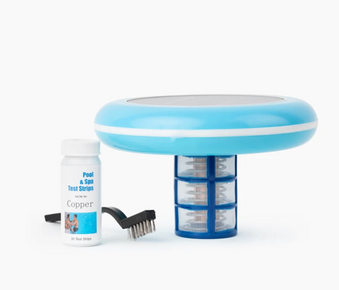
Safe swimming conditions are essential for every pool owner, especially when children, elderly family members, or sensitive swimmers are using the pool daily. Traditional chemical-based sanitation often requires frequent adjustments and can create fluctuations that irritate skin, eyes, and even respiratory systems.
Solar pool ionizers provide a modern solution by using natural mineral ions to continuously maintain clean, safe, and clear water. These systems reduce dependency on harsh chemicals, stabilize water chemistry, and support healthier, more enjoyable swimming for everyone.
The core innovation of solar ionizers lies in their ability to transform abundant sunlight into continuous water protection, creating a self-regulating sanitation system that naturally aligns with swimming patterns and environmental conditions. This represents a fundamental shift from reactive chemical management where problems are addressed after they become visible to proactive mineral-based protection that prevents issues before they can affect water safety or swimmer comfort.
For families seeking reliable protection without the drawbacks of traditional chemical approaches, solar ionizers offer a balanced pathway to safer swimming. They provide the consistent sanitation needed for daily use while dramatically reducing the chemical load that sensitive swimmers absorb through their skin, eyes, and respiratory systems. This smarter approach to pool care doesn't just maintain water quality it enhances the entire swimming experience by creating water that feels naturally clean and refreshing rather than chemically managed.
Table of Contents
- Why Safe Swimming Conditions Matter
- How Solar Pool Ionizers Work for Continuous Sanitation
- Balancing Water Chemistry With Ionization Systems
- Preventing Algae and Cloudy Water Safely
- Minimizing Chemical Exposure for Sensitive Swimmers
- Best Practices for Daily Pool Safety and Maintenance
- Final Thoughts: Consistent Safety With Smarter Pool Care
1. Why Safe Swimming Conditions Matter
Automated pool management isn't just about aesthetics it directly impacts health. Unstable chemical levels, algae outbreaks, or cloudy water can lead to:
The Health Implications of Unbalanced Pool Water
The health risks associated with improper pool maintenance extend far beyond temporary discomfort, particularly for vulnerable populations like children, elderly swimmers, and those with pre-existing conditions. Unbalanced water chemistry creates a cascade of physiological responses: pH levels outside the optimal 7.4-7.6 range disrupt the natural protective barrier of skin and eyes, leading to irritation that can progress to dermatitis or conjunctivitis with repeated exposure. High chlorine levels combined with organic contaminants produce chloramines specifically nitrogen trichloride that are known respiratory irritants capable of triggering asthma attacks or exacerbating chronic respiratory conditions. For families, these health risks transform what should be a source of wellness into a potential health concern, particularly when young children, who have more permeable skin and higher respiratory rates relative to body mass, are swimming daily.
- Skin Barrier Disruption: Unbalanced pH compromises the skin's natural acid mantle
- Respiratory Irritation: Chloramine formation creates volatile compounds that affect lung function
- Eye Damage Risk: Improper chemical balance can damage the cornea's epithelial layer
- Systemic Absorption: Chemicals can enter the bloodstream through skin and inhalation
The Hidden Dangers of Cloudy Water and Algae
Cloudy water represents more than just poor aesthetics it creates multiple layers of safety hazards that can lead to serious accidents and health issues. Reduced visibility makes it difficult to see swimmers who may be struggling underwater, particularly children who lack the lung capacity to surface quickly. This visibility issue is compounded by the fact that cloudiness often indicates inadequate sanitation, creating environments where harmful bacteria like Pseudomonas aeruginosa (causing "swimmer's ear") or Legionella can thrive. Algae growth introduces additional risks: slippery surfaces dramatically increase fall hazards on pool steps and ledges, while certain algae types release toxins that can cause skin rashes or gastrointestinal issues if ingested. These hidden dangers make regular pool cleaning and proper maintenance not just about cleanliness, but about creating an environment where accidents and illnesses are prevented through proactive care rather than treated after they occur.
- Drowning Risk: Poor visibility prevents quick response to swimmers in distress
- Bacterial Colonies: Cloudy water often harbors dangerous pathogens
- Fall Hazards: Algae creates dangerously slippery surfaces on steps and pool edges
- Toxin Exposure: Certain algae types release harmful compounds into the water
Chemical Fluctuations and Sensitive Populations
The traditional approach to pool maintenance characterized by chemical spikes followed by rapid depletion creates particular risks for sensitive swimmers who represent a significant portion of family pool users. Children's developing physiological systems process chemicals differently than adults, with higher metabolic rates and less efficient detoxification pathways making them more vulnerable to chemical exposure. Elderly swimmers often have thinner skin, reduced immune function, and pre-existing health conditions that make them more susceptible to chemical irritation and waterborne illnesses. For individuals with conditions like eczema, psoriasis, or asthma, traditional chemical fluctuations can trigger painful flare-ups or breathing difficulties. This vulnerability underscores why understanding pool water chemistry isn't just technical knowledge it's essential information for protecting the health of everyone who uses the pool, particularly those most vulnerable to chemical imbalances.
- Child Vulnerability: Higher surface-area-to-volume ratio increases chemical absorption
- Aging Skin Concerns: Thinner epidermis in elderly swimmers increases chemical penetration
- Condition Triggers: Unstable chemical levels can exacerbate skin and respiratory conditions
- Cumulative Exposure: Daily swimming leads to significant chemical absorption over time
The Financial and Emotional Costs of Unsafe Water
Beyond immediate health concerns, maintaining unsafe swimming conditions carries significant financial and emotional burdens that diminish the enjoyment families should derive from their pool investment. Emergency chemical treatments to address algae outbreaks or bacterial contamination often cost significantly more than preventative maintenance, while equipment damaged by corrosive or scaling water requires expensive repairs or replacements. The emotional toll is equally substantial: parents experience constant anxiety about their children's safety, the pleasure of spontaneous swimming is replaced by hesitation and testing rituals, and the pool becomes a source of stress rather than relaxation. This transformation from asset to liability represents a complete reversal of why families invest in pools to create spaces for joy, connection, and wellness. By prioritizing pool algae prevention and consistent water safety, families protect not just their health, but their financial investment and emotional wellbeing.
- Emergency Treatment Costs: Algae outbreaks require expensive chemical interventions
- Equipment Damage: Unbalanced water corrodes or scales pool equipment and surfaces
- Parental Anxiety: Uncertainty about water safety creates constant worry
- Reduced Enjoyment: Safety concerns limit spontaneous pool use and family enjoyment
Building a Culture of Safety Through Consistent Maintenance
Creating truly safe swimming conditions involves establishing maintenance routines that prioritize consistency and prevention over reaction and correction. This proactive approach transforms pool care from a periodic chore into an integrated aspect of home stewardship that protects both people and investment. Regular testing becomes predictive rather than diagnostic, identifying trends before they become problems. Equipment maintenance focuses on preventing failures rather than responding to breakdowns. Sanitation systems work continuously to maintain protective barriers rather than cycling between effectiveness and vulnerability. This cultural shift toward prevention creates what safety experts call "inherently safe" environments spaces where safety is built into the system rather than added through warning signs or restrictive rules. For families, this means the pool becomes a place where safety is assumed rather than questioned, where enjoyment flows naturally from confidence in the environment.

2. How Solar Pool Ionizers Work for Continuous Sanitation
Solar pool ionizers represent a paradigm shift in residential smarter water sanitation, transforming abundant sunlight into continuous biological protection through elegantly simple yet scientifically sophisticated mechanisms. These self-contained units float unobtrusively on the water's surface, harnessing photovoltaic energy to power an electrochemical process that releases precisely controlled concentrations of copper and silver ions into the aquatic environment. Unlike traditional chemical approaches that create peaks and valleys of effectiveness, solar ionizers establish what aquatic scientists call "steady-state protection" maintaining consistent mineral levels that create an environment where algae and harmful bacteria cannot establish themselves, while remaining completely safe for human exposure. This continuous operation transforms pool maintenance from reactive chemical management to proactive biological stewardship, creating water that remains consistently safe without the dramatic fluctuations that characterize traditional sanitation methods.
The Photovoltaic Conversion Process
The journey from sunlight to sanitation begins with high-efficiency photovoltaic cells that convert solar radiation into direct electrical current, powering the ionization chamber without drawing electricity from the grid. These specialized solar panels are engineered to capture both direct and diffused sunlight, ensuring consistent operation even on partially cloudy days when traditional solar devices might falter. The generated electrical current passes through precisely spaced electrodes typically made from high-purity copper or copper-silver alloys suspended in a protected chamber within the floating unit. This controlled electrical flow causes atoms to dislodge from the electrode surface and enter the water as positively charged ions, a process known as electrolytic ionization. The system's intelligent design includes automatic regulation circuits that adjust ion production based on available sunlight, ensuring consistent mineral levels regardless of changing weather conditions while preventing over-ionization that could lead to mineral accumulation.
- Sunlight Capture: Photovoltaic cells convert solar energy to electrical power
- Electrolytic Process: Electrical current releases mineral ions from electrodes
- Automatic Regulation: System adjusts production based on environmental conditions
- Energy Independence: No electrical connection required for operation
Mineral Ion Distribution and Water Integration
Once released into the water, copper and silver ions begin a sophisticated journey of distribution and integration that provides comprehensive protection throughout the pool. The positively charged mineral ions naturally disperse through the water column via diffusion and are carried by circulation patterns to reach every surface and volume of the pool. Their positive electrical charge creates an additional advantage: algae cells and bacterial membranes typically carry negative surface charges, creating an electrostatic attraction that draws protective ions directly to potential trouble spots. This targeted delivery means minerals concentrate where they're most needed on surfaces where biofilms form, in corners with reduced circulation, and along the waterline where contaminants accumulate. As part of a complete pool maintenance system, solar ionizers work synergistically with circulation and filtration to ensure even distribution while their floating design allows them to move naturally with water currents, preventing localized over-concentration and ensuring uniform protection.
- Natural Dispersion: Ions distribute through diffusion and water movement
- Electrostatic Targeting: Positive ions are attracted to negatively charged surfaces
- Surface Protection: Minerals concentrate on pool walls, floors, and waterlines
- Synergistic Operation: Works with circulation for complete coverage
Biological Action and Pathogen Control
The protective power of mineral ions operates at the cellular level, employing multiple mechanisms that make it extraordinarily difficult for microorganisms to develop resistance. Copper ions interfere with critical enzyme systems in algae and bacteria, particularly those involved in photosynthesis and respiration, while also disrupting cell membrane integrity and interfering with DNA replication. Silver ions, often included in advanced systems, provide complementary action by binding to microbial proteins and interrupting electron transport chains. This multi-target approach ensures comprehensive protection against the diverse microorganisms that can compromise pool safety, from common green algae to potentially harmful bacteria like E. coli and Pseudomonas. Unlike chlorine that oxidizes organic material through chemical force, mineral ions work through subtle biochemical interference that microorganisms cannot easily circumvent, providing reliable season-long protection that forms the foundation of effective algae prevention strategies.
- Enzyme Disruption: Copper interferes with critical microbial enzymes
- Membrane Compromise: Ions disrupt cellular integrity and function
- Multi-Target Action: Attacks microorganisms at multiple biochemical points
- Resistance Prevention: Diverse mechanisms prevent adaptive resistance
Benefits of this continuous sanitation approach include:
- Steady, predictable sanitation levels that eliminate the chemical rollercoaster of traditional methods
- Reduced need for frequent chlorine adjustments as minerals provide continuous background protection
- Lower risk of sudden water chemistry fluctuations that can compromise swimmer comfort and safety
The Continuous Protection Advantage
The most significant advancement offered by solar ionization is its uninterrupted protective action, creating what safety experts describe as an "always-on" sanitation barrier. Traditional chemical systems operate in cycles of effectiveness chlorine levels peak immediately after addition, then decline due to sunlight degradation and organic consumption, creating windows of vulnerability that algae and bacteria exploit. Solar ionizers maintain consistent mineral concentrations 24 hours a day, with ion production automatically increasing during bright conditions when microbial growth potential is highest. This continuous protection means there are no vulnerable periods when pathogens can establish themselves, no weekend emergencies when algae appears suddenly, and no chemical spikes that create swimmer discomfort. For families with daily swimmers, this reliability transforms pool safety from a concern to a certainty, allowing spontaneous enjoyment without preliminary water testing or chemical adjustments.
- 24/7 Operation: Continuous protection regardless of time or weather
- Demand-Responsive: Production increases during high-risk conditions
- Vulnerability Elimination: No windows for microbial establishment
- Spontaneous Readiness: Pool is always safe for immediate use
This continuous action ensures safer swimming conditions for all family members by maintaining what aquatic health professionals call "protective equilibrium" a state where water quality remains consistently within safe parameters without dramatic intervention. Children can enjoy extended play sessions without emerging with red eyes or itchy skin, elderly swimmers can benefit from therapeutic exercise without respiratory concerns, and sensitive individuals can participate fully in family water activities without fear of chemical reactions. The system's gentle yet effective operation aligns perfectly with modern families' desire for healthier lifestyles and more natural approaches to home maintenance, transforming the pool from a chemically managed feature into a naturally protected environment that supports wellness and connection.
The solar-powered nature of these systems creates a self-regulating sanitation cycle that naturally aligns with swimming patterns and healthy pool environment. As sunlight intensifies during peak swimming hours and summer months coincidentally when algae growth potential is highest the ionizer increases its mineral production to match the heightened demand. This intelligent responsiveness eliminates the guesswork from pool maintenance, providing families with the assurance that their water remains consistently protected regardless of weather changes, varying bather loads, or seasonal shifts. The result is a seamless integration of technology and nature that delivers reliable protection without the constant monitoring and chemical management required by traditional sanitation methods, making safe, enjoyable swimming an effortless daily reality rather than a carefully managed achievement.

3. Balancing Water Chemistry With Ionization Systems
While solar ionization provides continuous microbial protection, it operates within and depends upon a properly balanced aquatic environment. The relationship between mineral ions and traditional water chemistry parameters represents a sophisticated synergy where each element enhances the effectiveness of the others. Properly balanced water doesn't merely allow ionization to work; it amplifies its protective capabilities while minimizing potential side effects. This balanced approach creates what aquatic chemists describe as a "stable matrix" water conditions where mineral ions remain available for biological action without precipitating out of solution or causing cosmetic issues, where sanitizers work efficiently at minimal concentrations, and where swimmers experience consistent comfort regardless of frequency or duration of use. Understanding this interdependence transforms pool maintenance from separate chemical management tasks into integrated system optimization.
The pH-Ionization Relationship
pH represents the master variable in the ionization-water chemistry relationship, acting as a gatekeeper that determines mineral availability and biological effectiveness. In the ideal pH range of 7.4-7.6, copper ions remain soluble and biologically active, able to interact with algal and bacterial cells while avoiding precipitation that could lead to staining or reduced effectiveness. When pH drifts above 7.8, water becomes increasingly basic, causing copper ions to form insoluble compounds that can create bluish-green staining on pool surfaces while reducing the ion concentration available for sanitation. Conversely, pH below 7.2 creates overly acidic conditions that can accelerate electrode wear and potentially release copper ions too rapidly, risking temporary over-concentration. Regular pH monitoring and adjustment ensure that pool water chemistry supports rather than hinders ionization, creating conditions where minerals work optimally without creating maintenance challenges.
- Optimal Range: pH 7.4-7.6 maintains copper solubility and effectiveness
- High pH Issues: Basic conditions cause mineral precipitation and potential staining
- Low pH Concerns: Acidic water accelerates electrode erosion
- Testing Frequency: Weekly pH checks prevent gradual drift from ideal range
Alkalinity: The Chemical Buffer for Stability
Total alkalinity functions as the aquatic equivalent of a shock absorber, protecting both water chemistry and ionization effectiveness from dramatic fluctuations. Maintained between 80-120 ppm, proper alkalinity resists pH changes when acidic contaminants (body oils, sweat, rainwater) or basic substances enter the water. This stability is particularly important for ionization systems because rapid pH swings can affect copper solubility and biological activity before adjustments can be made. Additionally, adequate alkalinity helps prevent corrosion of metal components within the ionization system itself, extending equipment life and maintaining consistent performance. For families, stable alkalinity means predictable water conditions no sudden changes in how the water feels or smells, no unexpected adjustments needed before swimming, and consistent effectiveness from the ionization system throughout varying conditions of use.
- Stability Maintenance: 80-120 ppm alkalinity prevents pH fluctuations
- Equipment Protection: Proper levels prevent corrosion of system components
- Consistent Performance: Stable conditions allow predictable ion production
- User Experience: Prevents sudden changes in water feel and comfort
Calcium Hardness and Mineral Compatibility
Calcium hardness management becomes particularly important when combining ionization with traditional water chemistry, creating conditions where added minerals work harmoniously rather than competitively. Maintained between 200-400 ppm, proper calcium hardness prevents water from becoming aggressive (seeking calcium from plaster or equipment) or scale-forming (depositing excess calcium on surfaces). In ionization systems, this balance ensures that copper ions don't contribute to scaling issues while also preventing the corrosive conditions that could accelerate electrode wear. The relationship between calcium and copper ions follows predictable chemical principles: when both are maintained within their ideal ranges, they coexist without interacting negatively, allowing each to perform its protective function calcium preserving surface integrity, copper providing biological protection. This mineral harmony represents a key aspect of successful maintenance and improve pool water quality with ionization systems.
- Ideal Range: 200-400 ppm prevents corrosion and scaling
- Mineral Harmony: Proper levels allow copper and calcium to work independently
- Surface Protection: Balanced hardness preserves pool finishes and equipment
- System Longevity: Prevents conditions that accelerate electrode deterioration
When these fundamental parameters exist in proper balance, they create multiple interconnected benefits:
- Improve sanitizer efficiency by creating conditions where chlorine works synergistically with copper ions rather than competitively
- Prevent staining or scaling by maintaining mineral solubility and preventing unwanted precipitation
- Ensure comfort for swimmers through stable water conditions that don't irritate skin, eyes, or respiratory systems
Regular Testing as Predictive Maintenance
The practice of regular water testing transforms from reactive problem-identification to predictive system optimization when working with ionization systems. Weekly testing preferably with digital testers that provide precise readings rather than color-matching approximations establishes baseline data that reveals trends before they become problems. Monitoring copper ion levels (typically maintained between 0.2-0.4 ppm) alongside traditional parameters allows for fine-tuning that maximizes biological protection while minimizing maintenance requirements. This integrated approach to testing recognizes that water chemistry parameters don't exist in isolation: pH affects copper solubility, alkalinity influences pH stability, calcium interacts with multiple other minerals. By tracking these relationships through regular testing, pool owners can make small, preventive adjustments that maintain optimal conditions for ionization effectiveness, preventing the larger corrections that disrupt swimming enjoyment and system performance.
- Trend Identification: Weekly testing reveals gradual changes before they become issues
- Precision Measurement: Digital testers provide accurate data for informed adjustments
- Integrated Analysis: Viewing all parameters together reveals their interactions
- Preventive Action: Small adjustments prevent major corrections later
Minor Adjustments for Peak Efficiency
The philosophy of maintenance with ionization systems shifts from dramatic chemical interventions to subtle, regular adjustments that maintain equilibrium. Rather than adding large quantities of chemicals to correct problems that have already developed, this approach involves adding small amounts of balancing agents to maintain ideal conditions. A cup of acid to counter high pool pH level from recent swimmer load, a quart of chlorine to maintain the low levels needed alongside mineral protection, a pound of baking soda to restore alkalinity after heavy rain these minor adjustments keep the system operating at peak efficiency without disrupting swimming schedules or creating uncomfortable conditions. This maintenance style aligns perfectly with family pool use: quick, simple interventions that preserve water quality without requiring pool closure or extended waiting periods, ensuring that the pool remains continuously available for the spontaneous enjoyment that makes family swimming so valuable.
- Subtle Corrections: Small amounts maintain balance without disruption
- Continuous Availability: Adjustments don't require pool closure or long waits
- Cost Efficiency: Small, regular additions cost less than emergency treatments
- System Optimization: Maintains ideal conditions for ionization effectiveness
Regular testing and these minor adjustments allow ionizers to work at peak efficiency, keeping water safe and pleasant through a maintenance approach that respects both the technology and the family's desire for spontaneous enjoyment. This balanced methodology recognizes that the most effective pool care occurs when human intervention works with natural processes rather than against them when chemical adjustments support rather than replace biological protection, when testing informs preventive action rather than reactive correction, and when maintenance preserves rather than interrupts the joy of family swimming. The result is water that feels consistently right neither chemically harsh nor biologically risky creating an aquatic environment where safety and pleasure coexist naturally, supporting the daily use that transforms a pool from seasonal entertainment to integral family lifestyle.

4. Preventing Algae and Cloudy Water Safely
Algae blooms and persistent cloudiness represent more than aesthetic concerns in family pools they signal fundamental breakdowns in the aquatic ecosystem that can compromise both safety and enjoyment. These issues typically emerge from complex interactions between sunlight, nutrients, water chemistry, and biological activity, creating conditions where microscopic life proliferates unchecked and suspended particles accumulate beyond the filtration system's capacity. Traditional responses often involve aggressive chemical treatments that temporarily clear the water while creating secondary problems: oxidizer shock can bleach pool surfaces, damage equipment seals, and create days of uncomfortable swimming conditions. Using pool test strips alongside solar ionization offers a proactive, preventative approach allowing pool owners to monitor water parameters accurately, maintain natural clarity, and keep algae from gaining a foothold, all through continuous biological management rather than periodic chemical aggression.
The Algae Prevention Mechanism
Solar ionizers combat algae through a sophisticated biological interference strategy that operates at multiple levels simultaneously, creating what aquatic biologists describe as a "hostile environment" for algal proliferation while remaining completely benign to humans. Copper ions released by the system perform several critical functions: they penetrate algal cell walls and bind to chloroplast enzymes, disrupting photosynthesis at its most fundamental level; they interfere with cellular respiration by binding to mitochondrial proteins; and they disrupt reproductive processes by interacting with algal DNA. This multi-target approach ensures effectiveness against diverse algae species from the common green algae that turns pools pea-soup green, to the stubborn mustard algae that resembles sand on pool surfaces, to the tenacious black algae that roots into plaster finishes. Unlike chemical algaecides that algae can sometimes develop resistance against, the multi-mechanism action of copper ions prevents adaptive responses, providing reliable season-long protection without escalating treatment intensity.
- Photosynthetic Disruption: Copper ions interfere with chlorophyll function and light absorption
- Cellular Respiration Inhibition: Ions bind to mitochondrial enzymes essential for energy production
- Reproductive Interference: Copper affects DNA replication and cellular division processes
- Multi-Species Effectiveness: Works against green, mustard, black, and pink algae varieties
Continuous vs. Reactive Protection
The preventative power of solar ionization lies in its continuous operation, creating persistent conditions that suppress algae before visible growth occurs. Traditional pool maintenance follows a reactive pattern: algae establishes itself during vulnerable periods when sanitizer levels dip, after heavy rains that alter chemistry, or during equipment malfunctions then appears as green water or slippery surfaces, prompting aggressive chemical treatment that clears the immediate problem but can damage pool surfaces and create days of uncomfortable swimming. Solar ionization reverses this pattern by maintaining protective copper ion concentrations around the clock, effectively helping pool owners fix green pool water before it ever develops. This continuous presence ensures algae spores entering the pool from wind, rain, or swimmers never find the opportunity to establish colonies. The result is what experienced pool professionals call “prevented rather than treated” water conditions for algae growth simply never align.
- 24/7 Protection: Continuous ion presence eliminates vulnerable periods
- Preventative Action: Creates conditions where algae cannot establish initial colonies
- Eliminated Vulnerabilities: No windows for algae spores to germinate and grow
- Proactive Maintenance: Addresses potential problems before they become visible issues
Clarity Through Particle Management
Cloudy water prevention involves a different but complementary set of mechanisms that address suspended particles rather than biological growth. Cloudiness typically results from three sources: microscopic organic particles (pollen, skin cells, bacteria), inorganic particulates (dust, dirt, dissolved minerals), and early-stage algae blooms too small to see individually but numerous enough to scatter light. Solar ionization addresses all three through both direct and indirect mechanisms. Copper ions carry a positive electrical charge that interacts with the typically negative charges on suspended particles, causing them to clump together (a process called flocculation) into larger aggregates that filter out efficiently. By preventing algae, the system eliminates the biological clouding that plagues many pools. Additionally, by stabilizing water chemistry, ionization prevents the chemical precipitation events that can cause sudden cloudiness when calcium or other minerals come out of solution.
- Natural Flocculation: Positive copper ions cause particles to aggregate for easier filtration
- Biological Prevention: Eliminates algae before it contributes to cloudiness
- Chemical Stability: Prevents precipitation events that cause sudden cloudiness
- Light Transmission: Cleaner water allows better light penetration for natural disinfection
The Circulation and Filtration Partnership
While solar ionization provides continuous biological protection, it operates most effectively when paired with proper circulation and filtration a three-part system where each component enhances the others. Circulation ensures that copper ions reach every part of the pool, particularly corners, behind ladders, and shaded areas where algae often establishes first. Adequate pump run time (typically 8-12 hours daily during swimming season) creates constant water movement that prevents dead zones where contaminants accumulate. Pool filtration system then removes the particles that copper ions have aggregated, completing the purification cycle. Properly maintained filters capture the clumped particles, prevent their re-entry into the water, and maintain the clarity that makes pools inviting. This partnership creates what hydraulics engineers call a "closed-loop purification system" contaminants are neutralized biologically, aggregated electrically, and removed mechanically in a continuous cycle that maintains clarity without chemical intervention.
- Distribution System: Circulation carries ions to all pool areas for complete coverage
- Particle Removal: Filtration captures aggregated particles after flocculation
- Dead Zone Elimination: Proper flow patterns prevent stagnant areas where algae thrives
- System Synergy: Each component enhances the effectiveness of the others
Reducing Chemical Dependency
The combined approach of solar ionization with proper circulation and filtration dramatically reduces reliance on chemical treatments that can compromise swimmer comfort and pool longevity. Traditional algae control often involves regular doses of algaecides containing quaternary ammonium compounds or polyquats chemicals that can create foaming, interfere with filtration, and contribute to total dissolved solids accumulation. Cloudiness treatments typically employ clarifiers or flocculants that can gum up filter media and require careful dosing to avoid creating new problems. By preventing these issues biologically and mechanically, solar ionization eliminates or drastically reduces the need for these ancillary chemicals. This reduction creates multiple benefits: lower chemical costs, decreased storage of hazardous materials, simplified maintenance routines, and most importantly water that feels more natural and comfortable for sensitive swimmers who might react to chemical treatments.
- Algaecide Elimination: Biological prevention replaces chemical prevention
- Clarifier Reduction: Natural flocculation reduces need for chemical clarifiers
- Cost Savings: Lower chemical purchases and storage requirements
- Simplified Maintenance: Fewer products mean simpler water management
This comprehensive approach to preventing algae and cloudy water represents a fundamental shift from reactive problem management to proactive system optimization. Rather than waiting for visible problems to develop and then applying aggressive chemical solutions, solar ionization creates conditions where problems cannot establish themselves in the first place. The result is water that maintains its clarity and health through continuous gentle protection rather than periodic aggressive treatment water that remains consistently inviting for family use, free from the green tinges, slippery surfaces, and hazy appearances that signal chemical imbalance and biological proliferation. For families seeking both safety and simplicity in pool maintenance, this preventative approach transforms algae and cloudiness from inevitable seasonal challenges into entirely preventable conditions, ensuring that every swim occurs in water that looks as clean and healthy as it actually is.

5. Minimizing Chemical Exposure for Sensitive Swimmers
The pursuit of minimized chemical exposure represents one of the most significant benefits of solar ionization, particularly for families whose members span multiple generations with varying sensitivities. Traditional pool maintenance often follows the “chemical saturation principle” maintaining high sanitizer levels to ensure safety during heavy use or equipment issues. While effective for microbial control, this approach can cause skin irritation, respiratory discomfort, and sensory overload, turning swimming from pleasure into endurance. Solar ionization offers a sophisticated alternative: maintaining biological protection through mineral ions while dramatically reducing the chemical load absorbed through skin, eyes, and respiratory systems. Complementing this approach with regular use of a nylon soft brush for the pool ensures surfaces are free of biofilm and algae, enhancing both water quality and comfort. This combination transforms pool water from chemically managed to biologically maintained, creating an aquatic environment where safety and comfort coexist harmoniously.
Physiological Vulnerability in Family Pools
Understanding why chemical minimization matters requires recognizing the distinct physiological vulnerabilities present in multi-generational family pools. Children possess developing biological systems with higher metabolic rates, greater skin permeability relative to body mass, and immature detoxification pathways that make them particularly susceptible to chemical absorption. Their higher respiratory rates and proportionally larger lung surface area increase inhalation exposure, while their tendency to swallow small amounts of pool water during play introduces ingestion risks. Elderly swimmers often experience age-related changes including thinner skin with reduced barrier function, decreased renal clearance of absorbed compounds, and pre-existing conditions that may be exacerbated by chemical exposure. Between these extremes, adults with sensitive skin, respiratory conditions, or chemical sensitivities find traditional pools uncomfortable or even prohibitive. Solar ionization addresses this spectrum of vulnerability by providing microbial protection through mechanisms that bypass these physiological risk factors, creating water that's safe for the most sensitive family members without compromising protection for any.
- Child Physiology: Higher absorption rates and developing systems increase vulnerability
- Aging Considerations: Reduced barrier function and clearance in elderly swimmers
- Sensitive Populations: Conditions like eczema, asthma, or chemical sensitivities
- Multi-Generational Needs: Different protection requirements across age groups
The Chloramine Reduction Breakthrough
Perhaps the most significant chemical exposure reduction occurs in the realm of chloramines the volatile compounds formed when chlorine combines with nitrogen-containing contaminants from sweat, urine, and skin cells. These compounds, particularly nitrogen trichloride, create the characteristic "pool smell" that many people associate with swimming, but more importantly, they represent serious respiratory irritants that can trigger asthma attacks, exacerbate allergies, and cause persistent coughing. Traditional pools must maintain high free chlorine levels to "burn off" these compounds through breakpoint chlorination, a process that itself creates chemical byproducts. Solar ionization dramatically reduces chloramine formation through multiple mechanisms: copper ions provide continuous background sanitation that reduces the organic load chlorine must oxidize; the system's preventative action means fewer contaminants enter the chlorine oxidation pathway; and the mineral ions themselves can interfere with chloramine formation chemistry. The result is water with significantly lower concentrations of these problematic compounds, creating air above the pool that's fresher and safer to breathe.
- Formation Reduction: Less organic material means fewer chloramine precursors
- Respiratory Relief: Lower concentrations mean reduced irritation and triggering
- Olfactory Improvement: Elimination of "pool smell" creates fresher air quality
- Chemical Synergy: Mineral and chlorine systems work together to minimize byproducts
The practical benefits of this chemical reduction manifest in tangible improvements to the swimming experience:
- Less skin and eye irritation as balanced mineral protection replaces aggressive chemical sanitation, preserving the natural protective barriers of skin and ocular membranes
- Reduced chemical odors through decreased chloramine formation, creating air quality that feels fresh rather than chemically saturated
- A gentler swimming environment where water feels naturally clean rather than chemically managed, encouraging longer, more frequent swimming sessions
Skin Barrier Preservation
The human skin barrier represents a sophisticated biological interface that traditional pool chemicals can compromise through multiple mechanisms. Chlorine and its byproducts can strip away natural moisturizing factors, disrupt the acid mantle that protects against pathogens, and cause inflammation that manifests as redness, itching, or dryness. For children with eczema or adults with sensitive skin, this damage can trigger painful flare-ups that persist for days after swimming. Solar ionization protects this barrier in several ways: by reducing chlorine concentrations needed for protection, by maintaining stable pool pH level (which supports the skin's natural acid mantle), and by preventing the microbial growth that can lead to secondary infections in compromised skin. The copper ions themselves, at the concentrations used for pool protection, have actually been shown to support skin health through antimicrobial action without the drying effects of traditional sanitizers. This comprehensive protection means swimmers emerge from the pool with skin that feels clean and refreshed rather than tight, dry, or irritated.
- Acid Mantle Preservation: Stable pH supports the skin's natural protective layer
- Moisture Retention: Reduced chemical stripping preserves natural moisturizing factors
- Inflammation Reduction: Lower irritant load decreases inflammatory responses
- Condition Management: Creates swimming-friendly environment for sensitive skin conditions
Ocular Comfort and Protection
Eye irritation represents one of the most common complaints about traditionally maintained pools, with red, burning eyes becoming almost synonymous with swimming for many people. This discomfort stems from multiple factors: improper pH that disrupts the tear film's natural balance, chloramine irritation of delicate ocular tissues, and osmotic stress from hypertonic solutions. Solar ionization addresses each of these factors systematically. By supporting more stable pH control, the system maintains conditions compatible with natural tear film. By reducing chloramine formation, it decreases direct chemical irritation. By lowering total dissolved solids through reduced chemical use, it creates water closer to physiological tonicity. The result is swimming that doesn't require goggles for comfort children can play underwater games with open eyes, parents can supervise closely without discomfort, and everyone can enjoy the visual freedom that makes swimming truly immersive and joyful rather than protective and constrained.
- Tear Film Compatibility: Proper pH supports natural ocular protection
- Chemical Irritant Reduction: Lower chloramine levels decrease direct irritation
- Osmotic Balance: Reduced dissolved solids create more physiological water
- Visual Freedom: Comfortable conditions reduce dependence on protective goggles
Respiratory Health Considerations
The air-water interface of a swimming pool creates a unique exposure pathway where volatile compounds transfer from water to air, particularly during the aeration created by swimming activity. For individuals with asthma, allergies, or other respiratory conditions, this can mean exposure to irritants that trigger symptoms ranging from mild coughing to severe bronchoconstriction. Children, with their higher respiratory rates and developing lungs, are particularly vulnerable. Solar ionization improves this environment dramatically by reducing the formation of volatile chloramines and other chemical byproducts that become airborne. Additionally, by preventing algae growth, it eliminates the musty odors associated with algal blooms that can also trigger respiratory issues. The result is poolside air that feels fresh and clean rather than chemically laden, creating an environment where family members with respiratory sensitivities can participate fully without fear of triggering symptoms, and where all swimmers can breathe deeply without hesitation.
- Volatile Compound Reduction: Lower chloramine formation means fewer airborne irritants
- Algal Odor Elimination: Prevents musty smells that can trigger respiratory issues
- Aeration Safety: Splashing and play don't release problematic chemical vapors
- Inclusive Environment: Allows participation by those with respiratory conditions
The Psychological Dimension of Gentle Water
Beyond physiological benefits, chemical minimization creates profound psychological advantages that transform how families relate to their pool. When water doesn’t smell strongly of chemicals, doesn’t turn skin dry and itchy, and doesn’t require extensive post-swim rinsing rituals, it becomes psychologically more accessible and inviting. Using a pool test kit to regularly monitor water quality reinforces this comfort, giving parents confidence that conditions are safe without constant chemical intervention. Children develop positive associations with swimming rather than learning to endure discomfort, and parents feel reassured about their children’s exposure. The pool shifts from being a “managed environment” with rules and precautions to a natural extension of the home, where spontaneous enjoyment is possible. This psychological comfort is especially valuable for families with young children or elderly members who might otherwise hesitate to swim regularly, transforming the pool from seasonal entertainment into an integral lifestyle a daily resource for exercise, therapy, play, and connection that feels inherently safe and welcoming.
This comprehensive approach to minimizing chemical exposure while maintaining rigorous protection creates what might be called "biocompatible pool water" water that protects against pathogens while respecting human physiology. It represents a fundamental rethinking of pool sanitation from the perspective of the swimmers rather than merely the water, recognizing that the most effective protection is that which safeguards both microbial quality and human comfort simultaneously. For families, this means daily swimming becomes safer not just in terms of pathogen control, but in terms of reduced chemical burden, preserved physiological integrity, and enhanced psychological comfort. The pool transforms from a chemically managed space into a naturally protected environment where safety and enjoyment are inseparable, where protection feels like comfort rather than control, and where every family member from the most vulnerable infant to the most sensitive elder can participate fully in the joy of swimming together.

6. Best Practices for Daily Pool Safety and Maintenance
Establishing and following systematic maintenance practices transforms solar ionization from a technological solution into a reliable safety system that protects families through predictable, consistent operation. These best practices represent more than mere cleaning routines they form an integrated methodology that ensures every component of the aquatic environment functions synergistically to maintain water quality, equipment longevity, and swimmer safety. Unlike traditional maintenance that often reacts to visible problems, this proactive approach prevents issues before they can affect water quality, creating what safety engineers call "inherent reliability" through regular attention rather than emergency intervention. Each practice addresses specific vulnerabilities in the pool system while supporting the overall effectiveness of solar ionization, creating multiple layers of protection that ensure safe swimming conditions remain consistent regardless of environmental variables, bather loads, or seasonal changes.
Electrode Maintenance: The Heart of Ion Production
Regular electrode cleaning represents the single most important maintenance task for any pool owner to ensure consistent ion production and reliable biological protection. Over time, mineral deposits naturally accumulate on electrode surfaces—a process called scaling that occurs as copper ions are released into the water. While this scaling indicates the system is working, excessive buildup creates an insulating layer that reduces electrical conductivity, diminishes ion production efficiency, and can eventually halt operation completely. Cleaning should occur every 4–6 weeks during peak swimming season, or whenever visible mineral deposits exceed a thin, even coating. The proper technique involves removing the ionizer from the water, gently scrubbing electrodes with a soft brush under running water, and occasionally using a mild acid solution (one part vinegar to four parts water) for more stubborn deposits. This maintenance not only ensures optimal ion production but also extends electrode life, maintains energy efficiency, and prevents uneven ion release that can lead to localized mineral concentration issues, giving pool owners confidence in water quality and system performance.
- Frequency Optimization: Every 4-6 weeks during peak season maintains peak efficiency
- Proper Technique: Gentle brushing preserves electrode integrity while removing deposits
- Scale Prevention: Regular cleaning prevents insulating buildup that reduces effectiveness
- Longevity Enhancement: Maintained electrodes last multiple seasons rather than requiring annual replacement
Systematic Water Testing and Balance Management
Weekly water testing transforms from a chore into a predictive maintenance tool when approached systematically. Testing should follow a consistent schedule ideally Monday mornings after weekend use but before weekday swimming begins to establish reliable baseline data that reveals trends rather than just snapshots. The testing protocol should measure all parameters that affect ionization effectiveness: pH (target 7.4-7.6), total alkalinity (80-120 ppm), calcium hardness (200-400 ppm), chlorine levels (0.5-1.5 ppm when using ionization), and copper ion concentration (0.2-0.4 ppm). Digital testers provide more accurate readings than color-matching strips, particularly for copper levels where precision matters most. Recording results in a maintenance log creates valuable data that reveals patterns perhaps pH consistently rises after heavy swimming days, or copper levels dip following extended cloudy periods. This data-driven approach allows for preventive adjustments: adding small amounts of acid before pH drifts too high, supplementing chlorine before a planned pool party, or checking the ionizer if copper levels decline unexpectedly.
- Predictive Testing: Weekly schedules reveal trends before they become problems
- Comprehensive Parameters: Testing all relevant factors ensures system optimization
- Data Recording: Maintenance logs transform random tests into actionable intelligence
- Preventive Adjustments: Small interventions maintain balance without disruption
Hydraulic System Optimization
Maintaining pumps and filters in optimal working condition ensures that the protective ions produced by the solar system reach every part of the pool while contaminants are efficiently removed. Circulation represents the distribution network for ionization without adequate flow, ions concentrate near the ionizer while distant areas remain vulnerable. Pump maintenance involves monitoring pressure gauges for abnormal readings, ensuring seals remain watertight, and verifying run times match seasonal needs (typically 8-12 hours daily during swimming season). Filter care varies by type: cartridge filters require regular rinsing and annual deep cleaning; sand filters need periodic backwashing and occasional media replacement; DE filters demand careful grid cleaning and pre-coat maintenance. Beyond basic cleaning, hydraulic optimization includes checking that return jets for pool are properly angled to eliminate dead zones, ensuring skimmer baskets are empty for maximum flow, and verifying that automated valves cycle correctly. This attention to mechanical systems creates the water movement needed for even mineral distribution and efficient contaminant removal.
- Flow Assurance: Proper pump operation ensures even ion distribution
- Filtration Efficiency: Clean filters capture contaminants before they affect water quality
- Hydraulic Optimization: Proper jet positioning eliminates stagnant areas
- System Monitoring: Regular checks prevent small issues from becoming major problems
Surface Maintenance and Debris Management
Consistent brushing and skimming perform multiple protective functions that support both water quality and ionization effectiveness. Daily skimming removes organic debris before it can sink and begin decomposing a process that consumes sanitizers, alters water chemistry, and provides nutrients for microbial growth. Morning skimming catches overnight accumulation, while evening skimming prepares the pool for cleaner overnight filtration. Weekly brushing serves several purposes: it disrupts biofilm formation on pool surfaces before colonies can establish; it dislodges settled particles into circulation where they can be filtered; it prevents scale adhesion by keeping surfaces clean; and it ensures even mineral distribution by moving water across all surfaces. Special attention should be paid to problem areas: behind ladders and steps where circulation is reduced, along the waterline where oils and contaminants accumulate, and in shaded corners where algae often appears first. This physical maintenance complements the biological protection of ionization, creating clean surfaces where minerals can work effectively without competition from established biofilms or debris layers.
- Organic Load Reduction: Skimming prevents debris decomposition that consumes sanitizers
- Biofilm Prevention: Brushing disrupts microbial colonies before they establish
- Surface Preparation: Clean surfaces allow optimal mineral interaction and protection
- Problem Area Attention: Focused maintenance on vulnerable zones prevents localized issues
Proactive Component Replacement
Replacing worn parts before failure occurs represents the ultimate expression of preventive maintenance philosophy. Solar ionization systems have several components with predictable lifespans: electrodes typically last 2-3 swimming seasons depending on water chemistry and maintenance; solar panels generally function for 5-7 years before efficiency declines; floatation components may need replacement as materials degrade from UV exposure and chemical exposure. Rather than waiting for complete failure that compromises protection, establishing a replacement schedule based on manufacturer recommendations and observed performance ensures continuous operation. Using manufacturer-approved replacement kits guarantees proper fit, maintains performance specifications, and preserves warranty coverage. This proactive approach prevents the sudden protection gaps that can occur when equipment fails unexpectedly gaps during which algae can establish, water quality can decline, and swimming might need to be restricted until repairs are completed. For families who depend on daily pool access, this reliability is essential for maintaining both safety and enjoyment.
- Predictable Lifespans: Understanding component longevity allows planned replacement
- Performance Maintenance: Genuine parts ensure continued system effectiveness
- Failure Prevention: Replacing before breakdown eliminates protection gaps
- System Reliability: Proactive replacement ensures continuous safe operation
The Integrated Maintenance Mindset
The true power of these best practices emerges not from performing individual tasks, but from understanding how each supports the others in creating a comprehensive safety system. Electrode cleaning ensures optimal ion production; water testing verifies those ions are achieving protective concentrations; hydraulic maintenance distributes ions throughout the pool; surface cleaning prepares surfaces for mineral interaction; component replacement prevents system failures. This integrated approach creates what maintenance professionals call a "virtuous cycle" where each task enhances the effectiveness of the others, preventing small issues from cascading into major problems. For families, this systematic maintenance translates into predictable swimming conditions: water that remains consistently clear and comfortable, equipment that operates reliably, and protection that functions continuously. It transforms pool care from a collection of random tasks into a coherent methodology that ensures safety through prevention rather than reaction.
- System Synergy: Each maintenance task enhances the effectiveness of others
- Preventive Cascade: Regular attention prevents small issues from becoming major problems
- Predictable Outcomes: Systematic maintenance creates consistent water quality
- Safety Assurance: Integrated approach ensures continuous protective operation
Following these interconnected steps ensures reliable system performance, stable water chemistry, and safe daily swimming conditions through a maintenance philosophy that prioritizes prevention over correction. This approach recognizes that the most effective safety systems aren't those that respond best to emergencies, but those that prevent emergencies from occurring. For families, this means peace of mind knowing that the water their children play in is protected through multiple, redundant systems; that equipment will function when needed; and that maintenance occurs on a predictable schedule rather than as emergency interventions. It transforms pool ownership from a series of seasonal challenges into a reliable source of daily enjoyment, where safety is built into the routine rather than achieved through constant vigilance. Ultimately, these best pool care practices create what every family wants from their pool: a consistently safe, inviting environment where the focus remains on enjoyment rather than maintenance, on connection rather than concern, on the joy of swimming together rather than the work of keeping water safe.

7. Final Thoughts: Consistent Safety With Smarter Pool Care
Solar pool ionizers represent more than just an alternative sanitation method they embody a fundamental evolution in how families approach water safety and enjoyment. By harnessing sunlight to power mineral-based protection, these systems create a self-regulating aquatic environment where safety emerges from intelligent design rather than constant chemical intervention. The practical effectiveness of this approach lies in its elegant simplicity: converting abundant solar energy into continuous biological protection that works in harmony with natural water chemistry rather than fighting against it. This smarter approach to pool care doesn't merely replace one sanitizer with another; it reimagines the entire relationship between technology, nature, and family wellbeing, creating water that protects through gentle persistence rather than aggressive treatment. The result is a transformative swimming experience where safety feels natural rather than manufactured, where protection operates invisibly in the background, and where water quality becomes a reliable constant rather than a variable requiring constant management.
For families navigating the competing demands of modern life, this smarter approach to pool care delivers benefits that extend far beyond water chemistry. Using a replacement kit for the pool ionizer ensures consistent system performance, reducing chemical handling, limiting hazardous materials in storage, and decreasing environmental impact from production and disposal. It also eliminates the “chemical management” mindset that can make pool ownership feel like a part-time job. The improved water quality creates tangible daily rewards: children emerge from the pool with clear eyes and comfortable skin rather than red irritation; swimming sessions end when everyone is tired rather than when chemical discomfort begins; and pool areas smell fresh and inviting rather than strongly of chlorine. Most importantly, this approach restores the pool to its proper place in family life not as a high-maintenance feature requiring constant attention, but as a reliable resource for health, connection, and joy that’s always ready when the family is.
By combining mineral-based sanitation, stable water chemistry, and routine maintenance, families can enjoy a healthy, crystal-clear pool with less chemical exposure and fewer maintenance headaches. This integrated approach represents what might be called "sustainable swimming" an approach that balances human enjoyment with environmental responsibility, immediate comfort with long-term safety, and technological innovation with natural processes. It recognizes that the best solutions are often those that work with natural systems rather than against them, that prevention is always superior to treatment, and that true safety comes not from maximum chemical concentrations but from intelligent, balanced protection. For families ready to move beyond the chemical rollercoaster of traditional pool maintenance, solar ionization offers a pathway to consistent safety through smarter care a way to transform pool ownership from seasonal chore to year-round pleasure, and to create water that doesn't just meet safety standards, but exceeds comfort expectations every day of the swimming season.