Table of Contents
- What is Bio-Dex PHOS04 Phosphate Removal?
- Why Remove Phosphates from Your Pool?
- Step-by-Step Application Guide
- Dosage Calculations and Pool Size Guide
- Post-Treatment Maintenance and Filtration
- Water Testing and Monitoring
- Troubleshooting Common Issues
- Long-Term Phosphate Prevention Strategies
- Frequently Asked Questions
What is Bio-Dex PHOS04 Phosphate Removal?
Bio-Dex PHOS04 is a powerful, concentrated phosphate removal formula specifically designed for swimming pools. Phosphates are nutrients that feed algae growth, and even trace amounts can lead to persistent algae problems, cloudy water, and increased chlorine demand. PHOS04 works by binding to phosphate molecules, making them insoluble so they can be filtered out of your pool water.
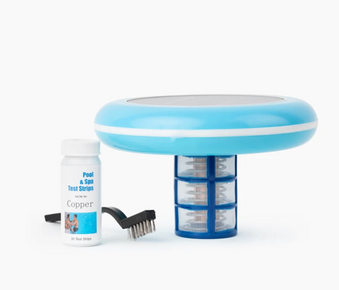
This advanced formula is particularly effective for pools experiencing recurring algae issues, cloudy water that resists standard treatments, or those in areas with high phosphate levels in source water. When used as part of a comprehensive pool maintenance program that includes proper cleaning routines and modern technologies like solar pool ionizers, PHOS04 helps create an environment where algae cannot thrive.
Why Remove Phosphates from Your Pool?
Phosphates act as a primary food source for algae, and even small amounts can cause significant problems:
Key Benefits of Phosphate Removal:
- Prevents Algae Growth: Eliminates the primary nutrient algae needs to grow and multiply
- Reduces Chlorine Demand: Less organic material in water means chlorine works more effectively
- Improves Water Clarity: Removes microscopic particles that cause cloudiness
- Saves Money: Reduces need for expensive algaecides and shock treatments
- Enhances Other Treatments: Works synergistically with solar pool ionizers and algaecides
- Prevents Recurring Problems: Addresses root cause of persistent algae issues
- Safe for All Pools: Compatible with all pool surfaces and equipment
For comprehensive algae prevention, also explore how solar ionizers combat mustard algae and other persistent algae types.
Step-by-Step Application Guide
Step 1: Test Phosphate Levels
Before treatment, accurately test your pool's phosphate levels:
- Use Phosphate Test Kit: Quality test strips or liquid test kit specifically for phosphates
- Testing Locations: Test multiple areas of pool for accurate reading
-
Interpret Results:
- 0-500 ppb: Low (maintenance dose may be sufficient)
- 500-2000 ppb: Moderate (treatment recommended)
- 2000+ ppb: High (immediate treatment required)
Learn about the importance of regular pool testing for comprehensive water management.
Step 2: Balance Pool Water Chemistry
Proper water balance ensures optimal PHOS04 effectiveness:
- pH Level: Adjust to 7.2-7.4 (slightly acidic for best results)
- Total Alkalinity: Maintain 80-100 ppm
- Chlorine Levels: Keep at 1-3 ppm
- Calcium Hardness: 200-400 ppm
- Water Temperature: Note temperature affects chemical reactions
Proper chemical balance is essential - learn how to maintain your pool's pH balance.
Step 3: Calculate Required Dosage
Determine proper dosage based on pool volume and phosphate levels:
- Standard Treatment: 1.5 lbs per 10,000 gallons
- High Phosphate Levels: 2 lbs per 10,000 gallons
- Severe Cases: 2.5 lbs per 10,000 gallons
- Maintenance Dose: 0.5-1 lb per 10,000 gallons monthly
Calculate pool volume accurately using standard formulas or consult your pool builder's specifications.
Step 4: Pre-Dissolve PHOS04
Always pre-dissolve before adding to pool:
- Fill clean 5-gallon bucket ¾ full with pool water
- Add measured PHOS04 slowly while stirring continuously
- Stir until completely dissolved (2-3 minutes)
- Create smooth slurry with no undissolved particles
Avoid common pool cleaning mistakes during application.
Step 5: Apply to Pool
Proper application ensures even distribution:
- With Pump Running: Ensure circulation system is operating
- Pour Around Perimeter: Walk around pool edge distributing evenly
- Avoid Concentrated Areas: Don't dump in one location
- Even Distribution: Cover entire pool surface area
- Brush After Application: Brush pool surfaces to distribute product
Step 6: Circulate and Filter
Proper circulation is critical for effective phosphate removal:
- Run Filter Continuously: Minimum 24-48 hours after application
- Check Filter Pressure: Monitor and clean as pressure rises
- Extended Circulation: For high phosphate levels, run 72+ hours
- Backwash/Clean Filter: Expect multiple cleanings during process
Learn about how circulation supports proper maintenance.
Dosage Calculations and Pool Size Guide
Phosphate Level Based Treatment
- 0-500 ppb: Maintenance dose only (preventive)
- 500-1000 ppb: Standard treatment dose
- 1000-2000 ppb: High phosphate treatment dose
- 2000+ ppb: Multiple treatments may be needed
- Extreme Cases (5000+ ppb): Consider partial drain and refill first
Special Circumstances
- New Pool Fill: Test source water first, treat as needed
- After Heavy Rain: Rainwater often contains phosphates
- Following Fertilizer Use: Nearby lawn care increases phosphate risk
- High Bather Load: Body oils and lotions contain phosphates
- Well Water Sources: Test regularly, may have high natural phosphates
Post-Treatment Maintenance and Filtration
Immediate Post-Treatment Actions
After applying PHOS04, follow these critical steps:
- Continuous Filtration: Run filter 24-48 hours minimum
- Monitor Filter Pressure: Clean when pressure rises 8-10 psi
- Multiple Cleanings: Expect 2-4 filter cleanings during treatment
- Vacuum to Waste: If possible, vacuum settled particles to waste
- Water Testing: Retest phosphates after 48 hours
- Avoid Swimming: Wait until water clears and filter pressure stabilizes
Filter Maintenance During Treatment
- Sand Filters: Backwash when pressure rises, watch for cloudy returns
- Cartridge Filters: Remove and rinse multiple times during treatment
- DE Filters: Backwash thoroughly, may require complete breakdown
- Filter Media: Consider replacing if old or inefficient
- System Check: Ensure all valves are properly positioned
For advanced cleaning, consider automatic pool cleaners to remove settled particles.
Water Maintenance Post-Treatment
- Retest Water Balance: Check pH and alkalinity after treatment
- Shock Treatment: Consider shocking after phosphate removal
- Algaecide Application: Apply algaecide 24 hours after PHOS04
- Regular Testing: Establish weekly phosphate testing routine
- Preventive Measures: Address phosphate sources in pool environment
Water Testing and Monitoring
Comprehensive Testing Protocol
Establish regular testing schedule:
- Weekly Testing: Phosphates, chlorine, pH, alkalinity
- Monthly Testing: Calcium hardness, TDS, metals
- Seasonal Testing: Comprehensive testing at season start/end
- Post-Treatment Testing: Retest 48 hours after PHOS04 application
- Source Water Testing: Test fill water for phosphate content
Interpreting Phosphate Test Results
- 0-100 ppb: Excellent, maintain with preventive doses
- 100-500 ppb: Good, monitor and treat as needed
- 500-1000 ppb: Moderate, treatment recommended
- 1000-2000 ppb: High, immediate treatment required
- 2000+ ppb: Severe, multiple treatments needed
Monitoring Water Clarity Indicators
- Visual Clarity: Water should sparkle and be crystal clear
- Surface Quality: No oily film or surface scum
- Tile Line: Clean, no visible buildup or staining
- Filter Performance: Consistent pressure and flow rates
- Chemical Consumption: Reduced chlorine demand indicates success
Troubleshooting Common Issues
Cloudy Water After Treatment
Possible Causes: Insufficient filtration, incomplete phosphate binding, chemical imbalance, filter issues.
Solutions:
- Run filter continuously for additional 24-48 hours
- Add clarifier to help filter capture fine particles
- Clean filter thoroughly, may require multiple cleanings
- Check and adjust pH to optimal range
- Review how to handle cloudy water
Phosphate Levels Not Decreasing
Possible Causes: Insufficient dosage, ongoing phosphate introduction, testing error, product expiration.
Solutions:
- Retest with fresh test kit to verify results
- Increase dosage and retreat if necessary
- Identify and eliminate phosphate sources
- Check product expiration date
- Consider professional water testing
Filter Overload Issues
Possible Causes: Excessive phosphate levels, insufficient pre-filtering, old filter media, system capacity exceeded.
Solutions:
- Clean filter more frequently during treatment
- Consider vacuuming to waste to bypass filter
- Upgrade filter media if old or inefficient
- Treat in stages for very high phosphate levels
- Consult pump and filter maintenance guide
Algae Returns Quickly
Possible Causes: Incomplete phosphate removal, other nutrient sources, insufficient sanitizer, poor circulation.
Solutions:
- Retest and retreat phosphates if needed
- Shock pool thoroughly after phosphate removal
- Apply algaecide as preventive measure
- Improve circulation in problem areas
- Combine with solar ionizer for continuous algae prevention
Long-Term Phosphate Prevention Strategies
Source Control Measures
- Landscaping Management: Redirect runoff away from pool area
- Fertilizer Control: Use phosphate-free fertilizers near pool
- Bather Education: Shower before swimming to remove lotions
- Pet Control: Keep pets out of pool area
- Debris Management: Regularly skim and remove organic debris
Regular Maintenance Practices
- Monthly Testing: Test phosphates as part of regular maintenance
- Preventive Dosing: Use maintenance doses based on test results
- Filter Maintenance: Clean filters regularly to remove trapped phosphates
- Water Replacement: Partial drains help dilute phosphate buildup
- Source Water Testing: Test fill water before adding to pool
Integrated Pool Care System
- Combine with Solar Ionizers: Solar ionizers reduce chemical needs while preventing algae
- Regular Shock Treatments: Oxidize organic material before it breaks down
- Enzyme Treatments: Break down non-living organics that contain phosphates
- Proper Circulation: Ensure all water passes through filtration system
- Seasonal Management: Adjust treatment based on seasonal conditions
Environmental Considerations
- Runoff Management: Control water flow into pool area
- Vegetation Control: Maintain proper landscaping around pool
- Wildlife Management: Deter birds and animals from pool area
- Cover Usage: Use pool cover when not in use
- Eco-Friendly Practices: Implement eco-friendly cleaning practices
Frequently Asked Questions
How often should I use Bio-Dex PHOS04?
Use as needed based on phosphate test results. Typically, apply maintenance dose monthly during swimming season, with full treatments when phosphate levels exceed 500 ppb.
Can I swim immediately after adding PHOS04?
Wait until water has circulated for several hours and filter pressure has stabilized. Typically safe after 4-6 hours of filtration, but wait until water is clear for best results.
Will PHOS04 affect my pool's pH or alkalinity?
PHOS04 may slightly affect pH. Always test and adjust pH before and after treatment to maintain optimal 7.2-7.4 range.
Can I use PHOS04 with other pool chemicals?
Yes, but don't mix with other chemicals before adding to pool. Add PHOS04 separately, allow circulation, then add other treatments as needed.
How long does it take to see results?
Visible results typically within 24-48 hours. Complete phosphate removal may take several days depending on initial levels and filtration efficiency.
Do I need to clean my filter after treatment?
Yes, expect to clean or backwash your filter multiple times during treatment as it captures phosphate particles.
Can PHOS04 be used in saltwater pools?
Yes, PHOS04 is safe for all pool types including saltwater systems. Also consider saltwater pool maintenance practices.
What causes high phosphate levels in pools?
Common sources include: fertilizers, plant debris, body oils/lotions, rainwater, fill water, and some pool chemicals.
Can I prevent phosphates without chemicals?
While source control helps, chemical treatment is often necessary. Combining with solar ionizers can reduce overall chemical needs.
How do I test for phosphates?
Use phosphate-specific test strips or liquid test kits. Test weekly during peak season and monthly during off-season.
Conclusion: Effective Phosphate Management for Crystal Clear Water
Bio-Dex PHOS04 Phosphate Removal offers an effective solution for eliminating the primary nutrient that feeds algae growth in swimming pools. By following this comprehensive guide, you can maintain phosphate-free water that stays clearer longer, requires less chlorine, and resists algae growth.
Key Takeaways:
- Test phosphate levels regularly and treat when above 500 ppb
- Always pre-dissolve PHOS04 in bucket before adding to pool
- Run filter continuously for 24-48 hours after treatment
- Clean filter multiple times during treatment process
- Address phosphate sources in pool environment
- Combine with solar ionizers for comprehensive algae prevention
- Establish regular maintenance dosing based on test results
For the most effective algae prevention system, combine Bio-Dex PHOS04 phosphate removal with solar pool ionizers to address both nutrient control and continuous sanitization, creating a pool environment where algae cannot establish or thrive.