Keeping a swimming pool clean is essential for water quality and the longevity of your pool equipment.
Manual cleaning, however, can be tedious, time-consuming, and physically demanding. Leaves, dirt, algae, and other debris accumulate quickly, making daily maintenance a real chore for many pool owners.
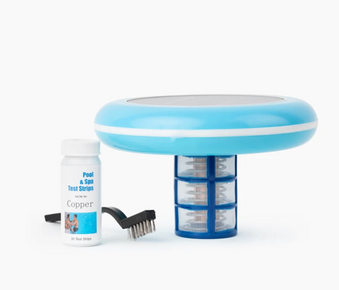
Automatic pool cleaners offer a hands-free solution that keeps your pool sparkling clean with minimal effort. When paired with eco-friendly water-care systems like solar pool ionizers, these cleaners help reduce chemical usage, maintain water clarity, and simplify overall pool maintenance.
This guide answers the most common questions about automatic pool cleaners, providing clear steps for selecting and using them effectively. You'll learn how they work, the time and cost savings they offer, and how to integrate them with other pool systems for maximum efficiency and enjoyment.
Table of Contents
- What Is an Automatic Pool Cleaner and How Does It Work?
- How Automatic Pool Cleaners Save Time and Reduce Manual Labor
- Improved Pool Cleanliness and Water Quality
- Lower Chemical Usage and Better Water Balance
- Energy Efficiency and Environmental Benefits
- Types of Automatic Pool Cleaners and Their Advantages
- Final Thoughts: Simplifying Pool Care with Automatic Cleaners
1. What Is an Automatic Pool Cleaner and How Does It Work?
An automatic pool cleaner is a self-contained robotic or pressure-driven device engineered to systematically clean swimming pool surfaces including floors, walls, steps, and waterlines without human intervention. These cleaners operate on one of three propulsion principles: suction-side systems that use your pool's existing pump, pressure-side systems powered by dedicated booster pumps, or fully robotic units with independent electric motors and intelligent navigation. Unlike manual vacuuming that requires active participation, automatic cleaners function autonomously once activated, following pre-programmed cleaning patterns that ensure complete coverage of your pool's unique geometry. They address the fundamental problem of debris accumulation where organic matter (leaves, pollen, insects) and inorganic particles (sand, dirt, silt) settle and decompose, creating water quality issues and increasing chemical demand. Modern units incorporate smart technology that enables them to map pool dimensions, avoid obstacles, and optimize cleaning routes for maximum efficiency.
Core Components and Functional Mechanisms
Every automatic pool cleaner consists of essential components that work together to navigate, collect debris, and return clean water. The propulsion system varies by type: suction-side cleaners use venturi principles where water flow creates movement, pressure-side cleaners employ water jets for thrust and debris agitation, and robotic cleaners utilize electric drive motors with gear systems. Debris collection occurs through filtration mechanisms suction models channel particles into the pool's main pool filtration system, pressure-side units trap debris in dedicated bags, and robotic cleaners use internal cartridge filters that capture particles as small as 2 microns. Navigation systems range from simple random patterns to sophisticated gyroscopic and sensor-based mapping that ensures no area is missed. Advanced features include waterline scrubbing capabilities, programmable cleaning schedules, remote control operation, and smart home integration. These components work synergistically to transform what was traditionally a 30-60 minute manual task into an automated process that maintains pool cleanliness continuously.
- Propulsion Systems: Suction venturi, pressure jets, or electric drive motors providing movement
- Filtration Mechanisms: Connection to pool filter, dedicated debris bags, or internal cartridge filters
- Navigation Technology: Random patterns, gyroscopic mapping, or sensor-based intelligent routing
- Advanced Features: Waterline cleaning, programmable schedules, remote control, and smart home compatibility
Step-by-Step Cleaning Process
Understanding how automatic pool cleaners work involves following their systematic operational sequence from activation to completion. The process begins with proper setup: for suction and pressure-side models, connecting hoses to the appropriate pool returns or dedicated booster pumps; for robotic cleaners, placing the unit in water and connecting to a GFCI-protected power source. Once activated, the cleaner follows this sequence:
- Initialization and Surface Mapping: Advanced units scan pool dimensions and create cleaning routes; simpler models begin random patterns immediately
- Surface Traversal: The cleaner moves across pool floors using wheels, tracks, or water propulsion, adjusting to different surface materials (plaster, vinyl, fiberglass)
- Debris Agitation: Brushes or water jets dislodge particles from surfaces, including algae from walls and sediment from corners
- Particle Collection: Dislodged debris enters the filtration system through suction inlets or dedicated collection areas
- Filtration and Water Return: Water passes through filters while cleaned water returns to the pool; robotic models filter internally
- Obstacle Navigation: Units detect and maneuver around ladders, steps, and pool features without getting stuck
- Completion and Shutdown: Most units self-detect completion and shut down; some return to starting positions or signal completion
How Different Types of Cleaners Operate
Each automatic pool cleaner type employs distinct operational principles that determine their effectiveness for different pool conditions:
- Suction-Side Cleaners: Powered by pool pump suction using venturi effect for movement, sending debris into the pool's main filter system. Best for fine debris like sand and small to medium-sized pools.
- Pressure-Side Cleaners: Powered by booster pump pressure using water jet propulsion, collecting debris in dedicated bags. Ideal for leaves, twigs, and medium-to-large debris in pools with heavy organic loads.
- Robotic Cleaners: Powered by separate electric motors using drive wheels or tracks, filtering debris through internal cartridges. Suitable for all debris types and pool sizes/shapes, offering the most advanced features and energy efficiency.
Integration with Water Care Systems
Automatic pool cleaners work most effectively when integrated with comprehensive water care systems like solar pool ionizers. This integration creates a synergistic cleaning and sanitation approach:
- Complementary Functions: Cleaners remove physical debris while ionizers prevent biological growth through mineral sanitation
- Reduced Chemical Demand: By removing organic matter before decomposition, cleaners minimize the organic load that consumes chlorine
- Enhanced Water Circulation: Cleaner movement supplements pool circulation, helping distribute mineral ions more evenly
- Preventive Maintenance: Regular cleaning prevents algae attachment points, allowing ionizers to work more efficiently
- Optimized Scheduling: Program cleaners to operate before ionizer maintenance cycles for maximum effectiveness
Automatic pool cleaners represent smart technology solutions that transform pool maintenance from a manual chore into an automated process. By understanding their components, operational sequences, type-specific mechanisms, and integration possibilities with systems like solar ionizers, pool owners can implement comprehensive cleaning strategies that save time, reduce chemical usage, and maintain consistently clean water with minimal effort.

2. How Automatic Pool Cleaners Save Time and Reduce Manual Labor
Automatic pool cleaners transform pool maintenance from a time-consuming physical chore into a hands-free automated process, reclaiming hours each week that pool owners traditionally spent on manual cleaning tasks. This time-saving benefit addresses one of the most common complaints about pool ownership: the significant ongoing labor required to maintain water clarity and surface cleanliness. Unlike manual methods that demand active participation during each cleaning session, automatic systems operate independently once programmed, performing cleaning cycles during optimal times (overnight, during work hours, or before peak swimming periods) without requiring your presence or supervision. The reduction in physical labor is particularly valuable for pool owners with physical limitations, busy schedules, or multiple water features that increase cleaning complexity. By automating the most repetitive aspects of pool maintenance, these devices shift the owner's role from active cleaner to occasional supervisor, freeing up leisure time while ensuring consistently clean water.
Step-by-Step Time Savings Comparison
To understand exactly how much time automatic pool cleaners save, compare the manual cleaning process against automated operation:
- Setup Time Elimination: Manual cleaning requires 5-10 minutes assembling equipment; automatic cleaners require 1-2 minutes to activate
- Active Cleaning Time: Manual vacuuming takes 30-60 minutes per session; automatic cleaners operate while you attend to other tasks
- Frequency Reduction: Manual cleaning typically needed 2-3 times weekly; automatic cleaners can run daily with no additional time commitment
- Equipment Maintenance: Manual systems require 10-15 minutes weekly for hose coiling and equipment storage; automatic units need minimal maintenance
- Post-Cleaning Tasks: Manual methods often require filter cleaning after vacuuming; many automatic systems avoid stirring debris into filters
Weekly time savings typically range from 2-4 hours for average pools, with larger or debris-heavy pools showing even greater reductions in maintenance time.
Physical Labor Reduction and Accessibility Benefits
Automatic pool cleaners eliminate the most physically demanding aspects of pool maintenance, making pool ownership accessible to more people and reducing injury risks:
- No Vacuum Pushing: Eliminates continuous upper body effort and bending required to push manual vacuum heads across pool floors
- Heavy Equipment Handling: Removes need to lift 15-30 pound vacuum equipment and awkwardly connect hoses
- Repetitive Brushing Elimination: Built-in brushes with programmed scrubbing replace manual wall and step brushing
- Surface Skimming Automation: Surface cleaning models or integrated skimming systems eliminate reaching and bending for debris removal
- Waterline Cleaning: Waterline-specific cleaning cycles remove awkward positions and scrubbing pressure needed for tile maintenance
Consistency Advantages Over Manual Cleaning
Automatic pool cleaners provide consistent cleaning performance that manual methods often cannot match, addressing common problem areas that get overlooked:
- Complete Coverage: Programmed patterns ensure all pool areas receive attention, unlike manual methods that may miss corners or deep-end areas
- Regular Scheduling: Can operate daily or multiple times weekly, preventing debris accumulation between manual cleanings
- Uniform Cleaning Pressure: Maintains consistent scrubbing and suction power throughout cleaning cycle
- Weather Independence: Can clean during rain, wind, or other conditions when manual cleaning would be unpleasant or impossible
- Vacation Coverage: Continues operating during trips, preventing major clean-up upon return
Schedule Optimization and Maintenance Integration
Automatic pool cleaners allow for intelligent scheduling that maximizes efficiency and integrates with other maintenance tasks:
- Off-Peak Operation: Program cleaners to run overnight or during work hours when pool isn't in use
- Weather-Responsive Cleaning: Some models can be scheduled after storms or windy periods when debris accumulation increases
- Chemical Treatment Coordination: Schedule cleaning before or after shocking the pool to maximize effectiveness
- Filter System Integration: Time cleaning cycles to complement filter backwashing schedules for optimal system performance
- Multi-System Synchronization: Advanced units can coordinate with pool pumps, heaters, and sanitation systems
Automatic pool cleaners deliver substantial time and labor savings by transforming manual cleaning tasks into automated processes. Through systematic time reduction across all maintenance phases, elimination of physically demanding work, consistent performance that exceeds manual capabilities, and intelligent scheduling that optimizes overall pool care, these devices make pool ownership significantly more enjoyable and accessible. The hours reclaimed from pool maintenance can instead be spent actually enjoying the pool swimming, relaxing, or entertaining transforming the pool from a source of work to a genuine source of leisure and pleasure.

3. Improved Pool Cleanliness and Water Quality
Automatic pool cleaners significantly enhance pool cleanliness by continuously removing debris before it can decompose and compromise water quality. This proactive approach to debris management addresses the root cause of many common pool problems: organic matter breaking down in water and creating ideal conditions for algae, bacteria, and cloudy water. Unlike manual cleaning that happens intermittently, automatic systems maintain consistent cleanliness by operating on regular schedules, preventing the accumulation that occurs between manual cleanings. This continuous cleaning action creates a cleaner aquatic environment where water remains visibly clear, surfaces stay free of slippery biofilm, and the improves overall pool hygiene dramatically. The benefits extend beyond appearance to include better swimmer health, reduced chemical demand, and enhanced effectiveness of other water treatment systems.
How Automatic Cleaners Prevent Algae and Bacterial Problems
Automatic pool cleaners combat algae and bacteria through multiple mechanisms that manual cleaning cannot match consistently:
- Organic Matter Removal: Removes leaves, pollen, and other organic debris before they decompose and release nutrients that feed algae and bacteria
- Surface Scrubbing: Brushes pool walls and floors, disrupting biofilm formation where bacteria and algae colonies establish
- Improved Circulation: Movement creates additional water circulation that prevents stagnant areas where microorganisms thrive
- Consistent Maintenance: Daily cleaning prevents the alternating clean/dirty cycles that allow microorganisms to establish between manual cleanings
- Dead Spot Elimination: Cleans corners, steps, and other areas where debris accumulates and creates localized breeding grounds
Step-by-Step Water Clarity Improvement Process
Automatic pool cleaners maximize pool water clarity through a systematic process that addresses different types of cloudiness and visual impairments:
- Large Debris Removal: First removes visible leaves, twigs, and insects that contribute to surface clutter
- Fine Particle Collection: Captures sand, silt, and pollen particles as small as 2 microns that cause hazy water
- Surface Film Prevention: Regular cleaning prevents oils and lotions from forming surface films that reduce water sparkle
- Algae Spore Reduction: Removes microscopic algae spores before they can multiply and cause green water
- Chemical Optimization: Cleaner water allows sanitizers and clarifiers to work more effectively without competing with organic debris
Odor Prevention and Hygiene Benefits
Automatic pool cleaners eliminate common pool odors and improve hygiene through consistent debris removal:
- Chloramine Reduction: Removes organic matter before it combines with chlorine to form irritating chloramines that cause "chlorine smell"
- Decomposition Prevention: Eliminates leaves and insects before they decompose and create musty, earthy odors
- Biofilm Elimination: Regular scrubbing prevents slippery biofilm formation on surfaces that can harbor bacteria and create unpleasant smells
- Swimmer Contaminant Management: Continuously removes oils, sweat, and personal care products that contribute to water odor
- Mold and Mildew Prevention: Keeps waterlines and tile areas clean, preventing mold growth in damp areas
Surface Cleanliness Maintenance
Automatic pool cleaners maintain all pool surfaces in consistently clean condition, addressing different surface types and problem areas:
- Floor Cleaning: Prevents sediment buildup that can stain plaster or become slippery on vinyl and fiberglass
- Wall Maintenance: Regular brushing prevents pool algae attachment and calcium scale formation on vertical surfaces
- Waterline Care: Specialized models clean tile lines, preventing scum lines and mineral deposits at the water surface
- Step and Bench Cleaning: Ensures seating and entry areas remain clean and free of slippery biofilm
- Corner and Crevice Attention: Reaches areas that manual vacuuming often misses, preventing localized debris accumulation
Integration with Mineral-Based Water Treatment Systems
Automatic pool cleaners enhance the effectiveness of mineral-based systems like solar pool ionizers through synergistic action:
- Reduced Organic Load: Less organic debris means mineral ions can focus on algae and bacteria prevention rather than oxidizing contaminants
- Improved Circulation: Cleaner movement helps distribute mineral ions more evenly throughout the pool
- Surface Accessibility: Clean surfaces allow mineral ions better contact with potential algae attachment points
- Chemical Reduction Support: By maintaining cleaner water, automatic cleaners reduce the supplemental chlorine needed alongside mineral systems
- Preventive Partnership: While ionizers prevent biological growth, cleaners remove the physical debris that could harbor microorganisms
Automatic pool cleaners deliver comprehensive improvements in pool cleanliness and water quality through systematic debris removal, surface maintenance, and integration with other treatment systems. By preventing organic decomposition, eliminating algae and bacteria habitats, improving water clarity, preventing odors, and maintaining all surfaces, these devices create healthier, more visually appealing swimming environments. The combined effect is water that not only looks cleaner but actually is cleaner with reduced pathogens, better chemical efficiency, and enhanced swimmer comfort and safety.

4. Lower Chemical Usage and Better Water Balance
Automatic pool cleaners significantly reduce chemical consumption by preventing the organic contamination that drives chemical demand, creating more stable water chemistry with less frequent adjustments. This reduction occurs because most pool chemicals are used to combat problems caused by debris accumulation: chlorine oxidizes organic matter, pH adjusters correct imbalances from decomposition, algaecides treat growths that establish on dirty surfaces, and shock treatments address and improve pool water quality emergencies that begin with neglected debris. By continuously removing leaves, pollen, insects, and other organic materials before they decompose, automatic cleaners eliminate the primary reason chemicals get consumed, allowing sanitizers to focus on disinfection rather than oxidation. This proactive approach to debris management creates water that maintains its chemical balance more naturally, with fewer dramatic swings that require corrective treatments, ultimately resulting in pools that are both chemically efficient and more comfortable for swimmers.
Step-by-Step Chemical Reduction Process
Automatic pool cleaners reduce chemical usage through a systematic process that addresses each point of chemical consumption:
- Organic Load Reduction: Removes leaves, grass, and insects before they decompose and consume chlorine through oxidation reactions
- Nutrient Source Elimination: Collects pollen, bird droppings, and other materials that provide nutrients for algae growth
- Surface Contaminant Removal: Cleans oils, lotions, and sweat from swimmers that would otherwise combine with chlorine
- pH Stability Improvement: Prevents organic decomposition that releases carbon dioxide and lowers pH, reducing acid demand
- Calcium Saturation Management: Removes debris that could affect calcium carbonate equilibrium, reducing scale prevention chemicals
How Automatic Cleaners Prevent Common Chemical Problems
Automatic pool cleaners address specific chemical issues that typically require corrective treatments:
- Chloramine Formation Prevention: Removes organic nitrogen sources (urea from sweat, leaves, insects) before they combine with chlorine to form irritating chloramines
- Algae Prevention: Eliminates debris that provides attachment points and nutrients for algae, reducing algaecide requirements by 50-70%
- Shock Treatment Reduction: Prevents the heavy organic loads that necessitate emergency shock treatments by maintaining consistent cleanliness
- Clarifier Reduction: Removes fine particles that would otherwise require flocculants or clarifiers to settle out of suspension
- Stain Prevention: Collects metallic debris (rust, copper) before it can stain surfaces and require stain treatment chemicals
Water Balance Stability Benefits
Automatic pool cleaners contribute to more stable water balance through consistent debris management:
- pH Consistency: Organic decomposition acidifies water; removing debris prevents pH drops that require soda ash or baking soda corrections
- Alkalinity Stability: Debris decomposition consumes alkalinity; continuous removal maintains buffer capacity with fewer adjustments
- Calcium Equilibrium: Clean water maintains more predictable calcium carbonate saturation, reducing scale or corrosion treatment needs
- Total Dissolved Solids Control: Regular debris removal prevents TDS buildup from decomposing materials, extending water replacement intervals
- Oxidation Reduction Potential Stability: Consistent organic load maintains more stable ORP readings, improving automated chemical feeder performance
Integration with Solar Pool Ionizers for Maximum Chemical Reduction
When combined with solar pool ionizers, automatic cleaners create a synergistic system that minimizes chemical dependency:
- Primary-Secondary Protection: Ionizers provide continuous mineral sanitation while cleaners remove organic matter before it challenges the system
- Chlorine Demand Reduction: Together they can reduce chlorine requirements by 80-90% compared to traditional chlorine-only systems
- Algae Prevention Partnership: Ionizers make water inhospitable to algae while cleaners remove attachment surfaces and nutrient sources
- pH Impact Minimization: Mineral systems have minimal pH impact while cleaners prevent organic acidification, creating exceptional pH stability
- Maintenance Optimization: Cleaners maintain water clarity so UV light penetrates effectively for any supplemental UV systems paired with ionizers
Cost Savings and Environmental Benefits
The chemical reduction from automatic pool cleaners delivers significant financial and environmental advantages:
- Chemical Cost Reduction: Typical savings of $300-$600 annually on chlorine, shock, algaecides, and pH adjusters
- Reduced Chemical Storage: Less need to store large quantities of hazardous chemicals on property
- Environmental Impact Reduction: Minimizes chemical runoff into groundwater and reduces manufacturing demand for pool chemicals
- Swimmer Health Benefits: Lower chemical levels mean reduced skin irritation, eye redness, and respiratory issues for sensitive swimmers
- Equipment Longevity: Reduced chemical exposure extends the life of pumps, filters, heaters, and pool surfaces
Automatic pool cleaners deliver substantial chemical reduction and water balance improvements through systematic debris management that prevents the contamination driving chemical demand. By removing organic matter before decomposition, preventing algae establishment, maintaining stable water parameters, and integrating effectively with mineral-based systems like solar ionizers, these devices create pools that require fewer chemicals, less frequent adjustments, and lower overall maintenance costs. The result is not only financial savings but also healthier swimming environments with reduced chemical exposure for both people and the environment.

5. Energy Efficiency and Environmental Benefits
Modern automatic pool cleaners offer significant energy efficiency advantages and environmental benefits that make them a sustainable choice for eco-conscious pool owners. These devices are engineered to minimize resource consumption while maximizing cleaning effectiveness, addressing growing concerns about the environmental impact of pool maintenance. Unlike modern pool care practices that can be resource-intensive, automatic cleaners operate with precision and efficiency, using only the energy and water necessary to maintain cleanliness. The environmental benefits extend beyond direct operation to include reduced chemical manufacturing demand, decreased water waste, and lower overall carbon footprint for pool ownership. By selecting energy-efficient models and integrating them with other sustainable pool technologies, homeowners can create swimming environments that are both enjoyable and environmentally responsible.
Step-by-Step Energy Efficiency Improvements
Automatic pool cleaners improve energy efficiency through several interconnected mechanisms:
- Targeted Operation: Unlike pool pumps that run continuously, robotic cleaners operate only when needed, typically 2-4 hours daily
- Optimized Power Use: Advanced models adjust power consumption based on cleaning needs, using less energy for routine maintenance and more for heavy debris
- Pump System Integration: Suction and pressure-side cleaners can reduce main pump runtime by providing targeted cleaning without full system operation
- Efficient Motor Design: Robotic models use permanent magnet motors that are 80-90% more efficient than traditional induction motors
- Smart Scheduling: Programmable operation during off-peak energy hours takes advantage of lower electricity rates and reduced grid demand
Water Conservation Benefits
Automatic pool cleaners contribute to significant water conservation through several mechanisms:
- Reduced Backwashing: Cleaner pools require less frequent filter backwashing, saving 300-500 gallons per backwash cycle
- Minimal Water Replacement: Better water quality means less frequent draining and refilling to manage total dissolved solids
- Evaporation Reduction: Cleaner water surfaces with less organic film experience slightly lower evaporation rates
- Splash-Out Prevention: Regular cleaning prevents algae-slick surfaces that cause swimmers to slip and create water displacement
- Efficient Rinsing: Robotic models with internal filters use minimal water for cleaning compared to manual vacuum-to-waste methods
Chemical Reduction and Environmental Protection
The chemical reduction benefits of automatic cleaners have important environmental implications:
- Runoff Prevention: Reduced chemical use means less chlorine, algaecides, and other chemicals entering groundwater through backwash and splash-out
- Manufacturing Impact Reduction: Lower chemical demand decreases industrial production of pool chemicals and associated environmental costs
- Packaging Waste Reduction: Fewer chemical containers mean less plastic and cardboard waste requiring disposal or recycling
- Transportation Emissions: Reduced need for chemical deliveries lowers fuel consumption and associated carbon emissions
- Waterway Protection: Minimizes chemical discharge that can harm local aquatic ecosystems when pool water is eventually discharged
Integration with Solar Pool Ionizers for Maximum Sustainability
Combining automatic cleaners with solar pool ionizers creates a highly sustainable pool maintenance system:
- Solar-Powered Synergy: Solar ionizers provide chemical-free sanitation while automatic cleaners handle physical debris removal
- Energy Independence: Both systems can operate without grid electricity when using solar-powered robotic cleaners with solar ionizers
- Chemical Elimination: Together they can reduce or eliminate traditional chemical use entirely in many pool environments
- Maintenance Reduction: The combination minimizes overall maintenance time and resource consumption
- System Longevity: Cleaner operation reduces strain on all pool components, extending equipment lifespan and reducing replacement frequency
Specific Energy Consumption Comparison
Different types of automatic cleaners offer varying energy profiles:
- Robotic Cleaners: Most efficient option, consuming 150-300 watts during operation (approximately $0.03-$0.06 per hour)
- Pressure-Side Cleaners: Require booster pumps adding 500-1000 watts to system load when operating
- Suction-Side Cleaners: Use existing pool pump but may increase pump runtime, adding 500-2500 watts depending on pump size
- Annual Energy Costs: Robotic models typically cost $30-$60 annually to operate, compared to $100-$300 for pressure-side systems
- Carbon Footprint: Robotic cleaners produce 50-100 pounds CO₂ annually versus 200-500 pounds for less efficient alternatives
Long-Term Environmental Impact Reduction
The cumulative environmental benefits of automatic pool cleaners extend over their operational lifespan:
- Resource Conservation: Over 10 years, a single efficient robotic cleaner can save 20,000+ gallons of water through reduced backwashing
- Chemical Reduction: Can prevent 500-1000 pounds of chlorine and other chemicals from entering the environment
- Energy Savings: Efficient models save 2,000-5,000 kWh over their lifespan compared to traditional cleaning methods
- Waste Reduction: Minimizes plastic chemical containers, filter media replacement, and other consumable waste
- Ecosystem Protection: Reduces the chemical burden on local water treatment systems and natural waterways
Automatic pool cleaners deliver substantial energy efficiency and environmental benefits through optimized operation, water conservation, chemical reduction, and integration with sustainable technologies like solar ionizers. To maintain these benefits over time, using replacement kits for ionizer systems ensures consistent mineral output and prevents performance decline that could increase chemical demand. By choosing efficient models and implementing smart maintenance practices, pool owners can significantly reduce their environmental footprint while maintaining pristine swimming conditions. These benefits extend beyond individual cost savings to contribute to broader environmental protection goals, making automatic cleaners a responsible choice for eco-conscious pool maintenance.

6. Types of Automatic Pool Cleaners and Their Advantages
Automatic pool cleaners are categorized into three distinct types based on their power source and operational method, each designed to address specific pool cleaning solutions and owner preferences. Understanding these differences is essential for selecting the right cleaner that matches your pool's characteristics, typical debris load, and maintenance goals. The three primary types suction-side, pressure-side, and robotic cleaners offer varying levels of cleaning power, energy efficiency, installation complexity, and cost. Each type employs different technology to navigate pool surfaces, collect debris, and integrate with existing pool systems. By comparing their features, operating requirements, and ideal applications, pool owners can make informed decisions that balance performance, cost, and convenience for their specific situation.
Step-by-Step Selection Guide for Automatic Pool Cleaners
Follow this systematic process to choose the right automatic pool cleaner for your specific needs:
- Assess Your Pool Characteristics: Measure pool size, note surface material (plaster, vinyl, fiberglass), identify shape complexity, and check for special features like steps, benches, or sun shelves
- Identify Your Debris Profile: Determine primary debris types (leaves, sand, pollen, twigs) and typical debris volume based on surroundings and season
- Evaluate Existing Equipment: Check your pool pump capacity, available electrical connections, and existing plumbing configuration
- Consider Your Budget: Account for both initial purchase price and long-term operating costs including energy, repairs, and replacement parts
- Determine Desired Features: Decide which capabilities are essential (wall cleaning, waterline scrubbing, programmable scheduling, remote control)
Suction-Side Pool Cleaners: Features and Best Applications
Suction-side cleaners operate using your pool's existing filtration system and pump, making them a cost-effective choice for many pool owners:
- Power Source: Utilize suction from your main pool pump through dedicated suction ports or skimmer connections
- Movement Mechanism: Use venturi action or turbine-driven wheels powered by water flow to navigate pool surfaces
- Debris Collection: Send collected debris directly into your pool's main filter system for removal
- Best For: Small to medium-sized pools (up to 20,000 gallons), fine debris (sand, silt, pollen), plaster or concrete surfaces
- Installation Requirements: Require dedicated suction line or skimmer adapter, compatible with most pool pumps of adequate power
- Maintenance Needs: Regular hose inspection, occasional diaphragm or turbine replacement, frequent filter cleaning due to increased load
- Cost Range: $200-$600 for most residential models
Pressure-Side Pool Cleaners: Features and Best Applications
Pressure-side cleaners use dedicated pool booster pumps to create powerful water jets that propel the cleaner and collect debris:
- Power Source: Require separate booster pump (typically 3/4 to 1 horsepower) that connects to your pool's return line
- Movement Mechanism: Water jet propulsion provides strong, consistent movement across all pool surfaces
- Debris Collection: Utilize dedicated debris bags or canisters that capture leaves and large particles before they reach main filter
- Best For: Medium to large pools (15,000-40,000 gallons), heavy leaf/debris areas, pools with trees nearby, all surface types
- Installation Requirements: Need dedicated booster pump installation, additional plumbing connections, and adequate electrical supply
- Maintenance Needs: Booster pump maintenance, debris bag emptying, occasional jet nozzle cleaning, hose replacement every 2-3 years
- Cost Range: $400-$1,200 plus $200-$500 for booster pump installation
Robotic Pool Cleaners: Features and Best Applications
Robotic cleaners are self-contained units with independent motors, filters, and intelligent navigation systems:
- Power Source: Operate on low-voltage electricity (24V-48V) through waterproof cables connected to control units
- Movement Mechanism: Use electric drive motors with wheels or tracks for precise navigation and climbing capability
- Debris Collection: Feature internal filter cartridges that capture particles as small as 2 microns, completely bypassing pool filter
- Best For: All pool sizes and shapes, complex geometries, energy-conscious owners, pools with efficiency goals
- Installation Requirements: Need GFCI electrical outlet near pool, no plumbing modifications required
- Maintenance Needs: Filter cartridge cleaning/replacement, brush inspection, occasional drive belt or track maintenance
- Cost Range: $600-$1,500 for standard models, $1,500-$2,500 for advanced models with mapping and smart features
Comparison of Key Features and Performance Metrics
To help with your decision, compare these critical performance aspects across cleaner types:
- Energy Efficiency: Robotic (excellent: 150-300W), Suction-side (fair: uses existing pump), Pressure-side (poor: requires additional 500-1000W booster pump)
- Cleaning Speed: Pressure-side (fastest: 1,000-1,500 sq ft/hour), Robotic (moderate: 800-1,200 sq ft/hour), Suction-side (slowest: 500-800 sq ft/hour)
- Debris Handling Capacity: Pressure-side (best for large debris), Robotic (excellent for all debris sizes), Suction-side (best for fine particles only)
- Wall Cleaning Ability: Robotic (excellent: climbs 90° walls), Pressure-side (good: climbs most walls), Suction-side (fair: limited wall climbing)
- Waterline Cleaning: Advanced robotic models only, other types require manual waterline brushing
- Smart Features: Robotic (programmable schedules, remote control, app integration), Others (minimal to no smart features)
Matching Cleaner Type to Specific Pool Conditions
Select the optimal cleaner based on these common pool scenarios:
- Small Residential Pools with Fine Debris: Suction-side cleaners offer the best value and sufficient cleaning power
- Pools Surrounded by Trees: Pressure-side cleaners handle leaves and large organic matter most effectively
- Complex Geometric Pools: Robotic cleaners with advanced navigation ensure complete coverage of unusual shapes
- Energy-Conscious Owners: Robotic cleaners provide the lowest operating costs despite higher initial investment
- Pools with Limited Equipment Space: Robotic cleaners require no additional pumps or plumbing modifications
- Seasonal or Vacation Home Pools: Pressure-side or robotic cleaners with programmable scheduling maintain pools during absences
Choosing the right automatic pool cleaner involves matching cleaner capabilities to your specific pool conditions, debris challenges, and maintenance preferences. Suction-side cleaners offer affordability and simplicity for basic cleaning needs, pressure-side cleaners provide powerful performance for heavy debris situations, and robotic cleaners deliver advanced features and energy efficiency for comprehensive cleaning solutions. By following the systematic selection process and comparing key features, pool owners can invest in a cleaner that not only maintains their pool effectively but also aligns with their budget, environmental goals, and desired level of maintenance involvement.

7. Final Thoughts: Simplifying Pool Care with Automatic Cleaners
Automatic pool cleaners represent a fundamental shift in pool maintenance philosophy, transforming what was traditionally a labor-intensive chore into an automated, efficient process that prioritizes enjoyment over effort. This transition from manual to automated cleaning addresses the core challenge that discourages many potential pool owners and frustrates current ones: the significant time commitment required to maintain crystal-clear pool water. By implementing an automatic cleaner, pool ownership evolves from a series of maintenance tasks into a seamless experience where the pool maintains itself, ready for enjoyment at any moment. This transformation extends beyond mere convenience to fundamentally change the relationship between pool owners and their aquatic investment, making pools more accessible to busy families, individuals with physical limitations, and those who simply want to maximize their leisure time.
The integration of automatic cleaners with modern water treatment technologies like solar pool ionizers creates what might be termed "intelligent pool ecosystems" systems where different components work synergistically to maintain optimal conditions with minimal human intervention. These integrated systems learn from pool usage patterns, adapt to changing environmental conditions, and optimize their operation for both effectiveness and efficiency.
Automatic pool cleaners are more than just a convenience they are a smart investment in your pool’s cleanliness, safety, and efficiency.
Key takeaways:
- Save time and effort by reducing manual labor
- Maintain cleaner, clearer, and healthier water
- Reduce chemical usage and stabilize water balance
- Extend the life of pool surfaces and equipment
When combined with modern water-care solutions like solar pool ionizers, automatic cleaners provide a complete, low-maintenance pool system. This makes pool ownership easier, more cost-effective, and far more enjoyable.