Ein Familienpool ist mehr als nur eine Attraktion im Garten, er ist ein täglicher Treffpunkt für Entspannung, Spiel und wertvolle Zeit. Damit jeder den Pool sicher und bequem genießen kann, müssen die Wasserbedingungen ausgewogen, angenehm und konstant bleiben. Unangenehmes Wasser kann zu Hautreizungen, trübem Poolwasser oder starken chemischen Gerüchen führen, was den Familienspaß schnell in Frustration verwandeln kann.
Um angenehmes Poolwasser zu gewährleisten, bedarf es mehr als nur gelegentlicher Reinigungen oder chemischer Anpassungen. Es erfordert eine stabile Wasserchemie, eine ordnungsgemäße Zirkulation und Desinfektionsmethoden, die Schwimmer jeden Alters schützen. Mit dem richtigen Ansatz können Poolbesitzer sauberes, einladendes Wasser genießen, das für den täglichen Familiengebrauch bereit ist.
Dieses Maß an Wasserkomfort verwandelt das Poolerlebnis von einem saisonalen Luxus in eine tägliche Wellness-Ressource – einen Ort, an dem Kinder unbeschwert spielen können, ohne Hautreizungen zu bekommen, an dem Eltern sich ohne Sorge um chemische Belastung entspannen können und an dem jedes Schwimmen die Familienbande in einer Umgebung stärkt, die sich natürlich sauber anfühlt und nicht chemisch behandelt.
Inhaltsverzeichnis
- Was Poolwasser für Familien angenehm macht
- Wasserchemie für das tägliche Schwimmen ausbalancieren
- Reduzierung aggressiver Chemikalien für empfindliche Haut
- Klares, geruchsfreies Wasser erhalten
- Konstante Zirkulation und Filtration für Komfort
- Tägliche und wöchentliche Gewohnheiten, die die Wasserqualität erhalten
- Abschließende Gedanken: Eine familienfreundliche Poolumgebung schaffen
1. Was Poolwasser für Familien angenehm macht
Angenehmes Poolwasser repräsentiert eine hochentwickelte wässrige Umgebung, die eher auf menschliche Biokompatibilität als auf bloße Krankheitserregerelimination ausgelegt ist. Es ist ein komplexes kolloidales System, in dem mikroskopische Wechselwirkungen zwischen gelösten Mineralien, organischen Verbindungen und Desinfektionsmittelmolekülen direkt in makroskopische sensorische Erfahrungen übersetzt werden. Für Familien verschiebt sich dieses Komfortparadigma von abstrakter Poolwasserchemie hin zu einer greifbaren Alltagserfahrung, bei der das sich entwickelnde Hornhautepithel eines Kindes (das 30 % durchlässiger ist als das eines Erwachsenen) auf Wasser trifft, das keine nozizeptiven Reaktionen auslöst, bei der die Säuglingshaut mit ihrem dünneren Stratum corneum und dem höheren Oberfläche-Volumen-Verhältnis durch osmotische Stressoren unbeeinträchtigt bleibt und bei der die sich entwickelnde Atemwegsschleimhaut junger Schwimmer nicht durch flüchtige Desinfektionsnebenprodukte angegriffen wird. Der Unterschied zwischen angenehmem und unangenehmem Wasser liegt oft in Konzentrationsgradienten von Teilen pro Million, die dennoch zutiefst unterschiedliche phänomenologische Realitäten schaffen: Eine fördert langes, freudiges Eintauchen, bei dem die Zeit in Lachen statt in Toleranz für Unbehagen gemessen wird, während die andere eine transaktionale Beziehung zum Pool schafft, die durch Countdown-Timer bis zum Verlassen definiert ist.
Die grundlegenden Komfortfaktoren wirken über miteinander verbundene physiologische und physikochemische Mechanismen:
- Stabile pH-Werte (7,4-7,6, wobei 7,5 das physiologische Ideal ist): Dieses präzise Alkalinitätsfenster erhält gleichzeitig mehrere Komfortparameter. Bei pH 7,5 liegen etwa 50 % des freien Chlors als hypochlorige Säure (HOCl) vor, die wirksamste desinfizierende Form, während die Kinetik der Chloraminbildung minimiert wird. Noch wichtiger ist, dass dieser Bereich den Langelier-Sättigungsindex innerhalb von ±0,3 hält, wodurch sowohl die Bildung von Ablagerungen (die mikroskopische Schleifmittel erzeugen) als auch korrosives Wasser vermieden wird, das Kalzium aus der zementären Matrix von Putzoberflächen auslaugt. Aus sensorischer Sicht stimmt dieser pH-Bereich mit dem isoelektrischen Punkt vieler Hautproteine überein, wodurch die Adsorption und das anschließende Gefühl von "gespannter Haut" minimiert werden. Der Augenkomfort ergibt sich aus der Aufrechterhaltung des natürlichen pH-Werts des Tränenfilms von 7,4-7,7; Abweichungen außerhalb dieses Bereichs verändern die Viskosität der Tränenflüssigkeit und lösen Reflexblinzeln und Tränenfluss aus.
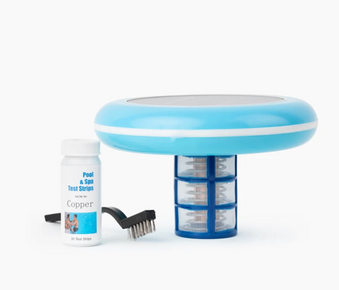
- Niedrige, aber effektive Desinfektionsmittelkonzentrationen: Komfort bedeutet nicht minimales Desinfektionsmittel, sondern optimales Redoxgleichgewicht. Wenn Solartionisierer 0,2-0,4 ppm Kupferionen aufrechterhalten, sorgen sie durch mehrere Mechanismen für einen kontinuierlichen algistatischen und bakteriostatischen Druck: Kupfer konkurriert mit Magnesium im Porphyrinring von Chlorophyll, stört den Elektronentransport in Algen-Thylakoidmembranen und hemmt enzymatische Wege in bakteriellen Zellwänden. Dies ermöglicht, dass Chlor bei 0,5-1,5 ppm statt 2-4 ppm gehalten wird, wodurch die Chloraminbildungsraten um etwa 60 % reduziert werden. Die kritische Metrik wird ORP (650-750 mV), das die gesamte Oxidationskapazität des Wassers und nicht nur die Chlorkonzentration misst. Diese chlorärmere, mineralgestützte Umgebung reduziert die Konzentration von Trihalogenmethanen (THMs) und Halogenessigsäuren (HAAs) – flüchtige Desinfektionsnebenprodukte, die mit Atemwegsreizungen in Verbindung gebracht werden und sich an der Luft-Wasser-Grenzfläche ansammeln, wo die Atemzonen von Kindern beim Spielen konzentriert sind – drastisch.
- Klares Wasser ohne Trübheit: Echte Klarheit beinhaltet sowohl das Fehlen von suspendierten Partikeln als auch eine optimale Lichtdurchlässigkeit. Trübheit entsteht typischerweise aus drei Quellen: Calciumcarbonat-Mikrokristalle (wenn LSI positiv ist), organische Partikel aus unvollständiger Oxidation (wenn ORP unzureichend ist) oder frühe mikrobielle Blüten. Jede hat unterschiedliche Komfortauswirkungen. Kalziumtrübheit erzeugt Mikroabrasiva, die die Störung der Hautbarriere beschleunigen. Organische Trübheit bietet Oberflächen für die Biofilmbildung und verändert den Brechungsindex des Wassers, was zu visuellen Verzerrungen führen kann, die während des Unterwasserspiels Schwindel auslösen können. Die psychologische Dimension der Klarheit kann nicht hoch genug eingeschätzt werden. Kristallklares Poolwasser bietet visuelle Bestätigung der Sicherheit und fördert Unterwasserspiele und Lernmomente, die in undurchsichtigem Wasser bedrohlich wirken würden. Diese Klarheit wird durch eine Synergie aus Filtration (mit Diatomeenerde- oder Kartuschenfiltern, die Partikel bis zu 1-3 Mikrometer entfernen können), ordnungsgemäßer Flockung (unter Verwendung von Polyaluminiumchlorid oder Chitosan-basierten Klärmitteln, die Submikronpartikel aggregieren) und optimierter Zirkulation, die Totzonen verhindert, in denen sich Partikel ansammeln, aufrechterhalten.
- Minimale chemische Gerüche: Der charakteristische "Poolgeruch" ist hauptsächlich Stickstofftrichlorid (NCl₃), ein flüchtiges Chloramin, das entsteht, wenn Chlor stickstoffhaltige Verbindungen aus Schweiß und Urin oxidiert. Diese Verbindung hat eine Geruchsschwelle von ungefähr 0,02 ppm – 100-mal besser wahrnehmbar als Chlor selbst – und geht stark in die Luftphase über dem Wasser über. Ihre Konzentration folgt dem Henryschen Gesetz, wird aber durch Belüftung durch Spritzen und Spielen verstärkt, wodurch Schwimmer direkt höheren Gaskonzentrationen ausgesetzt sind. Über den Geruch hinaus ist NCl₃ ein starker Atemwegsreizstoff und eine lipidlösliche Verbindung, die Hautbarrieren durchdringen kann. Angenehmes Wasser erreicht Geruchlosigkeit nicht durch Maskierung, sondern durch Prävention: Aufrechterhaltung ausreichender freier Chlorkonzentrationen, um die Oxidation zu Stickstoffgas zu vervollständigen (Breakpoint-Chlorierung), Optimierung der Zirkulation, um lokalisierte Zonen mit hoher Badegastbelastung zu verhindern, und Integration zusätzlicher Oxidation (durch UV- oder Ozonanlagen), die organische Stoffe mineralisiert, bevor sie zu Chloraminvorläufern werden. Das resultierende olfaktorische Erlebnis sollte neutral oder leicht frisch sein – ähnlich wie sauberes Regenwasser –, was psychologisch Reinheit und Sicherheit signalisiert.
Wenn diese Parameter in homöostatischer Balance existieren, erreicht das Poolwasser das, was man als "wässrige Biokompatibilität" bezeichnen könnte – eine Umgebung, in der der menschliche Körper mit Wasser interagiert, ohne defensive physiologische Reaktionen. Dies verwandelt den Pool von einem Erholungsbecken in ein therapeutisches Milieu. Kinder mit Ekzemen erfahren oft eine Verbesserung statt einer Verschlechterung, weil das Wasser keine natürlichen Feuchtigkeitsfaktoren aus dem Stratum Corneum entfernt. Asthmaanfällige Schwimmer erleben weniger bronchokonstriktive Episoden, weil Atemwegsreizstoffe unterhalb der Schwellenkonzentrationen bleiben. Die psychologische Auswirkung ist ebenso tiefgreifend: Eltern entwickeln ein implizites Vertrauen in die Sicherheit des Wassers, was eine entspanntere Aufsicht ermöglicht. Kinder beteiligen sich an komplexeren, fantasievollen Wasserspielen, weil ihre kognitiven Ressourcen nicht auf die Bewältigung von Unbehagen abgelenkt werden. Der Pool wird zu dem, was Architekten einen "dritten Ort" nennen – weder Zuhause noch Schule/Arbeit, sondern ein eigener Raum für die Familienbindung, in dem das Medium selbst (das Wasser) aus dem bewussten Bewusstsein verschwindet und stattdessen zum unsichtbaren Vermittler des Erinnerns wird. Diese nahtlose Integration der Wasserqualität in die gelebte Erfahrung repräsentiert die ultimative Errungenschaft in der Familien-Poolpflege, wo die Chemie nicht als Disziplin der Kontrolle, sondern als Kunst des Ermöglichens von Freude dient.

2. Wasserchemie für das tägliche Schwimmen ausbalancieren
Eine ausgewogene Wasserchemie bildet den grundlegenden Rahmen für den Schwimmerkomfort und schafft eine stabile aquatische Umgebung, die sowohl die Wirksamkeit der Desinfektion als auch das körperliche Wohlbefinden unterstützt. Im Gegensatz zu Industrie- oder Gewerbepools, bei denen die Wasserbedingungen zwischen wöchentlichen Wartungsbesuchen schwanken können, erfordern Familienpools ein verfeinertes Gleichgewicht – eines, das spontane, häufige Nutzung ermöglicht, ohne chemische Korrekturen auszulösen, die das Schwimmerlebnis stören. Dieses Gleichgewicht beinhaltet die Verwaltung von drei voneinander abhängigen Parametern, die ein schützendes Puffersystem bilden und jeweils unterschiedliche, aber überlappende Funktionen zur Erhaltung der Wasserintegrität und des Schwimmerkomforts während des kontinuierlichen täglichen Gebrauchs erfüllen.
Regelmäßige, präzise Tests – vorzugsweise mit einem Pooltestkit oder einem digitalen Testsystem, das mehrere Parameter gleichzeitig misst – liefern die wesentlichen Daten, die zur Aufrechterhaltung dieses empfindlichen Gleichgewichts erforderlich sind, bevor kleinere Abweichungen zu größeren Störungen werden:
-
Vermeidung plötzlicher Chemikalienspitzen durch vorausschauende Wartung
Chemische Spitzen treten auf, wenn die Poolchemie in einem Zustand latenter Instabilität existiert und auf einen Auslöser wartet – einen plötzlichen Regenschauer, einen Nachmittag mit intensivem Schwimmen oder einen heißen, sonnigen Tag, um sie aus dem Gleichgewicht zu bringen. Vorausschauende Wartung beinhaltet das Verständnis dieser Auslöser und die präventive Anpassung. Wenn man beispielsweise weiß, dass starker Regen die Alkalinität verdünnt und den pH-Wert senkt, kann man eine leichte Voreinstellung vornehmen. Die Erkenntnis, dass intensives Sonnenlicht den Chlorabbau beschleunigt, hilft bei der Entscheidung, wann mit einem Stabilisator ergänzt werden muss. Dieser Ansatz verwandelt die Poolpflege von reaktiver Problemlösung in proaktive Fürsorge und stellt sicher, dass das Wasser unabhängig von externen Variablen konstant angenehm bleibt. -
Konstanten Wasserhaushalt durch das Puffertriad beibehalten
Der Wasserhaushalt ist keine einzelne Messgröße, sondern eine Beziehung zwischen drei schützenden Faktoren, die zusammenwirken. Die Gesamtalkalität wirkt als Stoßdämpfer des Wassers und widersteht schnellen pH-Änderungen, wenn saure Verunreinigungen (wie Körperöle oder Regenwasser) oder basische Substanzen eingeführt werden. Die Kalziumhärte sorgt für strukturelle Stabilität und verhindert, dass Wasser aggressiv wird und Mineralien aus Pooloberflächen auslaugt oder umgekehrt Ablagerungen bildet, die raue Texturen erzeugen. Der pH-Wert bestimmt den aktiven Charakter des Wassers – ob es sanft oder reizend für menschliches Gewebe ist. Wenn diese drei Elemente in ihren idealen Bereichen und richtigen Verhältnissen existieren, schaffen sie ein selbstkorrigierendes System, das Abweichungen sanft widersteht und Familien Wasser bietet, das vom ersten Schwimmen am Morgen bis zum letzten Bad am Abend vorhersehbar angenehm ist. -
Schutz von Pooloberflächen und -ausrüstung vor kumulativem Verschleiß
Komfort geht über das unmittelbare sensorische Erlebnis hinaus und umfasst die langfristige Erhaltung der Umgebung selbst. Unausgeglichenes Wasser verursacht subtile, fortschreitende Schäden, die sich letztendlich direkt auf den Schwimmerkomfort auswirken. Aggressives Wasser (mit niedrigem pH-Wert oder Kalziumgehalt) ätzt langsam Putzoberflächen, wodurch mikroskopische Poren entstehen, die Bakterien beherbergen und sich rau unter den Füßen anfühlen. Umgekehrt lagert kalkbildendes Wasser Mineralien auf Oberflächen ab, wodurch abrasive Texturen und Verfärbungen entstehen. Eine unausgewogene Chemie beschleunigt auch die Korrosion von Geräten und den Abbau von Dichtungen und Dichtungsringen, was zu Undichtigkeiten und einem ineffizienten Betrieb führt, der die Wasserklarheit und Zirkulation beeinträchtigt. Das richtige Gleichgewicht wirkt als Schutzschild für das gesamte aquatische Ökosystem und stellt sicher, dass jede Komponente – von der Poolschale bis zum Poolfiltersystem – optimal funktioniert, um den Schwimmerkomfort zu unterstützen.
Die Aufrechterhaltung dieser chemischen Stabilität verwandelt den Pool von einer variablen Umgebung in eine konstante Oase. Familien entwickeln Vertrauen in den vorhersehbaren Komfort des Wassers, wissend, dass das Schwimmerlebnis von heute dem von gestern und morgen entspricht. Diese Beständigkeit ist besonders wichtig für Kinder, deren Empfindlichkeit sie selbst geringfügige Veränderungen der Wasserqualität genau wahrnehmen lässt. Wenn die Chemie bei täglichem Gebrauch stabil bleibt, wird der Pool mehr als nur ein Freizeitraum – er entwickelt sich zu einer zuverlässigen therapeutischen Umgebung, in der das Wasser selbst zu einer unsichtbaren, unterstützenden Präsenz wird, die es Familien ermöglicht, sich ganz auf den Genuss statt auf die Anpassung, auf die Verbindung statt auf die Korrektur zu konzentrieren und so jedes Schwimmen zu einer nahtlosen Erweiterung des angenehmen Alltags zu machen.

3. Reduzierung aggressiver Chemikalien für empfindliche Haut
Der Übergang von der traditionellen, chemikalienintensiven Wartung zu sanfteren, mineralgestützten Systemen stellt einen Schritt hin zu smarterer Poolhygiene dar und verändert grundlegend, wie Familien mit ihrem Poolwasser interagieren. Für Haushalte mit Kindern, älteren Mitgliedern oder Personen mit empfindlicher oder reaktiver Haut kann diese Veränderung das Schwimmen von einer gelegentlich tolerierten Aktivität in ein wirklich angenehmes und sogar therapeutisches Erlebnis verwandeln. Hohe Chlorwerte verursachen nicht nur vorübergehendes Unbehagen – sie stören das natürliche Mikrobiom der Haut, entfernen schützende Öle und hinterlassen chemische Rückstände, die noch lange nach dem Schwimmen in Badekleidung und Handtüchern haften bleiben. Durch die Integration mineralbasierter Lösungen, insbesondere solarbetriebener Ionisatoren, erhalten Poolbesitzer einen ausgewogenen Ansatz, der hohe Hygienestandards aufrechterhält und gleichzeitig die chemische Belastung, die über Haut, Augen und Atemwege aufgenommen wird, erheblich reduziert.
Dieser hybride Ansatz schafft durch komplementäre Mechanismen mehrere Schutzschichten:
-
Bekämpft Algen auf natürliche Weise durch kontinuierliche biologische Störung
Mineralien wirken anders als herkömmliche Algizide – anstatt durch chemischen Schock bestehende Algenblüten abtöten zu wollen, schaffen sie eine Umgebung, in der sich Algen gar nicht erst ansiedeln können. Diese Ionen integrieren sich auf molekularer Ebene in das Wasser und stören zelluläre Prozesse in Algen und Bakterien, ohne menschliche Zellen zu beeinträchtigen. Dies schafft eine sanfte, aber anhaltende Barriere gegen organisches Wachstum und verhindert den grünen Stich und die rutschigen Oberflächen, die auf das Vorhandensein von Algen hindeuten. Da dieser Schutz kontinuierlich und nicht in Zyklen wirkt, können Familien durchweg klares Wasser genießen, ohne die dramatischen chemischen Eingriffe, die oft auf sichtbare Algenausbrüche folgen. -
Hält Hygiene mit weniger Chemikalien durch intelligente Redundanz aufrecht
Die Schönheit der Mineral-Chlor-Synergie liegt in ihrem eingebauten Sicherheitssystem. Mineralien bieten den grundlegenden Schutz – eine konstante, sanfte Präsenz, die die routinemäßigen Hygieneanforderungen erfüllt und die Algenansiedlung verhindert. Diese stabile Grundlage ermöglicht es, Chlor in viel niedrigeren Konzentrationen zu halten, das hauptsächlich zur Oxidation organischer Verunreinigungen, die von Schwimmern eingebracht werden, verwendet wird. In Kombination mit der richtigen Zirkulation und Filtration schafft dieser Dual-System-Ansatz überlappende Schutzschichten, die sowohl effektiver als auch fehlertoleranter sind als Chlor allein. Familien profitieren davon, dass ihr Wasser durch mehrere, komplementäre Mechanismen geschützt ist, anstatt sich auf eine einzelne Chemikalie zu verlassen, die ständig überwacht und angepasst werden muss. -
Verbessert den Schwimmerkomfort durch Erhaltung der natürlichen Hautintegrität
Der unmittelbarste Vorteil einer reduzierten chemischen Abhängigkeit ist auf sensorischer Ebene spürbar. Das Wasser wird spürbar weicher und seidiger auf der Haut. Die Augen bleiben auch nach längerem Unterwasserspiel klar und angenehm. Schwimmer kommen ohne den charakteristischen Chlorgeruch, der Haut und Haare durchdringt, aus dem Pool – stattdessen fühlen sie sich einfach sauber. Für Kinder mit Ekzemen oder Erwachsene mit empfindlicher Haut kann dieser Unterschied bedeuten, täglich schwimmen zu können, ohne Schübe auszulösen oder aufwendige Feuchtigkeitspflege nach dem Schwimmen zu benötigen. Die Reduzierung chemischer Nebenprodukte bedeutet auch, dass sich die Luft um den Pool frischer anfühlt, wodurch der gesamte Poolbereich einladender zum Entspannen, geselligen Beisammensein oder einfach nur zum tiefen Atmen ohne Reizung wird.
Die kumulative Wirkung dieses chemikalienreduzierten Ansatzes reicht über den individuellen Komfort hinaus und schafft eine wirklich gesunde Poolumgebung. Eltern können beruhigt sein, dass ihre Kinder keine unnötigen Chemikalien über ihr durchlässigstes Organ, die Haut, aufnehmen. Schwimmer jeden Alters können längere und häufigere Sessions genießen, ohne ständig die chemische Exposition bewusst wahrnehmen zu müssen. Der Poolbereich wird zu einer natürlichen Erweiterung des Wohnraums und nicht zu einer streng kontrollierten, chemikalienabhängigen Zone mit besonderen Regeln und Vorsichtsmaßnahmen. Diese Transformation ist besonders bedeutsam für Familien, die ihren Pool nicht nur als saisonale Unterhaltung, sondern als ganzjährige Ressource für Bewegung, Therapie und Verbindung sehen – ein Ort, an dem das Wasser selbst das Wohlbefinden unterstützt, anstatt eine chemische Herausforderung darzustellen, sodass jeder Schwimmgang sowohl die körperliche Gesundheit als auch die Familienbande in einer Atmosphäre echten Komforts und Sicherheit stärkt.

4. Klares, geruchsfreies Wasser erhalten
Das Streben nach wirklich klarem, geruchsfreiem Wasser ist mehr als ein ästhetisches Ziel – es ist die sichtbare und geruchliche Bestätigung eines gesunden, ausgewogenen aquatischen Ökosystems. In einem Familienpool dienen die Maximierung der Klarheit des Poolwassers und der Frische als sofortige, intuitive Indikatoren, die zur Nutzung einladen statt zur Zögerlichkeit. Trübung ist niemals nur kosmetisch; sie weist auf schwebende Partikel hin, die Mikroorganismen beherbergen, die Wasserchemie verändern und Brutstätten für Verunreinigungen schaffen können. Ähnlich ist es mit chemischen Gerüchen, die nicht nur die Sinne beleidigen – sie kommunizieren chemisch, dass das Wasser aktiv darum kämpft, organische Abfälle abzubauen, und dabei irritierende Nebenprodukte erzeugt. Das Erreichen und Aufrechterhalten von makellosem Wasser erfordert ein ausgeklügeltes Zusammenspiel von mechanischen, chemischen und biologischen Systemen, die harmonisch zusammenarbeiten, um eine Umgebung zu schaffen, die sich instinktiv sauber und einladend anfühlt.
Die vielfältigen Vorteile von kristallklarem, frisch duftendem Wasser gehen weit über das einfache Aussehen hinaus:
-
Wirkt einladend durch psychologischen Komfort und Zugänglichkeit
Die visuelle Klarheit des Poolwassers beeinflusst direkt, wie Familien ihren aquatischen Bereich nutzen. Kristallklares Wasser wirkt wie eine visuelle Einladung, verspricht Erfrischung und Spaß und beseitigt das Unbehagen, das trübe oder bewölkte Bedingungen mit sich bringen. Diese Klarheit ermöglicht es Eltern, spielende Kinder am Boden des tiefen Endes zu sehen, erleichtert Unterwasserspiele und Schwimmunterricht und lässt den gesamten Poolbereich geräumiger und luxuriöser wirken. Der psychologische Effekt ist tiefgreifend: Klares Wasser suggeriert Pflege, Aufmerksamkeit und Sicherheit, fördert die spontane Nutzung und längere Schwimmzeiten. Für Familien mit kleinen Kindern oder unerfahrenen Schwimmern bietet diese visuelle Transparenz eine entscheidende Beruhigung und verwandelt Angst in Freude. -
Signalisiert gesunde Hygiene durch sichtbare Systemintegrität
Die Wasserklarheit dient als Echtzeit-Diagnosewerkzeug für das gesamte Poolsystem. Wenn das Wasser trotz starker Nutzung seinen Glanz behält, zeigt dies, dass die Filtration Partikel auffängt, die Zirkulation die Desinfektionsmittel effektiv verteilt und das chemische Gleichgewicht die Bildung von Ablagerungen oder Trübungen verhindert. Dieser sichtbare Gesundheitsindikator ermöglicht es Familien, ihrer Pflegeroutine ohne ständige Tests oder Sorgen zu vertrauen. Wichtig ist, dass in mineralbasierten Systemen klares Wasser bestätigt, dass der sanfte Desinfektionsansatz funktioniert und beweist, dass eine effektive Krankheitserregerkontrolle keine aggressiven chemischen Konzentrationen erfordert. Dieser sichtbare Erfolg schafft Vertrauen in die Pflegemethode und stärkt die Entscheidung, zu natürlicheren, modernen Poolpflegemethoden überzugehen. -
Stärkt das Vertrauen in die Wassersicherheit durch sensorische Gewissheit
Die Sicherheit in Familienpools funktioniert auf mehreren Ebenen, und klares, geruchsfreies Wasser adressiert mehrere davon gleichzeitig. Visuell eliminiert es Verstecke für potenzielle Gefahren und ermöglicht die sofortige Identifizierung von Personen, die Hilfe benötigen. Geruchlich zeigt die Abwesenheit von chemischen Gerüchen eine ordnungsgemäße Oxidation von Verunreinigungen an und nicht die Ansammlung von irritierenden Chloraminen. Diese sensorische Klarheit gibt Eltern greifbare Beweise dafür, dass das Wasser, in das ihre Kinder eintauchen, kleine Mengen zu sich nehmen, über ihre Haut aufnehmen und dessen Atmosphäre sie einatmen, wirklich sauber ist. Dieses Vertrauen ist besonders wertvoll bei Spieltreffen oder Familienfeiern, da es die Notwendigkeit von Erklärungen oder Entschuldigungen bezüglich der Wasserqualität eliminiert und den Fokus vollständig auf den Genuss und die Verbindung lenkt.
Wenn Klarheit und Frische zu konsistenten Merkmalen statt zu gelegentlichen Erfolgen werden, verwandelt sich der Familienpool in ein vertrauenswürdiges Refugium. Kinder entwickeln positive, unbeschwerte Assoziationen mit dem Schwimmen, anstatt Pools mit roten Augen oder chemischen Gerüchen in Verbindung zu bringen. Eltern können spontanen Schwimmgängen zustimmen, ohne vorher Wasserinspektionen durchführen zu müssen. Der Pool wird so nahtlos in den Alltag integriert wie jeder andere Raum im Haus – immer bereit, immer einladend, immer erfrischend. Diese Zuverlässigkeit schafft die Grundlage für unzählige Momente der Freude und Verbundenheit, von frühen Morgenrunden bis zu abendlichen Familienausflügen unter den Sternen, alles unterstützt von Wasser, das nicht nur sauber aussieht, sondern sich authentisch frisch anfühlt und riecht, was Familien dazu einlädt, sich ohne Vorbehalte oder Zögern voll und ganz in das Erlebnis einzutauchen.

5. Konstante Zirkulation und Filtration für Komfort
Die stillen, oft unsichtbaren Systeme der Zirkulation und Filtration bilden das essentielle Gefäßnetzwerk eines komfortablen Familienpools, das ähnlich wie das Kreislaufsystem im menschlichen Körper funktioniert – kontinuierlich bewegend, reinigend und erneuernd. Während das chemische Gleichgewicht den grundlegenden Charakter des Wassers bestimmt, entscheidet die Zirkulation darüber, wie effektiv dieses ausgewogene Wasser jeden Winkel des Pools erreicht, und die Filtration bestimmt, wie gründlich es zwischen den Zyklen gereinigt wird. Stagnierende Bereiche sind nicht nur vorübergehende Unannehmlichkeiten; sie werden zu biochemischen Mikroklimata, in denen sich Verunreinigungen konzentrieren, Algensporen ungestört keimen und die Wasserchemie vom Hauptkörper abweicht, wodurch Bereiche mit Unbehagen entstehen, die das Gleichgewicht des gesamten Pools beeinträchtigen können. Überlegene Zirkulation und Filtration verwandeln die Poolpflege von einem chemischen Balanceakt in ein fließendes, selbstreinigendes System, das proaktiv Algenprobleme im Pool verhindert, bevor sie den Schwimmerkomfort beeinträchtigen können.
Echter Komfort durch mechanische Systeme erfordert eine sorgfältige Beachtung von drei miteinander verbundenen Betriebsprinzipien:
-
Pumpen lange genug laufen lassen für vollständige Zirkulation
Die Zirkulationsdauer muss auf der Grundlage des Gesamtvolumens des Pools, der Pumpenleistung und der Nutzungsgewohnheiten der Familie berechnet werden, nicht nur anhand willkürlicher Zeiteinstellungen. Ein vollständiger Wasseraustausch – das Bewegen des gesamten Poolvolumens durch das Filtersystem – sollte mindestens einmal täglich erfolgen, aber während der Hochsaison im Sommer oder bei starker Nutzung können 1,5 bis 2 Umwälzungen erforderlich sein, um den Komfort aufrechtzuerhalten. Die strategische Zeitplanung ist von großer Bedeutung: Der Betrieb der Zirkulation hauptsächlich während der Tagesstunden, wenn die Solar-Ionisatoren aktiv sind, stellt sicher, dass frisch erzeugte Mineralionen im gesamten Wasserkörper verteilt werden, anstatt sich in der Nähe ihrer Quelle abzusetzen. Für Familien bedeutet dies Wasser, das sich konstant gleichmäßig anfühlt – keine warmen Oberflächenschichten über kühleren Tiefen, keine chemischen Schwankungen zwischen dem flachen und dem tiefen Ende und keine Ansammlung von Sonnenschutzmitteln oder Körperölen in stagnierenden Ecken. Diese hydraulische Konsistenz schafft eine vorhersehbare aquatische Umgebung, in der sich jeder Schwimmgang gleich anfühlt, unabhängig davon, wo im Pool Familienmitglieder spielen oder entspannen. -
Skimmerkörbe und Filter reinigen
Die Filtration ist kein passiver Prozess, sondern ein aktives Reinigungssystem, das regelmäßige Aufmerksamkeit erfordert, um mit maximaler Komfortleistung zu funktionieren. Skimmerkörbe, die mit Blättern oder Insekten gefüllt sind, erzeugen Strömungsbeschränkungen, die die Zirkulationseffizienz mindern und Brutstätten für organische Zersetzung werden, die die Wasserchemie beeinflusst. Filtermaterial – ob Kartusche, Sand oder Diatomeenerde – muss gereinigt oder rückgespült werden, bevor Druckerhöhungen eine erhebliche Verstopfung anzeigen, da ein beeinträchtigter Durchfluss sowohl die Reinigungseffektivität als auch die Energieeffizienz reduziert. Für Familien bedeutet eine saubere Filtration mehr als nur klares Wasser; sie entfernt mikroskopisch kleine Partikel, die Hautreizungen verursachen, Oberflächen für Bakterienanhaftungen bieten oder zur Trübung beitragen können, die die visuelle Attraktivität des Pools mindert. Darüber hinaus gewährleistet die Koordination der Filterwartung mit einem Ersatzkit für den Ionisator, dass das gesamte Desinfektionssystem seine Spitzenleistung behält. Eine regelmäßige Wartung verwandelt das Filtersystem von einer mechanischen Notwendigkeit in einen aktiven Komfortwächter, der sicherstellt, dass jeder Gallone Wasser, das durch ihn fließt, sauberer, klarer und komfortabler herauskommt, als es hineingekommen ist. -
Sicherstellen, dass die Rücklaufdüsen für einen gleichmäßigen Fluss positioniert sind
Die strategische Ausrichtung der Rücklaufdüsen erzeugt die hydraulischen Muster, die bestimmen, ob die Zirkulation lediglich ausreichend oder wirklich exzellent für den Familienkomfort ist. Richtig abgewinkelte Düsen sollten eine sanfte, kontinuierliche kreisförmige Strömung erzeugen, die Oberflächenwasser zu den Skimmern bewegt, während sie gleichzeitig tieferes Wasser nach oben drückt, um thermische Schichtungen zu verhindern, bei denen warme Oberflächenschichten über kühleren Tiefen schweben. Dieser gerichtete Fluss eliminiert tote Zonen – Bereiche, in denen die Wasserbewegung minimal ist – die zu Sammelpunkten für Schmutz, Sonnenschutzmittelrückstände und chemische Ungleichgewichte werden. Für aktive Familien bedeutet eine hervorragende Zirkulation, dass Spielzeug sich nicht in Ecken ansammelt, Blätter sich nicht in ruhigen Bereichen absetzen und das erfrischende Gefühl von bewegtem Wasser das Schwimmerlebnis verbessert, anstatt störende Strömungen zu erzeugen. Bei geselligen Zusammenkünften, wenn mehrere Personen den Pool gleichzeitig nutzen, sorgt eine effektive Zirkulation dafür, dass Verunreinigungen sofort erfasst und verarbeitet werden, anstatt unter den Schwimmern zu verweilen.
Wenn Zirkulation und Filtration ihr optimales Potenzial entfalten, schaffen sie einen sich selbst verstärkenden Komfortzyklus, der weit über die bloße Wasserbewegung hinausgeht. Eine effiziente Zirkulation verteilt Mineralien und Desinfektionsmittel gleichmäßig, sodass sie in geringeren Konzentrationen wirksam bleiben. Eine effektive Filtration entfernt organische Materialien, die sonst Chemikalien verbrauchen und irritierende Nebenprodukte erzeugen würden. Zusammen reduzieren sie den Chemikalienbedarf, halten den pH-Wert des Pools konstant, verhindern lokale Algenausbrüche und sorgen für Wasser, das sich konstant frisch und sauber anfühlt. Für Familien bedeutet diese mechanische Exzellenz greifbare tägliche Vorteile: Kinder können stundenlang spielen, ohne mit juckender Haut herauszukommen, das Wasser bleibt selbst nach starker Nutzung einladend klar und der Pool behält seinen Komfort unter wechselnden Wetterbedingungen und unterschiedlicher Nutzerzahl. Diese Zuverlässigkeit verwandelt den Pool von einem wartungsintensiven Merkmal in eine zuverlässige Quelle der Freude – immer bereit, immer erfrischend, immer komfortabel, sodass Familien sich ganz auf die Freuden des gemeinsamen Schwimmens konzentrieren können, anstatt sich mit der Wasseraufbereitung zu beschäftigen.

6. Tägliche und wöchentliche Gewohnheiten zur Erhaltung der Wasserqualität
Der Unterschied zwischen einem konstant komfortablen Familienpool und einem, der zwischen akzeptabel und problematisch schwankt, liegt oft in der disziplinierten Anwendung einfacher, bewusster Gewohnheiten und nicht in komplexen technischen Eingriffen. Diese Routinen bilden die Verhaltensarchitektur der Poolpflege und verwandeln eine potenziell überwältigende Wartung in überschaubare Rituale, die die Poolwasserqualität verbessern und schützen, wo sie am anfälligsten ist. Jede Gewohnheit adressiert spezifische Schwachstellen im aquatischen Ökosystem: organische Belastung, Biofilmbildung, chemische Abdrift, mechanische Effizienz und Systemzuverlässigkeit. Wenn sie konsequent durchgeführt werden, schaffen sie sich überlappende Präventionsschichten, die dramatische chemische Behandlungen unnötig machen und sicherstellen, dass das Wasser unabhängig von Wetterschwankungen, unterschiedlicher Nutzerzahl oder saisonalen Veränderungen vorhersehbar komfortabel bleibt. Für Familien werden diese Gewohnheiten so natürlich wie das Gießen von Pflanzen oder das Aufräumen von Wohnräumen – einfache Investitionen, die überproportional große Erträge in Bezug auf Schwimmerkomfort und einfache Wartung liefern.
Jede Erhaltungsgewohnheit erfüllt spezifische, komplementäre Funktionen zur Aufrechterhaltung des Komforts und der Klarheit des Wassers:
-
Tägliches Abfischen von Schmutz zur Vermeidung von organischem Abbau und chemischem Bedarf
Tägliches Abfischen verbessert nicht nur das Aussehen, sondern entfernt proaktiv organisches Material, bevor es im Wasser zu verrotten beginnen kann. Blätter, Pollen, Insekten und Grasschnitt sind nicht nur unansehnlich; sie führen Tannine ein, die Oberflächen verfärben, Nährstoffe für mikrobielles Wachstum liefern und Desinfektionsmittel verbrauchen, wenn sie sich zersetzen. Morgendliches Abfischen fängt die über Nacht angesammelte Verschmutzung ab, bevor das Sonnenlicht die Zersetzung beschleunigt, während abendliches Abfischen den Pool für eine sauberere Nachtfiltration vorbereitet. Dieses einfache Fünf-Minuten-Ritual reduziert den Chlorbedarf um bis zu 30%, verhindert die Bildung von Oberflächenfilmen und beseitigt die rutschigen Texturen, die verrottende organische Stoffe auf Stufen und Kanten erzeugen. Für Familien bedeutet konsequentes Abfischen Wasser, das länger klar bleibt, weniger chemische Anpassungen erfordert und den einladenden Glanz behält, der Schwimmer den ganzen Tag über anlockt. -
Wöchentliches Bürsten von Wänden und Stufen, um die Biofilm-Besiedelung zu unterbrechen
Wöchentliches Bürsten ist eine präventive Maßnahme gegen die unsichtbaren Ökosysteme, die sich auf Pooloberflächen ansiedeln. Biofilme – schleimige Bakteriengemeinschaften, die an Wänden, Stufen und Ecken haften – beginnen sich innerhalb weniger Stunden nach der Reinigung zu bilden und dienen als Grundlage für die Algenanhaftung und Kalkablagerungen. Das Bürsten unterbricht diese mikrobiellen Gemeinschaften physisch, bevor sie sich etablieren, fegt abgesetzten Schmutz in den Kreislauf zur Filtration und verhindert die rauen Texturen, die entstehen, wenn Mineralien an Oberflächenunregelmäßigkeiten binden. Besondere Aufmerksamkeit sollte schattigen Bereichen, hinter Leitern und entlang der Wasserlinie gelten, wo die Zirkulation am schwächsten ist und sich Verunreinigungen konzentrieren, um sicherzustellen, dass der Schutz die anfälligsten Zonen erreicht. Diese taktile Wartung bewahrt nicht nur die Oberflächenintegrität, sondern erhöht auch den Schwimmerkomfort, indem sie rutschige oder körnige Texturen beseitigt, die den Genuss des Berührens von Pooloberflächen während des Spiels oder der Entspannung mindern. -
Wöchentliche Prüfung der Wasserchemie zur Aufrechterhaltung der vorausschauenden Kontrolle
Die wöchentliche Prüfung verwandelt die chemische Steuerung von bloßem Raten in Wissenschaft, indem sie die für feine Anpassungen erforderlichen Daten liefert, bevor Ungleichgewichte unangenehm werden. Durch das Testen zu konstanten Zeiten (typischerweise morgens vor Beginn des Schwimmens) werden zuverlässige Ausgangswerte ermittelt, die Trends statt nur Momentaufnahmen aufzeigen. Die Überwachung von pH-Wert und Alkalität zeigt an, ob die Pufferkapazität des Wassers intakt bleibt; die Überprüfung des Desinfektionsmittelspiegels bestätigt, ob der Schutz ausreichend, aber nicht übermäßig ist; die Messung der Mineralkonzentrationen (in mit Ionisatoren ausgestatteten Pools) verifiziert den kontinuierlichen Hintergrundschutz. Diese regelmäßige Bewertung ermöglicht präventive Anpassungen – vielleicht das Hinzufügen einer Tasse Säure, um einen hohen pH-Wert des Pools nach jüngstem Regen auszugleichen, oder eine leichte Chlorverstärkung vor einem Wochenende mit starker Nutzung –, die das Gleichgewicht ohne drastische Eingriffe aufrechterhalten. Für Familien bedeutet dieser vorausschauende Ansatz, dass die Wasserchemie unsichtbar konstant bleibt und niemals durch Unbehagen oder Trübheit Aufmerksamkeit fordert. -
Filter bei Bedarf spülen, um die hydraulische Effizienz und Filterqualität zu erhalten
Die Filterwartung reagiert auf tatsächliche Bedingungen statt auf willkürliche Zeitpläne und bewahrt sowohl die mechanische Leistung als auch den Wasserkomfort. Kartuschenfilter signalisieren Reinigungsbedarf durch erhöhte Druckanzeigen oder verminderten Durchfluss; Sandfilter erfordern eine Rückspülung, wenn der Druck steigt oder die Wasserklarheit abnimmt; DE-Gitter müssen gereinigt werden, wenn der Druck eine erhebliche Belastung anzeigt. Die richtige Reinigungstechnik ist wichtig: sanftes Abspritzen, das die Integrität des Filtermaterials bewahrt, vollständiges Trocknen vor der Wiedermontage, um mikrobielles Wachstum zu verhindern, und saisonale Tiefenreinigung mit geeigneten Lösungen, um Öle und Mineralien zu entfernen. Gut gewartete Filter fangen nicht nur feinere Partikel für klareres Wasser ab, sondern reduzieren auch die Pumpenbelastung für einen leiseren Betrieb und geringere Energiekosten. Für aktive Familien gewährleistet diese mechanische Überwachung, dass das Reinigungssystem des Wassers optimal funktioniert und die mikroskopisch kleinen Partikel entfernt, die Wasser trüben oder empfindliche Haut reizen können.
Regelmäßige Systemprüfungen stellen sicher, dass alle Komponenten der Sanitärstrategie synergetisch funktionieren. Für Solar-Ionisatoren bedeutet dies, saubere Solarmodule für maximale Produktion zu bestätigen, den Elektrodentzustand für die richtige Ionenfreisetzung zu überprüfen und sicherzustellen, dass sich die Schwimmeinheit für eine gleichmäßige Verteilung frei bewegt. Bei Salzanlagen beinhaltet dies die Überprüfung der Zellen auf Ablagerungen und die Verifizierung der Chlorerzeugung. Bei traditionellen Systemen bedeutet dies die Überprüfung der automatischen Zuführungen auf ordnungsgemäße Funktion. Diese ganzheitliche Überwachung stellt sicher, dass die primären, sekundären und Backup-Sanitärsysteme alle wie vorgesehen beitragen und den überlappenden Schutz schaffen, der es jeder Komponente ermöglicht, auf sanften, angenehmen Niveaus statt mit maximaler Kapazität zu arbeiten. Diese systematische Überprüfung gibt Familien die Gewissheit, dass ihr Wasser unter verschiedenen Bedingungen geschützt bleibt, sodass sie ihren Pool ohne grundlegende Bedenken hinsichtlich der Sanitärzuverlässigkeit genießen können.
Wenn diese Gewohnheiten in den Familienalltag integriert werden, schaffen sie einen Wartungsrhythmus, der Probleme verhindert, anstatt auf sie zu reagieren. Dieser proaktive Ansatz verwandelt die Poolpflege von einer lästigen Pflicht, die während kostbarer Wochenendstunden Aufmerksamkeit erfordert, in kurze tägliche und wöchentliche Rituale, die die Wasserqualität unsichtbar und kontinuierlich erhalten. Das Ergebnis ist Wasser, das durch Hitzewellen und Regenstürme, durch ruhige Wochen und belebte Feiertagswochenenden, während der gesamten Badesaison ohne dramatische Eingriffe stets angenehm bleibt. Familien profitieren vom kumulativen Effekt dieser kleinen Investitionen: Kinder erleben Wasser, das Tag für Tag die gleiche angenehme Temperatur und Textur hat, Eltern genießen die Gewissheit, dass die Wasserqualität ständig überwacht und aufrechterhalten wird, und der Pool selbst wird zu einem zuverlässigen Rückzugsort statt zu einer variablen Verantwortung. Diese Konsistenz erhält nicht nur die Wasserqualität, sondern auch die Freude am Familienschwimmen und stellt sicher, dass jedes Bad so erfrischend und angenehm ist wie das letzte, wodurch die routinemäßige Wartung zur Grundlage unzähliger unbeschwerter Momente wird.

7. Fazit: Ein familienfreundliches Poolumfeld schaffen
Die Aufrechterhaltung von angenehmem Poolwasser für den täglichen Familiengebrauch stellt eine ganzheitliche Philosophie der Gewässerbewirtschaftung dar, die über die bloße chemische Verwaltung hinausgeht. Es geht darum, eine Umgebung zu schaffen, in der Gleichgewicht, Konsistenz und durchdachte Desinfektion zusammenwirken, um Wasser zu erzeugen, das sich instinktiv richtig anfühlt – Wasser, das willkommen heißt, anstatt zu dulden, das erfrischt, anstatt zu irritieren, das eine unsichtbare Unterstützung statt einer zu bewältigenden Herausforderung wird. Wenn die Wasserchemie ihr stabiles Gleichgewicht bewahrt, wenn der Chemikalieneinsatz sorgfältig kontrolliert und nicht automatisch maximiert wird und wenn die Zirkulation mit leiser Effizienz arbeitet, verwandelt sich der Pool von einem Freizeitmerkmal in eine echte Erweiterung des Wohnraums – ein Ort, an dem Schwimmer jeden Alters gleichermaßen eingeladen, gleichermaßen sicher und gleichermaßen wohlfühlen, ob sie ihre ersten zaghaften Züge machen oder ihr tausendstes Bahnziehen protokollieren.
Durch die Anwendung sanfter, nachhaltiger Wartungspraktiken erreichen Poolbesitzer mehr als nur Wassermanagement; sie schaffen Bedingungen für eine tiefere Familienbindung. Der Pool wird zu einem Ort, an dem Eltern völlig entspannen können, weil sie dem Wasser vertrauen, in dem ihre Kinder schwimmen, wo Teenager bereitwillig den Bildschirmen entsagen, um sich körperlich zu betätigen, wo Großeltern therapeutische Bewegungen ohne chemische Bedenken genießen können und wo jedes Familienmitglied seine eigene Form der Erfrischung findet. Diese tägliche Bereitschaft verwandelt den Pool von einem saisonalen Luxus in einen festen Bestandteil des Familienlebens – einen Ort für morgendliche Übungen, eine Nachmittagskühlstation, einen abendlichen Treffpunkt unter den Sternen. Die Beständigkeit von sauberem, klarem, angenehmem Wasser ermöglicht Spontanität, ohne Zögern oder Vorbereitung.
Da immer mehr Familien diesen nachhaltigen, auf Komfort ausgerichteten Ansatz der Poolpflege entdecken, betreiben sie nicht nur Poolwasser-Management, sondern schaffen auch Erinnerungen. Sie schaffen ein Umfeld, in dem Kinder lernen, das Schwimmen in Wasser zu lieben, das niemals ihre Augen reizt, in dem Eltern die Freude am Spielen ohne chemische Bedenken wiederentdecken und in dem der Pool zu dem wird, was sich jede Familie erhofft: ein Zentrum der Freude, ein Hafen des Komforts und eine tägliche Einladung, sich zu verbinden, zu erfrischen und die Gesellschaft des anderen in Wasser zu genießen, das sich so einladend anfühlt wie das eigene Zuhause.