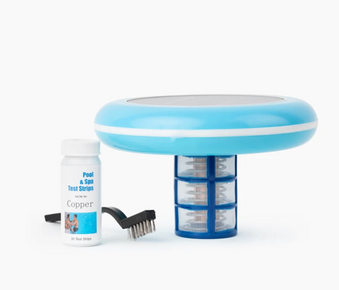
TL;DR: Solar pool ionizers are revolutionizing pool maintenance in 2026 by reducing chlorine use by up to 85%, cutting chemical costs, and providing eco-friendly sanitation through copper and silver ions. This comprehensive guide covers strategic implementation, optimal sizing with models like the 35,000-gallon ionizer, maintenance best practices, and how to integrate ionizers with your existing pool care routine. Learn more about smarter pool sanitation strategies for crystal-clear water year-round.
SEO Summary:
Discover the complete solar pool ionizer strategy for 2026 that helps pool owners achieve cleaner, healthier water while reducing chemical dependency. Learn how to select the right ionizer capacity, optimize placement and circulation, maintain proper mineral levels with test strips, and integrate ionization technology with minimal chlorine for maximum efficiency. This comprehensive guide includes product recommendations, troubleshooting tips, cost-benefit analysis, and proven strategies for sustainable pool care that saves $300-$800 annually.
Table of Contents
- Understanding Solar Pool Ionizers
- Benefits & Features
- Choosing the Right Ionizer
- Installation & Maintenance
- Optimization Strategy for 2026
- Cost Savings & ROI
- Final Thoughts & Recommendation
- Key Takeaways
Understanding Solar Pool Ionizers
Solar pool ionization is a natural water purification technology that harnesses solar energy to release copper and silver ions into your pool water. These mineral ions act as powerful algaecides and bactericides, eliminating contaminants without the harsh side effects of traditional chlorine-heavy approaches. If you're new to this technology, our detailed guide on what is a solar pool ionizer provides an excellent foundation for understanding how this innovative system works.
How Solar Ionization Works
When sunlight hits the solar panel on your ionizer, it generates a low-voltage electrical current that passes through copper and silver electrodes submerged in the water. This electrolytic process releases positively charged ions that destroy algae cells by disrupting their enzyme systems, eliminate bacteria and viruses through cellular penetration, prevent biofilm formation on pool surfaces, and remain active in water for extended periods providing residual protection.
The technology has matured significantly by 2026, with modern units like the Vivlly Solar Pool Ionizer featuring improved solar panel efficiency, corrosion-resistant electrode materials, and optimized ion release rates that make them more effective than ever before.
The Science Behind Mineral Sanitation
Copper ions (Cu²⁺) are particularly effective against algae, disrupting photosynthesis and cellular respiration at concentrations as low as 0.2-0.4 parts per million. Silver ions (Ag⁺) complement this by targeting bacteria and viruses, penetrating cell walls and interfering with DNA replication. Together, these minerals create a hostile environment for microorganisms while remaining safe for swimmers at proper concentrations, making ionization an ideal choice for families seeking healthier pool water.
Benefits & Features
As pool owners become increasingly conscious of chemical exposure, environmental impact, and operating costs, solar ionizers have emerged as a strategic necessity rather than a luxury upgrade in 2026. The benefits extend far beyond simple algae control, touching on health, economics, and environmental sustainability.
Health & Comfort Advantages
The health benefits of solar ionization are substantial and well-documented. By reducing chlorine use by 70-85%, you minimize skin irritation, red eyes, and respiratory issues commonly associated with traditional pool sanitation. Mineral-treated water feels noticeably silkier and more natural on skin, while eliminating the harsh "pool smell" caused by chloramines. This makes ionizers ideal for children, elderly users, and anyone with chemical sensitivities who wants to enjoy swimming without discomfort.
Economic Benefits
The financial case for solar ionizers has never been stronger. With chemical prices continuing to rise in 2026, pool owners consistently report savings of $300-$800 annually on chlorine, shock treatments, and algaecides. Our comprehensive analysis on how solar ionizers reduce yearly pool management costs breaks down the numbers in detail, showing that the initial investment typically pays for itself within 12-18 months, after which you enjoy pure savings for years to come.
Environmental Sustainability
Solar ionizers align perfectly with the growing emphasis on sustainable home management. For environmentally conscious pool owners, our guide on solar ionizers for eco-friendly home pools explains how these systems operate entirely on renewable solar energy with zero electricity costs, reduce chemical runoff into groundwater and ecosystems, minimize the carbon footprint associated with manufacturing and transporting pool chemicals, and eliminate plastic waste from chemical containers.
Key Features of Modern Ionizers
- Zero Operating Costs: Completely solar-powered with no electrical connection required
- Long-Lasting Electrodes: Quality copper/silver anodes last 2-3 seasons with proper maintenance
- Weather-Resistant Construction: UV-stabilized materials withstand years of sun exposure
- Universal Compatibility: Works with all pool types, surfaces, and filtration systems
- Minimal Maintenance: Simple cleaning every 4-6 weeks keeps units operating optimally
Choosing the Right Ionizer
Proper sizing is absolutely critical for optimal performance. An undersized ionizer won't produce sufficient ions to maintain water quality, while oversizing wastes money without providing additional benefits. Our comprehensive guide on how to choose a solar pool ionizer walks you through the selection process in detail, covering all the factors you need to consider.
Standard Residential Pools (Up to 35,000 Gallons)
For most backyard pools, the Solar Pool Ionizer for 35,000 Gallons provides the ideal balance of capacity and value. This size effectively handles small to medium in-ground pools, large above-ground pools, spa and hot tub combinations, and pools with moderate to high bather loads. The electrode surface area is optimized for pools in this range, ensuring consistent ion production throughout the swimming season.
Large Pools & High-Capacity Applications (35,000-45,000+ Gallons)
Larger installations require more robust ionization capabilities. The Solar Pool Ionizer for High Capacity Swimming Pools up to 45,000 Gallons features enhanced electrode surface area and higher ion output rates suitable for resort-style backyard pools, commercial applications with proper permitting, pools with waterfalls, fountains, or extensive water features, and properties with multiple connected bodies of water.
Critical Sizing Factors
When selecting your ionizer, consider these important variables beyond just gallonage:
- Bather Load: Pools with frequent use or many swimmers need higher capacity to handle increased organic contamination
- Sun Exposure: Shaded pools may benefit from slightly larger units to compensate for reduced solar charging efficiency
- Water Features: Waterfalls and fountains increase effective volume and ion dilution, requiring more robust ionization
- Climate: Warmer climates with year-round swimming require more consistent ion production than seasonal pools
- Existing Chemistry: Pools with historically problematic algae may benefit from higher capacity units for better control
Installation & Maintenance
One of the greatest advantages of solar ionizers is their simplicity. Unlike complex chemical feeders or salt chlorine generators, ionizers require no plumbing modifications, electrical connections, or professional installation. This makes them accessible to pool owners of all technical skill levels.
Installation Best Practices
Strategic placement maximizes ion distribution and system efficiency. Position your ionizer near return jets where water flow is strongest, ensuring ions disperse throughout the pool rather than concentrating in one area. Choose locations receiving 6-8 hours of direct sunlight daily for optimal solar panel performance. Keep ionizers away from skimmer intakes to prevent premature removal of ions before they circulate, and submerge electrodes 12-18 inches below the surface for consistent ion release.
Maintenance Schedule
A proactive maintenance strategy keeps your ionizer operating at peak efficiency and extends its service life considerably. For detailed guidance on maintaining optimal water conditions, review our article on maintaining pool water stability with solar pool ionizers.
Weekly Tasks
- Test copper ion levels (target 0.2-0.4 ppm)
- Verify ionizer is floating freely and receiving adequate sunlight
- Check for debris accumulation around the unit
- Monitor water clarity and algae presence
Monthly Tasks
- Remove and inspect electrodes for mineral buildup or calcium deposits
- Clean electrodes with soft brush and diluted vinegar solution if needed
- Rinse thoroughly before returning to pool
- Inspect basket, spring, and connections for wear or corrosion
Seasonal Tasks
- Replace electrode kit every 2-3 seasons with a quality Solar Pool Ionizer Replacement Kit
- Deep clean all components before winter storage in cold climates
- Inspect solar panel for cracks, degradation, or reduced efficiency
- Test unit performance at season start to ensure proper operation
Testing & Monitoring
Regular testing ensures your ionizer maintains optimal mineral levels. Copper concentrations between 0.2-0.4 ppm provide effective algae prevention without staining risk. Test more frequently during initial startup (first 2-3 weeks), after heavy rain events that dilute mineral concentration, during peak swimming season with high bather loads, and after draining and refilling portions of the pool. Consistent monitoring is key to achieving the results described in our guide on keeping pool water crystal clear all season.
Optimization Strategy for 2026
The most successful pool owners in 2026 don't simply install an ionizer and forget about it—they implement a comprehensive optimization strategy that maximizes performance while minimizing chemical use and maintenance time.
The Hybrid Approach
Solar ionizers dramatically reduce but don't completely eliminate the need for other pool chemicals. The most effective 2026 strategy combines ionization with minimal chlorine or alternative sanitizers. Maintain just 0.5-1.0 ppm free chlorine (compared to traditional 3-5 ppm), shock weekly or bi-weekly rather than multiple times per week, use enzyme products to break down organic contaminants, and balance pH between 7.2-7.6 for optimal ion effectiveness and stability.
Circulation Optimization
Your pool's circulation system plays a crucial role in ionizer effectiveness. Run your pump for at least 8-10 hours daily during peak season to ensure thorough ion distribution throughout the entire pool volume. Consider upgrading to variable-speed pumps for energy-efficient continuous circulation that saves electricity while improving water quality. Point return jets to create circular flow patterns that move ions throughout the entire pool volume, and clean or backwash filters regularly to maintain optimal flow rates and filtration efficiency.
Water Chemistry Balance
Test and adjust these parameters weekly for optimal ionizer performance:
- pH: 7.2-7.6 (critical for ion stability and preventing staining on pool surfaces)
- Total Alkalinity: 80-120 ppm (buffers pH fluctuations and maintains water balance)
- Calcium Hardness: 200-400 ppm (prevents corrosion and scaling on equipment and surfaces)
- Copper Ions: 0.2-0.4 ppm (the sweet spot for effective algae control without staining risk)
- Free Chlorine: 0.5-1.0 ppm (if using hybrid approach with minimal chlorine supplementation)
Seasonal Adjustments
Ionizer strategy should adapt to changing conditions throughout the year. During peak summer months, increase testing frequency and consider running pumps longer to handle higher bather loads and warmer water temperatures that promote algae growth. In spring and fall, you may reduce chlorine even further as cooler water naturally inhibits algae growth and reduces sanitizer demand. For winter in temperate climates, remove and store ionizers properly to extend their lifespan and protect them from freezing conditions.
Cost Savings & ROI
Understanding the financial impact helps justify the investment and set realistic expectations for your pool care budget. The economics of solar ionization have become increasingly compelling as chemical prices continue to rise.
Initial Investment
Quality solar ionizers range from $150-$400 depending on capacity and features. While this represents an upfront cost, it's important to view it as a long-term investment rather than an expense. The payback period is remarkably short compared to most pool equipment upgrades.
Annual Operating Costs
- Electricity: $0 (completely solar-powered with no grid connection)
- Replacement Electrodes: $60-$120 every 2-3 years (minimal ongoing cost)
- Test Strips: $30-$50 annually for copper ion testing
- Reduced Chemicals: Save $300-$800 annually on chlorine, shock, and algaecides
Break-Even Timeline
Most pool owners achieve break-even within 12-18 months, after which the system generates net savings of $250-$700 annually for the life of the pool. Over a 10-year period, total savings typically exceed $3,000-$7,000 compared to traditional chemical-only approaches. These figures don't even account for reduced water usage from fewer drain-and-refill cycles or extended equipment life from reduced chemical exposure.
Intangible Benefits
Beyond direct cost savings, consider the value of reduced time spent on chemical balancing and maintenance tasks, improved swimmer comfort and health with softer water and no chemical irritation, environmental stewardship and reduced chemical exposure for your family, and increased property value from premium pool features and eco-friendly upgrades.
Final Thoughts & Recommendation
Solar pool ionization represents the future of sustainable, cost-effective pool care. As we move through 2026, the technology has proven itself as a reliable, mainstream solution that delivers on its promises of cleaner water, reduced chemical dependency, and lower operating costs. The science is sound, the economics are compelling, and the health benefits are undeniable for families who want to enjoy their pools without compromise.
For most pool owners, the optimal strategy involves selecting a properly sized ionizer whether that's a standard capacity model for typical residential pools or a high-capacity unit for larger installations implementing strategic placement near return jets with maximum sun exposure, maintaining consistent testing protocols to keep copper levels in the 0.2-0.4 ppm sweet spot, and adopting a hybrid approach that combines ionization with minimal chlorine or alternative sanitizers for comprehensive protection.
Success requires commitment to regular maintenance practices, proactive monitoring, and timely replacement of consumable components with quality parts. However, the rewards crystal-clear water, healthier swimming conditions, and significant cost savings make solar ionization one of the smartest investments you can make in your pool. Whether you're managing a standard residential pool or a large custom installation, there's a solar ionizer solution that fits your needs and budget perfectly.
Key Takeaways
- Solar ionizers reduce chlorine use by 70-85% while providing effective algae and bacteria control through copper and silver ion release, resulting in healthier, more comfortable swimming conditions with softer water and no harsh chemical odor.
- Proper sizing is critical for success: Choose appropriately rated units for your pool volume, considering factors like bather load, sun exposure, water features, and climate to ensure optimal ion production and water quality.
- Strategic placement maximizes performance: Position ionizers near return jets with 6-8 hours of direct sunlight daily, away from skimmers, and submerged 12-18 inches below the surface for optimal ion distribution throughout the pool.
- Maintain copper levels between 0.2-0.4 ppm through weekly testing to prevent both algae growth and potential staining issues, adjusting ionizer exposure as needed based on test results and seasonal conditions.
- The hybrid approach delivers best results: Combine ionization with minimal chlorine (0.5-1.0 ppm) or alternative sanitizers, balanced pH (7.2-7.6), and proper circulation for comprehensive water sanitation that's both effective and economical.
- Regular maintenance extends system life: Clean electrodes every 4-6 weeks to remove calcium buildup, replace electrode kits every 2-3 seasons with quality components, and keep spare parts on hand to avoid downtime during peak swimming season.
- ROI typically achieved within 12-18 months with annual savings of $300-$800 on pool chemicals, plus intangible benefits of improved water quality, reduced maintenance time, environmental sustainability, and enhanced swimmer comfort for the entire family.
Implementing a solar ionizer system not only promotes a more sustainable and cost-effective pool maintenance routine, but also enhances the overall swimming experience. By reducing chemical dependence, optimizing system performance, and adhering to routine maintenance, pool owners can enjoy crystal-clear, soft water while minimizing environmental impact and ensuring long-term equipment reliability.