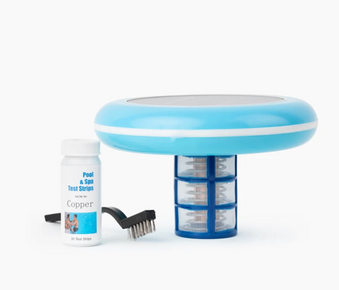
Increased temperatures, longer daylight hours, and heavier swimmer use all put added pressure on pool systems. Without proper preparation, even well-maintained pools can experience cloudy water, algae growth, and unstable chemistry during peak season.
This seasonal stress creates what pool professionals call the "summer performance gap" the disparity between a pool's capacity and the actual demands placed upon it. Sunlight intensity accelerates chlorine degradation through photolysis, sometimes reducing effectiveness by 50-70% compared to winter months. Warmer water temperatures increase the metabolic rates of algae and bacteria, allowing them to reproduce more rapidly and resist standard sanitation levels. Meanwhile, higher swimmer loads introduce organic contaminants like oils, sweat, and personal care products that consume sanitizers and alter pH balance. These compounding factors don't just increase maintenance requirements they fundamentally change how pool systems must operate to maintain water quality, demanding a seasonal recalibration rather than simply continuing routine maintenance.
A seasonal pool performance check helps ensure all systems are operating efficiently before summer conditions intensify. By inspecting equipment, stabilizing water chemistry, and confirming sanitation performance, pool owners can enjoy a trouble-free swimming season.
Table of Contents
- Why Summer Requires a Dedicated Pool Performance Check
- Inspecting Circulation and Filtration Systems
- Verifying Sanitation and Water Quality Control
- Balancing Water Chemistry for Hot Weather
- Evaluating Pool Surfaces and Structural Components
- Establishing a Consistent Summer Maintenance Routine
- Final Thoughts: Staying Ahead of Summer Pool Challenges
1. Why Summer Requires a Dedicated Pool Performance Check
Summer transforms pool maintenance from routine upkeep to critical performance management, creating environmental and operational conditions that test systems at their limits. This seasonal shift represents what aquatic professionals term the "thermochemical transition" where rising temperatures don't merely increase bather comfort but fundamentally alter the chemical, biological, and physical dynamics of pool water. Water temperature increases from 70°F to 85°F (typical seasonal variation) accelerate chemical reaction rates by 50-100%, causing sanitizers to degrade faster, pH to drift more rapidly, and algae to reproduce at exponentially higher rates. Simultaneously, ultraviolet radiation intensity can double from spring to peak summer, dramatically increasing photolysis (sunlight-induced chemical breakdown) that can destroy up to 90% of free chlorine within two hours on cloudless days. Combined with the organic load from swimmers each person introduces approximately 30-50 grams of contaminants including sweat, oils, and personal care products these factors create a perfect storm that overwhelms systems calibrated for milder conditions. A dedicated summer performance check isn't merely advisable; it's essential preventive maintenance that recognizes pools operate in fundamentally different regimes during peak season, requiring specific preparation to prevent the cascade failures that turn minor issues into major problems.
The Thermal-Chemical Acceleration Effect
Temperature increases create exponential rather than linear changes in pool chemistry, with reaction rates following the Arrhenius equation that governs chemical kinetics in aqueous environments. For every 10°C (18°F) temperature increase, chemical reaction rates approximately double meaning summer pool water operates at chemical speeds 2-3 times faster than spring or fall conditions. This acceleration affects every aspect of water chemistry: chlorine consumption increases from both higher reaction rates with contaminants and faster outgassing at warmer water surfaces; pH tends to rise more rapidly as carbon dioxide off-gasses more quickly; calcium solubility decreases, increasing scaling potential even at previously stable hardness levels; and oxidation-reduction potential (ORP) becomes more volatile, making sanitation levels harder to maintain consistently. These thermal-chemical effects aren't uniform either surface water can be 5-10°F warmer than deep water, creating chemical stratification where surface layers become sanitizer-depleted while deeper water maintains adequate levels, explaining why algae often begins at the surface despite adequate overall chemical readings. Understanding this thermal-chemical acceleration is crucial because it means pools need different chemical parameters, different testing frequencies, and different equipment settings during summer, not just more of the same maintenance applied more frequently.
- Arrhenius Equation Application: Chemical reaction rates doubling with every 10°C (18°F) temperature increase
- Exponential Consumption Increase: Sanitizer demand rising 2-3 times faster than in cooler seasons
- Chemical Stratification: Surface layers becoming chemically distinct from deeper water due to temperature differentials
- Parameter Shift Requirement: Different optimal chemical ranges needed for summer versus shoulder seasons
Biological Pressure and Algal Adaptation
Summer creates optimal conditions for the microorganisms that challenge pool water quality, with algae and bacteria entering their peak reproductive cycles just as chemical defenses face their greatest stress. Algae growth follows temperature-dependent metabolic rates common green algae (Chlorophyta) can double their population every 3-4 hours at 85°F compared to every 12-24 hours at 70°F. This biological acceleration is compounded by increased sunlight, which provides the energy for photosynthesis, and higher swimmer loads, which introduce phosphates and nitrates that serve as algal nutrients. Meanwhile, bacteria like Pseudomonas aeruginosa (cause of "swimmer's ear") and E. coli reproduce more rapidly in warm water, potentially reaching problematic concentrations between sanitizer additions. Most concerning is that prolonged exposure to sub-lethal sanitizer levels (common during summer when chemicals degrade faster) can encourage microbial adaptation, creating strains with increased resistance. A dedicated summer performance check specifically evaluates a pool's capacity to handle this biological pressure: verifying that smarter pool sanitation systems can maintain effective levels despite accelerated degradation, confirming that circulation eliminates warm surface zones where algae begin, and ensuring that filtration removes both algal spores and the organic nutrients that feed them before they can establish colonies.
- Exponential Reproduction Rates: Algae populations potentially doubling every 3-4 hours versus 12-24 hours in cooler water
- Nutrient Loading Increase: Swimmer-introduced phosphates and nitrates providing ideal algal growth conditions
- Microbial Adaptation Risk: Sub-lethal sanitizer exposure potentially creating more resistant strains
- Surface Zone Vulnerability: Warmer surface layers becoming initial sites for algal and bacterial colonization
Equipment Stress and Performance Degradation
Pool equipment operates under significantly increased stress during summer, with higher run times, greater thermal loads, and more demanding performance requirements that can reveal weaknesses not apparent during milder seasons. Pumps often run 50-100% longer hours during peak season, potentially pushing motors beyond their designed duty cycles and revealing bearing wear or winding insulation breakdown that remained undetected during intermittent spring operation. Filtration systems face exponentially higher contaminant loads not just more debris but finer organic particles from swimmers that challenge filter media efficiency and require more frequent cleaning. Sanitation systems, whether chemical feeders, salt chlorine generators, or mineral ionizers, must produce 2-3 times their normal output to compensate for accelerated degradation, potentially overstressing components not designed for continuous maximum operation. Electrical systems face their own challenges: higher ambient temperatures reduce component lifespan (every 10°C above rated temperature typically halves electronic component life), while increased pump run times elevate energy costs and potentially overload circuits not designed for continuous high-amperage operation. A summer performance check specifically evaluates equipment capacity against summer demands, identifying components operating near their limits before they fail during peak usage when replacement is most disruptive.
- Extended Duty Cycle Stress: Pumps and other equipment operating 50-100% longer hours than during shoulder seasons
- Increased Contaminant Challenge: Filtration systems facing exponentially higher organic particle loads from swimmer activity
- Maximum Output Demand: Sanitation systems required to operate at or near maximum capacity for extended periods
- Thermal Degradation Acceleration: Electronic component lifespan potentially halved by every 10°C above rated operating temperature
Swimmer Load Impact and Water Quality Volatility
Increased swimmer activity during summer represents more than just higher bather counts it introduces complex organic chemistry that interacts with sanitizers, alters pH, and creates combined chlorine compounds that irritate swimmers and reduce water quality. Each swimmer introduces approximately 0.5-1.0 grams of nitrogen compounds (primarily urea) that combine with chlorine to form chloramines, compounds that provide no sanitizing benefit while causing eye irritation and that distinctive "chlorine smell." Organic oils from skin and personal care products create surface films that reduce chemical effectiveness and provide attachment points for bacteria. The sheer volume of swimmers can physically overwhelm systems: skimmers clog more frequently, filters load faster, and circulation patterns are disrupted by constant activity. Perhaps most importantly, swimmer load isn't consistent weekends may see 10 times the usage of weekdays, creating chemical demand spikes that systems calibrated for average usage cannot handle. A summer performance check evaluates a pool's capacity for these fluctuations, ensuring that systems can handle peak loads without water quality deterioration, and that chemical reserves and pool equipment settings are adjusted to accommodate the irregular but intense usage patterns characteristic of summer swimming season.
- Chloramine Formation Acceleration: Nitrogen compounds from swimmers creating irritating combined chlorine at faster rates
- Organic Loading: Skin oils and personal care products creating surface films and reducing sanitizer effectiveness
- Usage Pattern Volatility: Weekend versus weekday usage differences creating 10:1 demand fluctuations
- Physical System Overload: Skimmers, filters, and circulation patterns overwhelmed by high bather volumes
Understanding why summer requires a dedicated performance check reveals that seasonal preparation isn't about doing more maintenance it's about doing different maintenance calibrated for fundamentally changed operating conditions. The thermal-chemical acceleration demands different chemical parameters and testing frequencies. The biological pressure requires verification that sanitation and circulation can handle exponentially faster microbial growth. Equipment stress necessitates confirmation that systems can operate at extended duty cycles without failure. Swimmer load volatility requires capacity planning for peak rather than average usage. Together, these factors mean that pools successful in spring often struggle in summer unless specifically prepared for the transition. A proactive summer performance check addresses these unique challenges systematically, identifying vulnerabilities before they cause problems, calibrating systems for summer's specific demands, and ultimately creating the foundation for a season of trouble-free swimming where the pool becomes a source of enjoyment rather than constant maintenance concern.

2. Inspecting Circulation and Filtration Systems
Summer circulation and filtration inspection represents hydraulic system optimization for peak performance conditions, transforming adequate water movement into strategic contaminant management during the season of greatest demand. This inspection goes beyond basic functionality checks to evaluate whether systems can handle the triple threat of summer operations: increased contaminant loading from swimmers, accelerated chemical demand requiring rapid distribution, and thermal stratification that creates distinct water layers with different chemical characteristics. Effective summer circulation must achieve what hydraulic engineers term "complete mixing conditions" not merely moving water but ensuring every molecule passes through the treatment system frequently enough to receive sanitation before contaminants can establish or chemicals can degrade. Pool filtration systems face their own summer challenges: they must capture not only environmental debris but also the microscopic organic particles introduced by swimmers, particles so small (often 1-5 microns) that they pass through poorly maintained filters to serve as nutrients for algae and bacteria. A comprehensive summer inspection evaluates whether circulation patterns create hydraulic dead zones where warmer surface water stagnates (prime areas for algae initiation), whether filtration media retains its designed efficiency despite increased loading, and whether the entire hydraulic system operates with the extended run times and higher flows necessary to maintain water quality when temperatures rise and swimmers multiply.
Pump Performance Optimization and Duty Cycle Analysis
Summer pump inspection extends beyond simple operation verification to include performance curve analysis against increased system demands, ensuring pumps can provide adequate flow rates without excessive energy consumption or premature failure. The inspection begins with measuring actual flow rates using in-line meters or pressure differential calculations, comparing these against manufacturer performance curves to identify wear or inefficiency. Variable-speed pumps require particular attention: they should be programmed for summer-specific schedules with higher daytime speeds to compensate for increased chemical degradation and lower nighttime speeds for energy-efficient filtration. Pool pump motors should be evaluated for thermal performance infrared thermography can identify overheating bearings or windings that might fail under extended summer run times. Electrical measurements reveal developing problems: amperage draw increasing over time indicates mechanical resistance (worn bearings, clogged impellers), while voltage fluctuations suggest electrical issues that become critical during summer when systems operate continuously. Perhaps most importantly, summer inspection includes verifying that pumps provide adequate turnover rates for summer conditions often 1.5 to 2.5 complete turnovers daily rather than the standard one turnover ensuring that chemicals distribute and contaminants filter frequently enough to prevent water quality deterioration during peak usage periods.
- Performance Curve Verification: Measuring actual flow rates against manufacturer specifications to identify wear or inefficiency
- Summer-Specific Programming: Variable-speed pumps scheduled for higher daytime flows and optimized nighttime operation
- Thermal Performance Evaluation: Infrared scanning to identify overheating components before summer stress causes failure
- Increased Turnover Requirements: Verifying systems achieve 1.5-2.5 complete daily turnovers during peak summer conditions
Filtration Media Efficiency and Contaminant Capture Verification
Summer filtration inspection focuses on media capacity to capture the specific contaminants prevalent during peak season: fine organic particles from swimmers, increased pollen and dust from dry conditions, and microscopic algal spores that flourish in warm water. Cartridge filters require pleat integrity examination summer's heavier loading can collapse weakened pleats, creating bypass channels where water flows untreated. DE filter grids need inspection for tears or coating irregularities that allow diatomaceous earth to pass into the pool while reducing filtration efficiency. Sand filters require media replacement analysis old sand becomes smooth and rounded, losing its ability to trap fine particles and often requiring replacement before summer begins. Pressure differential (the difference between clean and loaded filter pressure) provides critical information: an unusually small differential suggests media channeling or damage, while an excessively large differential indicates clogging that reduces flow. Most importantly, summer filtration verification includes evaluating whether filters can handle the increased loading between cleanings summer often requires cleaning cycles 2-3 times more frequent than spring or fall, and systems must be capable of this maintenance schedule without excessive downtime or component wear.
- Media-Specific Contaminant Analysis: Evaluating each filter type's capacity for summer's particular particle challenges
- Pleat and Grid Integrity Inspection: Identifying structural weaknesses that summer loading might exacerbate
- Media Replacement Timing: Replacing worn sand or compromised DE before peak season demands
- Pressure Differential Interpretation: Using pressure changes to diagnose media condition and loading capacity
Hydraulic Pathway Evaluation and Flow Pattern Analysis
Summer circulation inspection includes evaluating the entire hydraulic pathway for restrictions, imbalances, or inefficiencies that become critical under peak operating conditions. Plumbing systems should be examined for scale buildup that increases friction loss a minor restriction tolerable in spring can become flow-limiting in summer when pumps operate at higher outputs. Return jet orientation requires verification: jets should create overlapping surface currents that eliminate dead zones while providing enough downward angle to circulate bottom water upward, combating the thermal stratification that occurs naturally in summer. Skimmer performance needs particular attention they must provide adequate surface draw to capture oils and debris before they sink, with adjustable weirs functioning properly to maintain consistent water level despite evaporation and splash-out. Main drains should be inspected for proper flow and safety compliance. Advanced inspection includes dye testing to visualize actual flow patterns, revealing whether water follows designed paths or takes shortcuts that leave certain areas stagnant. This hydraulic evaluation ensures that when summer demands maximum circulation efficiency, water follows optimal pathways that deliver sanitation to all areas while removing contaminants effectively.
- Plumbing Restriction Identification: Locating scale buildup or other limitations that become critical at summer flow rates
- Return Jet Optimization: Adjusting angles and orientations to combat summer stratification and eliminate dead zones
- Skimmer Performance Verification: Ensuring adequate surface draw for summer's increased organic loading
- Flow Visualization Testing: Using dye to confirm water follows designed paths rather than creating problematic shortcuts
System Integration and Seasonal Performance Calibration
The most critical aspect of summer circulation and filtration inspection evaluates how all components work together to handle peak season demands, creating what system designers term "integrated hydraulic performance." This includes verifying that pump output matches filter capacity oversized pumps can force water through filters too quickly, reducing contact time and particle capture, while undersized pumps fail to achieve necessary turnover rates. Chemical injection points should be evaluated for optimal placement within the hydraulic stream, ensuring rapid mixing and distribution. Automation systems need seasonal recalibration: timers adjusted for longer daylight hours, flow switches verified for proper operation at summer flow rates, and pressure sensors calibrated for the specific pressure ranges expected during peak operation. Energy efficiency becomes particularly important in summer when systems run longer inspections should identify opportunities to reduce consumption without compromising water quality, such as optimizing variable-speed pump schedules or verifying that unnecessary restrictions aren't forcing pumps to work harder than necessary. This integrated approach ensures that circulation and filtration don't just function individually but work synergistically to maintain and improve pool water quality through summer's challenges.
- Component Matching Verification: Ensuring pump capacity, filter size, and plumbing characteristics work harmoniously
- Chemical Distribution Optimization: Placing injection points within hydraulic streams for rapid mixing and even distribution
- Automation Seasonal Recalibration: Adjusting timers, sensors, and controllers for summer operating conditions
- Integrated Efficiency Analysis: Identifying opportunities to reduce energy consumption without compromising summer water quality
Inspecting circulation and filtration systems for summer readiness transforms adequate water movement into strategic hydraulic management capable of handling peak season demands. Through pump performance optimization that ensures adequate flow without excessive energy use, filtration media evaluation that verifies capacity for summer's specific contaminants, hydraulic pathway analysis that eliminates restrictions and dead zones, and system integration that ensures all components work synergistically, summer preparation creates the foundation for trouble-free seasonal operation. This comprehensive approach recognizes that summer doesn't just require more circulation it requires smarter circulation, with systems calibrated specifically for the unique challenges of warm weather, high usage, and accelerated chemical demands. Properly inspected and optimized, circulation and filtration systems become proactive partners in summer water quality management rather than potential failure points, distributing sanitizers effectively, removing contaminants efficiently, and creating the hydraulic conditions that make summer swimming consistently enjoyable rather than a constant maintenance battle.

3. Verifying Sanitation and Water Quality Control
Summer sanitation verification represents a critical escalation from routine maintenance to performance assurance testing, where systems must be validated not just for operation but for capacity to handle exponentially increased biological and chemical challenges. This verification process examines what water treatment professionals term the "sanitation margin" the gap between a system's maximum output and the actual demand placed upon it during peak conditions. During summer, this margin narrows dangerously: chlorine systems face photolysis rates that can degrade 90% of free chlorine within two hours of peak sunlight; mineral ionization systems must compensate for electrode wear accelerated by higher production demands; UV and ozone systems need verification that their intensity hasn't diminished with bulb age or component fatigue. Simultaneously, water quality control extends beyond sanitizer levels to include oxidation capacity, phosphate management, and combined chlorine prevention all parameters that become significantly more volatile when temperatures rise and swimmer loads increase. A comprehensive summer sanitation verification doesn't merely check if systems are working; it evaluates whether they can maintain protective residuals through the most challenging conditions the pool will face all year, identifying weaknesses before they result in algae blooms, pool cloudy water, or unsafe swimming conditions during peak usage periods.
Sanitizer Production Capacity and Output Verification
Verifying sanitizer production capacity requires moving beyond simple chemical testing to measure actual output against summer's accelerated demand, creating what chemists term a "demand-response analysis." For chlorine systems, this involves calculating the chlorine demand curve: measuring free chlorine loss over specific intervals (typically 2, 4, and 8 hours) during peak sunlight and swimmer activity to determine whether the system can replenish what's being consumed. Salt chlorine generators need specific verification: inspecting cell plates for scale that reduces production, measuring actual chlorine output through controlled testing, and verifying that the control unit accurately reports production percentages. Mineral ionization systems require electrode inspection for wear patterns summer's increased production demands accelerate electrode erosion, potentially reducing ion output just when it's needed most. UV and ozone systems need intensity verification: UV bulbs lose efficiency gradually over time (typically 20-30% per year), while ozone generators require corona discharge inspection and oxygen concentrator evaluation. Perhaps most importantly, production verification includes capacity testing: operating each system at maximum output for extended periods to confirm it can sustain protective levels through consecutive days of heavy use, not just intermittent operation during milder conditions.
- Chlorine Demand Curve Analysis: Measuring free chlorine loss rates during peak conditions to verify replenishment capacity
- Salt Cell Efficiency Testing: Verifying actual chlorine production against controller settings and system requirements
- Electrode Wear Pattern Evaluation: Inspecting ionization electrodes for accelerated erosion from increased summer production
- UV/Ozone Intensity Verification: Measuring actual output of advanced oxidation systems to ensure adequate disinfection capacity
Component Wear Analysis and Preventive Replacement Timing
Summer sanitation verification includes systematic component inspection to identify wear that might compromise performance during peak demand periods, focusing on elements most stressed by increased operation. Salt cell plates require microscopic examination for scaling and erosion even minor scale accumulation can reduce chlorine production by 30-50%, while eroded plates may produce insufficient chlorine despite normal electrical operation. Ionization electrodes need measurement against original specifications: electrodes typically erode to 50% of original mass after 12-24 months, but summer's increased production demands can accelerate this process. UV system components require specific attention: quartz sleeves accumulate mineral deposits that reduce light transmission, while bulbs experience lumen degradation that isn't visible to the eye but significantly reduces germicidal effectiveness. Chemical feeder components pumps, tubing, check valves need inspection for wear that could cause inconsistent chemical delivery during periods of highest demand. The verification process includes establishing preventive replacement schedules based on actual operating hours rather than calendar time, recognizing that components used heavily during summer may need replacement before those in seasonal pools with shorter operating periods. This wear analysis prevents the most common summer sanitation failure: systems that functioned adequately during spring but lack the reserve capacity to handle summer's increased demands due to unrecognized component degradation.
- Salt Cell Scale and Erosion Inspection: Identifying production-limiting deposits and material loss on electrode plates
- Electrode Mass Measurement: Comparing current electrode dimensions against original specifications to determine remaining lifespan
- UV System Transparency Verification: Inspecting quartz sleeves for mineral deposits and measuring bulb intensity for lumen degradation
- Preventive Replacement Scheduling: Establishing component replacement timelines based on actual operating hours rather than calendar time
Water Quality Parameter Volatility Management
Summer water quality control extends beyond sanitizer levels to manage the increased volatility of all chemical parameters under warm weather conditions, creating what pool professionals term "dynamic stabilization." pH becomes particularly unstable in summer due to accelerated carbon dioxide outgassing from warmer water, often drifting upward despite normal chemical additions verification includes not just current pH measurement but monitoring drift rates over 4-8 hour periods to determine whether control systems can compensate. Total alkalinity requires careful automated pool management as it buffers against pH swings while also influencing calcium saturation index summer's higher temperatures decrease calcium solubility, making balanced alkalinity crucial to prevent scaling. Oxidation-reduction potential (ORP) provides a more comprehensive water quality indicator than sanitizer levels alone, measuring the water's overall oxidative capacity; summer verification includes confirming ORP controllers maintain consistent readings despite temperature fluctuations and bather load variations. Combined chlorine (chloramines) formation accelerates dramatically with increased swimmer loads, requiring verification that systems either prevent their formation through adequate oxidation or remove them effectively through secondary treatment. This comprehensive parameter management recognizes that summer doesn't just increase sanitizer demand it makes all water chemistry more dynamic and harder to control, requiring systems with greater capacity and faster response times.
- pH Drift Rate Analysis: Monitoring pH change over time to determine whether control systems can compensate for summer's accelerated outgassing
- Temperature-Compensated Chemistry: Adjusting chemical targets based on water temperature's effect on solubility and reaction rates
- ORP Stability Verification: Confirming oxidation-reduction potential controllers maintain consistent readings despite varying conditions
- Combined Chlorine Prevention: Ensuring systems either prevent chloramine formation or provide adequate secondary oxidation for removal
Testing Frequency Optimization and Response Protocol Validation
Summer sanitation verification includes establishing testing protocols matched to the accelerated chemical dynamics of warm weather, moving from routine schedules to condition-responsive monitoring. Testing frequency typically increases from weekly to daily or even multiple times daily during periods of heavy use, with specific attention to parameters that change most rapidly: free chlorine may need testing every 4–6 hours during peak sunlight, while pH might require twice-daily verification. Testing methodology itself requires validation. Pool test strips offer quick, convenient checks for trends and immediate feedback, but may lack the precision needed for summer’s narrower acceptable ranges, while digital testers need regular calibration against known standards. Response protocols must be established for various scenarios: predetermined chemical addition amounts for specific test results, escalation procedures when parameters drift outside normal correction ranges, and contingency plans for extreme conditions like algae blooms or contaminant spills. Automation system verification includes confirming that sensors provide accurate readings (particularly important for ORP and pH probes that drift over time) and that controllers respond appropriately to those readings. This protocol validation ensures that when summer conditions push water chemistry to its limits, there are established, tested procedures for bringing it back into balance quickly and effectively.
- Condition-Responsive Testing: Increasing frequency from weekly to daily or multi-daily during periods of peak usage and sunlight
- Testing Methodology Validation: Ensuring test strips, liquid tests, or digital testers provide adequate precision for summer's narrower acceptable ranges
- Predetermined Response Protocols: Establishing specific chemical addition amounts and procedures for common summer water quality scenarios
- Automation System Accuracy Verification: Calibrating sensors and confirming controller responses to maintain parameters within summer-optimized ranges
Verifying sanitation and water quality control for summer transforms routine maintenance into strategic capacity management, ensuring systems can handle the exponential increases in biological activity, chemical degradation, and contaminant loading characteristic of peak season. Through production capacity verification that confirms systems can meet accelerated demand, component wear analysis that identifies elements needing replacement before they fail under stress, comprehensive parameter management that addresses summer's increased chemical volatility, and optimized testing protocols that provide timely information for rapid response, summer sanitation verification creates the foundation for consistently clear, safe water through the most challenging conditions. This proactive approach recognizes that summer doesn't merely require more sanitation it requires more reliable sanitation, with systems validated for peak performance rather than merely average operation. Properly verified, sanitation systems become predictable partners in summer enjoyment rather than potential failure points, maintaining water quality so consistently that swimming becomes pure pleasure rather than a source of maintenance concerns.

4. Balancing Water Chemistry for Hot Weather
Hot weather chemistry balancing is about more than just checking numbers it’s about managing water in a dynamic way that accounts for heat-driven chemical changes and sun-driven breakdown of sanitizers. During summer, every 10°C (18°F) increase can roughly double reaction rates, turning what’s usually predictable chemistry into something that changes fast. Chlorine can break down under intense sunlight at up to 90% per hour, and maintaining a high pool pH level is critical as warmer water accelerates chemical shifts. Calcium carbonate becomes less soluble, increasing the risk of scaling even if hardness was previously stable. On top of that, swimmer-introduced oils, sweat, personal care products, and other organic matter interact with these accelerated reactions, creating compounds that challenge standard treatment methods. Managing hot weather chemistry effectively means staying ahead of these changes anticipating pH swings, compensating for faster chlorine loss, and adjusting maintenance proactively so your water stays balanced, clear, and comfortable all summer long.
Temperature-Compensated Chemical Parameter Optimization
Summer chemistry requires adjusting target parameters based on water temperature rather than using year-round standards, implementing what chemists call "temperature-compensated balancing." The Langelier Saturation Index (LSI), which predicts whether water is scale-forming or corrosive, becomes particularly temperature-sensitive a pool perfectly balanced at 70°F can become aggressively scale-forming at 85°F even with identical chemical readings. pH targets typically shift downward by 0.1-0.2 units in summer to account for increased carbon dioxide outgassing that naturally raises pH, while also considering that human eyes and skin are more sensitive to pH variations in warm water. Total alkalinity often requires elevation to provide additional buffering capacity against the pH swings caused by both increased chemical activity and higher swimmer loads. Calcium hardness targets may need adjustment downward to prevent scaling as solubility decreases with rising temperature. Sanitizer levels must account for degradation rates that vary dramatically with both temperature and sunlight intensity what maintains protection at 70°F may be completely inadequate at 85°F under full sun. This temperature-compensated approach recognizes that summer pools aren't merely warmer versions of spring pools; they're chemically distinct environments requiring specific parameter ranges optimized for thermal conditions that would be inappropriate or even problematic in cooler seasons.
- Temperature-Adjusted LSI Calculation: Modifying saturation index targets based on actual water temperature rather than using fixed values
- Seasonal pH Target Shifting: Lowering pH targets by 0.1-0.2 units to compensate for accelerated carbon dioxide outgassing
- Enhanced Buffering Capacity: Increasing total alkalinity to withstand summer's greater pH volatility from chemical and swimmer activity
- Temperature-Specific Sanitizer Levels: Adjusting chlorine or other sanitizer targets based on actual degradation rates in warm, sunny conditions
Photolytic Degradation Compensation and Stabilization Strategies
Sunlight-driven chemical degradation, known as photolysis, represents summer's most dramatic chemical challenge, with ultraviolet radiation breaking down sanitizers at rates that can exceed 90% per hour during peak sunlight hours. This requires specific stabilization strategies that either protect chemicals from UV exposure or compensate for their rapid breakdown. Cyanuric acid, while controversial in some contexts, serves as a crucial photolytic stabilizer for chlorine in outdoor pools, with summer levels typically maintained at 40-60 ppm (versus 30-50 ppm in shoulder seasons) to provide adequate protection without excessively binding chlorine. For pools using alternative sanitizers, different stabilization approaches apply: mineral systems may require increased electrode output or supplemental oxidation during peak sunlight hours, while bromine systems need consideration of bromine's different photolytic characteristics. Beyond sanitizer protection, photolytic effects extend to other chemicals: hydrogen peroxide degrades rapidly in sunlight, certain algaecides break down under UV exposure, and some clarifiers lose effectiveness. A comprehensive summer strategy includes timing chemical additions to minimize photolytic loss adding unstabilized chlorine in late afternoon or early evening when UV intensity diminishes, and scheduling shock treatments for periods when sunlight won't immediately degrade their effectiveness. This photolytic awareness transforms chemical management from simple concentration maintenance to strategic timing and protection that acknowledges sunlight as an active participant in pool chemistry.
- Cyanuric Acid Optimization: Adjusting stabilizer levels to 40-60 ppm for adequate UV protection without excessive chlorine binding
- Sanitizer-Specific Photolytic Strategies: Implementing different stabilization approaches for chlorine, bromine, minerals, or alternative systems
- Chemical Timing Optimization: Scheduling additions for periods of lower UV intensity to minimize immediate photolytic degradation
- Comprehensive Photolytic Awareness: Recognizing how sunlight affects not just sanitizers but algaecides, oxidizers, and other treatment chemicals
Swimmer Load Chemistry Management and Organic Contaminant Neutralization
Summer's increased swimmer activity introduces organic chemistry complexities that require specific management strategies beyond standard sanitizer maintenance. Each swimmer contributes approximately 30-50 grams of contaminants including urea, ammonia compounds, skin oils, and personal care products that interact with pool chemicals to form combined chlorines (chloramines), create surface films, and consume oxidizers. Effective summer chemistry includes proactive management of these organic loads through enhanced oxidation either through increased chlorine levels, supplemental non-chlorine shock treatments, or secondary oxidation systems like ozone or UV. The chlorine demand created by swimmers isn't linear; it follows a saturation curve where initial contaminants are relatively easy to oxidize, while later additions create increasingly resistant compounds. Summer strategies therefore include pre-swim oxidation to establish a reserve capacity and post-swim shocking to address accumulated contaminants before they form problematic compounds. pH management becomes particularly important for swimmer comfort as warm water increases chemical absorption through skin and eyes, making balanced and maintained pool pH balance crucial for preventing irritation. This swimmer-focused chemistry recognizes that summer pools are social environments first and chemical systems second, requiring approaches that prioritize bather comfort while maintaining effective sanitation.
- Organic Load Anticipation: Preparing for and managing the 30-50 grams of contaminants each swimmer introduces
- Enhanced Oxidation Protocols: Implementing increased shocking frequency or supplemental oxidation to handle higher organic loading
- Pre- and Post-Swim Chemical Strategies: Establishing oxidation reserves before swimming and addressing accumulated contaminants afterward
- Swimmer Comfort Optimization: Balancing pH and chemical levels specifically for warm water conditions that increase skin and eye sensitivity
Proactive Testing Regimens and Micro-Adjustment Protocols
Summer chemistry stability depends on testing frequency and adjustment protocols matched to the accelerated pace of chemical change, moving from periodic verification to continuous management. Traditional weekly testing becomes wholly inadequate summer often requires daily testing of critical parameters (free chlorine, pH, alkalinity) with additional checks after heavy use or weather events. Testing methodology itself requires summer optimization: test strips may lack the precision needed for the narrower acceptable ranges of warm water, while digital testers need more frequent calibration due to temperature effects on electrodes and sensors. Micro-adjustment protocols replace the larger, less frequent additions common in cooler seasons: rather than waiting for parameters to drift significantly outside ranges, summer chemistry employs smaller, more frequent adjustments that maintain tighter control. Automation systems become particularly valuable but require specific summer calibration: ORP controllers need temperature compensation settings adjusted, pH controllers require more frequent calibration against manual tests, and chemical feed rates must be programmed for the increased demand patterns of peak season. This proactive approach transforms chemistry management from reactive correction to anticipatory control, maintaining parameters within optimal ranges through continuous small adjustments rather than allowing significant drift followed by dramatic corrections.
- Accelerated Testing Frequency: Moving from weekly to daily testing for critical parameters during peak summer conditions
- Methodology Precision Verification: Ensuring test strips, liquid tests, or digital instruments provide adequate accuracy for summer's narrower acceptable ranges
- Micro-Adjustment Implementation: Making smaller, more frequent chemical additions to maintain tighter parameter control
- Automation System Seasonal Calibration: Adjusting controller settings, compensation values, and feed rates for summer operating conditions
Balancing water chemistry for hot weather transforms chemical management from parameter maintenance to dynamic equilibrium control that anticipates and compensates for summer's unique challenges. Through temperature-compensated parameter optimization that recognizes warm water's different chemical behavior, photolytic degradation strategies that protect sanitizers from rapid sunlight breakdown, swimmer load management that addresses organic contamination proactively, and accelerated testing regimens that enable precise micro-adjustments, summer chemistry becomes a predictable science rather than a constant battle. This comprehensive approach acknowledges that summer pools exist in a chemically distinct environment where traditional approaches often fail, requiring specific strategies calibrated for thermal acceleration, intense sunlight, and high bather loads. Properly balanced, summer pool water achieves what seems almost magical: remaining consistently clear, comfortable, and safe despite conditions that would quickly overwhelm less carefully managed systems, creating the foundation for a season of trouble-free swimming enjoyment.

5. Evaluating Pool Surfaces and Structural Components
Hot weather chemistry balancing is about more than just checking numbers, it is about managing water in a dynamic way that accounts for heat-driven chemical changes and sun-driven breakdown of sanitizers. During summer, every 10°C (18°F) increase can roughly double reaction rates, turning what is usually predictable chemistry into something that changes fast. Chlorine can break down under intense sunlight at up to 90% per hour, and maintaining a high pool pH level is critical as warmer water accelerates chemical shifts. Using a solar pool ionizer helps control algae and reduces reliance on chemical additives, supporting consistent water balance. Calcium carbonate becomes less soluble, increasing the risk of scaling even if hardness was previously stable. On top of that, swimmer-introduced oils, sweat, personal care products, and other organic matter interact with these accelerated reactions, creating compounds that challenge standard treatment methods. Managing hot weather chemistry effectively means staying ahead of these changes, anticipating pH swings, compensating for faster chlorine loss, and adjusting maintenance proactively, so your water stays balanced, clear, and comfortable all summer long.
Surface Condition Analysis and Interactive Chemistry Assessment
Summer surface evaluation examines the dynamic relationship between pool interiors and water chemistry under warm weather conditions, recognizing that surfaces aren't passive boundaries but active participants in chemical balance. Plaster finishes require specific attention: they become more reactive in warm water, with calcium hydroxide leaching increasing as temperature rises, potentially elevating pH and creating scaling conditions. Existing scale deposits should be evaluated not just for appearance but for their interaction with summer chemistry minor scaling that was stable in cooler water can grow rapidly under summer's decreased calcium solubility. Staining analysis becomes more critical as warm water increases metal solubility, potentially causing previously stable metallic staining to spread or intensify. Surface texture evaluation employs both visual inspection and tactile assessment: smooth surfaces should be verified for slickness that could become hazardous, while textured finishes need examination for roughness that might trap contaminants or provide algae attachment points. Most importantly, summer surface evaluation includes assessing how the pool interior contributes to chemical demand: deteriorating plaster continuously raises pH and hardness, while certain aggregates or tiles may introduce metals that stain or interfere with sanitation. This chemical-surface interaction analysis ensures that surfaces aren't just examined for appearance but evaluated for their ongoing impact on water quality management throughout peak season.
- Temperature-Accelerated Reactivity: Recognizing that plaster and other surfaces become more chemically active in warm water
- Scale Growth Potential Analysis: Evaluating existing deposits for likelihood of rapid expansion under summer's decreased calcium solubility
- Staining Behavior Projection: Assessing whether metallic or organic stains will remain stable or intensify under summer conditions
- Surface-Chemistry Interaction: Determining how pool interiors contribute to pH, hardness, and metal levels during peak season
Tile, Coping, and Waterline Integrity Verification
Summer evaluation of tile and coping systems focuses on their performance under conditions of maximum thermal stress and heaviest usage, identifying failure points before they compromise safety or water quality. Waterline tile requires particular attention: the constant wet-dry cycling of summer creates ideal conditions for efflorescence (mineral salt deposits) and calcium carbonate buildup that not only looks unattractive but can trap organic matter and harbor bacteria. Grout condition evaluation includes checking for deterioration that allows water penetration behind tiles a problem that accelerates in summer as warm water expands and contracts materials more dramatically. Coping inspection examines both structural integrity and functional performance: cracks or settling that might allow deck water to bypass proper drainage and enter the pool, surface deterioration that could create safety hazards, and joint failures that might compromise the water containment system. For pools with overflow systems or perimeter channels, summer verification includes ensuring these systems can handle the increased splash-out and evaporation typical of peak season. This evaluation recognizes that tile and coping systems serve as critical interfaces between pool water and surrounding structures, and that summer's conditions place maximum stress on these transition zones, making early identification and repair of issues essential for preventing more serious structural problems.
- Waterline Deposit Analysis: Evaluating calcium buildup and efflorescence that accelerate with summer's increased evaporation and splash-out
- Grout Integrity Assessment: Checking for deterioration that allows water penetration and potential structural damage behind tiles
- Coping Function Verification: Ensuring proper drainage, structural soundness, and safe surfaces under peak usage conditions
- Overflow System Capacity: Confirming perimeter systems can handle increased summer splash-out and evaporation rates
Safety Component Inspection and Load Testing
Summer safety inspection represents critical preventive maintenance, evaluating components under conditions that most closely simulate actual usage while identifying wear that could compromise protection during peak season. Ladders, rails, and steps require comprehensive evaluation: anchor integrity testing to ensure secure mounting in the pool shell, surface condition assessment for slipping hazards that become more dangerous with increased user traffic, and structural examination for corrosion or fatigue that might not be apparent during lighter spring or fall usage. Diving boards and slides need specific attention: mounting hardware inspection for corrosion or loosening, surface condition evaluation for proper traction, and structural assessment for flex patterns that might indicate material fatigue. For pools with automatic safety covers, summer inspection includes verifying proper operation under thermal expansion conditions, checking mechanism alignment, and testing emergency release systems. Underwater lighting systems require examination for water integrity (particularly important as warm water increases electrical conductivity) and proper illumination levels for nighttime swimming safety. This safety-focused evaluation recognizes that summer places maximum demand on these components through both increased usage and environmental stress, making their verification before peak season not just good maintenance but essential risk management.
- Anchor Integrity Verification: Testing ladder, rail, and step mounting points under simulated load conditions
- Surface Traction Assessment: Evaluating slipping hazards that become more critical with increased summer usage
- Structural Fatigue Examination: Identifying corrosion, cracking, or material degradation in safety components
- Safety System Function Testing: Verifying automatic covers, lighting, and other protective systems operate reliably under summer conditions
Structural Component Evaluation and Seasonal Stress Analysis
Summer structural evaluation examines how pool shells and supporting systems respond to thermal expansion, ground movement, and hydraulic pressure variations characteristic of peak season conditions. Shell inspection includes examining for hairline cracks that might expand with temperature fluctuations, checking for settlement or shifting that could indicate ground water issues exacerbated by summer irrigation or rainfall patterns, and evaluating the condition of expansion joints that accommodate thermal movement. Plumbing penetrations require specific attention: verifying seal integrity where pipes enter the shell, checking for leaks that might increase with summer's higher operating pressures, and examining support structures for corrosion or fatigue. Deck and surrounding area evaluation considers summer-specific issues: checking for surface deterioration that accelerates under intense UV exposure, verifying proper slope away from the pool to prevent runoff contamination, and examining for tree root intrusion or ground movement that might affect pool structure. Maintaining these systems properly also prevents pool algae by reducing water intrusion points, stagnant areas, and debris accumulation that could create ideal conditions for growth. This structural analysis employs both visual inspection and, when indicated, more advanced techniques like leak detection or ground penetrating radar to identify issues not visible from the surface. The approach recognizes that summer doesn't just increase usage it creates physical stresses that can reveal or exacerbate structural weaknesses, making pre-season evaluation essential for preventing failures during peak usage periods.
- Thermal Expansion Response: Evaluating how shell and surrounding structures accommodate summer's temperature fluctuations
- Penetration Seal Integrity: Checking pipe and fitting entries into the pool shell for leaks that might worsen with summer pressures
- Deck and Surrounding Area Assessment: Examining surfaces, drainage, and support areas for summer-specific deterioration patterns
- Advanced Diagnostic Implementation: Using leak detection, ground penetrating radar, or other techniques when visual inspection suggests potential issues
Evaluating pool surfaces and structural components before summer transforms routine inspection into strategic preservation that maintains both safety and aesthetics through peak season. Through surface condition analysis that recognizes warm water's accelerated chemical interactions, tile and coping verification that addresses the unique stresses of summer conditions, safety component inspection that simulates actual usage loads, and structural evaluation that anticipates thermal and ground movement effects, summer preparation identifies vulnerabilities before they become problems. This comprehensive approach acknowledges that summer doesn't merely increase pool usage it changes how every component interacts with water, chemistry, and environment, requiring specific evaluation criteria and preventive measures. Properly evaluated and maintained, pool surfaces and structures provide not just visual appeal but reliable performance through months of heavy use, creating environments where safety is assured, water quality is supported rather than challenged, and the focus remains on summer enjoyment rather than maintenance concerns. Ultimately, this evaluation represents the difference between reacting to problems as they occur and preventing them from developing in the first place, preserving both the pool's condition and the season's pleasure.

6. Establishing a Consistent Summer Maintenance Routine
Establishing a consistent summer maintenance routine transforms pool care from reactive problem-solving to proactive system optimization, creating predictable patterns that prevent small issues from escalating during the season of greatest vulnerability. This seasonal routine represents what maintenance professionals term "predictive stabilization" systematic actions calibrated specifically for summer's accelerated chemical degradation, increased biological activity, and higher contaminant loading. Unlike shoulder season maintenance that can accommodate occasional lapses, summer routines demand reliability because conditions change so rapidly: algae can establish within 24 hours of sanitizer depletion, pH can drift outside safe ranges in mere hours under intense sunlight, and filter systems can become overwhelmed by organic loading after a single weekend of heavy use. An effective summer routine isn't merely more frequent maintenance it's strategically timed maintenance that anticipates daily and weekly patterns: morning testing to establish baseline and stable pool water chemistry before daily degradation begins, evening chemical adjustments to work through the night when photolytic effects cease, and weekend preparations for anticipated heavy usage. This disciplined approach recognizes that summer pools operate on accelerated timelines where prevention is exponentially more effective than correction, making consistent routines not just convenient but essential for maintaining water quality through peak season.
Daily Operational Verification and Micro-Maintenance Protocols
Daily summer maintenance establishes the foundation for consistent water quality through systematic verification and minor adjustments that prevent significant drift. Morning inspections should include visual water clarity assessment (noting any changes from the previous day), surface skimming to remove overnight debris before it sinks and decomposes, and equipment operation verification (listening for unusual pump sounds, checking filter pressure). Chemical testing typically follows a tiered protocol: quick free chlorine and pH checks using test strips for rapid assessment, with more comprehensive liquid or digital testing if parameters appear borderline. Evening routines focus on preparing for overnight conditions: adjusting chemical levels to account for expected overnight degradation, verifying that automated systems are programmed correctly for night operation, and ensuring circulation will run adequately to distribute evening chemical additions. Special attention should be given to periods following heavy usage or weather events testing should be more comprehensive after weekend swim sessions or summer thunderstorms that can dramatically alter water chemistry. This daily discipline creates what maintenance professionals call a "chemical rhythm" where parameters are maintained within narrow bands through small, frequent adjustments rather than allowed to drift significantly before correction. The cumulative effect is remarkable: water that remains consistently balanced despite summer's constant challenges, with fewer algae outbreaks, less cloudiness, and reduced chemical consumption compared to less frequent, larger adjustments.
- Morning Baseline Establishment: Visual assessment, surface cleaning, and equipment verification before daily degradation begins
- Tiered Chemical Testing Protocol: Quick strip tests for rapid assessment with comprehensive verification when parameters appear borderline
- Evening Preparation Routines: Adjusting chemicals for overnight conditions and verifying automation settings for proper night operation
- Post-Event Enhanced Monitoring: More comprehensive testing following heavy usage, weather events, or other conditions that significantly affect water chemistry
Weekly Mechanical Maintenance and Surface Care Scheduling
Weekly summer maintenance addresses the mechanical and physical aspects of pool care that daily routines cannot accommodate, creating systematic surface cleaning and equipment servicing that prevents cumulative problems. Brushing should follow a strategic pattern: beginning with walls to dislodge any developing biofilm or algae spores, then moving to steps and benches where contaminants naturally collect, and finishing with the floor to suspend debris for filtration. Vacuuming protocols vary by pool type: manual vacuuming for precision cleaning of problem areas, automatic cleaner operation for comprehensive coverage, or a combination approach. Filter maintenance follows condition-based rather than fixed schedules: cartridge filters cleaned when pressure rises 8-10 PSI above clean pressure, DE filters backwashed at similar pressure increases with periodic complete breakdown for inspection, and sand filters backwashed based on pressure with annual media condition evaluation. Tile line cleaning addresses the calcium and scale buildup that accelerates with summer's increased evaporation, using appropriate tools and cleaners that won't damage surfaces or affect water chemistry. This weekly discipline prevents the gradual accumulation that eventually overwhelms systems: surfaces stay clean enough that algae cannot establish footholds, filters maintain optimal efficiency, and remains crystal-clear pool water without requiring emergency clarifiers or flocculants.
- Strategic Brushing Patterns: Systematic wall-to-floor cleaning that prevents biofilm establishment and suspends debris for filtration
- Condition-Based Filter Maintenance: Cleaning or backwashing based on pressure differentials rather than fixed calendars
- Tile Line Scale Management: Regular cleaning to prevent calcium buildup that accelerates with summer evaporation
- Combination Cleaning Approaches: Manual vacuuming for problem areas complemented by automatic cleaners for comprehensive coverage
Bi-Weekly System Performance Evaluation and Adjustment
Bi-weekly summer maintenance provides the opportunity for more comprehensive system evaluation and parameter adjustment that daily and weekly routines cannot accommodate, creating what system managers term "performance calibration intervals." This includes thorough chemical testing beyond basic parameters: calcium hardness verification (important as summer temperatures decrease solubility), total dissolved solids measurement (which rises more rapidly with summer evaporation), cyanuric acid testing for outdoor chlorine pools (ensuring stabilizer levels remain adequate but not excessive), and phosphate testing if algae has been problematic. Equipment performance evaluation extends beyond daily verification: pump amperage measurement to identify developing bearing or winding issues, flow rate verification to ensure adequate turnover, and sanitation system output testing to confirm components are producing at expected levels. Water balance parameters receive comprehensive adjustment: total alkalinity fine-tuning to optimize pH stability, calcium hardness adjustment to maintain proper Langelier Saturation Index, and sanitizer level optimization based on observed consumption patterns. This bi-weekly discipline catches developing issues before they become problems: declining pump efficiency identified through amperage trends, slowly rising TDS addressed before affecting water feel, and gradually decreasing sanitizer production caught before algae establishes.
- Comprehensive Chemical Profiling: Testing calcium hardness, TDS, cyanuric acid, phosphates, and other parameters beyond daily basics
- Equipment Performance Metrics: Measuring pump amperage, flow rates, and sanitizer output to identify developing efficiency issues
- Water Balance Fine-Tuning: Adjusting alkalinity, hardness, and other parameters based on observed summer consumption patterns
- Trend Identification: Recognizing gradual changes in system performance or water chemistry before they cause visible problems
Monthly Comprehensive System Review and Preventive Maintenance
Monthly summer maintenance represents the highest level of systematic care, incorporating comprehensive review, preventive measures, and seasonal adjustments that ensure systems continue performing optimally through peak conditions. This includes full equipment inspection: pump and motor examination for overheating, vibration, or unusual sounds; filter disassembly for thorough cleaning and component inspection; sanitation system evaluation including electrode measurement, cell inspection, or UV bulb intensity testing.
- Comprehensive Equipment Inspection: Disassembling and examining pumps, filters, and sanitation systems for wear or developing issues
- Professional-Level Water Analysis: Testing for difficult parameters or using professional services for comprehensive water profiling
- Preventive Treatment Implementation: Applying chelators, enzymes, or scale preventatives based on observed water characteristics
- Seasonal Adjustment Protocol: Modifying circulation, chemical targets, and maintenance frequencies as summer conditions evolve
Establishing a consistent summer maintenance routine transforms pool ownership from constant crisis management to predictable, manageable care through the season of greatest challenge. Through daily verification that maintains chemical stability through micro-adjustments, weekly mechanical maintenance that prevents surface and filtration problems, bi-weekly performance evaluation that identifies developing issues before they escalate, and monthly comprehensive review that implements preventive measures and seasonal pool adjustments, summer maintenance becomes a structured system rather than a series of reactions. This disciplined approach recognizes that summer's accelerated conditions demand correspondingly accelerated maintenance not just more frequent care, but smarter care timed to anticipate rather than merely respond to changes. The result is what every pool owner seeks during peak season: water that remains consistently clear, comfortable, and inviting with minimal emergency interventions, equipment that operates reliably through extended run times, and maintenance that becomes predictable routine rather than disruptive surprise. Ultimately, consistent summer maintenance creates the foundation for what summer pools should provide: effortless enjoyment rather than constant work.

7. Final Thoughts: Staying Ahead of Summer Pool Challenges
Staying ahead of summer pool challenges represents the ultimate integration of preventive maintenance and seasonal strategy, where foresight replaces reaction and system optimization prevents problems before they can affect swimming enjoyment. This proactive approach acknowledges that summer doesn't merely intensify pool maintenance it fundamentally changes the rules of pool care, creating conditions where traditional maintenance schedules become inadequate and standard chemical parameters prove insufficient. The seasonal performance check serves as the critical transition point between these operational regimes, recalibrating systems for the unique demands of warm weather, intense sunlight, and increased usage. When executed comprehensively, this preparation creates what experienced pool professionals recognize as "summer-ready systems": pools where circulation patterns are optimized for thermal stratification prevention, sanitation capacity is verified against accelerated degradation rates, water chemistry is balanced for temperature-compensated stability, surfaces are inspected for summer-specific vulnerabilities, and maintenance routines are established for the accelerated pace of peak season changes.
The true value of this seasonal preparation extends beyond immediate water quality to encompass the entire summer swimming experience. Well-prepared pools demonstrate remarkable resilience: they recover more quickly from heavy usage, maintain clarity through temperature fluctuations, resist algae despite ideal growth conditions, and provide consistent comfort regardless of swimmer load. This reliability transforms the pool from a potential source of maintenance stress to a guaranteed source of summer pleasure, where the focus remains on enjoyment rather than problem-solving. Perhaps most importantly, thorough seasonal preparation helps establish a long lasting pool system. Systems that start the season optimized tend to stay optimized, requiring less emergency intervention and consuming less time overall than pools where problems are addressed only after they become visible. This momentum effect is particularly valuable during summer when time for maintenance competes with time for enjoyment, and when pool problems tend to escalate most rapidly if not prevented from the outset.
A seasonal pool performance check prepares your pool for the demands of summer. By ensuring circulation, sanitation, and water chemistry are working together efficiently, pool owners can enjoy clean, clear water throughout the busiest swimming months.