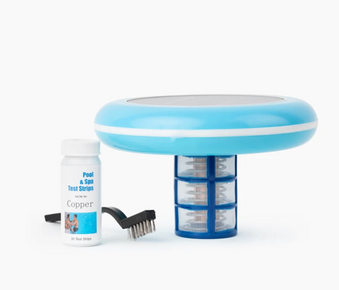
TL;DR: Algae growth is the most persistent and frustrating challenge for pool owners, but solar pool ionizers provide a fundamentally more effective approach to algae prevention than traditional chlorine methods. Rather than reacting to algae outbreaks with chemical shocks, solar ionization creates a continuous copper ion environment that prevents algae from establishing in the first place. Copper ions disrupt algal cell membranes, inhibit photosynthesis, and prevent spore germination offering multiple layers of protection that chlorine cannot match. This 2026 guide explores the science of algae control with copper ions, practical prevention strategies, and integrated approaches for existing algae problems.
SEO Summary: 2026 guide to reducing algae growth with solar pool ionizers: copper ion algae prevention, black algae control, green algae treatment, mustard algae elimination, and integrated prevention strategies.
Table of Contents
- The Persistent Challenge of Pool Algae
- How Copper Ions Prevent Algae Growth
- Algae Types and Their Susceptibility to Copper
- The Prevention Mechanism: Continuous Protection
- Optimal Copper Levels for Algae Prevention
- Supporting Factors: Phosphates and Filtration
- Special Considerations for Black Algae
- Managing Green Algae Outbreaks
- Mustard Algae: Prevention and Treatment
- Conclusion & Key Takeaways
The Persistent Challenge of Pool Algae
Algae are the most common and persistent problem faced by pool owners. These simple photosynthetic organisms can turn crystal-clear water green in a matter of days, create slippery, unsightly surfaces, and transform a backyard oasis into a maintenance nightmare. Understanding why algae are so challenging helps explain why solar pool ionizers offer a superior solution.
- Algae biology: Algae are primitive plants that require only sunlight, carbon dioxide, and minimal nutrients to thrive. Pool water provides an ideal environment warm, sun-exposed, and often nutrient-rich from bathers and environmental sources. Algae spores are everywhere in the air, on swimsuits, on toys, and in fill water. They are constantly trying to colonize your pool.
- The chlorine limitation: Chlorine kills algae, but only when present at adequate levels. Because chlorine dissipates rapidly in sunlight and is consumed by organic matter, it creates windows of opportunity for algae. A few hours of low chlorine can allow spores to germinate and establish footholds. Once established, algae become more resistant to treatment.
- The reactive cycle: Traditional algae management is reactive. Owners notice green water or visible spots, test and find low chlorine, add shock, wait, and eventually regain control. This cycle repeats endlessly because it never addresses the root cause the pool's inability to maintain continuous algae prevention.
- Economic impact: Algae outbreaks cost pool owners significant money in chemicals, increased pump runtime, and professional services. They also create intangible costs in frustration, lost swimming time, and the nagging worry that the next outbreak is just around the corner.
- Health concerns: While most pool algae are not directly harmful to humans, they create environments where bacteria can thrive. Algae blooms can also harbor pathogens and create slippery surfaces that pose safety risks.
The shift toward low-chemical pools has made algae prevention even more critical. Our resource on low-chemical pools explains why effective algae control is essential for successful chemical reduction.
How Copper Ions Prevent Algae Growth
Copper has been recognized as an effective algaecide for decades, but solar pool ionizers deliver copper in a fundamentally different and more effective way than traditional copper-based algaecides.
- Multiple mechanisms of action: Copper ions attack algae through several pathways simultaneously, making it extremely difficult for algae to develop resistance. This multi-faceted approach is far more robust than the single-mechanism action of most chemical algaecides.
- Cell membrane disruption: Positively charged copper ions are attracted to negatively charged sites on algal cell membranes. When copper ions bind to these sites, they alter membrane permeability, causing essential cellular contents to leak out. This physical disruption kills algae cells directly.
- Enzyme inhibition: Copper ions enter algal cells and bind to enzymes essential for photosynthesis and respiration. By displacing other metal cofactors, copper disables these enzymes, effectively starving the algae of energy. This mechanism works even at very low copper concentrations.
- Chlorophyll degradation: Copper interferes with chlorophyll production and function. Affected algae lose their green color and ability to photosynthesize, essentially bleaching them. This is why copper-treated algae often turn white or gray before dying.
- Spore prevention: Perhaps most importantly, copper ions prevent algal spores from germinating. By maintaining a continuous low level of copper, ionizers stop algae before they can establish visible colonies. This preventive action is the key to eliminating outbreaks entirely.
- Persistence advantage: Unlike chlorine, which dissipates rapidly, copper ions remain active in the water indefinitely. They are not consumed by sunlight or organic matter. This persistence means algae never get the windows of opportunity that chlorine creates.
The science of copper ion algae control is well-established. Our article on pool water stability with solar ionizer explores how consistent copper levels enhance these mechanisms.
Algae Types and Their Susceptibility to Copper
Different algae species have different susceptibilities to copper, and understanding these differences helps in developing effective prevention and treatment strategies.
- Green algae (Chlorophyta): The most common pool algae, green algae are highly susceptible to copper. Free-floating green algae cause water discoloration, while wall-clinging varieties create slippery surfaces. At copper levels of 0.2 to 0.3 ppm, green algae are effectively prevented. Existing green algae blooms respond rapidly to copper treatment, often clearing within days.
- Mustard algae (yellow-green algae): Mustard algae appear as yellow or brownish spots, typically in shaded areas. They are more resistant to chlorine than green algae but respond well to copper. Maintaining copper at the higher end of the target range (0.3 to 0.4 ppm) provides effective prevention. Existing mustard algae may require brushing to expose deeper layers to copper ions.
- Black algae (blue-green algae/cyanobacteria): Black algae are actually cyanobacteria, not true algae, and are the most difficult to control. They form deep-rooted colonies with protective layers. While copper is effective against black algae, it requires higher concentrations and persistent exposure. Prevention is far easier than treatment for black algae.
- Pink algae (actually bacteria): Pink slime is not algae but a bacterium (Methylobacterium). It is resistant to copper and requires different treatment approaches. Good sanitation and chlorine shocks are typically needed for pink slime control.
- White water mold: Another non-algae organism that can appear in pools. Copper has limited effectiveness against water mold, which requires oxidation and improved circulation.
For the vast majority of pools, true algae are the primary concern, and copper ions provide excellent control. Our resource on next-generation pool power discusses how modern ionizer systems address various water quality challenges.
The Prevention Mechanism: Continuous Protection
The fundamental advantage of solar pool ionizers for algae control is their ability to provide continuous, uninterrupted protection. This stands in stark contrast to the stop-and-start protection of chlorine.
- 24/7 defense: Copper ions remain in the water at all times, providing constant protection against algae establishment. Whether the pump is running or not, whether the sun is shining or not, whether the pool is occupied or not, copper ions are actively working to prevent algae growth.
- No windows of vulnerability: Chlorine levels fluctuate throughout the day. They drop rapidly in sunlight, are consumed by swimmers, and can be depleted by organic matter. These fluctuations create windows when algae can establish. Copper levels, once established, remain stable. There are no windows of vulnerability.
- Biofilm prevention: Algae often establish first as biofilms thin layers of microorganisms on pool surfaces. Copper ions prevent biofilm formation by disrupting cell attachment and early colony development. This keeps surfaces clean and prevents algae from gaining footholds.
- Spore inactivation: Algal spores constantly enter the pool from the environment. In a chlorinated pool, they can survive until chlorine levels drop. In an ionized pool, spores encounter copper immediately and are inactivated before they can germinate.
- Synergy with filtration: Copper-killed algae cells clump together through ionic flocculation and are captured by the filter. This removes dead algae from the water, preventing them from becoming nutrients for future growth. The cycle of algae death and removal becomes self-reinforcing.
The continuous protection mechanism is why solar ionizer owners rarely experience the algae outbreaks that plague traditional pools. Our guide to predictable pool maintenance explains how this consistency transforms the ownership experience.
Optimal Copper Levels for Algae Prevention
Maintaining the right copper concentration is essential for effective algae prevention. Too little copper allows algae to grow; too much increases staining risk without additional benefit.
- Target range: For algae prevention, maintain copper between 0.2 and 0.4 parts per million. This range provides effective control for all common algae types while minimizing staining risk. Levels below 0.2 ppm may allow algae to establish, particularly during warm weather or high nutrient conditions.
- Seasonal adjustments: Algae growth accelerates with water temperature. In summer, when water exceeds 85°F, aim for the higher end of the target range (0.3 to 0.4 ppm). In spring and fall, 0.2 to 0.3 ppm is sufficient. Winter levels can drop to 0.1 to 0.2 ppm if the pool remains operational.
- Testing frequency: Test copper weekly during swim season to verify levels remain in range. More frequent testing may be needed during extreme heat, heavy use, or after significant rain. Digital copper meters provide the accuracy needed for precise management.
- Adjusting output: When copper trends low, increase ionizer output by 10 percent increments and retest after 48 hours. When copper approaches 0.5 ppm, decrease output. Most ionizer owners find that once they establish their pool's optimal setting, adjustments are needed only two to four times per year.
- Temperature compensation: Modern ionizer controllers with temperature compensation automatically adjust output based on water temperature. This feature maintains optimal copper levels without manual intervention, matching output to biological demand.
Proper copper management is the foundation of algae prevention. Our copper staining prevention resource provides detailed guidance on maintaining optimal levels while avoiding staining risks.
Supporting Factors: Phosphates and Filtration
While copper ions are highly effective at preventing algae, they work best when supported by proper phosphate management and effective filtration. These supporting factors address the conditions that allow algae to thrive.
- The phosphate connection: Phosphates are essential nutrients for algae. Without phosphates, algae cannot grow regardless of copper levels. Phosphates enter pools through fertilizers, lawn chemicals, tap water, and airborne dust. Maintaining phosphates below 500 parts per billion is critical for effective algae control.
- Phosphate testing: Test phosphates monthly during swim season. Laboratory testing provides accurate quantification. Home test kits are available but may have limited accuracy. High phosphate levels indicate a nutrient-rich environment that will challenge any sanitation system.
- Phosphate treatment: When phosphates exceed 500 ppb, apply a phosphate remover according to product instructions. These products bind phosphates and allow them to be filtered out. Treatment may temporarily cloud water and will raise filter pressure clean or backwash 24 to 48 hours after application.
- Filtration efficiency: Copper ions cause algae cells to clump together, making them easier to filter. However, this only works if the filtration system is operating effectively. Maintain clean filter media and adequate pump runtime to ensure dead algae are removed from the water.
- Source control: Minimize phosphate introduction by rinsing pool toys before use, avoiding fertilizer near the pool, and using a garden hose pre-filter for fill water. These simple practices reduce the nutrient load that supports algae growth.
- Circulation and dead zones: Algae often establish in areas with poor circulation behind ladders, in corners, and under steps. Ensure your circulation system adequately reaches all areas. Occasional brushing disrupts any early growth in these zones.
The relationship between phosphates and algae control is explored in our article on pool water clarity with solar pool ionizer, which explains how nutrient management contributes to crystal-clear water.
Special Considerations for Black Algae
Black algae are the most difficult pool algae to control. These cyanobacteria form deep-rooted colonies with protective layers that resist chemical treatment. Solar ionizers can prevent black algae, but established infestations require aggressive treatment.
- Black algae characteristics: Black algae appear as dark spots, often with a raised, bumpy texture. They form root-like structures that penetrate porous plaster and gunite surfaces. A protective outer layer makes them resistant to chemicals. They are most common in shaded areas and spots with poor circulation.
- Prevention with copper: Maintaining copper at 0.3 to 0.4 ppm provides excellent prevention of black algae. The continuous copper environment prevents spores from germinating and colonies from establishing. Pools with a history of black algae should maintain higher copper levels throughout the swim season.
- Early detection: Inspect pool surfaces regularly, particularly in shaded areas and behind obstacles. Black algae start as small dark specks that are easy to miss. Early detection allows treatment before deep roots form.
- Treatment protocol for existing black algae:
- Brush affected areas vigorously with a stainless steel brush designed for plaster. This breaks the protective layer and exposes deeper colonies to treatment.
- Increase copper temporarily to 0.4 to 0.5 ppm (monitor closely to avoid staining).
- Apply a black algae-specific algaecide containing copper or quaternary ammonium compounds directly to affected areas.
- After spots disappear, return copper to normal target range.
- Persistence required: Black algae treatment often requires multiple cycles. The deep roots can survive initial treatment and regenerate. Persistent application of the protocol over several weeks may be necessary for complete elimination.
Black algae are rare in well-maintained ionized pools, but awareness and early action are essential. Our reinventing backyard pools article discusses how modern pool systems address even the most challenging algae problems.
Managing Green Algae Outbreaks
Even with a solar ionizer, occasional green algae outbreaks can occur if copper levels drop, phosphates spike, or filtration fails. A systematic response protocol restores water quality quickly.
- Immediate assessment: When green water appears, test copper immediately. If below 0.2 ppm, increase ionizer output. Test phosphates; if above 500 ppb, treat with phosphate remover. Check filter pressure and clean if elevated.
- Brushing: Brush all pool surfaces vigorously. This dislodges algae from walls and floor, exposing them to circulating copper and making them easier to filter. Pay special attention to corners, steps, and behind ladders.
- Copper boost: Temporarily increase copper to 0.4 to 0.5 ppm during treatment. Monitor closely and return to normal range after algae clear. Do not exceed 0.5 ppm to avoid staining risk.
- Non-chlorine shock: Apply non-chlorine shock (potassium monopersulfate) to oxidize organic matter and help clarify water. This is particularly helpful if the outbreak is severe or if water appears cloudy.
- Extended filtration: Run the pump continuously for 24 to 48 hours during treatment. The increased circulation helps distribute copper and allows the filter to capture dead algae cells.
- Post-treatment cleaning: After water clears, clean or backwash the filter to remove accumulated dead algae. Test copper and adjust output back to normal range. Retest phosphates and retreat if needed.
- Prevention reinforcement: Once the outbreak is resolved, review the factors that allowed it to occur. Was copper allowed to drift low? Did phosphates spike? Had filter cleaning been neglected? Address the root cause to prevent recurrence.
Green algae outbreaks in ionized pools are rare but manageable. Our overview of pool technology advances discusses how smart controllers can detect developing issues and alert owners before visible outbreaks occur.
Mustard Algae: Prevention and Treatment
Mustard algae are a common frustration for pool owners, appearing as yellow-brown spots that seem to resist treatment. Solar ionizers provide effective control with the right approach.
- Mustard algae characteristics: Mustard algae typically grow in shaded areas and can survive on pool surfaces even when water chemistry appears balanced. They are more resistant to chlorine than green algae but respond well to copper. They often return after treatment if not completely eliminated.
- Prevention strategy: Maintain copper at 0.3 to 0.4 ppm, particularly in pools with a history of mustard algae. Ensure good circulation to shaded areas. Brush walls and floor weekly to disrupt any early growth.
- Treatment protocol:
- Brush affected areas thoroughly to break up colonies.
- Increase copper to 0.4 to 0.5 ppm temporarily.
- Apply a mustard algae-specific algaecide if available, following label directions.
- Run pump continuously for 24 to 48 hours.
- After spots disappear, maintain elevated copper for several additional days.
- Return to normal copper levels and monitor closely.
- Equipment consideration: Mustard algae can survive in filters, heaters, and other equipment. After treatment, clean all equipment thoroughly to prevent reinfection. Some owners add algaecide directly to the filter during cleaning.
- Persistence challenge: Mustard algae are notorious for recurring. If they return after treatment, repeat the protocol and consider extending the treatment period. Some pools require multiple treatment cycles for complete elimination.
Mustard algae are uncommon in well-maintained ionized pools, but vigilance is important. Our resource on simpler pool chemistry explains how stable copper levels simplify the management of challenging organisms.
Conclusion & Key Takeaways
Reducing algae growth with a solar pool ionizer is not about stronger chemicals or more frequent shocking. It is about creating an environment where algae cannot establish in the first place. The continuous, low-level presence of copper ions provides multiple layers of protection that chlorine simply cannot match.
The science is clear: copper ions disrupt algae cell membranes, inhibit photosynthesis, prevent spore germination, and work synergistically with filtration to remove dead cells. This multi-faceted approach makes algae outbreaks rare rather than routine.
Success requires attention to supporting factors. Phosphates must be managed to prevent nutrient availability. Filtration must be adequate to remove dead cells. Copper levels must be maintained consistently in the target range. When these elements align, algae cease to be a concern.
For the rare occasions when outbreaks occur, systematic treatment protocols restore water quality quickly. Green algae respond to copper boosts and brushing. Mustard algae may require more persistent treatment. Black algae demand aggressive, multi-step protocols. But in each case, the stable foundation of copper ions makes treatment more effective than in chlorinated pools.
Key Takeaways
- Copper ions provide multiple algae prevention mechanisms: Cell membrane disruption, enzyme inhibition, chlorophyll degradation, and spore prevention work together to stop algae before they establish.
- Continuous protection is the key advantage: Unlike chlorine, which creates windows of vulnerability, copper remains active 24/7. Algae never get an opportunity to gain a foothold. Our low-chemical pools resource explains why this matters.
- Maintain copper at 0.2 to 0.4 ppm for prevention: Lower levels risk algae; higher levels risk staining without additional benefit. Seasonal adjustments match copper to biological demand.
- Phosphate control is essential: Phosphates below 500 ppb eliminate the nutrients algae need to grow. Test and treat phosphates regularly, especially during warm weather.
- Filtration removes dead algae cells: Copper causes algae to clump, making them filterable. Clean filters and adequate runtime ensure dead algae are removed from the water.
- Black algae require aggressive treatment: Deep-rooted colonies need brushing, elevated copper, and persistence. Prevention through consistent copper levels is far easier than treatment.
- Green algae outbreaks are rare but manageable: When they occur, boost copper, brush surfaces, and run continuous filtration. Address underlying causes to prevent recurrence.
- Mustard algae may require multiple treatment cycles: These persistent organisms can survive in equipment. Thorough cleaning and extended treatment periods are often needed.
- Smart controllers enhance prevention: Temperature compensation and continuous monitoring maintain optimal copper levels automatically. Our smarter water systems article explores these capabilities.
- The best algae treatment is prevention: A properly managed solar ionizer pool simply does not grow algae. The time and money saved by eliminating outbreaks is one of the technology's most valued benefits.
Algae need not be an inevitable part of pool ownership. Solar pool ionizers provide the continuous, multi-mechanism protection that makes algae prevention achievable for every pool owner. With proper management, your pool can remain crystal-clear and algae-free throughout the swimming season, requiring nothing more than occasional verification that copper levels are where they should be.