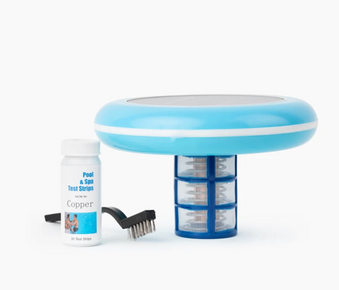
Experienced pool owners universally recognize that persistent algae colonization and progressive water cloudiness represent two of the most formidable and recurring challenges in maintaining an optimally clean, hygienic, and visually appealing swimming environment. While establishing proper chemical equilibrium and maintaining filtration system efficiency remain fundamentally important, the operational condition of solar pool ionizer components plays an equally critical role in proactively preventing these issues before they manifest visibly. As ionization systems operate continuously throughout the swimming season, their essential elements including anodes, cathodes, protective baskets, and connection hardware inevitably experience material degradation, electrochemical fatigue, and performance diminishment that collectively compromise their preventative capabilities.
Premium replacement kits for ionizer systematically restore these compromised components to their original specifications, ensuring consistent copper ion release profiles, optimal hydraulic circulation patterns, and enhanced overall water clarity maintenance. This comprehensive technical guide provides exhaustive explanations regarding how precision replacement kits prevent algal proliferation, minimize particulate cloudiness, and contribute to sustaining a consistently clear, healthy aquatic environment throughout the entire operational season.
Table of Contents
- The Role of Solar Ionizers in Preventing Algae and Cloudiness
- Why Worn Components Contribute to Pool Problems
- How Replacement Anodes Restore Algae Protection
- The Importance of Clean Baskets for Reducing Cloudiness
- How New Cathodes and Hardware Support Consistent Ionization
- Long-Term Benefits of Regular Replacement Kits
- Final Thoughts: Maintaining a Clear, Algae-Free Pool with Proper Replacements
1. The Role of Solar Ionizers in Preventing Algae and Cloudiness
Solar pool ionizers function through sophisticated electrochemical mechanisms that release controlled quantities of copper or specialized copper-silver ions into the aquatic environment, establishing conditions fundamentally hostile to algal colonization while simultaneously reducing dependence on traditional chemical sanitizers. These systems leverage multiple complementary processes that collectively prevent both visible algal blooms and the particulate cloudiness that degrades water aesthetics.
Comprehensive Algal Prevention Mechanisms
Copper ions exert their algistatic effects through multiple simultaneous biological interference pathways that prevent establishment and proliferation:
Cellular-Level Algal Disruption:
- Photosynthetic Pathway Inhibition: Copper ions disrupt photosystem II function by competing with essential manganese clusters in the oxygen-evolving complex, preventing water splitting and subsequent electron transport that drives algal energy production
- Enzyme System Interference: Multiple critical enzymatic processes including RuBisCO activity in the Calvin cycle experience significant inhibition, reducing carbon fixation essential for algal growth and reproduction
- Membrane Integrity Compromise: Electrostatic attraction draws copper ions to negatively charged membrane surfaces where they displace stabilizing calcium and magnesium ions, increasing permeability and causing cellular content leakage
- Oxidative Stress Induction: Copper ions catalyze Fenton-like reactions that generate hydroxyl radicals and other reactive oxygen species, attacking lipid membranes through peroxidation chain reactions
Population-Level Prevention Strategies:
- Spore Germination Inhibition: Therapeutic copper concentrations (0.2-0.5 ppm) prevent algal spores from initiating germination processes, eliminating colonization before visible growth occurs
- Reproduction Interference: Disruption of cellular division mechanisms prevents pool algae from multiplying beyond microscopic levels
- Surface Colonization Prevention: Creates conditions hostile to the biofilm formation that typically precedes visible algal mats on pool surfaces
- Multi-Species Effectiveness: Provides protection against all common pool algae variants including green algae (Chlorophyta), yellow mustard algae (Phaeophyta), and black algae (Cyanobacteria) with their different resistance mechanisms
Cloudiness Prevention Through Multiple Pathways
Beyond algal control, ionization systems prevent water cloudiness through several distinct mechanisms:
Particulate Load Reduction:
- Algal Cell Minimization: Prevents the exponential multiplication of microscopic algal cells that would otherwise scatter light and create green turbidity
- Organic Debris Control: Reduces the biological films and organic particulates that contribute to overall suspended solids concentration
- Filter Efficiency Support: Lower particulate loading allows filtration systems to operate more effectively with extended service intervals between cleanings
- Clarification Enhancement: Copper ions facilitate natural coagulation processes that help fine particles aggregate for more efficient filtration removal
Metallic Cloudiness Prevention:
- Oxidation State Management: Helps maintain dissolved metals in their reduced, soluble forms rather than allowing oxidation to insoluble particles that cause cloudiness
- Surface Interaction Modification: Alters the surface characteristics of potential precipitation nuclei, preventing crystal growth to visible sizes
- Complex Formation: Copper ions can form soluble complexes with other metals, maintaining them in solution rather than allowing particulate formation
- Stain Prevention: By preventing metallic precipitation, ionization systems eliminate the associated surface staining that can create visually apparent discolorations

2. Why Worn Components Contribute to Pool Problems
The progressive degradation of ionization system components initiates a cascade of performance deficiencies that directly enable both algal proliferation and pool water cloudiness through multiple interconnected pathways. Understanding these failure mechanisms provides the foundation for proactive maintenance interventions.
Electrochemical Performance Deterioration
As ionization components experience material degradation, their electrochemical efficiency declines through several measurable parameters:
Ion Production Deficiency:
- Surface Area Reduction: Anode erosion gradually decreases available surface area, typically reducing ion production capacity by 40-70% before replacement becomes visually obvious
- Current Density Alteration: Irregular wear patterns create localized high-current zones that accelerate further degradation while reducing overall efficiency
- Scale Insulation Effects: Mineral deposits on electrode surfaces create insulating barriers that impede ion transfer into the bulk water
- Electrical Resistance Increase: Corroded connections and scaled cathodes can increase circuit resistance by 200-500%, dramatically reducing effective current flow
- Performance Impact: Copper ion levels frequently fall below the 0.2 ppm minimum therapeutic threshold, permitting algal breakthroughs
Reaction Pathway Alteration:
- Parasitic Reaction Promotion: Degraded surfaces facilitate competing electrochemical processes that consume energy without producing useful ions
- Voltage Characteristic Changes: Altered electrochemical potentials can trigger unwanted side reactions including oxygen evolution or chlorine generation
- Catalytic Property Modification: Surface degradation changes the catalytic characteristics that determine reaction efficiency and selectivity
- Temperature Sensitivity Increase: Worn components often demonstrate greater performance variation with temperature fluctuations
Hydraulic and Mechanical Compromise
Physical degradation of system components creates multiple hydraulic deficiencies that contribute to cleaning ineffectiveness:
Flow Restriction Consequences:
- Circulation Pattern Disruption: Blocked or damaged baskets alter designed flow paths, creating stagnant zones where algae can establish
- Ion Distribution Inefficiency: Restricted flow prevents even copper distribution, resulting in areas with inadequate algistatic protection
- Boundary Layer Thickening: Reduced flow velocities allow thicker boundary layers to develop, impeding ion migration from electrode surfaces
- Debris Accumulation Acceleration: Compromised protection systems permit particulate matter to interfere with electrochemical processes
Component Failure Progression:
- Structural Integrity Loss: UV degradation, chemical attack, and physical stress cause cracking, breaking, or deformation of plastic components
- Connection Reliability Reduction: Corroded hardware creates intermittent electrical connections that cause performance fluctuations
- Material Embrittlement: Polymer components become brittle and prone to failure, particularly at stress concentration points
- Geometric Distortion: Warping or bending alters critical spatial relationships between components

3. How Replacement Anodes Restore Algae Protection
The anode represents the electrochemical center of the ionization system, functioning as the primary component responsible for generating the copper ions that provide continuous algistatic protection. Understanding the performance restoration achieved through anode replacement illuminates its critical role in comprehensive algae prevention.
Electrochemical Performance Restoration
New anodes reinstate multiple critical electrochemical parameters that ensure reliable algae prevention:
Ion Production Characteristics:
- Faradaic Efficiency Recovery: Fresh anodes typically achieve 90-95% current efficiency, meaning nearly all electrical energy produces useful copper ions rather than parasitic reactions
- Current Density Optimization: Precision surface areas ensure ideal current density (typically 10-50 mA/cm²) for controlled erosion and consistent ion release
- Production Rate Normalization: Restores copper ion release to designed parameters of 2-4 mg per amp-hour according to Faraday's constant
- Voltage Stability: Establishes stable electrochemical potential that minimizes side reactions and ensures predictable performance
Material Release Properties:
- Copper Ion Availability: Fresh anodes release ions that rapidly form aqueous complexes remaining available for biological interaction
- Alloy Component Distribution: In copper-silver systems, controlled release of both metals according to their electrochemical characteristics
- Particle Size Management: Primarily ionic release rather than particulate emission that could contribute to cloudiness
- Solution Integration Speed: Rapid dispersion and complex formation ensures quick establishment of protective conditions
Algistatic Effectiveness Enhancement
The restoration of proper ion production directly translates to improved algal prevention through multiple mechanisms:
Therapeutic Concentration Maintenance:
- Consistent Copper Levels: Maintains concentrations within the established 0.2-0.5 ppm algistatic range without significant fluctuation
- Prevention Reliability: Stable ion levels prevent algal spores from establishing colonies, eliminating breakthrough events
- Rapid Action Establishment: Fresh anodes typically establish protective conditions throughout the pool within 24-48 hours of installation
- Season-Long Protection: Properly sized anodes maintain effective concentrations throughout their service life without progressive decline
Multi-Species Algal Control:
- Green Algae Prevention: Effective against Chlorophyta species that cause the most common green water and surface slime
- Yellow Algae Resistance: Controls Phaeophyta (mustard algae) known for its resistance to conventional chemical treatments
- Black Algae Penetration: Copper ions can penetrate the protective layers of black algae (Cyanobacteria) that typically resist chlorine oxidation
- Comprehensive Coverage: Provides protection against less common algal species that occasionally appear in pool environments.

4. The Importance of Clean Baskets for Reducing Cloudiness
The protective basket represents a critically important hydraulic component that governs water flow characteristics, debris exclusion, and ion distribution efficiency. Understanding its multifaceted role reveals why basket condition directly influences both algal prevention and cloudiness control.
Hydraulic Performance Optimization
Properly functioning pool skimmer baskets maintain several critical hydraulic parameters that ensure effective ionization:
Flow Management and Distribution:
- Controlled Flow Velocity: Specific mesh geometry maintains ideal water velocity (typically 0.5-2.0 ft/sec) across electrode surfaces for efficient ion transfer
- Uniform Contact Distribution: Engineered flow patterns ensure all anode surfaces receive equal water exposure, preventing dead zones with reduced ionization
- Boundary Layer Management: Maintains flow characteristics that prevent stagnant boundary layer formation, ensuring efficient ion migration into bulk water
- Turbulence Optimization: Creates controlled turbulence that enhances mixing without causing gas entrapment or excessive energy consumption
- Performance Impact: Optimal flow characteristics increase ion transfer efficiency by 25-40% compared to restricted conditions
Circulation Pattern Preservation:
- Ion Distribution Efficiency: Ensures even copper dispersion throughout the pool volume rather than localized concentration near the ionizer
- Dead Zone Prevention: Maintains flow patterns that prevent stagnant areas where algae could establish despite adequate chemical levels
- Surface Skimming Support: Complementary flow characteristics that enhance skimmer effectiveness in removing surface debris
- Return Jet Integration: Flow patterns that work synergistically with return jets to maintain comprehensive circulation
Debris Management and Cloudiness Prevention
Effective baskets significantly reduce cloudiness contributors through multiple mechanisms:
Particulate Load Reduction:
- Mechanical Filtration: Intercepts leaves, insects, and other debris before they can reach and damage electrode surfaces
- Pre-Filtration Function: Reduces the particulate load reaching the main filtration system by 15-30%
- Sediment Prevention: Minimizes the accumulation of fine sediments that can become suspended and contribute to cloudiness
- Organic Matter Control: Limits the introduction of organic materials that could decompose and release cloudiness-causing compounds
Biological Fouling Prevention:
- Algal Attachment Resistance: Specific surface properties and flow characteristics discourage algal colonization on the basket itself
- Biofilm Inhibition: Prevents the development of bacterial films that could trap particulates and contribute to cloudiness
- Microbial Habitat Elimination: Regular flow prevents the stagnant conditions that allow microorganisms to establish colonies
- Surface Cleaning Action: Continuous water movement provides natural cleaning action that reduces accumulation

5. How New Cathodes and Hardware Support Consistent Ionization
The cathode and associated connection hardware represent the complementary half of the electrochemical system, providing the essential electrical circuit completion that enables controlled ionization. Their condition directly influences system stability, efficiency, and consistent performance in preventing algae and cloudiness and providing clear pool water.
Electrical System Performance Optimization
Properly functioning cathodes and hardware maintain several critical electrical parameters that ensure system reliability:
Circuit Efficiency Preservation:
- Low-Resistance Pathways: Clean, tight connections minimize voltage drop, typically maintaining resistance below 0.1 ohms for critical circuits
- Stable Contact Pressure: Proper fastening maintains consistent electrical characteristics despite temperature fluctuations and vibration
- Corrosion Prevention: Appropriate material selection and protective coatings prevent galvanic corrosion that increases resistance over time
- Current Distribution: Precision hardware ensures even current distribution across electrode surfaces rather than localized concentration
- Performance Impact: Optimal electrical characteristics ensure 90-95% of available solar energy produces useful ionization rather than being lost as heat or driving parasitic reactions
Cathode Function and Surface Management:
- Reduction Reaction Efficiency: Clean cathode surfaces promote efficient electron transfer with minimal overpotential
- Hydrogen Evolution Management: Proper geometry facilitates bubble release that prevents insulating gas layers from forming on active surfaces
- Scale Resistance: Specific materials and surface treatments reduce mineral adhesion that would increase resistance and alter current distribution
- Long-Term Stability: Corrosion resistant materials maintain consistent performance throughout their service life without progressive degradation
Mechanical Integrity and System Reliability
The physical support systems ensure proper component relationships that optimize cleaning performance and prevent failures:
Precision Component Positioning:
- Electrode Spacing Maintenance: Ensures optimal distance between anode and cathode for efficient electrochemical operation
- Flow Path Preservation: Maintains proper alignment of baskets and shields that direct water movement across active surfaces
- Solar Panel Orientation: Correct angular relationship ensures maximum solar energy capture throughout daily operation
- Vibration Resistance: Robust connections prevent movement that could alter electrical characteristics or cause physical damage during normal operation
Structural Integrity Assurance:
- Load Distribution: Proper fastening distributes mechanical loads evenly across components, preventing stress concentration
- Impact Resistance: Quality hardware withstands accidental impacts during pool maintenance, cleaning, or recreational use
- Environmental Protection: Effective seals and gaskets prevent water intrusion that could cause short circuits, corrosion, or component failure
- Thermal Expansion Accommodation: Designed to accommodate dimensional changes without compromising electrical or mechanical function
6. Long-Term Benefits of Regular Replacement Kits
Implementing a systematic component replacement schedule delivers multiple interconnected benefits that collectively enhance both immediate and extended pool pool water chemistry while reducing maintenance demands and operational costs.
Sustained Water Quality Preservation
Regular component replacement maintains multiple water quality parameters at optimal levels through predictable system operation:
Continuous Microbiological Control:
- Consistent Algistatic Action: Maintains copper ion levels within the 0.2-0.5 ppm therapeutic range that prevents algal cloudiness and surface films throughout the season
- Pathogen Suppression: Provides supplementary protection against waterborne bacteria that can compromise swimmer health and water clarity
- Biofilm Prevention: Creates surfaces consistently hostile to microbial attachment and colonization throughout the pool system
- Season-Long Reliability: Prevents mid-season algal breakthroughs that require aggressive chemical interventions and can cause persistent cloudiness
Optical Clarity Maintenance:
- Reduced Light Scattering: Minimal biological and inorganic particles maintain excellent depth visibility and characteristic water sparkle
- Color Neutrality Preservation: Prevents green, brown, or blue tinting from algal or metallic contamination that degrades visual appeal
- Surface Quality Assurance: Eliminates algal films and mineral deposits that create hazy surface appearances and reduce visual clarity
- Consistent Appearance: Maintains brilliant optical properties regardless of changing weather conditions, usage patterns, or seasonal variations
Operational Efficiency and Economic Advantages
Beyond immediate water quality improvements, regular replacement delivers significant operational benefits:
Maintenance Efficiency Enhancement:
- Reduced Cleaning Frequency: Effective algae prevention decreases brushing requirements and surface cleaning by 40-60% compared to chemically-maintained pools
- Pool filtration system Preservation: Lower particulate load extends filter service intervals and media lifespan by 30-50%, reducing maintenance frequency and costs
- Chemical Application Reduction: Decreased need for algaecides, clarifiers, and shock treatments reduces both chemical costs and application labor
- Time Savings: Overall maintenance time typically reduced by 30-50% with properly functioning ionization systems versus traditional chemical approaches
Economic Benefits and Cost Optimization:
- Chemical Cost Reduction: Chlorine consumption typically decreases by 60-80%, saving $150-$400 annually depending on pool size and usage patterns
- Equipment Longevity Extension: Proper water balance and reduced chemical exposure extends pump, filter, and heater lifespan by 2-4 years, delaying capital replacement costs
- Energy Efficiency Improvement: Clean components operate with lower resistance, maximizing solar energy utilization and potentially reducing pump runtime requirements
- Avoided Cost Prevention: Prevents expensive treatments for severe algae
- outbreaks or equipment damage resulting from chemical imbalances and neglect

7. Final Thoughts: Maintaining a Clear, Algae-Free Pool with Proper Replacements
Systematic implementation of premium replacement kits represents a foundational strategy for optimizing solar ionization system performance and maintaining superior algal prevention and cloudiness control throughout the operational season. By methodically renewing critical components with precision-engineered replacements, pool owners comprehensively restore the electrochemical efficiency, hydraulic performance, and mechanical reliability that collectively determine long-term water quality.
The strategic investment in high-quality replacement components delivers exceptional return through extended service intervals, consistent performance characteristics, and substantially reduced secondary maintenance requirements. When implemented according to manufacturer recommendations and tailored to specific pool conditions, systematic replacement ensures that ionization systems maintain their designed preventative capabilities without the progressive performance degradation that inevitably occurs with continued operation.
Ultimately, adopting component replacement as an integral element of comprehensive pool stewardship rather than a reactive necessity transforms the maintenance paradigm from problem-solving to proactive quality preservation. This approach ensures that investments in solar ionization technology deliver their full potential benefits, providing the consistently clear, algae-free, and visually stunning swimming environment that represents the ultimate achievement in responsible pool ownership.