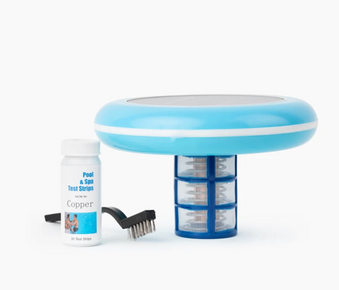
TL;DR: Green-tinted water is one of the most alarming sights for any pool owner, typically signaling an algae bloom that requires immediate attention. While solar pool ionizers are primarily preventive, they also play a crucial role in resolving green water issues through multiple mechanisms. Copper ions attack algae at the cellular level, ionic flocculation helps filter out dead algae cells, and stable chemistry prevents the conditions that allow algae to thrive. This guide explores how solar ionization both prevents and helps fix green water, providing systematic protocols for restoring crystal-clear water when problems occur.
SEO Summary: 2026 guide to fixing green-tinted water using solar pool ionizer: algae treatment, copper ion action, ionic flocculation, prevention strategies, and restoration protocols.
Table of Contents
- What Causes Green-Tinted Water
- How Copper Ions Kill Algae
- Immediate Response to Green Water
- Using Copper Boost for Treatment
- The Role of Filtration in Clearing Green Water
- The Phosphate Connection
- Prevention Strategies After Treatment
- Distinguishing Green from Other Issues
- When to Seek Professional Help
- Conclusion & Key Takeaways
What Causes Green-Tinted Water
Green-tinted water is almost always caused by algae, though the specific type and severity can vary. Understanding what you're dealing with is the first step toward effective treatment.
- Green algae are the most common culprit. These free-floating algae multiply rapidly in warm, sunlit water with adequate nutrients. A single algae cell can reproduce into millions within days, turning water from clear to green almost overnight. Green algae are highly susceptible to copper ions.
- Mustard algae appear as yellow-green or brownish deposits on walls and floors rather than free-floating in the water. While they can create a greenish tint, they're more commonly seen as spots. Mustard algae are more resistant to chlorine but respond well to copper.
- Blue-green algae are actually cyanobacteria, not true algae. They can create blue-green discoloration and may produce toxins. They're less common in well-maintained pools but can appear under certain conditions.
- Algae blooms occur when conditions favor rapid growth. Warm water above 80°F provides ideal temperatures. Sunlight fuels photosynthesis. Nutrients particularly phosphates provide the food. Low sanitizer levels allow algae to establish.
- Chlorine-resistant algae have become more common as algae adapt to traditional treatments. Some strains have developed protective mechanisms that make them harder to kill with chlorine alone. Copper's multiple mechanisms of action make it effective even against resistant strains.
- Green water can also be caused by metals, particularly copper, but this is less common. Copper cloudiness appears as blue-green tint and typically results from copper-based algaecides or corrosive water. Distinguishing between algae and metal issues is essential for proper treatment.
Solar pool ionizers address algae at their source, but understanding the specific cause helps in selecting the right treatment approach. The comprehensive solar pool ionizer vs traditional systems in 2026 comparison explains why copper-based sanitation is more effective against algae than chlorine alone.
How Copper Ions Kill Algae
Copper has been recognized as an effective algaecide for decades, but solar pool ionizers deliver copper in a fundamentally different and more effective way than traditional copper-based algaecides. Understanding the mechanisms helps explain why ionizers are so effective at both preventing and treating green water.
- Cell membrane disruption is the primary mechanism of copper's algicidal action. Positively charged copper ions are attracted to negatively charged sites on algal cell membranes. When copper binds to these sites, it alters membrane permeability, causing essential cellular contents to leak out. This physical disruption kills algae cells directly.
- Enzyme inhibition provides a second line of defense. Copper ions that enter algal cells bind to enzymes essential for photosynthesis and respiration. By displacing other metal cofactors, copper disables these enzymes, effectively starving the algae of energy. This mechanism works even at very low copper concentrations.
- Chlorophyll degradation is a visible effect of copper activity. Copper interferes with chlorophyll production and function, causing affected algae to lose their green color. This is why copper-treated algae often turn white or gray before dying, making the clearing process visible.
- Spore prevention is perhaps the most important mechanism for long-term control. Copper ions prevent algal spores from germinating, stopping algae before they can establish visible colonies. This preventive action is the key to eliminating outbreaks entirely.
- Multiple mechanisms working simultaneously make it extremely difficult for algae to develop resistance. While some algae have evolved resistance to specific chemical algaecides, copper's multi-faceted attack provides robust control that resistant strains cannot easily evade.
- Continuous presence is the key advantage over shock treatments. Traditional algaecides provide a one-time kill, after which surviving algae can rebound. Copper ions remain active continuously, providing ongoing protection even during treatment.
The science of copper ion algae control is well-established and explains why solar ionizers are so effective. The discussion of transforming water stability through a solar pool ionizer in 2026 explores how consistent copper levels enhance these mechanisms.
Immediate Response to Green Water
When you first notice green-tinted water, quick action is essential to prevent the bloom from worsening. A systematic response protocol ensures you address all contributing factors.
- Test copper levels immediately. If copper is below 0.2 ppm, the ionizer may not have been producing enough ions to prevent the bloom. If copper is in range but algae still appeared, other factors like phosphates or poor circulation may be involved.
- Brush all pool surfaces vigorously. This dislodges algae from walls, floors, steps, and corners, exposing them to circulating copper and making them easier to filter. Pay special attention to areas with poor circulation where algae often establish first.
- Run the pump continuously. During treatment, maximum filtration is essential. Continuous circulation ensures copper is distributed evenly and that dead algae cells are captured by the filter as quickly as possible.
- Test pH and adjust to 7.4 to 7.6 if outside range. Proper pH ensures copper remains soluble and effective. High pH can render copper ineffective even at adequate concentrations.
- Test phosphates and treat if above 500 ppb. Phosphates provide the nutrients that fueled the bloom. Removing them prevents regrowth after treatment.
- Clean or backwash the filter. A clean filter operates at peak efficiency, essential for removing dead algae cells. If pressure is elevated, clean immediately. Plan to clean again 24 to 48 hours after treatment as dead algae accumulate.
- Consider a copper boost if levels are low. Increase ionizer output temporarily to raise copper to 0.4 to 0.5 ppm during treatment. Return to normal levels after the water clears.
Immediate response is critical for minimizing the severity and duration of algae blooms. The operational guidelines for solar pool ionizer in 2026 provide detailed protocols for emergency situations including algae outbreaks.
Using Copper Boost for Treatment
During an algae bloom, temporarily increasing copper levels can accelerate treatment and ensure complete kill. Understanding how to safely boost copper is essential for effective treatment without causing staining.
- Target copper during treatment is 0.4 to 0.5 parts per million. This elevated level provides additional killing power without reaching the staining threshold. Do not exceed 0.5 ppm, as staining risk increases significantly above this level.
- Increase ionizer output in 10 percent increments. Make one adjustment and wait 48 hours before reassessing. Copper levels change slowly, and patience prevents over-correction.
- Monitor pH closely during treatment. High pH can cause copper to precipitate, reducing effectiveness and increasing staining risk. Maintain pH between 7.4 and 7.6 throughout the treatment period.
- Continue treatment until water clears completely. Algae die-off may take several days to a week depending on the severity of the bloom. Resist the urge to increase copper further if progress is slow check other factors like filtration and phosphates instead.
- Return to normal levels after clearing. Once water is clear, reduce ionizer output to maintain normal target range of 0.2 to 0.4 ppm. Continued elevated copper risks staining without providing additional benefit.
- Ascorbic acid test can confirm that green tint is from algae rather than copper. Crush vitamin C tablets and apply to a white bucket of pool water. If the green tint disappears, it was copper. If it remains, it's algae. This distinction is important for choosing the right treatment approach.
Copper boost is a powerful tool when used correctly. The comprehensive solar pool ionizers and copper staining 2026 complete guide provides detailed information on safe copper management during treatment.
The Role of Filtration in Clearing Green Water
Killing algae is only half the battle the dead algae cells must be removed from the water to restore clarity. Filtration plays a critical role in this process, and solar ionizers enhance filtration effectiveness even during treatment.
- Ionic flocculation continues working during algae treatment. As copper kills algae cells, the dead cells clump together through the same flocculation process that removes other particles. These larger clusters are captured far more efficiently by the filter.
- Filter pressure should be monitored closely during treatment. Dead algae cells will load the filter rapidly, causing pressure to rise. Clean or backwash as soon as pressure rises 8 to 10 PSI above clean baseline.
- Continuous pump operation is essential during treatment. Run the pump 24 hours a day until water clears. This maximizes filtration and ensures dead algae are removed rather than settling on surfaces.
- Multiple filter cleanings may be needed. As algae die-off progresses, the filter may need cleaning every 24 to 48 hours. This is normal and indicates that the treatment is working.
- Cartridge filters may require more frequent cleaning but are highly effective at capturing dead algae cells. Consider having a spare set of cartridges on hand to swap out during treatment.
- Sand and DE filters should be backwashed as pressure indicates. Extended backwash cycles may be needed to fully clean the media. After the water clears, consider a deep cleaning of the filter to remove any remaining organic matter.
- Vacuuming to waste can accelerate removal of dead algae. If your system allows, vacuuming directly to waste bypasses the filter, removing dead algae from the pool entirely. This is particularly helpful after brushing.
Filtration is essential for completing the algae treatment process. The how solar pool ionizer boosts pool efficiency in 2026 explains how ionic flocculation enhances filtration effectiveness even during challenging conditions.
The Phosphate Connection
Phosphates are often the hidden factor that allows algae to thrive even with adequate copper levels. Understanding and managing phosphates is essential for both treating current blooms and preventing future ones.
- Phosphates are essential nutrients for algae. Without phosphates, algae cannot grow regardless of copper levels. Phosphates enter pools through fertilizers, lawn chemicals, tap water, airborne dust, and even swimmers' skin and hair.
- Testing phosphates should be part of any algae investigation. Simple test kits provide results in minutes. Target levels below 500 parts per billion are recommended. Levels above 1000 ppb virtually guarantee eventual algae problems.
- Phosphate removers bind phosphates, allowing them to be filtered out. Apply according to product directions, typically after pH adjustment. Treatment may temporarily cloud water and will raise filter pressure plan to clean the filter 24 to 48 hours after application.
- Source control is the best long-term strategy. Rinse pool toys and floats before introducing them to the pool. Minimize fertilizer use near the pool area. Consider a garden hose pre-filter for make-up water. Encourage swimmers to shower before entering.
- Even with copper providing excellent algae control, phosphates still need attention. High phosphate levels create a nutrient-rich environment that challenges any sanitation system. Regular testing and occasional treatment maintain optimal conditions.
- After treating an algae bloom, always test and treat phosphates. The algae consumed phosphates as they grew, and when they die, they release them back into the water, creating a food source for the next bloom. Breaking this cycle is essential for prevention.
Phosphate management is essential for long-term algae control. The solar pool ionizer systems supporting cleaner water in 2026 provides detailed guidance on managing phosphates and other nutrients that affect water quality.
Prevention Strategies After Treatment
Once you've successfully cleared green water, implementing prevention strategies ensures the problem doesn't return. Solar ionizers make prevention easier, but attention to key factors is still essential.
- Maintain copper consistently between 0.2 and 0.4 ppm. This is the most important prevention measure. Test weekly and adjust output as needed. In warm weather or after heavy use, aim for the higher end of the range.
- Keep pH in the optimal range of 7.4 to 7.6. High pH reduces copper effectiveness and can allow algae to establish even with adequate copper levels. Test pH weekly and adjust promptly when needed.
- Monitor phosphates monthly and treat when levels exceed 500 ppb. Regular testing prevents nutrient buildup that could fuel future blooms. Keep records to identify patterns and anticipate treatment needs.
- Ensure adequate circulation to all areas of the pool. Dead spots behind ladders, in corners, and under steps can allow algae to establish even when bulk water is well-sanitized. Brush these areas weekly to disrupt any early growth.
- Run the pump sufficient hours for your pool size and conditions. In ionized pools, 4 to 6 hours daily is often sufficient, but verify that your specific pool achieves good clarity with your schedule. During hot weather, consider increasing runtime.
- Clean the filter regularly. A dirty filter cannot capture algae cells effectively, allowing them to remain in the water and potentially regrow. Follow manufacturer recommendations and clean more frequently during heavy use periods.
- Consider preventive phosphate treatments in high-risk areas. If you live in an area with naturally high phosphates or have recurring algae issues, applying a phosphate remover at the beginning of swim season can provide an extra layer of protection.
Prevention is always easier than treatment. The bringing predictable pool maintenance with a solar pool ionizer resource provides systematic approaches to maintaining the conditions that prevent algae blooms.
Distinguishing Green from Other Issues
Not all green-tinted water is caused by algae. Distinguishing between algae and other causes ensures you apply the right treatment and don't waste time on ineffective approaches.
- Algae green typically has a uniform, consistent tint throughout the pool. It may be accompanied by visible spots on walls or floor. The water may feel slippery. A sample in a white bucket will show the same green tint.
- Copper cloudiness appears as blue-green tint but often looks clear in a small sample while appearing green in the pool. It typically appears suddenly after shocking or pH changes. The vitamin C test is definitive crush tablets into a sample; if the green disappears, it's copper.
- Iron and manganese can cause greenish or brownish tints. These are less common but can occur in areas with well water. They often appear as staining on surfaces rather than uniform water discoloration.
- Pollen can create a yellow-green film on the water surface but rarely tints the entire water column. It typically accumulates at the waterline and in skimmers rather than throughout the pool.
- Chemical reactions between different pool products can sometimes create temporary discoloration. This is rare in ionized pools due to minimal chemical use.
- The drop test helps confirm algae. Take a sample of green water and add a few drops of liquid chlorine. If the green disappears within minutes, it was likely algae. If it remains, metals may be involved.
Accurate diagnosis is essential for effective treatment. The solar pool ionizer for cloudy water concerns in 2026 provides additional guidance on distinguishing between different types of water discoloration.
When to Seek Professional Help
While most algae blooms can be handled with the protocols described, some situations warrant professional assistance. Knowing when to call for help saves time and prevents frustration.
- Persistent blooms that don't respond to treatment after two weeks may indicate an underlying issue that requires professional diagnosis. Stubborn algae may have established deep roots in porous surfaces or may be a resistant strain requiring specialized treatment.
- Recurring blooms despite following prevention protocols suggest a systemic problem. Professionals can test for phosphates, inspect for circulation issues, and identify factors you may have missed.
- Black algae are particularly difficult to eliminate and often require professional treatment. Their deep roots and protective layers resist normal treatment, and improper attempts can spread the problem.
- Structural issues like cracks in plaster or grout can harbor algae that continually reinfect the pool. Professionals can identify and address these underlying problems.
- Equipment problems may be contributing to algae issues. A professional can inspect pumps, filters, and circulation systems to ensure they're operating correctly.
- Water testing by a professional lab provides definitive answers. If you're struggling with persistent issues, a comprehensive lab test can identify metals, phosphates, and other factors that home test kits may miss.
Professional support is available when needed. The solar pool ionizer impact on service models in 2026 discusses how professional pool services have adapted to support ionizer owners with specialized expertise.
Conclusion & Key Takeaways
Fixing green-tinted water using a solar pool ionizer is a systematic process that leverages the natural algicidal properties of copper ions. When a bloom occurs, immediate response testing copper, brushing surfaces, running continuous filtration, and addressing phosphates quickly brings the situation under control.
Temporary copper boosts to 0.4 to 0.5 ppm accelerate treatment, while careful pH management ensures copper remains effective. Filtration, enhanced by ionic flocculation, removes dead algae cells, restoring clarity. After treatment, prevention strategies consistent copper levels, pH control, phosphate management, and adequate circulation keep the problem from returning.
Distinguishing between algae green and metal-related green ensures you apply the right treatment. Most blooms respond well to the protocols described, but persistent or recurring issues may warrant professional support.
The result is that green water, while alarming, becomes a manageable problem rather than a recurring nightmare. Solar pool ionizers provide the tools to both treat and prevent algae, keeping your water crystal clear and inviting.
Key Takeaways
- Green water is almost always caused by algae, though metals can create similar discoloration. Accurate diagnosis is essential for effective treatment.
- Copper ions kill algae through multiple mechanisms: cell membrane disruption, enzyme inhibition, chlorophyll degradation, and spore prevention. This multi-faceted attack makes resistance unlikely.
- Immediate response to green water should include testing copper, brushing surfaces, running continuous filtration, adjusting pH, testing phosphates, and cleaning the filter.
- Temporary copper boost to 0.4 to 0.5 ppm accelerates treatment. Do not exceed 0.5 ppm to avoid staining risk. Return to normal levels after clearing.
- Filtration is essential for removing dead algae cells. Ionic flocculation enhances filter effectiveness. Expect to clean filters frequently during treatment.
- Phosphates fuel algae growth. Test and treat phosphates during and after a bloom to prevent recurrence. Source control reduces future phosphate introduction. The solar pool ionizer role in water strategy for 2026 explores nutrient management in broader context.
- Prevention after treatment requires consistent copper levels, pH control, phosphate monitoring, adequate circulation, and regular filter cleaning.
- Distinguishing between algae and metal issues prevents wasted effort. The vitamin C test quickly identifies copper-related green tint.
- Professional help is appropriate for persistent blooms, recurring problems, black algae, or suspected structural issues.
- Solar pool ionizers make algae management more effective than traditional systems. The combination of continuous copper activity, enhanced filtration, and stable chemistry provides multiple layers of protection. The long-term planning with solar pool ionizer systems in 2026 demonstrates how this reliability contributes to peace of mind.
Green water need not be a source of panic. With solar pool ionizers and the right protocols, you can quickly restore crystal-clear water and keep it that way.