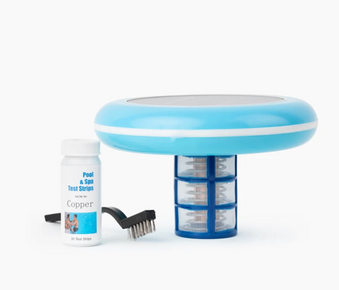
TL;DR: Solar pool ionizers completely transform daily pool care shifting from constant chemical testing and dosing to simple visual checks and occasional monitoring. This streamlined 2026 checklist cuts daily hands-on time from 15-20 minutes down to under 60 seconds while delivering superior water quality. Your new daily routine: quick clarity check, fast pH verification, glance at the solar panel, and flow indicator confirmation. Weekly and monthly tasks are equally simplified, turning pool ownership from a chore into pure enjoyment.
SEO Summary: 2026 daily pool checklists made for solar ionizer owners: 60-second daily checks, weekly copper and pH testing, monthly electrode inspections, and seasonal protocols for consistently clear water.
Table of Contents
- The Philosophy: Less Testing, More Trusting
- Daily Checklist: 60-Second Pool Management
- Weekly Checklist: 5-Minute Verification
- Monthly Checklist: 15-Minute Maintenance
- Seasonal Checklists: Opening, Peak, Closing & Winter
- Quick Reference: Printable Daily/Weekly Guide
- When Something Looks Wrong: Rapid Assessment Guide
- Smart Integration: Automating Your Checklists
- Conclusion & Key Takeaways
The Philosophy: Less Testing, More Trusting
Traditional pool management was built around chemical instability. Chlorine disappears in hours. pH swings constantly. Algaecides lose strength. This instability forced pool owners into a never-ending cycle of testing, adjusting, and buying more chemicals. Every day was another battle against water chemistry that refused to stay put.
Solar pool ionizers flip this entire model upside down. Copper and silver ions are naturally stable. They don't burn off in sunlight. They don't get used up fighting contaminants the way chlorine does. They don't evaporate or dissipate. Once your ionic field is established at 0.2-0.4 ppm copper, it stays there with almost no help from you. Your water chemistry becomes predictable, reliable, and trustworthy.
This stability requires a complete rethink of daily pool care. The old checklists test chlorine, adjust pH, add algaecide, shock weekly are now obsolete. The new approach emphasizes observation over measurement, confirmation over correction, and trust over constant tinkering. A properly dialed-in solar ionizer pool genuinely needs less than 60 seconds of daily attention. That's not a marketing promise; it's the natural result of stable chemistry and autonomous operation.
This guide delivers 2026's definitive daily, weekly, monthly, and seasonal checklists built specifically for solar pool ionizer owners. These protocols come from thousands of real-world ionizer installations and represent the collected wisdom of experienced owners and pool professionals. For a complete workflow overview, see our step-by-step pool care workflow.
Daily Checklist: 60-Second Pool Management
Your daily interaction with a solar-ionized pool should take less time than making your morning coffee. Here's the 2026 optimized daily checklist:
-
Visual Water Clarity Check (10 seconds): Walk to the deep end and look at the main drain or a dark object on the bottom. Sharp, clear definition means your pool is properly sanitized and filtered. Slight haze? Check filter pressure and verify pump runtime. Green tint? Move to algae assessment protocol.
Pro Tip: Train yourself to check clarity at the same time each day, ideally in the morning when light is consistent. Learn to spot the difference between chemical cloudiness (very rare in ionized pools) and early algae formation (green tint, slippery surfaces). -
Solar Panel Quick Glance (10 seconds): Look at your solar panel. Is it reasonably free of leaves, pine needles, heavy dust, or snow? A quick visual from ground level is sufficient. Panels self-clean reasonably well with rain, but heavy buildup blocks production.
Pro Tip: For ground-mounted panels, a weekly quick wipe with a soft brush or hose spray helps. For roof-mounted panels, binoculars once a season are sufficient. -
Flow Indicator Verification (10 seconds): Most modern ionizers include a flow indicator either a visible spinner in a clear chamber or an LED light on the controller. Confirm water is flowing through the ionizer chamber. No flow? Check if the pump is running, if the filter is clogged, or if valves are positioned correctly.
Pro Tip: If your ionizer lacks a visible flow indicator, place your hand on the chamber. It should feel slightly warm from electrical activity when operating in sunlight. -
pH Quick Check (30 seconds with strips, 10 seconds with digital): pH is the only chemical parameter that shifts noticeably in ionized pools, usually from aeration, rainfall, or fill water. A quick pH test with a strip or digital pen confirms stability. Target range: 7.2-7.8, ideal 7.4-7.6.
Pro Tip: Many experienced ionizer owners test pH daily for the first month to learn their pool's pattern, then drop to 2-3 times weekly once stability is confirmed. - Pump Operation Confirmation (5 seconds): Verify your pump is running on schedule. Listen for operation; glance at the timer or controller display. If you have variable-speed communication with your ionizer, this may be automatically verified.
Total Daily Time Commitment: 45-60 seconds
That's genuinely it. No chemical additions. No complicated test kits. No guesswork. For a deeper explanation of why daily chemical testing is unnecessary with ionizers, read our chemical-free maintenance guide.
Weekly Checklist: 5-Minute Verification
Once a week, expand your check to verify parameters that change slowly. Schedule this for a weekend morning when you have an extra five minutes.
-
Full pH and Alkalinity Test (2 minutes): Use a reliable liquid test kit or digital meter to measure both pH and total alkalinity. pH target: 7.4-7.6. Alkalinity target: 80-120 ppm (70-90 ppm is ideal for ionizer performance). Record your results. Adjust only if consistently outside these ranges.
Pro Tip: If pH consistently drifts above 7.8, test alkalinity. High alkalinity (above 120 ppm) causes pH rise. Lowering alkalinity to 70-90 ppm usually stabilizes pH. -
Copper Ion Concentration Test (2 minutes): Test copper levels using high-quality test strips or a digital copper meter. Target range: 0.2-0.4 ppm for residential pools. If copper is below 0.2 ppm for two consecutive weekly tests, increase ionizer output slightly. If consistently above 0.5 ppm, decrease output.
Pro Tip: Digital copper meters ($80-$150) provide lab-quality accuracy and are well worth the investment for serious pool owners. They eliminate the guesswork of reading test strips. For troubleshooting inconsistent copper readings, consult our copper test strip troubleshooting guide. -
Filter Pressure Gauge Reading (30 seconds): Read your filter pressure while the pump runs at normal speed. Compare it to your clean filter baseline pressure (recorded right after your last cleaning). When pressure rises 8-10 PSI above baseline, it's time to clean or backwash.
Pro Tip: Write your baseline pressure on the filter tank with a permanent marker. This eliminates all guesswork about when cleaning is needed. - Skimmer and Pump Basket Check (30 seconds): Quickly check skimmer baskets and the pump strainer basket for debris. Empty if partially filled. Clean baskets improve flow and reduce pump energy consumption.
- Visual Electrode Inspection (if chamber is transparent) (30 seconds): If your ionizer has a clear chamber, glance at the electrodes. Look for heavy scale buildup (white, crusty deposits) or significant erosion. A light, even patina is normal. Heavy scaling indicates high calcium or pH issues. Uneven erosion may mean flow problems.
Total Weekly Time Commitment: 5-7 minutes
Monthly Checklist: 15-Minute Maintenance
Monthly tasks focus on deeper verification and preventive maintenance. Schedule these for the first weekend of each month.
-
Comprehensive Water Testing (5 minutes): In addition to pH, alkalinity, and copper, test:
Calcium Hardness: Target 200-400 ppm (200-300 ppm is ideal for scale prevention).
Cyanuric Acid (CYA): For hybrid systems with minimal chlorine, keep below 30 ppm. For ionizer-only pools, CYA doesn't matter but may be present from previous products.
Total Dissolved Solids (TDS): Not routinely needed unless water feels "heavy" or clarity declines despite good chemistry.
Phosphates: Test quarterly, but monthly in high-risk areas. Treat if above 500 ppb.
Pro Tip: Consider a professional laboratory water test annually or biannually. These tests identify trace metals, bacteria, and subtle imbalances that home kits miss. - Solar Panel Cleaning (5 minutes): For ground-mounted panels: Hose off accumulated dust, pollen, and bird droppings. Use a soft brush if needed. For roof-mounted panels: Inspect with binoculars; clean if significant debris is visible. Consider professional cleaning annually.
- Pro Tip: Clean panels early morning or late evening to avoid thermal shock and maximize cleaning effectiveness.
-
Ionizer Chamber and Electrode Inspection (3 minutes): If your chamber is accessible, remove the electrode cartridge (follow manufacturer instructions) and inspect for:
Scale buildup: White, crusty deposits. Clean with mild acid solution (1 part muriatic acid to 10 parts water) if heavy. Light scale is normal.
Erosion pattern: Even erosion is normal. Uneven erosion indicates flow distribution problems.
Remaining mass: Estimate remaining electrode life. Most cartridges last 3-5 years with proper chemistry.
-
Pro Tip: Take a photo of your electrodes monthly. Comparing photos reveals gradual changes your eyes miss day to day. For complete guidance on maintaining optimal copper levels, see our copper staining prevention guide.
- Check All O-Rings and Seals (2 minutes): Inspect the pump lid O-ring, filter O-ring, and ionizer chamber seals. Look for cracks, flattening, or debris. Lubricate with silicone pool lubricant annually or as needed.
- Review Logs and Plan Ahead (Optional, 5 minutes): Review your daily and weekly logs. Look for trends pH consistently rising? Copper consumption increasing? Address underlying causes before they become problems.
Total Monthly Time Commitment: 15-20 minutes
Seasonal Checklists: Opening, Peak, Closing & Winter
Spring Opening Checklist (1-2 hours):
- Remove winter cover, clean, and store properly
- Reconnect and inspect all equipment
- Refill pool to proper operating level
- Start filtration system and verify no leaks
- Test and balance water chemistry (pH, alkalinity, calcium)
- Test copper level; add initial ion boost if needed
- Begin with ionizer at 70-80% of expected summer output
- Clean or replace electrodes if heavily scaled from previous season
- Shock with non-chlorine shock if water appears cloudy
- Run pump continuously for 24-48 hours to establish ionic field
Pro Tip: For a detailed step-by-step opening protocol, follow our complete pool opening guide.
Peak Season Checklist (Ongoing):
- Daily: 60-second visual/flow/pH verification
- Weekly: Full pH/alkalinity/copper test, filter pressure check
- Monthly: Comprehensive testing, panel cleaning, electrode inspection
- After heavy rain: Test pH and alkalinity; adjust if needed
- After heavy bather load: Consider non-chlorine shock; verify copper levels
- Monitor for phosphates; treat if above 500 ppb
Fall Closing Checklist (1-2 hours):
- Thoroughly clean pool and filter one final time
- Balance water chemistry (pH, alkalinity, calcium)
- Reduce ionizer output as water temperature drops below 60°F
- For freezing climates: Remove electrode cartridge and store indoors
- Drain ionizer chamber if freeze risk exists; leave valves in winter position
- Cover or store solar panel to protect from snow and ice damage
- Add winter algaecide if recommended for your climate
Pro Tip: Never leave electrodes in a freezing chamber. Ice expansion can crack ceramic components and damage electrode surfaces.
Winter Storage Checklist (As needed):
- Inspect electrodes stored indoors for scale; clean if needed
- Check solar panel for damage from winter storms
- Review maintenance logs and plan upcoming season purchases
- Order replacement electrodes if nearing end of life
Quick Reference: Printable Daily/Weekly Guide
SOLAR IONIZER QUICK REFERENCE 2026
DAILY (60 SECONDS):
- Water crystal clear?
- Solar panel clean?
- Flow indicator moving?
- pH 7.2-7.8? (quick strip)
- Pump running?
WEEKLY (5 MINUTES):
- pH 7.4-7.6
- Alkalinity 80-120 ppm
- Copper 0.2-0.4 ppm
- Filter pressure normal
- Baskets clean
MONTHLY (15 MINUTES):
- Calcium 200-400 ppm
- Phosphates <500 ppb
- Panels cleaned
- Electrodes inspected
- Log reviewed
TARGETS: pH 7.4-7.6 • TA 80-120 • Cu 0.2-0.4 • CH 200-400
When Something Looks Wrong: Rapid Assessment Guide
Even with excellent management, occasional issues can arise. Here's your rapid assessment protocol:
Cloudy Water:
- Check filter pressure clean if high
- Verify pump runtime increase if reduced
- Test copper if low, increase output
- Consider recent heavy rain or bather load non-chlorine shock may help
- If persistent, test for phosphates and treat if elevated
Algae Sightings:
- Immediately test copper should be 0.2-0.4 ppm
- If copper low, increase ionizer output
- Brush affected areas to expose algae to circulating ions
- Test phosphates treat if above 500 ppb
- Consider one-time algaecide treatment for severe blooms
For complete algae remediation, follow our green pool restoration guide.
No Copper Reading:
- Verify pump is running and water is flowing through the chamber
- Check that solar panel is receiving adequate sunlight
- Inspect electrodes for heavy scale or complete erosion
- Test controller output if equipped with diagnostic display
pH Constantly Rising:
- Test alkalinity likely too high (target 80-120 ppm)
- Reduce alkalinity using acid and aeration method
- Check for excessive aeration from waterfalls, fountains, or spillovers
- Verify fill water chemistry if frequently adding water
Staining Suspected:
- Test copper immediately should be below 0.5 ppm
- Reduce ionizer output if copper elevated
- Test pH should be below 7.8
- Apply sequestering agent formulated for copper
For comprehensive staining diagnosis and treatment, consult our copper staining complete guide.
Smart Integration: Automating Your Checklists
2026 technology makes it possible to progressively automate many of these checklist tasks. Smart monitoring systems can eliminate significant manual effort:
- Continuous pH/ORP Monitors ($300-$600): Deliver real-time pH readings to your smartphone. Alert you when pH drifts outside set ranges. Some models automatically dose acid or CO2 to maintain perfect pH without your involvement.
- Smart Flow and Pressure Sensors: Monitor filter performance and alert you when backwashing is needed. Detect pump failures instantly.
- Connected Copper Testers: Emerging technology in 2026 enables continuous copper monitoring with smartphone alerts when levels drop below target.
- Weather-Integrated Automation: Systems that automatically adjust pump schedules and ionizer output based on forecasted conditions.
Even with full automation, the daily visual check remains valuable. Technology enhances, but doesn't completely replace, engaged observation. For guidance on selecting and integrating smart monitoring, see our revolutionary features guide.
Conclusion & Key Takeaways
Solar pool ionizers don't just change how your water gets sanitized they change how you live with your pool. The shift from reactive chemical management to proactive observation-based care is genuinely transformative. Daily tasks shrink from 15 minutes of testing and dosing down to 60 seconds of simple verification. Weekly maintenance becomes a quick confirmation instead of a chemistry experiment. Monthly inspections catch small issues before they turn into expensive repairs.
This checklist system has been refined through thousands of real-world ionizer owner experiences. It's not theoretical best practices it's practical, field-tested protocols that work in actual pools with actual families, actual weather, and actual life. Adopt it fully, and your pool will reward you with sparkling clarity, silky water feel, and the most valuable benefit of all: more time to actually enjoy swimming instead of managing water chemistry.
Key Takeaways
- 60-Second Daily Management: Visual clarity check, solar panel glance, flow verification, quick pH test, pump confirmation that's genuinely all that's needed each day.
- 5-Minute Weekly Verification: Full pH/alkalinity test, copper measurement, filter pressure check, basket inspection, and electrode glance keep your system optimized.
- 15-Minute Monthly Maintenance: Comprehensive testing, panel cleaning, electrode inspection, and seal checks prevent problems and extend equipment life.
- Seasonal Protocols Prevent Problems: Structured opening, peak, closing, and winter procedures ensure year-round protection with minimal effort.
- Trust Your System: The single biggest adjustment for new ionizer owners is learning to trust the technology. It works continuously, autonomously, and effectively.
- Observation Trumps Measurement: With stable chemistry, visual clarity is your most powerful diagnostic tool. Learn to read what your water is telling you.
- Automation Enhances, Doesn't Replace: Smart monitors reduce manual tasks further, but engaged observation remains valuable.
Print this guide. Keep it near your equipment. Use it consistently for 30 days, and these checklists will become second nature. Your pool will be cleaner, your wallet fuller, and your weekends free for swimming rather than servicing. That's the promise of optimized solar ionizer pool management in 2026.