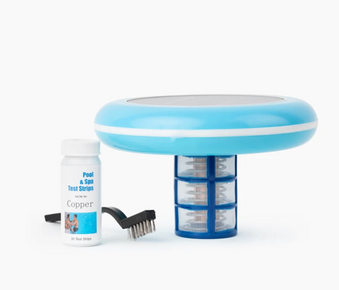
TL;DR: Open your pool efficiently with a solar pool ionizer by removing debris, balancing water chemistry, activating your ionizer system, cleaning filters and skimmers, and running your filtration system. This ensures crystal-clear water, optimized mineral levels, and safe swimming conditions from day one of the season.
SEO Summary: This comprehensive 2026 pool opening guide with solar pool ionizers walks you through debris removal, water chemistry balancing, ionizer setup, filter maintenance, and prevention strategies to ensure your pool is ready for safe, clear, and mineral-balanced swimming at the start of the season.
Table of Contents
Why Pool Opening Matters
Opening your pool properly at the start of the season is one of the most critical tasks for any pool owner. Winter can leave behind debris, stagnant water, and chemical imbalances that, if ignored, can lead to algae blooms, cloudy pool water, or even corrosion and damage to your pool surfaces and equipment. Rushing this process can result in higher chemical costs, extra labor, and a less enjoyable swimming environment.
Using a solar pool ionizer during pool opening provides an extra layer of protection and convenience. These devices release copper or silver ions that naturally inhibit algae, bacteria, and other microorganisms, dramatically reducing the need for traditional chemical sanitizers like chlorine. This helps maintain mineral levels, making the water gentler on skin and eyes, and prevents harsh chemical fluctuations that can damage pool equipment. When combined with proper water balancing and filtration, a solar ionizer ensures a cleaner, healthier, and more environmentally friendly pool from day one.
Taking the time for a step-by-step, careful pool opening saves money, reduces long-term maintenance headaches, and ensures your pool is swim-ready immediately. It sets the stage for consistent water clarity, stable mineral levels, and an enjoyable swimming experience all season long.
Step 1: Remove Debris and Winter Covers
The first step in opening your pool is removing all accumulated debris. Leaves, twigs, pine needles, and other organic matter can introduce bacteria and promote algae growth. Begin by using a pool skimmer to remove surface debris, then vacuum the pool bottom for settled material. For pools with winter covers, carefully remove the cover to avoid dumping additional dirt back into the pool.
Rinse and clean the winter cover, then store it in a cool, dry location to prevent mold and mildew. Don’t forget to inspect the pool deck, surrounding foliage, and gutters to remove debris that could blow into the pool during the season. Addressing these areas now prevents repeated cleaning later and ensures water circulation and filtration are efficient from the start.
Extra tip: Wear gloves and protective eyewear when handling debris and covers, as winter accumulation can be sharp, moldy, or otherwise hazardous.
Step 2: Fill and Balance Water
After clearing debris, fill your pool to the proper water level, usually just above the skimmer. Before adding any chemicals or activating the ionizer, test and understand your water chemistry using a reliable test kit. Key parameters to check include:
- pH: Ideal range 7.4–7.6. Low pH can corrode pool surfaces and equipment, while high pH reduces sanitizer effectiveness.
- Total alkalinity: 80–120 ppm. Stabilizes pH and prevents sudden fluctuations.
- Calcium hardness: Maintain recommended levels to prevent scaling or corrosion.
- Cyanuric acid (stabilizer): Protects chlorine from sunlight degradation if supplemental chlorine is used.
Adjust pH with increasers or reducers and alkalinity as needed. Use calcium chloride for calcium hardness adjustments if required. Proper water balance ensures your solar ionizer works efficiently, stabilizes mineral levels, and promotes clear, healthy water throughout the season.
Extra tip: Fill the pool slowly while monitoring chemical levels, especially for plaster or sensitive surfaces. Rapid water changes can disrupt mineral saturation, leading to scaling or etching.
Step 3: Activate Solar Pool Ionizer
Once water is balanced, install or reconnect your solar pool ionizer according to the manufacturer’s instructions. Ensure the solar panel receives full sunlight to maximize ion output. Inspect electrodes for buildup, scaling, or corrosion and clean or replace them if necessary.
Test the pool’s mineral content to ensure it falls within the recommended range (usually measured in parts per million). Copper ions help prevent algae, while silver ions inhibit bacterial growth. Activating the ionizer early allows minerals to circulate and stabilize, reducing the need for frequent chemical adjustments.
Extra tip: If your pool had heavy algae or bacterial growth in the past, run the ionizer continuously for the first few days to “jump-start” mineral circulation and establish optimal water conditions.
Step 4: Clean Filters and Skimmers
Proper filtration is crucial for distributing mineral ions and maintaining water clarity. Clean cartridge, sand, or DE filters according to manufacturer instructions. Rinse skimmer and pump baskets to remove any remaining winter debris. Inspect filter media for wear or damage, and replace as necessary.
After cleaning, run the filtration system for several hours to circulate water evenly. Efficient filtration ensures that minerals from the solar ionizer are distributed throughout the pool and prevents stagnant spots that could promote algae or bacterial growth.
Extra tip: Backwash sand or DE filters at this stage to remove trapped debris, and monitor pressure gauges to confirm proper flow rates.
Step 5: Sanitize and Clarify Water
Even with a solar ionizer, your pool may need an initial shock treatment to eliminate residual bacteria or algae. Use the proper dosage for your pool size and water condition. Run the filtration system continuously for 24–48 hours while monitoring water clarity, pH, and mineral levels.
If water remains cloudy, consider using a clarifier or enzyme treatment to bind small particles and facilitate filtration. The ionizer continues to provide low-level, mineral-based sanitization, reducing chlorine dependence and promoting a healthier swimming environment.
Extra tip: Avoid overloading the pool with chemicals. Make gradual adjustments while monitoring water quality to prevent sudden imbalances.
Seasonal Maintenance and Prevention Tips
Consistent maintenance ensures your pool stays clear and your ionizer performs optimally. Best practices include:
- Test water chemistry weekly and adjust as needed.
- Clean filters, skimmer baskets, and pump baskets regularly.
- Inspect ionizer electrodes for buildup or wear and clean or replace if necessary.
- Skim debris daily and use pool covers when the pool is idle.
- Pre-treat water before heavy pool usage or gatherings.
- Address chemical imbalances immediately to prevent pool algae or bacterial growth.
Following these practices minimizes chemical use, protects your equipment, and ensures optimal performance from your solar pool ionizer all season long.
Common Pool Opening Mistakes
Many pool owners unknowingly make mistakes that compromise water quality and equipment efficiency. Common pitfalls include:
- Skipping debris removal, which allows bacteria and algae to thrive early.
- Failing to balance water chemistry before activating the ionizer.
- Neglecting filter or skimmer cleaning, reducing water circulation.
- Swimming too soon, before sanitization and circulation are complete.
- Ignoring ionizer maintenance, decreasing mineral output and effectiveness.
- Overusing chemicals without monitoring, risking surface or equipment damage.
Being aware of these mistakes and avoiding them ensures a smoother, safer, and less labor-intensive pool season.
Key Takeaways
- Proper debris removal and cover management prevent bacteria and algae buildup from the start.
- Balancing water chemistry is essential for effective ionizer function and long-term water clarity.
- Activating the solar pool ionizer early provides continuous, mineral-based sanitization, reducing chemical use.
- Thorough filtration and skimmer maintenance distribute minerals evenly and prevent stagnation.
- Regular seasonal maintenance testing, cleaning, and monitoring prolongs equipment life and keeps water safe.
- Avoiding common mistakes like premature swimming or chemical overuse ensures a healthy, low-maintenance pool season.
Conclusion
Opening your pool with a solar pool ionizer is a reliable and eco-friendly way to start the swimming season with clean, balanced water. By carefully removing debris, balancing water chemistry, activating your ionizer, cleaning filtration systems, and running extended circulation, you establish a safe, low-maintenance environment that stays healthy throughout the season. With consistent attention and proper care, your pool will remain inviting, crystal-clear, and enjoyable for swimmers of all ages. Taking the time to follow these steps not only minimizes chemical use but also protects your equipment, extends the lifespan of your pool system, and ensures a stress-free, fun-filled season from the very first swim to the last.