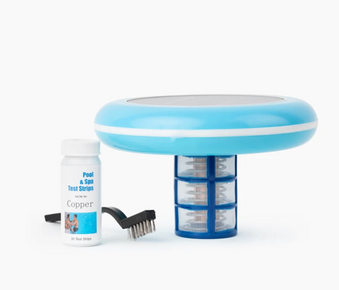
Pool ownership is more than just maintaining clear water and keeping the deck tidy. During active pool seasons, the mechanical and chemical components of your pool work harder than ever. Pumps run continuously, filters are under constant load, and every valve, O-ring, and seal is stressed by frequent use. Even small imperfections in these systems can escalate into major malfunctions if ignored. Replacement parts are not just optional they are essential for maintaining pool performance, water safety, and equipment longevity throughout the busiest months of the year.
This guide explores the critical role that replacement parts play in active pool seasons, detailing why timely maintenance is necessary, how worn components affect pool operation, and how proactive replacement strategies save money, reduce downtime, and protect swimmers.
Understanding the importance of timely maintenance and replacement is the first step in achieving a worry-free pool season. By monitoring wear, inspecting key components, and addressing minor issues before they escalate, pool owners can ensure continuous operation, prevent costly repairs, and maintain an enjoyable swimming environment for family and friends throughout the busiest months of the year.
Table of Contents
- 1. Understanding the Stress of High-Usage Pool Seasons
- 2. How Worn Parts Impact Water Quality and Safety
- 3. Energy Efficiency and Cost-Effectiveness of Timely Replacements
- 4. Preventing Unexpected Equipment Breakdowns
- 5. Extending the Life of Pool Equipment Through Replacement
- 6. Compatibility and Performance Benefits of Modern Replacement Parts
- 7. Final Thoughts: Proactive Replacement for a Smooth Season
1. Understanding the Stress of High-Usage Pool Seasons
During the peak swimming season, your pool undergoes an intense workload that far exceeds the demands of the off-season. Every system from circulation pumps to filtration units, heaters, and chemical feeders operates at or near maximum capacity. This high utilization exposes minor inefficiencies, accelerates wear, and amplifies the impact of even the smallest mechanical issues. Without careful attention, small problems can escalate rapidly, turning routine maintenance into costly emergency repairs.
Environmental factors during peak season further compound the stress. Direct sunlight increases UV exposure on exposed plastics and seals, heat accelerates chemical reactions in pool water, and heavy rainfall can introduce excess debris and change pool water chemistry. In addition, frequent swimmer activity adds oils, sunscreen residues, hair, and other contaminants, placing additional demands on filtration and sanitation systems. The combination of mechanical, chemical, and environmental stress makes structured monitoring and preventive maintenance essential for reliable operation.
1. Pump and Circulation Stress
- Continuous Operation: Pumps may operate 10–16 hours per day, moving thousands of gallons of water, especially during peak sunlight hours when algae growth is accelerated and filtration demand is high.
- Motor Heat Generation: Continuous running produces heat in the motor, which over time can degrade insulation, bearings, and electrical windings. Overheated motors are more likely to fail prematurely.
- Resistance Amplifies Strain: Even small obstructions, like a slightly worn impeller or sediment buildup, force the pump to work harder. This extra load consumes more electricity, generates additional heat, and increases wear on the motor.
- Impact on Downstream Equipment: A struggling pump affects water flow to filters, heaters, and chemical feeders, creating cascading inefficiencies that reduce water quality and increase energy costs.
- Real-Life Example: A pool with a partially clogged skimmer basket might seem minor, but over days of continuous operation, the pump may overheat, triggering automatic shutdowns and interrupting circulation.
2. Filter and Debris Load
- High Debris Volume: Peak season often coincides with leaf fall, pollen, and increased human activity. Filters face constant challenges removing dirt, hair, sunscreen, oils, and other contaminants.
- Reduced Efficiency: Clogged or partially blocked filters decrease flow rate, forcing pumps to work harder and reducing circulation efficiency. This can cause chemical imbalances, cloudy pool water, and uneven sanitizer distribution.
- Structural Strain: Filters designed for moderate use can experience premature wear. Media tears, cracked filter tanks, or eroded cartridges allow debris to pass through, stressing the entire circulation system.
- Maintenance Demands: High debris loads require more frequent cleaning, backwashing, or cartridge replacement to prevent filtration failures.
- Consequences: If filter problems are ignored, it can lead to rapid algae growth, increased chemical usage, and overworked pumps, creating a domino effect of system inefficiencies.
3. Heaters and Chemical Feeders
- Heater Load: Heaters may operate constantly to maintain stable water temperatures, especially when outdoor temperatures fluctuate or nights are cooler.
- Mechanical Wear: Heating elements, thermostats, and circulation pumps inside the heater experience accelerated wear under continuous operation. Neglect can lead to corrosion, scaling, or component burnout.
- Chemical Distribution: Chemical feeders must balance sanitizer levels, pH, and mineral content continuously. Worn seals, cracked tubing, or faulty feed pumps result in uneven distribution, creating pockets of untreated water and compromising water safety.
- Health and Comfort Impacts: Uneven chemical distribution increases the risk of bacterial contamination, algae blooms, eye irritation, and skin discomfort for swimmers.
4. Component Wear and Tear
- O-Rings, Gaskets, and Seals: Continuous pressure, UV exposure, and chemical contact accelerate degradation. Even minor cracking or drying can result in leaks that stress pumps and other components.
- Moving Parts: Shafts, impellers, and mechanical linkages require lubrication, which diminishes faster during high-load conditions. Friction increases energy consumption and accelerates wear.
- Cascading Failures: Minor inefficiencies can lead to overworked motors, leaking equipment, water loss, and even electrical hazards if ignored. A single degraded seal can compromise multiple systems at once.
- Observation: Regular inspections can detect subtle changes in vibration, noise, or water flow that indicate early-stage wear before catastrophic failure occurs.
5. Environmental and Seasonal Stress Factors
- UV Exposure: Prolonged sun exposure degrades plastics, seals, and rubber components, leading to cracking and brittleness.
- Temperature Fluctuations: Rapid heating and cooling cycles stress metal parts and joints, increasing fatigue and corrosion risk.
- Rain and Storms: Sudden influxes of water can overload skimmers, filters, and pumps, introducing dirt, debris, and organic material into the system.
- Heavy Bather Load: More swimmers introduce additional oils, lotions, hair, and contaminants, further straining sanitation systems and chemical feeders.
6. Importance of Timely Replacement
- Prevention of System Failure: By replacing worn parts before they fail, you prevent sudden breakdowns that can halt circulation, filtration, or chemical distribution during peak usage.
- Cost-Effective Maintenance: Proactive replacement is cheaper than emergency repairs, which often require urgent labor and expedited part shipping.
- Operational Reliability: Structured replacement ensures pumps, filters, heaters, and chemical feeders operate within design tolerances, maintaining efficiency, pool water clarity, and swimmer safety.
- Peace of Mind: Knowing that critical components are inspected and replaced on a schedule reduces stress and allows pool owners to focus on enjoyment rather than emergency problem-solving.
In conclusion, high-use pool seasons push every system to its limits. Understanding the multiple stress points mechanical, chemical, and environmental empowers pool owners to implement proactive maintenance strategies, schedule timely replacement of worn components, and avoid cascading system failures. By paying attention to pumps, filters, heaters, chemical feeders, and small but critical parts like O-rings and seals, pool owners can ensure consistent water quality, operational efficiency, and a worry-free swimming experience throughout the busiest months of the year.

2. How Worn Parts Impact Water Quality and Safety
Water quality is the lifeblood of a healthy swimming environment. Maintaining clean, clear, and chemically balanced water is critical not only for swimmer enjoyment but also for safety. Even minor degradation in pool equipment can compromise sanitation and circulation, triggering a cascade of water quality issues that can affect swimmers, pool surfaces, and equipment longevity.
1. The Role of Filtration in Maintaining Water Clarity
Filters are the first line of defense in keeping pool water free from debris, dirt, hair, oils, and microscopic contaminants. They are engineered to trap particles of various sizes and maintain water clarity for swimmers. However, even small imperfections in the filtration system can have a significant impact.
- A partially clogged or damaged filter loses efficiency, allowing debris to circulate instead of being trapped, resulting in cloudy water that is visually unappealing and potentially unsafe.
- Clogged filters force pumps to work harder, increasing motor strain and energy consumption, which accelerates wear on other system components.
- Debris passing through a compromised filter can accumulate on pool surfaces, promoting algae growth and creating slippery or unsanitary conditions.
- Filters that fail to perform optimally can also stress chemical systems, since sanitizers need clean, well-circulated water to maintain balanced chemical levels throughout the pool.
2. Pump and Seal Integrity
Pumps are responsible for circulating water through the filtration, heating, and chemical systems. The integrity of pumps, including seals and gaskets, is essential for maintaining consistent water flow. Worn or damaged seals can lead to leaks, reduced pressure, and uneven flow.
- Leaks may allow chlorine or other sanitizers to escape, lowering overall chemical efficacy and creating pockets of untreated water.
- Reduced water flow compromises filtration efficiency, allowing debris and pathogens to accumulate in the pool.
- A pump operating under strain from worn components can overheat, damaging motors, bearings, and connected plumbing.
- Even minor leaks around seals or O-rings can gradually escalate, creating larger maintenance problems if left unaddressed.
3. Chemical Feeders and Sanitizer Distribution
Chemical feeders play a critical role in maintaining the proper balance of chlorine, bromine, pH adjusters, and other necessary chemicals. Consistent chemical distribution ensures safe, sanitized water for all swimmers.
- Worn or malfunctioning feeder components can result in uneven chemical application, leaving some areas over-treated and others under-treated.
- Inconsistent sanitizer levels lead to fluctuations in pH, alkalinity, and mineral content, which can irritate skin and eyes, corrode pool surfaces, and reduce water safety.
- Undertreated zones increase the risk of bacterial contamination and algae proliferation, while overtreatment wastes chemicals and can damage equipment.
- Proactive maintenance ensures chemical feeders are functioning correctly, keeping sanitizer residuals steady and water consistently safe.
4. Cascading Effects of Minor Equipment Failures
Even minor wear or damage can have compounding consequences on overall water quality. A small imperfection in one component can trigger a chain reaction affecting the entire pool system.
- A slightly worn impeller may reduce water flow, forcing the pump to work harder, increasing energy use and heat generation, which can harm nearby equipment.
- A minor tear in a filter cartridge may let debris pass, contaminating the water and increasing the burden on the chemical system.
- Small leaks or loose connections can cause uneven circulation, creating pockets of stagnant water where algae and bacteria thrive.
- Cascading failures increase the likelihood of emergency repairs and longer downtime, especially during peak swimming season.
5. Impact on Swimmer Health and Comfort
Compromised water chemistry directly affects swimmer safety and enjoyment. Even brief exposure to poorly circulated or chemically imbalanced water can cause irritation and illness.
- Cloudy water reduces visibility, making it difficult to monitor swimmers and detect hazards.
- Imbalanced pH and sanitizer levels can cause skin and eye irritation, respiratory issues, and increase the risk of infections.
- High bacterial or algae counts may pose serious health risks, especially for children, the elderly, or immunocompromised swimmers.
- Maintaining proper circulation and chemical balance through timely part replacements ensures a safe, comfortable swimming experience for all users.
6. The Importance of Proactive Replacement
Timely replacement of worn or damaged parts is essential for sustaining water quality and system performance. A proactive approach ensures all components operate efficiently and reliably, preventing minor issues from escalating into major problems.
- Replacing worn seals, pool gaskets kits, impellers, and filter elements keeps pumps and circulation systems running optimally.
- Proactive replacement maintains even chemical distribution, preventing untreated zones and reducing the risk of algae or bacterial growth.
- Maintaining water clarity and chemical balance reduces stress on swimmers, minimizes chemical waste, and prolongs the life of pool surfaces and equipment.
- Structured replacement schedules allow pool owners to plan for maintenance costs and avoid costly emergency repairs during peak usage periods.
7. Long-Term Benefits of Proper Maintenance
By monitoring equipment wear and performing timely replacements, pool owners can enjoy long-term benefits that go beyond immediate water clarity and safety.
- Consistent water quality improves swimmer satisfaction, encouraging more frequent use and better overall pool experience.
- Efficient filtration and circulation reduce energy consumption and operational costs.
- Regularly replaced parts prevent cascading damage, extending the lifespan of pumps, heaters, chemical feeders, and other key components.
- Ultimately, proactive maintenance preserves the value of the pool, protects swimmer health, and ensures that the pool system performs reliably throughout each season.
In conclusion, the quality and safety of pool water are inextricably linked to the condition of every component in the system. Minor equipment degradation may seem insignificant, but it can rapidly escalate, impacting clarity, chemical balance, and swimmer safety. By adopting a structured replacement strategy and monitoring key components, pool owners ensure that water remains clean, safe, and enjoyable all season long.

3. Energy Efficiency and Cost-Effectiveness of Timely Replacements
Pool equipment efficiency is directly tied to both energy consumption and operational costs. Worn, damaged, or outdated components operate below their design capacity, creating invisible inefficiencies that can rapidly escalate into substantial financial and maintenance burdens. Pumps, heaters, and chemical feeders all rely on optimal mechanical performance to function effectively, and even minor degradation can lead to exponentially higher energy usage, wasted chemicals, and accelerated wear on connected components.
1. Pumps: The Heart of Circulation and Energy Use
Pumps are the most energy-intensive components of a pool system. They are designed to move water continuously through the filtration, heating, and chemical systems. However, when parts such as impellers, seals, bearings, or motor components degrade, the pump must work harder to achieve the same circulation, consuming significantly more electricity.
- A worn impeller creates resistance that reduces water flow. The motor compensates by drawing more power, increasing heat generation and mechanical strain.
- Loose or damaged seals allow small leaks that reduce system pressure, forcing the pump to operate at near maximum capacity to maintain circulation.
- Overworked pumps experience faster wear on bearings and motors, shortening their lifespan and creating a need for early replacement.
- Energy inefficiency compounds over time; even a 10% drop in pump performance can increase energy bills by hundreds of dollars per season, depending on pump size and run time.
2. Heaters and Energy Consumption
Pool heaters depend on consistent water flow and clean, unobstructed components to operate efficiently. Worn parts, clogged lines, or degraded valves force heaters to run longer and consume more energy to reach target water temperatures.
- A partially obstructed flow from a damaged pump or clogged filter reduces heater efficiency, requiring additional heating cycles.
- Leaky or deteriorated components in heater plumbing allow heat loss, forcing repeated activation and increasing fuel or electricity use.
- Extended heater run times accelerate wear on heat exchangers, pumps, and related mechanical systems, creating a cascading effect of energy waste and maintenance requirements.
- Modern heaters operate most efficiently under stable flow conditions. Proactive replacement of worn components ensures consistent performance, maintaining desired temperatures without unnecessary energy expenditure.
3. Chemical Feeders and Overuse of Sanitizers
Chemical feeders depend on reliable pumps, valves, and sensors to distribute sanitizers evenly throughout the pool. When worn parts compromise flow or circulation, chemicals may be delivered unevenly, prompting overcompensation that wastes product and raises operational costs.
- Worn O-rings or pump seals can allow chemicals to escape, reducing effectiveness and requiring higher dosage rates.
- Inconsistent water circulation causes localized chemical imbalances, which may necessitate emergency shocking your pool or additional chemical adjustments.
- Frequent overuse of chlorine, bromine, or pH adjusters not only increases costs but also accelerates corrosion of pool surfaces and equipment.
- Properly functioning replacement components ensure precise chemical distribution, preserving sanitizer effectiveness, and minimizing waste.
4. Cascading Effects of Equipment Inefficiency
Minor inefficiencies in one component often trigger a chain reaction throughout the entire pool system. For example, a slightly worn pump impeller reduces flow, which affects filtration efficiency, chemical distribution, and heater performance. This chain reaction magnifies both energy consumption and operational costs while increasing the likelihood of equipment failure.
- Reduced flow increases strain on pumps and motors, accelerating wear and shortening equipment lifespan.
- Inefficient filtration leads to cloudy water, requiring additional chemical treatment and increasing sanitizer costs.
- Extended heater operation drives up electricity or fuel consumption, creating a feedback loop of inefficiency that affects the entire pool ecosystem.
- Small leaks or degraded components may seem minor but can collectively increase energy bills and maintenance costs by 20–30% or more per season.
5. The Role of Timely Replacement in Efficiency
Replacing worn or damaged components restores optimal system performance. New pump impellers allow water to flow smoothly with minimal resistance, reducing motor load and electricity consumption. Fresh O-rings and seals prevent leaks, conserving water and chemical use. Upgrading to modern components designed for energy efficiency can further reduce operational costs while improving reliability.
- Timely replacements prevent cascading inefficiencies, ensuring all connected components operate within design specifications.
- Energy savings from a properly functioning pump can offset the cost of replacement parts within a single season, making proactive maintenance a cost-effective investment.
- Modern replacement parts are often engineered for lower friction, better durability, and enhanced flow efficiency, offering long-term savings in energy and chemical usage.
- Structured replacement schedules allow pool owners to budget for maintenance proactively, avoiding emergency expenses that can exceed the cumulative cost of scheduled part replacements.
6. Long-Term Cost Benefits and Sustainability
Investing in timely replacements is not just about immediate efficiency; it provides long-term financial and environmental benefits. Reduced energy consumption lowers electricity bills and decreases the pool's carbon footprint. Minimizing chemical overuse conserves resources and reduces the potential for environmental impact from runoff or waste.
- Predictable operational efficiency extends the lifespan of pumps, heaters, and chemical systems, reducing the frequency of expensive replacements.
- Minimizing unnecessary energy and chemical use saves hundreds or even thousands of dollars over multiple pool seasons.
- Efficient equipment reduces greenhouse gas emissions, contributing to more sustainable pool operation and environmentally responsible ownership.
- Proactive maintenance ensures uninterrupted pool enjoyment, avoiding costly downtime during peak swimming periods.
7. Conclusion: The Strategic Value of Replacement Parts
In high-usage pool seasons, every component’s efficiency has a direct financial and operational impact. Worn parts increase energy consumption, chemical use, and equipment wear, creating a compounding effect on costs and system reliability. Timely replacement restores performance, reduces waste, and ensures predictable operation. Beyond immediate savings, a structured replacement strategy protects the pool system, extends equipment lifespan, and supports long-term sustainability and cost-effectiveness. Treating replacement parts as a strategic investment transforms pool maintenance from reactive problem-solving into proactive, efficient, and cost-conscious management.

4. Preventing Unexpected Equipment Breakdowns
Nothing disrupts a pool season more dramatically than unexpected equipment failure. During peak swimming months, pumps, filters, heaters, and chemical feeders operate continuously, leaving little room for error. A single component failure can cascade into system-wide issues, rendering the pool unusable, jeopardizing water quality, and creating urgent, expensive repair scenarios. Common failures include pumps seizing due to worn bearings, filters cracking from prolonged stress, and heaters shutting down because of obstructed flow or mechanical strain.
1. The Hidden Risks of Worn Components
Most breakdowns do not occur spontaneously; they are the result of gradual wear and tear on essential components. Seals dry out or crack under constant heat and UV exposure, gaskets warp from pressure fluctuations, and impellers erode from constant contact with debris-laden water. Even seemingly minor issues like a slightly loose pump coupling or a partially clogged filter can escalate over time into catastrophic failures.
- Seals: Worn or dry seals lead to leaks that compromise pressure and circulation, which can damage pump motors or cause electrical hazards.
- Gaskets: Warped gaskets reduce the effectiveness of mechanical joints, increasing the risk of leaks or sudden detachment of components.
- Impellers: Eroded or unbalanced impellers reduce water flow, increase motor strain, and can ultimately seize pumps entirely.
- Valves and fittings: Corroded or sticky valves restrict flow, causing heaters and chemical feeders to operate under suboptimal conditions and increasing overall system stress.
2. Cascading Effects of Equipment Failure
When one component fails, it rarely affects the system in isolation. Instead, it triggers a chain reaction that can impact pumps, filters, heaters, and chemical distribution simultaneously. For example, a seized pump interrupts circulation, which compromises filtration efficiency, leading to cloudy water. This in turn stresses chemical feeders that attempt to compensate, potentially creating localized sanitizer imbalances. Heaters may continue running against restricted flow, accelerating wear and increasing energy consumption, while downstream components face sudden pressure changes that could cause cracks, leaks, or further mechanical failures.
- Minor leaks can overwork pumps, shortening motor life.
- Clogged or cracked filters force heaters to run longer, increasing energy costs and accelerating wear.
- Inconsistent water circulation can lead to chemical imbalances, increasing the risk of pool algae growth and bacterial contamination.
3. The Importance of Proactive Replacement Schedules
Structured maintenance and replacement schedules are the cornerstone of preventing unexpected failures. By monitoring the condition of high-stress components, pool owners can anticipate wear and replace parts before they cause a breakdown. This proactive approach ensures the pool system continues to operate efficiently, water quality remains high, and swimmer safety is never compromised.
- Routine inspections of seals, gaskets, impellers, and bearings allow early detection of wear.
- Scheduled replacement intervals prevent parts from reaching critical failure thresholds.
- Documenting component age and usage history supports predictive maintenance strategies, allowing repairs to be planned rather than reactive.
- Proactive replacement reduces the likelihood of emergency repairs, which are often more expensive, time-consuming, and stressful than planned maintenance.
4. Planning for Labor, Parts, and Budget
Predictable maintenance allows pool owners to plan labor requirements, maintain spare part inventories, and manage budgets effectively. Knowing which parts require replacement each season minimizes downtime, ensures technicians are available when needed, and eliminates last-minute expenses associated with urgent repairs. A well-stocked inventory of commonly replaced components such as seals, impellers, and O-rings allows immediate replacement without waiting for shipments, further reducing operational disruptions.
- Labor scheduling becomes more predictable, allowing technicians to perform maintenance during off-peak hours without rushing.
- Inventory management ensures critical parts are available, avoiding the cascading delays caused by out-of-stock replacements.
- Budgeting for replacement parts and scheduled maintenance is far more cost-effective than emergency repairs, which often include premium labor fees and expedited shipping costs.
5. Case Study: Preventing Mid-Season Pump Failure
Consider a mid-sized residential pool during peak summer. The main circulation pump shows early signs of bearing wear, resulting in slight vibration. A proactive replacement plan identifies the problem during routine inspection, allowing the bearing to be replaced before the pump fails. Without intervention, the worn bearing could have caused the pump to seize entirely, stopping water circulation. This would have forced immediate chemical adjustments, increased filtration strain, potential heater damage, and costly emergency repairs. By replacing the part preemptively, energy efficiency was restored, water quality maintained, and the pool remained fully operational throughout peak season.
6. The Broader Impact of Preventative Maintenance
Beyond avoiding downtime, proactive maintenance enhances overall pool system longevity. Components replaced before catastrophic failure place less stress on connected systems, reduce energy consumption, and prevent damage that can propagate throughout the pool ecosystem. Over time, this approach reduces the cumulative cost of ownership, improves swimmer safety, and ensures a more enjoyable, worry-free swimming experience.
7. Conclusion: Predictable Reliability Through Replacement
Unexpected equipment breakdowns are not simply inconvenient they threaten the functionality, safety, and efficiency of an entire pool system. Proactive replacement schedules, routine inspections, and predictive maintenance are essential strategies for preventing these disruptions. By anticipating component wear, planning labor and inventory, and replacing parts before failure, pool owners maintain consistent water circulation, avoid emergency expenses, extend equipment lifespan, and ensure a smooth, uninterrupted pool season. Treating replacement parts as a critical aspect of maintenance transforms reactive firefighting into strategic, reliable, and efficient pool management.

5. Extending the Life of Pool Equipment Through Replacement
Replacing worn parts is not merely a reactive solution for immediate problems; it is a strategic approach to ensuring the long-term health and performance of your entire pool system. Pool equipment including pumps, filters, heaters, and chemical feeders is engineered to operate within precise tolerances. When a component falls below its optimal performance level, it places additional strain on the surrounding equipment. This stress accelerates wear, increases energy consumption, and can trigger a chain reaction of failures throughout the system.
Consider the example of a pump running with a partially eroded impeller. Even a small reduction in water flow forces the motor to work harder to maintain circulation. Over time, this extra effort increases heat, vibrations, and mechanical fatigue, which can reduce motor lifespan significantly. Similarly, a leaking seal may seem like a minor inconvenience initially, but water damage to nearby electronics, wiring, or control panels can result in costly repairs or complete equipment replacement.
Filters, too, are highly sensitive to neglect. Clogged or damaged filter cartridges reduce water clarity and force chemical feeders to overcompensate. This not only increases chemical costs but also places additional stress on pumps and circulation systems. Over time, this stress accumulates, leading to more frequent breakdowns and decreased overall system reliability.
By proactively replacing worn components, pool owners maintain operational efficiency, prevent cascading damage, and protect their investment. Regular maintenance keeps equipment running within design specifications, which maximizes lifespan and ensures a worry-free, consistent swimming experience.
1. Key Benefits of Proactive Part Replacement
- Reduced Mechanical Strain: Replacing worn impellers, bearings, or pool pump motors ensures that each component operates smoothly, preventing undue stress on connected parts.
- Prevention of Cascading Failures: Early replacement stops minor issues from escalating into system-wide breakdowns, saving both time and money.
- Optimized Energy Efficiency: Efficient components reduce electrical consumption by ensuring pumps, heaters, and circulation systems run without unnecessary resistance or overwork.
- Improved Water Quality: Fully functional filters and pumps maintain consistent water circulation, ensuring chemicals are distributed evenly and water remains clear and safe.
- Extended Lifespan of Equipment: Operating within design tolerances reduces wear and tear, extending the effective life of costly pool equipment.
2. Common Examples of Equipment Strain
Understanding how worn parts affect other components helps illustrate the importance of timely replacement:
- Pumps: A partially worn impeller reduces flow rate, forcing motors to run at higher loads and increasing the likelihood of overheating.
- Filters: Damaged filter cartridges allow debris to bypass the system, causing chemical feeders to overwork and pumps to strain under additional resistance.
- Heaters: Restricted flow from clogged or worn components can make heaters cycle longer, shortening their lifespan and increasing energy usage.
- Valves and Seals: Leaks from degraded seals not only waste water and chemicals but can also corrode surrounding metal components and electrical systems.
3. Strategies for Maximizing Equipment Life
To ensure that pool systems reach their full lifespan potential, pool owners should adopt proactive strategies for monitoring and replacement:
- Routine Inspections: Schedule regular checks of pumps, filters, heaters, and chemical feeders to detect wear before failure occurs.
- Replacement Schedules: Maintain a calendar for critical components based on manufacturer recommendations, peak usage, and observed wear patterns.
- Inventory of Spare Parts: Keep commonly replaced items like O-rings, seals, impellers, and filter cartridges on hand to minimize downtime when replacement is needed.
- Documentation: Track component age, maintenance history, and observed wear to predict replacement needs and reduce unexpected failures.
4. The Long-Term Advantages of Regular Replacement
Adopting a proactive replacement strategy offers multiple long-term benefits. Reduced stress on components not only preserves energy efficiency but also prevents minor issues from compounding into major failures. Consistently replacing worn parts keeps pumps, filters, heaters, and chemical feeders functioning optimally, ensuring water remains clean, clear, and balanced. Additionally, predictable maintenance schedules allow pool owners to manage costs, plan labor, and reduce the likelihood of emergency repairs.
Ultimately, treating replacement parts as essential elements of seasonal pool maintenance transforms the ownership experience. Instead of reacting to problems as they arise, pool owners maintain a smooth, reliable system that delivers consistent performance year after year. This strategic approach maximizes equipment lifespan, protects investments, and guarantees that the pool remains a safe and enjoyable environment for swimmers throughout every active season.

6. Compatibility and Performance Benefits of Modern Replacement Parts
Pool equipment technology is constantly evolving. Every year, manufacturers introduce new pumps, filters, heaters, and chemical feeders with enhanced performance, durability, and energy efficiency. As a result, modern replacement parts often outperform older components in multiple dimensions, making them a critical investment for maintaining the longevity, safety, and efficiency of your pool system. Even pools that are several years old can experience significant performance improvements simply by updating key components to current standards.
For example, modern water pump designs feature improved impeller shapes and motor efficiency, reducing the amount of electricity required to circulate water. Newer seals are engineered from advanced materials that resist UV exposure, chemical degradation, and mechanical wear, preventing leaks and reducing maintenance frequency. Advanced filter cartridges now capture smaller particles with greater precision, maintaining water clarity and reducing the strain on pumps and chemical feeders. These improvements collectively result in a system that is both more reliable and easier to maintain.
Installing compatible modern replacement parts is not only about improving efficiency it also ensures that older systems continue to operate optimally. Even a well-maintained pump or filter from five or ten years ago can be upgraded with components that reduce energy usage, prevent leaks, and enhance overall performance. This is particularly important in high-use seasons when every component is under constant stress. By carefully selecting modern replacement parts that are fully compatible with your existing system, pool owners can achieve performance levels that rival or exceed those of brand-new installations.
1. Key Advantages of Modern Replacement Components
- Enhanced Durability: New materials and improved manufacturing techniques extend the lifespan of critical components, reducing the frequency of replacements.
- Improved Energy Efficiency: Modern pumps, motors, and filtration systems require less electricity, lowering operational costs while maintaining optimal circulation.
- Better Water Quality: Advanced filters and circulation components capture finer debris and distribute chemicals more evenly, improving overall water clarity and safety.
- Resistance to Environmental Stressors: UV-resistant seals, corrosion-resistant metals, and chemically resistant plastics help components withstand harsh pool conditions over time.
- Optimized Chemical Usage: Improved circulation and filtration efficiency allow chemical feeders to operate more precisely, reducing overuse of chlorine and other sanitizers.
2. Practical Considerations When Upgrading
Choosing the right modern replacement part is not just a matter of selecting the newest model. Compatibility with existing equipment is critical to prevent issues such as leaks, vibration, or reduced flow rates. Consider the following factors when upgrading:
- Correct Sizing: Pumps, filters, and seals must match the specifications of your existing system to ensure proper water flow and mechanical alignment.
- Material Compatibility: Some older pool components may be sensitive to certain modern materials. Always verify chemical and physical compatibility before installing new parts.
- Manufacturer Recommendations: Use components approved or recommended by your equipment manufacturer to maintain warranty coverage and ensure reliable performance.
- Flow and Pressure Matching: Advanced pumps and filters may operate differently than older models. Ensure that flow rates, pressure tolerances, and plumbing connections align with your system.
3. Long-Term Benefits of Modern Components
Upgrading to modern replacement parts provides benefits that go far beyond immediate repair needs. Enhanced durability reduces the risk of unexpected failures, while energy-efficient pumps and motors lower utility costs throughout the swimming season. Improved chemical distribution maintains safer, clearer water with less effort and fewer chemical adjustments. Swimmers benefit from more comfortable water, while pool owners enjoy reduced maintenance demands and increased peace of mind.
Furthermore, by integrating modern parts into an older system, you effectively future-proof your pool equipment. Advanced features such as optimized hydraulics, improved motor controls, and UV-resistant materials help the pool perform efficiently under both high and low load conditions, ensuring reliability for years to come. The combination of improved performance, reliability, and energy efficiency makes modern replacement parts not merely optional, but a crucial investment in the longevity and enjoyment of your pool.
In short, modern replacement parts bridge the gap between aging equipment and current technological standards. By carefully selecting components that are both compatible and advanced, pool owners can achieve optimal performance, maintain consistent water quality, and extend the functional life of their system while reducing long-term operating costs. Neglecting to upgrade can result in inefficiencies, increased maintenance demands, and potential system failures that could have been easily prevented with the right modern components.
7. Final Thoughts: Proactive Replacement for a Smooth Season
Active pool seasons place significant demands on every component. Pumps, filters, heaters, and chemical feeders operate continuously, leaving little room for worn or degraded parts. Neglecting replacement risks equipment failure, understanding pool water chemistry, and operational efficiency.
Proactive replacement ensures uninterrupted enjoyment, predictable maintenance costs, and longer equipment life. Monitoring wear, planning replacements, and using modern, compatible parts prevent breakdowns, maintain clean and safe water, and maximize energy efficiency.
Investing in a structured replacement schedule guarantees smooth pool operation. Predictable component performance, improved reliability, and consistent water quality are the rewards of treating replacement parts as essential to seasonal pool maintenance. Replacement parts aren’t optional they are the foundation of a worry-free, enjoyable pool season.