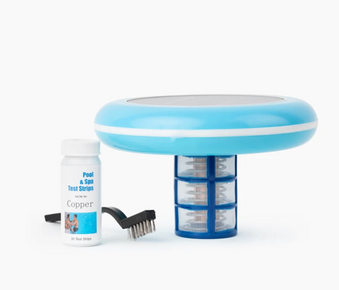
TL;DR: Solar pool ionizer placement has evolved dramatically from the utilitarian equipment-pad installations of the past. In 2026, ionizers are being integrated into pool designs with the same care as lighting, water features, and landscaping. Architects and designers are discovering that these systems can be placed in ways that enhance rather than detract from the aesthetic vision. From discreet equipment pad integration to solar panels that double as shade structures, from concealed chambers to visible elements that celebrate the technology, placement options have expanded significantly. This guide explores how ionizer placement is evolving alongside pool design, offering both practical guidance and creative inspiration.
SEO Summary: 2026 guide to solar pool ionizer placement evolving with design: equipment pad integration, solar panel aesthetics, chamber concealment, and creative placement strategies for modern pools.
Table of Contents
- The Evolution of Pool Equipment Placement
- Equipment Pad Integration Strategies
- Solar Panel Aesthetics and Placement
- Ionizer Chamber Concealment Options
- Structural Integration Opportunities
- Landscape and Hardscape Integration
- Retrofit Placement Considerations
- Commercial and Public Pool Design
- Future Trends in Ionizer Placement
- Conclusion & Key Takeaways
The Evolution of Pool Equipment Placement
Pool equipment has historically been treated as an unfortunate necessity, something to be hidden away behind fences, buried in landscaping, or relegated to the least visible corner of the property. This utilitarian approach reflected the assumption that pool equipment was inherently ugly and that the best one could do was conceal it.
The year 2026 marks a fundamental shift in this thinking. Solar pool ionizers, with their clean lines, solar panels, and sophisticated controllers, are being recognized as design elements in their own right. Placement is no longer just about function it is about integration, aesthetics, and even celebration.
- Historical equipment placement prioritized concealment above all else. Equipment pads were tucked into corners, hidden behind shrubs, or placed where they would be least visible. Access for maintenance was often an afterthought, leading to cramped, difficult-to-service installations.
- The equipment pad evolved as pools became more complex. Multiple pumps, heaters, filters, and chemical feeders required organized layouts, but aesthetics remained secondary. The equipment area was a utility zone, separate from the designed landscape.
- Solar ionizers challenge this paradigm with their unique components. Solar panels require sun exposure, often in locations that were previously considered prime real estate for landscaping or architecture. Controllers have displays that owners want to see. Chambers have visual indicators that reward occasional inspection.
- Designers are responding with creative solutions. Solar panels are being integrated into pergolas, shade structures, and architectural features. Controllers are being mounted in visible locations with the same care as outdoor lighting controls. Chambers are being placed where they can be seen and appreciated.
- Homeowner expectations have shifted. Today's pool owners expect their outdoor spaces to be cohesive and beautiful. They want equipment that doesn't detract from the aesthetic vision and, ideally, enhances it. Solar ionizers, with their clean, modern appearance, can meet this expectation.
The evolution of pool equipment placement is part of the broader reinvention of backyard pools. Our article on reinventing backyard pools with solar ionizers explores how all aspects of pool design are being reimagined for modern living.
Equipment Pad Integration Strategies
The equipment pad remains the practical heart of any pool system, but its design and placement can be approached more thoughtfully than in the past. Solar pool ionizers offer new opportunities for equipment pad integration.
- Pad location should balance accessibility, aesthetics, and functional requirements. The ionizer chamber must be placed on the return line after the filter and heater, which often dictates pad location. However, within that constraint, there is usually flexibility to optimize for visibility, maintenance access, and future expansion.
- Pad size must accommodate current equipment while allowing for future additions. A minimum of 4 feet by 6 feet is recommended for residential installations, with commercial applications requiring significantly more space. Including the ionizer controller and solar panel connections in the pad layout ensures everything fits comfortably.
- Pad materials have evolved beyond plain concrete. Stamped concrete, pavers, and decorative aggregates can make the equipment area visually appealing. Some designers use the same materials as adjacent patios or walkways, creating visual continuity.
- Screening options have become more sophisticated. Rather than hiding equipment behind generic shrubs, designers are using louvered panels, living walls, and architectural screens that complement the overall design. These screens can be designed to allow airflow while concealing equipment.
- Color coordination of equipment is increasingly available. Many manufacturers now offer controllers and chambers in multiple colors to blend with or accent surrounding materials. Matching equipment to nearby structures creates a cohesive look.
- Lighting the equipment area serves both practical and aesthetic purposes. Well-placed lighting makes maintenance easier after dark and can turn the equipment area into a design feature rather than a dark corner.
Equipment pad integration requires collaboration between pool designers, landscape architects, and equipment suppliers. The financial benefits of thoughtful placement, including reduced maintenance costs over time, are explored in our article on pool budget strategy, which demonstrates how good design protects your investment.
Solar Panel Aesthetics and Placement
The solar panel is often the most visible component of an ionizer system, and its placement has significant aesthetic implications. Fortunately, solar panels have evolved from utilitarian blue rectangles into versatile design elements.
- Panel appearance has improved dramatically. Modern panels feature all-black designs with uniform appearance, eliminating the silver frames and visible grid lines of earlier models. These panels blend more naturally with roofs and other structures.
- Pergola and shade structure integration is increasingly popular. Solar panels can serve as roofing material for pergolas, providing both shade and power generation. This dual-purpose approach turns a necessary component into an amenity, creating usable shaded space while generating energy.
- Ground mounting with landscaping integration allows panels to become garden features. Low-profile mounts with plantings around the base can make panels appear intentional rather than突兀. Panels can be oriented to maximize production while fitting within the landscape design.
- Fence and wall mounting works well in smaller spaces. Panels can be mounted on existing fences or walls, taking advantage of vertical space that might otherwise go unused. Color-matched frames help panels blend with their background.
- Remote mounting is an option when the equipment pad area is shaded. Panels can be placed in sunny locations elsewhere on the property, with wiring run back to the controller. This flexibility allows optimal placement without compromising equipment pad location.
- Building-integrated photovoltaic (BIPV) options are emerging. Some manufacturers offer panels designed to integrate with specific roofing materials, creating a seamless appearance. While still premium-priced, these options are becoming more accessible.
- Seasonal angle adjustment can be accommodated with adjustable mounts. These allow panel tilt to be optimized for different sun angles, improving year-round performance. Adjustable mounts can be designed to be unobtrusive when not being adjusted.
Solar panel placement should balance energy production with aesthetic considerations. The efficiency gains from optimal panel placement are detailed in our guide to how solar ionizers align with efficiency goals, which quantifies the performance benefits of proper positioning.
Ionizer Chamber Concealment Options
The ionizer chamber, where copper and silver ions are generated, is typically installed in the equipment pad area. While functional, it need not be visually prominent. Several concealment options are available.
- In-ground chamber placement is possible in some installations. Chambers designed for burial can be installed below grade, with only the access cover visible. This completely conceals the chamber while maintaining accessibility for maintenance.
- Valve box enclosures can house chambers in a neat, organized package. These enclosures, typically made of durable plastic or fiberglass, provide protection while keeping the chamber accessible. Multiple valves and fittings can be housed in the same box.
- Equipment pad integration with matching enclosures creates a unified look. Some manufacturers offer enclosures that match the styling of other pool equipment, allowing the chamber to blend in rather than stand out.
- Landscaping around the equipment area can screen the chamber without impeding access. Low-maintenance plantings, decorative rocks, or mulch beds can soften the equipment area while allowing easy access for maintenance.
- Decorative screens specifically designed for pool equipment are available from several manufacturers. These screens are attractive, durable, and designed to allow adequate airflow while concealing equipment.
- Chamber orientation can be optimized for appearance. Positioning the chamber so that less visually interesting aspects face viewing areas can improve the overall look of the equipment pad.
Chamber concealment should never compromise accessibility or safety. The chamber must remain accessible for electrode inspection and replacement, and flow indicators must be visible for operational checks. Good design balances concealment with these functional requirements.
Structural Integration Opportunities
Beyond the equipment pad, solar pool ionizers offer opportunities for integration with the built environment of the pool area. These structural integrations can turn necessary components into design features.
- Pool house integration is a natural fit. If the property includes a pool house, cabana, or other structure, the ionizer controller and even the chamber can be housed inside. This provides complete concealment while maintaining easy access. The solar panel can be mounted on the roof.
- Retaining walls can incorporate equipment space. A section of retaining wall can be designed with a recessed area for equipment, concealed by a decorative panel or door. This uses space that might otherwise be wasted while keeping equipment accessible.
- Steps and seating can hide equipment. The space under poolside steps or built-in seating can be utilized for equipment housing. Access panels in the vertical surfaces allow maintenance without disrupting the use of the steps or seating.
- Water feature integration is possible in some designs. The ionizer chamber, with its flowing water, can be incorporated into a water feature design. While not common, creative designers have found ways to make the chamber part of the aesthetic.
- Lighting integration with controller displays can create visual interest. Some designers mount controllers where their displays can be seen at night, using subtle lighting to highlight the technology. This treats the controller as a design element rather than something to hide.
- Structural shading for solar panels can serve dual purposes. A trellis or pergola designed to hold solar panels provides shade for the area below while generating power. This creates usable outdoor space while meeting functional requirements.
Structural integration requires planning from the earliest design stages. The long-term planning concepts explored in our resource on long-term planning with solar pool ionizer systems provide a framework for incorporating these ideas from the start.
Landscape and Hardscape Integration
Landscape and hardscape elements offer additional opportunities for integrating solar pool ionizers into the overall pool environment. These approaches treat the equipment as part of the landscape rather than separate from it.
- Native plantings around equipment areas can create natural screening. Choosing plants appropriate to the climate and situating them thoughtfully can make the equipment area feel like a natural part of the landscape rather than an industrial zone.
- Rock and boulder features can conceal equipment while adding visual interest. Strategically placed rocks can screen equipment without the need for built structures. This approach works particularly well in naturalistic landscape designs.
- Decomposed granite or gravel surfaces in equipment areas provide a clean, natural look while allowing good drainage. These materials are more visually appealing than plain concrete and can be coordinated with nearby pathways.
- Raised planters can serve dual purposes. A raised planter adjacent to the equipment pad can screen equipment while providing space for plantings. The planter can be designed with a notch or opening to allow equipment access.
- Hardscape materials can be extended to create a unified look. Using the same pavers, stone, or concrete for the equipment pad as for adjacent patios or walkways creates visual continuity. The equipment area becomes part of the designed hardscape rather than an afterthought.
- Water-wise landscaping around equipment areas reduces maintenance while looking attractive. Drought-tolerant plants appropriate to the region require less water and attention, fitting the efficiency ethos of solar ionization.
Landscape integration requires consideration of maintenance access and equipment ventilation. Plants should not block airflow to equipment or impede access for service. Proper planning ensures that the landscape remains beautiful and the equipment remains functional.
Retrofit Placement Considerations
For existing pools, retrofitting a solar pool ionizer presents unique placement challenges. The equipment pad location is already established, and the surrounding landscape is mature. However, creative solutions are available.
- Equipment pad assessment is the first step. Evaluate the existing pad for available space, sun exposure, and accessibility. Determine whether the ionizer chamber can be added to the existing return line without major plumbing modifications.
- Solar panel location may be the biggest challenge. The equipment pad area may be shaded, requiring remote panel placement. Identify sunny locations elsewhere on the property fences, roofs, or ground areas that can accommodate the panel with wiring run back to the controller.
- Chamber placement within existing plumbing requires careful planning. The chamber must be installed after the filter and heater, which may require reconfiguring existing pipes. Professional assessment ensures proper placement without compromising flow.
- Controller mounting location should balance accessibility with aesthetics. The controller needs to be visible for status checks but can be mounted in a less prominent location if desired. Remote displays are available from some manufacturers, allowing the controller itself to be hidden.
- Landscape modifications may be needed to accommodate new equipment. This might involve trimming or removing plants, adjusting hardscape, or creating new pathways for access. These modifications should be planned to minimize disruption to the established landscape.
- Aesthetic upgrades to the equipment area can be part of the retrofit. While adding the ionizer, consider improving the overall appearance of the equipment pad with new screening, upgraded materials, or landscaping enhancements.
Retrofit placement requires creativity and careful planning, but the benefits of solar ionization make the effort worthwhile. The streamlined management that results from a successful retrofit is detailed in our guide to streamlines modern pool management, which shows how modern systems simplify daily operation.
Commercial and Public Pool Design
Commercial and public pools present unique challenges and opportunities for ionizer placement. These facilities must balance aesthetics with the rigorous demands of public health and high bather loads.
- Equipment areas in commercial facilities are typically larger and more complex. Multiple pumps, filters, heaters, and chemical systems require organized layouts. Ionizers must be integrated into this existing infrastructure without disrupting operations.
- Health department requirements may dictate specific placement considerations. Access for inspection, clear labeling, and separation from other equipment may be required. Working with health officials during design ensures compliance.
- Public visibility of equipment varies by facility type. Some commercial pools, such as those in hotels or recreation centers, may have equipment areas that are visible to guests. Others may have dedicated mechanical rooms where equipment is completely hidden.
- Redundancy requirements often mean multiple ionizer chambers. These may be installed in parallel, requiring additional space and careful plumbing design. The placement of multiple chambers must allow for individual service without system shutdown.
- Solar panel placement in commercial settings must account for larger energy requirements. Multiple panels may be needed, requiring significant roof or ground area. Structural assessments ensure that roofs can support panel weight.
- Signage and educational displays can turn equipment into a feature. Some commercial facilities use visible equipment areas to educate visitors about sustainable pool technology. Clear panels showing the ionizer chamber, informational displays, and energy monitoring screens can engage and inform.
Commercial and public pool design requires specialized knowledge of both equipment and regulations. A detailed comparison of how ionizers stack up against traditional commercial systems is available in our analysis of ionizer versus traditional systems, which helps facility managers make informed decisions.
Future Trends in Ionizer Placement
As solar pool ionizer technology continues to evolve, placement options will expand further. Several emerging trends point toward even greater integration and design flexibility.
- Miniaturization of components will create new placement possibilities. Smaller controllers and chambers will fit into tighter spaces, making integration into existing structures easier. This trend is already evident in newer models.
- Wireless technology will eliminate some wiring constraints. Wireless sensors and controllers can be placed without regard to cable runs, opening new placement options. Battery-powered sensors with long life will further increase flexibility.
- Integrated systems will combine multiple functions in single enclosures. Future equipment may integrate ionizers, pumps, filters, and controllers into unified units that are easier to place and more visually appealing.
- Transparent chambers that showcase the technology may become design features. Some manufacturers are exploring clear chambers that allow the ionization process to be visible, turning functional equipment into a conversation piece.
- Solar panel technology will continue to improve, with higher efficiency and more aesthetic options. Panels that mimic roofing materials, integrate seamlessly into building facades, or serve as transparent shade structures will expand placement options.
- Smart home integration will allow controllers to be placed anywhere, with displays on phones, tablets, or voice devices eliminating the need for a visible controller entirely.
Future trends point toward ever-greater integration of pool technology into the built environment. The technological breakthroughs driving these trends are explored in our overview of ionizer technology advancing modern pools, which looks ahead to coming innovations.
Conclusion & Key Takeaways
Solar pool ionizer placement has evolved dramatically, moving from utilitarian concealment to thoughtful integration. In 2026, designers have more options than ever for placing ionizers in ways that enhance rather than detract from the overall pool environment.
Equipment pads can be designed with aesthetics in mind, using quality materials and thoughtful screening. Solar panels can become architectural features, shading structures while generating power. Chambers can be concealed or, in some cases, celebrated as technology showcases. Landscape and hardscape elements can integrate equipment into the broader design vision.
For new construction, these options should be considered from the earliest design stages. For existing pools, creative retrofits can improve both function and appearance. Commercial facilities have unique requirements but also unique opportunities to showcase sustainable technology.
The trend toward greater integration will continue as technology evolves and designers become more familiar with the possibilities. Solar pool ionizers, far from being ugly necessities, are becoming design elements in their own right.
Key Takeaways
- Pool equipment placement has evolved from utilitarian concealment to thoughtful integration. Solar ionizers are leading this evolution with components that can be incorporated into overall design.
- Equipment pads can be designed with aesthetics in mind. Quality materials, thoughtful screening, and color-coordinated equipment create cohesive looks.
- Solar panels offer multiple placement options beyond the equipment pad. Pergolas, shade structures, fences, and remote ground mounts all work. The water conservation benefits of proper placement are discussed in our analysis of ionizer role in water strategy.
- Ionizer chambers can be concealed or integrated. In-ground placement, valve boxes, and decorative screening all provide concealment options without compromising access.
- Structural integration opportunities abound. Pool houses, retaining walls, steps, and seating can all house equipment with thoughtful design.
- Landscape integration uses plantings, rocks, and hardscape materials to blend equipment into the environment. Proper planning ensures access and ventilation.
- Retrofit installations require creativity but are entirely feasible. Remote panel placement and landscape modifications can accommodate ionizers in existing pools.
- Commercial facilities have unique requirements but also unique opportunities. Health department compliance, redundancy, and educational displays all influence placement.
- Future trends point toward even greater integration. Miniaturization, wireless technology, and transparent chambers will create new possibilities. The durability standards that ensure long-term reliability are covered in our guide to ionizer durability standards.
- The key to successful placement is early planning. Engaging designers, architects, and equipment suppliers from the beginning ensures that ionizers are integrated rather than added on. The impact of well-placed systems on service models is explored in our analysis of ionizer impact on service models.
Solar pool ionizer placement need not be an afterthought. With thoughtful design, these systems can enhance the beauty and functionality of any pool while delivering the benefits of chemical-free, energy-efficient sanitation.